Review · BELGIUM
Brussels: Belgian Chocolate Making Workshop with Tastings
The most interesting part of this Brussels workshop is that you start before the chocolate becomes chocolate. You handle a fresh cacao pod, taste its bitter beans and sweet mucilage, then follow the path toward finished bars and truffles with an artisan chocolatier.
I like the hands-on range of treats and the chance to taste cacao in several forms. I also like that the chocolate is made from traceable cacao, including beans from Haiti, rather than supplied as anonymous industrial couverture. The main drawback is the price: at $82, this is not a cheap candy-making class, and the 90 minutes can feel short if you want a slow technical lesson.
Key points at a glance
- Taste cacao at several stages: Try fresh beans, cacao mucilage, cacao liquor, and finished chocolate.
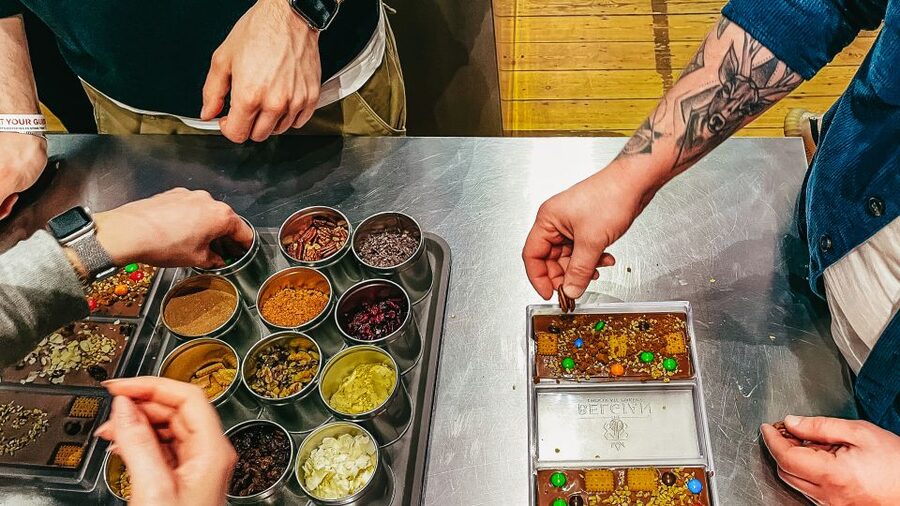
- Make three kinds of chocolate: Create mendiants, truffles, and a personalized bar, then take everything home.
- Learn from a working chocolatier: Patricia is one of the guides praised for her humor, clear teaching, and firm classroom style.
- Use traceable Haitian cacao: The workshop focuses on organic cacao from small farmers and a supply chain described as free from deforestation and child labor.
- Plan for the practical details: Check in 15 minutes early at Place de la Justice 5, then walk about 200 meters to the training centre.
- Expect an indoor, air-conditioned class: The room can feel cold, and you must wear a hairnet. An apron comes only with the VIP upgrade.
Starting at Place de la Justice
Your meeting point is the Belgian Chocolate Makers ticket office at Place de la Justice 5, close to Brussels Central Station and Mont des Arts. This is a useful location for fitting the workshop into a day of sightseeing, though the ticket office is not the workshop itself.
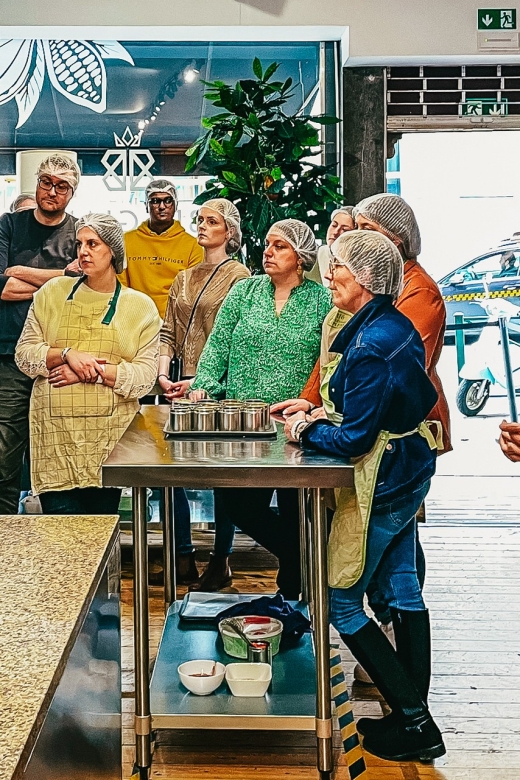
Arrive at least 15 minutes early. Staff check your ticket, give you a hairnet and wristband, and walk you roughly 200 meters to the training centre. The walk is short, but do not arrive at the last second. The doors close once the activity begins, and late arrivals are not accepted.
You also need to tie back long hair. Large bags, luggage, pets, smoking, and outside food or drinks are not allowed, so this works best as a planned stop between sightseeing rather than something you squeeze in while carrying all your shopping.
The workshop has three daily start times: 11 a.m., 2 p.m., and 5 p.m. That spread makes it easy to fit around the Grand Place, Mont des Arts, or a museum visit. The centre can welcome up to 60 people, although the working arrangement depends on the session. Some classes may feel small and personal, while busier departures can have more people sharing the room.
More Chocolate Making Workshops in Belgium
- Brussels: 2.5-Hour Belgian Chocolate Making Workshop
★ 4.8 · 933 reviews - 1.5h Belgian Chocolate Workshop in Brussels (bean to bar)
★ 4.5 · 462 reviews - Brussels: Chocolate Truffle & Belgian Hot Chocolate Workshop
★ 4.7 · 367 reviews
Entering the 150-square-meter training centre
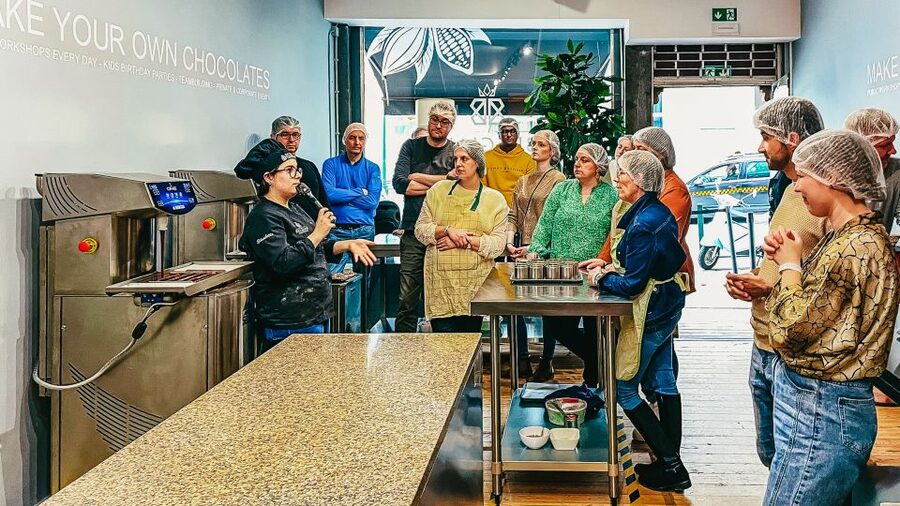
The workshop takes place in a newly equipped, 150-square-meter training centre rather than in the retail shop. It is air-conditioned, which helps with chocolate handling but may leave you chilly. A light sweater is a smart addition, even in summer.
The room includes water dispensers and an accessible toilet. The activity is wheelchair accessible, although you should still allow time for the short transfer from the ticket office. One recent practical detail is worth noting: the shop and training space are separate, and there may be stairs depending on the route used inside the facility. Ask staff about the exact access route if mobility is a concern.
Once inside, you put on the required hairnet. An apron is not included in the standard booking. You can bring your own protective layer or choose the VIP option, which includes an embroidered apron with the company logo.
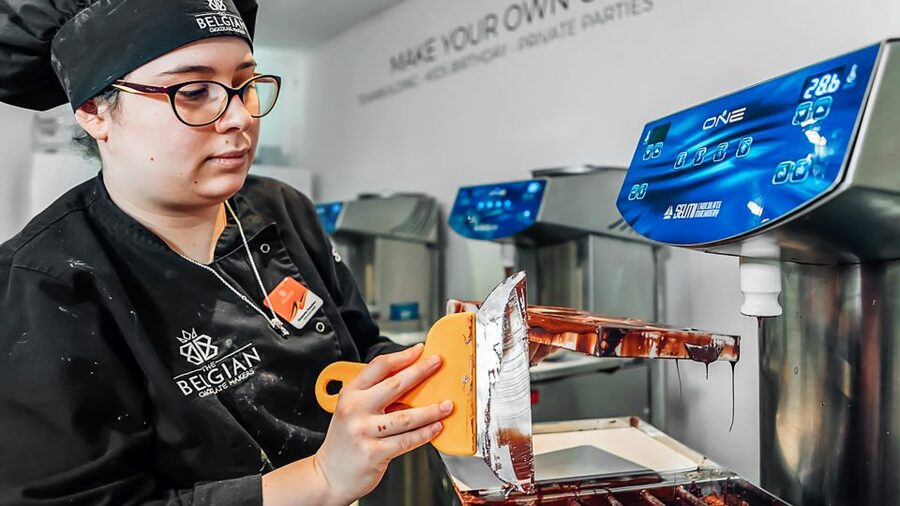
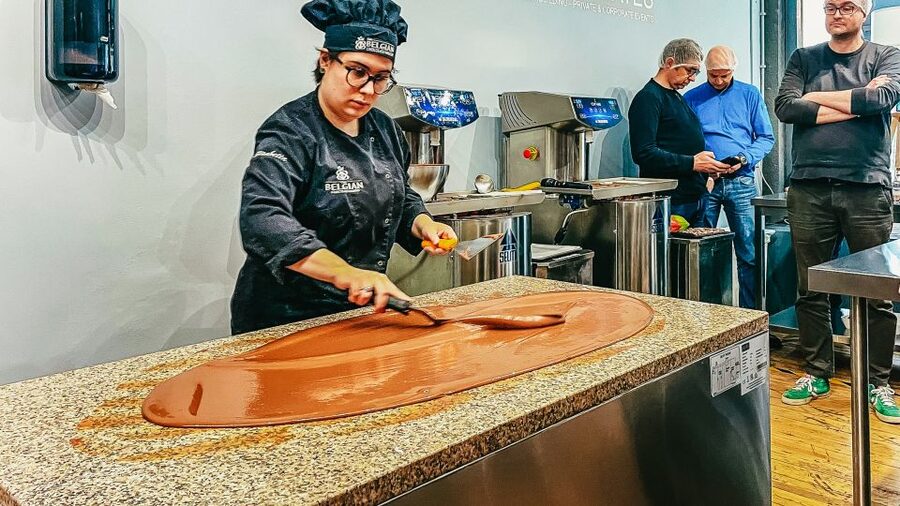
The tone is part lesson, part social activity. The chocolatier demonstrates the work, explains the process, and keeps the group moving. Patricia is often the named guide, and her style is direct, funny, and energetic. If you prefer a silent tasting or a formal culinary lecture, this may feel lively and a little bossy. If you like clear instructions and a guide who keeps everyone on task, it works well.
Tasting cacao before it becomes chocolate
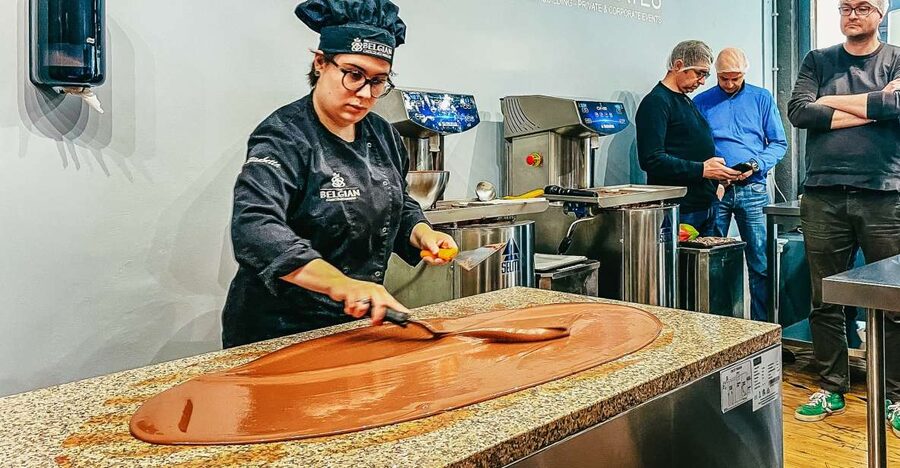
The tasting gives the workshop its real character. You do not simply sample finished pralines and then decorate a bar. You begin with cacao in forms that most people never encounter in a Brussels chocolate shop.
You handle a fresh cacao pod and taste fresh cacao beans. The bean itself is intensely bitter, so do not expect it to taste like a sweet chocolate chip. The surrounding mucilage, also described as cacao pod juice, offers a different experience and helps explain how much flavor is lost or changed during processing.
You also taste cacao liquor. Despite the name, it contains no alcohol. It is cacao mass made from processed beans, and its strong, dark flavor gives you a better sense of the raw material used in chocolate production.
Several premium origin cacaos from different countries are included, along with finished chocolate. The activity lists organic cacao from small farmers and premium chocolate produced from Haiti’s Grand Anse region. The point is not to turn you into a professional taster in an hour and a half. Instead, it gives you useful reference points: bitter bean, fruity pod pulp, concentrated cacao mass, and smooth finished chocolate.
This is also where the ethical sourcing information matters. The company says the cacao is fully traceable, does not involve deforestation or child labor, and provides farmers with a fair level of revenue. You should treat that as the provider’s stated sourcing policy, but it is still a valuable subject to raise in a chocolate workshop. Belgian chocolate often gets praised for its finish and tradition. This class spends more time on what comes before the finished product.
Following the bean-to-bar process
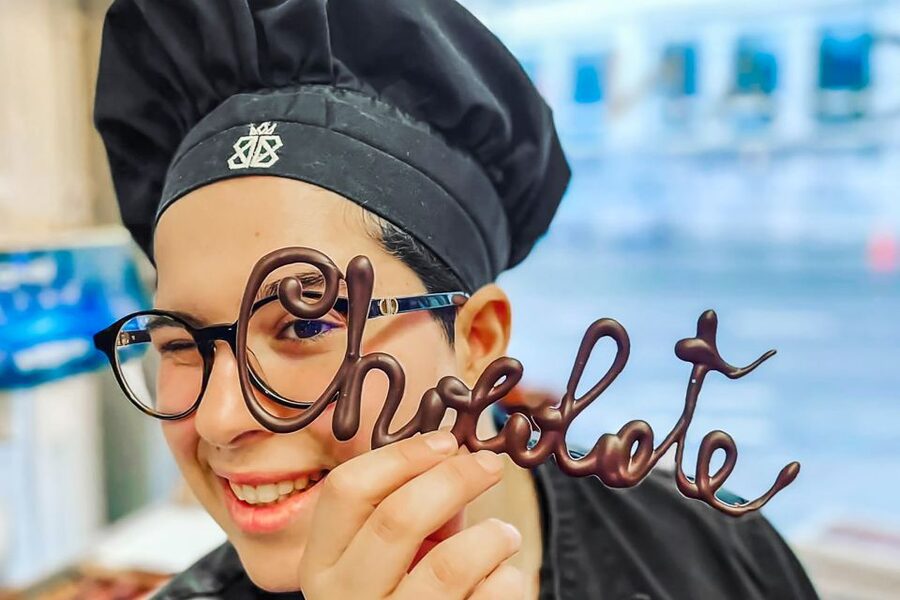
The chocolatier explains the stages from cacao bean to chocolate and shows you the bean-to-bar machinery after the practical work. The machinery visit gives the class more substance than a simple decorating session.
You learn how cacao is transformed, then see the equipment linked to that process. The details are delivered in a compact format, so do not expect a full factory tour or a long production demonstration. The reward is context. When you later taste the chocolate, you have a clearer idea of how a hard, bitter bean becomes a smooth bar.
The workshop uses handcrafted chocolate made from premium cacao rather than industrial chocolate brought in from elsewhere. The company presents itself as a true artisan maker and says it is certified by the Belgian government. It also says it is the only certified artisan chocolate maker in Brussels, a claim that belongs to the provider, but the government certification and bean-to-bar focus are useful points of distinction when comparing classes.
The 90-minute schedule is well paced for a holiday activity. You get information, tastings, demonstrations, and making time without committing half a day. The tradeoff is that technical questions may need to stay brief, especially in a full class.
More Chocolate Making Workshops in Brussels
- Brussels: Chocolate Workshop and Guided Walking Tour
★ 4.6 · 263 reviews - 1.5h Hands on Chocolate Workshop: Truffles & Tasting
★ 4.5 · 76 reviews - Chocolate Workshop and Self-Guided Museum Visit at Choco-Story in Brussels
★ 4.5 · 72 reviews - Brussels: Make Your Own Chocolates Workshop with Tastings
★ 4.8 · 38 reviews
Making mendiants, truffles, and a personal bar
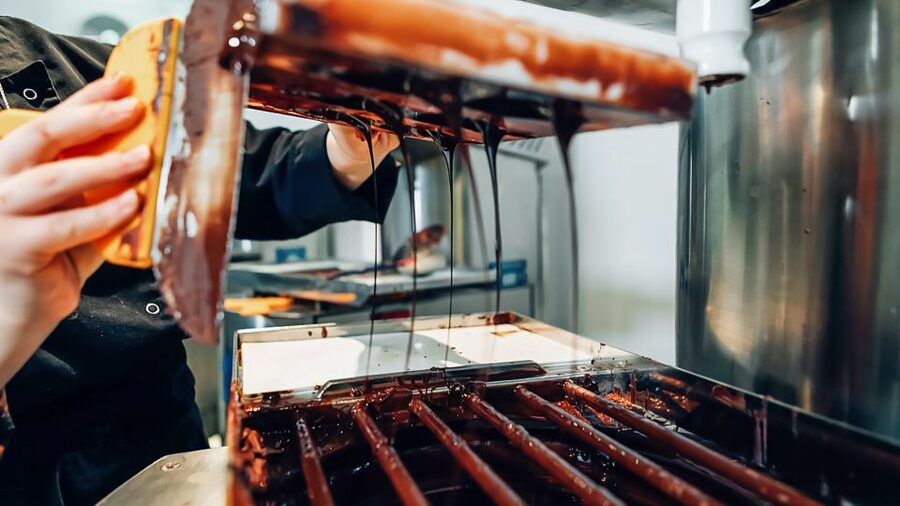
The practical portion gives you three different ways to work with chocolate.
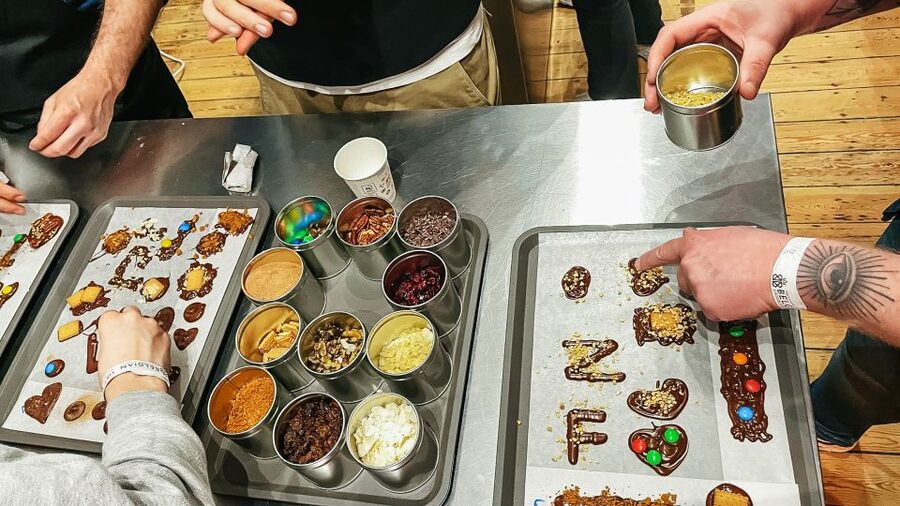
First comes the personalized bar. You work with milk and dark chocolate, then choose toppings for the bar. The exact topping selection can vary, and nuts are used, so tell staff about intolerances during check-in. You can decorate with dark chocolate and create your own pattern, which is more satisfying than simply receiving a pre-made souvenir.
Next come mendiants, the small chocolate discs finished with toppings. They are simple to make but show how chocolate, texture, and decoration work together. This is usually the part where the class gets creative, and the results may look homemade rather than shop-perfect. That is part of the fun. You are making edible souvenirs, not competing with the display cases in the store.
The final item is the truffle. You shape and finish several truffles, with options such as cocoa powder or coconut mentioned in the workshop details. The work is more tactile than the bar-making, and the instructor’s demonstrations matter because chocolate quickly becomes messy when handled without a plan.
Everything you make belongs to you. You receive a box for carrying the chocolate home, which adds real value to the booking. The class does not leave you with one tiny sample and a recipe card. You take away a mixed collection of bars, mendiants, and truffles, along with the chocolate tasted during the session.
Allow for some melting risk if you are visiting in warm weather. The supplied information does not promise special shipping or long-term storage, so keep the box out of direct heat and avoid packing it deep in a hot suitcase.
The guide can make or break the class
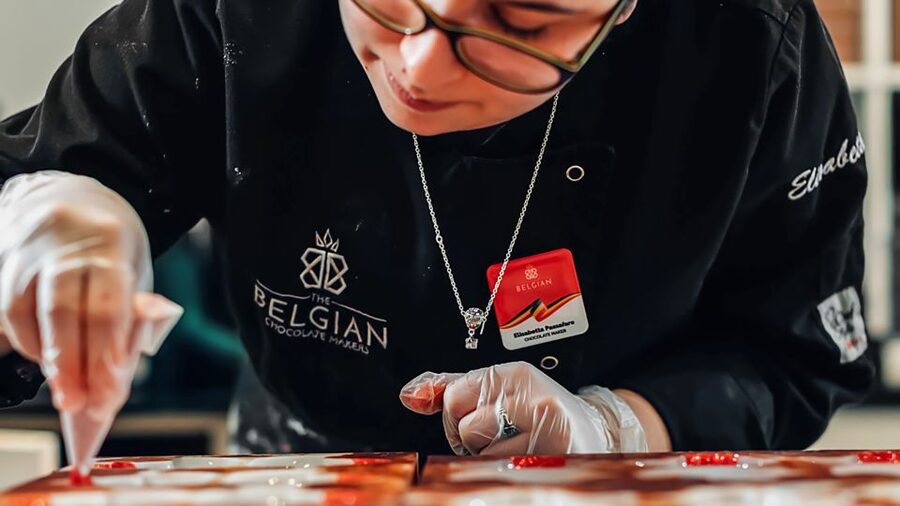
The chocolatier is not just there to hand out toppings. The guide explains the cacao tree, the fruit, the beans, the chocolate-making stages, and the difference between dark and milk chocolate. Patricia is repeatedly singled out for being funny, patient, clear, and full of personality.
Her teaching style can be strict. That may sound like a small issue, but it matters in a hands-on class. The instructor needs everyone to follow hygiene and handling steps, and a firm guide helps keep melted chocolate from turning into chaos. At the same time, a strong personality may not suit someone hoping for a quiet, self-directed activity.
English is the listed language. The explanations are designed for an international group, though the room can become difficult to hear at times. If you have questions, ask them early and stay near the demonstration area when possible. The class is interactive, so participation helps you get more from it.
The provider’s staff are described as handcraft chocolate makers certified by the Federal Belgian government. The experience is also presented as a partner of Les Clefs d’Or, a hospitality association linked with service standards. Those credentials do not replace a good class, but they support the sense that you are working with professional makers rather than attending a generic tourist craft session.
What the $82 price really buys
At $82 per person, the workshop sits above a basic chocolate tasting. You are paying for instruction, multiple tastings, access to a working training centre, hands-on materials, and the box of chocolate you make.
The price makes the most sense if you value an activity that combines food, education, and a take-home souvenir. A couple or family can spend 90 minutes doing something active instead of moving from one shop window to the next. It is also a useful cold-weather plan, especially with the winter hot chocolate included.
It is less compelling if you mainly want to eat premium Belgian chocolate. You can spend less on a shop tasting or buy a selection of finished products. The workshop earns its price through the making and the origin lesson, not through the sheer amount of chocolate alone.
A 20 percent discount on the company’s chocolate collection in its stores is included as a follow-up benefit. That can improve the value if you already plan to buy pralines or bars, but do not treat it as a reason to book on its own. The discount applies to the provider’s shops, not every chocolate store in Brussels.
The standard package includes a hot chocolate in winter or chocolate granita in summer. The VIP upgrade adds Champagne, an embroidered apron, and a laboratory visit. Check the option you select carefully, since the apron and Champagne are not part of the regular booking.
Who should book this Brussels activity
This suits chocolate lovers who want to understand the ingredient as well as eat it. It also works for families with children old enough to follow instructions, couples looking for a shared activity, solo visitors happy to work alongside a group, and anyone planning a rainy or freezing afternoon indoors.
Children under six are not permitted, and unaccompanied minors are not accepted. The class can work well with older children and teenagers because the rewards are immediate: taste, make, decorate, and take the results home.
It is not suitable for people with food allergies, gluten intolerance, or lactose intolerance according to the restrictions provided. The workshop can offer dark chocolate for vegans or people avoiding lactose, but the standard guidance still says people with lactose intolerance are not suitable. Contacting the provider in advance may clarify what can be accommodated, but do not assume a safe setup.
Nuts are used in the toppings. Tell staff about allergies at check-in, but people with serious food allergies should heed the stated restriction rather than rely on last-minute adjustments.
The activity is also a good choice for a group that wants a shared project. The centre can handle large numbers, and the making process gives everyone something to do. For a quieter, highly technical lesson, a smaller class would be preferable when available.
Timing, comfort, and small practical traps
Book one of the three daily sessions and build in the early arrival. The 11 a.m. slot leaves the afternoon open, 2 p.m. is a natural break in a sightseeing day, and 5 p.m. can work before dinner.
The 90-minute duration is enough for a clear introduction and three chocolate projects. It is not enough for a leisurely factory tour, long open discussion, and advanced tempering practice. Think of it as an accessible introduction to artisan chocolate making.
Wear something comfortable and warm. The air conditioning protects the chocolate but can make the room feel cold. Tie back long hair before you arrive, and leave luggage at your accommodation because large bags are not allowed.
The chocolate box is the main souvenir, but the 20 percent store discount gives you another reason to visit the retail shop after the class. Since the ticket office and training centre are separate, you can also use the shop as your starting and ending point if you want to browse the maker’s finished collection.
Should you book the Belgian Chocolate Makers workshop?
I would book it if you want more than a tasting and like the idea of making a bar, mendiants, and truffles in one compact session. The fresh cacao pod, mucilage, bitter bean, and cacao liquor give the experience a real point of difference, while the finished box makes the $82 price easier to justify.
I would skip it if you have serious food restrictions, dislike structured group activities, or only want to sample polished Belgian pralines. For everyone else, choose a time that fits your sightseeing, arrive 15 minutes early at Place de la Justice 5, wear a warm layer, and expect a lively English-language class led by a hands-on chocolatier such as Patricia.
FAQ
Where does the chocolate workshop meet?
You begin at The Belgian Chocolate Makers ticket office at Place de la Justice 5 in Brussels, near Gare Centrale and Mont des Arts. Staff then walk you about 200 meters to the training centre.
How early should I arrive?
Arrive at least 15 minutes before the scheduled start. Ticket checking closes once the activity begins, and late arrivals are not accepted.
How long does the experience last?
The workshop lasts 90 minutes.
What time can I book the workshop?
Sessions are currently offered at 11 a.m., 2 p.m., and 5 p.m.
What will I make?
You make mendiants, truffles, and a personalized chocolate bar. Everything you make is yours to take home.
What tastings are included?
You taste several origin cacaos, fresh cacao beans, cacao mucilage, chocolate, and cacao liquor. The cacao liquor contains no alcohol and is made from cacao mass.
Is the workshop available in English?
Yes. English is the listed language for the instructor.
Is an apron included?
An apron is included only with the VIP upgrade. The VIP option also includes an embroidered apron and a glass of Champagne.
Can vegans or people avoiding lactose take part?
The workshop offers dark chocolate for vegans or people with lactose intolerance, but the stated restrictions say the activity is not suitable for people with lactose intolerance. Confirm your needs with staff before booking.
Is the activity wheelchair accessible?
Yes, the activity is listed as wheelchair accessible. The ticket office and training centre are separate, so contact the provider if you need details about the route between them.
More Chocolate Tastings in Brussels
- Brussels: Belgian Chocolate Tasting Tour
★ 3.4 · 32 reviews - Beer and Chocolate Tasting Tour in Brussels min 6 pax
★ 5.0 · 11 reviews - Brussels: Beer and Chocolate Pairing Class with Tastings
★ 4.6 · 9 reviews - Brussels: Chocolate and Beer Private Tour with Tastings
★ 4.6 · 7 reviews
More Chocolate Tastings in Belgium
- Brussels Walking and Tasting Tour (Beers,Chocolates&Fries/Waffle)
★ 5.0 · 929 reviews - Brussels Chocolate Tasting Tour
★ 5.0 · 568 reviews - Brussels: Beer Tour with 6 Beers and 3 Chocolate Tastings
★ 4.7 · 392 reviews - Brussels: Belgian Chocolate, Beer, and Fries Tasting Tour
★ 4.5 · 54 reviews
Freshly tempered around Brussels
- Brussels: Make Your Own Chocolates Workshop with Tastings★ 4.8 · 38 reviews
- Navigate through Brussels and Discover Beer and Chocolate★ 5.0 · 9 reviews
- Beer and Chocolate Tasting Tour in Brussels min 6 pax★ 5.0 · 11 reviews
- Brussels Chocolate Tour Private & Personalized with a Local Guide★ 5.0 · 13 reviews
- Afternoon Tipsy Tour with Cocktails & Chocolates in Brussels★ 5.0 · 9 reviews
- Private: Discover Brussels beer & breweries by a young local (incl. chocolate)★ 5.0 · 8 reviews
- Brussels: Tour Bruges & Ghent with Cruise + Chocolate visit★ 4.0 · 24 reviews
- Beer & Chocolate Tasting in a Brewery-Distillery★ 5.0 · 4 reviews
More Belgium Chocolate Tours to compare.
Choco-Story Brussels: Chocolate Museum Entrance with Tasting
Read our review →
Hungry Mary’s Famous Beer and Chocolate Tour in Brussels
Read our review →
Brussels: Chocolate Museum Visit with Workshop
Read our review →
Bruges: Choco-Story Chocolate Museum Guided Tour w/Tastings
Read our review →
Brussels: Historical Tour with Chocolate & Waffle Tasting
Read our review →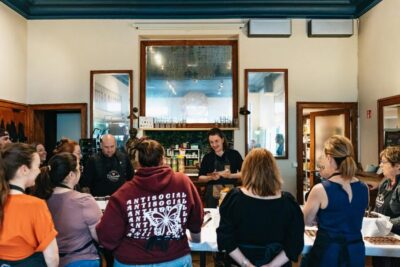
Brussels: 2.5-Hour Belgian Chocolate Making Workshop
Read our review →
Brussels Walking and Tasting Tour (Beers,Chocolates&Fries/Waffle)
Read our review →