
Review · GHANA
Accra: Aburi Botanical Garden, Cocoa Farm, and Waterfall …
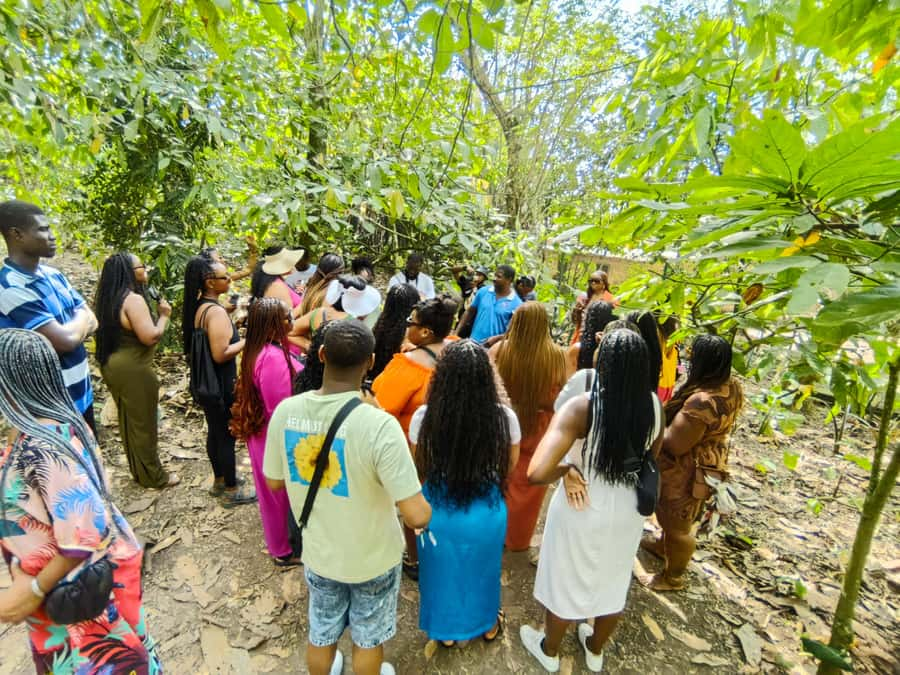
Ghana’s cocoa story begins to feel real when you crack open a fresh pod at Tetteh Quarshie Cocoa Farm and taste the beans inside. I like this tour for that hands-on moment and for the sharp change of scenery, from Accra’s busy streets to Aburi’s hills, forest, and falling water.
I also like the mix of stops. Aburi Botanical Garden offers shade, old trees, and a calm walk, while Asenema Waterfall gives you a cool place to rest. The main drawback is pace: six hours is a tight window for three major stops, a drive from Accra, lunch, and moderate walking.
Key points to know before booking
- The cocoa stop is hands-on: You learn how pods are grown, opened, fermented, and dried, then taste fresh cocoa beans.
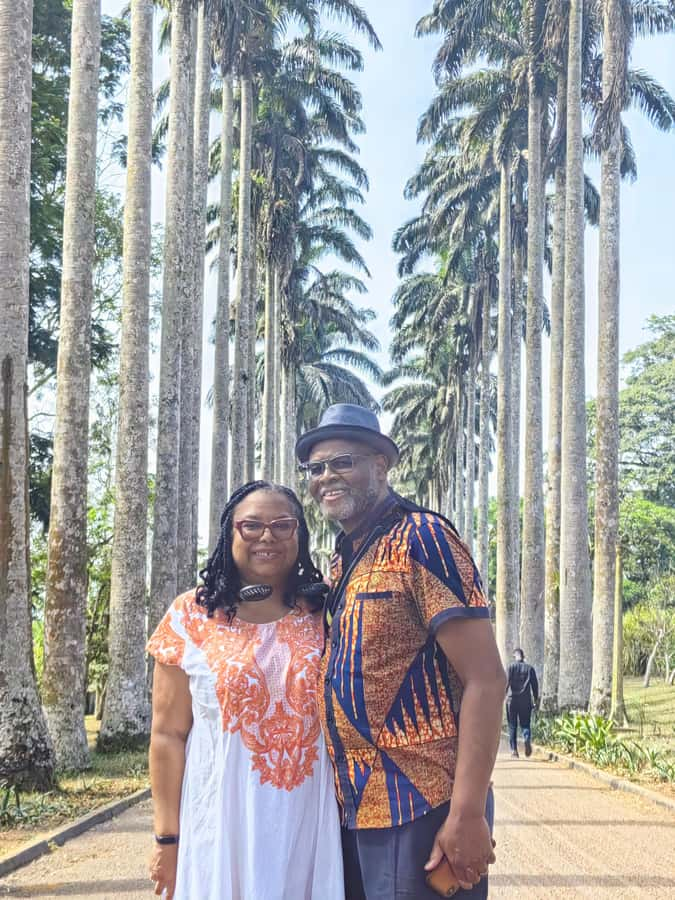
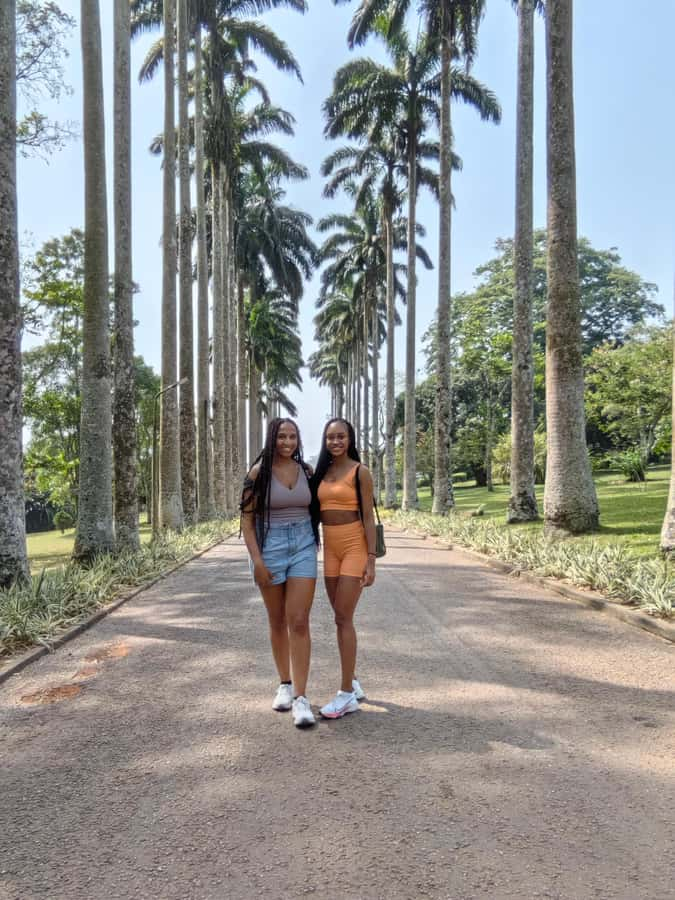
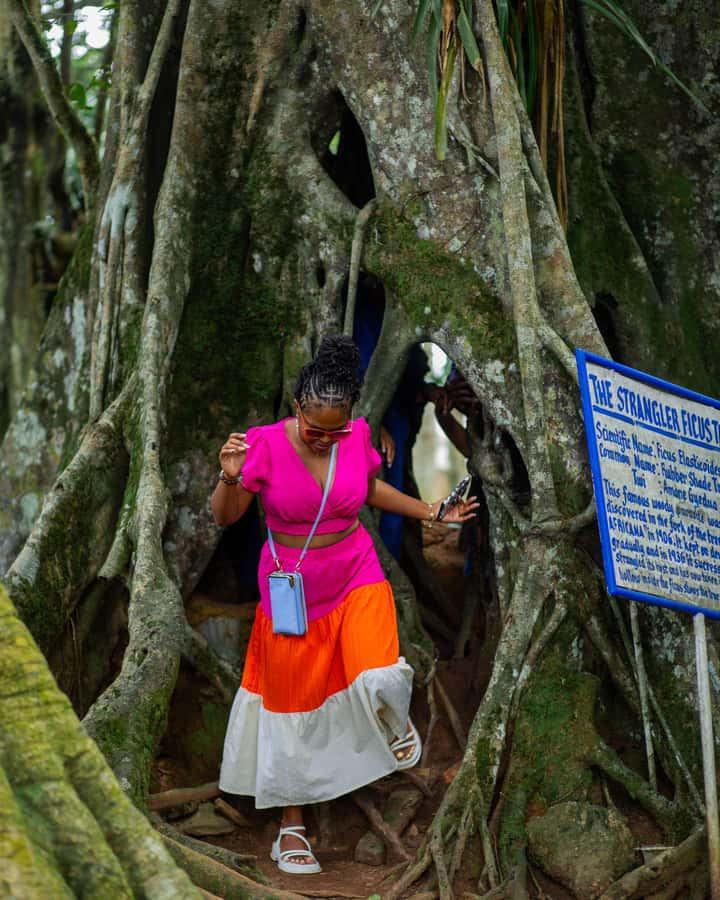
- Aburi Botanical Garden dates to 1890: Its 160 acres include Kapok trees, royal palms, and an ancient Strangler Fig.
- Asenema Waterfall requires a short forest walk: The path is described as easy, but you should still wear proper walking shoes.
- This is a private tour: You travel by car with an English-speaking live guide rather than joining a large shared group.
- The price includes the basics: At $194 per person, transport, lunch, water, guide service, and entry fees are covered.
- The day works best for nature and culture: You get plants, farming, local history, and a peaceful outdoor stop, not a long beach or city tour.
From Accra streets to Aburi’s hill country
The first part of the day is a scenic drive from Accra toward Ghana’s Eastern Region. The change is gradual. City scenes give way to rolling hills and greener views, making the drive part of the experience rather than simple transport between attractions.
You travel in a car with a private group, which gives the outing a more personal shape. You are not locked into the rhythm of a large coach party, and the live guide can explain what you are seeing along the way. The tour is offered in English.
The total duration is six hours, so you should expect an active half-day rather than a slow country retreat. The exact balance between driving and time at each stop is not provided, but the route covers three separate places. If you want long botanical walks, an extended waterfall picnic, and a detailed farm visit all in one day, the schedule may feel brisk.
Still, the route makes sense. Aburi Botanical Garden introduces Ghana’s plant life, the cocoa farm explains one of the country’s most important crops, and the waterfall finishes the outing with shade and water. Each stop has a different purpose.
More Cacao Farm Tours in the world:
- Lahaina: Maui Ku’ia Estate Guided Cacao Farm Tour and Tasting
★ 5.0 · 1,103 reviews - Award Winning Farm Tour: Coffee, Chocolate and Unique Gifts
★ 5.0 · 484 reviews - Lahaina: Maui Ku’ia Estate Guided Cacao Farm Tour & Tasting
★ 4.8 · 137 reviews
Walking beneath old trees at Aburi Botanical Garden
Aburi Botanical Garden was established in 1890 and covers 160 acres. That gives you room to walk among tropical plants, trees, and flowers without the stop feeling like a small city park.
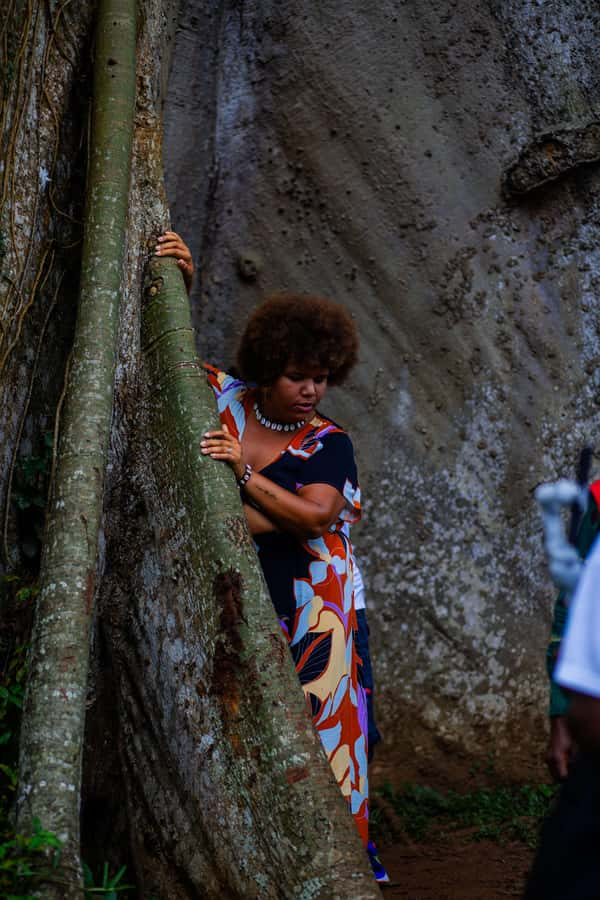
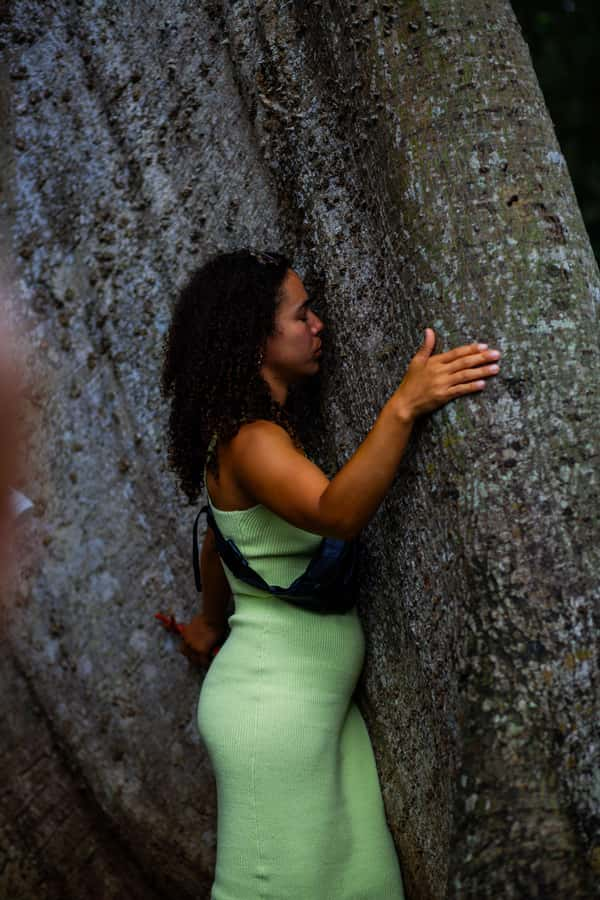
A guided visit is useful here because the garden’s appeal comes from details you could easily miss on your own. The route includes towering Kapok trees, an ancient Strangler Fig, and an avenue lined with royal palms. These features give the garden a sense of scale and age.
I would pay attention to the trees rather than rushing around for photographs. The Kapok trees show the height and strength of tropical growth, while the Strangler Fig offers a more unusual form. The royal palm avenue gives you one of the clearest photo settings of the day.
The garden also provides a welcome break from Accra’s heat. Its plant collection gives you a direct look at Ghana’s flora, and the guide can connect what you see to the wider environment. You are not simply being shown flowers. You are getting a basic introduction to the plants and trees that shape the region.
There is a practical point to keep in mind. The garden covers a large area, and the tour notes moderate walking. Comfortable shoes matter, especially if the ground is uneven or damp. A hat and sunscreen are also sensible, since shaded paths do not mean every section is protected from the sun.
Understanding cocoa at Tetteh Quarshie Farm
The Tetteh Quarshie Cocoa Farm is the most distinctive stop because it connects a local site with Ghana’s national economy. The farm is named for Tetteh Quarshie, the Ghanaian blacksmith credited with bringing the first cocoa beans from Fernando Po, now Bioko in Equatorial Guinea, in the late 19th century.
That story helps explain why cocoa is more than a sweet treat in Ghana. It became a major agricultural crop and helped shape the country’s place in the world market. At the farm, you can see the beginnings of that process in a more direct setting.
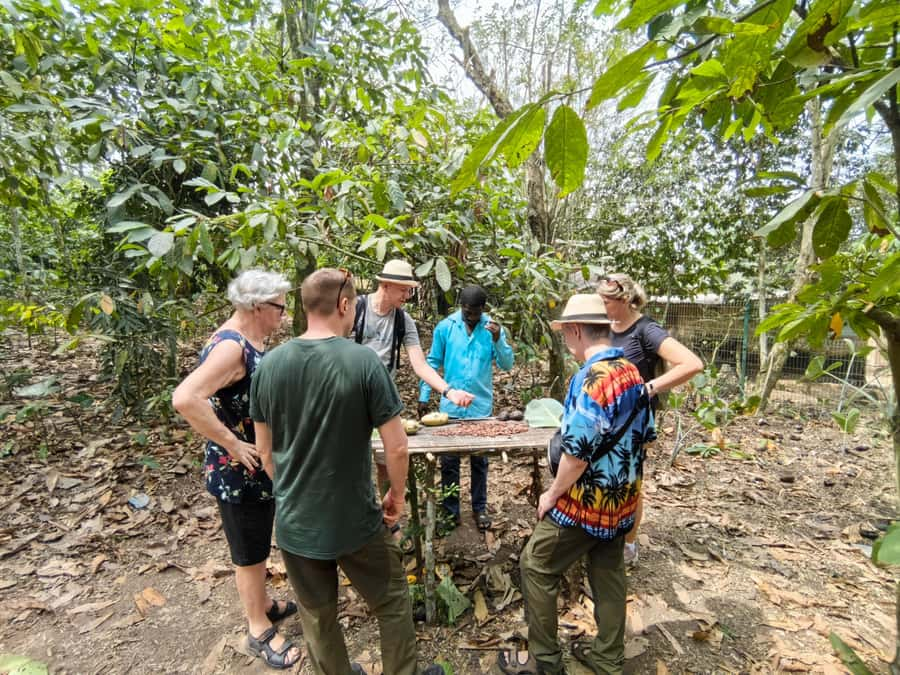
The guide explains cocoa cultivation from planting and caring for the trees through harvesting the pods. You also learn what happens after the pods are opened. Fermentation and drying are essential steps, and they affect the quality of the beans before they ever become chocolate.
The best part is the chance to crack open a cocoa pod and taste the fresh beans. They are not the finished chocolate product you buy in a shop. That contrast helps you understand how much processing comes between a fruit picked from a tree and a familiar chocolate bar.
This is also a good stop for families and for anyone who likes food experiences with a clear link to place. You are not just tasting something local. You are seeing where the ingredient begins and learning why post-harvest work matters.
The visit is educational, but do not expect a chocolate factory or a full chocolate-making workshop. The focus is the farm, cocoa cultivation, and the early stages of production. That makes the stop valuable for context, though it may feel modest if you are looking for a polished food attraction.
A short walk to Asenema Waterfall
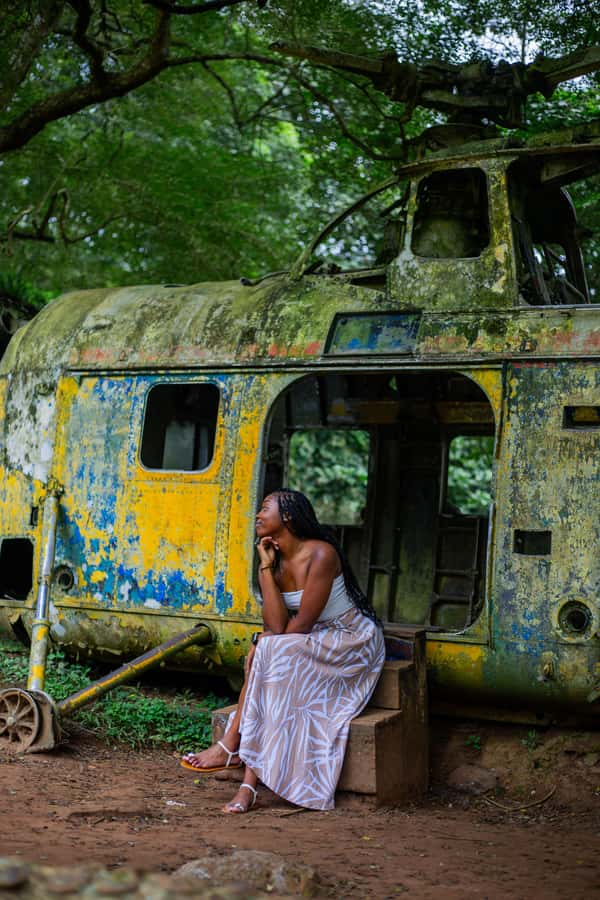
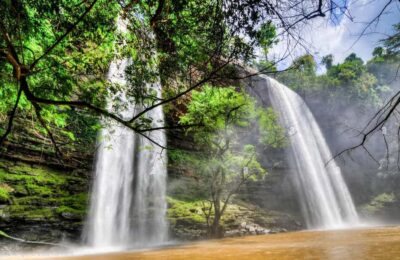
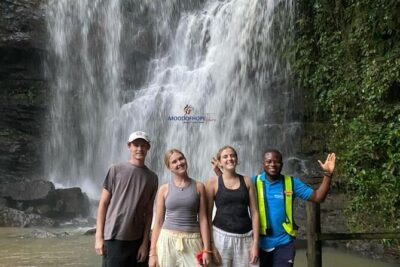
The final stop is Asenema Waterfall near Adukrom. A short walk through a forested path leads to the falls, where water drops over a rocky cliff into a clear pool below.
The path is described as easy, but the day includes a moderate amount of walking overall. Wear shoes with good support and soles that can handle a natural trail. Flip-flops may be fine for resting near the water, but they are a poor choice for the walk if the ground is wet or uneven.
The waterfall is designed as the day’s quiet pause. You can take photographs, sit near the water, or dip your feet into the pool. The sound of falling water and the surrounding greenery offer a clear change from the heat and movement of the earlier stops.
Do not treat this as a guaranteed swimming session. The information for the tour specifically describes dipping your feet and relaxing, not swimming in the pool. Bring a camera, but also leave time to enjoy the setting without trying to photograph every angle.
Asenema works well at the end of the route because it asks less of you than the farm and garden. By this point, you have already spent time learning and walking. The waterfall gives you room to slow down before returning to Accra.
More Chocolate Tours around the world:
- Lindt Home of Chocolate Museum Entry Ticket
★ 4.7 · 9,329 reviews - Choco-Story Brussels: Chocolate Museum Entrance with Tasting
★ 4.3 · 4,883 reviews - Zurich: City Tour, Cruise, and Lindt Home of Chocolate Visit
★ 4.5 · 4,624 reviews - The Chocolatarium Chocolate Tour Experience in Edinburgh
★ 5.0 · 4,322 reviews
What the $194 price covers
At $194 per person, this is not a budget sightseeing outing. The value comes from the fact that it is a private six-hour experience with a car, live English-speaking guide, lunch, water, and entry fees included.
That bundled price matters in Ghana, where separate transport, entrance tickets, meals, and guide arrangements can add up. You also avoid the work of linking three stops together on your own. The private format is especially useful if you prefer a set route without a large group.
The value is less clear if you only want one attraction. Aburi Botanical Garden alone would not justify this price for many people, and the waterfall is a relatively short visit. You are paying for the complete combination: transport from Accra, interpretation, food, and access to three sites in one day.
Group size also affects the calculation. Because the experience is for a private group, the cost may make more sense when shared among several people in your party. A solo visitor will feel the per-person price more sharply.
Lunch and water are included, which removes two small but important planning tasks. Personal expenses are not included, so bring money for anything outside the stated package. The tour also offers free cancellation up to 24 hours before departure and a reserve-now, pay-later option, both useful if your Accra plans are still changing.
Who will enjoy this day most
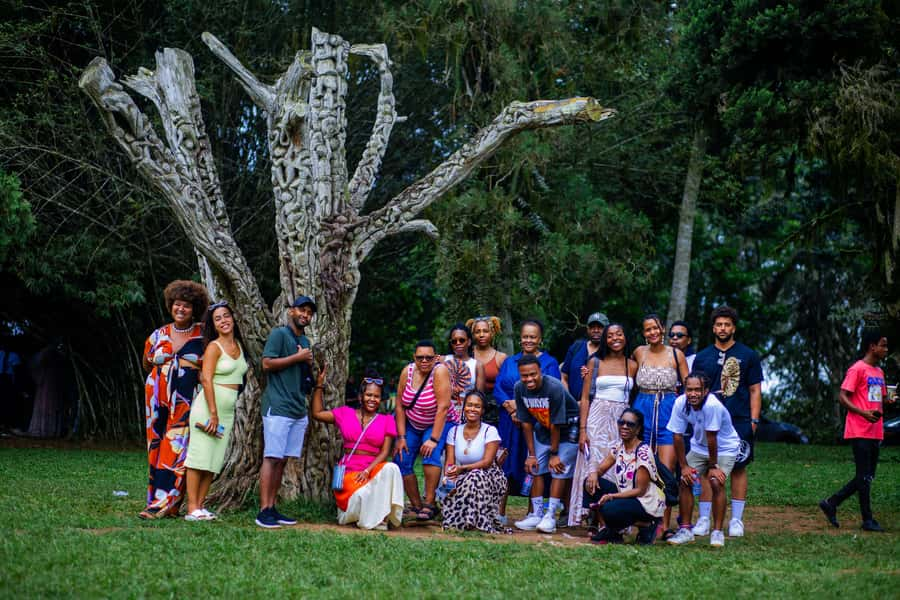
I would choose this tour if you want a compact introduction to Ghana beyond Accra. It gives you nature, agriculture, local history, and a waterfall without requiring several separate bookings.
It suits:
- First-time visitors who want an easy regional outing
- Families interested in plants and cocoa
- Couples looking for a private day outside the city
- Food-minded visitors who want to understand cocoa before it becomes chocolate
- People who prefer a guide and arranged transport
- Anyone who enjoys light walking but does not want a demanding hike
The tour may be less suitable if you want a slow schedule. Three stops in six hours means you should be ready to keep moving. It is also not the best choice for someone seeking a serious trekking experience, a long swim, or a dedicated chocolate workshop.
The guide can make a large difference on this route. The listed experience includes a live English-speaking guide, and one verified booking specifically praised the guide as awesome. No guide name is provided, so you cannot request a named guide based on the available details. What you can expect is guided explanation at each stop rather than a simple driver-only transfer.
Practical preparation for the day
Wear comfortable walking shoes. This is the most important item because you will walk through the botanical garden and along a forest path to the waterfall.
Pack a hat and sunscreen. The garden has shade, but the tour also includes open sections and time outdoors. Water is included, but keeping sunscreen and a hat within easy reach will make the day more comfortable.
A camera is worthwhile. The royal palm avenue, large tropical trees, cocoa pods, and waterfall provide the most obvious photo opportunities. You may also want a small bag for personal items, though no special equipment is listed as necessary.
The tour includes lunch and water, so you do not need to plan a full picnic. Personal expenses are not covered, however, and the tour does not specify what lunch includes. If you have dietary concerns, ask before booking rather than assuming the meal can be changed.
Because the starting time depends on availability, check the schedule when you choose your date. The route is from Accra into the Eastern Region and back, so a departure that allows enough daylight and time at each site is important.
The final call: book it for variety, not depth
Book this tour if you want one organized day that links Aburi’s old garden, Ghana’s cocoa story, and a forest waterfall. The route has a good rhythm, and the hands-on cocoa tasting gives it more character than a simple sightseeing drive.
At $194 per person, the strongest case is convenience and privacy. Transport, entrance fees, lunch, water, and an English-speaking guide are included, and you avoid arranging three separate stops. The main trade-off is time. You will see a lot in six hours, but you will not linger everywhere.
I would recommend it most to first-time visitors and small private groups who want a broad taste of the Eastern Region. If you prefer one place explored slowly, choose a more focused outing. If you want a well-planned day with plants, farming, fresh cocoa, and cool water at the finish, this is a sensible choice.
FAQ
How long does the tour last?
The experience lasts six hours, including the journey from Accra, visits to all three locations, lunch, and the return portion of the day.
Is transportation included?
Yes. Transportation by car is included in the tour.
Is this a private group experience?
Yes. The tour is offered for a private group rather than as a shared group activity.
What language is the guide’s tour conducted in?
The live tour guide speaks English.
What should I wear and bring?
Wear comfortable walking shoes and bring a hat, sunscreen, and a camera. The tour includes moderate walking and a short forest path to Asenema Waterfall.
Are lunch, water, and entry fees included?
Yes. Lunch, water, and entry fees to all destinations are included. Personal expenses are not included.
Freshly tempered around the world
- Zurich Open-top Tour and Chocolate and Cheese Countryside★ 3.5 · 11 reviews
- Lindt Chocolate Museum with Cruise Transfer from Zurich★ 4.6 · 7 reviews
- Zurich: Chocolate Tasting and Walking Tour with a Local★ 4.2 · 13 reviews
- Zagreb: Lake Bled and Ljubljana Day Tour with Chocolate Gift★ 5.0 · 26 reviews
- York: Introduction to Chocolate Making Experience★ 4.9 · 10 reviews
- Zaandijk-Near Zaanse Schans Chocolate making demo & tasting★ 4.8 · 13 reviews
- Private Wine and Chocolate Tasting Experience★ 4.4 · 3 reviews
- Yarra Valley: Wine and Chocolate tasting tour.★ 5.0 · 5 reviews
More Ghana Chocolate Tours to compare.
Boti Falls, Umbrella Rock, Aburi Gardens & Cocoa Farm Tour
Read our review →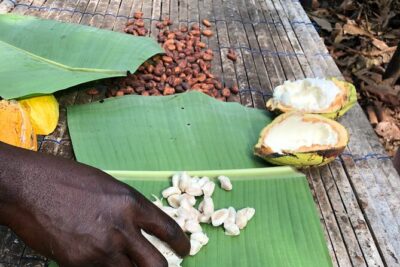
Experience Boti Waterfalls, Aburi Botanical Gardens & Tetteh Quarshie Cocoa Farm
Read our review →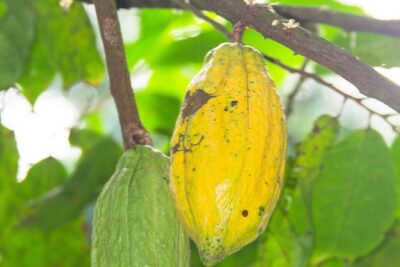
Escape Accra City to Aburi Gardens and Tetteh Quarshie Cocoa Farms
Read our review →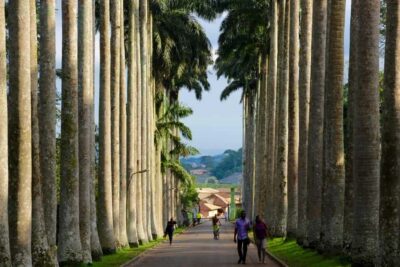
Accra Aburi Eco & Cocoa Experience: Gardens Waterfall &Lunch
Read our review →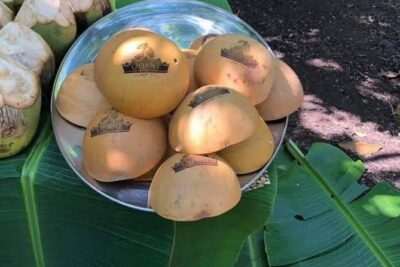
Day Trip Near Accra – Visit Aburi Gardens, Waterfall & Cocoa Farm
Read our review →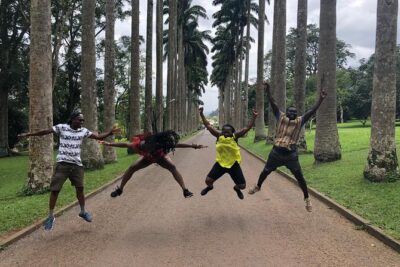
Ghana Eastern Explorer – Boti Falls, Aburi Gardens & Tetther Quarshie Cocoa Farm
Read our review →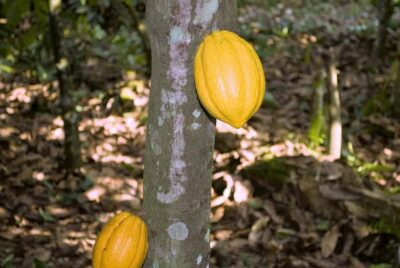
Visit Aburi Garden, Tetteh Quarshie Cocoa Farm & Waterfall
Read our review →Chocolate lists with this tour