
Review · SWITZERLAND
Basel: Guided Local Chocolates Tasting
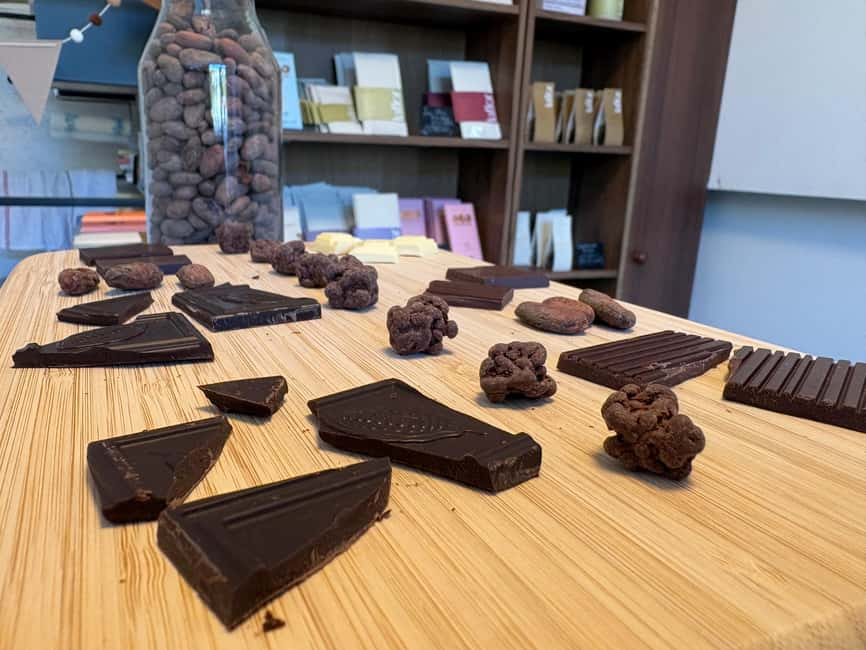
Swiss chocolate has a story that starts far from Basel, in South America, then passes through centuries of experimentation before reaching the bars, truffles, and pralines Switzerland is famous for. I like that this tasting explains that journey instead of treating chocolate as simple candy. You also get to taste the subject as you learn, including truffles, chocolate almonds, and white, milk, and dark chocolate.
I like the short format, too. At 35 minutes and $24 per person, this fits neatly into a morning or afternoon in Basel. Guides such as Lina and Jonas focus on cocoa origins, production, and the people who shaped Swiss chocolate. The main drawback is that the experience may be spent mostly standing, and it is not suitable for anyone with food allergies.
Key points to know before you book
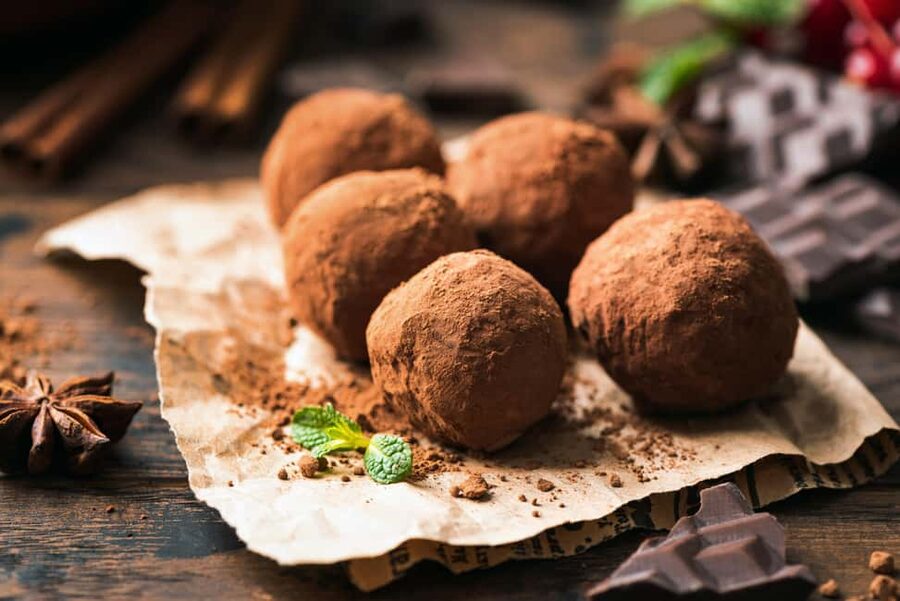
- Six or so chocolate samples: The tasting can include a varied flight of truffles and chocolate in several styles, though the exact selection may change.
- A clear Swiss focus: Learn how Cailler, Lindt, Peter, and Nestle helped shape the country’s chocolate industry.
- Grand Cru chocolate included: The guide introduces higher-grade chocolate and explains how origin affects flavor.
- Short and easy to fit into a day: The full experience lasts about 35 minutes and returns to Binningerstrasse 15.
- English guidance: The live presentation is in English, with guides such as Lina and Jonas leading the session.
- Check the seating situation: One tasting attendee wished for foldable chairs, so ask ahead if standing for 35 minutes may be difficult.
Why this Basel tasting works well in a short visit
Basel offers plenty of museums, river views, and old-town streets, but a chocolate tasting adds a different kind of local introduction. Switzerland’s reputation for chocolate is not only about familiar names on supermarket shelves. It grew from technical changes, business decisions, and the work of individual makers.
This experience gives you a quick lesson in that development while placing chocolate in front of you at each stage. You do not simply hear about cocoa beans, production, and flavor. You compare what you are learning with what is on your tongue.
That makes the 35-minute length useful. You get a focused activity rather than a long factory visit or a broad food tour. If you have only a day in Basel, you can place it between other plans without giving up half your afternoon.
I would think of it as an introduction, not a full workshop. You will learn about the journey from cocoa bean to finished chocolate, but you will not be making a bar yourself. The appeal is the combination of explanation and tasting.
More Chocolate Tours around Switzerland:
- Lindt Home of Chocolate Museum Entry Ticket
★ 4.7 · 9,329 reviews - Zurich: City Tour, Cruise, and Lindt Home of Chocolate Visit
★ 4.5 · 4,624 reviews - Award-Winning Geneva Chocolate &Old Town Tour with Boat Ride (3h)
★ 5.0 · 3,721 reviews
Starting at Binningerstrasse 15
The experience begins at Binningerstrasse 15 and returns there after the tasting. That clear start and finish makes planning simple, especially if you are building a Basel day around a fixed schedule.
The supplied details do not give a full walking route through the city, a factory visit, or a separate stop at a historic chocolate shop. The listed Basel portion is the tasting itself. For that reason, you should book this for the chocolate lesson and samples, not as a general sightseeing walk.
Give yourself enough time to reach Binningerstrasse 15 before the scheduled start. Starting times vary, so check availability when booking. Since the activity is short, arriving late could mean missing a useful part of the explanation or a sample.
The tour is wheelchair accessible. That is important for a tasting held at one location, though you may still want to confirm the seating setup if you need to remain seated. One person specifically noted that foldable chairs would have helped. The activity details do not promise regular seating.
From South American cocoa to Swiss chocolate
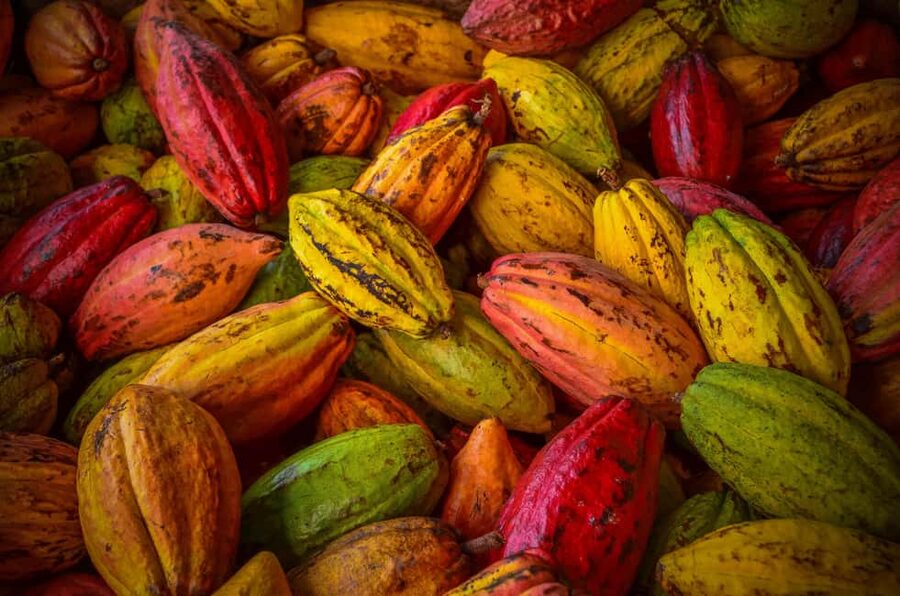
The most interesting part of the presentation is the wider story of cocoa. The guide traces chocolate back to its beginnings in South America, then explains how it traveled through the centuries and reached Switzerland.
That context helps explain why Swiss chocolate became so well known. The country did not grow cocoa locally, so its chocolate tradition developed through processing, blending, milk chocolate production, business growth, and careful presentation.
You will hear about major figures and companies including Cailler, Lindt, Peter, and Nestle. These names are often familiar, but the tasting gives them a place in the development of the industry. You can connect the historical account with the kinds of chocolate in front of you.
The guide also discusses cocoa beans and the sources they come from. This is useful because two chocolates can look similar while tasting quite different. Bean origin, roasting, percentage of cocoa, sugar, milk, and added ingredients all affect the result.
The presentation is led in English by a live guide. Lina has been especially noted for explaining bean sources and Swiss chocolate production, while Jonas has been praised for a friendly, well-prepared presentation. Guide assignments can vary, so you should treat these names as examples rather than a guarantee.
Tasting truffles, bars, and chocolate almonds
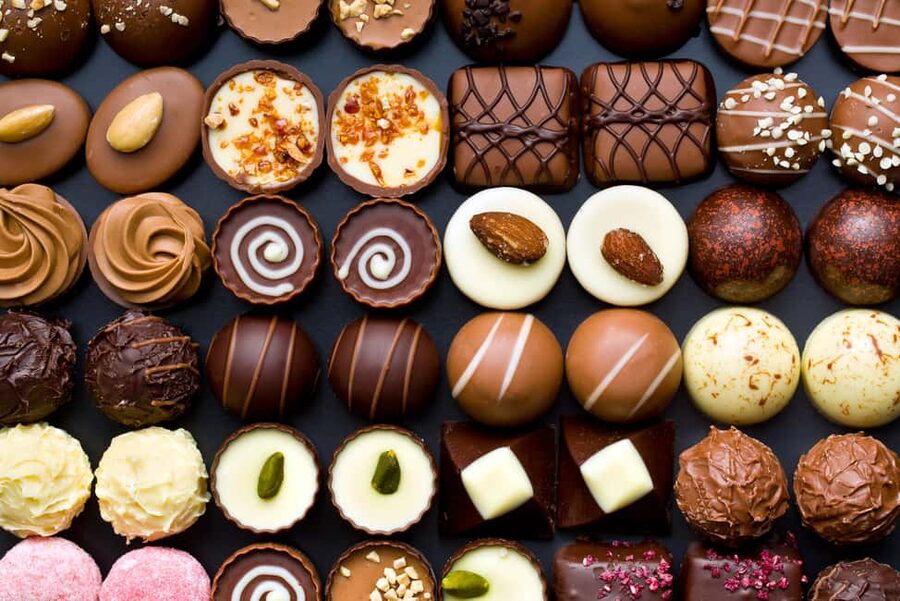
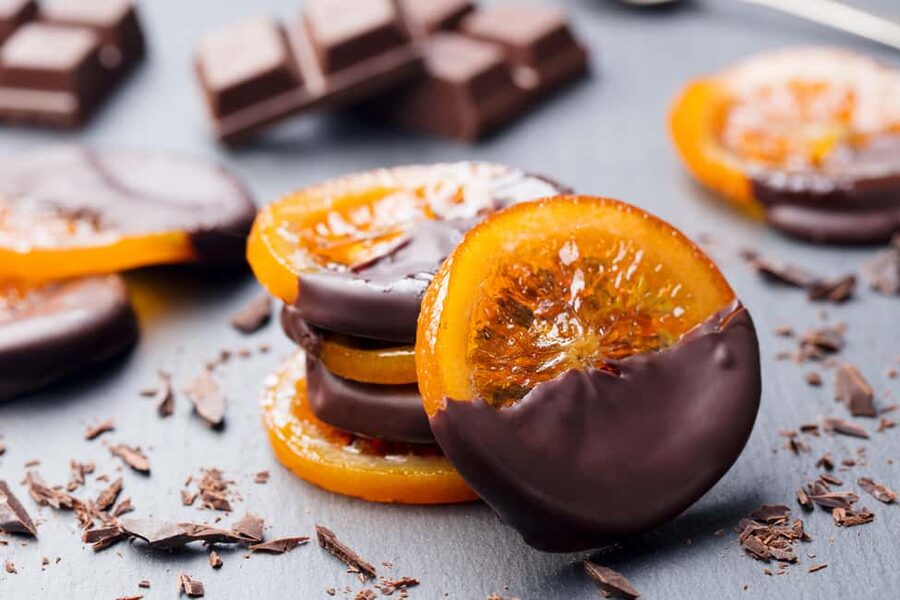
The tasting covers several styles rather than serving one standard piece of milk chocolate. The included samples feature truffles, white chocolate, milk chocolate, dark chocolate, and chocolate almonds.
Truffles give you a chance to notice texture as much as flavor. Their soft center differs from the firm snap of a chocolate piece. Chocolate almonds add crunch, while white, milk, and dark chocolate let you compare sweetness, cocoa strength, and mouthfeel.
A tasting account described six samples. The exact number and selection may vary, but you should expect a spread rather than a single bite. Take your time with each piece. Notice which samples taste creamy, bitter, nutty, soft, or crisp, then listen for the explanation of how each style is made.
The point is not to eat as much chocolate as possible. It is to compare. A small piece of dark chocolate may reveal more about cocoa origin than a large sweet confection. A truffle may show how texture changes the experience. Chocolate almonds bring another contrast through the nuts.
The activity details also describe the chocolate as freshly made and without additives. That gives the tasting a more direct focus on the chocolate itself, though you should still ask the guide about ingredients if you have any dietary concern. The experience is specifically not suitable for people with food allergies.
Same cocoa, a different bite:
- Zurich Sights: Cruise, Lindt Chocolate and optional FIFA Ticket
★ 4.0 · 1,028 reviews - Chocolate Flavors Walking Tour of Geneva
★ 4.9 · 670 reviews - Zurich: Lindt Home of Chocolate Guided Tour & Entry Ticket
★ 4.8 · 477 reviews - Maison Cailler chocolate factory Visit
★ 4.5 · 339 reviews
Understanding Grand Cru chocolate
The Grand Cru section gives the tasting a more specialized angle. The guide introduces you to chocolate made with close attention to cocoa quality and origin. You do not need prior chocolate knowledge to follow it, but this part rewards anyone who enjoys comparing small differences.
Grand Cru is not simply a synonym for sweeter or better chocolate. The useful question is what you can detect in the sample. Does the cocoa taste bold or mild? Is the finish dry, fruity, nutty, or bitter? Does the chocolate melt quickly, or does it hold its shape?
A master chocolatier or chocolate sommelier leads the explanation, helping you connect those details with the production process. This makes the tasting more than a list of brands. You are given a way to think about chocolate after the session ends.
That is one reason I see value in the experience for curious eaters, not just people with a serious sweet tooth. You may leave with a better sense of why one dark chocolate costs more than another, or why a truffle and a plain bar can use similar ingredients but feel completely different.
What the $24 price buys you
At $24 per person, the price is reasonable if you want a guided tasting with a history and production lesson. You are paying for the guide’s explanation as well as the samples, including several types of chocolate and truffles.
The value depends on your expectations. If you want a large dessert spread, this may feel brief. The session lasts only 35 minutes, and the experience is built around small tastings rather than a meal or an unlimited supply of chocolate.
If you enjoy food education, the price makes more sense. You learn about cocoa origins, Swiss industry figures, production methods, and Grand Cru chocolate in one compact session. You can also purchase bars after the tasting, which gives you a chance to take home a favorite.
I would not book this as your only food activity in Basel. It is a focused add-on. Pair it with lunch, a bakery stop, or a separate visit to the old town. The tasting can satisfy a sweet craving, but it will not replace a full meal.
The practical question of standing
The experience is wheelchair accessible, but the available information does not promise chairs. One person specifically felt that foldable chairs would have improved the session. That suggests you should be prepared to stand for much or all of the 35 minutes.
For most people, that is a minor issue. The session is short, and there is no long walking route listed. If you have mobility needs, ask about seating before you reserve rather than assuming that an accessible location includes a chair.
The compact length can work in your favor. You will not be on your feet for hours, and the group returns to the starting point. Still, this small practical detail matters because the experience is centered on tasting and presentation, not movement through several locations.
Who will enjoy this experience most
I would recommend it to first-time visitors who want a quick introduction to Swiss chocolate without committing to a long tour. It also suits couples, families with older children, and anyone who likes food with a bit of history attached.
Chocolate fans will appreciate the range of samples and the Grand Cru discussion. People who normally buy only milk chocolate may find the comparison with dark and white chocolate useful. The guide’s explanation of cocoa origins can also make future chocolate shopping more interesting.
This is less suitable for anyone with food allergies, since the activity is specifically marked as unsuitable for people with allergies. It may also disappoint you if you are looking for a chocolate-making class, a factory tour, or a long walk through Basel.
The English language format is straightforward for visitors who want the presentation in English. The named guides, Lina and Jonas, have been praised for clear explanations and friendly delivery, but the assigned guide depends on the session.
Booking flexibility and timing
You can cancel up to 24 hours in advance for a full refund. The reserve-now, pay-later option also lets you hold a place without paying immediately, which is useful if your Basel schedule is still changing.
Check the available starting times because they are not fixed in the activity details. A 35-minute tasting is easy to fit around other plans, but you should still allow time to reach Binningerstrasse 15 and locate the meeting point.
The tasting returns to the same address. That removes the need to arrange transport from a separate ending point. No group size is given, so do not book on the assumption that this is a private tasting or a tiny class.
Should you book the Basel chocolate tasting?
Book it if you want a short, guided introduction to Swiss chocolate with real tasting built into the lesson. The strongest reasons are the range of samples, the cocoa story from South America to Switzerland, and the chance to hear about Cailler, Lindt, Peter, and Nestle while comparing chocolate for yourself.
At $24, it offers fair value for a focused 35-minute activity. I would be comfortable recommending it to curious eaters who want something more useful than simply buying a bar from a shop.
Skip it if you need a seated activity, have food allergies, or expect a full factory tour and chocolate-making workshop. Before booking, check the start time and ask about seating if that matters to you. For everyone else, this is an easy Basel stop that turns a sweet snack into a small lesson in Swiss food culture.
FAQ
Where does the chocolate tasting begin?
The experience begins at Binningerstrasse 15 in Basel.
Where does the activity end?
The tasting ends back at Binningerstrasse 15.
How long does the experience last?
The chocolate tasting lasts 35 minutes.
What language is the tour conducted in?
The live tour guide speaks English.
What chocolate is included in the tasting?
The tasting includes truffles, white chocolate, milk chocolate, dark chocolate, and chocolate almonds.
Will I learn about cocoa bean origins?
Yes. The guide explains the origins of cocoa beans and traces chocolate’s journey from South America to Switzerland.
Does the experience cover Swiss chocolate makers?
Yes. The presentation discusses Cailler, Lindt, Peter, and Nestle and their role in Swiss chocolate development.
Is Grand Cru chocolate part of the experience?
Yes. The tasting includes an introduction to Grand Cru chocolate with a master chocolatier or chocolate sommelier.
Is the activity wheelchair accessible?
Yes, the activity is listed as wheelchair accessible. Seating is not guaranteed, so ask ahead if you need to remain seated.
Can I cancel the booking?
Yes. You can cancel up to 24 hours in advance for a full refund. You can also reserve now and pay later.
Freshly tempered around Switzerland
- Zurich Open-top Tour and Chocolate and Cheese Countryside★ 3.5 · 11 reviews
- Zurich: Chocolate Tasting and Walking Tour with a Local★ 4.2 · 13 reviews
- Lindt Chocolate Museum with Cruise Transfer from Zurich★ 4.6 · 7 reviews
- Day/Night Sledding + ALL-YOU-CAN-EAT Cheese&Chocolate Fondue★ 4.7 · 4 reviews
- Zurich Open Top Bus, Chocolate and Cheese Factory Tour Appenzell★ 3.0 · 12 reviews
- Full-Day Private Zurich Sightseeing Tour and Chocolate Tasting★ 5.0 · 5 reviews
- Zurich with Cruise and Lindt Home of Chocolate Private tour★ 4.5 · 8 reviews
- Zürich, Lindt Chocolate, Rheinfalls and Stein am Rhein★ 5.0 · 14 reviews
More Switzerland Chocolate Tours to compare.
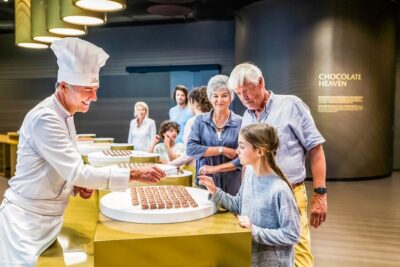
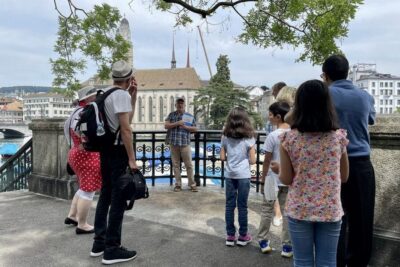
Zurich: City Tour, Cruise, and Lindt Home of Chocolate Visit
Read our review →
Award-Winning Geneva Chocolate &Old Town Tour with Boat Ride (3h)
Read our review →
Zurich Sights: Cruise, Lindt Chocolate and optional FIFA Ticket
Read our review →
Zurich: Lindt Home of Chocolate Guided Tour & Entry Ticket
Read our review →
Zurich Food Tour with 10 Local Delicacies, Cheeses & Chocolates
Read our review →Chocolate lists with this tour