
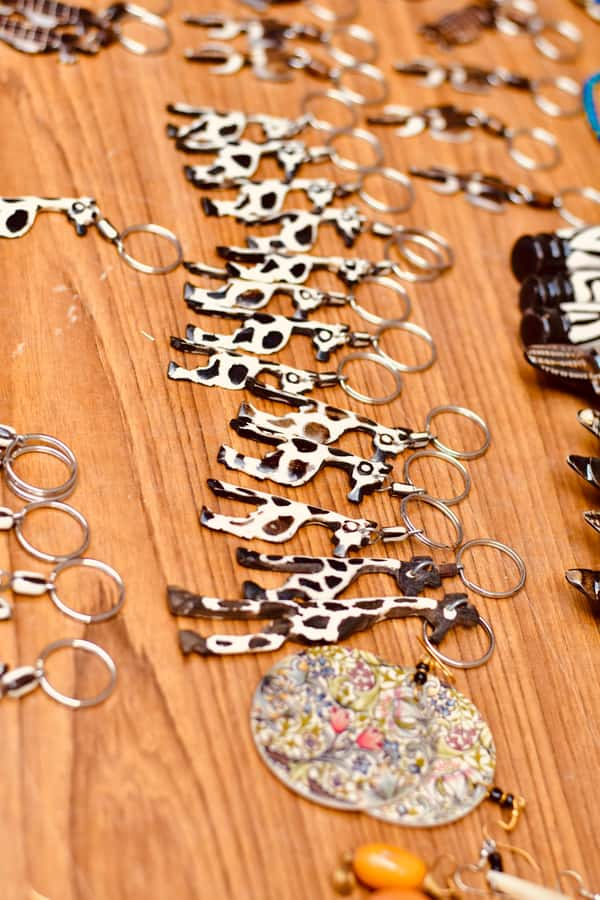
Review · NAIROBI
A Visit To KIBERA The Chocolate City.
Kibera is not a backdrop for a quick photograph. It is a working neighborhood, and this three-hour walk gives you a local guide’s view of its streets, homes, businesses, and community efforts. The visit begins at Olympic Primary School and moves through the area known as Chocolate City, with time for local snacks, a food market, and conversation about daily life.
I like the personal guiding style promised here. Past bookings describe guides named Musa and Moses taking visitors to a house, a pub, a factory, and parts of their own community. I also like that you use public transport as part of the outing, since it connects the visit to ordinary Nairobi life rather than placing you behind a tour bus window.
The main consideration is the subject itself. Kibera faces hard conditions, and walking through a low-income neighborhood can feel uncomfortable if you expect a light sightseeing stop. You need to listen, follow the guide’s instructions, and treat residents with care. This is best for an adult or older child who wants context, not a staged attraction.
Key points before you book

- Three hours on foot: The tour begins at Olympic Primary School and finishes at Olympic Estate.
- Chocolate City visit: You’ll see one of Kibera’s named areas and learn how it fits into the wider community.
- Local guides at the center: Musa and Moses are names connected with past tours, with personal stories and local insight.
- Public transport included: Reaching Kibera is part of the experience, rather than something hidden from view.
- Markets, snacks, and local places: The route includes a food market, local snacks, sightseeing, and breaks.
- A low-cost, serious visit: At $20 per person, the value comes from direct access and interpretation, not polished facilities.
Starting at Olympic Primary School
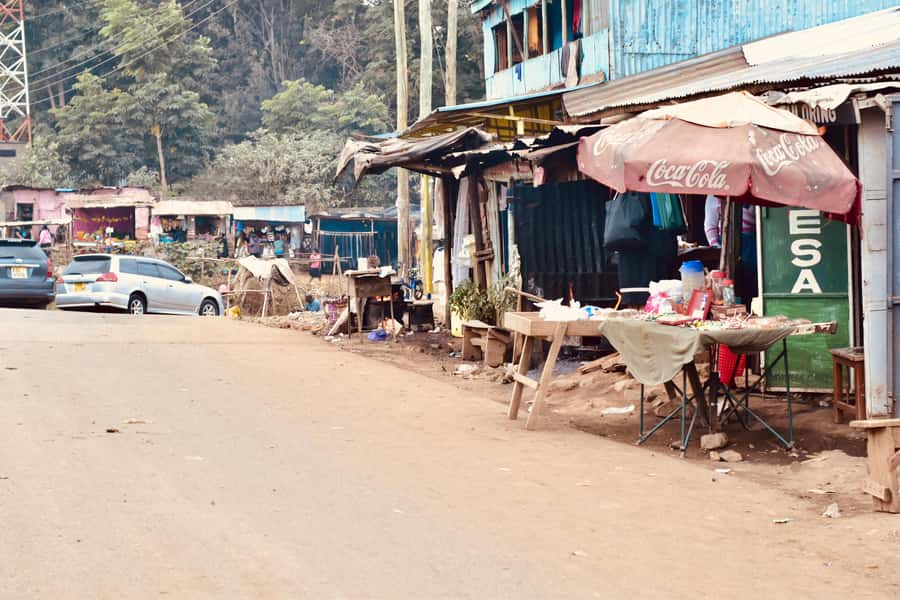
Your meeting point is the main gate of Olympic Primary School in Nairobi. The information also refers to meeting up at a mall, so confirm the exact arrangement with the provider before setting out. The school gate is listed as the official starting point, but clearing up this small detail will save you a muddled beginning.
The tour starts with a safety briefing and an introduction to the area. That opening matters. Kibera is made up of many sections and pathways, and a local guide can help you understand where you are going and how to move through the neighborhood respectfully.
You should arrive ready to walk. The route is not described as wheelchair accessible, and the experience is not suitable for wheelchair users, people with visual impairments, babies under one year, or children under five. The age restriction also lists people over 95 as unsuitable, which is a practical reminder that the outing requires mobility and attention.
More Chocolate Tours around the world:
- Lindt Home of Chocolate Museum Entry Ticket
★ 4.7 · 9,329 reviews - Choco-Story Brussels: Chocolate Museum Entrance with Tasting
★ 4.3 · 4,883 reviews - Zurich: City Tour, Cruise, and Lindt Home of Chocolate Visit
★ 4.5 · 4,624 reviews
Using public transport to reach Kibera
Public transport is part of the tour rather than a separate transfer. This gives you a closer look at how people move around Nairobi and keeps the outing tied to ordinary city life. It also means the experience is less controlled than a private vehicle tour, so be prepared for movement, waiting, and the need to stay with your guide.
For me, this is one of the better details in the plan. A private car could take you to Kibera, but public transport helps explain how the neighborhood connects with the rest of Nairobi. It also gives the guide a chance to point out the transition between different parts of the city.
The tour is conducted in English. If you need a slower pace or have questions about local words and customs, say so early. The guide’s job is not just to lead you through the streets, but to explain what you are seeing without reducing the community to hardship.
Walking through the Chocolate City area
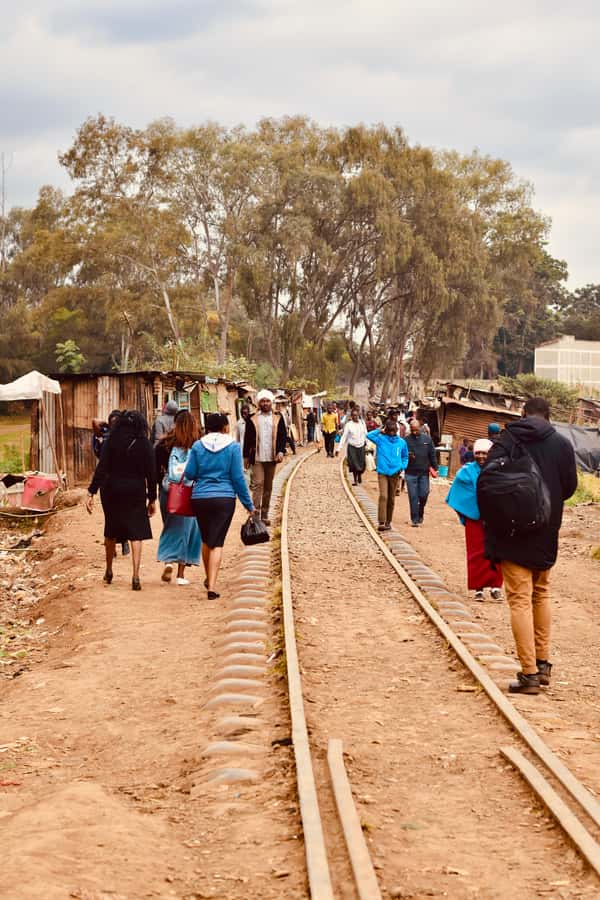
Chocolate City is a central feature of the visit. You’ll walk through this part of Kibera while hearing about the community’s past, present, and plans for improvement. The aim is to see the area as a lived-in neighborhood, not simply as a place defined by poverty.
That distinction is important. Kibera has serious infrastructure and housing challenges, but the tour also focuses on the ways residents work with limited resources. You might see small businesses, local services, and community projects that show how people support daily life and try to improve conditions.
The pathways are narrow, and you should expect a close-up walking experience rather than broad city views. The route may feel crowded or uneven, though the available information does not promise a particular surface or level of comfort. Wear practical shoes and leave room in your schedule for stops and conversation.
Homes, businesses, and everyday places

The itinerary allows time for sightseeing, a food market, and local snacks. Past bookings also describe visits to a house, a pub, and a factory. These stops are valuable because they move the tour beyond general facts and show how people live, work, eat, and spend time in the neighborhood.
A home visit can be especially personal. It should be approached with humility, since you are entering someone’s living space rather than viewing a public monument. Follow the guide’s lead on where to stand, what to photograph, and when to ask questions.
The factory visit adds another layer. It gives you a look at local work and production, while the pub offers a glimpse of social life. The exact stops can vary, so think of these as possible parts of the route rather than guaranteed attractions. The strength of this outing is the guide’s ability to connect places to real stories.
The food market and local snacks make the visit more sensory and immediate. Still, the supplied information does not specify the food, ingredients, or price of snacks, so ask before buying or eating if you have allergies or dietary limits.
Same cocoa, a different bite:
- The Chocolatarium Chocolate Tour Experience in Edinburgh
★ 5.0 · 4,322 reviews - Award-Winning Geneva Chocolate &Old Town Tour with Boat Ride (3h)
★ 5.0 · 3,721 reviews - Melbourne: Yarra Valley Wine, Gin, Whisky and Chocolate Tour
★ 5.0 · 3,667 reviews - 4×4 Dominican Adventure with Chocolate and Coffee Tasting
★ 5.0 · 2,920 reviews
Meeting guides such as Musa and Moses

The most praised part of this experience is the guide. Past bookings identify guides as Musa and Moses, and descriptions of the experience repeatedly focus on their warmth, clear explanations, and personal connection to Kibera. One guide shared details about his home and family, which suggests that the tour can feel more like a community introduction than a standard city walk.
The names Musa and Moses may refer to the same guide or to different guides used by the provider. Confirm who will lead your tour when you book. That is useful because the character of a neighborhood walk depends heavily on the person explaining it.
A good guide is especially important here. You need someone who can explain difficult subjects without turning residents into an exhibit. You also need someone who can tell you when to pause, where to walk, and how to behave around homes, businesses, and people going about their day.
Past descriptions point to a guide who explains how the community works, discusses efforts to improve infrastructure, and shares personal knowledge of the area. That is the sort of interpretation that gives the $20 price its value.
What you learn about Kibera’s challenges and progress
The tour presents Kibera through both hardship and effort. You’ll hear about limited resources, infrastructure concerns, and living conditions, but also about local initiatives and government work intended to improve the area.
This balance matters. A visit focused only on poverty can leave you with a narrow and unfair picture. A visit focused only on hope can gloss over real problems. The stated aim here is to show both, giving you a better sense of why residents face difficulties and how they respond.
You should not expect a formal lecture or a museum-style display. The learning happens while you walk, stop, look, and ask questions. The guide’s local connection is the main source of context.
For you, the most useful question may be how Nairobi’s wider economy and daily services connect with Kibera. One past description frames the visit as a way to see the lives of people who may clean hotel rooms or serve breakfast. That does not mean you should try to identify workers you know. It does show why the tour can add a human dimension to a conventional Nairobi visit.
Safety, respect, and photography
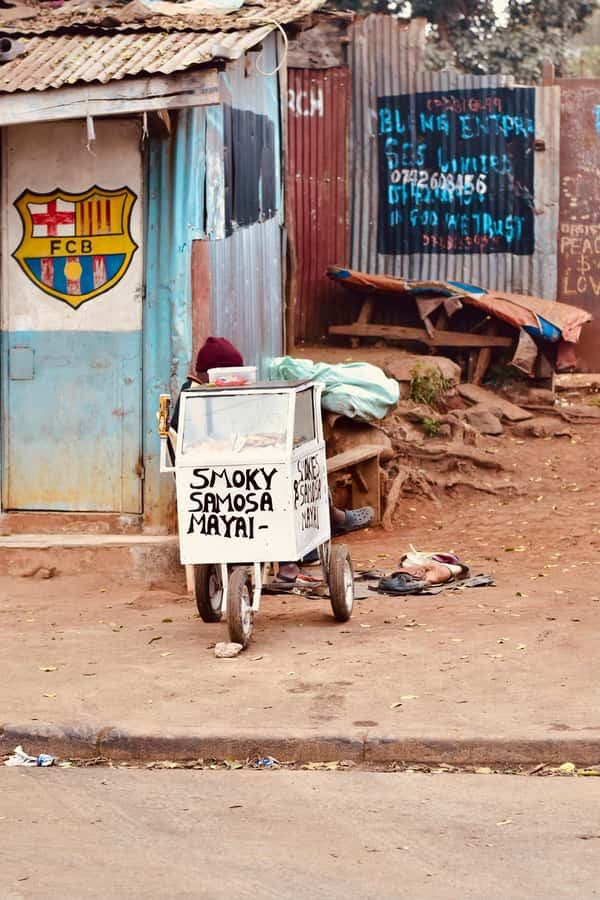
A safety briefing is included, and you should treat it as essential rather than routine. Follow the guide’s directions about where to walk, when to stop, and how to respond to local situations. One past booking describes the tour as safe when visitors follow the guide’s instructions.
Photography requires care. The available information does not set out a formal photography policy, so ask before taking pictures of people, homes, businesses, or children. A camera can quickly change the tone of a visit, especially in a private or crowded setting.
Avoid treating the tour as a hunt for dramatic images. Listen first. If someone welcomes a photograph, ask permission clearly. If the guide says not to photograph a place or person, accept that without debate.
You can also help by keeping your clothing and behavior modest and practical. The tour is about meeting a community on its own terms, not collecting proof that you entered a difficult neighborhood.
Is $20 good value for three hours?

At $20 per person, the price is modest for a three-hour guided experience in Nairobi. You receive a local English-speaking guide, a walking route, public transport as part of the tour, a safety briefing, community interpretation, and visits to local areas and businesses.
The price does not represent a luxury outing. There is no promise of private transport, air conditioning, entry to a museum, or a polished visitor center. In fact, no entry ticket is needed to access Kibera. The value lies in the guide’s time and the chance to understand a part of Nairobi that you would struggle to interpret on your own.
I think the cost works best if you want a personal and serious introduction to the area. If you only want dramatic views or a quick photo stop, you may find the experience demanding for its length. If you want to ask questions and pay attention, three hours gives the subject enough time to breathe.
The reserve-now, pay-later option also helps if your Nairobi schedule is still changing. You can cancel up to 24 hours in advance for a full refund, according to the booking terms.
Who should take this Kibera tour?

This outing suits adults, older children, students, photographers who work respectfully, and anyone interested in how Nairobi’s communities function beyond the usual sightseeing circuit. It is also useful for you if you value first-person explanation and want to support a locally led experience.
It is less suitable for very young children, babies, people with mobility or visual access needs, and anyone uncomfortable walking through a low-income neighborhood. The tour is not designed to soften the experience. Some parts may be confronting, and that is something to consider honestly before booking.
You should also be comfortable with a flexible route. The main elements are clear, but the exact homes, businesses, or community areas visited may depend on the guide and conditions on the day. That flexibility is part of a real neighborhood walk, though it means you should not expect a fixed list of attractions.
My advice on making the visit worthwhile
Read about Kibera before you go, but avoid arriving with a fixed picture of what you will see. Let the guide explain the neighborhood and correct your assumptions. Ask about daily routines, local work, infrastructure, education, and community projects rather than asking only about crime or poverty.
Keep your group close, listen during the safety briefing, and ask before taking photographs. Bring comfortable walking shoes and enough attention for a three-hour outing. The supplied details do not specify what food is served or how much transport costs beyond its inclusion in the experience, so ask the guide if you need those details.
The meeting information deserves one practical check. The main gate of Olympic Primary School is named as the meeting point, while another note mentions meeting at a mall. Confirm where you should go and who will meet you before the day of the tour.
Should you book A Visit to Kibera?
Book it if you want a direct, locally guided look at Nairobi’s daily life, and if you can approach Kibera with respect rather than curiosity alone. The guide’s personal connection, the Chocolate City walk, public transport, market visit, and possible stops at a home, pub, and factory make this more substantial than a quick drive-by.
Skip it if you want a polished attraction, guaranteed comfort, or a tightly fixed sightseeing schedule. For the right visitor, though, $20 buys something valuable: time with a local guide who can help you see Kibera as a community of people, work, homes, problems, and ideas for the future.
FAQ
Where does the Kibera tour begin?
The stated meeting point is the main gate of Olympic Primary School in Nairobi.
Where does the tour finish?
The tour finishes at Olympic Estate in Nairobi, Kenya.
How long does the experience last?
The activity lasts three hours. The main Nairobi walking portion is listed as about two and a half hours, with the remaining time covering the wider tour arrangements.
What language is the tour conducted in?
The live tour guide conducts the experience in English.
Does the tour use public transport?
Yes. Public transport to Kibera is included as part of the tour.
Is an entry ticket required for Kibera?
No entry ticket is needed to access the slum area.
How much does the tour cost?
The listed price is $20 per person.
Can I cancel the booking?
Yes. You can cancel up to 24 hours in advance for a full refund.
Who should not take this tour?
The experience is not suitable for children under five, babies under one, wheelchair users, visually impaired people, or people over 95.
Freshly tempered around the world
- Zurich Open-top Tour and Chocolate and Cheese Countryside★ 3.5 · 11 reviews
- Zurich: Chocolate Tasting and Walking Tour with a Local★ 4.2 · 13 reviews
- Lindt Chocolate Museum with Cruise Transfer from Zurich★ 4.6 · 7 reviews
- Zagreb: Lake Bled and Ljubljana Day Tour with Chocolate Gift★ 5.0 · 26 reviews
- York: Introduction to Chocolate Making Experience★ 4.9 · 10 reviews
- Zaandijk-Near Zaanse Schans Chocolate making demo & tasting★ 4.8 · 13 reviews
- Yarra Valley: Wine and Chocolate tasting tour.★ 5.0 · 5 reviews
- Private Wine and Chocolate Tasting Experience★ 4.4 · 3 reviews