
Review · AUSTRALIA
Richmond: Chocolate Factory Discovery with Tastings
The best part of this Richmond experience is that you do not simply eat finished chocolate. You get close to the working process, tasting fresh chocolate from the vats, unusual offcuts, roasted cacao, and special batches before they reach the public.
I like the focus on ethical cacao sourcing and the small-group format, which leaves room for questions and close tasting. I also like the range: classic chocolate, liquid blends, Tasmanian flavours, honeycomb, marshmallow, jelly, and jewel-like signature pieces. The main drawback is value. At $67 per person, this is a serious treat for a 90-minute visit, especially if you are not a committed chocolate fan.
Key points to know before you book
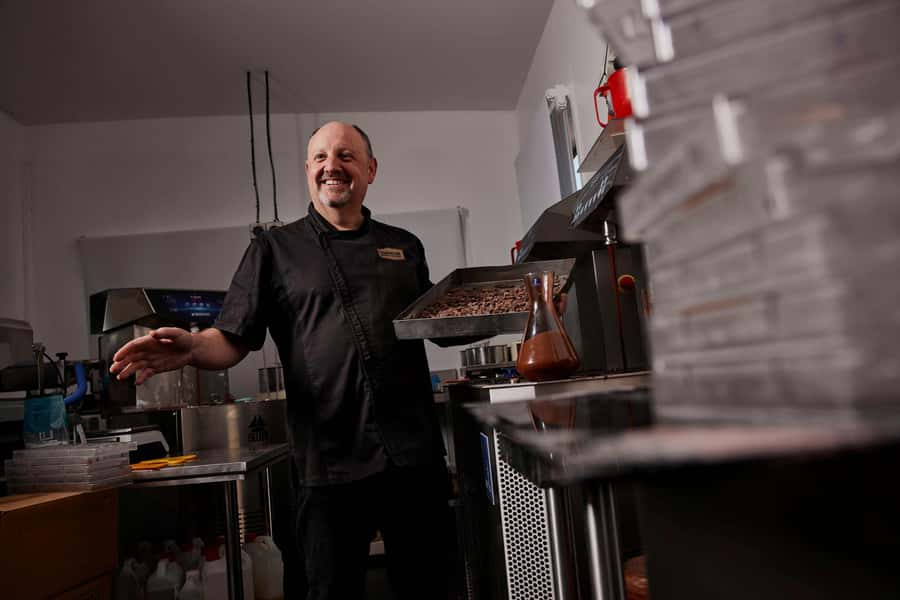
- Fresh chocolate is the star: Taste chocolate straight from production vats, rather than only sampling finished bars.
- Kate leads the experience: She provides the tour and explains how cacao becomes handmade chocolate.
- The tasting is broad: You may sample roasted cacao, offcuts, liquid blends, honeycomb, local flavours, marshmallow, jelly, and pre-release creations.
- Your drink is included: Choose hot chocolate, tea, or coffee while sampling up to 250 grams of chocolate.
- Small groups matter: Limited numbers help everyone smell, taste, and test products in the commercial kitchen areas.
- Plan for the setting: The factory sits just outside Richmond, sharing a property with Every Man & His Dog Vineyard.
What happens inside Federation Chocolate
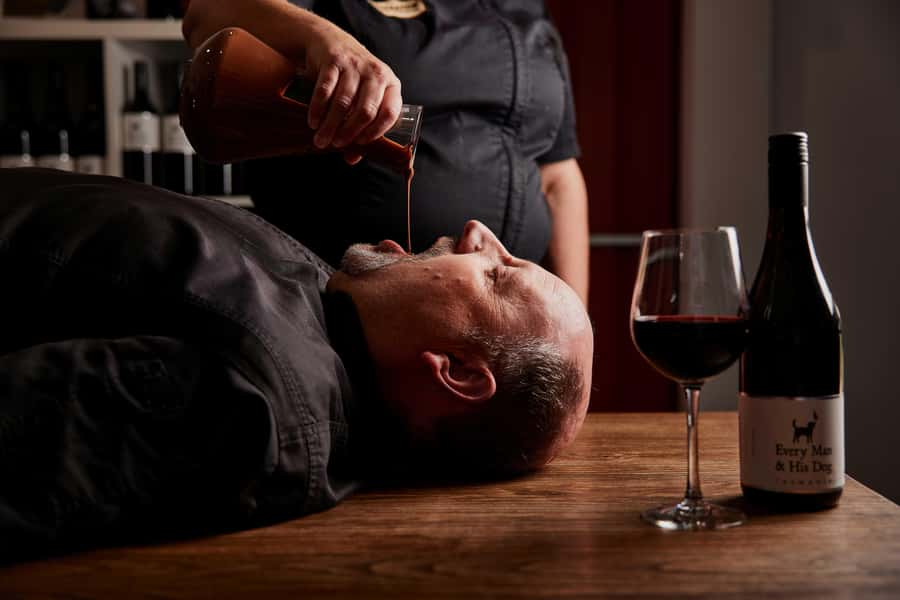
Federation Chocolate sits on a property just outside Richmond, Tasmania. You arrive at the shared site with Every Man & His Dog Vineyard, follow the signs, and meet at the entrance to the chocolate facility.
This is not a large visitor centre with a long public display. The appeal is closer access to a working artisan operation. You are there to see how chocolate is handled, ask questions, and take part in the tasting process.
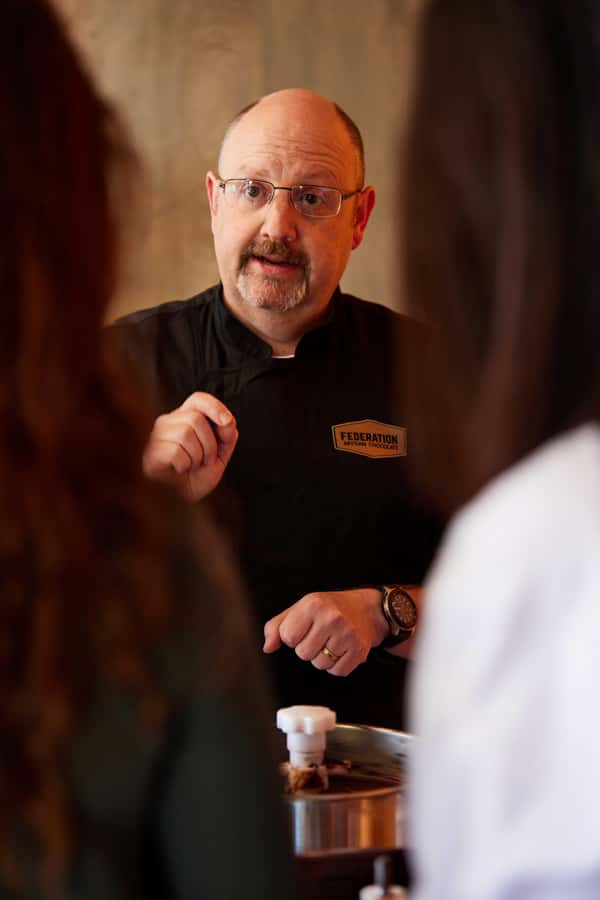
Kate leads the experience in English. The tour lasts 90 minutes, which gives you enough time to learn the basics without turning a sweet outing into a full-day food course. The group stays small so there is enough space around the commercial kitchen areas and enough product for people to smell, taste, and test.
You should wear comfortable shoes. If you have long hair, tie it back, and avoid loose or baggy clothing because you will be entering working kitchen areas. These details may sound minor, but they help you feel prepared rather than arriving dressed for a vineyard lunch and finding yourself near food-production equipment.
More Chocolate Tastings in Australia
- Swan Valley Tour from Perth: Wine, Beer and Chocolate Tastings
★ 4.5 · 204 reviews - Hunter Valley All Inclusive, Wine, Chocolate Tasting and Lunch
★ 4.0 · 25 reviews - Yarra Valley Wine Tour inc lunch with a glass of wine, tastings and chocolate
★ 4.0 · 11 reviews
From cacao bean to handmade chocolate
The first part of the visit explains the path from cacao to finished chocolate. You learn how Federation Chocolate sources cacao from different parts of the world and why the origin matters to the finished flavour.
That is useful context because chocolate is often treated as one uniform food. Here, the point is that cacao can show different flavour profiles depending on where it comes from and how it is prepared. The guide connects those differences to the handmade bars and other pieces you taste later.
You may get to taste roasted cacao as part of this process. That is a valuable comparison. Roasted cacao is far less familiar than a sweet chocolate bar, and it helps you understand how much work sits between the bean and the finished product.
I like this section because it gives the tasting a purpose. You are not simply eating one item after another. You are learning to notice changes in texture, sweetness, and flavour as the ingredients move through production.
The experience also puts ethical sourcing near the centre of the discussion. If the way cacao is sourced matters to you, this is a chance to hear how a small chocolate maker approaches the raw material. The information provided does not give a full certification or supplier list, so I would treat this as an introduction rather than a formal sustainability course.
The tasting moves from familiar to playful
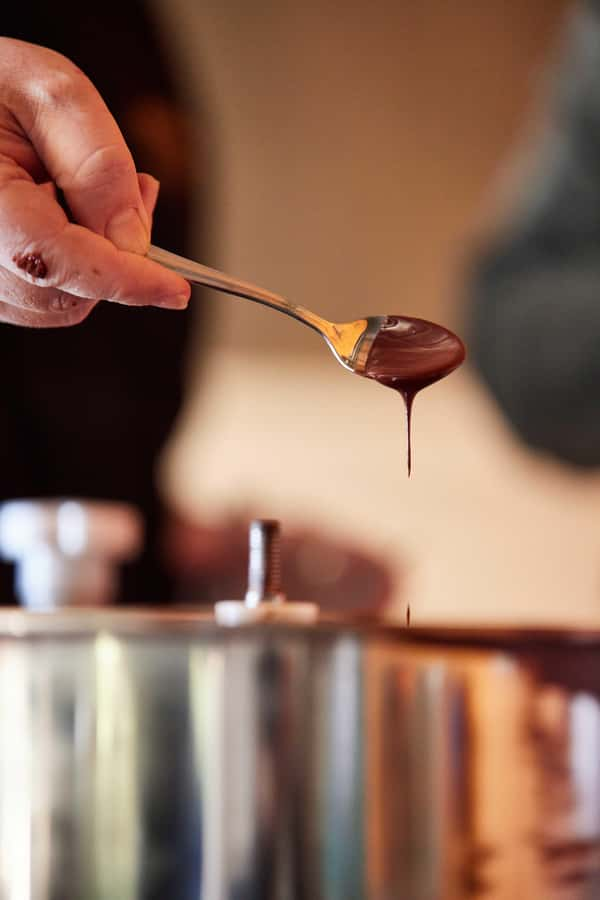
The tasting is the heart of the visit. You can sample up to 250 grams of chocolate throughout the experience, alongside your choice of hot chocolate, coffee, or tea.
That is a generous amount. It also means you should pace yourself. Chocolate can seem easy to eat at first, but a series of rich samples adds up quickly. The tasting is best approached with curiosity rather than the goal of finishing every piece as fast as possible.
The selection can include several forms of chocolate:
- Fresh chocolate taken from production vats
- Roasted cacao
- Unique offcuts
- Liquid chocolate blends
- Classic chocolate styles
- Tasmanian flavour combinations
- Honeycomb varieties
- Marshmallow and jelly pieces
- Pre-release chocolates
- Signature pieces with a jewel-like appearance
This range gives the tasting a playful feel. You move between basic ingredients, working samples, finished sweets, and experimental products. Offcuts are especially interesting because they show that a chocolate factory is not only about polished retail pieces. Small irregular pieces can still offer a good way to understand texture and flavour.
The local Tasmanian flavours also help connect the factory to its setting. The available information does not specify which local ingredients appear on the day, so do not arrive expecting a particular flavour. Instead, treat that part of the tasting as a chance to see how the maker links chocolate with regional ingredients.
Pre-release chocolate gives the visit its special edge
Many factory tastings can feel like a shop sample with a short explanation attached. The pre-release creations make this experience different.
You may be among the first people to try chocolates that are still being tested. That gives you a glimpse of the creative side of the business, where recipes and combinations are still being worked out. It also means the tasting is not completely fixed like a restaurant menu.
For you, the benefit is freshness and surprise. You might try something that is not yet part of the regular range, then compare it with a finished signature piece. The downside is that the exact selection can change. If you want one specific chocolate, this format cannot guarantee it.
The signature chocolate is described as jewel-like, which tells you something about the presentation. This is not only a lesson in making chocolate. It is also a look at how small producers use shape, finish, and decoration to make a sweet feel special.
More Chocolate Factory Tours in Australia:
- Lindt Home of Chocolate Museum Entry Ticket
★ 4.7 · 9,329 reviews - Zurich: City Tour, Cruise, and Lindt Home of Chocolate Visit
★ 4.5 · 4,624 reviews - Zurich Sights: Cruise, Lindt Chocolate and optional FIFA Ticket
★ 4.0 · 1,028 reviews - Full-Day Tour: Concord Waterfall, Chocolate Factory, Rum Distillery, Grand Etang
★ 5.0 · 871 reviews
A close look at an artisan-scale operation
The small-group format is one of the strongest practical features. A crowded factory tour can leave you standing at the back, watching a demonstration without hearing much. Here, the group size is kept small to allow space in the kitchen and make tasting easier.
One visit was particularly personal, with Kate providing a one-on-one experience. You should not assume every booking will be private, but the format can feel personal when numbers are low.
That closeness also suits people who enjoy asking questions. You can ask about cacao, production, flavours, and the samples in front of you rather than simply listening to a set speech. The guide’s role is part teacher and part tasting host, which keeps the visit active.
The setting is still a commercial kitchen, not a theatrical attraction. You may find the experience more practical than polished. That is a strength if you want to understand small-batch chocolate making. It may feel less exciting if you expect machinery, a large production line, or a long museum-style exhibition.
Is $67 good value?
The price is $67 per person. I would judge it as fair for someone who values access, tasting quantity, and a small-group format, but expensive for anyone looking only for a quick sample.
You receive 90 minutes, a guided behind-the-scenes visit, a hot drink, and up to 250 grams of chocolate. You also get access to products that may not be available for general purchase, including pre-release creations and fresh vat samples.
The value depends on what you compare it with. If you only want to buy a bar of chocolate, $67 is clearly more than you need to spend. If you enjoy food education and want to understand cacao, sample unusual formats, and ask questions in a small setting, the price makes more sense.
I would also count the variety. A tasting built around one or two finished chocolates would feel thin at this price. The combination of roasted cacao, liquid blends, offcuts, Tasmanian flavours, honeycomb, and playful sweets gives you more to explore.
Still, the tour cannot promise a particular selection, and it is only 90 minutes. The value is strongest for chocolate enthusiasts, food-minded visitors, and people already planning a stop in or near Richmond.
Who should book this experience?
I would recommend it most to adults who enjoy tasting rather than simply snacking. You will get more from the tour if you want to notice the difference between cacao, liquid chocolate, finished pieces, and flavoured sweets.
It also suits visitors looking for an indoor activity in Tasmania. The factory gives you a structured 90-minute stop, and the nearby vineyard property may fit easily into a day around Richmond. The information provided does not include a combined vineyard and chocolate itinerary, so plan each activity separately unless your booking details say otherwise.
Children under 10 are not permitted. Older children may enjoy the novelty of vats, samples, and sweet creations, but the tasting still includes explanations about sourcing and production. It is not simply a children’s candy stop.
People with diabetes should not book this activity according to the stated restrictions. The tasting includes a large quantity of chocolate and several sweet items, so this restriction is important rather than incidental.
The tour is wheelchair accessible. If you need specific access arrangements within the commercial kitchen, it is sensible to confirm them when booking, since the available information does not describe the exact layout.
How to make the most of the 90 minutes
Arrive ready for a working food environment. Comfortable shoes are required, and tied-back hair with close-fitting clothing is the sensible choice.
Do not plan a large meal immediately before the visit. You will be tasting up to 250 grams of chocolate, plus a hot drink, and rich samples are easier to appreciate when you are not already full.
Use the early explanation to set up the tasting. Pay attention to the cacao discussion, then compare it with the finished products. Notice how the texture changes between roasted cacao, liquid chocolate, a smooth bar, honeycomb, and softer sweets.
Ask about the pre-release creations. Those samples are one of the more unusual parts of the visit, and you may learn more by asking how a new flavour or texture is being tested.
Choose your drink with the chocolate in mind. Hot chocolate gives you another chocolate format, while coffee or tea may provide a simpler contrast. The choice is yours, so there is no need to select the richest option automatically.
Finally, pace yourself. The tasting is meant to be enjoyed across the tour, not treated as a race. A small bite can tell you more than a large mouthful when you are comparing several kinds.
Booking and cancellation details
The experience runs for 90 minutes, with starting times based on availability. The instructor speaks English.
You can cancel up to 24 hours before the experience for a full refund. A reserve-now-and-pay-later option is also available, which helps if your Tasmania plans are still shifting.
The meeting point is the Federation Chocolate property just outside Richmond. Look for the signs shared with Every Man & His Dog Vineyard, then go to the entrance of the facility.
Should you book the Federation Chocolate tour?
Book it if you like small food producers, want more than a standard shop tasting, and are happy to spend $67 for a guided experience with a substantial amount of chocolate. The fresh vat samples, roasted cacao, local flavour combinations, and pre-release pieces give the visit real variety.
Skip it if you want a cheap snack, dislike rich tastings, or expect a large industrial factory with a long production-line display. This is a close, artisan-scale experience, and its value depends on your interest in how chocolate is made.
For the right person, it is a satisfying Richmond stop: short, hands-on, informative, and sweet without pretending to be something larger than it is.
FAQ
Where does the chocolate tour take place?
It takes place at Federation Chocolate on a property just outside Richmond, Tasmania. The property shares a location with Every Man & His Dog Vineyard.
How long does the experience last?
The experience lasts 90 minutes.
How much does the tour cost?
The listed price is $67 per person.
What is included in the price?
The price includes a behind-the-scenes tour, a hot chocolate, tea, or coffee, and up to 250 grams of chocolate samples throughout the experience.
What types of chocolate can I taste?
Samples can include fresh chocolate from vats, roasted cacao, offcuts, liquid blends, classic chocolates, Tasmanian flavours, honeycomb, marshmallow, jelly, signature pieces, and pre-release creations.
Who leads the tour?
Kate leads the chocolate tour and tasting experience. The tour is conducted in English.
Are children allowed to join?
Children under 10 are not permitted to take part.
Is the experience suitable for people with diabetes?
No. The activity is listed as unsuitable for people with diabetes.
Is the tour wheelchair accessible?
Yes, the activity is listed as wheelchair accessible.
What should I wear or bring?
Wear comfortable shoes. If you have long hair, tie it back, and avoid loose or baggy clothing because the tour enters commercial kitchen areas.
Freshly tempered around Australia
- Yarra Valley: Wine and Chocolate tasting tour.★ 5.0 · 5 reviews
- Yarra Valley Foodie Tour, Devonshire Tea, Cheese and Chocolate★ 5.0 · 10 reviews
- Sydney to Hunter Valley Wine Tour | Gin, Lunch, Chocolatier Visit★ 5.0 · 11 reviews
- Devonport Area Wine and Chocolate Tour★ 5.0 · 2 reviews
- Guided Chocolate Walking Tour in Melbourne City★ 5.0 · 37 reviews
- Small-Group Sunset Great Ocean Road Chocolaterie Tour from Melbourne★ 4.5 · 14 reviews
- Margaret River’s Wine & Chocolate Odyssey: Private Tour★ 5.0 · 4 reviews
- Wine and Chocolate Bonbon Tasting in Margaret River★ 5.0 · 9 reviews
More Australia Chocolate Tours to compare.
Melbourne: Yarra Valley Wine, Gin, Whisky and Chocolate Tour
Read our review →
Epic Yarra Valley Wine Tour + Lunch, Chocolate & Gin/Beer Option
Read our review →
Amazing Yarra Valley Wine Tour + Chocolate, Farm Fresh, Gin
Read our review →
Melbourne Lanes & Arcades Chocolate and Dessert Walking Tour
Read our review →
Great Ocean Road 12 Apostles kangaroo, koala and chocolate tour
Read our review →
Swan Valley Tour from Perth: Wine, Beer and Chocolate Tastings
Read our review →
Lake Mountain Snow Trip including Yarra Valley Chocolaterie from Melbourne
Read our review →
Hunter Valley Wine Tour from the Hunter with Wine Craft Beer Cheese Chocolate
Read our review →Chocolate lists with this tour