
Review · DOMINICAN REPUBLIC
Dominican Republic: 3-Hour Chocolate Lovers Tour
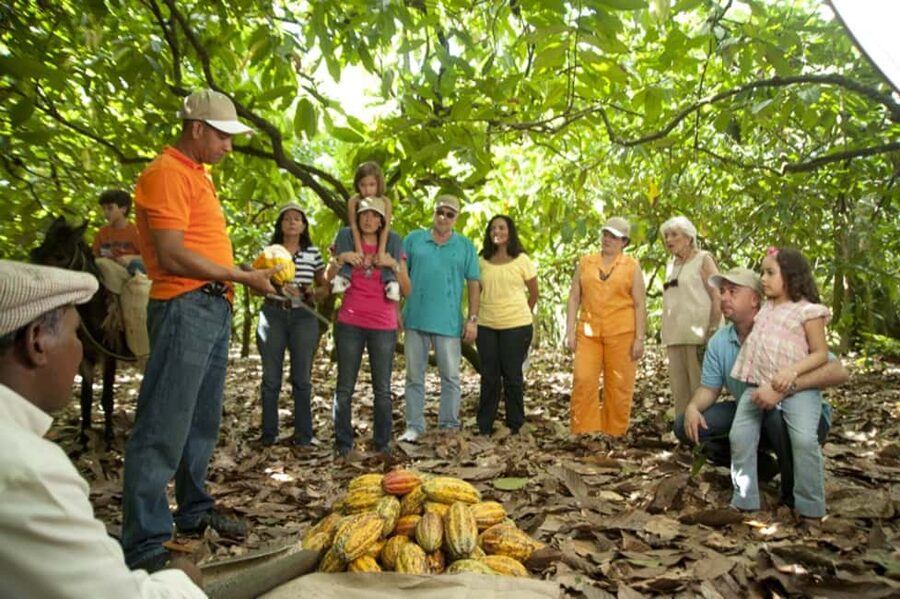
The most interesting part of this chocolate tour is that it begins before chocolate exists. You sow a cacao plant, open a cacao pod, examine its beans, and follow the long process that turns them into a finished sweet. This gives you a better sense of why fine chocolate costs more than a candy bar.
I like the hands-on planting and the clear focus on fermentation and drying, two steps that can make or break the final flavor. I also like that lunch and a guided tasting are included, so the experience is not just a quick plantation walk. The main consideration is timing: it is sold as three hours, but one booking review described the visit as closer to two and a half hours, so do not plan a tight connection afterward.
Key points to know before you book
- Plant your own cacao: You begin with the seedling stage, not just the finished product.
- See the full cacao chain: The tour covers harvesting, cutting, bean extraction, fermentation, drying, and chocolate making.
- Taste with all five senses: A guided session helps you pay attention to aroma, texture, flavor, and appearance.
- Two types of production: You visit an organic cacao plantation and another site with more automated small-scale processing.
- Lunch is part of the experience: A local meal and hot chocolate are included in the $83 price.
- Easy language choice: Guides lead tours in English, Spanish, or French, and the site is wheelchair accessible.
From cacao seed to a finished chocolate bar
This is a good choice if you want more than a quick sample and a few photographs. The three-hour program treats cacao as an agricultural product first and a dessert second. You learn how the plant grows, how farmers handle the fruit, and why careful work after the harvest matters so much.
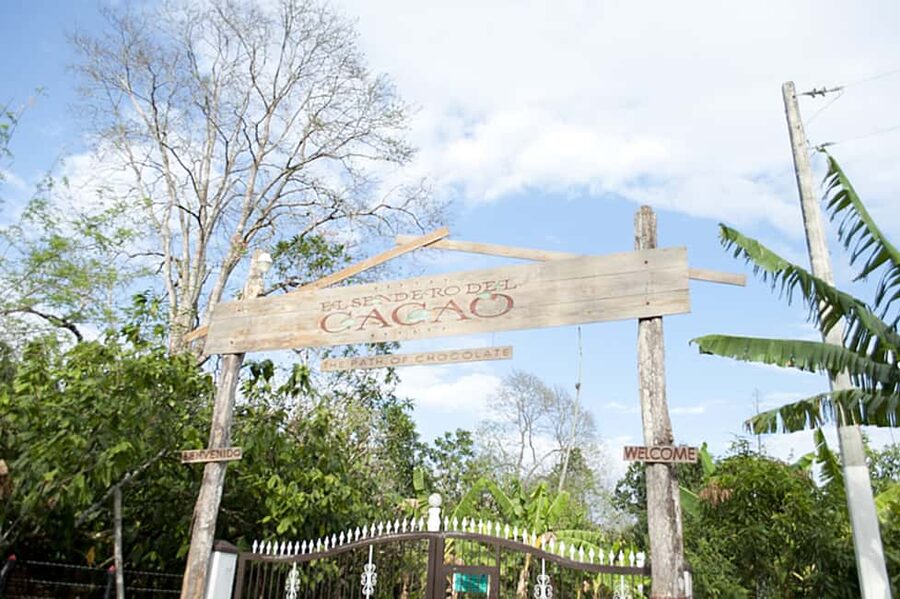
The setting is El Sendero del Cacao in Duarte, at postal code 31000 in the Dominican Republic. The activity is listed for the Distrito Nacional area, but your practical reference point is the meeting point itself. Transportation is not included, so you need to arrange your own way there.
The tour is led by a live guide in English, Spanish, or French. No individual guide names are provided, but the program is built around explanation and demonstration rather than a self-guided walk. That matters here, since many of the key steps, especially fermentation and drying, are easy to miss if you only look at the plants.
More Three-Hour Experiences in the Dominican Republic:
- Award-Winning Geneva Chocolate &Old Town Tour with Boat Ride (3h)
★ 5.0 · 3,721 reviews - Bruges: 3-Hour Beer and Chocolate Tasting Private Tour
★ 4.9 · 8 reviews - 3 Hour Chocolate Making Experience in The Mayford business centre
★ 5.0 · 4 reviews
Sowing your own cacao plant
The first hands-on step is sowing. You get to plant your own cacao, which is a small but useful way to understand the time and care behind every finished product. A cacao tree does not appear on a factory shelf by magic. It starts with a seed, a suitable growing environment, and a long wait before the fruit is ready.
This part also connects the tour to the Dominican Republic itself. You learn about the local ecosystem and the conditions that allow fine cacao to grow. The activity does not present chocolate as a purely industrial product. It shows the link between soil, climate, farming, and flavor.
I find this opening useful for families and for anyone who usually thinks of chocolate only at the final stage. Children can take part in the planting, while adults get a better understanding of the agricultural work that comes first. You should wear comfortable clothes and shoes, since the experience includes plantation areas and practical demonstrations.
Opening a cacao pod and examining the beans
The tour then moves into the harvest stage. You learn about cutting the cacao fruit and removing the beans from inside the pod. This is where the product begins to look very different from the chocolate you know.
The beans are not yet ready to eat as finished chocolate. They need careful handling after extraction, and the guide explains the steps that shape the final quality. That makes this section more than a simple farm visit. You see why the work done immediately after harvesting has a direct effect on taste.
The supplied information does not specify the exact size of the group or how much time is spent at each demonstration. I would expect the pace to depend on the guide, the group, and the day’s conditions. Still, the advertised structure gives you a clear route through the process, from plant to pod to bean.
Why fermentation and drying matter
Fermentation and drying are among the most important subjects on the tour. They can sound technical, but they are central to the flavor of good chocolate. The beans need a post-harvest process before they can become the base for gourmet chocolate.
You learn how fermentation changes the beans and why drying must be handled with care. These steps influence the aromas and flavors that later appear in the finished product. If you have ever wondered why chocolates made from different cacao can taste so different, this is the section that starts to answer that question.
I especially like this focus because many short chocolate visits skip the less glamorous work. It is easy to show a finished truffle. It is more useful to explain how farmers and producers reach that result. The experience places attention on the stages that are easy for a visitor to overlook.
More Chocolate Tours around the Dominican Republic:
- 4×4 Dominican Adventure with Chocolate and Coffee Tasting
★ 5.0 · 2,920 reviews - 4×4 ATV Experience, Water Cave, Chocolate and Coffee Tasting
★ 5.0 · 1,430 reviews - Buggy Adventure Tour with Chocolate and Coffee in Punta Cana
★ 5.0 · 953 reviews - Buggy Ride Into the jungle with cave coffee & chocolate tasting
★ 5.0 · 465 reviews
Following the scent to the chocolate factory
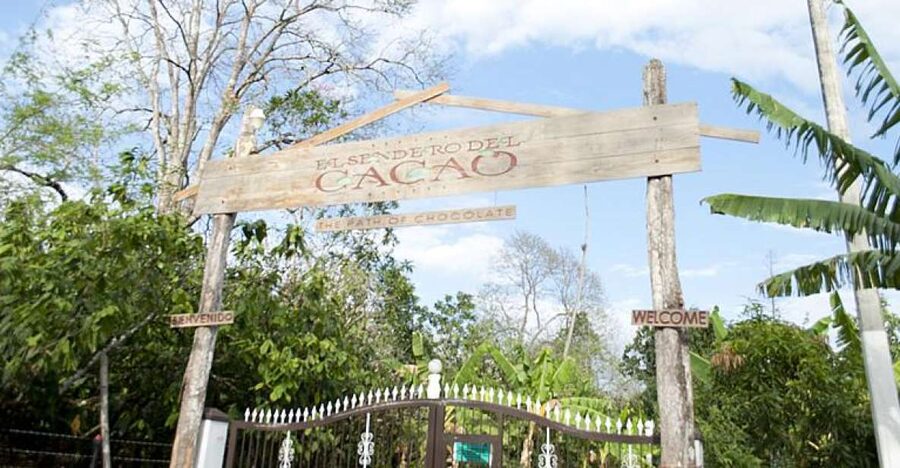
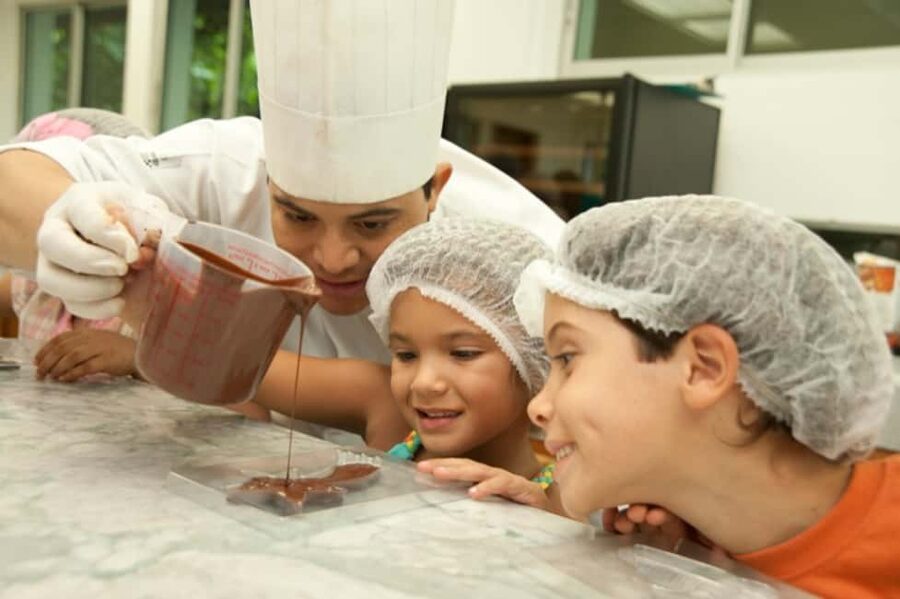
After the plantation work, the tour follows the cacao toward the factory. The description presents this as a sensory transition, with your sense of smell leading you toward the chocolate-making area. You learn about the final process used to turn prepared cacao into chocolate.
This factory stop gives you a second view of production. At another plantation, you can observe more automated cacao processing on a small scale. That comparison helps you see that cacao production is not one single operation. Some work is done by hand, while other stages use machinery.
The factory visit is not described as a large commercial plant. It is a small-scale setting, which may appeal to you if you prefer a closer look at the process rather than a broad industrial tour. At the same time, the supplied details do not promise a full factory production line or a large retail operation, so you should book this for the educational visit and tasting rather than for a major shopping stop.
A local lunch with hot chocolate
Lunch is included, along with hot chocolate. That gives the three-hour program a welcome break and makes the price easier to judge. You are not paying only for a walk and a sample. The package also includes a meal, a guide, plantation visits, and the tasting session.
The meal is described as local, but no menu is provided. I would not plan around a particular dish or assume that dietary needs can be handled unless you confirm them in advance. The important point is that lunch is built into the schedule, so you should not need to arrange a separate meal during the activity.
Hot chocolate adds a fitting touch, though it is worth keeping expectations practical. The included drink is one part of a wider program, not the sole focus. The more useful payoff is seeing how cacao changes before it reaches the cup.
Learning to taste chocolate with all five senses
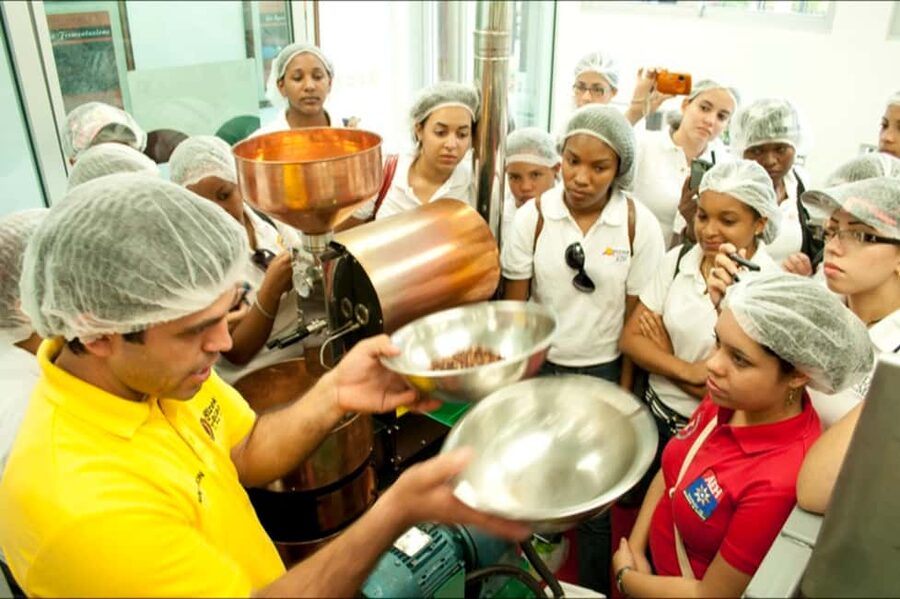
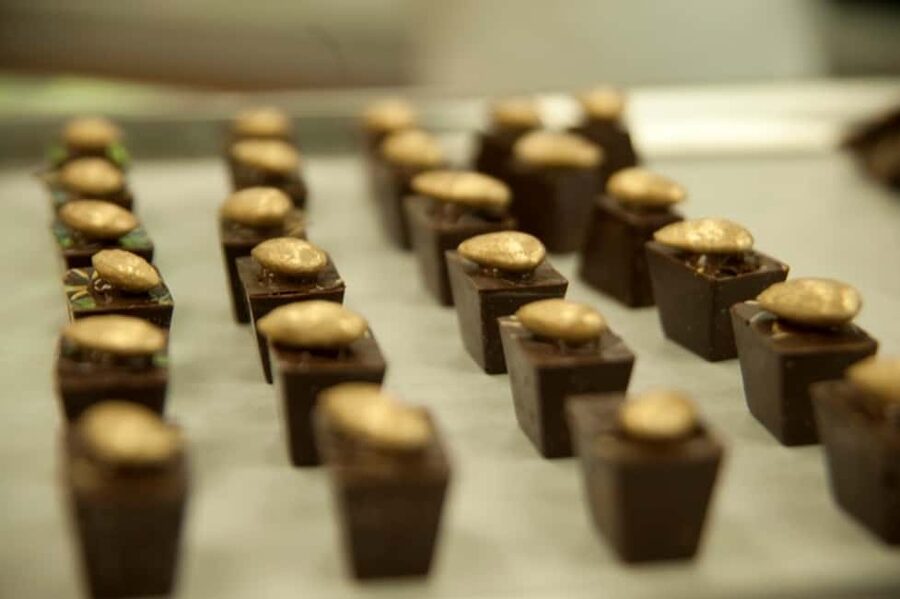
The tasting is designed to teach you how to assess chocolate with your five senses. You look at it, smell it, taste it, and pay attention to texture and the overall sensory impression. This is a better approach than simply eating a piece and deciding that it is sweet.
The session follows the production lessons earlier in the day. By this point, you have heard about cacao varieties, harvesting, fermentation, drying, and processing. The tasting gives those ideas a practical result. You can connect aroma and flavor to the care taken before the chocolate reaches you.
The description calls this an exclusive chocolate tasting, but it does not list specific chocolate varieties or how many samples you receive. That is useful to remember when comparing the tour with a dedicated tasting class. This is a combined farm, production, meal, and tasting experience, so each part shares the available time.
How the $83 price measures up
At $83 per person, the tour is not a bargain-priced chocolate snack. I think the value depends on whether you want the whole chain of experiences in one visit. Plantation access, a live guide, lunch, hot chocolate, chocolate education, and a guided tasting are all included.
The price looks more reasonable if you would otherwise pay separately for transport, a meal, and a plantation visit. It is less attractive if your main goal is simply to buy or taste chocolate. The program spends time on farming and post-harvest work, so people who want a fast treat may find it more detailed than necessary.
Transportation is not included. That is the largest extra cost to consider, especially if you are staying away from El Sendero del Cacao. Before booking, check the meeting point against your accommodation and allow enough time to reach Duarte. The activity does not provide a pickup service in the information supplied.
A gratuity is also not included, though it is optional. You can budget for it if the guide makes the process clear and useful, but there is no required gratuity stated.
Who will get the most from this visit
I would choose this tour if you want to understand how an agricultural product becomes a food you buy every day. It suits chocolate fans who enjoy asking why one bar tastes different from another, as well as families looking for a hands-on cultural activity.
It is also a good match for visitors interested in Dominican food and farming. The tour explains the local ecosystem and places cacao within Dominican culture, rather than treating it as an imported subject with no connection to the country.
The experience may be less suitable if you want a long plantation hike, a full-day farm visit, or a large factory tour. The program lasts three hours, and one dated booking review reported a visit of about two and a half hours. You should see it as a compact educational outing with several parts, not a full-day excursion.
The activity is wheelchair accessible, which is helpful for travelers who need that feature. Still, the details do not describe the exact surfaces or access at every plantation area. If you have specific mobility needs, confirm the practical arrangements before you go.
What the ratings tell you about the experience
The available rating is 4.9 from four reviews, with praise centered on organization, the guide’s pleasant manner, and the amount participants learned. One Italian visitor described the experience as well organized and recommended it, while another called it interesting and educational.
A German-language review also described the program as very cool and exciting, with plenty to learn. That fits the tour’s strongest feature: it offers substance rather than only a photo opportunity. Another booking was moved to the next day by telephone, which suggests some flexibility from the provider, though you should not assume that a change will always be possible.
The one clear caution is the duration. A January 2023 review gave the experience four stars and said it lasted about two and a half hours rather than four. The official duration is three hours, not four, so the most sensible plan is to allow the full three hours and avoid scheduling anything immediately afterward.
Practical preparation for El Sendero del Cacao
Wear comfortable shoes and comfortable clothing. That is all the listed packing advice, but it is sound advice for a visit that includes a plantation, planting, cacao handling, and movement between several parts of the operation.
Bring your curiosity about process, not just an appetite for sweets. The best questions here concern fermentation, drying, flavor, farming, and the difference between hand work and small-scale automation.
The tour is available in English, Spanish, and French. Choose the language that lets you follow technical explanations most easily, since the value comes from understanding how the beans change at each step.
Free cancellation is available up to 24 hours before the activity for a full refund. You can also reserve now and pay later, which helps if your plans are still shifting. Check the available starting times before you commit, since the three-hour schedule may not run at every hour.
Should you book the Chocolate Lovers Tour?
Book it if you want a hands-on cacao lesson with a local lunch and tasting included. The planting, pod opening, fermentation lesson, factory visit, and five-senses tasting give you a fuller picture than a simple chocolate stop.
I would be cautious if you are paying $83 mainly for dessert or if you need transportation included. The tour’s real value is the connection between Dominican farming and finished chocolate. Allow three hours, arrange your own route to El Sendero del Cacao, and choose this experience when learning how cacao is grown and processed matters as much as eating it.
FAQ
How long does the Chocolate Lovers Tour last?
The advertised duration is three hours. One dated booking review described the actual visit as about two and a half hours, so allow the full three hours when planning your day.
What is included in the price?
The $83 price includes a guided tour, lunch, and hot chocolate. It also includes the plantation and chocolate-making activities described in the program.
Is transportation included?
No. Transportation is not included, so you need to arrange your own way to El Sendero del Cacao in Duarte.
Where does the tour meet?
The meeting point is El Sendero del Cacao, Duarte, 31000, Dominican Republic.
Which languages are available?
Live guides are available in English, Spanish, and French.
Can I plant a cacao tree during the tour?
You can sow your own cacao plant as part of the experience.
Is the tour wheelchair accessible?
Yes, the activity is listed as wheelchair accessible.
Can I cancel for a full refund?
Yes. You can cancel up to 24 hours in advance for a full refund. The activity also offers a reserve now and pay later option.
Freshly tempered around the Dominican Republic
- Extreme Jungle Buggy Ride with Coffee and Chocolate Tasting★ 5.0 · 10 reviews
- Punta Cana Buggy with Chocolate, Coffee & Cave Swim★ 4.5 · 21 reviews
- ATV Ride with Coffee, Chocolate Tasting and Cenote in Punta Cana★ 5.0 · 13 reviews
- Buggy Off-Roading with Chocolate and Coffee Tasting in Punta Cana★ 5.0 · 16 reviews
- Discover Dominican Treasures: Rum, Cigars, Coffee & Chocolate★ 3.0 · 5 reviews
- Buggy Ride with Cenote Coffee and Chocolate Tasting★ 5.0 · 2 reviews
- Guided Shopping Tour to Bella Mare Store (Cigars, Chocolate, Rum and Souvenirs)★ 3.5 · 24 reviews
- Guided Shopping Tour – Rum tasting, chocolate factory, Cigar factory★ 4.5 · 6 reviews
More Dominican Republic Chocolate Tours to compare.
4×4 Dominican Adventure with Chocolate and Coffee Tasting
Read our review →
4×4 ATV Experience, Water Cave, Chocolate and Coffee Tasting
Read our review →
Buggy Adventure Tour with Chocolate and Coffee in Punta Cana
Read our review →
Buggy Ride Into the jungle with cave coffee & chocolate tasting
Read our review →
Road Off Half Day Buggy with Chocolate and Coffee Tasting
Read our review →
ATV Adventure w/ Chocolate, Coffee & Cave Swim in Punta Cana
Read our review →
Puerto Plata Private City Tour with Mount Isabel & Rum &Chocolate
Read our review →
Zona Colonial: Recorrido Histórico con Chocolate y Mamajuana
Read our review →Chocolate lists with this tour