
Review · COSTA RICA
Chocolate Experience by Bribri Indigenous Culture
The best part of this experience is that chocolate is only the doorway. You enter Bribri territory, meet members of an Indigenous community, learn how cacao moves from seed to food, and get a closer look at a way of life far removed from Costa Rica’s beach resorts. The visit ends with a cool swim at Cataratas Bribri Talamanca.
I like two things in particular: the hands-on chocolate making, and the chance to learn about medicinal plants, language, and Bribri cosmovision from a guide with a direct connection to the community. Guides Ariel and Tamara are both praised for warmth and clear explanations. The main drawback is physical: the walk to the cacao farm can be steep, and the return climb is harder than the words short hike suggest.
Key points to know before you book
- Chocolate is made by hand: You take part in the process rather than simply watching a demonstration.
- The cultural visit comes first: Expect conversation about Bribri life, language, beliefs, plants, and the realities of living far from cities.
- Ariel and Tamara may guide the experience: Both are praised for personal attention, local insight, and adjusting the pace for small groups.
- The waterfall is a real change of pace: After the cultural visit and farm walk, you can swim in the natural pool and cool off under the falling water.
- The group is small: A maximum of nine people allows for questions and a more personal visit with the host family.
- Pack for mud, heat, and water: Bring good walking shoes, insect repellent, drinking water, and a swimsuit.
Why this Bribri experience is more than a chocolate tour
At $95 per person, this is not the cheapest way to spend a half-day in Limón. But the price covers much more than a tasting. You are paying for a small-group cultural visit, a local guide, transport if pickup is arranged, a hands-on cacao lesson, and time at a waterfall.
I see the value in the personal scale. A group of nine or fewer is very different from a busload of people moving through a staged attraction. You have room to ask questions, watch how the family works, and spend time with the guide instead of being rushed from one photo stop to the next.
The experience lasts about five to six hours. That is long enough to make the journey into Bribri territory worthwhile, but short enough to fit into a broader Costa Rica itinerary. It is usually booked around nine days ahead, so I would not leave it until the last minute if your dates in Limón are fixed.
The tone is educational, but not formal. You learn about the Bribri community and its way of living through stories, plants, food, and practical demonstrations. That makes the visit especially useful if you want cultural context rather than another standard rainforest activity.
More Chocolate Tours around the world:
- Lindt Home of Chocolate Museum Entry Ticket
★ 4.7 · 9,329 reviews - Choco-Story Brussels: Chocolate Museum Entrance with Tasting
★ 4.3 · 4,883 reviews - Zurich: City Tour, Cruise, and Lindt Home of Chocolate Visit
★ 4.5 · 4,624 reviews
Entering Bribri territory with Ariel or Tamara
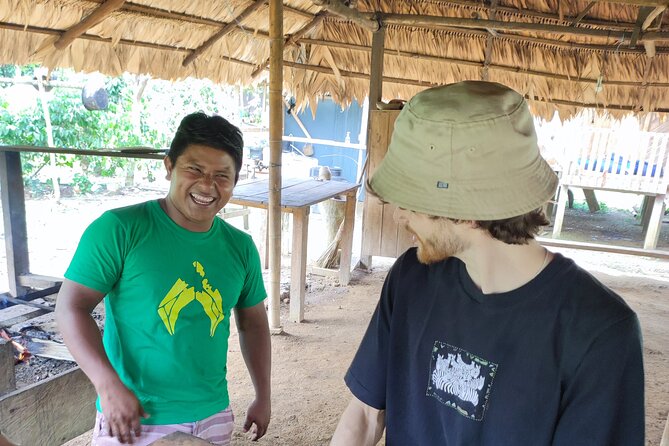
Your guide meets you at the agreed starting point and accompanies you through the day. Ariel is described as Bribri and has a family connection to the community visited. Tamara is also praised for her close knowledge of the area, the community, and the walking route.
The guide’s role matters here. You are not simply being dropped at a house and left to figure things out. Along the way, you can learn about Bribri language, community life, traditional beliefs, and the benefits and challenges of living far from urban centers.
The drive and walk also create time for questions. One family with children found the explanations useful from the beginning of the journey, while another small group appreciated the relaxed pace and private feel. That tells you what this activity does best: it allows a conversation to develop instead of delivering only a short scripted talk.
You may also hear about Bribri cosmovision, the community’s understanding of the world and its place within it. This is an important part of the visit because it places chocolate, plants, the forest, and family life within a larger cultural framework.
Keep your expectations respectful. This is a visit to a living community, not a museum performance. Come ready to listen, ask polite questions, and accept that the day may unfold at a slower pace than a tightly scheduled commercial tour.
Walking among plants, fruit, and medicinal knowledge
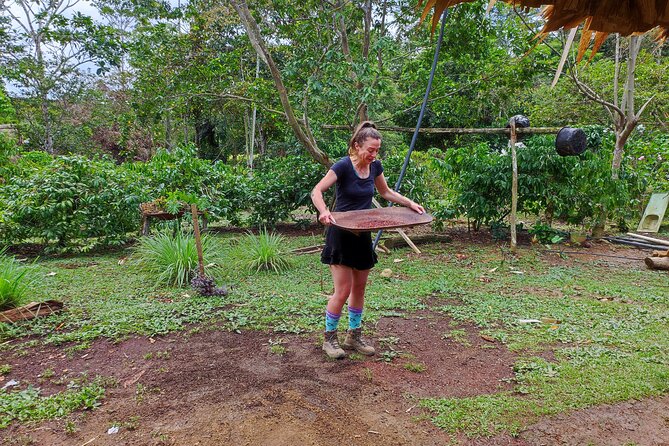
The route includes a walk through the area around the family’s home and cacao farm. As you go, your guide may point out herbs, fruits, and plants that grow naturally in the region. The focus is not only on names. You learn how some plants are used and why they matter in daily life.
This section gives the chocolate lesson more meaning. Cacao is not presented as an isolated product with a neat factory story. It is part of a broader relationship between food, forest, family, and work.
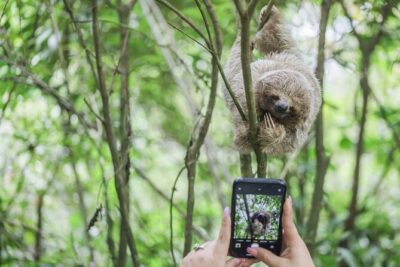
Some people may spot wildlife during the walk. One visitor saw a sloth along the route, though wildlife sightings are never guaranteed. The important point is that the walk gives you time to pay attention to the surroundings rather than racing straight to the next scheduled activity.
The terrain deserves honest attention. Several accounts describe the walk to the chocolate farm as manageable but more demanding on the return. If you have trouble with steep paths, uneven ground, heat, or humidity, ask about the walking conditions before booking. Good shoes are a must. Sandals are a poor choice.
Bring insect repellent, water, and clothing that can handle a bit of dirt. You may also want a hat and a small bag for keeping your phone dry near the waterfall. Those items are simple, but they make the day more comfortable.
From cacao seed to chocolate in your own hands
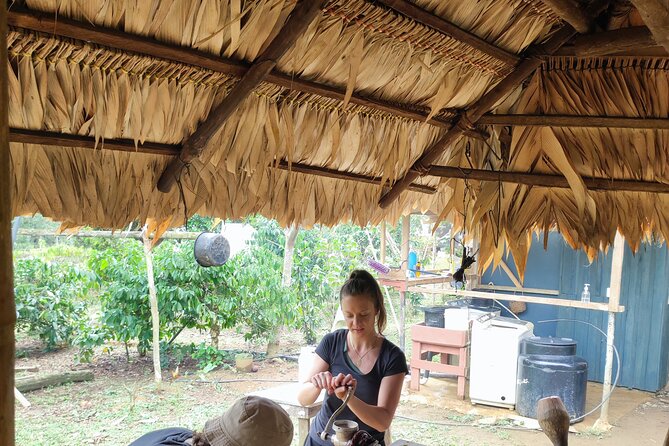
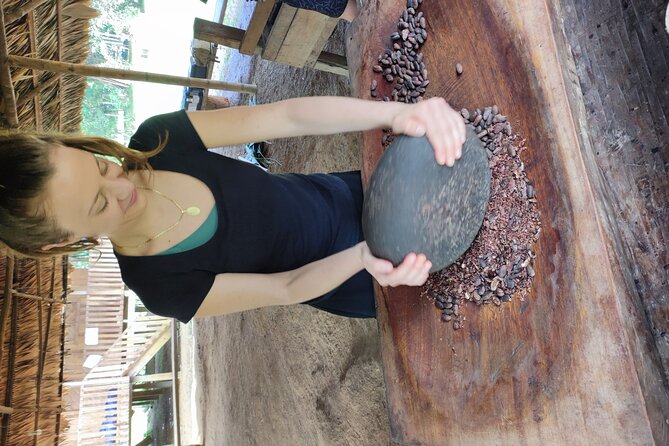
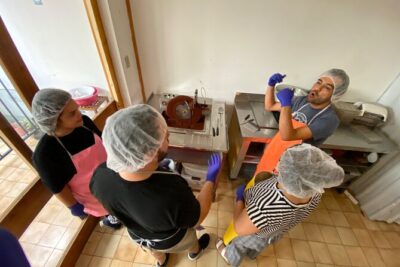
The chocolate lesson is the edible center of the experience. Your guide explains the process and gives you the chance to help make your own chocolate pieces. You do not simply receive a finished sample and move on.
The appeal is the sequence. You get a better sense of the work involved in turning cacao into something familiar, and you can connect the finished food with the plants and farm you have just seen. The activity is practical enough for children, while older visitors can ask more detailed questions about the process and its place in Bribri life.
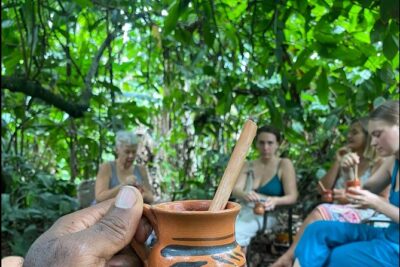
One family described learning the steps from seed to hot chocolate. Another appreciated being able to try the process rather than only hearing about it. That hands-on element is a major reason I would choose this tour over a standard chocolate tasting.
The pace also appears to suit families. Children as young as nine took part in the chocolate making, and a much younger child was included in a family visit. Still, the outdoor walk and the uneven route mean parents should judge their children’s stamina rather than assume the activity is effortless.
The experience may also include other practical demonstrations connected with Bribri life. One account describes learning how leaves are wrapped for traditional house roofs. Details can vary by group and guide, but the larger point is clear: the visit reaches beyond food into the skills and materials used in the community.
You may receive lunch during the visit, as one detailed account describes. Because the supplied tour information does not guarantee a meal for every departure, ask the provider what is included on your date. Do not rely on chocolate alone to carry you through five or six hours.
Same cocoa, a different bite:
- The Chocolatarium Chocolate Tour Experience in Edinburgh
★ 5.0 · 4,322 reviews - Award-Winning Geneva Chocolate &Old Town Tour with Boat Ride (3h)
★ 5.0 · 3,721 reviews - Melbourne: Yarra Valley Wine, Gin, Whisky and Chocolate Tour
★ 5.0 · 3,667 reviews - 4×4 Dominican Adventure with Chocolate and Coffee Tasting
★ 5.0 · 2,920 reviews
Meeting the host family without a staged show
The family visit is the part that gives the day its human scale. You may spend time at the family’s house, meet several members of the community, and see how the setting functions as a home and working place.
Ariel’s connection to the family is often highlighted, and that connection helps the conversation feel personal. Tamara is also praised for answering questions and working at the pace of a small group. Both guide profiles suggest that the quality of the day depends heavily on asking questions and taking part.
You should not expect a polished resort-style presentation. The appeal is precisely that the setting feels connected to ordinary community life. That can also mean fewer fixed comforts, more exposure to heat and insects, and a schedule that has some flexibility.
The best approach is to be curious without treating people as scenery. Ask about what you are shown, listen when the guide explains local customs, and avoid assuming that one family speaks for every Bribri person or community.
This is also a good choice for families who want their children to learn through direct contact. One family described the children playing together during the visit, while the adults talked with the guide and family members. That kind of informal exchange cannot be reproduced by reading a paragraph in a guidebook.
Cooling off at Cataratas Bribri Talamanca
After the cultural visit and the farm walk, the waterfall provides a welcome change of rhythm. You have about 45 minutes to enjoy the natural pool, swim, and stand beneath the falling water for a refreshing shower.
The stop is not only a photo break. It gives the day a physical finish, especially after walking in warm conditions. You can cool down, take pictures, and enjoy the setting at your own pace.
Bring a swimsuit and a towel. The pool is a natural setting, so you should use sensible care around wet rocks and follow the guide’s advice. The tour information confirms time for swimming, but it does not promise a particular water level or swimming condition on every date.
If swimming is not your main interest, the waterfall still adds variety. You can enjoy the scenery and photographs while others enter the water. But if you dislike getting wet or are hoping for a completely easy, seated cultural outing, this may not be the right match.
What the $95 price really covers
The $95 price makes the most sense for people who value access and interpretation, not just an activity count. You receive several different experiences in one day: local guiding, a community visit, a farm walk, chocolate making, cultural discussion, and a waterfall stop.
Pickup is offered, which can simplify the day if you are staying in the Limón area. The exact pickup details should be confirmed before booking, since the supplied information does not list every pickup point or transfer arrangement.
A small group is another part of the value. With a maximum of nine people, you have a better chance to ask questions and hear the guide clearly. You also avoid the impersonal feel of a large coach excursion.
The price may feel high if your only goal is to eat chocolate or visit a waterfall. You can find simpler and cheaper activities for either of those things. This tour earns its cost through the combination of cultural access, local interpretation, and participation in the cacao process.
Who will enjoy this, and who should think twice
I would recommend this experience to you if you:
- Want to learn about Bribri life from a guide with a direct community connection
- Prefer small groups and conversation over large commercial tours
- Enjoy making food instead of only tasting it
- Are interested in medicinal plants, local language, and Indigenous beliefs
- Can handle a warm outdoor walk with some uphill effort
- Want to combine culture, nature, and swimming in one half-day
It is also a strong choice for families. Children can take part in the chocolate lesson, and the waterfall adds a fun finish. Parents should still prepare for a walk that may be tiring, particularly on the way back from the cacao farm.
I would think twice if you need a fully accessible route, dislike uneven paths, or want a quick, polished attraction with no physical effort. The information says most people can participate and that service animals are allowed, but it does not promise a fully accessible trail or farm visit. Ask specific questions before paying if mobility is a concern.
The experience needs good weather. If poor conditions force a cancellation, you are offered another date or a full refund. The provider may also cancel if the minimum number of participants is not reached, with a different date, another experience, or a full refund offered. Your own cancellation is different: the booking is non-refundable and cannot be changed for any reason.
Practical packing advice for a smoother day
Wear sturdy walking shoes with traction. The route to the cacao farm may be harder than expected, and wet conditions can make any outdoor path less forgiving.
Pack:
- Swimsuit and towel
- Insect repellent
- Drinking water
- Sun protection
- A small waterproof bag for valuables
- Comfortable clothes for warm, humid conditions
One French-speaking family also suggested bringing small surprises for the host family. That is not listed as a requirement, so treat it as a personal courtesy rather than an expected part of the tour. If you bring anything, keep it thoughtful and modest.
You should also bring patience. A community visit cannot be judged by the same clockwork standards as a factory tour. The value comes from time spent listening, asking questions, and noticing how the parts of the day connect.
Should you book the Bribri chocolate experience?
Book it if you want chocolate to lead you into a wider cultural experience. The strongest reasons are the personal guiding, the direct connection to a Bribri family, the chance to make chocolate yourself, and the waterfall finish.
Skip it if you want a completely easy outing or if you are unwilling to walk on uneven terrain. The hike is a real part of the day, not a minor detail.
For most people who are comfortable outdoors, $95 is fair for the amount of guiding and access involved. Choose a date with good weather, wear proper shoes, and arrive ready to listen. That is how you get the most from this visit to Bribri territory.
FAQ
Where does the chocolate experience take place?
The experience begins in the Limón area and takes you into Bribri territory. The day includes a visit to a Bribri community and a stop at Cataratas Bribri Talamanca.
How long does the tour last?
The experience lasts approximately five to six hours. The Bribri cultural visit is listed at about three hours, and the waterfall stop lasts about 45 minutes, with travel and other parts of the day making up the remaining time.
Is pickup available?
Yes. Pickup is offered, but you should confirm the available pickup point and timing when booking.
How many people can join the tour?
The maximum group size is nine travelers. This allows for a smaller and more personal experience.
Will I make chocolate myself?
Yes. The guide explains the chocolate-making process and gives you the opportunity to make your own chocolate pieces.
Can I swim at the waterfall?
Yes. At Cataratas Bribri Talamanca, you can swim in the natural pool and enjoy the falling water. Bring a swimsuit and towel.
Is the tour physically demanding?
The tour includes an outdoor walk and a route to the cacao farm. The return walk can be difficult for some people, so good walking shoes are recommended.
What happens if the tour is canceled because of weather?
If poor weather causes the provider to cancel, you are offered a different date or a full refund. If the minimum number of participants is not reached, you are offered a different date, another experience, or a full refund.
Freshly tempered around the world
- Zurich Open-top Tour and Chocolate and Cheese Countryside★ 3.5 · 11 reviews
- Zurich: Chocolate Tasting and Walking Tour with a Local★ 4.2 · 13 reviews
- Lindt Chocolate Museum with Cruise Transfer from Zurich★ 4.6 · 7 reviews
- Zagreb: Lake Bled and Ljubljana Day Tour with Chocolate Gift★ 5.0 · 26 reviews
- Zaandijk-Near Zaanse Schans Chocolate making demo & tasting★ 4.8 · 13 reviews
- York: Introduction to Chocolate Making Experience★ 4.9 · 10 reviews
- Private Wine and Chocolate Tasting Experience★ 4.4 · 3 reviews
- Yarra Valley: Wine and Chocolate tasting tour.★ 5.0 · 5 reviews
More Costa Rica Chocolate Tours to compare.
Chocolate Making and Tasting at a Local Factory in San José
Read our review →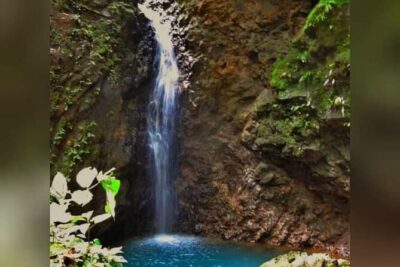
Puerto Viejo hands on chocolate making class. From bean to bar, get chocolatey!
Read our review →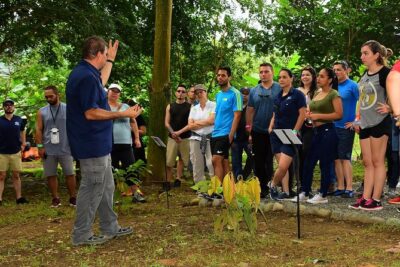
Chocolate Experience in Jaco Beach and Los Suenos
Read our review →
Coffee & Chocolate Tour+Sloths Park & Llanos de Cortez Waterfall
Read our review →
Sloths in the Rain Forest and Safari by the River
Read our review →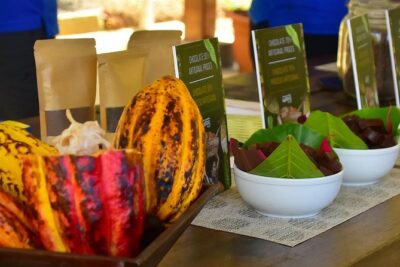
Ocean View Canopy Zip line + Chocolate Experience
Read our review →Chocolate lists with this tour