Review · BELGIUM
Bruges: Chocolate Making Workshop and Chocolate Museum Entry
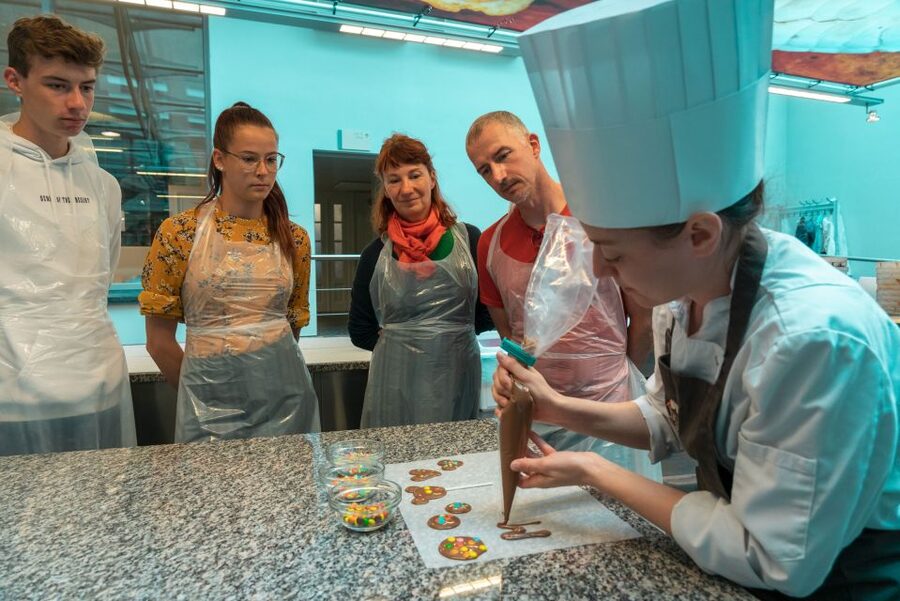
The best part of this Bruges experience is the chance to make a large stash of chocolates rather than simply watch somebody else work. You shape and decorate lollipops, mendiants, bars, and other small creations with several kinds of chocolate and plenty of toppings. The finished sweets are yours to eat or carry home.
I like the workshop’s easy, hands-on format, and I like that it works for a mixed-age group. A 9-year-old, a teenager, two parents, and an older grandparent can all take part at the same table. The main drawback is that this is a decorating workshop, not a serious lesson in tempering or making chocolate from cocoa beans.
Key points at a glance
- Make as much chocolate as you can during the session: Use ready-melted chocolate, shapes, stencils, and toppings to create lollipops, mendiants, bars, and other designs.
- Expect a short demonstration first: The opening explanation takes roughly 10 to 20 minutes, leaving most of the workshop for making and decorating.
- Take your creations home: You leave with bags of packaged chocolates, often enough to share or eat over several days.
- The museum adds useful context: Choco-Story presents chocolate’s 4,000-year story through objects, pictures, words, flavors, and interactive displays.
- It suits families and adults: Children must be at least 7, but adults do not need to feel out of place.
- Know what you are booking: The workshop uses prepared chocolate, so it offers creative fun more than advanced confectionery training.
What the one-hour chocolate workshop is really like
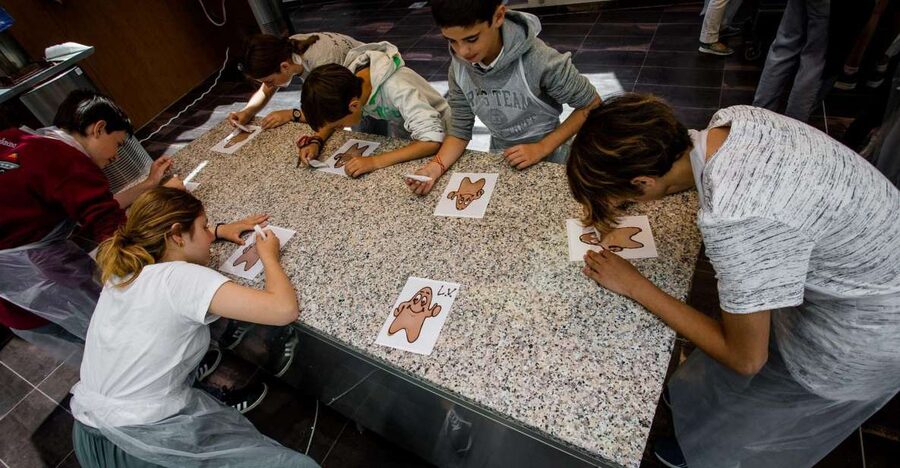
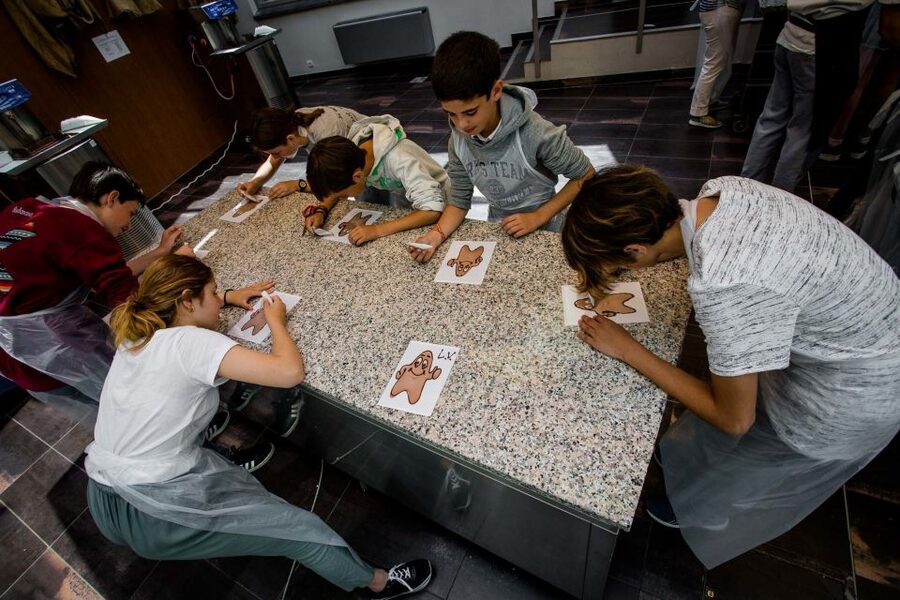
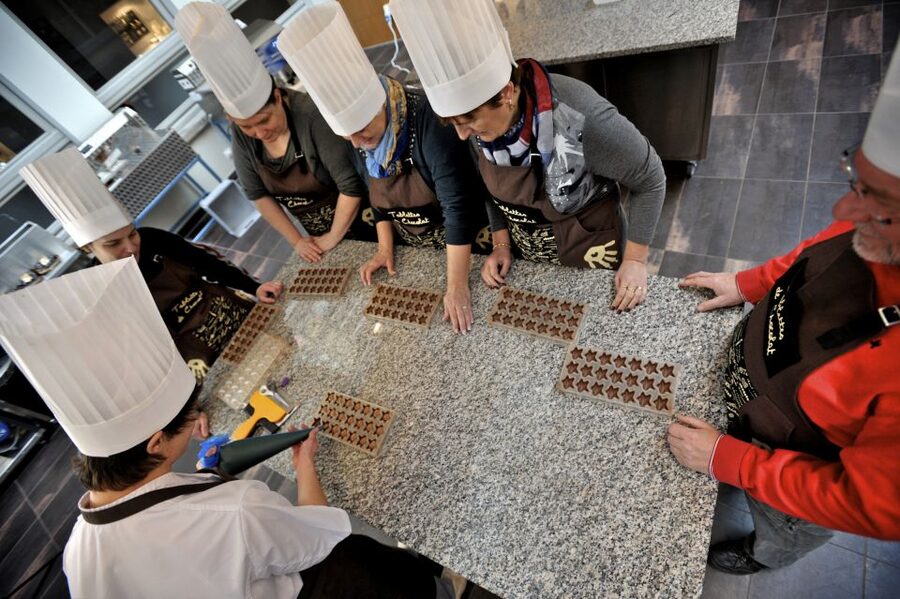
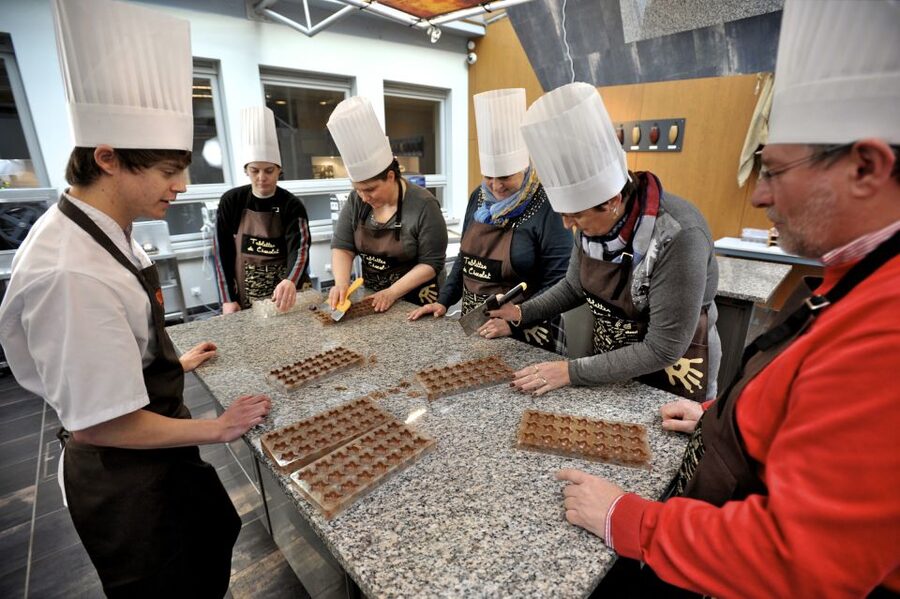
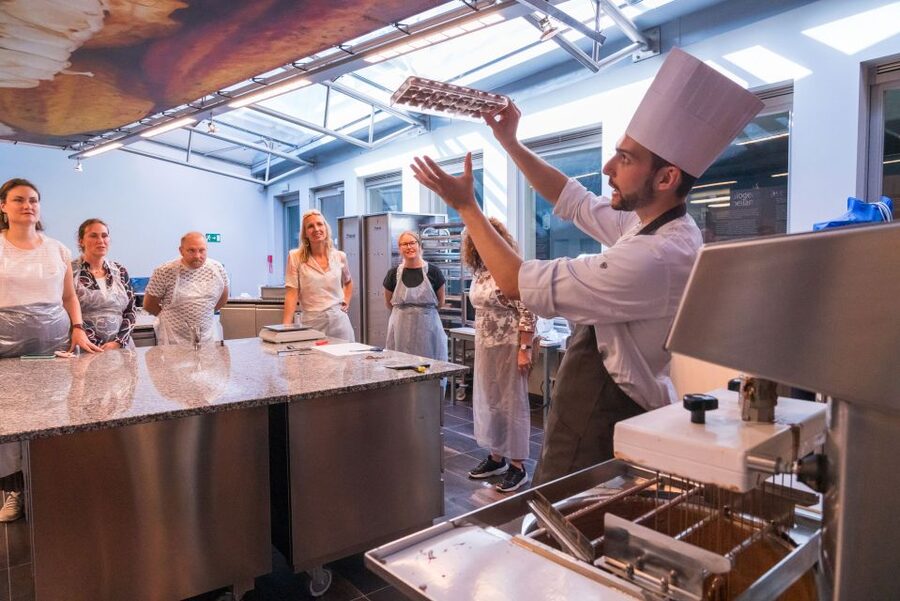
The session begins with a chocolatier explaining the basic task and showing you how to work with the chocolate. The demonstration is brief and practical. Depending on the group, you can expect about 10 to 20 minutes of instruction before you start making your own sweets.
You are not starting with cocoa beans, roasting, grinding, or tempering. The chocolate is already melted and ready to use. That keeps the activity moving and makes it suitable for children, but it also limits how much technical chocolate-making you will learn.
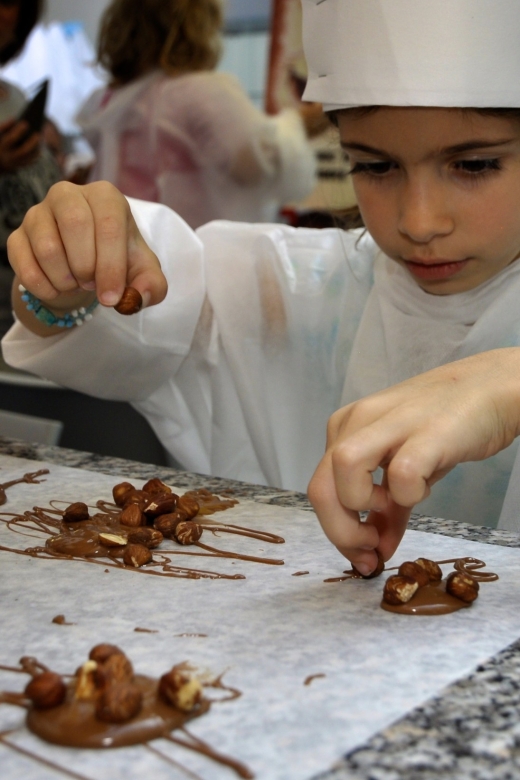
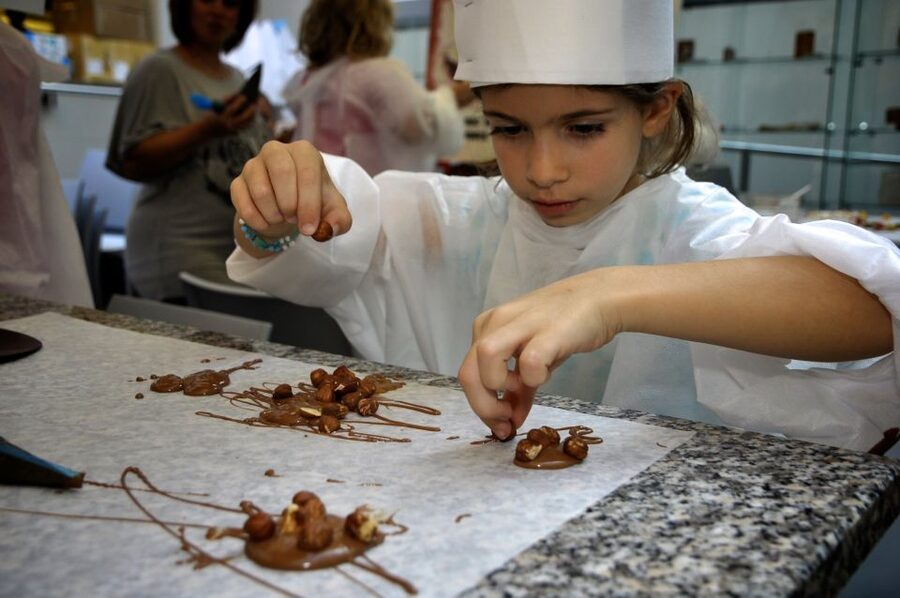
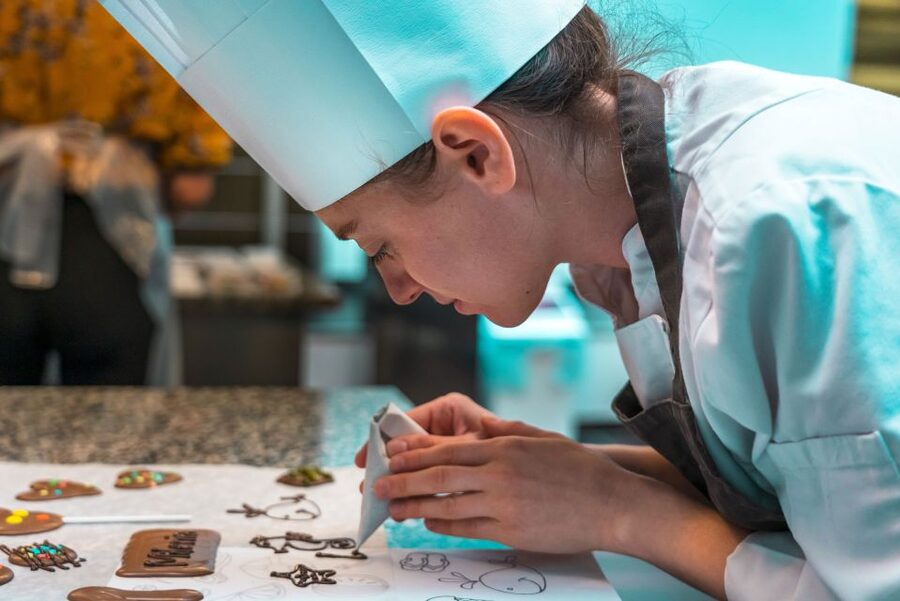
The fun comes from the freedom to create. You can use different kinds of chocolate, including dark, milk, and white chocolate, then add toppings and shape the mixture into simple designs. Stencils and basic tools help if you are not naturally artistic. You do not need a plan, and imperfect shapes are part of the charm.
Lollipops are especially easy for children to make. Mendiants are flatter chocolate discs decorated with toppings, and they give you a little more room to arrange a pattern. You might also make bars, blobs, or other shapes depending on the materials available that day.
The atmosphere is informal and hands-on. Once the demonstration is over, staff generally let you work at your own pace. A family can help younger children, while adults can make their own designs instead of merely supervising.
One practical point matters: chocolate needs time to set. Do not keep adding to your creations right until the final second. If you want neat pieces, leave enough time for the chocolate to dry or harden before packing everything away. One useful improvement would be a clearer signal from the instructor about when to stop creating and allow the pieces to set.
More Chocolate Making Workshops in Belgium
- Belgian Chocolate Workshop in Bruges
★ 5.0 · 660 reviews - Bruges: Belgian Praline and Mendiants Chocolate Workshop
★ 4.7 · 620 reviews - Bruges: Belgian Chocolate Making Workshop with Beer Tasting
★ 4.9 · 203 reviews
The chocolatier’s role and the language setup
The instruction is available in French, English, and Dutch. That covers the main languages used by many visitors to Bruges, and the opening demonstration is designed to be quick and easy to follow.
The quality of the session depends partly on the person leading it. Hosts named Louise and Hugo have been praised for making the activity friendly and engaging, while other sessions have had a more reserved instructor. The format itself remains simple, so even a less animated presentation should not make the workshop hard to follow.
You get the most from the chocolatier by paying attention during the opening demonstration. This is when you learn how to use the tools, how much chocolate to place on the work surface, and how to add toppings without making the pieces too heavy. After that, staff are available to help, but the activity is mostly self-directed.
The workshop is also a good choice for families with different language abilities because the main instructions are shown as well as spoken. Still, the supplied information does not promise interpretation beyond French, English, and Dutch, so check the available language before booking if you need instruction in another language.
Why children aged 7 and older fit the activity
The minimum age of 7 makes sense. Younger children may enjoy eating chocolate, but this activity asks them to control melted chocolate, decorate carefully, and wait for the pieces to set.
For children around 8 to 12, this can be one of the more memorable stops in Bruges. They get a clear task, plenty of creative choice, and a reward they can see growing in front of them. The workshop is short enough to hold their attention without turning into a long classroom session.
Teenagers can enjoy it too, particularly if they are given room to make their own designs. The activity does not feel limited to small children. Several families have included teenagers, and adults often end up making just as much chocolate as the younger members of the group.
It also works well for a broad family age range. One family took part with people aged 9 to 84, which gives you a good sense of the activity’s appeal. Nobody needs advanced cooking skills, and the creative part can be as simple or elaborate as you choose.
For adults traveling without children, I would set expectations correctly. You can have a very good time, especially if you enjoy making things and sampling chocolate. But if you want a serious pastry lesson, this will feel basic. The workshop is closer to a guided chocolate craft session than a professional class.
Taking home the chocolate you make
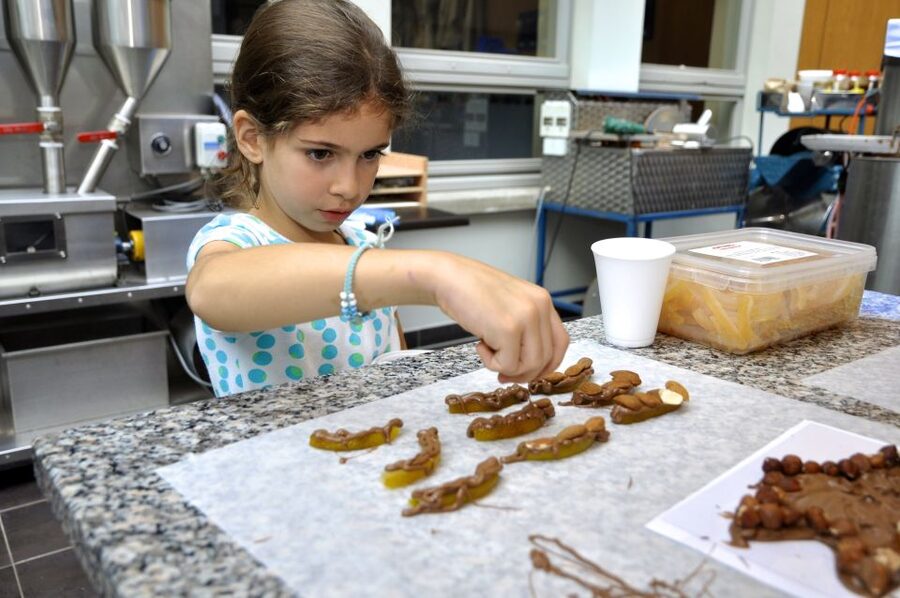
The take-home portion is a major part of the value. You do not simply taste one small sample and leave. You can make a generous amount of chocolate, and the finished pieces are packaged for you to carry away.
Families often leave with bags full of creations. That can turn into a useful snack supply for the rest of your Bruges visit, although chocolate and summer heat are not ideal partners. The experience information does not specify a storage system or transport method, so handle the package carefully and keep it cool when possible.
The quantity also helps explain the $53 price. You are paying for the workshop, the ingredients, the museum, tastings, and the time of the chocolatier. If several people in your group will take part fully, the amount of chocolate can make the price feel more reasonable.
Still, cost matters. A family of five or six will spend a noticeable amount, and the museum may not add equal value for everyone. If your main goal is to make sweets, compare the price with a simple chocolate purchase in Bruges. If you want an activity that occupies the group and creates a shared memory, the workshop offers more than a box of chocolates from a shop.
More Chocolate Making Workshops in Bruges
- Bruges: Chocolate Truffle Making Class
★ 4.6 · 149 reviews - Chocolate Workshop at Choco-Story Brugge
★ 5.0 · 84 reviews - Belgian Chocolate Truffle Making Workshop in Bruges
★ 5.0 · 49 reviews - Unique Belgian Chocolate Making Workshop in Bruges
★ 5.0 · 47 reviews
The Choco-Story museum after the workshop
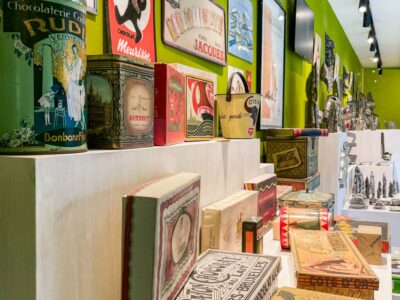
The museum visit follows the practical part and gives you the broader story behind the food. Choco-Story covers roughly 4,000 years of chocolate, using written panels, images, interactive displays, flavors, and a private collection of more than 1,000 objects.
This is not just a display of Belgian pralines. The museum places chocolate in a long historical setting and shows how its role changed over time. You can expect information about chocolate’s origins and development, along with objects connected to its production and use.
The interactive features help break up the reading. The audio guide is available in 11 languages, and there is a version for children. That makes it easier for family members to explore at different speeds, though the exact language list is not provided in the activity details.
I would give the museum your attention if you enjoy food history, museum objects, or the story of how an everyday treat developed. You may find it less satisfying if you want a polished, highly technical account of chocolate production. Some adults consider the museum modest for the price, while others find the historical material more interesting than expected.
The order also works well. You first make something with chocolate, then see the objects and information that explain the wider subject. The museum is self-guided, so you are not tied to a second formal tour after the workshop.
Tastings and the museum’s strongest features
Chocolate tastings are included. They give you a chance to compare flavors and keep the visit from becoming a purely visual experience. The activity information does not list the exact chocolates or number of tasting samples, so do not book expecting a fixed tasting menu.
The collection of more than 1,000 objects is one of the museum’s more unusual features. It gives the visit a material side that simple wall panels cannot provide. Tools, containers, packaging, and other artifacts help show how chocolate moved from an old luxury to a familiar food.
The audio guide can also make a difference. You can move through the exhibits without waiting for a group, pause when you want, and choose the children’s version for younger listeners. Since the workshop itself is led in French, English, or Dutch, the museum audio guide is useful if your preferred language is different.
Do not assume the museum will be the highlight for every member of your group. Children often remember the making session and the chocolate bag more clearly than the exhibits. Adults who dislike museums may want to keep the museum visit focused rather than treating it as a major half-day attraction.
Timing, booking, and practical planning
The advertised duration is one hour, with the workshop and museum entrance included. In practice, the workshop portion uses the main scheduled time, while the museum is self-guided afterward. Check the available starting time when booking, and allow extra time if you want to read the displays carefully.
The activity takes place in Bruges, so it is easy to pair with other central sightseeing, but the exact meeting point and transport details are not supplied here. Plan to arrive ready to start on time, since a late arrival could mean missing the opening demonstration.
Cancellation is flexible up to 24 hours before the activity for a full refund. You can also reserve and pay later, which helps if your Bruges schedule depends on weather or other timed plans. These terms are useful, but check the final booking conditions before paying because availability and starting times can change.
The workshop is not described as a private class. Expect to share the working space with other participants. The activity is usually not so crowded that children cannot work, but the number of places can affect how much room you have for decorating.
Who should book this Bruges experience?
I would recommend it most strongly to families with children aged 7 and older. It gives everyone a job, keeps the lesson short, and produces something tangible to take home. It is also a good rainy-day plan when a walk around Bruges is less appealing.
Couples and groups of adults can enjoy it if they approach it as a playful activity rather than a technical class. The basic format removes pressure. You do not need to make perfect chocolates, and the process encourages a bit of silliness.
It may suit a family member with special needs because the activity is hands-on, visual, and flexible. One family used the session successfully with an 18-year-old daughter who had special needs. That said, the supplied information does not detail wheelchair access, seating arrangements, allergy procedures, or other access needs, so ask Choco-Story directly if those points matter for your group.
Chocolate fans who want to understand tempering, molding, or professional techniques should choose a more advanced class. You will learn the broad story of chocolate and enjoy decorating prepared chocolate, but you will not actually make chocolate from raw ingredients.
Is the $53 price worth it?
At $53 per person, this is not a cheap way to buy chocolate. The value depends on how you use the hour.
For a child who would otherwise need another paid activity, the workshop offers entertainment, food, a creative task, and a souvenir in one package. A family that makes a great deal of chocolate may feel the cost is fair, particularly because the experience is shared rather than simply consumed.
For an adult who only wants museum entry, the price can feel high. Some people find the museum too basic for the adult admission cost, especially if they are not interested in museums. The workshop is the part that makes the package stronger.
I would think of the price as paying for a family activity with edible results. If you want a quiet museum visit or an expert chocolate course, spend your money elsewhere. If you want an easy, cheerful hour in which everyone makes something, the package is easier to justify.
FAQ
How long does the activity last?
The advertised duration is one hour. The workshop takes place during that scheduled time, followed by a self-guided visit to the chocolate museum.
What will I make during the workshop?
You will make chocolate lollipops and mendiants, a traditional French chocolate confection. Depending on the materials available, you can also create bars, blobs, and other decorated shapes.
Do I make chocolate from cocoa beans?
No. The chocolate is prepared and melted before the workshop. You shape and decorate it with tools, stencils, and toppings rather than making it from raw cocoa ingredients.
Can I take the chocolate home?
Yes. You can take the chocolates you make with you. Many participants leave with bags of packaged chocolate creations.
Is the activity suitable for children?
Yes. It is suitable for children aged 7 and older. The activity also works for teenagers and adults, so family members of different ages can take part together.
Which languages are available?
The instructor-led workshop is available in French, English, and Dutch. The museum provides an audio guide in 11 languages, including a version designed for children.
Can I cancel the booking?
You can cancel up to 24 hours before the activity for a full refund. Reserve-now, pay-later booking is also available, subject to the booking conditions.
Should you book the chocolate workshop?
Book it if you want a family-friendly activity with plenty of chocolate to take away. The easy instructions, short demonstration, creative toppings, and broad age range make it a reliable choice for a mixed group.
Book with caution if your main interest is serious chocolate technique or a highly detailed museum. You will work with prepared chocolate, and the museum may feel light to adults who prefer dense historical displays.
For most families visiting Bruges, I think the workshop is the better reason to go. The museum adds context, the tastings round out the visit, and the chocolates provide a souvenir you made yourself. Just arrive knowing that this is playful chocolate decorating, not professional confectionery training.
More Chocolate Museums in Bruges
- Bruges: Choco-Story Chocolate Museum Guided Tour w/Tastings
★ 4.2 · 1,379 reviews - Choco-Story: The Chocolate Museum in Bruges
★ 4.0 · 544 reviews - Lindt Home of Chocolate Museum Entry Ticket
★ 4.7 · 9,329 reviews - Choco-Story Brussels: Chocolate Museum Entrance with Tasting
★ 4.3 · 4,883 reviews
Freshly tempered around Bruges
- Bruges Beer Tour with chocolate pairing by a young local★ 5.0 · 13 reviews
- Secrets of Bruges: Walking Tour With a Chocolate and Waffle Bite★ 5.0 · 27 reviews
- Evening Delights: Bruges Tour with Beer & Chocolate★ 4.0 · 4 reviews
- Private Bruges’ Iconic Sites and Chocolate Tasting Tour★ 5.0 · 8 reviews
- Walking Tour with Hot Chocolate and Chocolate Tasting★ 3.0 · 5 reviews
- Private: Discover Bruges beers & brewery with chocolate pairing by a young local★ 5.0 · 3 reviews
- Across Bruges History Equals Fun with chocolate and waffle sample★ 5.0 · 34 reviews
- Authentic and Complete Bruges, with Local Guide and Chocolate★ 5.0 · 12 reviews
More Belgium Chocolate Tours to compare.
Choco-Story Brussels: Chocolate Museum Entrance with Tasting
Read our review →
Hungry Mary’s Famous Beer and Chocolate Tour in Brussels
Read our review →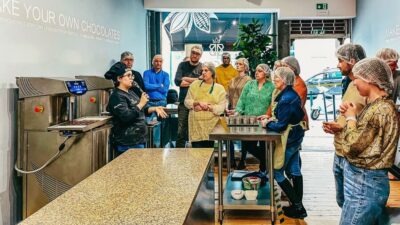
Brussels: Belgian Chocolate Making Workshop with Tastings
Read our review →
Brussels: Chocolate Museum Visit with Workshop
Read our review →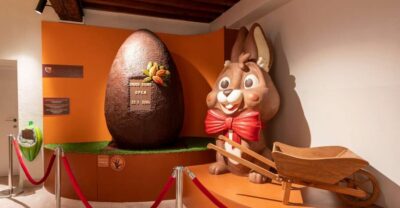
Bruges: Choco-Story Chocolate Museum Guided Tour w/Tastings
Read our review →
Brussels: Historical Tour with Chocolate & Waffle Tasting
Read our review →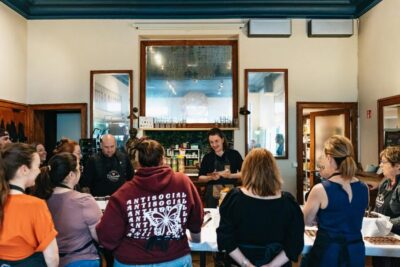
Brussels: 2.5-Hour Belgian Chocolate Making Workshop
Read our review →