
Review · ECUADOR
Cacao Farm Excursion Day Trip from Guayaquil
The best part of this Guayaquil day trip is that you do not just look at a cacao tree and take a photo. You crack open the fruit, toast the seeds, remove their husks, grind them into paste, and turn the result into chocolate. That hands-on work makes the farm visit stick.
I like the farm-to-table lunch, made with ingredients grown on the property, and the friendly guides who fill the drive with stories about Ecuador. The private format is another plus: your group gets the guide’s attention instead of being folded into a large bus tour.
The main thing to weigh is the road time. The farm is about 32 miles from Guayaquil, and traffic can be slow. Bring bug repellent and sunscreen, and remember that drinks are not included.
Key points to know before you go
- Make chocolate from cacao seeds: Toast, peel, grind, and taste the beans before preparing your own chocolate.
- Visit a working family farm: The 30-acre property grows cacao, rice, mangoes, papayas, dragon fruit, avocados, breadfruit, and other crops.
- Eat what the farm produces: Lunch uses organic ingredients grown onsite, with a typical Ecuadorian menu that can change.
- Ride in a private group: Hotel pickup and drop-off are included, and only your party participates.
- Plan for tropical conditions: Mosquitoes can be plentiful, so long sleeves, long pants, sunscreen, and repellent are sensible.
- Allow for traffic: The advertised duration is about four hours, but the drive can take longer when Guayaquil roads are crowded.
From Guayaquil streets to the cacao farm
Your day begins with a 10 a.m. pickup at a centrally located Guayaquil hotel. The first drive takes about 40 minutes under normal conditions, carrying you out of the city toward Naranjal and the countryside near the Churute ecological reserve and Churute River.
That transition is part of the appeal. Guayaquil is Ecuador’s large coastal commercial center, while the farm visit shows you the agricultural side of the region. You get a look at how quickly the city gives way to rice fields, fruit trees, and small rural properties.
Traffic is the one practical concern. One account of a longer combined outing described heavy congestion and a rough road section, though that trip also included mangrove and monkey stops that are not part of this standard cacao excursion. Even so, I would not schedule a tight airport connection or another important appointment immediately afterward.
The private setup helps here. Your guide can answer questions during the drive and adjust the conversation to your interests. Guides used on different departures have included Jaime, Jamie, Eddie or Eduardo, and Adrian. Guide assignments can vary, so do not assume a specific person is guaranteed unless the operator confirms it.
More Cacao Farm Tours in the world:
- Lahaina: Maui Ku’ia Estate Guided Cacao Farm Tour and Tasting
★ 5.0 · 1,103 reviews - Award Winning Farm Tour: Coffee, Chocolate and Unique Gifts
★ 5.0 · 484 reviews - Lahaina: Maui Ku’ia Estate Guided Cacao Farm Tour & Tasting
★ 4.8 · 137 reviews
A 30-acre farm with more than cacao
The Cacao y Mango Farm is a family-run property of about 30 acres, or 12 hectares. Cacao is the main attraction, but it is not the only crop. You may see rice fields, mango, papaya, dragon fruit, avocado, breadfruit, tomatoes, green peppers, lemongrass, and lemon trees.
This variety gives the visit more meaning. Cacao does not appear in isolation, like a museum exhibit. It grows as one part of a working farm that supplies food for the family and ingredients for your meal. The farm also has a cacao greenhouse, which helps show how young plants are started before they mature outdoors.
The exact order of the farm walk can vary, but the central lesson follows the crop from seed to finished product. You learn how farmers sow cacao, care for the trees, harvest the pods, and prepare the beans. The farm family explains the work in practical terms, and hosts such as Jamil, Jamal, Simon, Alberto, or Shirley have led parts of different departures.
Do not expect a polished chocolate factory. The charm is the simple, family-run setting and the chance to see agriculture at a human scale. You are visiting a countryside business, not a large commercial attraction.
Opening the cacao pod and tasting the fruit
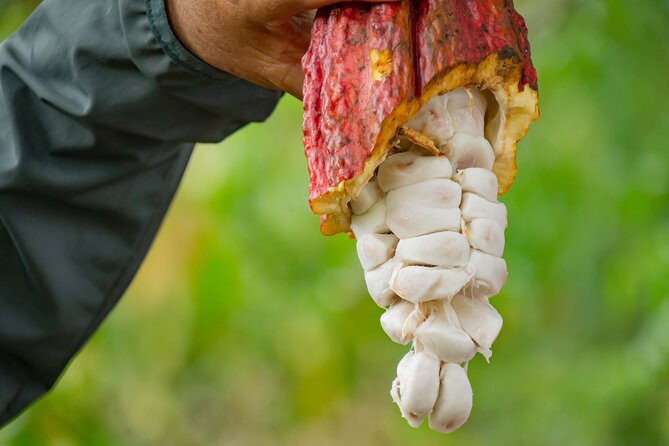
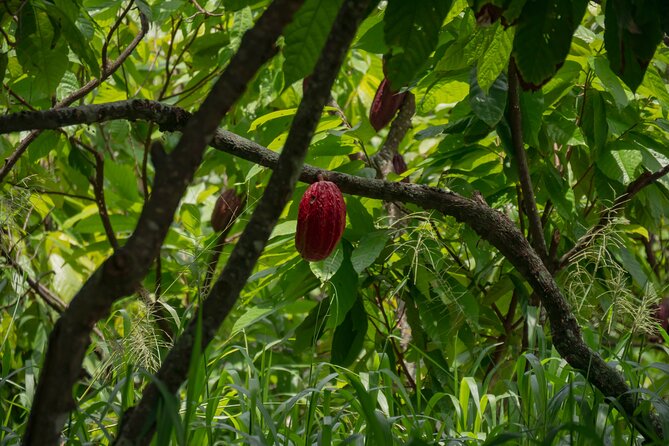
Cacao begins as a thick, ridged pod growing on the tree. During the visit, you get to see the fresh fruit and learn how it is handled after harvest.
The fresh pulp around the seeds is one of the small surprises of the visit. It does not taste like a chocolate bar. You may find the fruit sweet and soft, with a flavor that helps explain why cacao is more than just the dry bean used in candy.
From there, the guide walks you through the stages that transform the harvested seeds. Fermentation and drying are part of the process, followed by toasting. The point is not simply to show you a finished product. You see how much care is needed before the familiar chocolate flavor appears.
This is also where the tour gives useful context about farm labor. A bar of chocolate hides the work of planting, pruning, harvesting, fermenting, drying, and processing. Meeting the people who grow and prepare the crop gives you a better sense of that chain.
Toasting, grinding, and making your own chocolate
The hands-on section is the heart of the outing. You toast the cacao seeds, help remove the husks, and grind the clean beans into a thick paste. That paste is the base for chocolate before milk, sugar, and flavorings are added.
You may also taste the cacao in several forms, including raw or ground beans, hot chocolate made with water and sugar, and the finished chocolate. The flavors change at each stage, which makes the lesson easy to follow. You are not just hearing about chemistry or production. You are tasting the changes yourself.
The final activity is making chocolate bars to take home. This works well for families because children and teenagers can take part without needing a long technical explanation. Parents should still expect a farm visit rather than a children’s amusement attraction. The learning is active, but the setting is rural and informal.
Chocolate lovers will get the most from this section, but you do not need special knowledge. The guides explain each step in a friendly, easygoing way. If your group has questions about Ecuadorian cacao, farming, or local foods, the private format gives you room to ask.
More One-Day Trips in the world:
- Zurich: Rhine Falls, Chocolate & Cheese Factory Day Trip
★ 4.5 · 212 reviews - Gruyère Cheese and Chocolate Tasting Day Trip from Geneva
★ 5.0 · 99 reviews - Day Trip Churute Howler Monkey Observation and Chocolate Making
★ 5.0 · 55 reviews - From Geneva: Gruyére Chocolate and Cheese Tasting Day Trip
★ 4.8 · 27 reviews
Lunch made from the farm’s own ingredients
After the farm walk and chocolate preparation, you sit down to a typical Ecuadorian lunch. The meal is included in the price and is prepared with organic ingredients grown onsite whenever possible.
The menu can change, but past meals have included dishes such as crab empanadas, fried fish, rice, and a chocolate dessert. The food is not a token snack added to the tour. It is one of the main reasons this outing feels connected to the farm. You have just seen fruit, herbs, vegetables, and other crops growing, then you eat food made from that supply.
A chocolate drink may also be served during the tasting portion. Drinks beyond what is provided are not included, so ask your guide what is covered and bring money if you want something extra.
Lunch also gives you a relaxed chance to talk with the farm family and your guide. Several guides have joined the meal, which makes the cultural exchange feel less formal. I would allow time to enjoy this pause instead of treating it as a quick refueling stop.
What the $205.72 price really covers
At $205.72 per person, this is not a bargain-priced ride into the countryside. The value comes from the private format, round-trip hotel transfers, a farm visit, food tastings, chocolate preparation, and lunch.
The price is easier to justify for a small group that wants a personal experience without arranging separate transportation. You avoid finding a rural farm on your own, negotiating local transport, and working out how to return to Guayaquil. The guide also adds value during the drive, especially if you want context about Guayaquil and Ecuador.
For one person, the cost is a serious consideration. For a family or group sharing the private activity, the experience can make more sense, particularly because the lunch and tastings are included. The child rate applies only when a child shares with two paying adults.
The tour has a 4.8 rating from 31 ratings, with 94 percent recommending it. That points to strong satisfaction, especially with the farm hosts, lunch, guides, and chocolate-making activity. It does not remove the practical limits: road traffic, tropical insects, and a fairly short four-hour schedule.
Who will enjoy this outing most
I would choose this trip if you want to get outside Guayaquil without giving up comfort and organization. It suits couples, families, solo visitors, and friends who prefer a private guide and a clear half-day plan.
Families are a particularly good match. Children and teenagers can see, smell, taste, and make something, rather than simply listening to a lecture. The farm hosts keep the process approachable, and the lunch gives the group a comfortable break.
It also works well for food-focused visitors. You learn where cacao comes from, but you also see tropical produce and eat ingredients grown close to the kitchen. The experience connects farming, cooking, and chocolate in a way a city tasting session cannot.
You may want a different outing if your priority is wildlife or dramatic scenery. This standard trip focuses on agriculture and food. A separate departure was once combined with mangrove and monkey stops, but you should not assume those activities are part of this cacao farm excursion.
Practical advice for a smoother day
Wear light clothing that covers your arms and legs if you can manage it. Several accounts describe plenty of mosquitoes, and the tour information specifically recommends bug repellent. Sunscreen is just as useful, particularly during the farm walk.
Bring water and budget for extra drinks. Lunch and food tasting are included, but drinks are not listed as part of the package.
Wear shoes suitable for a working farm. The available information does not promise paved paths or a fully equipped visitor center, so expect an outdoor setting rather than a formal attraction.
Most people can participate, but children must be accompanied by an adult. The child price only applies when two adults are paying. If anyone in your group has mobility concerns, ask the operator about current conditions before booking, since the property is a rural farm.
The tour is private, but the guide may be multilingual. If you need a particular language, confirm it in advance. Hotel pickup and drop-off apply to centrally located Guayaquil hotels, so provide your exact accommodation when arranging the tour.
You can cancel for a full refund up to 24 hours before the 10 a.m. start time. Changes or cancellations inside that window are not accepted for a refund. That deadline matters if your Guayaquil plans depend on a flight schedule.
Should you book the cacao farm trip?
Book it if you want a personal, food-centered introduction to Ecuadorian agriculture. The strongest parts are the hands-on cacao work, the friendly farm family, the private guide, and the substantial lunch made with farm ingredients.
I would be cautious if you have limited time in Guayaquil, dislike insects, or need to reach the airport soon after the tour. Traffic can stretch the day, and the farm is outside the city.
For families, couples, and small groups, this is one of the better ways to turn a simple countryside visit into something you can taste and take home. The chocolate bar is a souvenir, but the more lasting memory is understanding how much work comes before the first bite.
FAQ
How long does the cacao farm excursion last?
The experience lasts approximately four hours. The advertised start time is 10 a.m., with pickup at a centrally located Guayaquil hotel.
Where is the cacao farm located?
The farm is near Naranjal, about 32 miles from Guayaquil. It is close to the Churute ecological reserve hills and the Churute River.
Is hotel pickup included?
Yes. Pickup and drop-off at Guayaquil hotels are included. The stated meeting arrangement is for centrally located hotels.
What will I do at the farm?
You will learn how cacao is planted, cared for, harvested, and processed. Activities include seeing fresh cacao fruit, toasting the seeds, removing the husks, grinding the beans, tasting cacao, and making chocolate.
Is lunch included?
Yes. A typical farm lunch made with organic ingredients grown onsite is included. The menu can change.
Are drinks included?
Drinks are not included. Food tasting and lunch are included, but you should budget separately for drinks.
Is this a private tour?
Yes. Only your group participates in the activity. A multilingual guide may operate the tour.
Is the experience suitable for children?
Yes, most people can participate, and the tour is described as family friendly. Children must be accompanied by an adult, and the child rate applies only when sharing with two paying adults.
Freshly tempered around the world
- Zurich Open-top Tour and Chocolate and Cheese Countryside★ 3.5 · 11 reviews
- Zurich: Chocolate Tasting and Walking Tour with a Local★ 4.2 · 13 reviews
- Lindt Chocolate Museum with Cruise Transfer from Zurich★ 4.6 · 7 reviews
- Zagreb: Lake Bled and Ljubljana Day Tour with Chocolate Gift★ 5.0 · 26 reviews
- York: Introduction to Chocolate Making Experience★ 4.9 · 10 reviews
- Zaandijk-Near Zaanse Schans Chocolate making demo & tasting★ 4.8 · 13 reviews
- Private Wine and Chocolate Tasting Experience★ 4.4 · 3 reviews
- Yarra Valley: Wine and Chocolate tasting tour.★ 5.0 · 5 reviews
More Ecuador Chocolate Tours to compare.
Private Full-Day Mindo Cloud Forest,Butterfly Farm, Chocolate Tour bird watching
Read our review →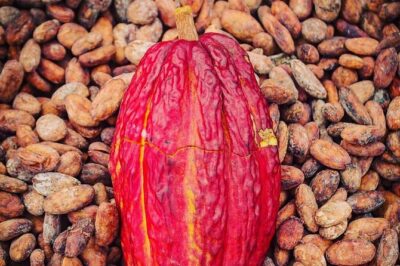
Day Trip Churute Howler Monkey Observation and Chocolate Making
Read our review →
Cuenca to Guayaquil one-way tour with Cajas Park and a Cacao Farm visit
Read our review →Chocolate lists with this tour