
Review · DOMINICAN REPUBLIC
Chocolate Tour – KahKow Experience
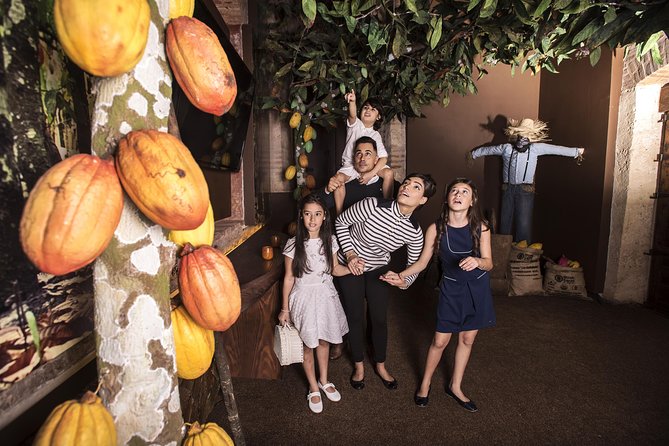
Chocolate takes center stage at Kahkow Experience, where a short visit turns cacao from a familiar sweet into a plant, a process, and a piece of Dominican culture. You’ll learn how cacao becomes chocolate, taste the fruit itself, and compare chocolate with different cocoa percentages.
I like the hands-on tasting and the clear focus on cacao’s origins and meaning. I also like the small-group format, with no more than 20 people, since it should be easier to hear the guide and ask a question. The main drawback is that the visit is brief, and factory access plus chocolate-bar making are not included.
Key points to know before booking
- Cacao fruit is part of the tasting: You do not only sample finished chocolate. The tour includes a taste of the cacao fruit and cacao beans.
- Chocolate percentages are compared: You can try chocolate with different cocoa percentages and notice how the flavor changes.
- The visit lasts about 25 minutes: This is a compact stop, not a long workshop or half-day activity.
- The focus is history and production: The guide covers cacao’s origins, meaning, and the steps behind quality chocolate.
- Groups are capped at 20 people: The smaller setting may make the presentation easier to follow.
- Chocolate-bar making is not included: Book this for an introduction and tasting, not for a full candy-making class.
What the Kahkow Experience actually offers
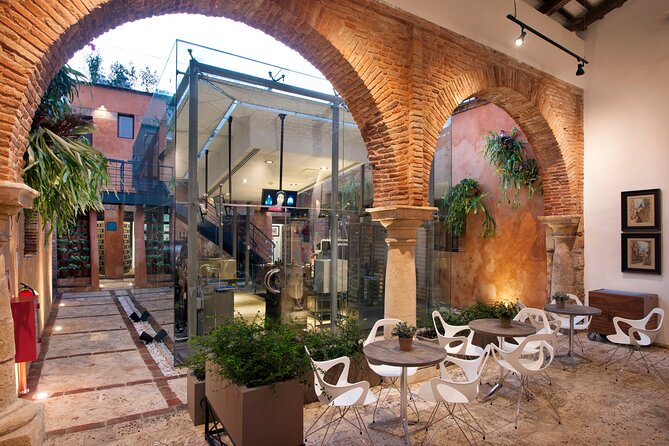
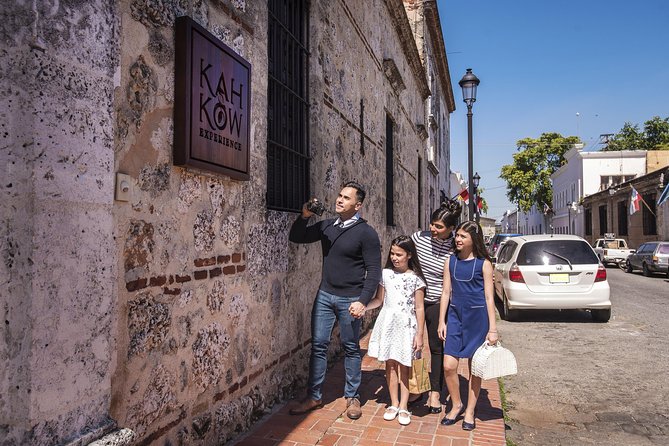
This is a focused chocolate stop in Santo Domingo, not a broad city tour with chocolate added as a side note. At C. Las Damas 102, the experience gives you about 25 to 30 minutes of explanation and tasting.
The short length is both the charm and the limit. You can fit it into a day of sightseeing without giving up a large block of time. I can see it working well before lunch, after a walk through the city, or as a planned stop when your family needs something simple and indoors.
You should set your expectations correctly. The presentation explains cacao and chocolate, but it does not include a factory tour or a session where you make your own chocolate bar. One review specifically found that omission disappointing, so check the details before you reserve if hands-on candy making is your main goal.
More Chocolate Tours around the Dominican Republic:
- 4×4 Dominican Adventure with Chocolate and Coffee Tasting
★ 5.0 · 2,920 reviews - 4×4 ATV Experience, Water Cave, Chocolate and Coffee Tasting
★ 5.0 · 1,430 reviews - Buggy Adventure Tour with Chocolate and Coffee in Punta Cana
★ 5.0 · 953 reviews
Starting at C. Las Damas 102
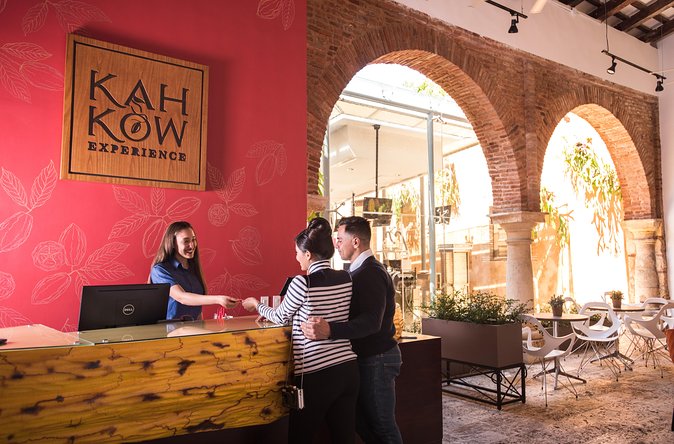
You meet at Kahkow Experience, C. Las Damas 102, Santo Domingo 10210, Dominican Republic. The activity ends at the same place, which keeps the logistics easy and avoids arranging a separate pickup after such a short visit.
The location is near public transportation. That matters here because a 25-minute activity does not make much sense if you spend most of your time arranging a complicated transfer. You receive confirmation at booking, and mobile tickets are accepted.
The supplied details do not name an individual guide. The guide may speak more than one language, which can help families or mixed-language groups, but you should confirm your preferred language if that matters to you.
Cacao fruit first, finished chocolate later
The most interesting part of this experience is that it begins with cacao as a fruit rather than treating chocolate as a finished product. You get to taste the cacao fruit and cacao beans, then learn how the raw ingredient develops into chocolate.
That change in perspective gives the tasting a useful purpose. Instead of sampling sweets without context, you can connect the plant to the final product. The fruit, bean, and finished chocolate are presented as parts of the same chain.
Do not expect a large tasting menu. The experience is short, and the provided details only promise cacao fruit, cacao beans, and chocolates in different percentages. Still, those samples cover the basic idea well: chocolate flavor depends on the raw material and how it is prepared.
For children, tasting cacao in its less familiar forms can make the visit more memorable. Some children may prefer the finished chocolate, while others may be curious about the fruit. The format gives the guide a natural way to explain the difference without turning the visit into a long lecture.
The history and meaning behind cacao
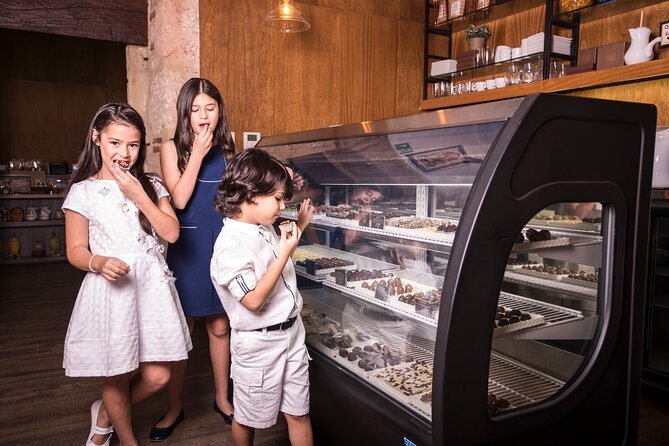
The presentation also covers the history of cacao, its origins, and its meaning. That cultural section was one of the strongest parts of the experience for one Spanish-language reviewer, who placed the chocolate preparation first and the story of cacao second.
That order makes sense. The tasting gives you something immediate to enjoy, while the history explains why cacao matters beyond its flavor. You come away with a better idea of how chocolate connects a natural ingredient to a finished food with cultural meaning.
The information is delivered during a short visit, so you should expect an overview rather than a full study of Dominican cacao. The tour’s value comes from bringing several basic ideas together quickly: where cacao comes from, how quality chocolate is made, and why the ingredient has significance.
If you enjoy food experiences that explain the product instead of only selling it, this section adds real value. If you want a long historical presentation with many dates and detailed regional comparisons, this will likely feel too light.
Same cocoa, a different bite:
- Buggy Ride Into the jungle with cave coffee & chocolate tasting
★ 5.0 · 465 reviews - Road Off Half Day Buggy with Chocolate and Coffee Tasting
★ 5.0 · 326 reviews - ATV Adventure w/ Chocolate, Coffee & Cave Swim in Punta Cana
★ 5.0 · 178 reviews - Puerto Plata Private City Tour with Mount Isabel & Rum &Chocolate
★ 4.5 · 123 reviews
How the chocolate preparation is explained
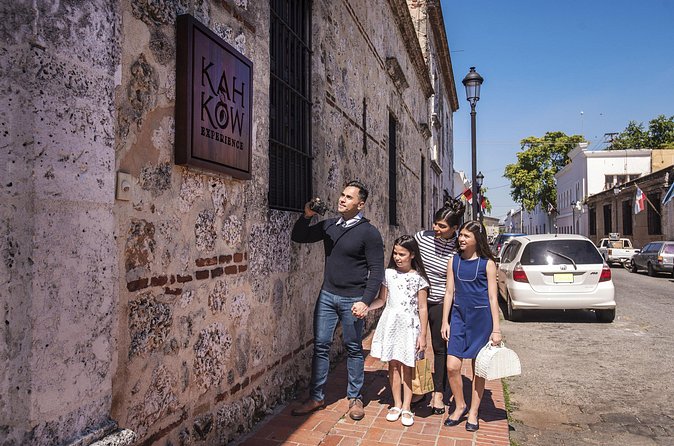
The guide explains how to make quality chocolate and discusses the preparation process. You should think of this as a guided introduction, not a working class where you handle every stage yourself.
The wording matters because the experience does not promise that you will make your own bar. You learn about the process and taste the result, but you do not receive the full factory or bar-making experience. That distinction is the single most important booking point.
The preparation section can still be useful for first-time chocolate visitors. It helps explain why two chocolates with different cocoa percentages do not taste the same and why the raw cacao bean is only the beginning of the process.
One Spanish-language review praised the preparation of the chocolate and the way the information was handled. The available details do not identify the guide by name, but they do indicate that the presentation can work well when the explanation is delivered clearly.
Comparing different chocolate percentages
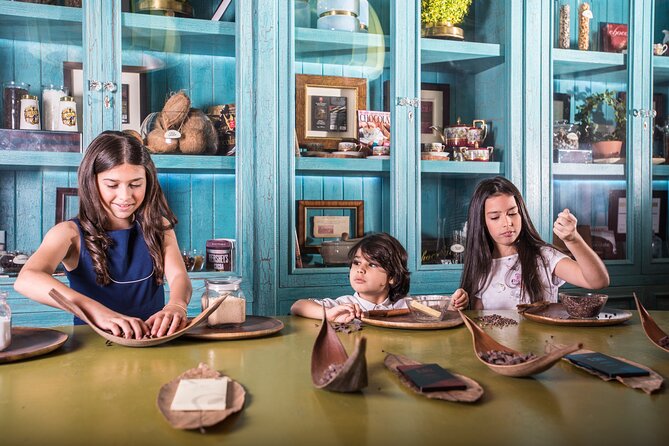
Tasting different percentages of chocolate is a practical feature, since it gives you a direct way to compare flavor rather than relying on labels alone. The experience includes chocolates with different cocoa percentages.
You may notice changes in sweetness and intensity as the percentage shifts, though the supplied details do not list the exact percentages or the number of samples. The guide’s explanation helps you understand what you are tasting instead of treating each piece as an unrelated snack.
This part will appeal to adults who already have an interest in chocolate, but it also works for families. Children can sample small amounts and decide what they like. The tasting gives everyone a simple question to discuss: which chocolate tastes best, and why?
Because the visit is only about 25 minutes, the comparison is likely concise. You will not get the long, detailed tasting format found in a dedicated chocolate workshop. For a short stop during a city visit, though, the tasting provides a clear reason to book.
Why the 25-minute format can work well
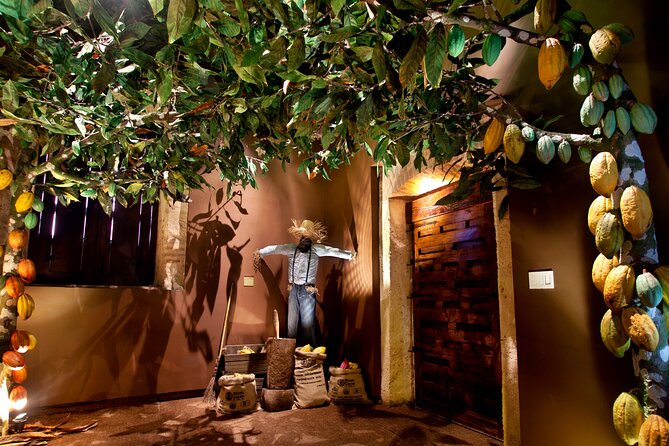
A short tour demands a different kind of planning. You are not signing up for a major attraction that controls half your day. You are adding a compact activity to a schedule that may already include several sights in Santo Domingo.
I like that flexibility. You can book it for a family break, a food-focused stop, or a quick introduction before deciding whether you want to buy chocolate elsewhere. The return to the meeting point also makes it easy to continue with your plans.
The tradeoff is that the tour cannot cover everything in depth. There is time for the history of cacao, the making of quality chocolate, the tasting, and the comparison of percentages, but not for an extended workshop. If you want a slow, detailed production visit, choose a longer activity instead.
The short format also means arriving ready to listen. A late arrival could cost you a large share of the visit, though the supplied information does not state a late-arrival policy. Plan for the full 25 to 30 minutes rather than assuming the activity will take only a few minutes.
Small groups and family appeal
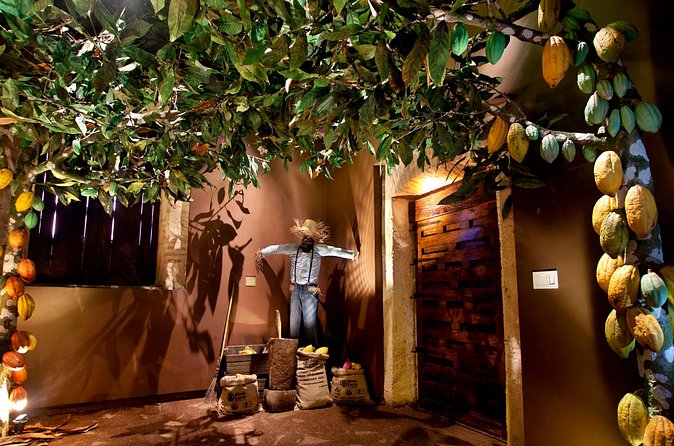
The maximum group size is 20 people. That is not a private tour, but it is still a manageable number for a short presentation. You should have a better chance of hearing the explanation than you would in a large crowd.
The small-group setup is especially useful when children have questions. A guide can keep the presentation moving while still giving the group some personal attention. The tour is described as suitable for the whole family, and most people can participate.
A group of 20 can still feel busy, so do not mistake the cap for a one-on-one experience. The real benefit is that the group should remain compact enough for a brief tasting and talk.
The multilingual guide option may also help if your group includes people who speak different languages. Since no specific language schedule is provided, confirm this point when booking if your party needs a particular language.
What the price means at $21 per person
At $21 per person, the value depends on what you want from a chocolate activity. You receive a guide, a short explanation of cacao’s history and preparation, and tastings that include cacao fruit, cacao beans, and chocolates with different percentages.
That is a fair use of the price if you want a compact cultural and food stop. You are paying for interpretation as well as samples, and the visit can fit neatly into a larger day in Santo Domingo.
The value drops if you expect a factory tour, a long production demonstration, or a take-home chocolate bar made by you. Those features are not included. The disappointment described in one review came from that gap between expectation and experience, not from the basic idea of a short tasting.
I would book this at $21 when the visit fills a specific need: a family-friendly activity, a brief indoor stop, or an introduction to cacao. I would compare other options if your priority is hands-on preparation or a detailed tour of a working facility.
Booking, cancellation, and practical details
You can use a mobile ticket, and confirmation is provided when you book. The activity starts and ends at Kahkow Experience, so you do not need to coordinate a separate end point.
Free cancellation is available if you cancel at least 24 hours before the start time. Canceling within 24 hours does not qualify for a refund, and changes made inside that period are not accepted. The cut-off follows local time in the Dominican Republic.
The experience is near public transportation. The information says most people can participate, but it does not provide detailed accessibility notes. If your group needs specific access arrangements, ask the provider before booking rather than assuming.
Lunch is not included. That is easy to overlook because the tour has a food theme, but this is a tasting and educational stop, not a meal. Plan another place to eat before or after the visit.
Who should book this chocolate tour
I would recommend the Kahkow Experience to families who want a simple activity with a clear start and finish. The cacao fruit tasting gives children something unusual to try, while the finished chocolate samples keep the experience familiar.
It also suits food-minded visitors who want more context behind what they eat. The history, preparation, and cocoa percentage comparison turn a small tasting into a lesson about ingredients and technique.
This is a good match for someone with a tight Santo Domingo schedule. The 25-minute duration lets you add chocolate without giving up a major part of your day.
I would be cautious if you are specifically searching for a chocolate-making class. You will learn about making chocolate, but you will not make a chocolate bar during this activity. The same caution applies if a factory visit is important to you.
Should you book the Kahkow Experience?
Book it if you want a short, family-friendly introduction to cacao with a guide, a few meaningful tastings, and a look at chocolate’s origins and preparation. The small group, central meeting point, mobile ticket, and 25-minute duration make it easy to fit into a Santo Domingo itinerary.
Skip it if you expect a working factory tour or hands-on chocolate-bar making. At $21, the experience offers reasonable value as a guided tasting and cultural explanation, but it is not a full chocolate workshop. Go in expecting cacao fruit, cacao beans, different chocolate percentages, and a concise presentation, and the visit should make sense.
FAQ
Where does the Chocolate Tour begin?
It begins at Kahkow Experience, C. Las Damas 102, Santo Domingo 10210, Dominican Republic.
Where does the activity end?
The activity ends back at the meeting point.
How long does the experience last?
It lasts approximately 25 to 30 minutes.
How much does the tour cost?
The listed price is $21 per person.
What does the tour include?
It includes a guide, an explanation of cacao’s history and chocolate preparation, and tastings of cacao fruit, cacao beans, and chocolate with different percentages.
Is lunch included?
No. Lunch is not included.
Is chocolate-bar making included?
No. Chocolate-bar making is not included.
Is a factory tour included?
No. A factory tour is not included.
Is the tour suitable for children?
Yes. The experience is described as suitable for the whole family, and most people can participate.
What is the cancellation policy?
You can cancel at least 24 hours before the start time for a full refund. Cancellations or changes made less than 24 hours before the start time are not accepted for a refund.
Freshly tempered around the Dominican Republic
- Extreme Jungle Buggy Ride with Coffee and Chocolate Tasting★ 5.0 · 10 reviews
- Punta Cana Buggy with Chocolate, Coffee & Cave Swim★ 4.5 · 21 reviews
- ATV Ride with Coffee, Chocolate Tasting and Cenote in Punta Cana★ 5.0 · 13 reviews
- Buggy Off-Roading with Chocolate and Coffee Tasting in Punta Cana★ 5.0 · 16 reviews
- Discover Dominican Treasures: Rum, Cigars, Coffee & Chocolate★ 3.0 · 5 reviews
- Buggy Ride with Cenote Coffee and Chocolate Tasting★ 5.0 · 2 reviews
- Guided Shopping Tour to Bella Mare Store (Cigars, Chocolate, Rum and Souvenirs)★ 3.5 · 24 reviews
- Guided Shopping Tour – Rum tasting, chocolate factory, Cigar factory★ 4.5 · 6 reviews
More Dominican Republic Chocolate Tours to compare.
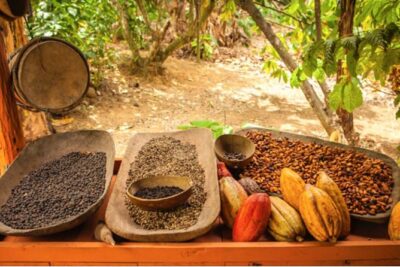
4×4 Dominican Adventure with Chocolate and Coffee Tasting
Read our review →
4×4 ATV Experience, Water Cave, Chocolate and Coffee Tasting
Read our review →
Buggy Adventure Tour with Chocolate and Coffee in Punta Cana
Read our review →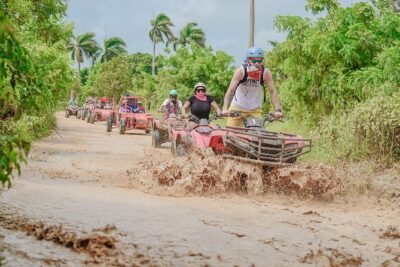
Buggy Ride Into the jungle with cave coffee & chocolate tasting
Read our review →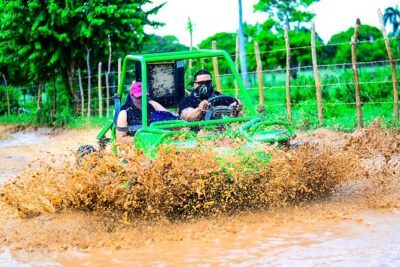
Road Off Half Day Buggy with Chocolate and Coffee Tasting
Read our review →
ATV Adventure w/ Chocolate, Coffee & Cave Swim in Punta Cana
Read our review →
Puerto Plata Private City Tour with Mount Isabel & Rum &Chocolate
Read our review →
Zona Colonial: Recorrido Histórico con Chocolate y Mamajuana
Read our review →Chocolate lists with this tour