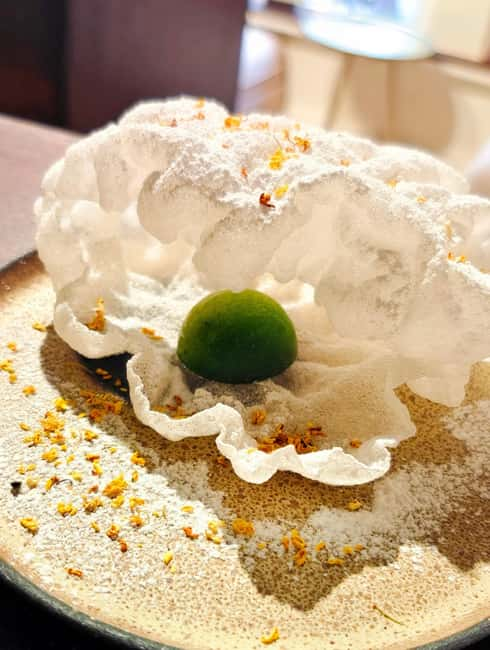
Review · BELGIUM
Private Chocolate Tasting Experience in Ghent
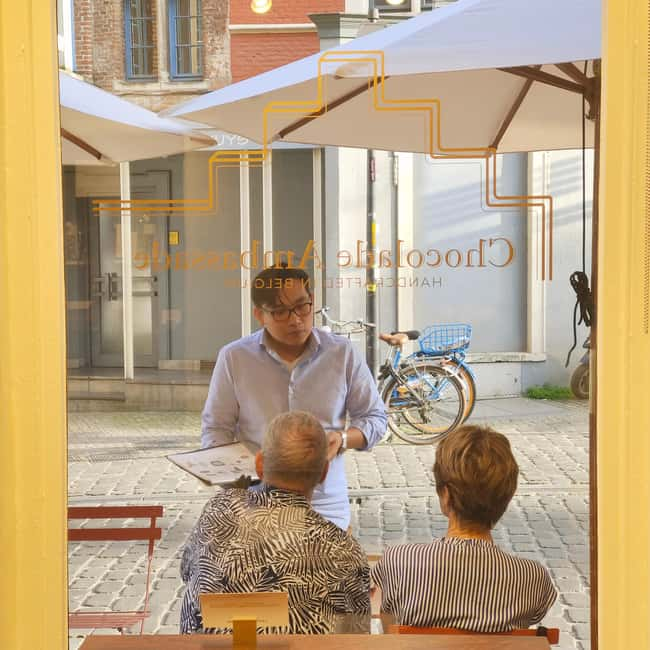
The most interesting part of this Ghent experience is its personal approach. Instead of marching through a fixed tray of sweets, you help shape a private chocolate lesson around your interests. You might compare cacao origins, study how to spot quality, or pair chocolate with Belgian beer, wine, or coffee.
I like two things right away: the tasting draws from several respected Belgian makers, and the hosts explain the story behind each sample rather than simply passing around pralines. I also like the setting, a small shop just around the corner from Gravensteen castle, inside a traditional Flemish building with a tall stepped facade.
The main consideration is that this is not a factory tour or chocolate-making class. You will not temper chocolate, melt couverture, or make your own truffles. If you want hands-on work, choose a workshop instead. If you want to taste carefully and understand what is in your chocolate, this is a better fit.
Key points
- Private and tailored: Your hosts contact you after booking to learn about your preferences and shape the session around them.
- Four Belgian artisan makers: The shop presents chocolate from four Belgian chocolatiers, from a long-running family atelier to newer makers who roast their own cacao beans.
- More than bonbons: You taste bars, refined creations, and other cacao products while learning about origins, production, flavor, and texture.
- Pairings are part of the fun: Chocolate may be matched with beer, wine, coffee, or other drinks, with tea, coffee, and sparkling water included.
- A useful Ghent location: The Chocolade Ambassade is near Gravensteen castle, making it easy to add before or after a sightseeing walk.
- Important limitation: The historic building is not easily wheelchair accessible, so contact the provider before booking if you need step-free access or other support.
Why this chocolate tasting feels different
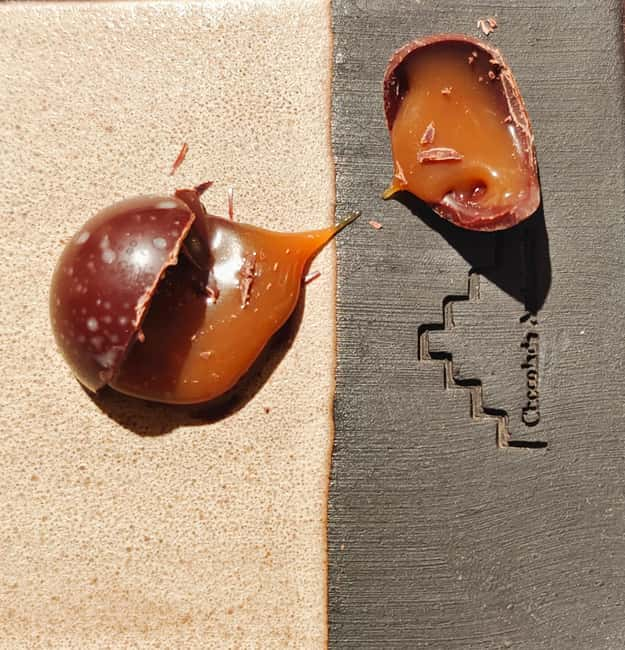
Many chocolate stops in Belgium work like shops with samples: you walk in, choose a box, and leave with a pleasant sugar rush. This experience takes a slower, more thoughtful route. The goal is to teach you how Belgian chocolate is made, how it differs from other chocolate, and how to pay attention to what you taste.
The Chocolade Ambassade is run by a couple of Ghent food lovers who spent about three years exploring Belgian artisan chocolate. They tasted products from more than 100 craft makers before selecting the four chocolatiers represented in their shop. That background matters because Belgian chocolate is not one single style. It includes old family businesses, modern bean-to-bar producers, classic pralines, unusual flavor combinations, and chocolate made with a sharper focus on cacao origin.
You can expect the session to feel more like a small food course than a quick tasting. Samples arrive in stages, with explanations about the maker, the production method, the cacao, or the reason a pairing works. One particularly useful feature is the conversation. You can ask questions as you go, and your host can adjust the emphasis instead of sticking rigidly to a script.
More Chocolate Tastings in Belgium
- Ghent: Belgian Chocolate Walking Tour with Tastings
★ 4.9 · 259 reviews - Brussels: Bruges & Ghent Tour w/ Cruise & Chocolate Tasting
★ 4.2 · 144 reviews - Ghent: Famous Belgian Chocolate Walking Tour with Tastings
★ 5.0 · 131 reviews
Starting near Gravensteen castle
The meeting point is the Chocolade Ambassade shop, just around the corner from Ghent’s Gravensteen castle. Look for the tallest traditional Flemish stepped house. This is a handy location if you are already exploring the historic center, though you should allow time to find the distinctive building rather than relying only on a street number.
The location gives the experience a pleasant sense of place. You are not tasting chocolate in a generic conference room or inside a large factory. You are in a small shop devoted to Belgian artisan products, close to one of Ghent’s best-known medieval sights.
The building is historic, which adds atmosphere but creates a practical drawback. It is not easily accessible by wheelchair. If you use a wheelchair or need other physical support, contact the provider before booking so they can discuss what may be possible.
The first tasting: from cacao bean to finished chocolate
The opening part usually sets up the basics. You learn where cacao comes from, what happens before it reaches a chocolatier, and how the process affects the finished taste. The discussion can cover roasting, grinding, blending, and the difference between a product made from carefully handled cacao and one designed mainly to taste sweet.
You do not need to arrive with technical knowledge. The explanations are meant to help you notice simple things: aroma before tasting, the way chocolate melts, how long its flavor lasts, and whether bitterness, acidity, fruit, spice, or roasted notes appear. This is the point where a familiar snack starts to become a food worth examining.
The experience can also explain why Belgian chocolate has such a strong name. You will hear about Belgian chocolatiers, the country’s chocolate traditions, and the contrast between established family ateliers and newer makers experimenting with cacao and flavor.
One of the strongest parts of the format is that the samples are not presented as interchangeable sweets. You may taste products from different makers and compare their textures, cacao profiles, and approach to flavor. That comparison is more useful than eating one famous praline and being told that it represents all of Belgium.
Four makers, four approaches to Belgian chocolate
The shop carries products from four top Belgian chocolatiers. The selection includes a family atelier with about 90 years of tradition and younger chocolate makers who roast their own cacao beans. That range gives you a window into the changing character of Belgian chocolate.
The traditional side may appeal to you if you want to understand classic Belgian craftsmanship and familiar confectionery methods. The newer side is useful if you are curious about bean-to-bar production, single-origin cacao, roasting choices, and flavors that move beyond standard pralines.
The value here is comparison. Chocolate can change dramatically depending on the cacao, roast, sugar level, cocoa butter, fillings, and maker’s style. Tasting several approaches in one sitting helps you identify what you actually enjoy. You may discover that you prefer a darker bar with fruit notes to a sweet filled bonbon, or that a classic praline has a balance you did not notice before.
The selection is also a good reason to ask questions. If one sample tastes more acidic or earthy, ask whether that comes from the cacao origin, the roast, or the recipe. If another has a silky texture, ask how that texture was achieved. The experience is designed for this kind of conversation.
More Private Chocolate Tours in Belgium
- Charlie’s Private Chocolate Tour (Ghent)
★ 5.0 · 34 reviews - Private Chocolate Experience in Ghent
★ 5.0 · 31 reviews - Thé best chocolate in Bruges! Private tour!
★ 4.5 · 19 reviews - Private Belgian Chocolate Tour in Bruges
★ 5.0 · 19 reviews
Learning to taste instead of simply eating
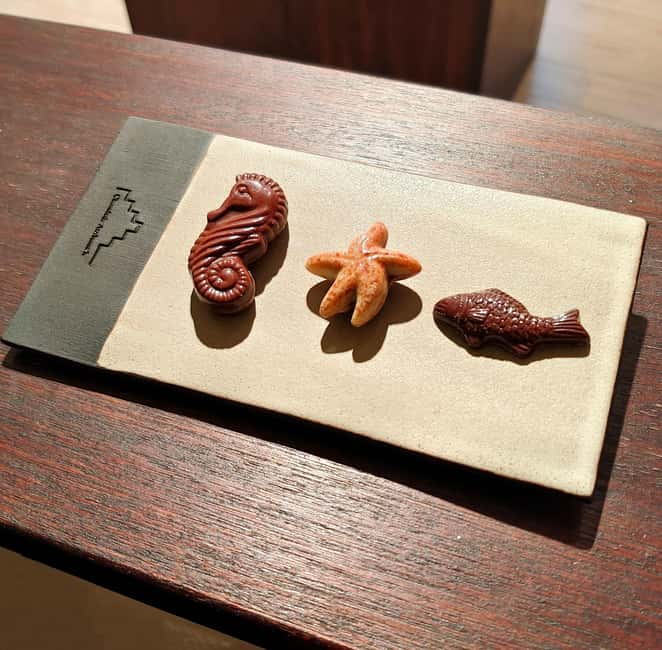
A major strength of the session is its focus on tasting skills. You learn to recognize aromas, flavor profiles, and texture, rather than judging chocolate only by how sweet it is.
A useful way to approach the samples is to pause before eating. Notice the smell. Let a small piece melt slowly. Pay attention to the first flavor, the middle notes, and the finish. Does it remind you of fruit, coffee, nuts, spices, caramel, or roasted grain? Is the texture smooth, firm, creamy, or crumbly?
You do not have to use formal tasting language. The point is to develop your own sense of comparison. By the end, you should have a better idea of what quality means to you and why two chocolates with a similar cocoa percentage can taste completely different.
This part received some of the strongest praise from the people who enjoyed the session. The tasting was described as a series of chocolate courses, with a plate arriving every so often and a story attached to each selection. That format keeps the two hours moving and gives you time to discuss one sample before the next arrives.
Pairing chocolate with beer, wine, coffee, or tea
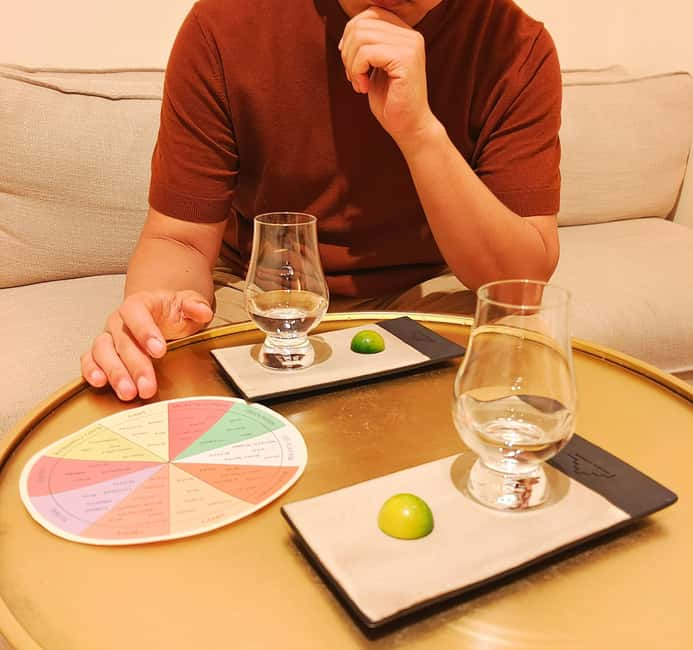
Pairing is one of the most memorable options. You can choose chocolate with beer or wine, and the hosts can also compare chocolate with specialty coffee. Coffee, tea, and sparkling water are included, while the main pairing depends on the theme arranged for your visit.
Chocolate and wine make a particularly useful comparison because both have aroma, acidity, body, sweetness, and a long finish. A wine that works with one chocolate may overpower another. The same is true of beer. A malty beer, a bitter beer, and a fruit-forward beer can each bring out different parts of a chocolate.
The coffee comparison follows a similar idea. Both cacao and coffee can show roasting, fruit, bitterness, and origin. Tasting them together may help you see why some chocolates seem nutty, smoky, floral, or bright.
Do not expect a large drinking session. The focus remains chocolate, and the pairing is there to explain how flavors interact. This is a thoughtful addition for food lovers, especially if you already enjoy wine, beer, or specialty coffee and want to understand those drinks in a new way.
Cacao origins, sustainability, and newer chocolate trends
The experience can also turn toward cacao origins and terroir. Chocolate made from cacao grown in different parts of the world can show different aromas and levels of acidity. The session gives you a chance to compare those differences rather than treating cacao as a single raw material.
Sustainability is another possible theme. You can explore newer cacao products and discuss how the chocolate industry is changing. The exact emphasis depends on your interests, so tell the hosts in advance if sourcing, ethical production, or environmental concerns matter to you.
This is especially helpful because sustainability in chocolate can be confusing. A label may refer to origin, farming, certification, direct trade, or the maker’s relationship with producers. A guided conversation gives you room to ask what those terms mean in the products you are tasting.
The provider does not promise one fixed sustainability lecture, so do not book this expecting a formal presentation on farming or certification. Think of it as one of several possible threads your host can weave into the tasting.
How the private format affects the experience
The private group setup is important. You are not sharing the session with a large crowd, and the host can spend time on your questions. After booking, you receive an email to arrange a time and discuss your chocolate preferences. Use that opportunity well.
Tell them if you prefer dark or milk chocolate, want to focus on cacao origins, enjoy wine or beer, or are curious about sustainability and production. You can also explain if you are new to serious chocolate tasting. The more specific you are, the more useful the two-hour session can become.
Private does not mean completely informal. The experience still has a clear educational purpose and a planned selection of products. But the conversation can move toward your interests, which is a better arrangement than sitting through a standard talk about subjects you do not care about.
Languages offered are English, Dutch, and Chinese. That makes the experience easier to arrange for a mixed-language group, though you should choose the language you want when coordinating your time.
What the $147 price means
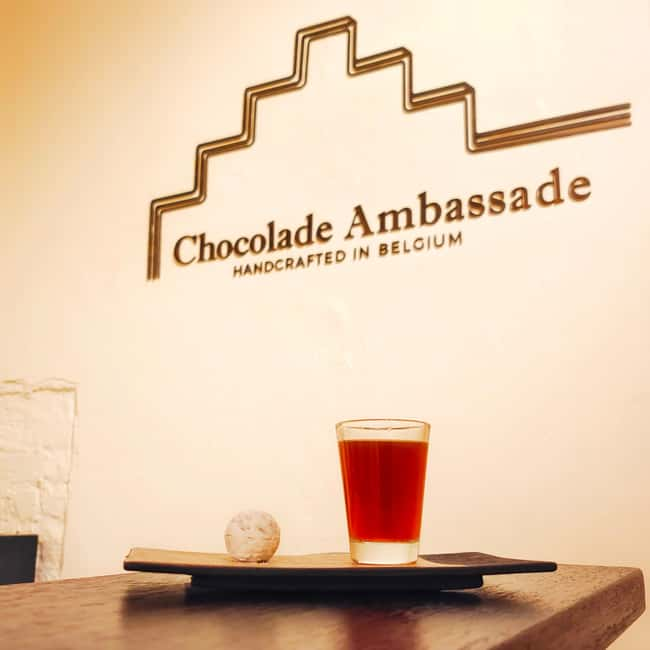
At $147 per person, this is not a casual chocolate stop. You are paying for a private two-hour session, several artisan chocolates, various cacao products, a pairing, and the host’s time and selection process.
The price makes the most sense for couples, families, or small groups who value personal attention. If your goal is simply to buy Belgian chocolate, you can spend far less in Ghent’s shops. If you want to understand the differences between makers and leave with a better palate, the private format gives the price more purpose.
The four-maker selection also adds value. You are not tasting one product from one brand and calling it a lesson in Belgian chocolate. You are comparing traditions, techniques, and styles in one sitting.
Still, appetite matters. This is a two-hour tasting rather than a full meal, and the food is centered on chocolate. If you dislike structured tasting or want a hands-on activity, the cost may feel high. If you seek a serious food experience with room for questions, it is easier to justify.
Allergies, timing, and practical details
The session lasts two hours, with starting times available according to the date you choose. The provider contacts you after booking to arrange the time and learn about your preferences.
Products may contain traces of gluten, eggs, milk, soy, nuts, and sesame. Tell the provider about allergies or sensitivities beforehand. Do not wait until you arrive, since the product selection and cross-contact concerns need to be discussed in advance.
You can cancel up to 24 hours before the experience for a full refund, and the reserve-now-pay-later option lets you hold a place without paying immediately. Those policies are useful if your Ghent plans are still changing.
For the best setting, combine the tasting with a walk around Gravensteen and the old center. The meeting point is central, but the historic building may not suit every mobility need. Contact the provider first if accessibility is a concern.
Who should book this Ghent experience
I would choose this for a food-focused visit to Ghent, especially if you enjoy learning how a product is made. It is also a good rainy-day activity, a thoughtful option for a couple, and a strong choice for anyone who has already visited Belgium’s standard chocolate shops and wants something more personal.
Wine lovers should pay special attention to the pairing option. The comparison between chocolate and wine can change how you notice acidity, aroma, body, and finish. Beer drinkers and coffee fans have similar reasons to choose their own theme.
Families may enjoy the tasting if children are old enough to listen and sample thoughtfully, but the provider does not give a specific minimum age. Since this is educational and private, ask before booking if you are bringing young children.
I would skip it if you want to make truffles, decorate pralines, or see industrial equipment. There is no chocolate crafting and no factory tour. This is about tasting, comparison, conversation, and learning to recognize quality.
Should you book it?
Book this private Ghent chocolate experience if you want more than a box of pralines and you value a host who can adapt the session to your interests. The strongest reasons are the four-maker comparison, the careful explanation of production, and the chance to pair chocolate with beer, wine, coffee, or other drinks.
The $147 price is easiest to defend for a small private group, a special occasion, or a serious food lover. Before booking, tell the hosts what you want to learn and mention every allergy or mobility need. If you want a hands-on class, choose another activity. If you want to leave Ghent knowing why one chocolate tastes better to you than another, this is a smart pick.
FAQ
Where does the chocolate experience take place?
It takes place at the Chocolade Ambassade shop in Ghent, just around the corner from Gravensteen castle. Look for the tallest traditional Flemish stepped house.
How long does the experience last?
The private chocolate tasting lasts two hours.
How much does it cost?
The listed price is $147 per person.
Is this a private activity?
Yes. The experience is arranged for a private group rather than a shared public group.
Which languages are available?
The live guide can conduct the experience in English, Dutch, or Chinese.
What kinds of chocolate will I taste?
You will taste Belgian artisan chocolates from different makers, along with various cacao products and a unique chocolate pairing. The shop represents four Belgian chocolatiers.
Can I choose the tasting theme?
Yes. The session is tailored to your interests. Possible themes include the chocolate-making process, food pairings, sustainability, history, trends, cacao origins, quality, and comparisons with coffee.
Is this a chocolate-making workshop?
No. This is an interactive tasting and learning experience. It does not include tempering, melting, crafting truffles, or making bonbons, and it is not a factory tour.
Are allergies and wheelchair access concerns?
Products may contain traces of gluten, eggs, milk, soy, nuts, and sesame, so tell the provider about allergies or sensitivities before the session. The historic building is not easily wheelchair accessible, so contact the provider in advance to discuss your needs.
More Private Chocolate Tours in Ghent
- Puerto Plata Private City Tour with Mount Isabel & Rum &Chocolate
★ 4.5 · 123 reviews - Customizable Roatán Private Tour: Rum, Chocolate & Island Culture
★ 5.0 · 115 reviews - Coffee & Chocolate Private Tour in Medellin: Genuine Experience
★ 5.0 · 100 reviews - Private Tour to Aelan Chocolate Factory in Port Vila
★ 4.5 · 83 reviews
More Chocolate Tastings in Ghent
- Ghent: Guided City Tour with Chocolate Tastings
★ 4.8 · 36 reviews - Ghent Chocolate Tasting and Sightseeing Tour
★ 5.0 · 21 reviews - Brussels: Belgian Chocolate Making Workshop with Tastings
★ 4.7 · 1,629 reviews - Bruges: Choco-Story Chocolate Museum Guided Tour w/Tastings
★ 4.2 · 1,379 reviews
Freshly tempered around Ghent
- Chocolate and Jenever (Belgian Gin)Tasting in Ghent★ 5.0 · 2 reviews
- Ghent Chocolate Tasting and Sightseeing Tour★ 5.0 · 21 reviews
- Chocolate history workshop Ghent★ 5.0 · 34 reviews
- Discover authentic Ghent with historian & taste the best chocolate★ 5.0 · 30 reviews
- Ghent: Guided City Tour with Chocolate Tastings★ 4.8 · 36 reviews
- Ghent: Belgian Chocolate Making Workshop with Beer Tasting★ 4.3 · 15 reviews
- Chocolate history workshop Ghent★ 5.0 · 11 reviews
- Private Chocolate Experience in Ghent★ 5.0 · 31 reviews
More Belgium Chocolate Tours to compare.
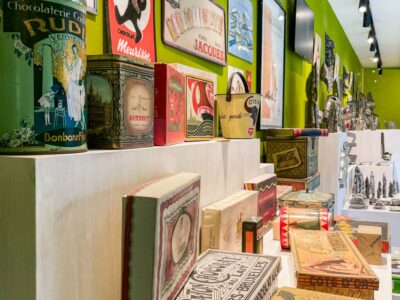
Choco-Story Brussels: Chocolate Museum Entrance with Tasting
Read our review →
Hungry Mary’s Famous Beer and Chocolate Tour in Brussels
Read our review →
Brussels: Belgian Chocolate Making Workshop with Tastings
Read our review →
Brussels: Chocolate Museum Visit with Workshop
Read our review →
Bruges: Choco-Story Chocolate Museum Guided Tour w/Tastings
Read our review →
Brussels: Historical Tour with Chocolate & Waffle Tasting
Read our review →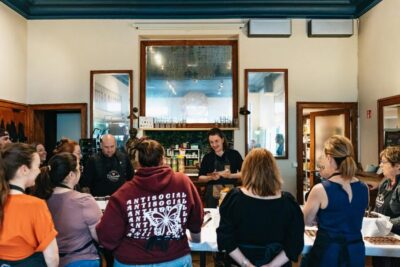
Brussels: 2.5-Hour Belgian Chocolate Making Workshop
Read our review →