
Review · DOMINICAN REPUBLIC
Santo Domingo: Colonial Zone Tour with tasting
Santo Domingo’s Colonial Zone is best understood on foot, where a cathedral, old fortress, grand stone houses, and narrow cobbled streets sit close together. This two-hour tour gives you that historic core in one compact walk, with coffee and chocolate adding a welcome taste of modern Dominican life.
I like the small price of $20 and the way the route mixes major sights with local stories and little curiosities. I also like that guides such as Fernando and Medina have been praised for clear explanations, friendly service, and making the past easy to follow. The main consideration is the brisk two-hour schedule, especially if you want a long look inside every museum.
Key points at a glance
- Start at Parque Colón: Meet in front of the cathedral, beside the sun clock, in the heart of the old city.
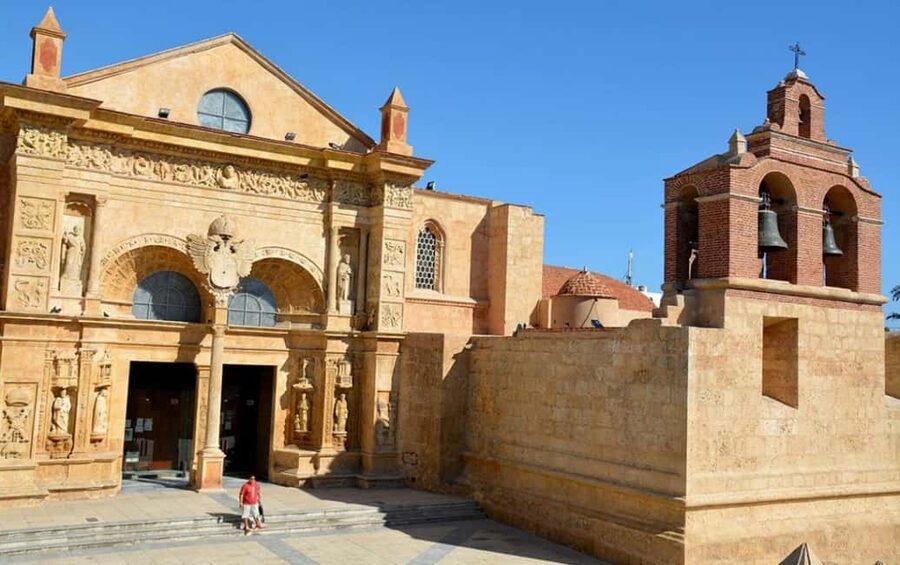
- See the first cathedral in the Americas: The Catedral Primada de América is the tour’s essential opening stop.
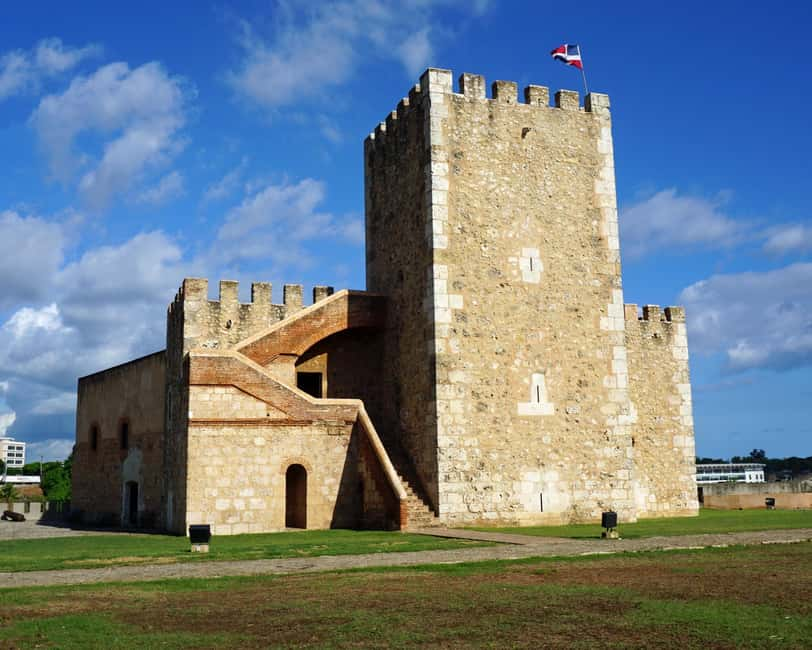
- Cover several major landmarks: The route includes Alcázar de Colón, Museo de las Casas Reales, Panteón Nacional, Calle de las Damas, and Fortaleza Ozama.
- Taste Dominican specialties: Coffee and artisanal chocolate are included, with mamajuana also mentioned as part of the flavor-focused experience.
- Hear local stories: Your guide adds legends, unusual details, and personal recommendations beyond dates and names.
- Plan for cobblestones: Comfortable shoes matter, and the tour is listed as wheelchair accessible, though the old streets may still require care.
Starting at Parque Colón beside the cathedral
The meeting point is at Parque Colón, in front of the Catedral Primada de América. More precisely, look for the guide near the sun clock. The coordinates provided are 18.476095234972384, -69.88321649784176, which can help if you are using a map app and do not recognize the meeting spot right away.
This is a smart place to begin. You are not wasting the first part of the tour reaching the historic district. You start in its center, with the cathedral, old streets, and public square already around you.
The tour lasts two hours, so arrive ready to walk. Transportation to Parque Colón is not included, and neither are meals beyond the tasting. Wear shoes that can handle uneven cobblestones, and bring a camera. There is free time for photos, but it is limited, so take advantage of good openings as they come.
The guide may speak Spanish, English, or French. Fernando and Medina are names associated with especially strong feedback, but your assigned guide can vary. The useful thing to expect is a live guide who explains the places as you move through them rather than handing you a list of dates.
More chocolate tours to weigh up around the Dominican Republic:
- 4×4 Dominican Adventure with Chocolate and Coffee Tasting
★ 5.0 · 2,920 reviews - 4×4 ATV Experience, Water Cave, Chocolate and Coffee Tasting
★ 5.0 · 1,430 reviews - Buggy Adventure Tour with Chocolate and Coffee in Punta Cana
★ 5.0 · 953 reviews
Catedral Primada de América, the essential first stop
The Catedral Primada de América is the tour’s first major historical anchor. It is identified as the first cathedral in the Americas, which gives the building more weight than its size or decoration alone might suggest.
I like beginning here because it sets the tone for the entire walk. You are not simply looking at an old church. You are standing at a place tied to the earliest Spanish colonial city in the New World, and the guide can connect the building to the larger story of Santo Domingo.
Expect an introduction rather than an extended religious architecture lesson. With only two hours, the guide has several more stops to cover. If you want to examine every chapel, carving, or architectural detail at length, you will need a separate visit.
The cathedral is also a useful landmark for orientation. From here, the streets of the Colonial Zone unfold in several directions, and the guide can show how the older city fits together. This early context makes the later walks easier to understand.
Alcázar de Colón and the Columbus family
The next major focus is the Alcázar de Colón, the former residence of the Columbus family. Its importance comes from its link to the early colonial government and the people who held power in the young city.
The building offers a different mood from the cathedral. Here, the story turns toward domestic life, authority, family status, and the practical workings of the colonial period. Your guide helps turn bare walls and period rooms into a more readable account of who lived there and why the residence mattered.
The tour includes a visit to the Alcázar, but the supplied details do not specify how much interior time you receive or whether every room is open on the day. That matters if you are choosing between a guided overview and a slow museum visit. This experience is designed to connect several places, not to spend an entire afternoon in one building.
For first-time visitors, that trade-off makes sense. You get the Alcázar as part of a wider story rather than seeing it in isolation. If the residence is your chief interest, consider returning later with extra time.
Museo de las Casas Reales and the colonial system
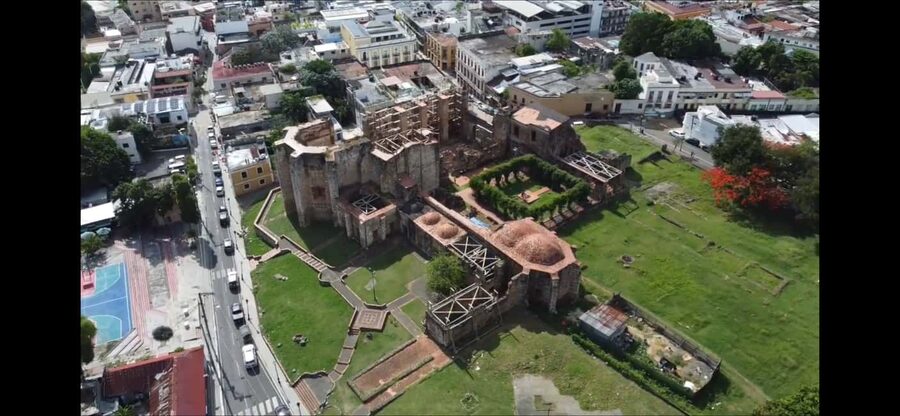
At the Museo de las Casas Reales, the subject broadens from one family or one building to the history of the Dominican Republic. The museum helps explain the institutions that governed the colony and the forces that shaped Santo Domingo.
I find this kind of stop useful because historic streets can look attractive without explaining how people lived, worked, and were ruled. A guide can supply the missing links. You will hear how the city’s buildings and public spaces fit into its political and social past.
Again, the short format is both strength and limit. The tour gives you a guided introduction, but not the time for a slow reading of every display. Pay attention to the guide’s main explanations, then note the museum if you want to return on your own.
The tour is advertised with skip-the-ticket-line access, which can help keep a two-hour route moving. The exact admission arrangement is not detailed, so check the booking information for the day’s conditions.
Same cocoa, a different bite:
- Buggy Ride Into the jungle with cave coffee & chocolate tasting
★ 5.0 · 465 reviews - Road Off Half Day Buggy with Chocolate and Coffee Tasting
★ 5.0 · 326 reviews - ATV Adventure w/ Chocolate, Coffee & Cave Swim in Punta Cana
★ 5.0 · 178 reviews - Puerto Plata Private City Tour with Mount Isabel & Rum &Chocolate
★ 4.5 · 123 reviews
Calle de las Damas and the oldest streets
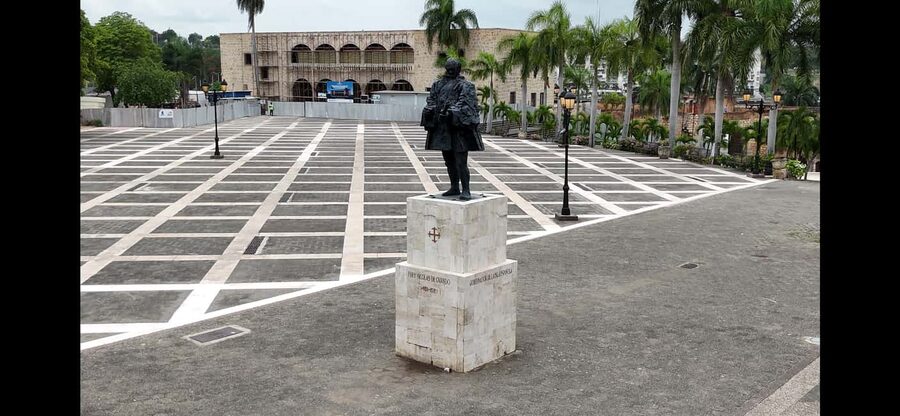
Calle de las Damas is one of the walk’s most atmospheric sections. Its name and old stone buildings point to the early colonial city, while the street itself gives you a feel for how compact the original district remains.
Walking here is more revealing than simply arriving at a museum by vehicle. You see doorways, walls, paving, and the relationship between homes, public buildings, and defensive works. The guide also promises little-known legends and curiosities, which can make a short street walk feel less like a parade of monuments.
The cobblestones are the practical issue. They can be awkward in thin shoes or uncomfortable for anyone who has trouble with uneven surfaces. The activity is marked wheelchair accessible, but accessibility on an old cobbled street can depend on the exact route and conditions. If that point affects your booking, contact the provider before you go.
The street is also a good place for photographs. You receive free time for pictures, though the tour’s pace means you should not expect a long, unhurried photo session at every stop.
Panteón Nacional and Fortaleza Ozama
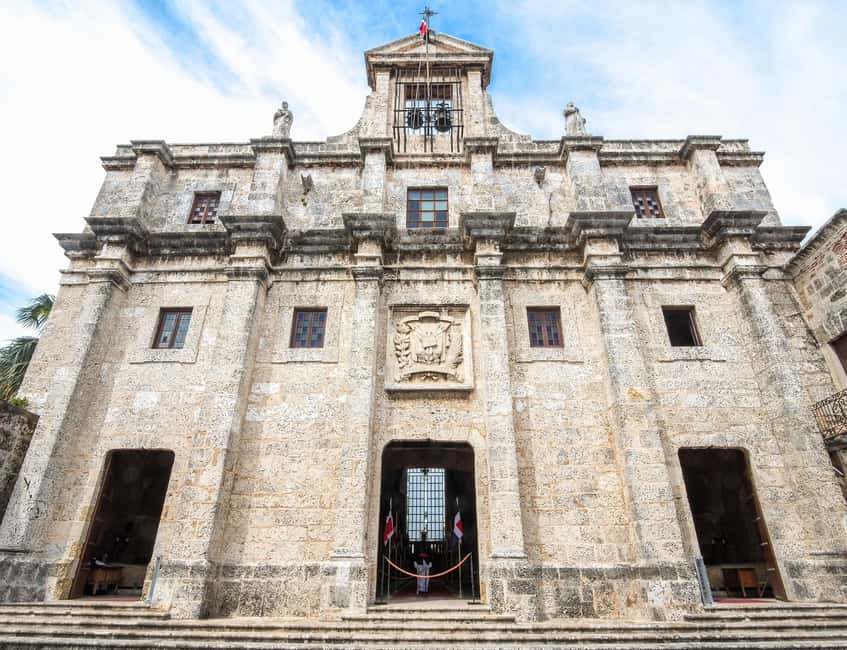
The Panteón Nacional adds another layer to the walk. Its role connects the country’s past with national memory, giving the guide a chance to discuss important figures and the way the Dominican Republic honors them.
Fortaleza Ozama then shifts the story toward defense. The fortress helps explain why Santo Domingo developed where it did and how the early settlement guarded its position. You get a clearer sense of the city as a port and colonial stronghold, not only as a collection of handsome streets.
These two stops are valuable because they break up the usual church-and-palace pattern. The cathedral shows religious power, the Alcázar shows elite life, the museum shows administration, and the fortress shows military concerns. In a short route, that is a useful range.
The itinerary lists both places, but it does not promise a long interior visit at each. Think of them as guided stops within a walking tour. Your guide’s explanation is central to the experience, especially at places where the structure alone may not tell you much.
Coffee, chocolate, and Dominican flavor
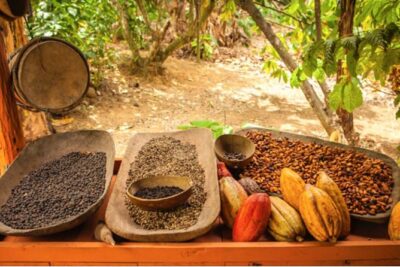
The tasting is a small part of the tour, but it gives the walk a welcome change of pace. You sample Dominican coffee and artisanal chocolate, two products that connect daily life with the country’s agricultural identity.
The description also mentions mamajuana, a Dominican drink with a strong cultural association. The included-items list specifically names coffee and artisanal chocolate, so check the exact tasting lineup when booking if mamajuana is important to you. The safest expectation is coffee and chocolate, with mamajuana referenced in the experience description.
I like tastings on city walks when they serve a purpose rather than interrupting the route. Here, the flavors help connect the colonial past with present-day Dominican culture. It is not a full meal, and you should not plan to skip lunch because of it.
The tasting also gives you a chance to ask questions. Your guide can point you toward local products or places to try later, and personalized recommendations are included near the end of the tour.
What two hours really gives you
Two hours is enough to get your bearings in the Colonial Zone and identify the places you may want to revisit. It is not enough for a slow museum day, a long meal, and detailed photography at every landmark.
That short length is a major reason the tour works well for a first visit, a cruise stop, or a day when you want a structured introduction before exploring alone. You cover several of the district’s key sites without giving up an entire morning or afternoon.
The pace may feel quick if your group asks many questions or if you want to linger inside the museums. The guide’s job is to keep the route moving, and the strongest feedback emphasizes clear explanations and an entertaining, well-organized walk. Fernando was praised for making the history easy to understand, while Medina was described as friendly and well informed.
Those details matter. In an old city, a guide who explains clearly can save you from wandering past important buildings without knowing what you are seeing. The best part of this tour is not simply the number of stops. It is the human interpretation between them.
Is $20 a fair price?
At $20 per person, this is a strong value if you want a guided overview of Santo Domingo’s most important historic district. You are paying for a live guide, a two-hour route, several major sights, the tasting, photo time, and recommendations for the rest of your visit.
Transportation is not included, so add the cost of reaching Parque Colón. Meals are also separate. Still, the price remains modest for a focused introduction, particularly if you would otherwise pay separately for a guide or spend time trying to piece together the district’s story yourself.
The value is best for people who want context. If you only want to stroll and take pictures, you can explore parts of the Colonial Zone independently. If you want the cathedral, Columbus family residence, museum, national memorial, historic street, and fortress explained in one route, the $20 fee makes practical sense.
Who should book this Colonial Zone walk?
I would choose this tour for a first visit to Santo Domingo, especially if you have limited time or prefer a clear route. It also suits people who enjoy history but do not want a long academic lecture. The tasting keeps the experience grounded in local culture.
It is a good match for couples, families with older children, and solo visitors who want company while finding their way around the old city. The availability of Spanish, English, and French makes it useful for a wider range of visitors.
I would be more cautious if you need a slow pace, dislike cobblestones, or want extended time inside each museum. The activity is listed as wheelchair accessible, but the historic street surface deserves a direct accessibility check before booking. It is also not suitable for people over 95 according to the activity information.
The tour offers free cancellation up to 24 hours ahead and a reserve-now, pay-later option, which gives you some flexibility when plans are still moving. Starting times vary, so check availability for your date.
Should you book it?
Book this tour if you want an affordable, well-organized introduction to Santo Domingo’s Colonial Zone, with major landmarks, local explanations, and a modest coffee and chocolate tasting in one two-hour route. The strongest reasons are the range of stops and the guides’ clear, friendly approach, particularly the praise connected with Fernando and Medina.
Skip it if your priority is spending an hour inside each museum or moving at a very slow photography pace. For most first-time visitors, though, this is a sensible way to learn the district’s layout and decide where to return on your own.
FAQ
Where does the tour meet?
The meeting point is at Parque Colón, in front of the Catedral Primada de América, near the sun clock.
How long does the tour last?
The guided walking tour lasts two hours.
What places are included?
The route includes the Catedral Primada de América, Alcázar de Colón, Museo de las Casas Reales, Panteón Nacional, Calle de las Damas, and Fortaleza Ozama.
Is transportation included?
No. Transportation to the meeting point is not included.
What food and drink are included?
The included tasting features Dominican coffee and artisanal chocolate. Mamajuana is also mentioned in the activity description, so check the exact tasting details when booking.
Which languages are available?
The live guide may conduct the tour in Spanish, English, or French.
Is the tour wheelchair accessible?
The activity is listed as wheelchair accessible. Since the route includes cobblestone streets, confirm the practical route details if accessibility is important to you.
What should I bring?
Bring comfortable shoes for walking on cobblestones and a camera for the historic streets and landmarks.
Can I cancel for a refund?
Yes. You can cancel up to 24 hours in advance for a full refund. A reserve-now, pay-later option is also available.
Freshly tempered around the Dominican Republic
- Extreme Jungle Buggy Ride with Coffee and Chocolate Tasting★ 5.0 · 10 reviews
- Punta Cana Buggy with Chocolate, Coffee & Cave Swim★ 4.5 · 21 reviews
- ATV Ride with Coffee, Chocolate Tasting and Cenote in Punta Cana★ 5.0 · 13 reviews
- Buggy Off-Roading with Chocolate and Coffee Tasting in Punta Cana★ 5.0 · 16 reviews
- Discover Dominican Treasures: Rum, Cigars, Coffee & Chocolate★ 3.0 · 5 reviews
- Buggy Ride with Cenote Coffee and Chocolate Tasting★ 5.0 · 2 reviews
- Guided Shopping Tour to Bella Mare Store (Cigars, Chocolate, Rum and Souvenirs)★ 3.5 · 24 reviews
- Guided Shopping Tour – Rum tasting, chocolate factory, Cigar factory★ 4.5 · 6 reviews
More Dominican Republic Chocolate Tours to compare.
4×4 Dominican Adventure with Chocolate and Coffee Tasting
Read our review →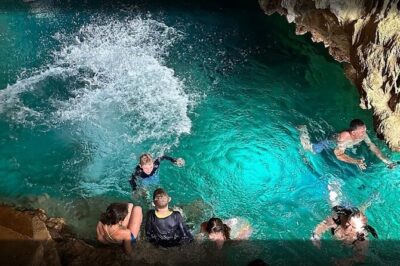
4×4 ATV Experience, Water Cave, Chocolate and Coffee Tasting
Read our review →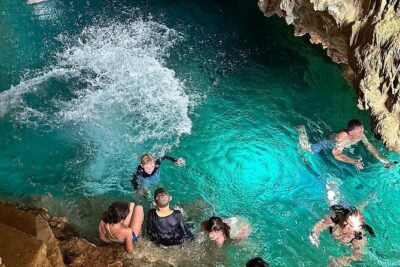
Buggy Adventure Tour with Chocolate and Coffee in Punta Cana
Read our review →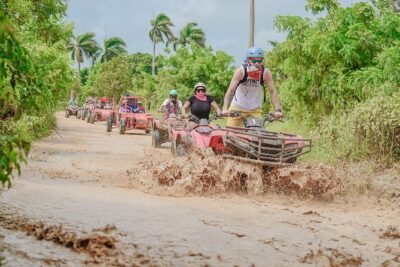
Buggy Ride Into the jungle with cave coffee & chocolate tasting
Read our review →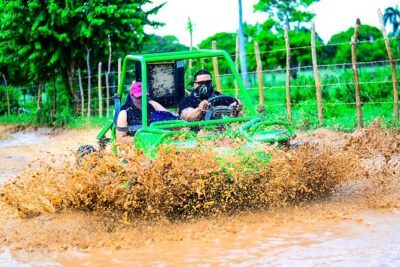
Road Off Half Day Buggy with Chocolate and Coffee Tasting
Read our review →
ATV Adventure w/ Chocolate, Coffee & Cave Swim in Punta Cana
Read our review →
Puerto Plata Private City Tour with Mount Isabel & Rum &Chocolate
Read our review →
Zona Colonial: Recorrido Histórico con Chocolate y Mamajuana
Read our review →Chocolate lists with this tour