
Review · MEXICO
Tulum: Chocolate & Honey Sanctuary Experience with Cenote
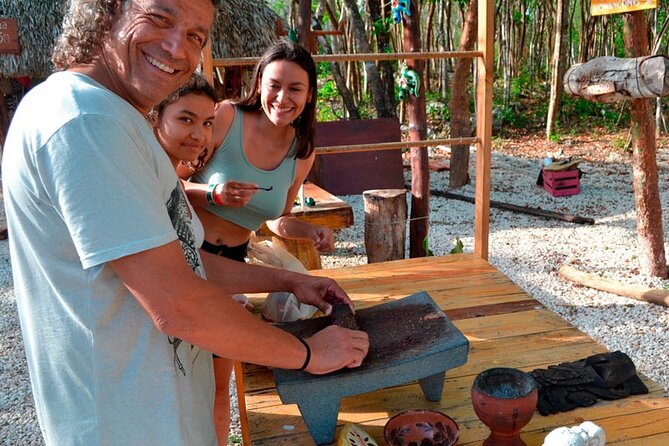
The most unusual part of this outing is the mix of Mayan cacao and honey traditions with a swim in a sacred cenote. Near Coba, you’ll taste cacao beans, practice crushing them by hand, learn about honey, receive a blessing, and then cool off in clear underground water.
I like the small hands-on food activities and the included meal, especially the chicken prepared with cocoa, chocolate, and honey. I also like that the cenote is part of the same three-hour visit, so you get culture, lunch, and a swim without giving up a full day. The main drawback is accuracy and reliability: the sanctuary is about 45 minutes inland in Coba, not in Tulum, soap or candle making may not happen, and one serious report says the pickup never arrived.
Key Points to Know
- The location is near Coba: Plan on about 45 minutes inland from Tulum, rather than a Tulum town activity.
- Cacao preparation is hands-on: You may taste cacao beans and crush them in the traditional way before sampling several chocolate flavors.
- The food is part of the experience: The main dish is chicken with natural cocoa, organic chocolate, honey, and Mexican rice.
- The cenote is a major highlight: Swimming takes place in sacred water after a shaman’s blessing.
- The workshop description needs caution: A promised honey soap or candle may not be included in practice.
- Pickup needs careful checking: The stated meeting point is the Aki supermarket beside BBVA bank in downtown Tulum.
A Cacao and Honey Visit Near Coba
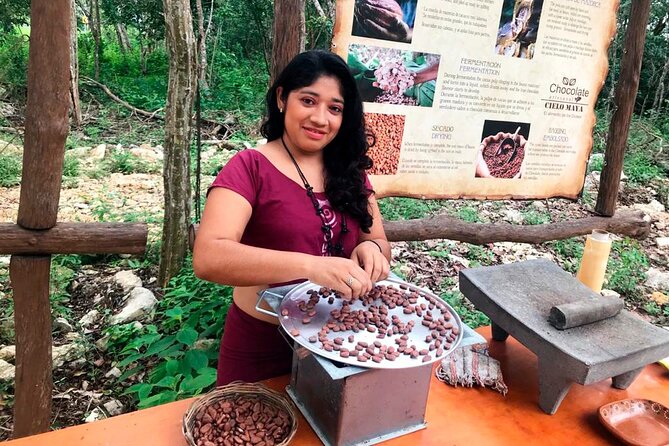
This is not a standard chocolate tasting in a shop. At the Chococacaomaya sanctuary, the focus is on how cacao and honey fit into Mayan foodways and ceremonial life. You’ll see and taste basic natural products, take part in simple preparation, and hear about the way these ingredients were used in the past.
The setting matters. The activity takes place near Coba, an inland Mayan area, so you should think of this as a short cultural outing from Tulum rather than a walkable Tulum attraction. The drive is roughly 45 minutes from Tulum, according to the practical details provided, and that changes the feel of the day. You are leaving the coast for a rural setting connected with Coba.
No guide’s name is provided, and the guide’s English ability may vary. One account describes a guide who spoke only a little English but still communicated much of the visit with translation. If clear English explanations are essential for you, keep that in mind before paying.
The tour lasts about three hours. That is enough time for the food activities, a meal, the blessing, and the cenote swim, but it is not enough time to add a full visit to the Coba ruins unless you arrange that separately. The experience itself is centered on the sanctuary, not on archaeological-site touring.
More Chocolate Tours around Mexico:
- Finca 18 Puerto Vallarta Tequila Tour + Chocolate Pairing
★ 5.0 · 393 reviews - Bean to Bar Chocolate Workshop in Puerto Vallarta
★ 5.0 · 381 reviews - Chocolate Tour in Vallarta
★ 5.0 · 226 reviews
Tasting Cacao Before It Becomes Chocolate
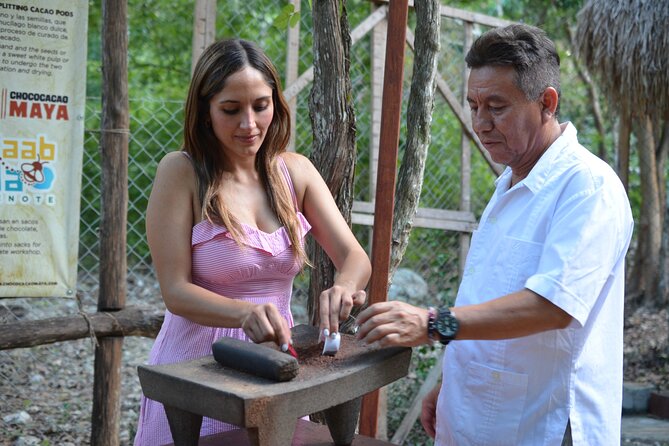
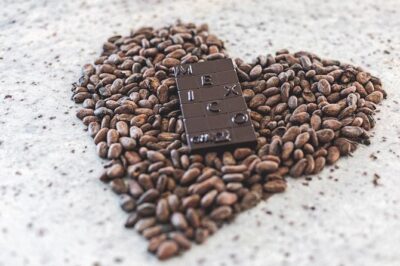
The cacao portion sounds simple, which is part of its appeal. You can taste cacao beans and practice crushing them in the traditional manner. This gives you a better sense of the raw ingredient than a polished chocolate tasting alone.
You will also sample a few chocolate flavors. The tasting is described as small rather than lavish, so do not arrive expecting a large dessert buffet or a long list of premium bars. The value is in seeing how the bean changes as it is prepared and mixed.
The hands-on element is useful for families and anyone curious about food production. Children may find the crushing activity more memorable than a talk, though the supplied information does not give a minimum age or a specific children’s program. Adults who already know a great deal about chocolate may find the presentation fairly basic.
You are also meant to mix your own chocolate to take away. That is one of the more appealing parts of the visit because you leave with something you helped prepare. Still, the practical details are not fully consistent. The advertised activity includes making a honey soap or candle by hand, while one account says that this never happened. I would treat the soap or candle as a hoped-for extra, not the main reason to book.
Honey, Soap, and the Limits of the Workshop
The honey lesson adds a second local product to the cacao theme. You learn about Mayan honey and use natural products during the workshop. The planned takeaway is a small candle or bar of soap made by your own hand.
That sounds like a good souvenir because it connects the activity to the ingredients rather than handing you a generic gift-shop item. It also gives the visit a useful balance: cacao for tasting, honey for making.
But this is where I would keep expectations in check. The description does not explain exactly how long the soap or candle session lasts, which product each participant receives, or whether everyone makes both. More importantly, the available account says the soap and candle activity did not take place. That mismatch matters if you are paying mainly for a craft workshop.
The safer expectation is this: you will likely learn about honey, participate in cacao preparation, and sample chocolate. Consider the handmade soap or candle a feature that may not be delivered consistently. If it is important to you, confirm it before booking and again when your pickup is arranged.
A Mayan-Style Blessing Before the Cenote
Before entering the sacred water, the visit includes a shaman’s blessing. The blessing is tied to the former home or ceremonial area, now described as little more than a few rocks. That detail gives the ritual a quiet, grounded quality rather than the feel of a staged temple performance.
The blessing is not a replacement for a full archaeological tour. You will not be spending hours among restored buildings or reading a long series of site panels. Instead, it is a brief cultural moment connected with the place and the water.
I like this part because it helps explain why the cenote is more than a swimming hole. Cenotes were important water sources and ceremonial places in the Yucatan, and the blessing frames your swim as a respectful visit. The exact ceremony length and wording are not provided, so you should expect a short ritual rather than a full religious service.
Language may shape how much you take from it. The guide may speak English, but the available account describes limited English on one outing and the use of translation. You can still participate, but the explanation may be less detailed than you expect from an English-only cultural tour.
Same cocoa, a different bite:
- Chocolate & Margarita Workshop
★ 5.0 · 207 reviews - Chocolate and truffles workshop
★ 5.0 · 157 reviews - San Jose del Cabo Art Walk, Beer Tasting &Chocolate Demonstration
★ 5.0 · 141 reviews - Artisanal Mezcal and Fine Chocolate Tasting
★ 5.0 · 132 reviews
Swimming in the Clear Cenote Water
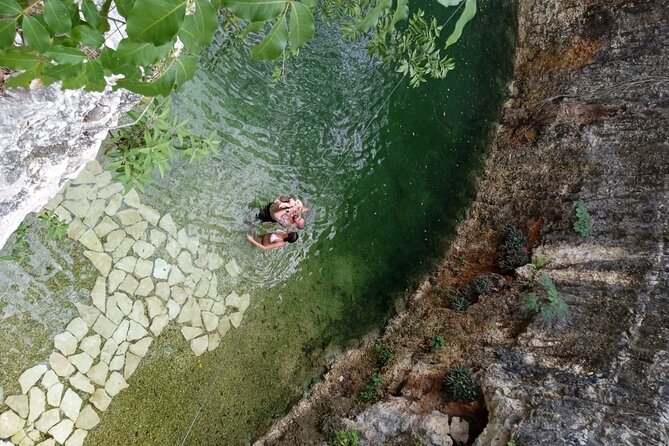
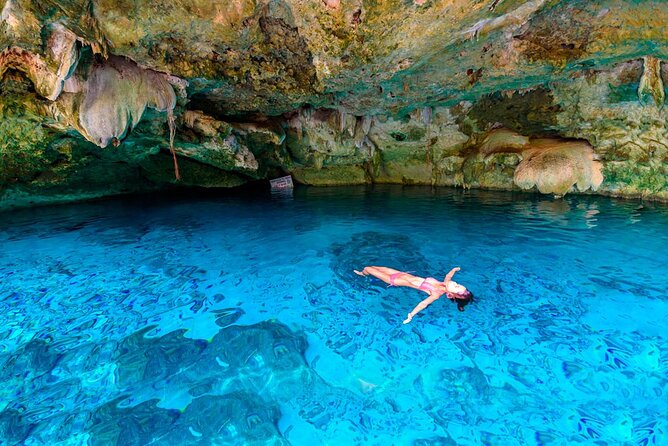
The cenote swim is the strongest practical reason to choose this activity. The water is described as clear and sacred, and swimming comes after the food and cultural portions. That order works well: you begin with the lesson, eat, then cool off.
The swim also gives the three-hour visit a pleasant change of pace. After standing, tasting, and listening, you get time in the water. For someone comparing this with a chocolate-only workshop, that extra stop adds real value.
At the same time, the supplied details do not state the cenote’s name, water temperature, depth, changing-room arrangements, or whether life jackets are available. I would not assume that towels, lockers, or drinks are included. The tour specifically excludes drinks of any kind, so bring money for beverages if you want something beyond the included food.
The phrase sacred cenote should also guide your behavior. Treat the place with care, follow the local instructions, and be ready for a swim that is part of a cultural visit, not just a casual pool stop. The activity includes entrance and swimming, so you do not pay a separate admission fee for the cenote during the tour.
The Cacao Chicken Lunch
The included meal is more interesting than a basic boxed lunch. The main dish is chicken prepared with natural cocoa, organic chocolate, and a little honey, served with Mexican rice. It puts the two main ingredients directly on your plate instead of keeping them in the tasting session.
Cacao in a savory sauce can surprise people who only associate chocolate with sweets. The honey likely adds a soft sweetness, while the cocoa brings a darker flavor. I would choose this outing partly for that meal because it gives you a clear example of how cacao can work in a main course.
The food is described as gourmet and as organic or vegan in the general inclusions, but the sample menu lists chicken. That wording is unclear. If you need a vegan meal, do not assume the chicken dish can be replaced. Ask the provider before booking, since no alternate menu is supplied.
Drinks are not included. This is an easy cost to overlook, especially after swimming in the heat. Bring extra cash or confirm how drinks are purchased. The included meal covers the stated main course and rice, but no additional courses, snacks, or beverages are specified.
What the $129 Price Really Covers
At $129 per person, this is not a cheap short excursion. The value depends on how much you care about the combination rather than any single part. You are paying for transport in an air-conditioned vehicle, the honey and cacao activities, the meal, cenote admission, the swim, and the cultural blessing.
If you booked separate transport from Tulum, paid for a meal, and added a cenote entrance, the package could make sense. The advantage is convenience and a single planned route. You also avoid having to arrange a separate visit to a cenote after a food activity.
The price is harder to justify if the soap or candle workshop is the feature you want most, or if you expect a long chocolate class. The cacao tasting is described as modest, with a few flavor samples and hands-on crushing rather than an extended confectionery course.
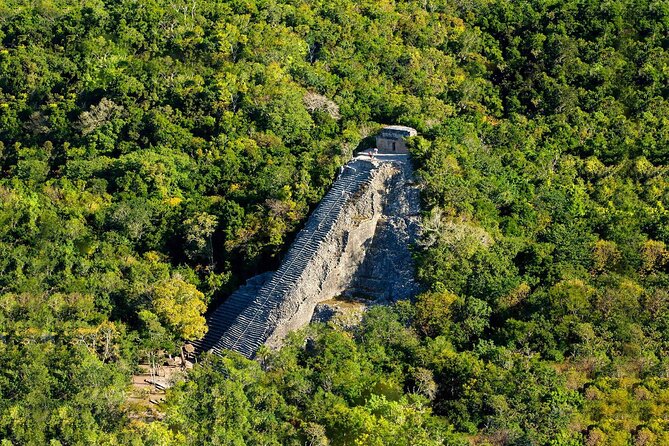
The location issue also affects value. Since the activity is near Coba, you need to count the inland drive as part of the experience. If you want something close to your hotel in Tulum, this is the wrong choice. If you already plan to see Coba or want an inland cultural stop, the location is less of a problem.
Pickup From the Aki Supermarket
Pickup is offered, but the stated meeting point is not a hotel lobby. You are told to meet at the Aki supermarket in downtown Tulum, beside BBVA bank. That detail is important because you may need to arrange your own way to the supermarket.
The available information does not promise door-to-door pickup for every booking. It says pickup is offered and then gives this specific meeting point, so confirm the exact procedure, time, and location before the day of the tour. A screenshot of the meeting instructions can save time.
There is also a serious reliability concern. One account describes paying and being left without a pickup. That is not a minor inconvenience, especially for a $129 activity. I would confirm the reservation close to the departure date, make sure the provider has your correct contact information, and avoid assuming that silence means everything is set.
Confirmation is supposed to arrive when you book. Most people can participate according to the supplied information, but no detailed accessibility information is provided. If you need special transport, mobility assistance, or specific swimming arrangements, ask before purchase.
Who Will Enjoy This Three-Hour Outing
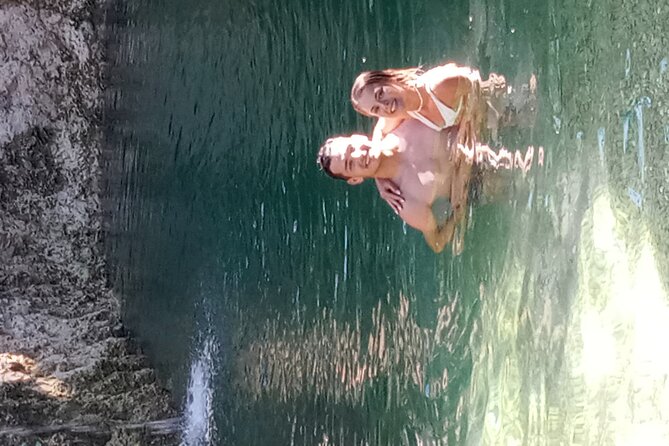
I would recommend this to you if you want several small experiences in one compact trip: local ingredients, a simple hands-on activity, a distinctive meal, a cultural blessing, and a cenote swim. It suits couples, families, and curious eaters who prefer a short outing to a full-day excursion.
It is also a good fit if you have already seen the main Tulum sights and want to head inland. The cacao chicken and the traditional bean-crushing activity give the visit more character than a standard swim-only package.
I would be cautious if you want a serious chocolate-making class, a detailed archaeology tour, or guaranteed craft production. You should also think twice if you dislike unclear pickup arrangements or cannot tolerate changes between the written description and the actual program.
English is offered, but the guide’s communication may not always be fully fluent. If you need every cultural explanation in polished English, this may feel limited. If you are comfortable with a straightforward activity and some translation, you may still get plenty from the visit.
Should You Book It?
Book this experience if the combination of cacao, honey, a savory meal, a blessing, and a cenote swim appeals to you more than a polished specialist tour. The cenote and lunch are the safest highlights, while the bean-crushing activity adds a useful glimpse into traditional preparation.
Before paying, confirm three points: that the pickup will be honored, that you understand the meeting point near the Aki supermarket, and which workshop activities will actually run. I would not book it solely for the promised soap or candle.
At $129, this is a reasonable package only when all the main pieces come together. The serious no-show report means you should take the booking details seriously. If the provider confirms your reservation and you are happy with a Coba-area outing rather than a Tulum activity, it can be a memorable half-day. If you want certainty, precise English guiding, or a guaranteed craft session, choose another option.
FAQ
Where does the experience take place?
It takes place at the Chococacaomaya sanctuary near Coba, about 45 minutes inland from Tulum. It is not located in central Tulum.
How long does the activity last?
The experience lasts approximately three hours.
Is pickup available?
Pickup is offered. The stated meeting point is the Aki supermarket in downtown Tulum, beside BBVA bank. Confirm the exact pickup instructions before the activity.
What language is offered?
The experience is offered in English. The guide’s English may be limited, and translation may be needed for some explanations.
Is the cenote entrance included?
Yes. Entrance to the cenote and the swim are included.
Is food included?
Yes. The included meal features chicken prepared with natural cocoa, organic chocolate, and a little honey, served with Mexican rice. Drinks are not included.
Will I make soap or a candle?
The planned inclusions mention a honey workshop and a candle or soap made by hand. However, this activity may not take place consistently, so confirm it before booking.
Can I cancel for a full refund?
You can cancel up to 24 hours before the experience for a full refund.
Freshly tempered around Mexico
- Tulum: Chocolate & Honey Sanctuary Experience with Lunch★ 4.2 · 34 reviews
- Cultural Adventure: Artisanal Chocolates, Coffee and Doll Making★ 5.0 · 2 reviews
- Sayulita Magical Town Tour: Local food, and chocolate.★ 5.0 · 18 reviews
- Tarot Reading with Coffee & Chocolate or Smoothie★ 5.0 · 17 reviews
- Chocolate Macarons Workshop in Puerto Vallarta★ 5.0 · 5 reviews
- Private Make Your Own Chocolate Experience in Puerto Vallarta★ 5.0 · 8 reviews
- Amazing Walk through the Zapotec Mountains with Hot Chocolate★ 5.0 · 4 reviews
- Private Monte Alban VIP : Mezcal and Zapoteco Art★ 5.0 · 3 reviews
More Mexico Chocolate Tours to compare.
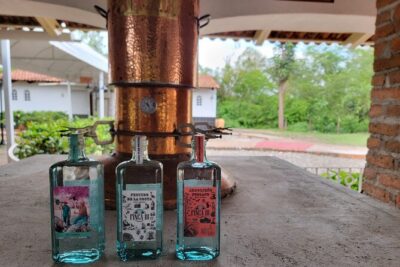
Finca 18 Puerto Vallarta Tequila Tour + Chocolate Pairing
Read our review →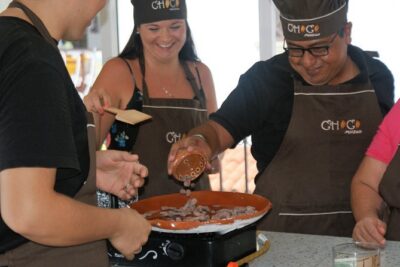
Bean to Bar Chocolate Workshop in Puerto Vallarta
Read our review →
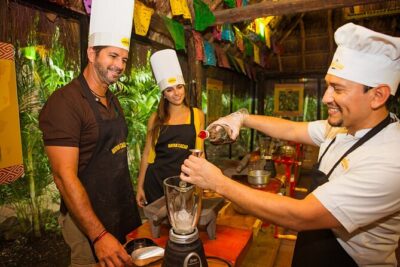

San Jose del Cabo Art Walk, Beer Tasting &Chocolate Demonstration
Read our review →
Chocolate lists with this tour