
Review · MEXICO
Chocolate and truffles workshop
At ChocoMuseo, you do not just watch a chocolatier work. You make ganache, choose flavors, mold bonbons, and finish your own truffles. That hands-on approach is the main reason this two-hour chocolate class works so well for families, couples, and anyone needing a break from the heat and crowds of Puerto Vallarta.
I like the mix of food and Mexican culture. You learn how cacao connects to Mexico before getting your hands covered in chocolate. I also like the generous take-home portion. Depending on the group and the pace, you may leave with close to two dozen bonbons and truffles, not just a small sample.
The main thing to consider is time. The advertised duration is about two hours, but some sessions run closer to three, especially when the class is full or the chocolate needs time to set. You will also spend long stretches sitting on stools, so this is not a quick stop between tightly scheduled activities.
Key points at a glance
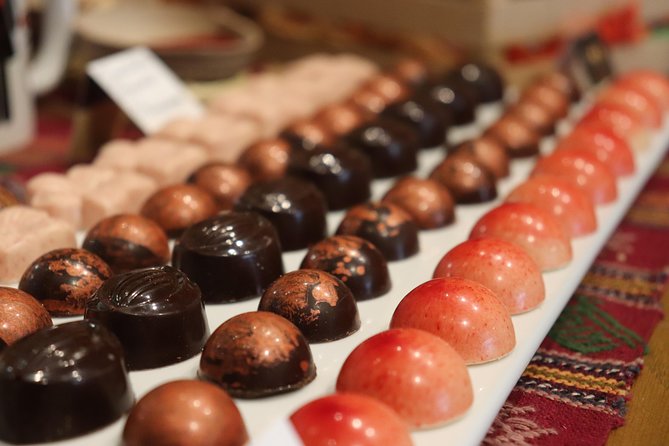
- Make the chocolate yourself: Prepare ganache, fill bonbons, work with truffle shells, and add toppings rather than simply watching a demonstration.
- Learn about Mexican cacao: The museum explains the history and production of cacao and chocolate in Mexico.
- Expect an English class: Guides including Rod, Rodrigo, Zoar, and Rocky lead sessions in English.
- Take home a serious stash: The finished chocolates are yours to eat later, assuming they survive the walk back to your hotel.
- Small group setting: The workshop accepts a maximum of eight people, allowing more help at the worktable.
- Save at the outlet: The included 10% discount applies to purchases at the on-site factory outlet.
Arriving at ChocoMuseo in central Puerto Vallarta
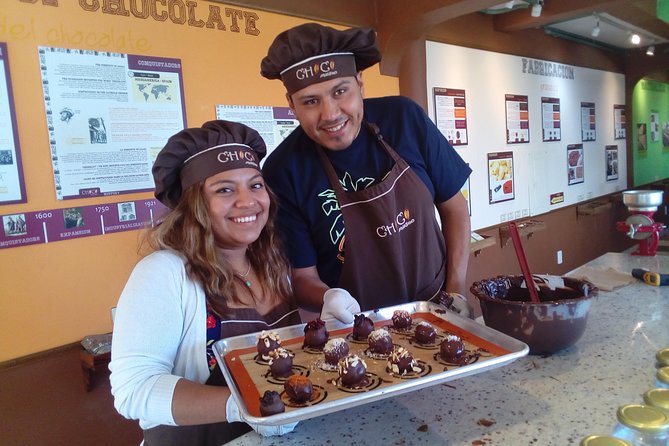
The workshop begins at ChocoMuseo, at Josefa Ortiz de Domínguez 128 in Centro, Puerto Vallarta. It starts at 10:30 a.m. and ends at the same location, so you can easily pair it with other plans in the city center.
Transportation is not included. You need to make your own way to the museum, and this is worth planning carefully. One participant described being dropped in the wrong part of downtown and struggling to find the meeting point. The museum staff tried to help by phone and waited, but the problem turned a straightforward arrival into a stressful start.
I would use the exact street address rather than relying on a driver who says the venue is just around the corner. Build in extra time, especially if you are arriving from a cruise ship or another part of town. The activity is near public transportation, and a mobile ticket makes check-in simple once you reach the right place.
The shop and museum provide a pleasant place to begin. You can look at chocolate products and Mexican-inspired sweets before the class starts, but save some appetite. There is a lot of tasting and making ahead.
More Chocolate Tours around Mexico:
- Finca 18 Puerto Vallarta Tequila Tour + Chocolate Pairing
★ 5.0 · 393 reviews - Bean to Bar Chocolate Workshop in Puerto Vallarta
★ 5.0 · 381 reviews - Chocolate Tour in Vallarta
★ 5.0 · 226 reviews
The museum gives the sweets a Mexican setting
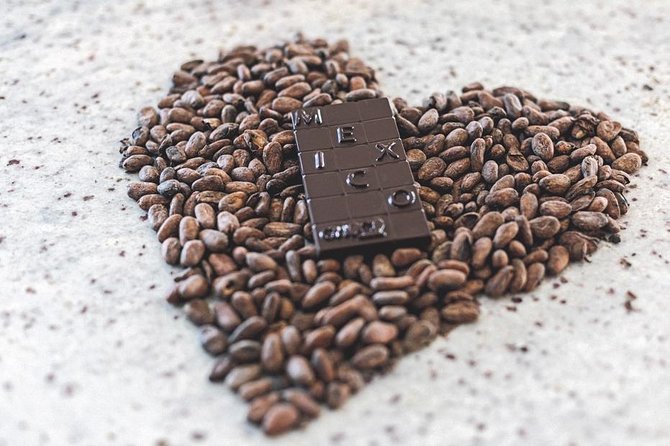
The first part of the experience introduces cacao and chocolate in Mexico. This adds useful context to what follows. You are not simply learning a generic candy recipe. You are connecting the finished bonbon to cacao farming, chocolate production, and the role of chocolate in Mexican food traditions.
The exact museum presentation can vary with the guide, but the focus is on how cacao is harvested, processed, ground, and combined with other ingredients. The workshop may also touch on tempering, a basic chocolate-making skill that helps create a smooth finish and firm texture.
Rod, Rodrigo, Zoar, and Rocky have all led sessions, and the guide can make a real difference. The strongest part of the teaching is the mix of clear instruction and humor. Rod is especially good at keeping children and adults involved, while Zoar is noted for patience and encouragement. Rodrigo brings an easy, social style to the worktable.
This is not a formal lecture where you sit quietly for an hour. Expect questions, demonstrations, tasting, and repeated chances to try the techniques yourself.
Making ganache with spices and liqueurs
The practical work begins with ganache, the soft chocolate filling used inside truffles and bonbons. You combine chocolate with cream, then choose from a selection of flavors to shape the final taste.
The available choices can include powdered flavorings such as cinnamon, along with liqueurs such as amaretto. The selection gives you room to make different combinations, though too many options can make choosing harder than expected. If you are unsure, ask the guide to suggest pairings.
This is one of the best parts for children because the task feels creative rather than technical. It is also a good fit for adults who enjoy cooking but do not want an advanced pastry course. You get enough instruction to understand the process without needing previous chocolate-making experience.
The class may include tempering, molding, filling, and decorating. You will likely work with dark chocolate, ganache, and toppings. Aprons and hats are supplied for the workshop, along with a chocolate mold for use during the session.
Expect a little mess. That is part of the fun, but it also means you should avoid wearing clothing you would hate to stain.
Filling bonbons and shaping truffles
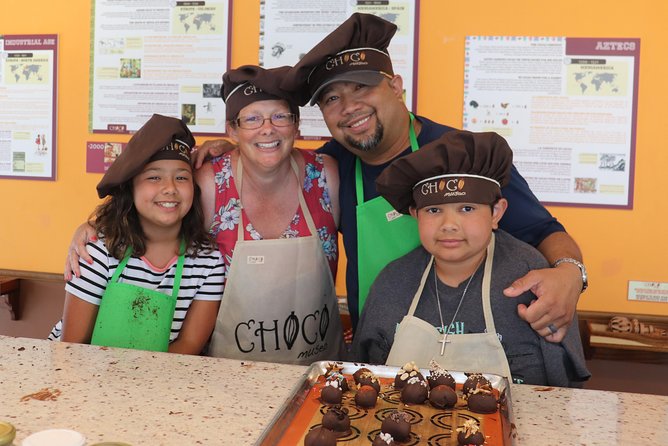
Once the ganache is ready, you use it to fill chocolate shells or molds. The filled bonbons are the more precise part of the class. You work toward neat pieces with a clean chocolate coating and your selected flavor inside.
The truffles are less formal and more forgiving. You shape the mixture, coat it, and add toppings. The results may not look identical from one person to the next, which is exactly what makes the activity enjoyable for families and couples working side by side.
The wait for chocolate to set creates natural pauses. This is why the experience can run longer than the stated two hours. If you have an afternoon reservation, leave room in your schedule rather than booking a museum or boat trip immediately afterward.
One family made its chocolates in the morning and kept them at the shop until later in the day, away from the hot sun. That option may be available, but do not assume it is guaranteed. Ask the staff if you need to store your chocolates before returning to your hotel or ship.
The amount you take home is a real strength. Several sessions produced nearly two dozen pieces, and one family reported still having more than 60 chocolates several days later. That larger quantity helps explain the price, especially when you compare it with buying a similar box of handmade truffles.
Same cocoa, a different bite:
- Chocolate & Margarita Workshop
★ 5.0 · 207 reviews - San Jose del Cabo Art Walk, Beer Tasting &Chocolate Demonstration
★ 5.0 · 141 reviews - Artisanal Mezcal and Fine Chocolate Tasting
★ 5.0 · 132 reviews - Art walk & Cacao delight
★ 5.0 · 111 reviews
What the $62.90 price gets you
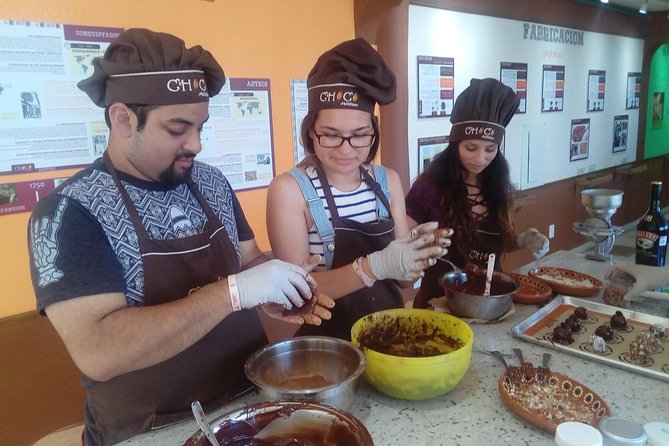
The cost is $62.90 per person. That is not a bargain if you only want a small tasting, but it is reasonable for a guided activity that combines museum admission, instruction, ingredients, equipment, and finished chocolates.
The fee includes the guide, dark chocolate, ganache, toppings, an apron, a hat, and use of a chocolate mold. You also receive the chocolates you make. The workshop is not just a demonstration followed by one token sample.
I would judge the value in three ways:
- If you want a hands-on activity, the price includes a full class and plenty of product to take away.
- If you are mainly interested in Mexican food culture, the museum and cacao background add useful substance.
- If you are buying chocolates as gifts, the finished pieces can serve as edible souvenirs.
There is also a 10% discount at the factory outlet. That matters most if you plan to buy additional chocolate, flavored products, or gifts. The shop is also a place to look for unusual combinations, including chocolate and passion-fruit-infused tequila, which has been a popular find during visits.
Tips are not included. A customary 15% to 20% tip for the teacher is suggested if you feel the instruction earned it. You should treat that as optional, not as part of the listed price.
Who will enjoy this workshop most
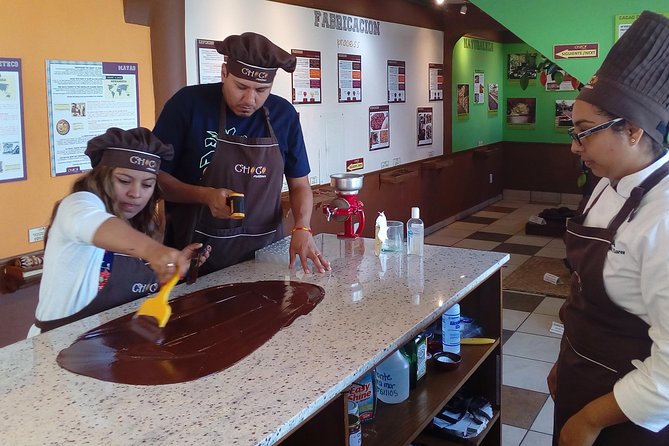
This is a strong choice for families. Children can take part in mixing, filling, decorating, and tasting, and the guide gives help throughout the process. One session included a 12-year-old who enjoyed it enough to plan a return visit.
Couples also get a good shared activity here. You can compare flavor choices, help each other with the molds, and leave with something more personal than a standard souvenir. It works well on a hot morning or afternoon when you want a break from the beach.
It also suits solo visitors. The group is capped at eight, and the instruction is active enough that you will not be left sitting alone. The small size should make it easier to ask questions and get help with tricky steps.
The workshop is less suitable if you need a fast, polished stop. Chocolate takes time, and the class can last nearly three hours. It is also not the best choice for someone who dislikes sweets, has dietary restrictions that were not addressed in the supplied details, or wants a quiet museum visit without group activity.
Service animals are allowed. The venue is near public transportation, but transportation to and from the museum is not part of the experience.
Timing, group size, and practical comfort
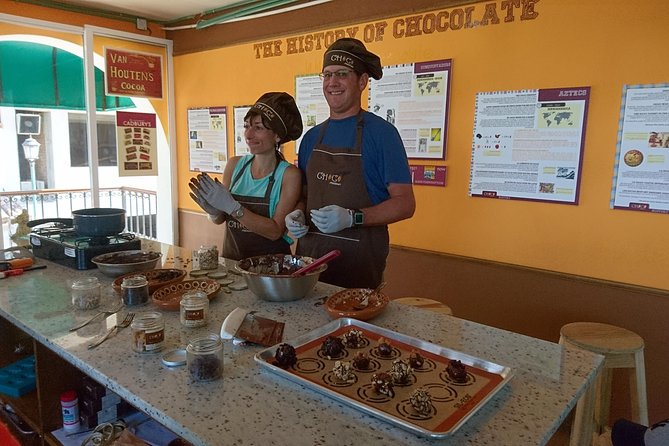
The maximum group size is eight. That is small enough for personal help, though a full class can feel busy once everyone is filling molds and handling toppings.
The official duration is approximately two hours. In practice, plan for two to three hours. Chocolate needs time to harden, and the class may move at the pace of the slowest step or the largest group.
You will sit on stools for portions of the workshop. If you have trouble sitting for long periods, this detail matters. The class involves hands-on work, but it is not a standing kitchen lesson from start to finish.
The activity is offered in English. Confirmation arrives when you book, and the mobile ticket is useful for keeping the details on your phone. The start time is 10:30 a.m., so this can fit neatly before lunch, provided you do not schedule something immediately afterward.
Because Puerto Vallarta can be hot, think about how you will carry the finished chocolate. A cool bag is not listed as part of the tour. Ask the staff about temporary storage if you have more sightseeing planned after class.
Cancellation and booking advice
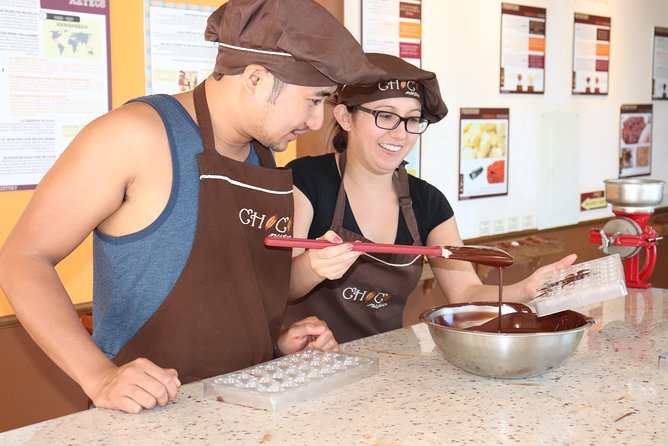
Free cancellation is available when you cancel at least 24 hours before the local start time. Changes or cancellations made less than 24 hours ahead are not accepted, and the amount paid is not refunded.
That deadline matters if someone in your party becomes ill. Make the decision early, and keep written confirmation of any booking changes. A late cancellation can also create confusion about the number of spaces available, so check directly with the booking provider before assuming a change has gone through.
The workshop is commonly booked about 30 days ahead. That does not mean every date sells out, but the eight-person limit gives you a good reason to reserve early if your Puerto Vallarta schedule is fixed.
Should you book the ChocoMuseo workshop?
I would book this if you want a hands-on food activity with a clear connection to Mexico, especially if you are traveling with children, a partner, or friends. The take-home chocolates, small group, English instruction, and 10% outlet discount make the $62.90 fee easier to justify.
I would skip it if your schedule is tight, you dislike sitting on stools, or you only want a quick tasting. Allow up to three hours, arrive with the address ready, and plan how you will protect the chocolate from the heat.
For most visitors who like sweets, this is a more memorable souvenir than another packaged gift. You learn enough to understand the craft, make the treats yourself, and leave with a box of edible results.
FAQ
Where does the chocolate and truffles workshop take place?
It takes place at ChocoMuseo Puerto Vallarta, located at Josefa Ortiz de Domínguez 128, Centro, 48300 Puerto Vallarta, Jalisco, Mexico.
What time does the workshop start?
The workshop starts at 10:30 a.m.
How long does the activity last?
The listed duration is approximately two hours. Some sessions can run closer to three hours, so allow extra time in your schedule.
Is transportation included?
No. Transportation to and from ChocoMuseo is not included. The venue is near public transportation.
Is the workshop offered in English?
Yes. The activity is offered in English.
How many people can join the workshop?
The maximum group size is eight people.
What do I get to make?
You make filled chocolate bonbons with flavored ganache and chocolate truffles. Dark chocolate, ganache, toppings, a mold, an apron, and a hat are provided for the workshop.
Can I cancel for a full refund?
Yes, if you cancel at least 24 hours before the local start time. Cancellations or changes made less than 24 hours before the activity are not accepted and are not refunded.
Freshly tempered around Mexico
- Tulum: Chocolate & Honey Sanctuary Experience with Lunch★ 4.2 · 34 reviews
- Tulum: Chocolate & Honey Sanctuary Experience with Cenote★ 3.5 · 6 reviews
- Cultural Adventure: Artisanal Chocolates, Coffee and Doll Making★ 5.0 · 2 reviews
- Tarot Reading with Coffee & Chocolate or Smoothie★ 5.0 · 17 reviews
- Sayulita Magical Town Tour: Local food, and chocolate.★ 5.0 · 18 reviews
- Chocolate Macarons Workshop in Puerto Vallarta★ 5.0 · 5 reviews
- Private Make Your Own Chocolate Experience in Puerto Vallarta★ 5.0 · 8 reviews
- Amazing Walk through the Zapotec Mountains with Hot Chocolate★ 5.0 · 4 reviews
More Mexico Chocolate Tours to compare.
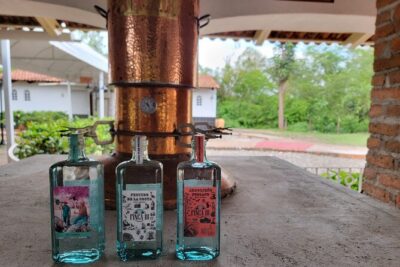
Finca 18 Puerto Vallarta Tequila Tour + Chocolate Pairing
Read our review →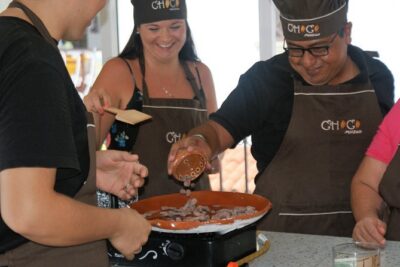
Bean to Bar Chocolate Workshop in Puerto Vallarta
Read our review →
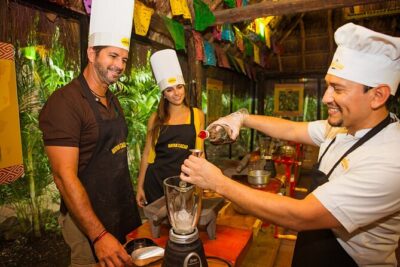

San Jose del Cabo Art Walk, Beer Tasting &Chocolate Demonstration
Read our review →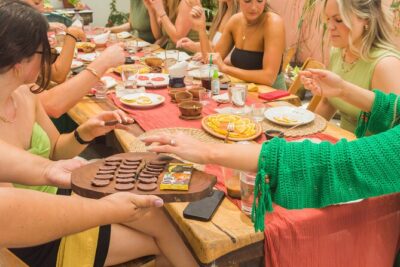
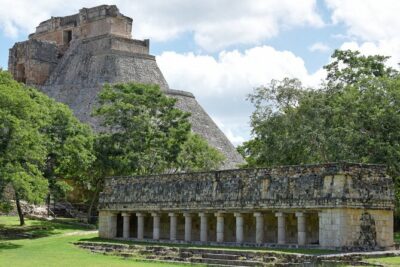
Tour to Uxmal Kabah and Chocolate Museum from Mérida
Read our review →Chocolate lists with this tour