
Review · ST LUCIA
Project Chocolat Bean to Bar Experience from Hotel Chocolat
St Lucia’s Project Chocolat Bean to Bar Experience turns a familiar sweet into a small lesson in farming, food, and local craft. You taste pulp from a freshly opened cacao pod, sample Rabot Estate chocolate, then work roasted beans into a bar of your own.
I like the hands-on work, which gives the visit more purpose than simply buying chocolate in a shop. I also like the friendly teaching style associated with guides such as Nathan, Marina, and John, who add humor and answer questions clearly. The main drawback is timing: the practical chocolate-making can take only about 20 minutes, with some waiting around during the one-hour visit.
Key points at a glance
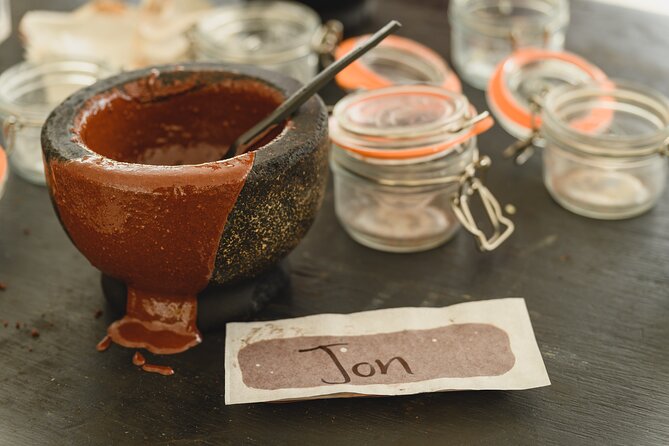
- Taste cacao pulp straight from a fresh pod: This unusual first step helps you understand that chocolate begins as a moist, fruity agricultural product.
- Make a chocolate bar by hand: You will work with the mixture yourself, and it takes some arm strength to reach the right consistency.
- Learn about Saint Lucia’s chocolate tradition: The session covers the history of chocolate and the work involved in transforming cacao beans.
- Take home an edible souvenir: Your own bar is included, though you will need to protect it from St Lucia’s heat.
- Fit it into a busy day: The experience lasts about one hour and ends at the same place where it begins.
- Plan around the limits: Transport and lunch cost extra, the Tree to Bar tour is separate, and children under eight cannot join.
From cacao pod to chocolate bar at Project Chocolat
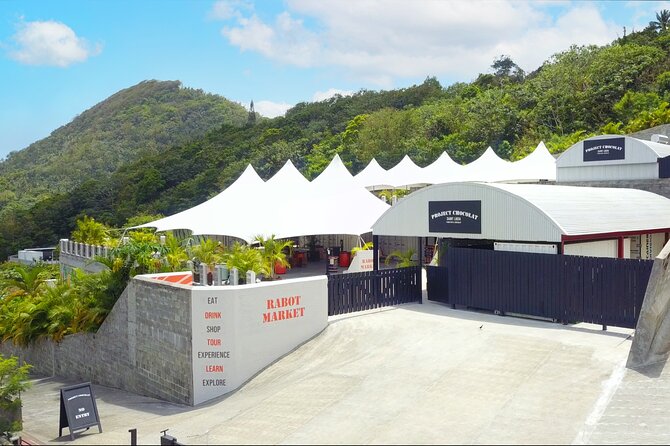
Project Chocolat, operated by Hotel Chocolat, offers a short introduction to cacao production at its St Lucia site in Malgretoute. The Bean to Bar session is not a full plantation tour, but it gives you enough practical work to change how you think about an ordinary chocolate bar.
The experience begins with the raw material. You taste pulp from a freshly cut cacao pod, an important detail because it shows the fruit before processing. The pulp is not the dark chocolate flavor you already know. It is a fresh part of the cacao fruit, and tasting it gives you a useful point of comparison for everything that follows.
From there, the guide explains the stages that lead toward chocolate. You learn about harvesting, the cacao beans, roasting, and the work needed to turn roasted beans into a finished mixture. The history of chocolate is part of the talk, so this is not just a cooking class with a quick recipe.
You also taste Rabot Estate chocolate made in a style connected to Saint Lucia. That tasting helps you notice how the finished product can differ from mass-market bars. The experience does not promise a full technical factory demonstration, and you should not book it expecting to see every stage of large-scale production.
More Bean-to-Bar Chocolate Tours in the world:
- 1.5h Belgian Chocolate Workshop in Brussels (bean to bar)
★ 4.5 · 462 reviews - Bean to Bar Chocolate Workshop in Puerto Vallarta
★ 5.0 · 381 reviews - Bean to Bar Chocolate Workshop in Barcelona
★ 5.0 · 172 reviews
The hands-on part takes real elbow grease
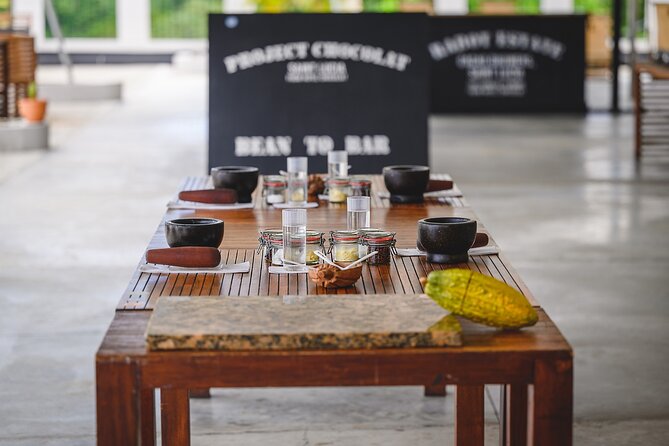
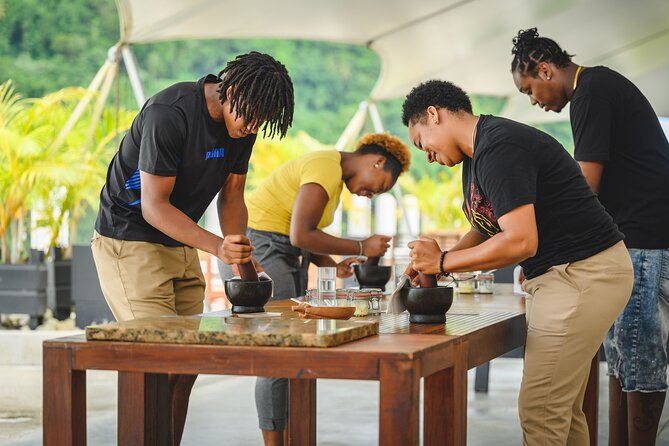
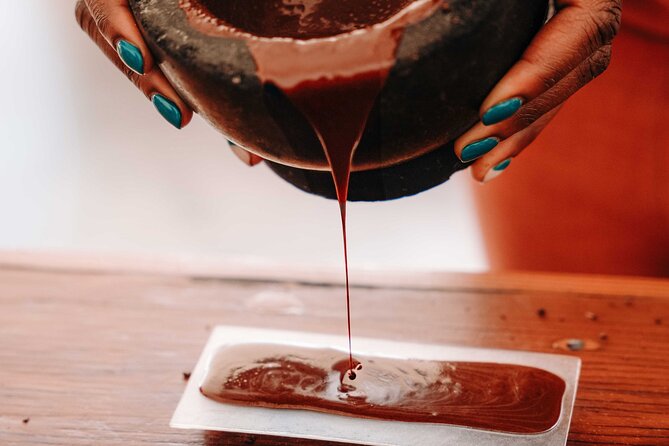
The main activity is making your own chocolate bar. You work with the prepared ingredients and mix them until the texture is right, rather than simply decorating a bar that someone else has made.
That sounds easy until you start. The work can require a fair amount of arm strength, which gives the session a pleasant bit of effort. You get a better sense of how much labor sits behind something that usually arrives in a neat wrapper.
The process is simple enough for beginners and families with children old enough to take part. The minimum age is eight, so this is not suitable for very young children. It also works well for adults who do not think of themselves as serious chocolate fans. The task is more about making and tasting than about having a sophisticated palate.
The hands-on section is the strongest reason to pay for this experience. If you only want to sample chocolate, a shop visit may be enough. If you want to make something yourself and carry it home, the class offers a more memorable use of your time.
Guides make a short class feel personal
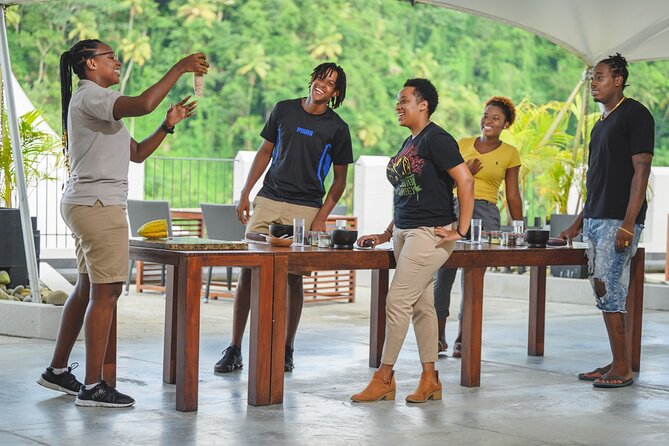
The teaching style matters here. Guides named in visitor feedback include Nathan, Marina, and John, and each is described as friendly, funny, clear, and willing to answer questions. Staff members are also praised for being welcoming and approachable around the site.
That warmth is useful because the class is social. You work as part of a group, meet other people, and share the same preparation area. A good guide keeps the pace moving and makes room for questions without turning the session into a stiff lecture.
The group size can reach 50 people, which is worth considering. A smaller class may feel more personal, and during quieter periods the activity can feel almost private. At busy times, the group setting may be less intimate, though the format still gives you a chance to compare your work and chat with others.
The hour-long schedule is compact. It can fit around other plans in St Lucia, but do not arrive late. You are told to reach the meeting point with plenty of time, and one account describes confusion when people were moved into an earlier class after arriving early. The sensible approach is to keep your original booking time and check in before the session begins.
What you see, taste, and do during the hour
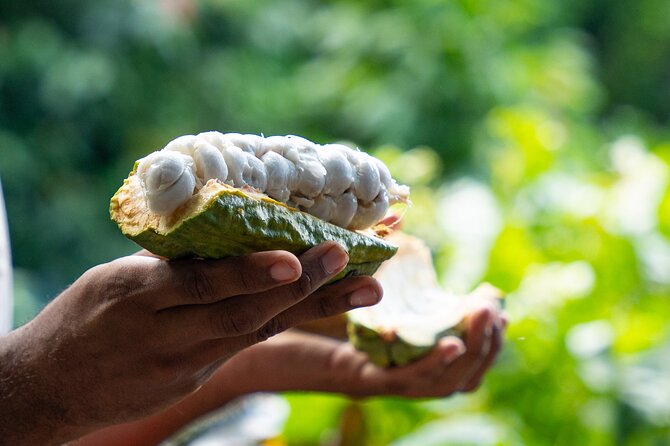
The visit has several parts, but the exact flow can vary with the group and the timing. You should expect an introduction to cacao, a tasting, some explanation of the chocolate process, and the practical bar-making session.
First comes the context. You learn how cacao grows and how the fruit is handled before the beans reach the roasting stage. This is where the experience can feel slightly light if you want a close look at farming or manufacturing. The Bean to Bar session introduces the process, but the separate Tree to Bar tour is the more suitable choice for a fuller estate and cacao-growing visit.
Next comes tasting. The fresh cacao pulp is the most distinctive sample because few visitors encounter it in ordinary chocolate shops. You also taste Rabot Estate chocolate and chocolate-infused foods may be available around the site, depending on what is being served or sold.
Then you make the bar. This is the part that rewards attention. You are not merely handed a finished souvenir. You have to work the chocolate to the proper consistency, and that little bit of effort makes the final result feel earned.
The experience ends back at the Project Chocolat meeting point. You can take your chocolate with you and spend more time exploring Project Chocolat afterward. The site includes shops and food options, but those extras are not part of the basic Bean to Bar price.
More Chocolate Tours around the world:
- Lindt Home of Chocolate Museum Entry Ticket
★ 4.7 · 9,329 reviews - Choco-Story Brussels: Chocolate Museum Entrance with Tasting
★ 4.3 · 4,883 reviews - Zurich: City Tour, Cruise, and Lindt Home of Chocolate Visit
★ 4.5 · 4,624 reviews - The Chocolatarium Chocolate Tour Experience in Edinburgh
★ 5.0 · 4,322 reviews
What the $69 price really covers
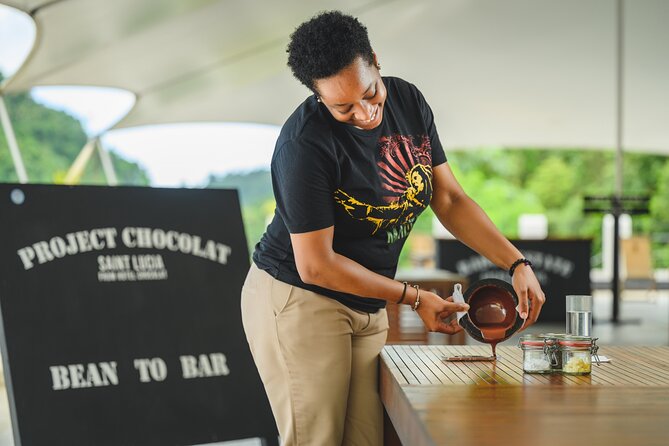
The cost is $69 per person. That is not cheap for an activity lasting about an hour, so the value depends on what you want from the visit.
You are paying for more than a chocolate sample. The price includes instruction, tastings, the practical work, and a bar to take home. You also get the setting and the chance to learn about Saint Lucia’s cacao production rather than simply buying an imported souvenir.
Still, the short duration matters. The actual chocolate-making can take around 20 minutes, leaving the rest of the visit for explanation, preparation, or waiting. One account found the activity underwhelming because there was limited to do between parts of the session. If you expect a full morning with a long farm walk and detailed production tour, $69 will feel high.
The price makes more sense if you are already planning to visit Project Chocolat and want a structured activity. It is also easier to justify for a couple, family, or small group looking for something different from beaches and sightseeing. If you are comparing it with the Tree to Bar tour, remember that the larger tour is not included here and may offer more estate-focused content.
Lunch is not part of the Bean to Bar experience. Food can be purchased on arrival, but keep that separate from your activity budget. Some feedback praises the food available on site, while another account found the market restaurant expensive and the service confusing. I would treat lunch as an optional extra, not a guaranteed part of the chocolate session.
A useful stop on a busy St Lucia itinerary
The one-hour format is the experience’s biggest practical strength. You can place it into a day that already includes other plans, rather than sacrificing half a day for a single activity.
The meeting point is Project Chocolat, on Unnamed Road in Malgretoute, St Lucia. Transportation from your destination is not included, so you need to arrange your own way there. The activity ends where it starts, which keeps the logistics simple once you arrive.
Build in extra time before the session. Arriving early protects you from missing the introduction, and the booking information specifically warns against being late. If you plan to eat first, shop, or explore the property, allow enough time so those extras do not make you rush into the class.
Afterward, you can browse the Project Chocolat shop and buy chocolate or other products. Items mentioned in visitor feedback include drinks, hand lotion, soap, and candles, along with chocolate bars. These purchases are optional and separate from the class.
Heat is another practical issue. Chocolate melts, and one person found that a bar did not survive the journey home. Keep your finished souvenir cool and out of direct sun. If you plan to spend hours outdoors after the experience, think about how you will carry it.
Weather, group size, and comfort
The activity requires good weather. If poor weather causes cancellation, you are offered a different date or a full refund. Since the site uses outdoor or partly covered areas, rain can affect the atmosphere and the way the class runs.
A covered tent can make the experience possible during a rainy day, and one account found the setting relaxed under a large tent while rain fell around it. Even so, weather can change the comfort of getting to and around the site, so bring suitable clothing and footwear.
The maximum group size is 50. That is a fairly large possible class, although the actual feel depends on how many people attend that day. Off-peak periods may produce a much smaller group and more direct contact with the guide.
The site is described as small but attractive. Toilets may involve many steps, so anyone concerned about stairs should keep that in mind. The supplied information does not provide a full accessibility description, so you should contact the operator directly if you need specific mobility arrangements.
The experience is listed as Covid Certified. Confirmation arrives when you book, and the ticket is mobile, which means you can keep the booking on your phone rather than printing it.
Who will enjoy this most
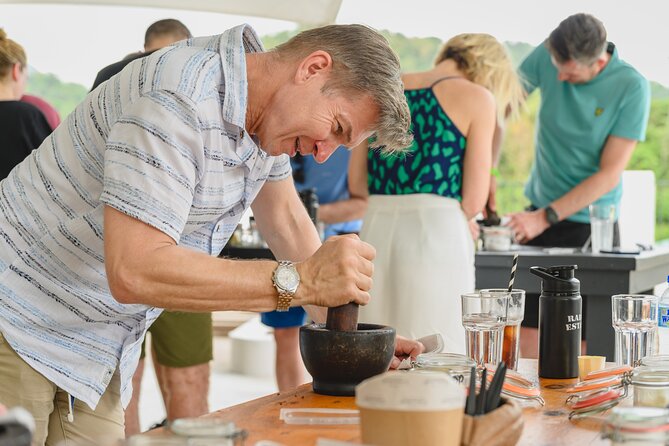
I would recommend the experience to families with children aged eight and up, couples, friends, and anyone who wants a short activity with a local food angle. It is especially good for people who enjoy learning by doing. You taste, mix, ask questions, and leave with something you made.
It also suits a rainy-day plan, provided the activity is still operating. The covered areas can keep the session going, and chocolate-making is a welcome change from a day spent waiting for the sun.
Chocolate enthusiasts will find the cacao tasting and Rabot Estate samples appealing. But you do not need to be an expert. The class is accessible, and even people who are not devoted to chocolate can enjoy the physical task and the final taste.
I would be more cautious if you want a serious look at cacao farming, fermentation, drying, or factory-scale processing. The session gives an overview, but the Tree to Bar tour is separate and may be the better match for that interest. I would also hesitate if you dislike short scheduled activities with some waiting between sections.
Booking, cancellation, and planning details
You can cancel for a full refund up to 24 hours before the experience start time. Cancellations or changes made within 24 hours are not refunded or accepted.
The operator may cancel if the minimum number of participants is not reached. In that case, you are offered another date or experience, or a full refund. Poor weather can lead to the same choices.
Children under eight cannot take part. The group can include up to 50 people, and transport is not included. The Tree to Bar tour and lunch are also separate, so check your plans and budget before booking.
Should you book the Bean to Bar Experience?
Book it if you want a short, social, hands-on chocolate activity and like the idea of tasting cacao in its fresh form. The guide-led history, the practical work, and the take-home bar give the hour a clear purpose.
Think twice if you expect a full plantation visit or a long production demonstration. The chocolate-making itself may last only about 20 minutes, and the remaining time can include waiting or browsing. For the best value, combine it with time at Project Chocolat, and consider buying lunch or visiting the shop only if those extras suit your budget.
For a first look at Saint Lucia’s cacao culture, I find it a worthwhile stop, especially for families and couples. Just arrive early, protect the finished bar from the heat, and choose the Tree to Bar option instead if you want the broader farm experience.
FAQ
How long does the Bean to Bar Experience last?
The experience lasts approximately one hour.
How much does the experience cost?
The price is $69 per person.
Where does the experience begin?
It begins at Project Chocolat on Unnamed Road in Malgretoute, St Lucia.
Where does the activity end?
The activity ends back at the Project Chocolat meeting point.
Is transportation included?
No. Transportation from your destination to Project Chocolat is not included.
Is lunch included?
No. Lunch is not included, but food can be purchased on arrival.
Is the Tree to Bar tour included?
No. The Tree to Bar tour is separate from the Bean to Bar Experience.
Can children take part?
Children must be at least eight years old to join.
What will I taste during the experience?
You will taste pulp from a freshly cut cacao pod and Rabot Estate chocolate connected to Saint Lucia.
Can I cancel for a refund?
You can receive a full refund if you cancel at least 24 hours before the start time. Cancellations within 24 hours are not refunded.
Freshly tempered around the world
- Zurich Open-top Tour and Chocolate and Cheese Countryside★ 3.5 · 11 reviews
- Zurich: Chocolate Tasting and Walking Tour with a Local★ 4.2 · 13 reviews
- Lindt Chocolate Museum with Cruise Transfer from Zurich★ 4.6 · 7 reviews
- Zagreb: Lake Bled and Ljubljana Day Tour with Chocolate Gift★ 5.0 · 26 reviews
- York: Introduction to Chocolate Making Experience★ 4.9 · 10 reviews
- Zaandijk-Near Zaanse Schans Chocolate making demo & tasting★ 4.8 · 13 reviews
- Private Wine and Chocolate Tasting Experience★ 4.4 · 3 reviews
- Yarra Valley: Wine and Chocolate tasting tour.★ 5.0 · 5 reviews
More St Lucia Chocolate Tours to compare.
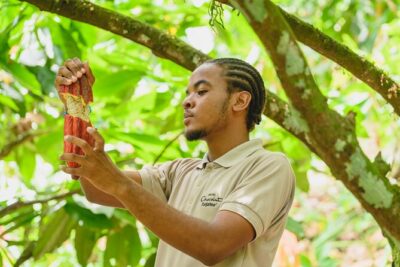
Project Chocolat Tree to Bar Tour at Hotel Chocolat Saint Lucia
Read our review →

St Lucia Treasures – (Chocolates Rum and Rafting)
Read our review →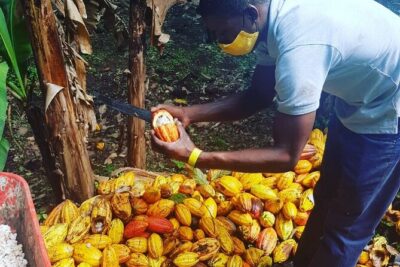


Hotel Chocolat Bean to Bar Experience in St. Lucia
Read our review →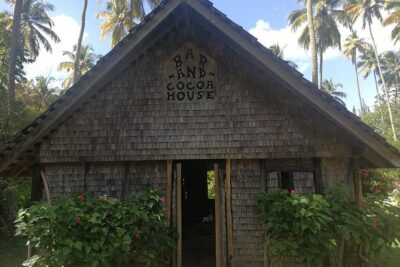
Soufriere Excursion with Rum & Chocolate Tasting
Read our review →
St Lucia Chocolate Making Marigot Bay & Souvenir Shopping
Read our review →Chocolate lists with this tour