
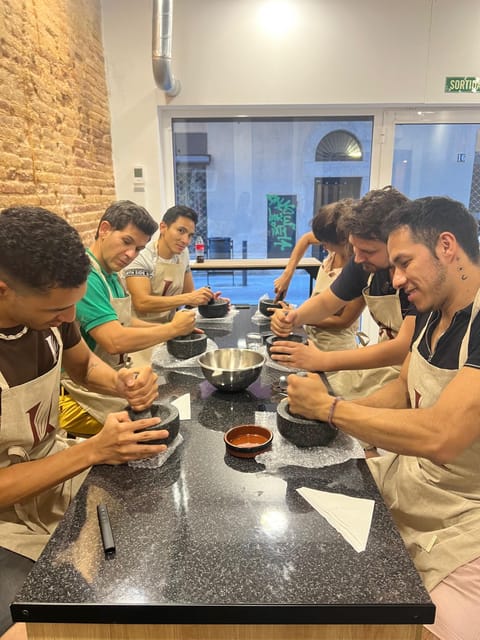
Review · SPAIN
Bean to Bar Chocolate Workshop in Barcelona
The most interesting part of this Barcelona workshop is that you do not begin with a neat square of chocolate. You start with the raw material: a cacao pod and beans that you roast, peel, grind, and turn into cocoa paste. That gives you a far better sense of the work behind a bar than a standard tasting ever could.
I like the hands-on stages and the clear link to cocoa-growing communities. I also like the small group size, limited to eight, which gives you room to ask questions and work at the table. The main consideration is that this is as much a lesson and tasting as it is a make-your-own class. You take home one bar, but much of the two hours is spent learning, sampling, and watching demonstrations.
Key points
- Real cacao beans: Roast, peel, and grind cocoa yourself before making cocoa paste.
- A full chocolate story: Learn about cultivation, fermentation, processing, ancient uses, and modern bean-to-bar production.
- Tastings beyond candy: Try cocoa-based drinks, cocoa by-products, and chocolate made from beans grown in different regions.
- Small-group setting: Sessions are limited to eight people and are offered in Spanish or English.
- A useful souvenir: Make one chocolate bar, receive a certificate and workshop summary, and browse Kina Chocolates afterward.
Starting with a Cacao Pod at Kina Chocolates
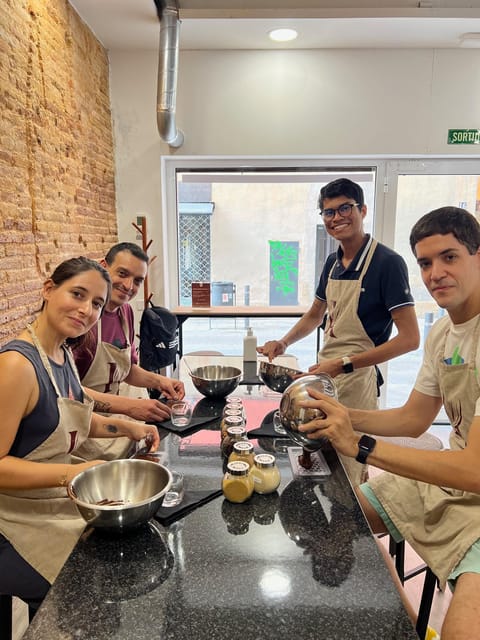
The workshop takes place at Kina Chocolates, a small artisan chocolate shop in Barcelona. That setting matters. You are not sitting in a large cooking school with a standard script and rows of workstations. The activity has a more personal feel, with a maximum of eight participants and instructors who clearly care about the subject.
Your guide may be Oscar, Oskar, Renee, Renée, or Franklin, depending on the session. The names vary in the feedback, but the pattern is consistent: the instructors bring energy, humor, and a strong command of the topic. Oscar is described as especially passionate about bean-to-bar chocolate, while Renee is praised for her friendly, clear teaching. Franklin is noted for answering questions with patience.
The first part sets the scene with a cacao pod. You learn how cacao grows and what happens in the fields before the beans reach a chocolate maker. This is a useful correction to the usual supermarket view of chocolate, where the agricultural work has vanished behind a wrapper.
You also hear about the origins and ancient uses of chocolate, along with the modern bean-to-bar movement. The lesson connects geography, farming, flavor, and production instead of treating chocolate as a single sweet product. That context helps you understand why beans from different places can taste different and why careful sourcing matters.
More Bean-to-Bar Chocolate Tours in Barcelona:
- 1.5h Belgian Chocolate Workshop in Brussels (bean to bar)
★ 4.5 · 462 reviews - Bean to Bar Chocolate Workshop in Puerto Vallarta
★ 5.0 · 381 reviews - Project Chocolat Bean to Bar Experience from Hotel Chocolat
★ 4.5 · 107 reviews
Roasting, Peeling, and Grinding the Beans
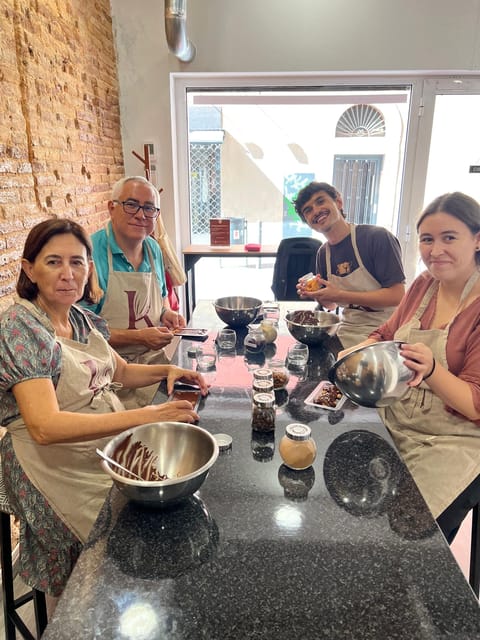
The workshop becomes more tactile when you begin handling cacao beans. You roast them, peel away the shells, and grind the beans by hand. These are simple actions, but they reveal how many steps sit between a harvested cacao pod and a finished bar.
Roasting changes the aroma and flavor. Peeling shows you that the bean has useful parts beyond the smooth chocolate center. Grinding turns the nibs into a cocoa paste, giving you a direct sense of texture and transformation.
This is not a fast demonstration where you watch an instructor do everything while standing at a distance. You work with the cocoa yourself. That makes the session a good choice for curious adults and teenagers who want to understand a process rather than simply eat the final product.
Still, keep your expectations realistic. You are not operating a full chocolate factory or mastering every professional technique in two hours. The workshop introduces the central stages and lets you take part in them. The aim is understanding and enjoyment, not professional confectionery training.
Tasting Cocoa in Several Forms
The tasting portion gives the workshop extra range. You prepare cocoa-based drinks and sample different chocolate products, including examples linked to beans from different climates. Some sessions include three chocolate samples and two cocoa drinks, as well as cocoa nibs and other by-products.
This is where the class moves beyond the familiar idea that chocolate comes in only dark, milk, or white versions. You taste cocoa at different points in its life, from bean and nib to drink and finished chocolate. The changes in texture and flavor make the production process easier to understand.
You may also encounter cocoa shell tea or caramelized cacao beans in the shop. These are not just decorative products. They show how different parts of the cacao bean can be used and give you more to explore after the workshop.
The tasting is guided rather than rushed. You are encouraged to notice flavor and compare samples. If you already enjoy specialty chocolate, you will likely appreciate this part most. If you normally prefer familiar sweet bars, some of the raw or less processed flavors may take a little getting used to.
Making Your Own Chocolate Bar
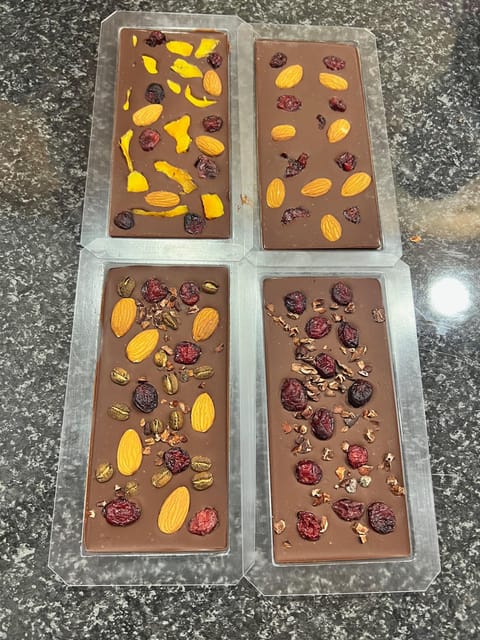
Near the end, you make a chocolate bar to take home. This is the most obvious souvenir, but it also ties the lesson together. After seeing the raw bean and making cocoa paste, you get to create a finished product of your own.
The supplied information does not specify every decoration or flavor choice, so do not book this expecting a particular recipe or a large collection of bars. The reliable promise is one personal bar. A warm Barcelona day can also be a practical concern: one participant found that heat affected the bar on the way home. Carry it carefully and keep it cool when possible.
The bar is meaningful because you have followed the process from the beginning. It is not simply a packaged gift bought from a shelf. You have handled the ingredients and seen how much work goes into something that may disappear in a few bites.
You also receive an apron and hat during the workshop, along with a personalized completion certificate and a written summary of the material covered. The summary is handy if you want to remember the stages later, especially the terms and production details that can blur together after a busy day in Barcelona.
More Chocolate Making Workshops in Barcelona:
- Vienna: Chocolate Workshop in Chocolate Museum w/ Tasting
★ 4.5 · 1,802 reviews - Brussels: Belgian Chocolate Making Workshop with Tastings
★ 4.7 · 1,629 reviews - Brussels: 2.5-Hour Belgian Chocolate Making Workshop
★ 4.8 · 933 reviews - Belgian Chocolate Workshop in Bruges
★ 5.0 · 660 reviews
Learning About Farmers and Fairer Chocolate
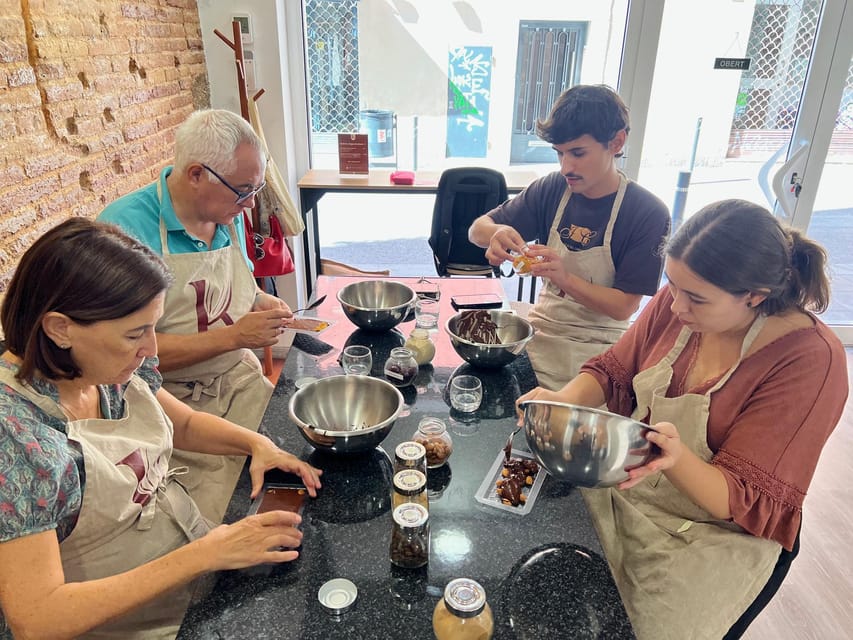
The final discussion returns to the people behind the beans. You learn how local cocoa-producing communities live and why the work of farmers deserves more attention. Kina Chocolates presents bean-to-bar production as a way to improve traceability and support fair treatment for cacao growers.
That social part keeps the workshop from becoming a simple sugar-and-samples session. You leave with a clearer idea of why origin, quality, and farming conditions matter. One helpful point made in the workshop is that better chocolate does not need to depend on a long list of additives and excess sugar. The quality of the beans and the way they are handled make a major difference.
This topic is valuable, but it is worth understanding its limits. A two-hour workshop cannot explain every issue in the global cacao trade. What it can do is show you the connection between farmers, raw beans, craft production, and the price of a finished bar. That is a useful starting point for making more thoughtful chocolate choices.
Why the Small Group Size Helps
Eight people is a good upper limit for this activity. You get a place at the worktable, rather than watching from the back. You can ask about roasting, taste comparisons, or farming without needing to compete with a large crowd.
The small format also suits families. Several families brought children and teenagers, with particularly strong feedback from groups including 10-year-olds, 11-year-olds, 14-year-olds, and 16-year-olds. The official description presents the workshop for adults and teenagers, so families with younger children should confirm suitability before booking.
The instructors appear comfortable adjusting their approach. Renee is praised for making the workshop work for both adults and younger participants, while Oscar is described as playful and willing to use humor and small surprises to keep the group engaged. The activity is educational, but it does not feel like a school lecture.
Because the group is small, the exact tone may depend on the people in your session. A lively group can make the tasting and questions more fun. A quiet group may produce a calmer, more focused lesson. Either way, the eight-person limit is a real advantage.
Is $47 a Fair Price?
At $47 per person, the workshop is not the cheapest way to eat chocolate in Barcelona. You could buy several excellent bars for less. The value comes from the two hours of instruction, tastings, hands-on work, materials, and the finished bar you make yourself.
You also receive the apron, hat, certificate, and workshop summary. The price includes all necessary utensils and ingredients, so you do not need to bring special equipment or purchase a separate tasting flight.
I consider the price fair for a small-group activity, especially if you want something beyond Barcelona’s major sights. You are paying for access to a working artisan chocolate setting and for a guide who can explain the full chain from cacao cultivation to finished product.
The value is strongest for people who enjoy food culture, sustainable sourcing, or practical demonstrations. It is less compelling if you want a long cooking class with several take-home products. In that case, the single bar may feel modest. For most participants, though, the lesson and tasting are the main event, with the bar serving as a pleasant reminder.
Who Should Book This Workshop?
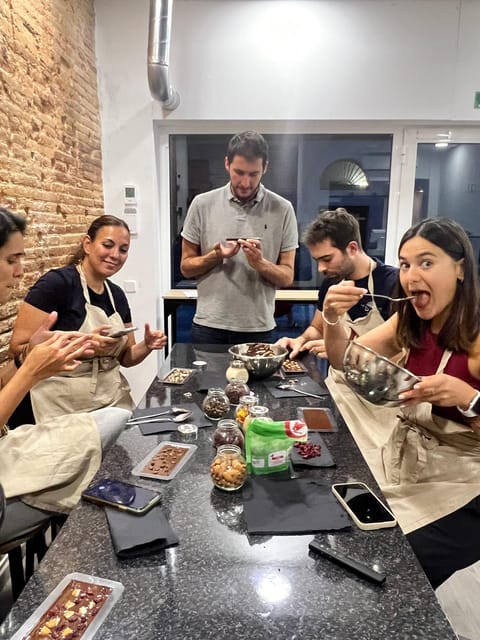
I would recommend it to chocolate lovers, curious foodies, couples, families with older children, and anyone looking for a rainy-day activity in Barcelona. It works especially well for people who enjoy asking questions and trying unfamiliar flavors.
It is also a good choice for teenagers who are difficult to entertain with museums. The hands-on steps give them something to do, while the history and farming discussion add substance. One family found that even two boys who usually dislike activities stayed engaged, which says something about the balance between teaching and participation.
You do not need prior cooking experience. The basic steps are explained as you go, and the guide leads the process. You should be comfortable tasting cocoa in several forms, including products that may be less sweet or more earthy than commercial chocolate.
I would think twice if you only want a quick chocolate tasting or if you dislike structured instruction. This is a workshop first. The chocolate is the subject, but the goal is to understand how it is made and why the raw bean matters.
Practical Details for Planning Your Visit
The activity lasts two hours and meets at Kina Chocolates. Spanish and English are available, and some content may be shown in its original language. If you have an allergy or food intolerance, tell the provider in advance so the workshop can be adapted.
The space is wheelchair accessible. The small group format can make movement and participation easier, though you should still share any specific needs when booking.
You can cancel up to 24 hours before the activity for a full refund. The reserve-now, pay-later option may help if your Barcelona schedule is still changing.
After the class, allow a little time to look at the shop’s chocolate selection. Several participants bought bars, cocoa shell tea, or caramel cacao beans after learning how the products were made. The shop is part of the experience, but the workshop itself is not presented as a sales pitch. The emphasis stays on chocolate history, processing, tasting, and fairer links with cocoa-producing communities.
My Take on the Barcelona Bean to Bar Workshop
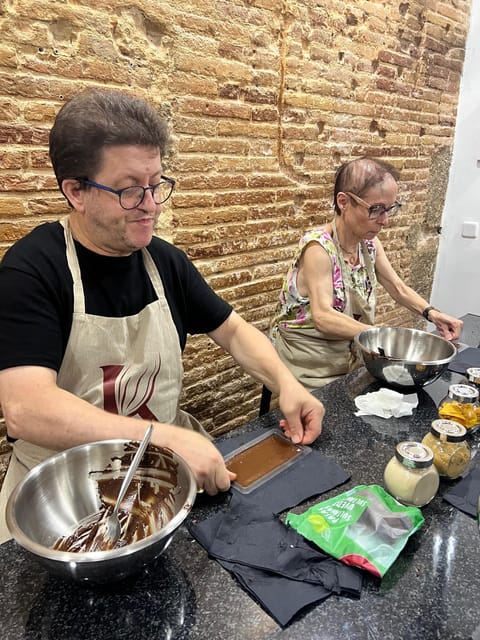
This is one of the better food activities for adding texture to a Barcelona visit. You handle the beans, taste cocoa in several forms, learn about farming and history, and leave with a bar made by your own hands. The instructors, especially Oscar and Renee, receive repeated praise for making the material lively without losing the practical details.
The main trade-off is simple: the workshop gives you one bar, not a large box of chocolate, and much of the session involves explanation and tasting. That is a strength if you want to understand the craft, but a weakness if you are looking for a pure candy-making class.
Book it if you want a small, friendly, educational activity that works well for adults, teenagers, couples, and families with older children. Skip it if you want only a quick sample or a full professional cooking lesson. At $47, it is a sensible buy for anyone who wants to see what chocolate really is before it becomes a polished bar.
FAQ
Where does the Bean to Bar Chocolate Workshop take place?
The workshop meets at Local Kina Chocolates in Barcelona, Catalonia, Spain.
How long does the workshop last?
The activity lasts two hours. Starting times depend on availability when you book.
What languages are available?
The instructor-led workshop is offered in Spanish and English. Some content may be shown in its original language.
What will I make during the workshop?
You will roast, peel, and grind cacao beans, make cocoa paste, prepare cocoa-based drinks, and create one chocolate bar to take home.
Is the workshop suitable for children?
The activity is designed for adults and teenagers. Families have also attended with children around 10 and 11 years old, but you should confirm suitability for younger children before booking.
Is the workshop wheelchair accessible?
Yes, the activity is listed as wheelchair accessible. Tell the provider about any specific needs when making your reservation.
Freshly tempered around Barcelona
- Exclusive Champagne & Chocolate Getaway – with excellent lunch★ 5.0 · 24 reviews
- Visit with tasting of Vicens nougat and Jolonch chocolates★ 5.0 · 4 reviews
- Gaudi’s Casa Batlló and La Pedrera with Chocolate Tasting★ 5.0 · 5 reviews
- Delicious Chocolate Tour Barcelona★ 5.0 · 37 reviews
- Barcelona: Casa Batlló, La Pedrera, & Chocolate Tasting Tour★ 5.0 · 6 reviews
- Barcelona: Delicious Chocolate walking tour★ 5.0 · 2 reviews
- Barcelona: Experience the Best Churros with Hot Chocolate★ 4.6 · 47 reviews
- Private First Access Casa Batlló Experience With Breakfast★ 5.0 · 56 reviews
More Spain Chocolate Tours to compare.
Lanzarote: Vineyard Tour with Wine and Chocolate Tasting
Read our review →
Barcelona: Nougat and Chocolate Museum Tour with Tasting
Read our review →
Barcelona & Chocolate Amatller History and Culture + Activity and Tasting
Read our review →
Tapas and history tour ending with churros with chocolate
Read our review →
Sweet Gaudi: the most delicious visit to Casa Vicens
Read our review →
Family Private Tour: Churros, Hot Chocolate & Games in Barcelona
Read our review →
Semi-Private Tour: Old Town & Chocolate and Churros
Read our review →
Madrid: 1-Hour Segway Tour with Chocolate and Churros
Read our review →Chocolate lists with this tour