
Review · CHOCOLATE MAKING WORKSHOPS
Cusco: Chocolate Workshop with the Best Local Organic Cacao
Cusco’s chocolate story begins in the jungle, not in a European candy shop. In this 150-minute class, you work with organic Chuncho cacao from the Cusco region and turn it into Belgian-style pralines and mendiants. I like the hands-on format and the chance to take home about 21 pralines and 10 mendiants, not just a recipe card.
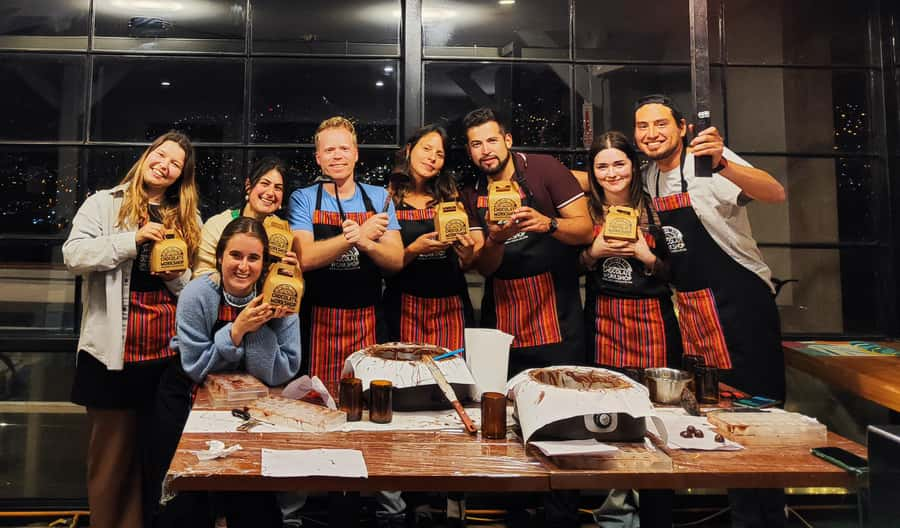
I also like the setting at Limbus Restobar, where you get a broad view over Cusco while working. Guides such as David, Marco, Ken, and Angel bring plenty of humor and local context. The main drawback is that the class does not show the full cacao process from roasted bean to chocolate, and one participant specifically wished for that step.
Key points at a glance
- Chuncho cacao from Cusco: Work with local, organic cacao from the region’s jungle, a variety known for its fine quality.
- A real making session: Prepare ganache, shape pralines, decorate mendiants, and learn basic tempering techniques.
- A generous edible souvenir: Take home roughly 300 grams of your own chocolate, packed in a personalized box.
- Hot chocolate included: Learn how to prepare and taste a separate hot chocolate during the workshop.
- A memorable city view: The class takes place at Limbus Restobar, with wide views over Cusco.
- Adults and older children only: The experience is not suitable for children under 12, unaccompanied minors, or people with diabetes.
Why Chuncho cacao gives this Cusco class its character
This is not simply a generic chocolate-making lesson transplanted into Peru. The central ingredient is Chuncho cacao, an organic and artisanal cacao from the jungle of the Cusco region. It is described as one of the best organic cocoas in the world, and the class uses that local product to connect the finished bonbon with Peru’s agricultural traditions.
That matters because chocolate often loses its sense of place once it has been processed and molded. Here, you begin with an ingredient tied to the Cusco region. You learn why Peruvian chocolate has a distinctive reputation and how local cacao becomes part of a Belgian-style confection.
The class focuses on the finished chocolate rather than a farm visit. You will not be walking through cacao fields or touring a roasting facility. Instead, you get an accessible introduction to the ingredient, followed by the pleasure of making something with it.
I find that a good food workshop should explain not only what you are doing, but why the ingredient matters. This experience aims to do that through its introduction to cacao and Peruvian culture before the practical work begins.
More Chocolate Making Workshops in the world:
- Vienna: Chocolate Workshop in Chocolate Museum w/ Tasting
★ 4.5 · 1,802 reviews - Brussels: Belgian Chocolate Making Workshop with Tastings
★ 4.7 · 1,629 reviews - Brussels: 2.5-Hour Belgian Chocolate Making Workshop
★ 4.8 · 933 reviews
Meeting at Limbus Restobar, high above Cusco
You meet directly at Limbus Restobar. There is no hotel pickup, so allow time to reach the restaurant on your own and tell the receptionist that you are there for the chocolate workshop, or el taller de chocolate. The receptionist will direct you to the experience.
The venue gives the class a useful sense of place. Limbus is known for its panoramic view of Cusco, and the view is one of the most praised parts of the experience. You are not sitting in an anonymous cooking room. You are making sweets while looking across the city.
That setting also makes the workshop a good fit for a day when you want something slower than sightseeing. Cusco can involve a lot of walking, steep streets, and early starts. A seated activity with food, conversation, and a city view offers a pleasant change of pace.
One practical point: because the venue is a restobar, you should follow the directions carefully once you arrive. The class is not presented as a street-level shop with obvious chocolate signs. Go to reception and identify yourself as a workshop participant.
The opening lesson: cacao, Peru, and the Cusco connection
The workshop begins with an introduction to the history and culture of chocolate. The instructors explain what makes Peruvian cacao distinctive and focus on the Chuncho variety grown in the Cusco region’s jungle.
The teaching is available in English, Spanish, and French. Instructor names associated with the class include David, Marco, Ken, Angel, and Alex. David receives particular praise for his humor, energy, and ability to keep the session moving. Marco is also described as a cheerful and clear instructor, while Ken and Angel add cultural information and a friendly presence.
The tone appears to be social rather than formal. You should expect demonstrations, conversation, and jokes along with the technical material. That can be a plus if you like food classes that feel relaxed and interactive. It may be less appealing if you want a quiet, highly structured pastry-school lesson.
The introduction also gives you a better reason to care about the chocolate you are handling. You are not simply melting a commercial bar and adding toppings. You are using a local product and learning how it fits into Peru’s wider food culture.
There is one clear limit. The class does not include a detailed demonstration of roasting and opening cacao beans. If seeing the complete process from raw bean to finished chocolate is important to you, this workshop may feel incomplete. It teaches you about the cacao, but its main purpose is confectionery making.
Tempering, ganache, and the first taste of chocolate
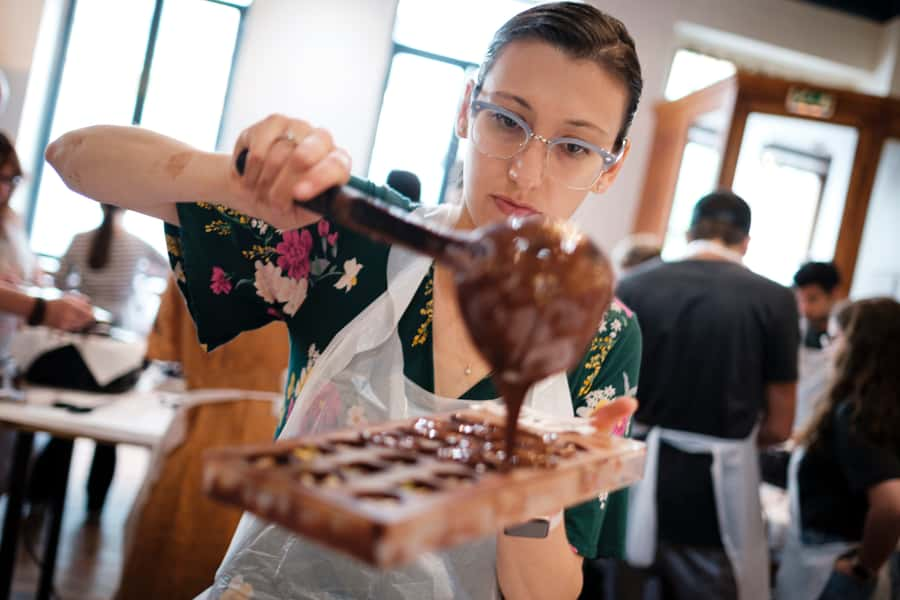
The practical section begins with chocolate work from scratch. You learn basic tempering techniques, an important step for giving chocolate a smooth finish, a firm texture, and a clean break.
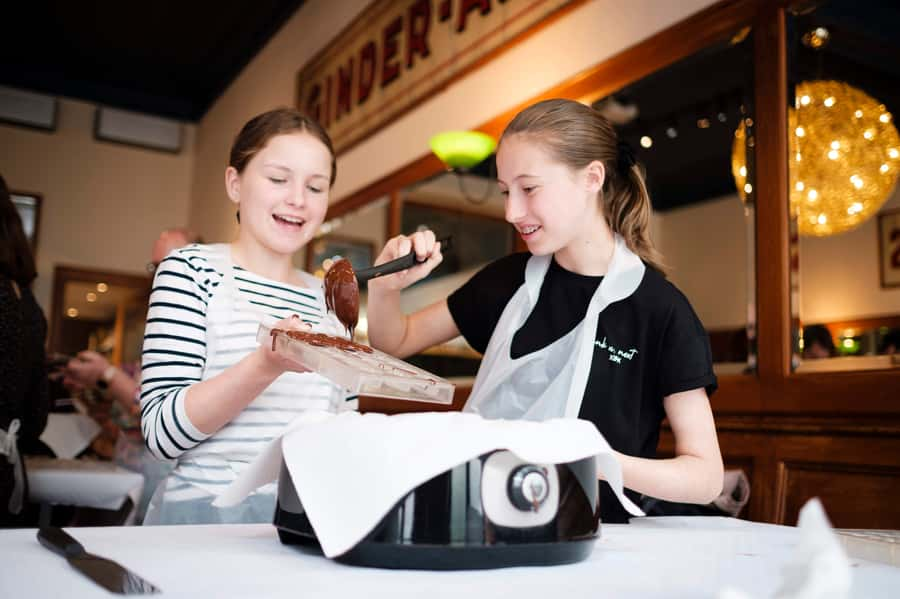
You then prepare ganache, which becomes one of the possible fillings for your pralines. Making the ganache yourself gives the class more substance than simply pouring ready-made chocolate into molds. You are involved in the texture and filling of the bonbons, not only their decoration.
The exact pace will depend on the group and the instructor, but the class is designed to keep you active from start to finish. You receive the ingredients and utensils, along with assistance throughout the session. That makes it approachable even if you have never tempered chocolate before.
You also work with local jam and a selection of local and organic nuts. These choices let you create different combinations rather than producing a row of identical chocolates. The finished batch can reflect your taste, at least within the ingredients provided.
The session includes 300 grams of chocolate per person. That amount becomes the pralines and mendiants you make during the class, so the value is not limited to the instruction. You receive a substantial edible souvenir as well.
More Chocolate Tours around the world:
- Lindt Home of Chocolate Museum Entry Ticket
★ 4.7 · 9,329 reviews - Choco-Story Brussels: Chocolate Museum Entrance with Tasting
★ 4.3 · 4,883 reviews - Zurich: City Tour, Cruise, and Lindt Home of Chocolate Visit
★ 4.5 · 4,624 reviews - The Chocolatarium Chocolate Tour Experience in Edinburgh
★ 5.0 · 4,322 reviews
Making about 21 pralines in Belgian style
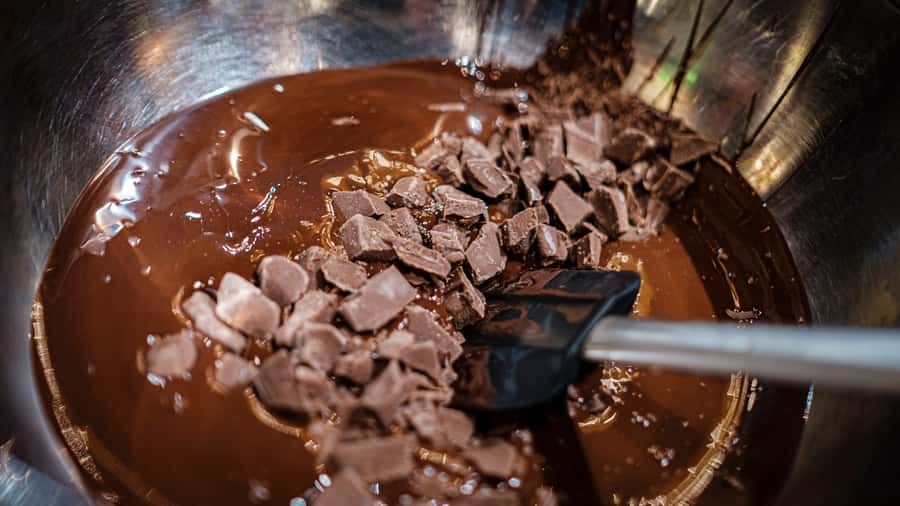
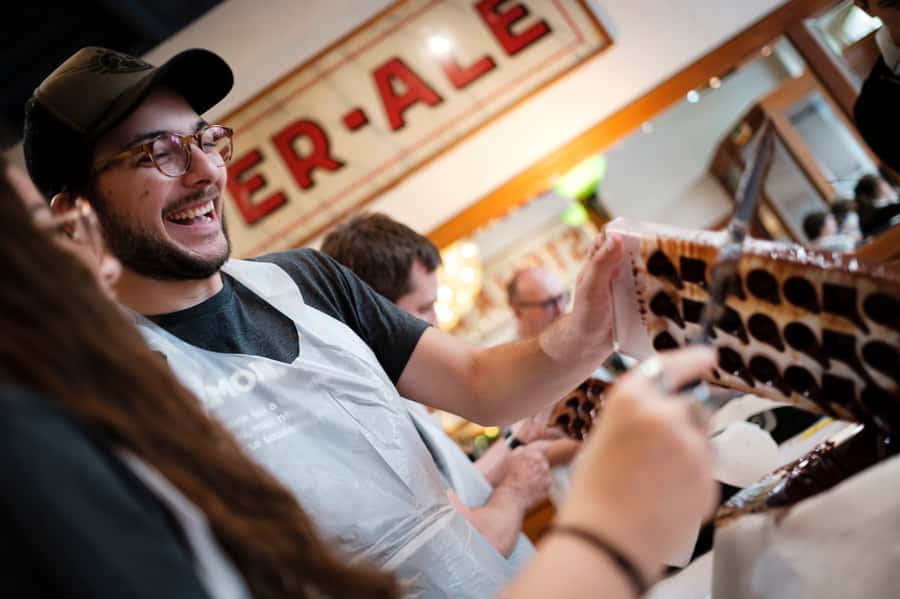
Pralines are the main project. In this context, they are filled chocolate bonbons made in a Belgian style. You learn how to fill and finish them, using your ganache, local jam, nuts, and other available toppings.
The number is generous. You can expect about 21 pralines, although the precise result may vary with the size and shape of your pieces. That makes the workshop a good choice for couples, friends, or families with older children who want something to share later.
The work is tactile and a little messy, which is part of the fun. Chocolate preparation rewards patience. If the temperature or handling is not perfect, the pieces may not look like they came from a professional pastry counter. That is not a serious problem here. The point is to understand the process and enjoy the result you made yourself.
The instructors offer help from beginning to end. You do not need to arrive with specialist kitchen skills. Still, pay attention during the demonstrations, especially when tempering and filling. Those are the parts most likely to affect the final texture and appearance.
If presentation matters to you, do not rush the decorating stage. Small choices in the toppings can make the box look much better. You can also use this part of the class to ask questions about the cacao and the ingredients, rather than treating the session as a simple assembly line.
Decorating mendiants with local nuts and toppings
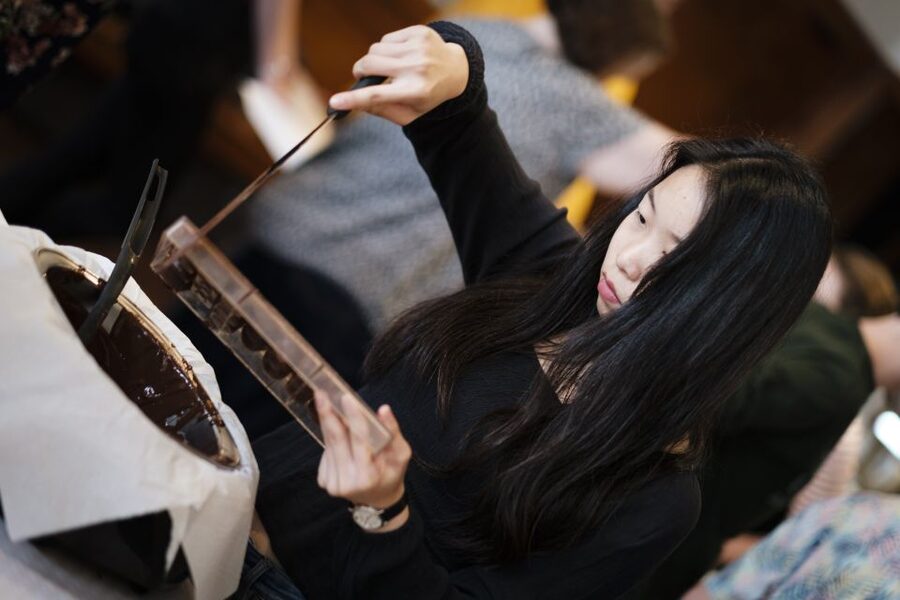
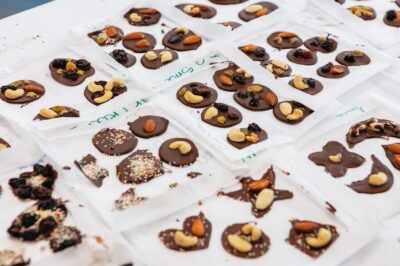
Alongside the pralines, you make about 10 mendiants. These are simpler chocolate discs finished with toppings such as nuts and other ingredients supplied during the class.
Mendiants are a useful contrast to the filled bonbons. The pralines require more attention to shells and fillings, while the mendiants let you focus on the chocolate, arrangement, and decoration. Together, the two projects give you different ways to work with the same cacao.
The use of local and organic nuts adds a Peruvian touch to what could otherwise be a standard European confection. Homemade local jam also gives you a chance to try combinations that you would not normally make at home.
You should not expect a huge buffet of unlimited ingredients. The activity promises an extensive variety of local and organic nuts and several filling options, but the exact selection is not specified. Think of it as a guided choice of toppings rather than an open-ended pastry kitchen.
This part is especially good for taking photographs before the chocolate is packed. The contrasting toppings make the mendiants easy to personalize, and the city view behind the work table gives the activity a memorable setting.
Hot chocolate and a sweet pause during the class
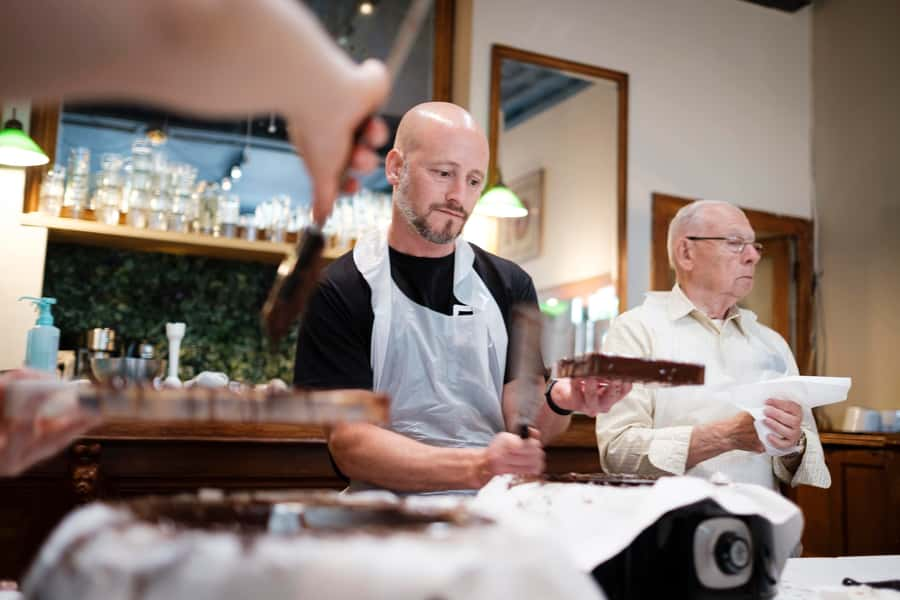
Hot chocolate is included, but it is not just a drink handed to you while someone else cooks. You learn how to make it and then taste it during the workshop.
That is a small but worthwhile detail. The class shows two sides of chocolate: a drink that is warm and immediate, and bonbons that require cooling, shaping, and decoration. It also gives you a chance to compare the cacao in a softer, more familiar form.
The hot chocolate has been one of the more praised parts of the experience. If you are visiting Cusco in cool weather, it should fit the moment well. Just remember that this is an instructional tasting, not a café stop with an unlimited beverage service.
Filtered water is included too. That is practical during a hands-on session, especially if you are spending two and a half hours tasting chocolate and working with sweet fillings.
Packing your handmade chocolate to take home
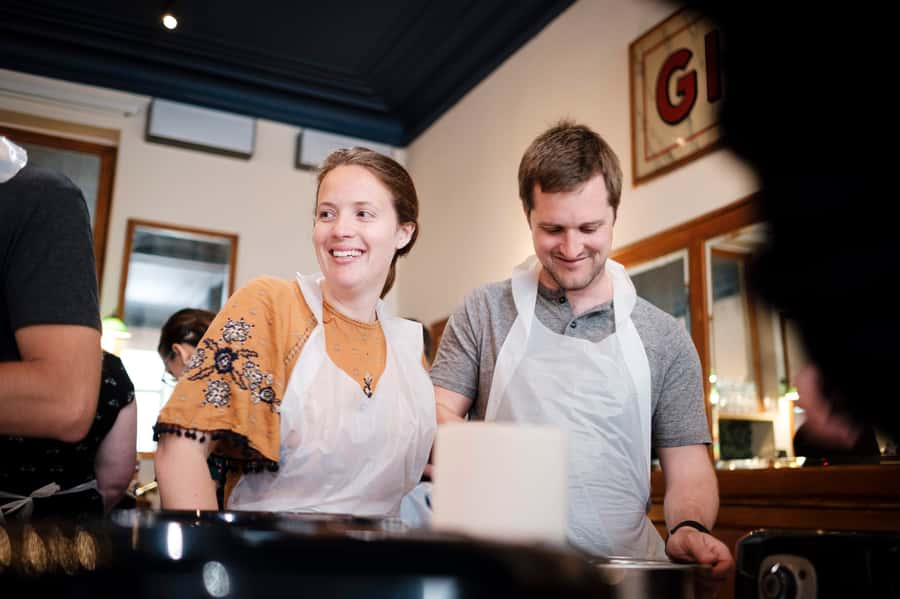
At the end, your pralines and mendiants are placed in a personalized box. You take home around 21 pralines and 10 mendiants, or roughly 300 grams of chocolate in total.
This is where the class earns much of its value. At $47 per person, you are paying for instruction, ingredients, equipment, hot chocolate, and a sizable edible souvenir. It is not the cheapest chocolate tasting in Cusco, but it offers more than a short sample flight.
The box also solves a common problem with food activities: the experience ends when the tasting ends. Here, you have something to share with family or friends after returning home. The chocolates may not have the uniform finish of a professional chocolatier’s box, but their personal character is the point.
Pack them carefully in your luggage and be mindful of heat. The provided information does not specify special transport packaging or temperature control, so you should ask the instructor for advice if you are carrying them onward to a warm destination.
Who will enjoy this chocolate workshop most
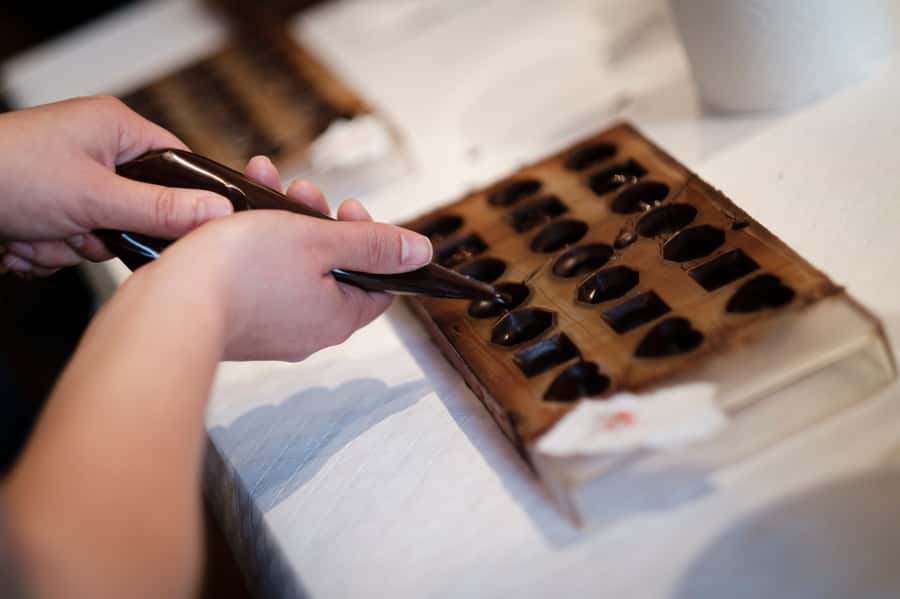
I would choose this activity if you want a social, creative break from Cusco’s museums, churches, and archaeological sites. It suits couples, friends, and families with children aged 12 or older who enjoy food and do not mind getting their hands dirty.
It is also a good fit for anyone interested in Peruvian ingredients but unable to visit a cacao-growing area. You will not see a plantation, yet you will work with a cacao variety from the Cusco region and hear why it matters.
The class is less suitable if you want a full bean-to-bar production tour. The missing roasting and bean-opening stage is the biggest limitation. It is also not suitable for children under 12, unaccompanied minors, or people with diabetes.
The language choice is helpful. Instruction is available in English, Spanish, and French, so you can book with more confidence if one of those languages works for you. The friendly style may also help if you are nervous about handling chocolate for the first time.
Timing, cancellation, and practical details
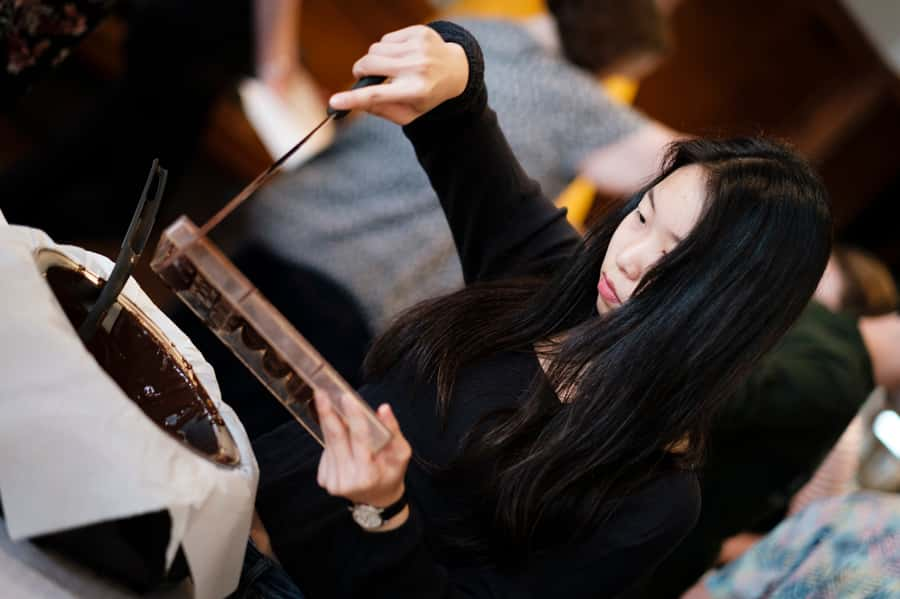
The workshop lasts 150 minutes, or two and a half hours. Starting times vary, so check availability for your chosen date before booking.
There is no pickup. You meet at Limbus Restobar and use the reception desk to find the class. Build a little extra time into your plans so you are not arriving flustered before the introduction begins.
You can cancel up to 24 hours in advance for a full refund. A reserve-now, pay-later option is also available, which helps if your Cusco schedule depends on weather, altitude adjustment, or changing sightseeing plans.
The experience has a 4.5 rating based on 23 reviews. Most of the praise centers on the friendly instructors, the interactive format, the hot chocolate, the city view, and the amount of chocolate taken home. One cancellation complaint is worth keeping in mind: if the provider cancels shortly after booking, confirm that your refund has been processed rather than assuming it happened automatically.
Should you book the Cusco chocolate workshop?
Book it if you want to make something with a local Peruvian ingredient, meet an upbeat instructor, and leave with a box of your own chocolates. The view from Limbus Restobar, the Chuncho cacao, and the generous quantity of pralines and mendiants make the $47 price reasonable for a two-and-a-half-hour activity.
Skip it if your main goal is to see cacao beans roasted, opened, and processed from the raw stage. That part is not included. You should also choose another activity if you are traveling with children under 12 or need to avoid sweet chocolate for health reasons.
For most food-minded visitors, this is a pleasant and practical Cusco experience. You get a taste of local cacao, a lesson you can repeat at home, and a souvenir that is much more personal than a packaged bar from a shop.
FAQ
How long does the chocolate workshop last?
The workshop lasts 150 minutes, or two and a half hours.
How much does the workshop cost?
The price is $47 per person.
Where does the workshop meet?
You meet at Limbus Restobar in Cusco. At reception, say you are attending the chocolate workshop, or el taller de chocolate, and the receptionist will direct you.
Is hotel pickup included?
No. You need to make your own way to Limbus Restobar.
What languages are available?
The workshop is offered in English, Spanish, and French.
How much chocolate can I take home?
You receive 300 grams of chocolate per person. This generally produces around 21 pralines and 10 mendiants.
What will I make during the class?
You will make Belgian-style pralines and mendiants from scratch. You will also prepare ganache and work with fillings, local jam, nuts, and other toppings.
Is hot chocolate included?
Yes. You learn how to make hot chocolate and taste it during the workshop.
Can children join the workshop?
Children under 12 are not allowed. Unaccompanied minors are also not allowed, and spectators cannot attend without participating.
Is the workshop suitable for people with diabetes?
No. The experience is listed as unsuitable for people with diabetes.
Can I cancel for a refund?
Yes. You can cancel up to 24 hours in advance for a full refund. A reserve-now, pay-later option is also available.
Freshly tempered around the world
- Zurich Open-top Tour and Chocolate and Cheese Countryside★ 3.5 · 11 reviews
- Zurich: Chocolate Tasting and Walking Tour with a Local★ 4.2 · 13 reviews
- Lindt Chocolate Museum with Cruise Transfer from Zurich★ 4.6 · 7 reviews
- Zagreb: Lake Bled and Ljubljana Day Tour with Chocolate Gift★ 5.0 · 26 reviews
- York: Introduction to Chocolate Making Experience★ 4.9 · 10 reviews
- Zaandijk-Near Zaanse Schans Chocolate making demo & tasting★ 4.8 · 13 reviews
- Private Wine and Chocolate Tasting Experience★ 4.4 · 3 reviews
- Yarra Valley: Wine and Chocolate tasting tour.★ 5.0 · 5 reviews
More Chocolate Making Workshops to compare.
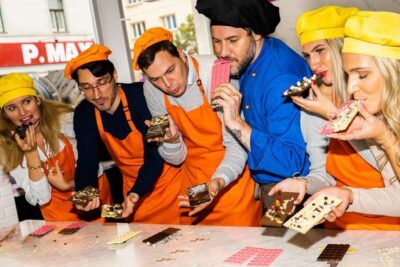
Vienna: Chocolate Workshop in Chocolate Museum w/ Tasting
Read our review →
Brussels: Belgian Chocolate Making Workshop with Tastings
Read our review →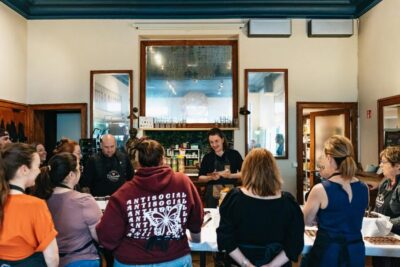
Brussels: 2.5-Hour Belgian Chocolate Making Workshop
Read our review →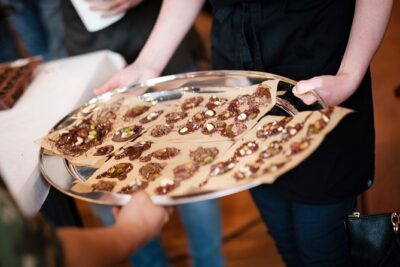
Bruges: Belgian Praline and Mendiants Chocolate Workshop
Read our review →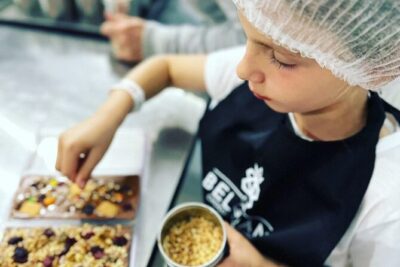
1.5h Belgian Chocolate Workshop in Brussels (bean to bar)
Read our review →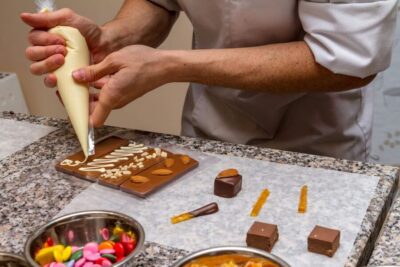
Paris: 45-minute Chocolate Making Workshop at Choco-Story
Read our review →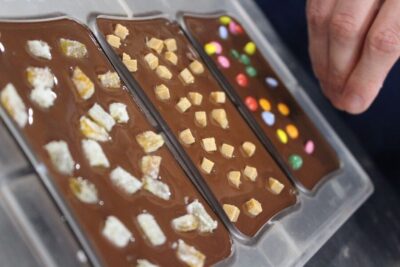
York: Chocolate Bar Making Workshop at York Cocoa Works
Read our review →Chocolate lists with this tour