
Review · CHOCOLATE MAKING WORKSHOPS
Vienna: Chocolate Workshop in Chocolate Museum w/ Tasting
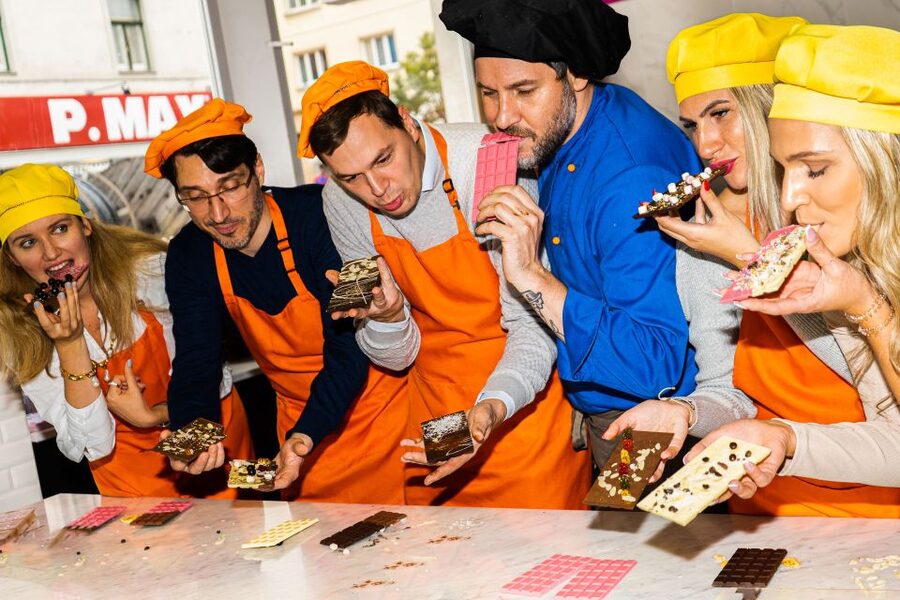
Chocolate museums often mean watching someone else make the sweets. Here, you do the making. In about 90 minutes, you taste different chocolates, use a professional tempering machine, decorate three full-size bars, and mix a hot chocolate based on an Aztec recipe.
I like the generous take-home haul and the relaxed teaching style. Instructors such as Janya, Dimi, Tania, and Selma have been praised for being patient and lively with both children and adults. The main drawback is that the museum itself is small, and the workshop is more about assembling and decorating chocolate than making it from cacao beans.
Key points to know before booking
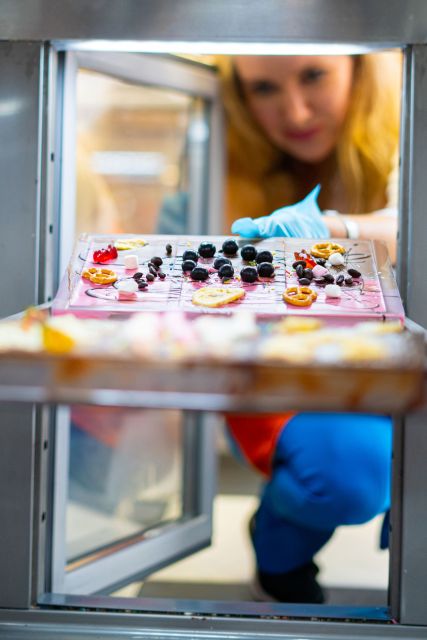
- Three full-size chocolate bars: Choose your chocolate and add toppings such as granola, gummy sweets, and other decorations.
- A hands-on tempering lesson: Use a professional machine, but do not expect a course in tempering chocolate at home.
- Aztec-style hot chocolate: Prepare and taste the original Xocolate using cocoa, sugar, milk powder, and traditional tools.
- Good for mixed-age groups: Children, teenagers, adults, and seniors can all take part, though children under 10 need a ticketed adult.
- A small museum with interactive touches: The workshop is the main event, while the museum adds context and photo opportunities.
- Easy U-Bahn access: From Pilgramgasse on the green U4 line, it is about a three-minute walk.
Three chocolate bars instead of a museum demonstration
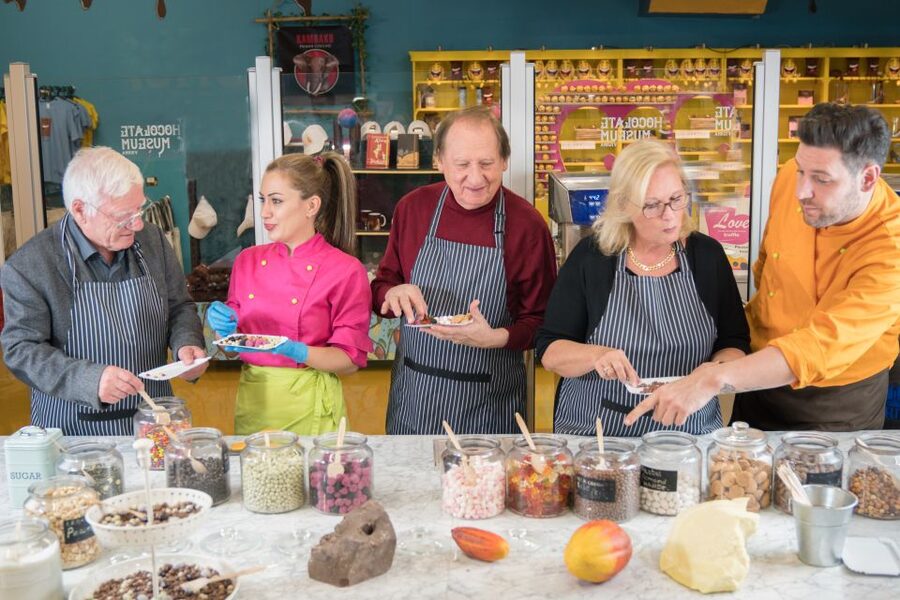
The best reason to book this activity is simple: you leave with chocolate you made yourself. Each participant creates three bars, choosing from available types and decorating them with toppings. That gives the workshop a more personal feel than a standard museum visit where you only watch a demonstration.
The bars are not tiny samples. Several participants have found the take-home amount a strong part of the value, especially for families paying for more than one person. You get to make separate choices for each bar, so you can keep one simple, load another with toppings, and experiment with a third.
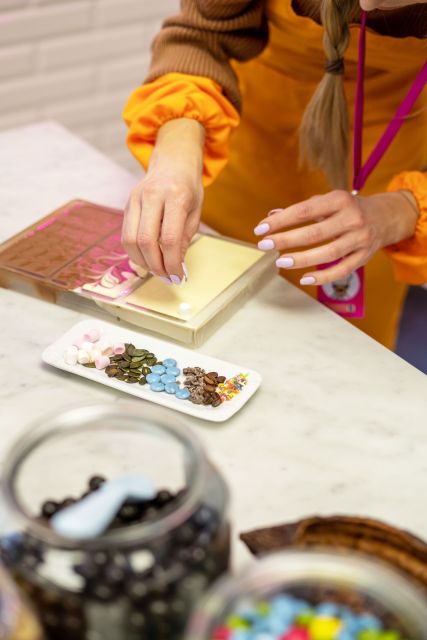
The process looks easy, but pouring chocolate evenly into a mold takes a little care. That is part of the fun. You spread the chocolate, add decorations, and let the bars chill before taking them away. The short cooling period also gives the session a clear rhythm, rather than leaving you standing around with nothing to do.
You may be offered dark, milk, white, and pink chocolate, depending on the session’s available selection. Milk chocolate has been a popular choice for its smooth taste. White chocolate is sweeter, while dark chocolate can taste quite bitter if you prefer a gentler bar. If you are making three, this is a good chance to compare rather than committing all your chocolate to one style.
More Chocolate Making Workshops in the world:
- Brussels: Belgian Chocolate Making Workshop with Tastings
★ 4.7 · 1,629 reviews - Brussels: 2.5-Hour Belgian Chocolate Making Workshop
★ 4.8 · 933 reviews - Belgian Chocolate Workshop in Bruges
★ 5.0 · 660 reviews
What happens during the 60-minute workshop
The hands-on part lasts approximately 60 minutes, though the full visit is advertised at about 90 minutes. The session begins with an introduction to cacao and the main types of chocolate. Your chocolatier explains how the materials behave, gives a demonstration, and offers tastings before you start making anything.
This opening matters because it gives you a little context without turning the activity into a lecture. You learn about the origins of cacao, the differences between chocolate types, and the seven steps of chocolate consumption. The teaching is aimed at ordinary visitors, not aspiring pastry chefs, so you do not need previous kitchen experience.
Next comes the professional chocolate tempering machine. You get to see and use equipment that controls the chocolate’s temperature and texture. This is a fun professional touch, but keep your expectations in check. The workshop does not take chocolate from cacao bean to finished bar, and it does not teach you how to temper chocolate at home.
That limitation is worth knowing before you book. If you want a technical pastry class, this will feel light. If you want a guided activity where you can make attractive, tasty souvenirs without specialist skills, the format works well.
The instructor stays nearby to help with pouring, spreading, and decorating. This support is especially useful when children are in the group, since the chocolate must be handled carefully and the molds need to be filled neatly. The teaching style has generally been described as clear, patient, and cheerful. Names associated with the workshop include Janya, Dimi, Tania, Selma, and Jan, though your instructor depends on the date.
Decorating your bars with your own style
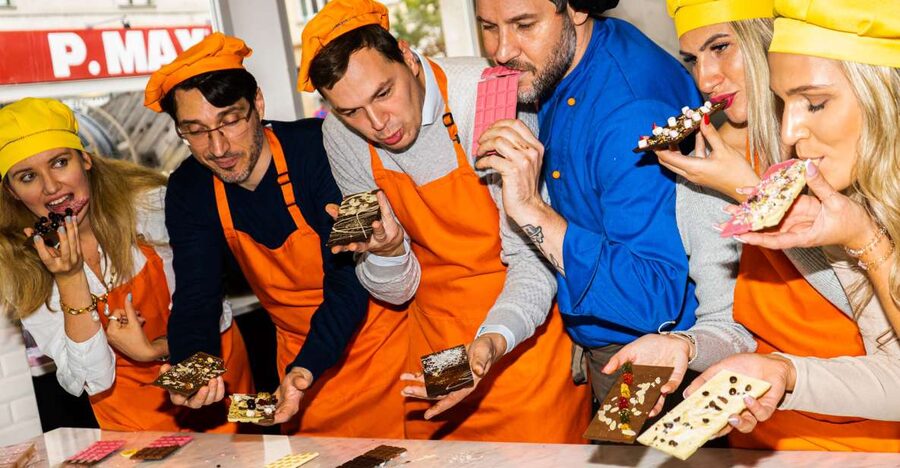
The decorating stage is where the workshop becomes less like a lesson and more like a creative activity. You choose toppings and decide how much is enough. Some combinations are familiar, while others can be playful. Granola and gummy sweets have been particular favorites, but the available choices can vary.
You do not need an artistic eye. The appeal is in making a bar that looks like yours, even if the toppings land a little unevenly. Children can take control of the design, while adults may have fun trying to create a bar that does not look like it was made by a child.
This is also a good activity for families with different interests. One person can focus on the chocolate tasting, another on the history, and another on the decorations. Since everyone makes individual bars, you are not forced to share one group project.
Once the bars are chilled, you take all three with you. Bring a small bag if you have one, though the activity provides what you need for the workshop itself. The chocolate will be more comfortable to transport if you avoid leaving it in a hot car or direct sun afterward, but the supplied details do not promise special travel packaging, so plan accordingly.
The Aztec hot chocolate is more than a sweet drink
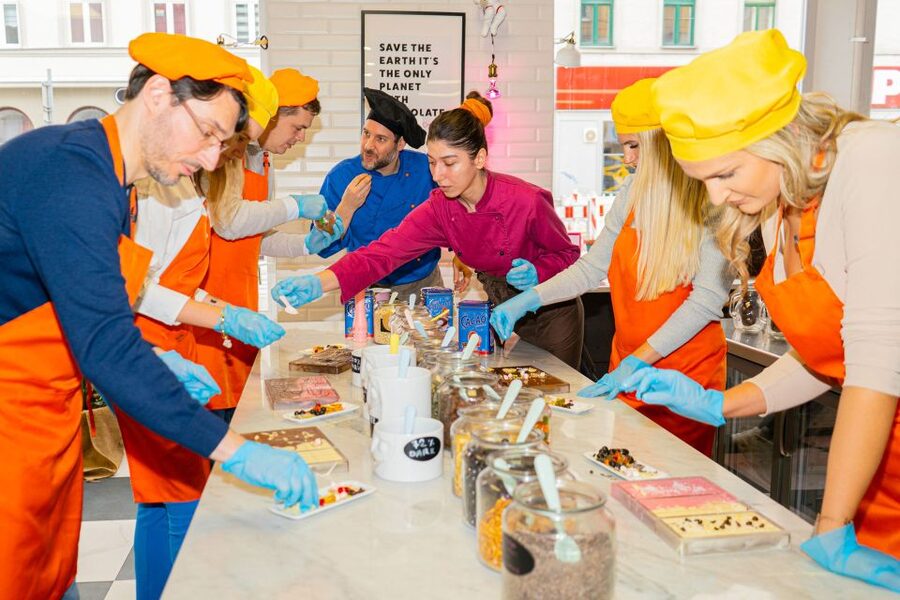
The second hands-on part is preparing a hot chocolate based on an Aztec recipe. This is not simply a cup poured from a dispenser. You use cocoa, sugar, and milk powder, along with traditional tools and techniques, to create the drink.
The recipe is presented as the original Xocolate, and it gives the session a historical angle that a normal chocolate tasting would miss. You get a chance to think about how hot chocolate began as a different kind of drink before it became the sweet café favorite familiar across Europe.
The result is described as thick, rich, and delicious, though the exact balance depends on how the recipe is prepared. It is a welcome contrast to the bars, since you are tasting chocolate in liquid form and learning how ingredients change its character.
I especially like this part for adults who might otherwise think the activity is only for children. The drink adds a cultural and historical thread, while the preparation remains simple enough for younger participants to follow.
More Chocolate Museums in the world:
- Lindt Home of Chocolate Museum Entry Ticket
★ 4.7 · 9,329 reviews - Choco-Story Brussels: Chocolate Museum Entrance with Tasting
★ 4.3 · 4,883 reviews - Cologne: Chocolate Museum Entrance Ticket
★ 4.4 · 2,790 reviews - Brussels: Chocolate Museum Visit with Workshop
★ 4.6 · 1,474 reviews
The small museum adds context, not a full museum day
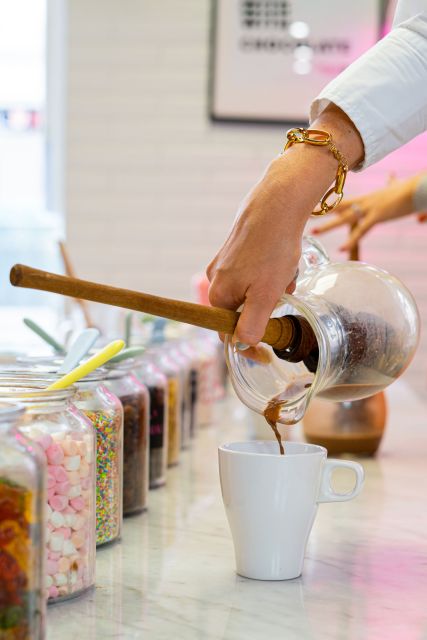
Your workshop ticket includes entry to Chocolate Museum Vienna, also called the BO-YO Chocolate Museum. The museum visit takes about 15 minutes, according to the activity details. Expect an intimate, interactive display rather than a major collection that requires several hours.
The museum explains the origins of cacao and includes playful elements, including photo opportunities. It works best as a short follow-up to the workshop, when you already have chocolate in your hands and a better sense of what the displays are showing.
Do not book this mainly for the museum. Its size is one of the clearest limitations of the experience. The displays provide useful background, but the information and activities in the workshop carry more weight. If you want a large museum with extensive historical exhibits, this will feel modest.
On the other hand, the small scale is useful when you are traveling with children or fitting the activity between other Vienna sights. You can explore it without giving up half a day, and the interactive features keep it from feeling like a wall of text.
Is $55 a fair price?
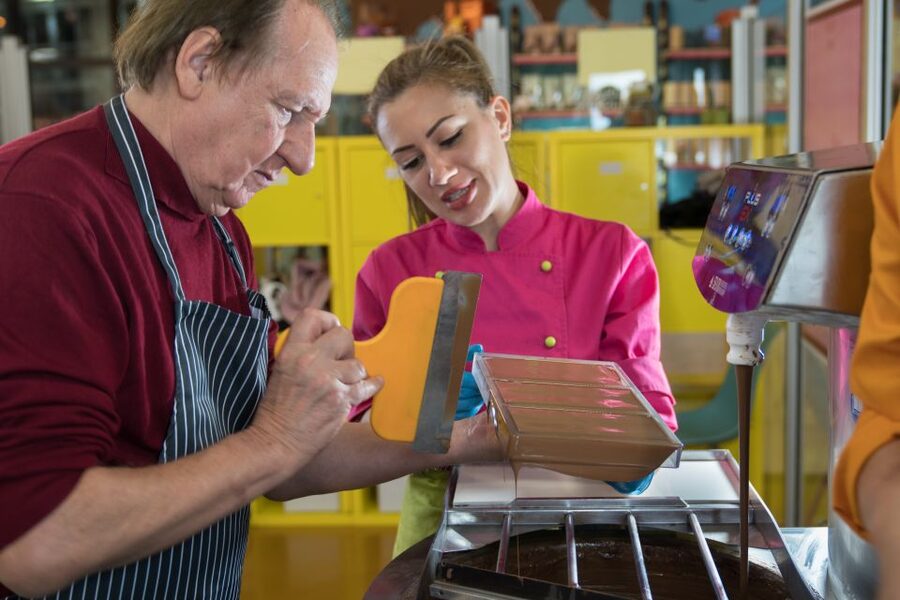
At $55 per person, this is not a cheap chocolate purchase. You could buy excellent Austrian chocolate for less. The price makes more sense when you count what is included: museum admission, tastings, snacks, ingredients, equipment, instruction, the hot chocolate activity, three handmade bars, and a signed certificate.
The value is strongest for families and for anyone who wants an activity rather than another souvenir stop. Every participant makes three bars, so a family of four leaves with twelve bars, plus the shared memory of making them. That is a substantial amount of chocolate, though you should still compare the cost with other Vienna workshops before booking.
For a solo visitor, the decision is less obvious. If you love chocolate and enjoy guided activities, the hands-on format may justify the price. If you mainly want to taste Austrian sweets, a café visit or chocolate shop will cost less and give you more freedom.
The certificate is a pleasant extra, especially for children. It is not a serious professional qualification, but it gives the workshop a satisfying finish. The main value is the activity itself and the chocolate you take home, not the paper.
Who will enjoy this most?
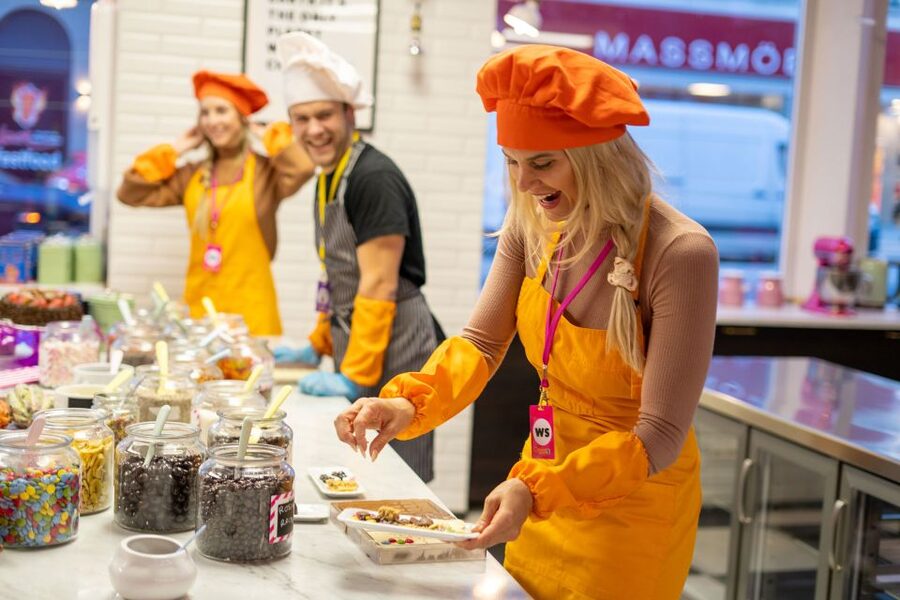
This workshop suits families particularly well. Children can decorate their own bars, watch the chocolate being prepared, and make a hot drink with guidance. Children under five are not recommended for the workshop, and anyone under 10 must be accompanied by an adult who also buys a ticket.
Teenagers fit the activity well too. They are old enough to make independent choices about toppings, but the session still has enough movement and tasting to keep it from feeling like a formal class. Adults should not dismiss it as a children’s outing. Mixed-age groups have found the activity enjoyable, and the history and tasting elements give grown-ups something to follow.
Couples and friends can also make good use of the 90 minutes. The session can feel especially relaxed when the group is small, but the staff are used to handling larger groups. The atmosphere depends partly on the number of people booked, so do not assume you will receive a private class.
This is less suitable for someone seeking advanced chocolate technique. You will not produce chocolate from beans, learn factory-style production, or receive a detailed home-tempering lesson. Think creative workshop, guided tasting, and cultural introduction, not pastry school.
Getting to Chocolate Museum Vienna
The meeting point is on the corner of Schönbrunner Straße and Reinprechtsdorfer Straße. From Pilgramgasse station, it is about a three-minute walk. Pilgramgasse is served by Vienna’s green U4 line, and buses 14A and 12A stop directly in front of the museum.
That makes the activity easy to fit into a Vienna day. You do not need to plan a complicated trip across the city, and the short walk from the U-Bahn is useful if you are carrying shopping or traveling with younger children.
The museum entrance can be easy to miss if you are watching for a large standalone building. Check the corner location and allow a few minutes to find the door before your start time. The activity offers skip-the-ticket-line entry, but you still need to arrive ready for the scheduled session.
English and German instruction is available. If you have dietary concerns or questions about ingredients, ask the staff before beginning, since the supplied information does not list every topping or ingredient used.
Timing, cancellation, and practical details
Plan on roughly 90 minutes for the complete visit. The workshop itself takes about 60 minutes, and the museum takes about 15 minutes. The remaining time allows for transitions, tastings, preparation, and receiving your certificate.
Everything needed for the activity is supplied, including cookware, ingredients, and recipes. You do not need to bring cooking equipment or any prior experience. Wear clothes you can relax in around chocolate, especially if you are bringing children, although no special clothing requirement is listed.
The activity can be booked with a reserve-now, pay-later option. Cancellation is free up to 24 hours in advance for a full refund, while tickets canceled later are described as non-refundable. Check the exact terms attached to your booking before paying, since flexibility matters when you are arranging a packed city break.
Should you book the chocolate workshop?
Book it if you want to make something, not simply look at something. The three bars, the Aztec-style hot chocolate, and the friendly instruction give you a clear activity with a satisfying result at the end.
I would recommend it most to families, couples, teenagers, and chocolate fans who want a short indoor break in Vienna. The small museum alone would not justify the price for me, but the workshop, tastings, take-home chocolate, and certificate make the package much stronger.
Skip it if you are looking for serious chocolate production training or a large museum devoted to cacao. For everyone else, especially on a rainy day or during a family visit, $55 buys a cheerful, hands-on hour and a half with plenty of chocolate to prove you were there.
FAQ
How long does the Chocolate Museum Vienna workshop last?
The full activity takes approximately 90 minutes. The hands-on workshop lasts about 60 minutes, followed by a museum visit of about 15 minutes.
What do you make during the workshop?
You make three chocolate bars, decorate them with your chosen toppings, and prepare a hot chocolate based on traditional Aztec techniques.
Can I take the chocolate bars home?
Yes. You take home all three chocolate bars you make during the workshop.
Is museum admission included?
Yes. The workshop ticket includes admission to Chocolate Museum Vienna, along with tastings, snacks, chocolate decorating, and a certificate.
Do I need cooking experience?
No. The staff provide the cookware, ingredients, and recipes, and instructors guide you through each stage.
Is the activity suitable for children?
The workshop is not recommended for children under five. Children under 10 must be accompanied by an adult, and the adult also needs a ticket.
How do I reach Chocolate Museum Vienna?
From Pilgramgasse U-Bahn station on the green U4 line, the museum is about a three-minute walk. Buses 14A and 12A stop directly in front of the museum. The entrance is on the corner of Schönbrunner Straße and Reinprechtsdorfer Straße.
Freshly tempered around the world
- Zurich Open-top Tour and Chocolate and Cheese Countryside★ 3.5 · 11 reviews
- Lindt Chocolate Museum with Cruise Transfer from Zurich★ 4.6 · 7 reviews
- Zurich: Chocolate Tasting and Walking Tour with a Local★ 4.2 · 13 reviews
- Zagreb: Lake Bled and Ljubljana Day Tour with Chocolate Gift★ 5.0 · 26 reviews
- York: Introduction to Chocolate Making Experience★ 4.9 · 10 reviews
- Zaandijk-Near Zaanse Schans Chocolate making demo & tasting★ 4.8 · 13 reviews
- Private Wine and Chocolate Tasting Experience★ 4.4 · 3 reviews
- Yarra Valley: Wine and Chocolate tasting tour.★ 5.0 · 5 reviews
More Chocolate Making Workshops to compare.
Brussels: Belgian Chocolate Making Workshop with Tastings
Read our review →
Brussels: 2.5-Hour Belgian Chocolate Making Workshop
Read our review →
Bruges: Belgian Praline and Mendiants Chocolate Workshop
Read our review →
1.5h Belgian Chocolate Workshop in Brussels (bean to bar)
Read our review →
Paris: 45-minute Chocolate Making Workshop at Choco-Story
Read our review →
York: Chocolate Bar Making Workshop at York Cocoa Works
Read our review →
Bruges: Chocolate Making Workshop and Chocolate Museum Entry
Read our review →Chocolate lists with this tour