Review · BELGIUM
1.5h Belgian Chocolate Workshop in Brussels (bean to bar)
The most interesting part of this Brussels workshop is that it lets you taste chocolate at several stages, from a fresh cacao pod and bitter raw bean to cacao liquor and finished Belgian chocolate. You then use prepared chocolate to make truffles, mendiants, and a personal chocolate bar, guided by a trained chocolatier.
I like the clear bean-to-bar theme and the generous box of treats you take home. I also like the way instructors such as Patricia and Elisabetta explain the process in a friendly, easy-to-follow way, with enough tasting to make the lesson more than a simple candy-making class.
The main thing to understand is the level of hands-on work. You do not roast, grind, or turn cacao beans into chocolate yourself. You temper, pipe, shape, dip, and decorate chocolate that is ready to use, so anyone expecting full professional chocolate production may find the $76.19 price high.
Key points to know before booking
- Taste cacao at several stages: Try cacao pod juice, raw beans, nibs, cacao liquor, and finished chocolate.
- Make three types of treats: You create mendiants, truffles, and a personalized chocolate bar, then pack them in a gift box.
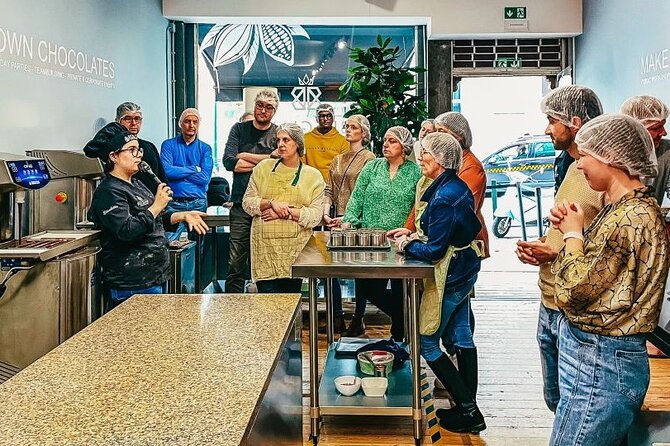
- Watch tempering on marble: The chocolatier demonstrates the technique that gives chocolate its snap and shine.
- Allow time for the walk: Check-in is at Place de la Justice, then staff lead you to the training centre. The two locations are not the same.
- Choose VIP for extras: The upgrade includes a glass of champagne and an embroidered apron.
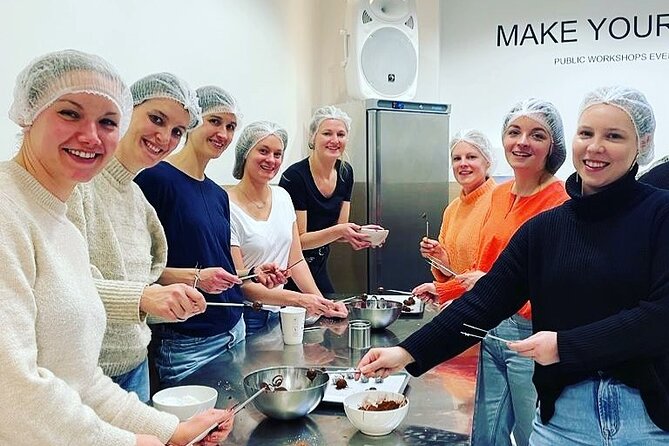
- Expect a group class: The air-conditioned centre can hold up to 60 people, though some sessions may be much smaller.
Starting at Place de la Justice
Your meeting point is The Belgian Chocolate Makers booking desk at Place de la Justice 5, 1000 Brussels. This is a convenient central location, close to public transport and within easy reach of several major sights.
One practical detail matters: the booking desk is not the workshop room. After check-in, staff lead the group to the training centre. The walk is short enough for most people, but you should arrive a few minutes early because the group leaves on time. If you walk slowly or need extra help on stairs, tell the staff at check-in and position yourself near the front.
The workshop takes place in a new 170-square-metre training centre. It is clean, air-conditioned, and fitted for practical chocolate work. The room can hold up to 60 people, so the atmosphere depends on the date and time. Some classes are intimate, while others may feel like a busy demonstration with many workstations.
Sessions are normally offered at 11 AM, 2 PM, and 5 PM. The class lasts about 90 minutes, though one small group finished in roughly 75 minutes. I would keep two hours free once you include check-in, the walk, and packing your chocolate.
You receive a hairnet and must wear it during the class. The room can feel cool, so bring a light layer. Water dispensers and a disabled-access toilet are available at the centre.
More Chocolate Making Workshops in Belgium
- Brussels: Belgian Chocolate Making Workshop with Tastings
★ 4.7 · 1,629 reviews - Brussels: 2.5-Hour Belgian Chocolate Making Workshop
★ 4.8 · 933 reviews - Brussels: Chocolate Truffle & Belgian Hot Chocolate Workshop
★ 4.7 · 367 reviews
Tasting cacao before it becomes chocolate
The workshop begins with the raw material. You hold a fresh cacao pod and taste cacao beans straight from the fruit. You may also try the pod juice, called mucilage, along with cacao nibs and cacao from several origins.
This is a useful part of the class because it corrects a common idea: cacao does not taste like a chocolate bar when it comes from the fruit. A raw cacao bean is intensely bitter, and the tasting gives you a sharper sense of the work involved before chocolate becomes smooth and sweet.
You also taste pure cacao liquor. Despite the name, this contains no alcohol. It is a natural paste made from cacao, and it offers a strong, direct taste of the ingredient used in chocolate production.
The session may compare dark, milk, and white chocolate, as well as cacao from different countries. You learn about origin, sustainability, and the company’s use of organic cacao from small farmers with traceable origins. That information adds meaning to the tasting without turning the class into a long lecture.
One small practical tip: the raw cacao tasting can leave a very bitter flavor in your mouth. Water is available, but a VIP glass of champagne may be the more festive palate cleanser. The champagne is not essential, but it makes the opening feel more special.
Watching tempering on a marble table
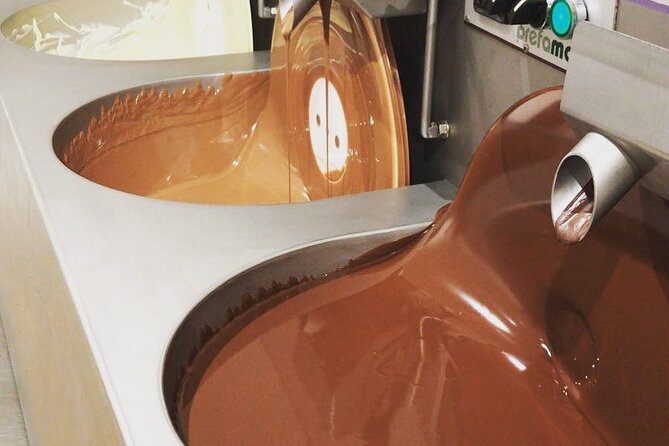
The chocolatier demonstrates tempering, one of the key skills in chocolate work. Chocolate is heated and cooled in a controlled way so the cocoa butter crystals form properly. Done well, the finished chocolate has a clean shine, a firm snap, and a smoother texture.
You watch the chocolate being worked on a marble table, then use prepared chocolate for your own creations. This is where expectations matter. You are learning the principles and practicing the finishing work, but you are not carrying out the complete bean-to-bar process from raw cacao.
That limitation is reasonable for a 90-minute introductory class. Full chocolate production would require far more time and equipment. Still, if you book because you want to roast beans, grind nibs, or formulate your own chocolate recipe, this is not that kind of course.
The instructor explains the steps clearly and shows you how to handle the chocolate without making a sticky mess of everything. You will probably get chocolate on your clothes, so wear something practical.
Making mendiants and a personalized bar
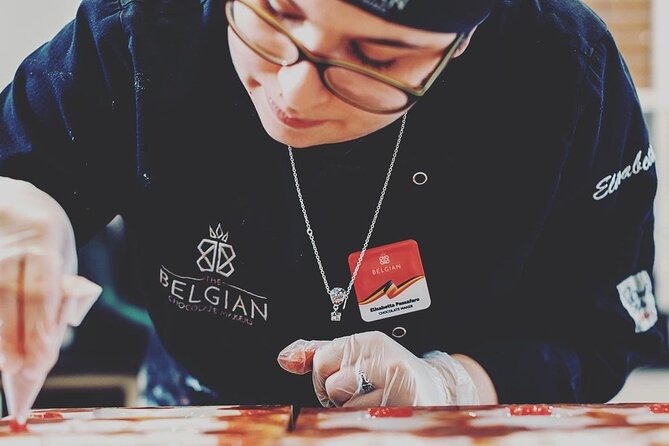
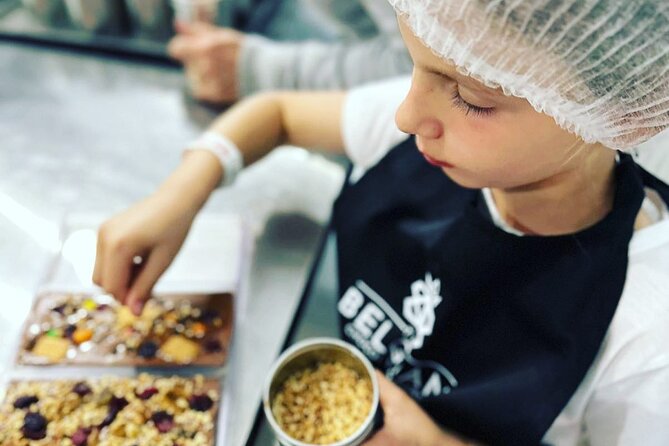
The first creation is usually a chocolate bar made in a mold. You squeeze melted chocolate from a paper funnel into the mold, then add toppings of your choice. The result is personal rather than technically demanding, which makes it a good first task for children and beginners.
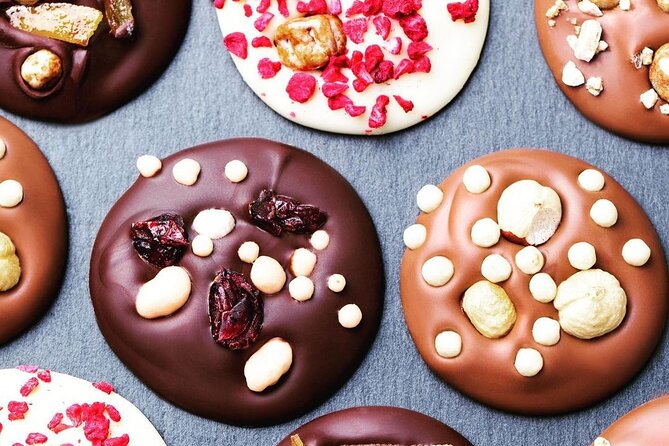
You also make mendiants. These are small chocolate discs decorated with toppings. The process gives you room to choose the look and finish, even if the base chocolate has already been prepared.
The final appearance depends on your own decorating skills. You will not leave with factory-perfect pieces in every case, but the chocolates can look surprisingly polished once packed. More important, you can see how small choices in shape and toppings change the result.
Some comments about the class note that the chocolate used for the creations may be mainly dark chocolate. The company says milk chocolate is also provided, but availability can vary if equipment is not working. If you are booking for children who prefer sweet milk chocolate, ask about the current chocolate selection before you begin.
More Chocolate Making Workshops in Brussels
- Brussels: Chocolate Workshop and Guided Walking Tour
★ 4.6 · 263 reviews - 1.5h Hands on Chocolate Workshop: Truffles & Tasting
★ 4.5 · 76 reviews - Chocolate Workshop and Self-Guided Museum Visit at Choco-Story in Brussels
★ 4.5 · 72 reviews - Brussels: Make Your Own Chocolates Workshop with Tastings
★ 4.8 · 38 reviews
Rolling and dipping the truffles
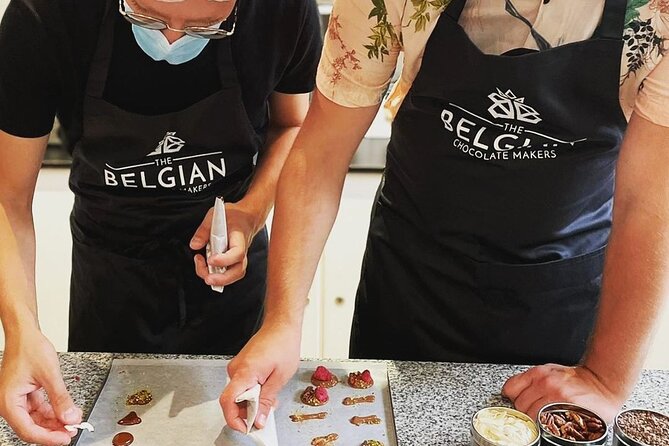
For the truffle portion, you receive prepared truffles to dip in chocolate. You can then roll or coat them in coconut or chocolate powder.
This is the most tactile part of the class. It is also where you can make a mess, so do not worry about perfect shapes. The instructor helps with the technique, and the process is simple enough for children who can follow directions.
The activity does not involve making a truffle filling from scratch. You are coating and decorating prepared truffles. That may disappoint anyone looking for a pastry-school lesson, but it keeps the class moving and lets you complete several different treats within the short format.
The variety is one of the strongest points of the experience. Instead of spending 90 minutes on one recipe, you leave having practiced molding, piping, dipping, topping, and shaping.
Packing the box of chocolate
At the end, you pack your mendiants, truffles, and chocolate bar in a gift box. The box is part of the value of the activity. You are not simply tasting samples and walking away with a memory. You have a physical collection of sweets to enjoy later or share with someone at home.
The amount can feel generous for a short workshop, particularly when the class is small and the instructor has time to help with individual creations. Bring a way to protect the box if you plan to carry it around Brussels for the rest of the day. The class does not list special transport packaging beyond the gift box.
You also receive 20 percent off the chocolate collection in-store after the workshop. That can be useful if you want to buy gifts or compare the finished products with what you made. Keep in mind that the discount encourages another purchase, so include it in your budget rather than treating it as part of the workshop price.
The ruby chocolate question
Ruby chocolate is listed as one of the workshop highlights, with an explanation of how its pink color is made. However, at least one class experience did not include a ruby chocolate sample or a clear explanation of its production.
I would treat ruby chocolate as a possible feature, not a guaranteed centerpiece. If tasting or learning about ruby chocolate is the main reason you want to book, contact the provider before paying. The cacao tasting, tempering lesson, and three creations are the more dependable parts of the program.
Choosing the VIP upgrade
The VIP option includes a welcome glass of champagne and an embroidered apron with the company logo. The apron is not included in the standard price.
I see the upgrade as a souvenir choice rather than a major improvement to the chocolate lesson. The champagne adds a celebratory touch, especially for a birthday, holiday, or couples’ outing. The apron is useful during the activity and more useful afterward if you plan to cook at home.
One practical note: if the raw cacao tasting leaves you wanting something to drink, the standard experience still has water dispensers, but the champagne gives you a more enjoyable break. I would choose VIP for a special occasion, not because it changes the core instruction.
Is $76.19 good value?
At $76.19 per person, this is not a cheap tasting. You are paying for an English-language lesson, an instructor, the cacao samples, equipment, several chocolate-making activities, a gift box, and access to a central Brussels experience.
The value is strongest if you want a hands-on activity with something edible to take home. A simple chocolate tasting would cost less, but it would not give you the chance to make and decorate three kinds of treats. The class also works well on a rainy afternoon or when you want a break from churches, museums, and walking tours.
The value is weaker if you judge the price by how much actual chocolate production you perform. You do not start with beans and create finished chocolate from scratch. The workshop is an introduction to chocolate handling and cacao education, not a professional course.
I would also compare the price with your group. For a family, the cost adds up quickly, though children often enjoy the decorating and tasting. For a couple or a chocolate-focused adult, the experience may feel more worthwhile, especially with the VIP apron and champagne.
Who will enjoy this workshop most?
This class suits adults who like food activities, families with children who can follow workshop instructions, and anyone looking for a central Brussels activity that does not depend on good weather.
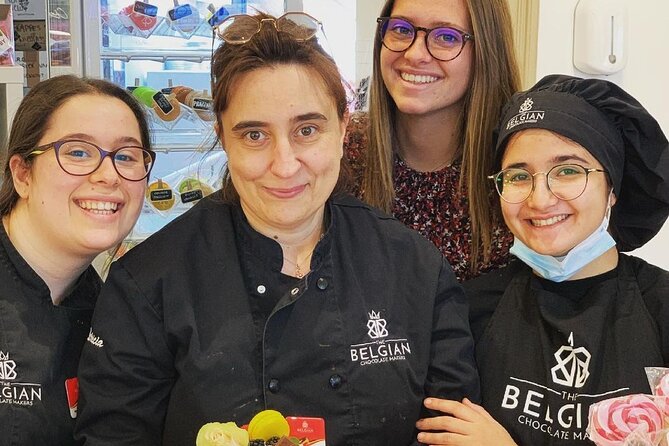
It is especially useful for first-time chocolate makers. The steps are simple, the instructors explain the process in plain English, and you do not need previous kitchen experience. Patricia has received particularly warm praise for making the class welcoming and for working comfortably with both adults and children. Elisabetta has also led detailed, informative sessions.
The workshop may not suit you if you have a severe food allergy. The activity involves several chocolate products and shared workshop conditions, and the provider specifically says it is not suitable for severe allergies. If you have a less serious food concern, mention it at the start. One instructor has been able to mark containers for participants with food allergies, but you should not assume every issue can be accommodated.
The centre has a disabled-access toilet, but the walk from check-in and stairs on the route may create difficulties. Contact the provider before booking if you need step-free access.
A practical schedule for your Brussels day
The 11 AM class works well if you want to spend the afternoon around central Brussels. The 2 PM session is a natural midday break, though you should allow enough time to reach the booking desk before the walk to the training centre. The 5 PM session can be a fun end to a day of sightseeing, with your boxed chocolate ready to take back to your hotel.
Because the group may leave the booking point at the scheduled time, do not arrive at Place de la Justice at the last minute. The mobile ticket is convenient, and confirmation is sent when you book, but a phone ticket does not remove the need to be punctual.
Free cancellation is available if you cancel at least 24 hours before the start time. Changes or cancellations inside that window are not refunded. The activity also requires a minimum number of participants, so a cancellation by the provider may lead to another date, another experience, or a full refund.
Should you book it?
Book this workshop if you want to taste cacao in its raw form, learn basic chocolate techniques, and take home a box of your own creations. It is friendly, well organized, and short enough to fit into a busy Brussels visit. Patricia and Elisabetta are examples of the personable instructors who can make the class feel relaxed rather than stiff.
Go in with the right idea. You will not make chocolate from bean to bar by yourself. You will learn how cacao becomes chocolate, watch tempering, and work with prepared chocolate to mold, dip, shape, and decorate your treats.
At $76.19, I consider it a fair choice for a food-focused activity, but not an automatic bargain. Families should check the chocolate type and allergy arrangements first. Chocolate enthusiasts who want serious production techniques should choose a longer specialist course. For most visitors seeking a fun, tasty Brussels activity with a useful souvenir, this workshop earns its place on the itinerary.
FAQ
Where does the chocolate workshop begin?
The meeting point is The Belgian Chocolate Makers booking desk at Place de la Justice 5, 1000 Brussels, Belgium.
Does the workshop take place at the booking desk?
No. After check-in, staff lead the group from the booking desk to the training centre. Allow extra time and arrive before the scheduled start.
How long does the experience last?
The listed duration is approximately 1 hour and 30 minutes. A small group may finish in about 75 minutes, so keeping roughly two hours free is sensible.
What chocolate creations will I make?
You make mendiants, truffles, and a personalized chocolate bar. You pack your creations in a gift box at the end.
Do I make chocolate directly from cacao beans?
No. You taste cacao at several stages and learn about the bean-to-bar process, but the hands-on work uses prepared chocolate. You temper, mold, dip, shape, and decorate it.
Is the workshop offered in English?
Yes. The experience is offered in English.
Are aprons included?
An apron is included only with the VIP upgrade. The standard workshop provides a hairnet, which must be worn.
What does the VIP upgrade include?
The VIP option includes a welcome glass of champagne and an embroidered apron with the company logo.
Can I buy more chocolate after the workshop?
Yes. You receive 20 percent off the provider’s entire chocolate collection in-store after the activity.
Is the workshop suitable for severe food allergies?
No. The experience is specifically listed as unsuitable for severe food allergies. If you have a less serious food concern, tell the staff before the activity begins.
Is the experience accessible?
A disabled-access toilet is available, but the route from check-in may include a walk and stairs. Contact the provider before booking if you need specific accessibility support.
Can I cancel for a refund?
You can cancel at least 24 hours before the start time for a full refund. Cancellations or changes made less than 24 hours before the start time are not refunded.
More Bean-to-Bar Chocolate Tours in Brussels
- Brussels: 1h-Bean-to-Bar Chocolate Making Workshop
★ 4.8 · 26 reviews - Bean to Bar Chocolate Workshop in Puerto Vallarta
★ 5.0 · 381 reviews - Bean to Bar Chocolate Workshop in Barcelona
★ 5.0 · 172 reviews - Project Chocolat Bean to Bar Experience from Hotel Chocolat
★ 4.5 · 107 reviews
Freshly tempered around Brussels
- Brussels: Make Your Own Chocolates Workshop with Tastings★ 4.8 · 38 reviews
- Navigate through Brussels and Discover Beer and Chocolate★ 5.0 · 9 reviews
- Beer and Chocolate Tasting Tour in Brussels min 6 pax★ 5.0 · 11 reviews
- Brussels Chocolate Tour Private & Personalized with a Local Guide★ 5.0 · 13 reviews
- Afternoon Tipsy Tour with Cocktails & Chocolates in Brussels★ 5.0 · 9 reviews
- Private: Discover Brussels beer & breweries by a young local (incl. chocolate)★ 5.0 · 8 reviews
- Brussels: Tour Bruges & Ghent with Cruise + Chocolate visit★ 4.0 · 24 reviews
- Beer & Chocolate Tasting in a Brewery-Distillery★ 5.0 · 4 reviews
More Belgium Chocolate Tours to compare.
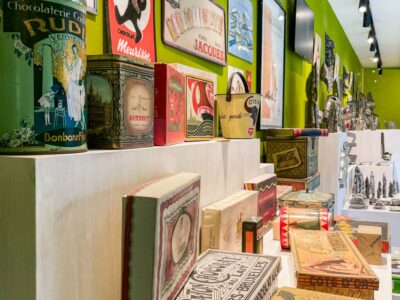
Choco-Story Brussels: Chocolate Museum Entrance with Tasting
Read our review →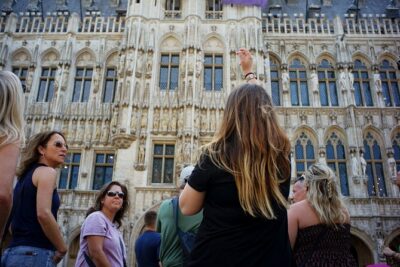
Hungry Mary’s Famous Beer and Chocolate Tour in Brussels
Read our review →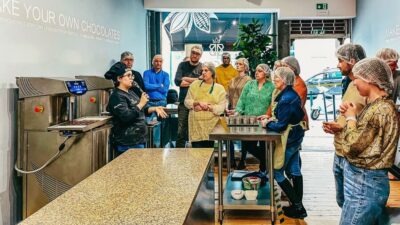
Brussels: Belgian Chocolate Making Workshop with Tastings
Read our review →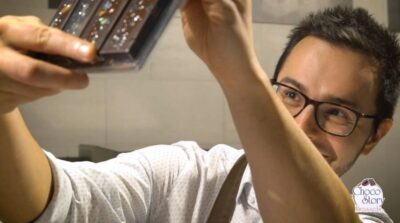
Brussels: Chocolate Museum Visit with Workshop
Read our review →
Bruges: Choco-Story Chocolate Museum Guided Tour w/Tastings
Read our review →
Brussels: Historical Tour with Chocolate & Waffle Tasting
Read our review →
Brussels: 2.5-Hour Belgian Chocolate Making Workshop
Read our review →