
Review · MEXICO
Chocolate Workshop
Cozumel’s Mayan chocolate workshop is part cooking lesson, part cultural introduction, and part good-natured tourist theater. You learn how cacao was prepared in Mayan times, grind the beans with a mortar and pestle, season the mixture, and leave with your own chocolate disk.
I like the activity for two clear reasons: it is short enough to fit into a cruise-day schedule, and it gives children and adults something real to do rather than simply watch a demonstration. I also like the friendly guides, especially Paty and Pati, who are often praised for working well with families. The main drawback is that the room can feel hot, and you may not have complete control over the flavoring added to your chocolate.
Key points to know before booking
- You make chocolate by hand: Grinding cacao with a mortar and pestle gives the workshop its main hands-on appeal.
- You learn the Mayan method: The class explains how cacao was used and prepared in early Mayan culture.
- You leave with your own chocolate: Your homemade disk can be eaten as it is or used with ice cream and other foods.
- It works well for families: Children around ages 8 to 12 have enjoyed the activity, and the class includes enough action to hold their attention.
- Budget for a taxi: The Mayan Cacao Company is reached by taxi for some visitors, and one practical tip is to keep the fare at no more than $20 for the rides.
- Save room for samples: Specialty bars, including fruit and nut combinations, are available to taste and buy afterward.
What the 90-minute Cozumel chocolate class is really like
At $39 per person, this is not a full-day cultural tour or a serious pastry course. It is a compact, entertaining introduction to cacao that combines a short presentation with hands-on work. The listed duration is about one hour and 30 minutes, though some past sessions have felt closer to an hour.
That shorter format is useful in Cozumel. You can fit the workshop between other island plans, and cruise passengers still have time for the beach or a relaxed meal. I would allow extra time around the class if you need a taxi or want to browse the shop afterward.
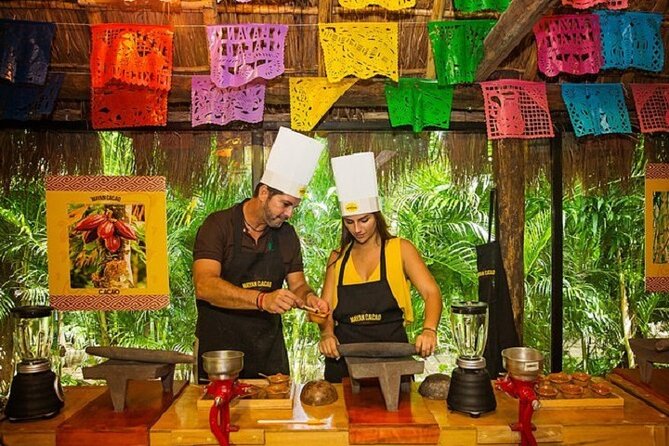
The tone is light and participatory. You may be asked to wear a chef’s hat, listen to chocolate jokes, and play along with the cheerful presentation. If you expect a quiet museum lecture, the style may feel overly staged. If you accept the playful approach, the class is easier to enjoy.
More Chocolate Making Workshops in Mexico
- Bean to Bar Chocolate Workshop in Puerto Vallarta
★ 5.0 · 381 reviews - Make Your Own Chocolate with Oaxacan Tradition Private Class
★ 5.0 · 45 reviews - Puerto Vallarta: Bean to Bar Chocolate Workshop
★ 4.9 · 41 reviews
Beginning with cacao, the Mayan ingredient at the center
The session begins with an introduction to cacao and Mayan culture. A short video has been used at the start of the program, followed by an explanation from the guide. Paty and Pati have led many sessions, while Angel has helped English and Spanish speakers follow along together.
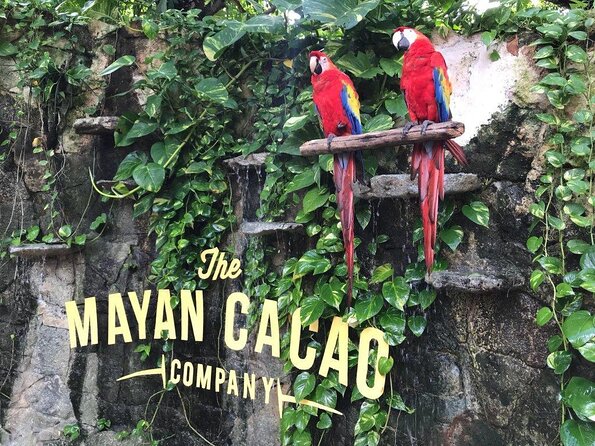
The history portion is concise rather than academic. You will hear about cacao beans, chocolate, and how the ingredient was used in early civilization. The program may also touch on local plants and birds, adding a little more sense of place than a simple recipe demonstration.
That short introduction matters because it gives purpose to the work that follows. You are not only mixing a sweet treat. You are seeing how a basic cacao ingredient can be ground, seasoned, and turned into something people still recognize as chocolate.
Some sessions have included a taste of freshly made corn tortillas before the chocolate work begins. This is a pleasant local-food touch, though it should not be treated as the main reason to book. The chocolate lesson remains the focus.
Grinding cacao with a mortar and pestle
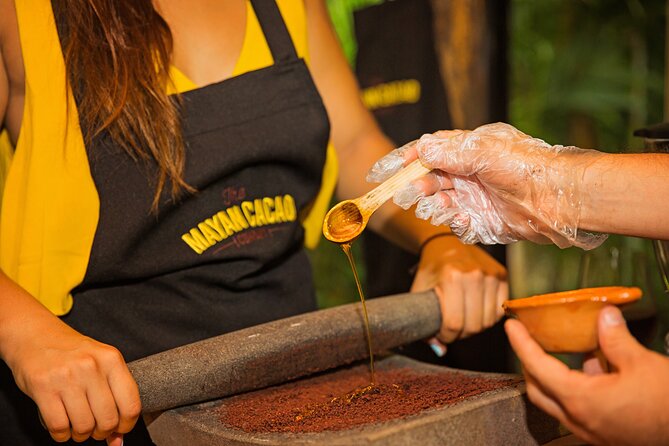
The most memorable part is the physical work. You grind cacao with a mortar and pestle, just as the workshop presents the Mayan method. It takes effort, especially if you are trying to get the mixture smooth, but that is also what makes the lesson more than a tasting.
I like this stage because it makes the process clear. Modern chocolate usually arrives in a neat bar or wrapped square. Here, you handle the basic ingredient and see how much work sits behind the finished product.
The activity requires some arm strength. The listed guidance asks for a moderate level of physical fitness, and that is fair. You do not need to be athletic, but grinding for a while can be tiring for young children, older adults, or anyone with limited hand and shoulder strength.
The class can still work for mixed-age families. Children around eight and twelve have enjoyed the process, and one family managed the activity with a mother who used a wheelchair. The information provided does not promise full accessibility for every need, so contact the operator if your group requires specific assistance. Service animals are allowed.
Adding honey, cinnamon, and other flavors
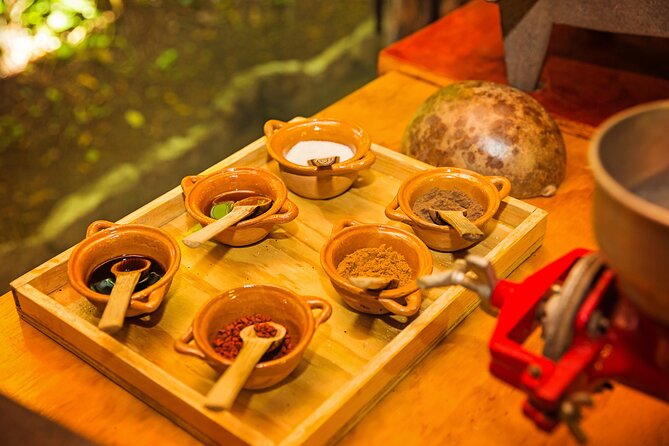
After grinding, you season the chocolate. Honey has been used as an ingredient, and cinnamon may also be added. The goal is to create a personal version of the Mayan-style chocolate rather than a standard commercial candy bar.
This is where you should manage expectations. The activity does not appear to offer unlimited flavor control in every session. One participant wanted less cinnamon but ended up with a strong cinnamon flavor, so it is wise to tell your guide clearly, before mixing begins, which ingredients you want and which you do not.
That issue seems unusual compared with the otherwise positive response to the workshop, but it is worth keeping in mind. If you are sensitive to cinnamon or have food restrictions, speak up early and ask what can be left out. The supplied details do not provide a full allergy list or ingredient guide, so people with serious allergies should ask before booking.
Once mixed, the chocolate is shaped into a disk or bar to take home. The result may not have the smooth texture of a factory-made milk chocolate bar. That is part of the point. You are making a simple, old-style preparation with basic tools, not reproducing a supermarket candy bar.
Same cocoa, a different bite:
- Finca 18 Puerto Vallarta Tequila Tour + Chocolate Pairing
★ 5.0 · 393 reviews - Chocolate Tour in Vallarta
★ 5.0 · 226 reviews - Chocolate & Margarita Workshop
★ 5.0 · 207 reviews - Chocolate and truffles workshop
★ 5.0 · 157 reviews
The take-home chocolate has more than one use
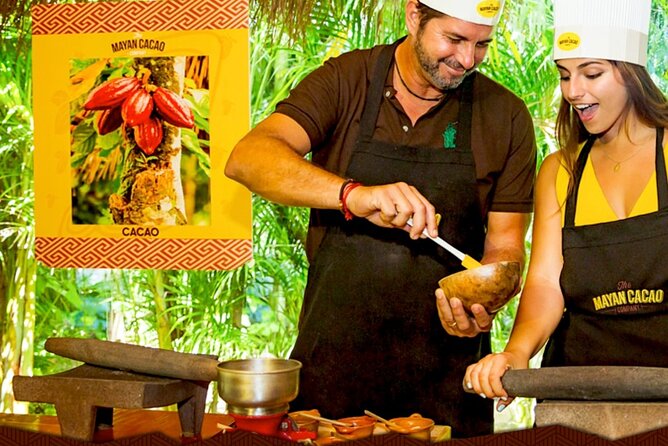
Your finished chocolate can be eaten on its own, but it can also be used in other ways. One useful idea is to crumble or grate it over ice cream. The workshop presents the chocolate as something you can prepare again at home, which adds value beyond the Cozumel visit.
The recipe and method are simple enough to remember. You learn the main steps, handle the ingredients, and see how the flavor changes as you add seasonings. If you enjoy cooking, you can treat the class as a starting point and experiment later.
Do not expect to take home a large box of chocolate. The included ingredients are for the workshop preparation, and the experience centers on making your own piece. Pictures and souvenirs cost extra.
Sampling specialty bars at the Mayan Cacao Company
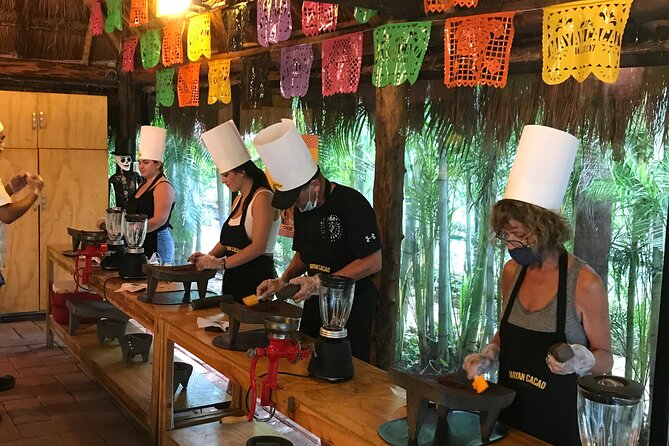
The chocolate lesson usually leads naturally to tasting. Specialty products have included fruit and nut combinations such as cranberry, almond, and grape milk chocolate. Some sessions have offered a selection of up to 16 different bars.
This tasting helps you compare the handmade chocolate with the sweeter, smoother products sold in the shop. If your children prefer familiar American milk chocolate, they may like the store bars more than the homemade Mayan-style disk. That is not a failure. It simply shows how different traditional preparation can be from modern candy.
The shop also sells chocolate and gift items, with products wrapped for luggage in some cases. That makes the stop useful for small presents, especially if you want something more specific to Cozumel than a generic souvenir.
A chocolate purchase is not included in the $39 fee. Think of it as an optional extra rather than part of the class price. The tasting can help you decide what, if anything, is worth bringing home.
Chocolate margaritas and the playful side of the visit
Some sessions have included chocolate margaritas after the chocolate-making portion. This appears in the experience as a fun extra, but it is not listed as a guaranteed inclusion in the basic workshop details.
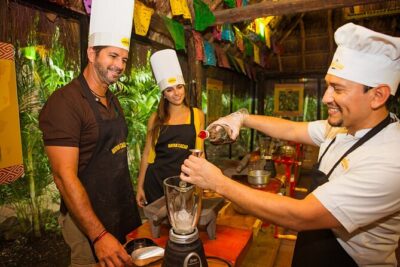
The margarita element is better suited to adults and helps explain the light, humorous style of the visit. Eduardo has been praised for making the class personable and for showing participants how to create chocolate margaritas. If that sounds appealing, confirm whether it is part of your scheduled session rather than assuming it comes with every booking.
This is also where the activity can feel most tourist-oriented. The chef hats, jokes, tasting, and shop stop are designed for entertainment as much as instruction. I would not choose this class if you want a serious study of Mayan foodways. I would choose it if you want a friendly, easygoing activity with a local food theme.
How the guides shape the class
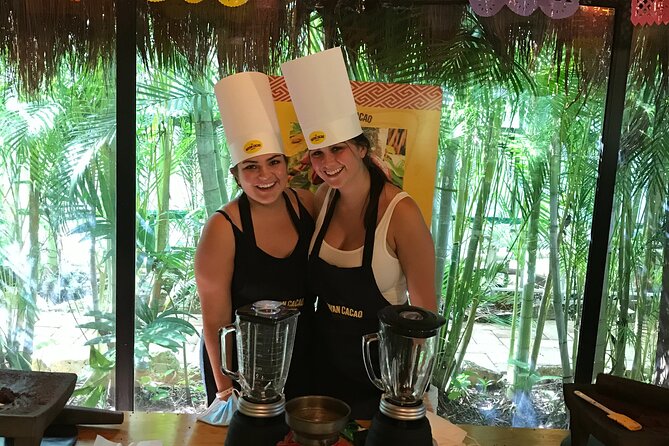
The guide can make a noticeable difference. Paty and Pati are especially suited to family groups, with a warm teaching style and enough structure to keep the class moving. Angel has translated between English and Spanish so that both language groups can follow the presentation.
Eduardo has also led sessions that included the chocolate margarita portion. Mario has been described as an entertaining guide who handled the subject well. The experience is offered in English, but the presence of a bilingual guide may help mixed-language groups.
The class is not simply a set of ingredients placed on a table. The guide explains what you are doing, gives cultural context, helps with the grinding, and directs the tasting. That personal attention is one reason the price feels fair for people who enjoy interactive activities.
The tradeoff is that a guide-led class has a set rhythm. You may not be able to linger over every historical detail or customize each stage exactly as you wish. Speak up if you need a translation, more time, or a change to the seasoning.
Getting there from the cruise area
The workshop is at The Mayan Cacao Company in Cozumel. Taxi arrangements are important because transportation is not listed as included in the $39 price.
One practical account advises keeping the taxi cost to no more than $20 for the rides. Since fares and arrangements can vary, confirm the price before getting in and allow time for the return trip. A guide or staff member may help flag a taxi when you are ready to leave, which is useful if you do not have transportation waiting.
This matters most for cruise passengers. The workshop itself is short, but a delayed taxi can use up the time you hoped to spend at the beach or back on the ship. Build in a cushion rather than scheduling your return to the ship immediately after the class.
The booking includes a mobile ticket, and confirmation is received at the time of booking. The activity is offered in English. Free cancellation is available if you cancel at least 24 hours before the local start time. Changes or cancellations made inside that window are not accepted for a refund.
Who will enjoy this Cozumel activity most
I would recommend this workshop to families, couples, cruise passengers, and anyone looking for a low-commitment activity away from the beach. Children get to grind, mix, and shape chocolate, while adults receive enough cultural background to give the food some meaning.
It is also a good choice for a group with different interests. One person can focus on Mayan cacao, another on the cooking process, and another on shopping for specialty bars afterward. The activity does not require a full day or a high level of fitness, though the mortar-and-pestle work takes some effort.
You may want to skip it if you dislike staged presentations, warm indoor rooms, or sweet tastings. It is also a poor fit if you expect a large meal, a lengthy archaeological tour, or complete control over every ingredient.
Is the $39 price fair?
For $39, you receive the guided lesson, the cacao-making ingredients, the finished chocolate, cultural information, and tastings connected with the visit. You are paying for instruction and participation, not just a souvenir bar.
I think the value is strongest for families. A beach day can become repetitive, and this gives children a clear task with a result they can take home. Couples may find it a pleasant one-hour activity, especially if they combine it with other Cozumel plans.
The value is weaker if you count taxi costs, shop purchases, or optional services. Transportation, pictures, souvenirs, and services not specifically listed are not included. Add those costs before comparing the workshop with a cruise-line excursion.
Should you book the Mayan chocolate workshop?
Book it if you want a short, hands-on Cozumel activity with a Mayan cacao theme. The strongest reasons are the mortar-and-pestle work, the take-home chocolate, the family-friendly guides, and the chance to sample specialty bars afterward.
Go in with realistic expectations. This is a cheerful tourist activity, not a formal cooking school or an archaeological seminar. Confirm the taxi price, mention any flavor restrictions before the mixing begins, and ask whether extras such as chocolate margaritas are included in your session.
For a family with limited time, the workshop offers a useful mix of culture, food, and fun. For a couple with a free hour, it is an easy way to add something different to a beach-centered day. At 99 percent recommended and rated 4.9 from 92 reviews, it has a strong record, but the warm room and fixed seasoning process are practical concerns worth considering.
FAQ
Where does the chocolate workshop take place?
The class takes place at The Mayan Cacao Company in Cozumel, Mexico.
How long does the workshop last?
The activity lasts approximately one hour and 30 minutes. Some past sessions have been described as taking about an hour.
How much does the workshop cost?
The listed price is $39 per person.
What is included in the price?
The price includes the ingredients needed for chocolate making. Pictures, souvenirs, transportation, and other services not specifically listed are not included.
Is the workshop offered in English?
Yes. The experience is offered in English. Some guides, including Angel, have also helped translate between English and Spanish.
Can I cancel for a full refund?
Yes, if you cancel at least 24 hours before the experience start time. Cancellations or changes made less than 24 hours before the local start time are not eligible for a refund.
Freshly tempered around Mexico
- Tulum: Chocolate & Honey Sanctuary Experience with Lunch★ 4.2 · 34 reviews
- Tulum: Chocolate & Honey Sanctuary Experience with Cenote★ 3.5 · 6 reviews
- Cultural Adventure: Artisanal Chocolates, Coffee and Doll Making★ 5.0 · 2 reviews
- Tarot Reading with Coffee & Chocolate or Smoothie★ 5.0 · 17 reviews
- Sayulita Magical Town Tour: Local food, and chocolate.★ 5.0 · 18 reviews
- Chocolate Macarons Workshop in Puerto Vallarta★ 5.0 · 5 reviews
- Private Make Your Own Chocolate Experience in Puerto Vallarta★ 5.0 · 8 reviews
- Amazing Walk through the Zapotec Mountains with Hot Chocolate★ 5.0 · 4 reviews
More Mexico Chocolate Tours to compare.
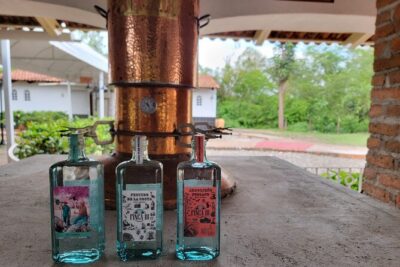
Finca 18 Puerto Vallarta Tequila Tour + Chocolate Pairing
Read our review →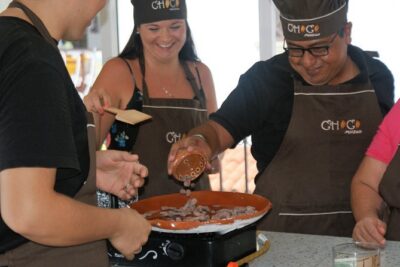
Bean to Bar Chocolate Workshop in Puerto Vallarta
Read our review →

San Jose del Cabo Art Walk, Beer Tasting &Chocolate Demonstration
Read our review →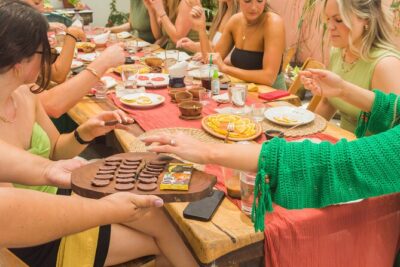
Chocolate lists with this tour