
Review · MEXICO
Bean to Beverage: Roast and grind cacao into chocolate
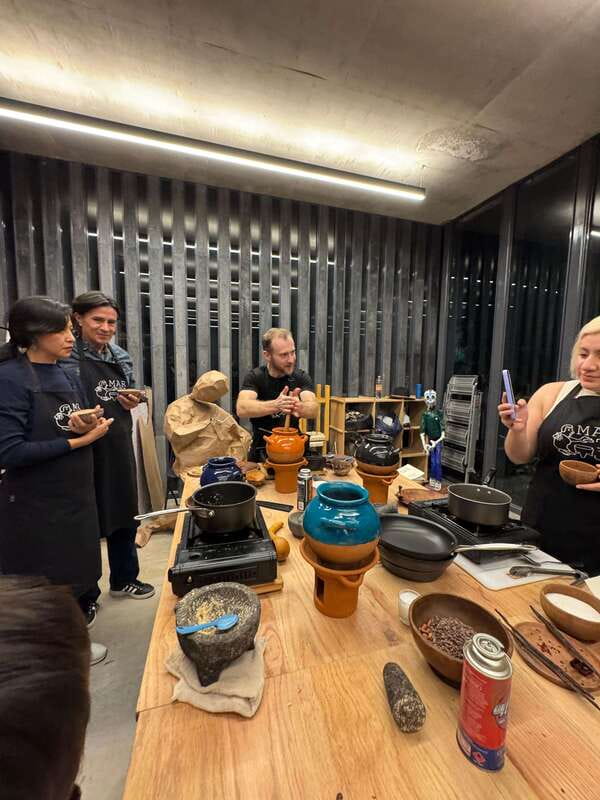
The best part of this three-hour class is that you do not simply drink hot chocolate. You roast and grind cacao yourself on a metate, following a method tied to Mayan and Aztec traditions. Jim then guides you through six different drinks, using ingredients such as chile, achiote, and avocado leaf.
I like the mix of hands-on work and cultural context. I also like the relaxed home setting, where Jim and his assistant can adapt the class for families, including children as young as eight. The main drawback is the price: at $115 per person, this is a premium food activity, and the Condesa building has no elevator.
Key points to know before booking
- Six hot chocolates are included: You prepare a range of drinks rather than making one recipe and calling it done.
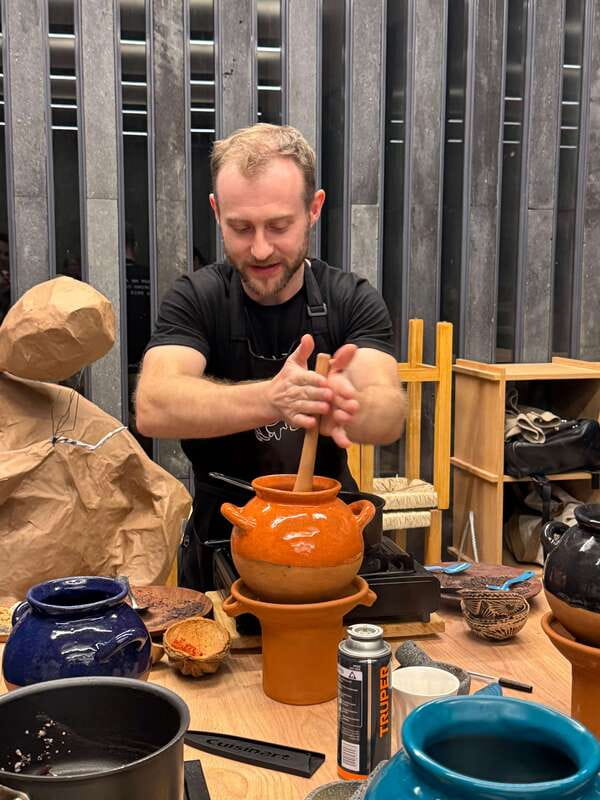
- The metate is the centerpiece: Roasting and grinding cacao gives you a feel for the labor behind an ancient drink.
- Mesoamerican ingredients shape the class: Chile, achiote, and avocado leaf bring flavors you may not meet in ordinary hot chocolate.
- Jim teaches in English or Spanish: His focus on pre-Hispanic food traditions adds substance to the cooking.
- Families fit well here: Children and teenagers have enjoyed the class, and the relaxed format suits mixed-age groups.
- Plan for a home setting: There are two cats, no elevator, and dietary needs should be shared after booking.
Cacao begins with a story, not a candy bar
This class starts with the older life of cacao, before modern chocolate became a sweet snack. Jim explains how cacao mattered in the Mayan world and among the Aztecs, giving you a useful frame for everything that follows.
I like this opening because it keeps the food connected to place and culture. You are not just learning a recipe. You are learning why cacao was prized, how the drink was prepared, and how later ingredients such as sugar and spices changed the way people enjoyed it.
The class also points to the wider food traditions of pre-Columbian Mexico. That is especially useful if you have already eaten mole, tamales, or other Mexican dishes and want to understand the older ingredients behind them.
Jim is the main guide, and his teaching style comes through as warm, energetic, and easy to follow. He is also happy to talk about local restaurants and other things to do in Mexico City, which can be useful early in your stay.
More Chocolate Tours around Mexico:
- Finca 18 Puerto Vallarta Tequila Tour + Chocolate Pairing
★ 5.0 · 393 reviews - Bean to Bar Chocolate Workshop in Puerto Vallarta
★ 5.0 · 381 reviews - Chocolate Tour in Vallarta
★ 5.0 · 226 reviews
Roasting cacao gives the class real texture
After the introduction, you put on an apron and begin working with the cacao. The hands-on portion matters. You see and handle the raw material rather than starting with a ready-made powder.
Roasting is a simple but important step. It changes the aroma and prepares the beans for grinding. Since the class moves from bean to drink, you get a clear sense of how much work sits behind a cup of hot chocolate.
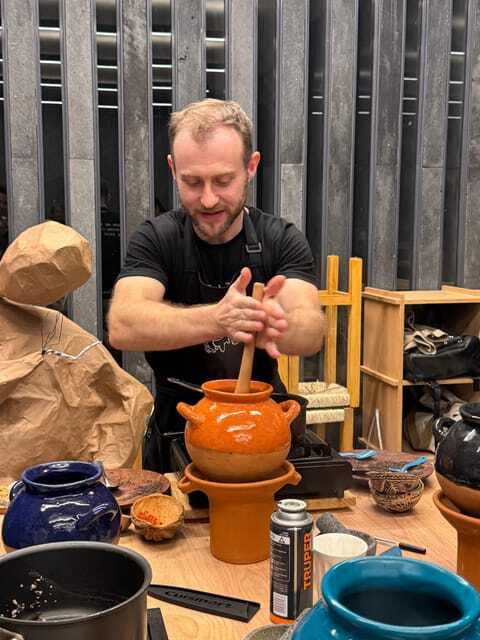
The class then turns to the metate, the traditional stone grinding surface. You grind the cacao in the same broad manner associated with Mayan and Aztec preparation. It is physical work, but that is part of the point. The metate makes the old process tangible in a way a short lecture cannot.
I would not book this expecting a polished restaurant demonstration where you sit back and watch. You will be handling ingredients and taking part in the preparation. That makes the class more memorable, but it also means the pace may feel slower than a standard tasting.
Six drinks, six chances to experiment
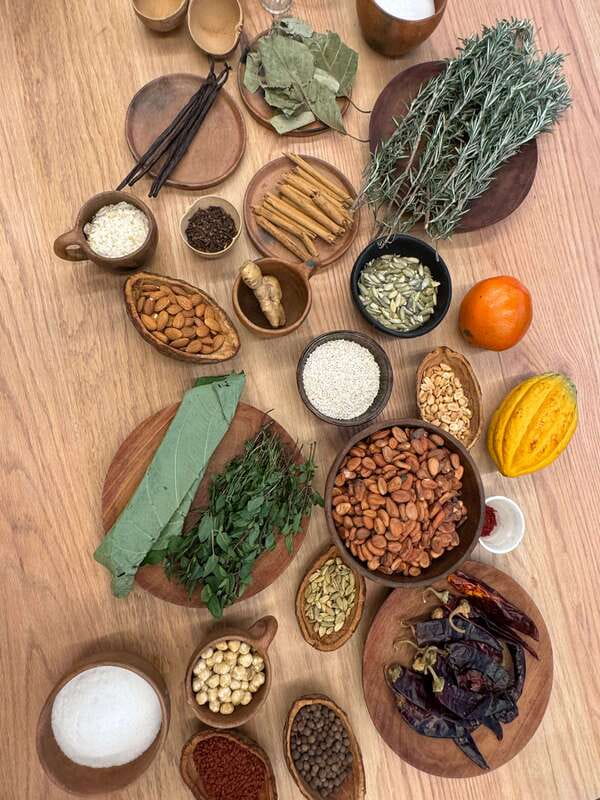
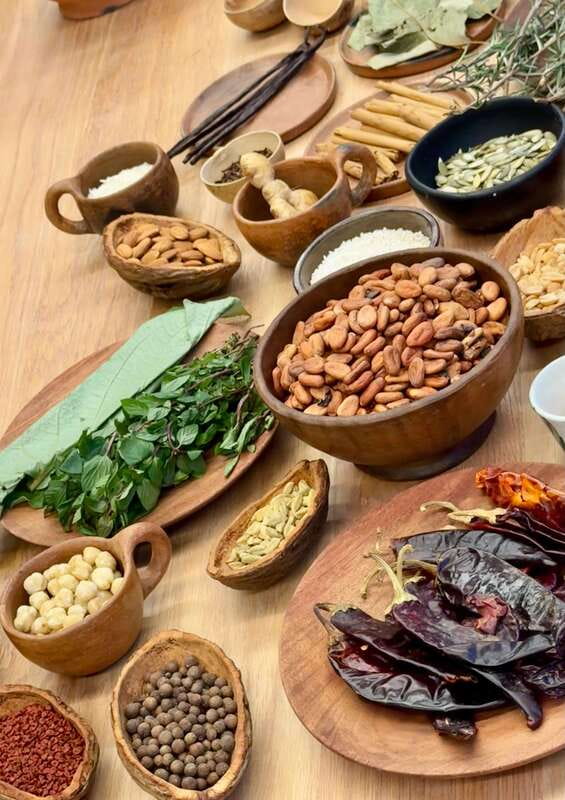
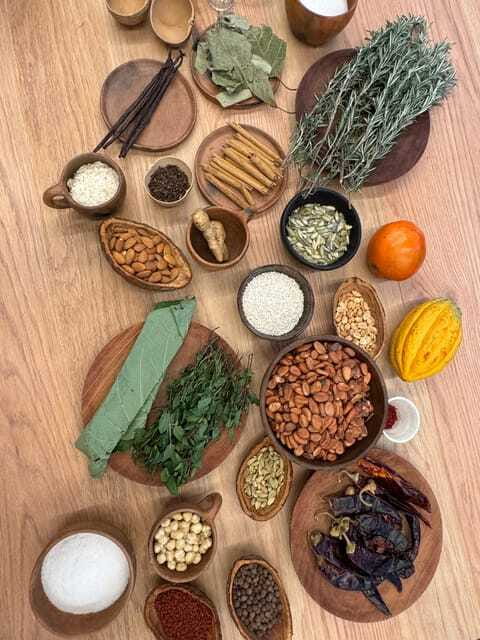
The class includes all ingredients needed to prepare six different hot chocolate drinks. This is one of the strongest reasons to consider the price. You are not paying for a single mug. You are comparing several versions of the drink and seeing how small changes affect the result.
Jim provides a selection of Mesoamerican ingredients, including chile, achiote, and avocado leaf. Each one brings a different direction to the chocolate. Chile can add warmth, achiote brings its own earthy character and color, and avocado leaf offers an aromatic note that may be new to you.
You are encouraged to make creative combinations rather than follow one rigid formula. That works well for couples, families, and small groups with different tastes. One person can seek a spicier drink, while another can try a gentler blend.
Do not assume that every cup will taste like the sweet, creamy cocoa many people know from home. The point is to explore older flavor ideas and the influence of ingredients available in Mesoamerican cooking. If you like chocolate with spice or enjoy trying unfamiliar flavors, this section will be the highlight.
The class also explains the later influence of sugar and spices on the drink. That comparison gives you a better sense of how hot chocolate changed across time and place.
The final tasting feels like a shared meal
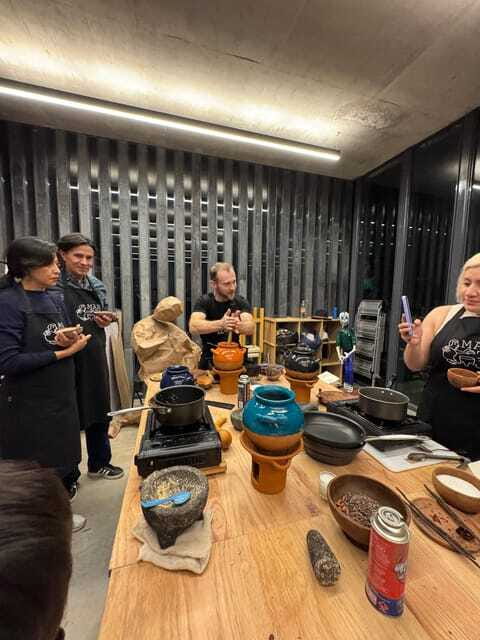
Once the drinks are ready, you sit down to taste your creations. The table is set with artisanal serveware, and a dessert accompanies the beverages.
That final pause is important. You have already done the work of roasting, grinding, mixing, and adjusting. Sitting down with the finished drinks lets you compare them instead of rushing from one task to the next.
The dessert adds value, especially if you are paying the full $115 price. It turns the last part of the class into a small meal rather than a quick sample. The exact dessert is not specified in advance, so you should ask about it if that matters to your planning.
I also like that the format leaves room for conversation. The home setting feels more personal than a large commercial kitchen, and Jim’s assistant helps keep the class friendly and manageable.
Same cocoa, a different bite:
- Chocolate & Margarita Workshop
★ 5.0 · 207 reviews - Chocolate and truffles workshop
★ 5.0 · 157 reviews - San Jose del Cabo Art Walk, Beer Tasting &Chocolate Demonstration
★ 5.0 · 141 reviews - Artisanal Mezcal and Fine Chocolate Tasting
★ 5.0 · 132 reviews
Why the $115 price may make sense
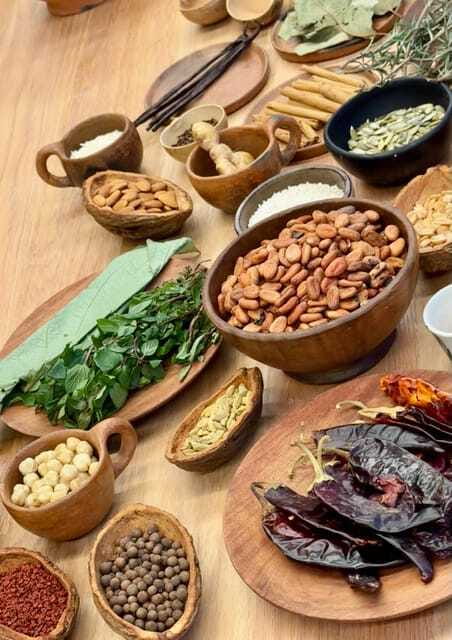
At $115 per person, this is not a bargain activity. The price is easier to justify if you value private or small-group attention, active cooking, cultural background, and several tastings in one sitting.
You receive ingredients for six hot chocolates plus a dessert. You also get a three-hour session, instruction in English or Spanish, and the chance to use a traditional metate. For a family or small group, the value comes from having one activity that combines food, history, and participation.
The price is harder to justify if you mainly want a good cup of cocoa. Mexico City has less expensive ways to eat and drink. This class is about the process and the meaning behind the drink, not simply refreshment.
There is one important pricing note. The same experience may cost less when booked directly through the Martaja website. I would compare the two prices before paying, while also checking the cancellation terms and the meeting details for the option you choose.
A strong choice for families and curious eaters
The class has worked especially well for families with children and teenagers. An eight-year-old and older children have enjoyed the format, and the activity gives young participants real tasks instead of asking them to sit through a long talk.
The six-drink structure also helps with mixed ages and tastes. Children can focus on the fun of grinding and mixing, while adults may pay closer attention to the cultural background and ingredient choices.
I would also recommend it for anyone who likes cooking classes but wants something less familiar than tacos or tortillas. The cacao process is unusual, and the use of avocado leaf and achiote gives the lesson a clear regional focus.
It may be less suitable if you dislike group participation, have a serious cat allergy, or want a highly formal culinary course. This takes place in a home, not a professional teaching kitchen. The mood is relaxed and social.
Practical details that affect your comfort
The location is a home in Condesa, and the exact meeting point can vary by booking option. Check your confirmation carefully rather than assuming every booking uses the same address.
The building does not have an elevator. Wheelchair users have taken the class before, but you should discuss your needs in advance because the building itself is not fully step-free.
There are two cats in the house. They are kept out of the cooking area, and allergy pills are available for people who need them, but anyone with a serious allergy should think carefully before booking.
After booking, keep an eye on your email. Jim’s team will ask about dietary requirements, and most needs can be accommodated. Strict Kosher preparation is not currently possible.
The class lasts three hours, so leave enough room in your day. That length is useful for a process that includes a history lesson, roasting, grinding, six drinks, and dessert. I would not squeeze it between two tightly scheduled attractions.
The atmosphere is part of the experience
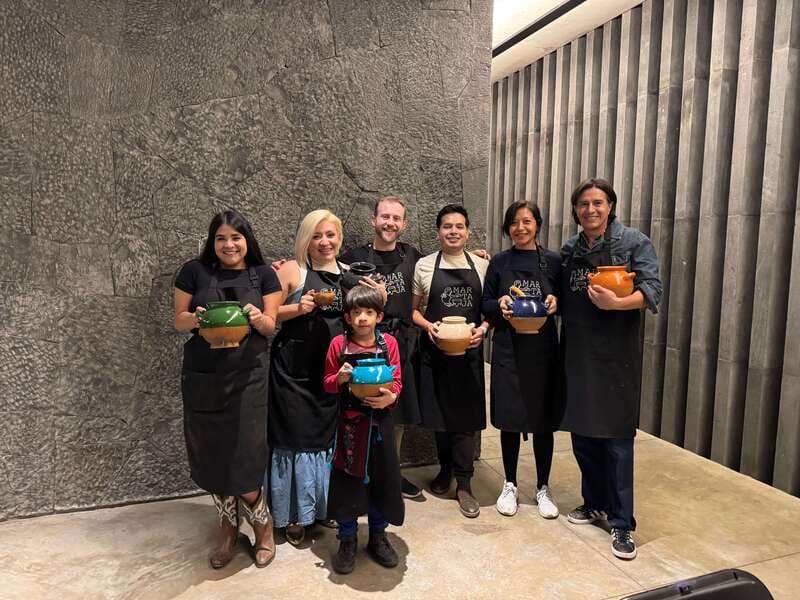
The home setting gives this class its character. You are not entering a large tourist venue with a fixed performance and little room for conversation. You are sitting at a table, working with a guide, and tasting the results together.
Jim’s energy is a major part of the appeal. He explains the food traditions clearly and adds practical advice about Mexico City. His assistant helps create a friendly atmosphere, which is useful when children or first-time cooks are in the group.
The setting does have limits. Home-based classes can feel more intimate, but they offer fewer facilities than a dedicated cooking school. If you need full accessibility, strict allergy control, or a highly controlled kitchen environment, ask questions before booking.
For most people, the informal setting is a plus. It makes the class feel like an invitation into someone’s food world rather than a quick stop on a busy sightseeing route.
How this compares with a regular chocolate tasting
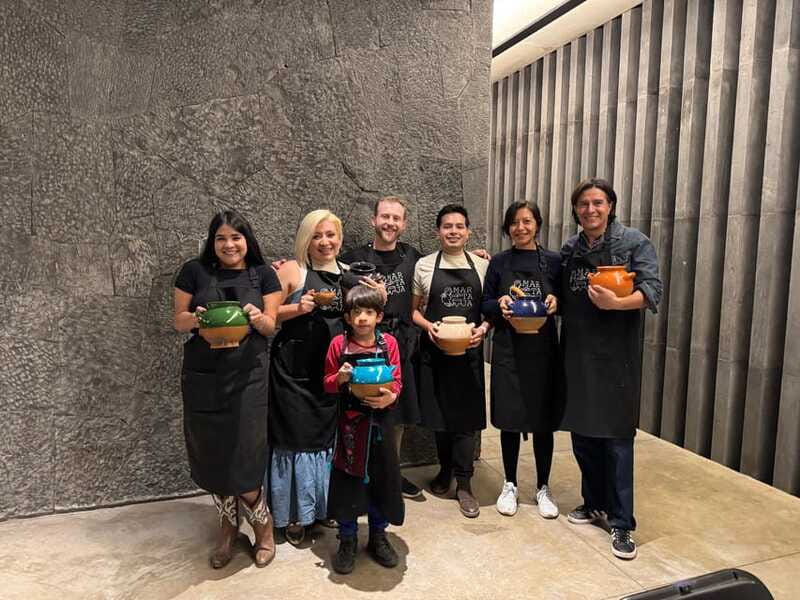
A regular chocolate tasting usually asks you to compare finished products. This class asks you to help create the drink, then taste the results. That difference makes the experience more educational and more physical.
You learn why grinding matters, how ingredients alter cacao, and how a traditional preparation can differ from modern sweet chocolate. You also have six drinks to compare, which gives the tasting more range.
The trade-off is time. If you have only a short window in Mexico City, a simple tasting is faster. If you want a food activity with a story and a clear beginning-to-end process, the three-hour format works better.
I would also choose this class over a generic cooking lesson if cacao is one of your main interests. The subject stays focused, and the Mayan and Aztec context gives the activity a clear purpose.
Who should book the bean-to-beverage class?
I would put this near the top of the list for:
- Families with children or teenagers
- Couples who enjoy food-based activities
- Visitors interested in pre-Hispanic Mexico
- People who like unusual spices and savory notes in chocolate
- Small groups looking for a private or personal class
- Anyone who wants an activity in Condesa that is more than a standard restaurant meal
I would pause before booking if you want a low-cost activity, cannot manage stairs, have a serious cat allergy, or require strict Kosher preparation.
The class also makes a good early-trip choice because Jim can suggest restaurants and other activities in Mexico City. Just remember that those recommendations are an extra benefit, not the main product. The core experience is cacao, traditional grinding, and six hot chocolate variations.
Should you book it?
Book this class if you want to understand Mexican hot chocolate from the bean outward. The metate work, six drink combinations, and Mesoamerican ingredients give you more than a quick cooking demonstration.
The $115 price is fair for a three-hour, small-group experience with ingredients and dessert, but it is still a splurge. Compare the direct Martaja price before booking, confirm the meeting point, and share dietary or accessibility needs ahead of time.
If your family enjoys hands-on food activities, this is an easy recommendation. If you only want a sweet drink, save your money and order one elsewhere. The value here comes from learning, making, tasting, and talking with Jim in a relaxed Condesa home.
FAQ
How long does the cacao and hot chocolate class last?
The class lasts three hours.
Where does the activity take place?
It takes place at a home in Condesa. The exact meeting point may vary depending on the booking option.
How much does the experience cost?
The listed price is $115 per person.
How many hot chocolate drinks will I prepare?
The class includes all ingredients needed to prepare six different hot chocolate drinks.
Which ingredients might I use?
The class may include Mesoamerican ingredients such as chile, achiote, and avocado leaf.
Is dessert included?
Yes. A dessert is included to accompany the hot chocolate.
What languages does Jim teach in?
The activity is available in English and Spanish.
Can children join the class?
Yes. Children and teenagers have enjoyed the class, including children aged eight, nine, and ten.
Can dietary and accessibility needs be accommodated?
Most dietary requirements can be accommodated if shared after booking, but strict Kosher preparation is not possible. Wheelchair users have taken the class before, although the building has no elevator. There are also two cats in the home, kept out of the cooking area.
Freshly tempered around Mexico
- Tulum: Chocolate & Honey Sanctuary Experience with Lunch★ 4.2 · 34 reviews
- Tulum: Chocolate & Honey Sanctuary Experience with Cenote★ 3.5 · 6 reviews
- Cultural Adventure: Artisanal Chocolates, Coffee and Doll Making★ 5.0 · 2 reviews
- Tarot Reading with Coffee & Chocolate or Smoothie★ 5.0 · 17 reviews
- Sayulita Magical Town Tour: Local food, and chocolate.★ 5.0 · 18 reviews
- Chocolate Macarons Workshop in Puerto Vallarta★ 5.0 · 5 reviews
- Private Make Your Own Chocolate Experience in Puerto Vallarta★ 5.0 · 8 reviews
- Amazing Walk through the Zapotec Mountains with Hot Chocolate★ 5.0 · 4 reviews
More Mexico Chocolate Tours to compare.
Finca 18 Puerto Vallarta Tequila Tour + Chocolate Pairing
Read our review →
Bean to Bar Chocolate Workshop in Puerto Vallarta
Read our review →

San Jose del Cabo Art Walk, Beer Tasting &Chocolate Demonstration
Read our review →
Chocolate lists with this tour