
Review · COLOMBIA
Cartagena: Boutique Rum and Chocolate Tasting at Lunático
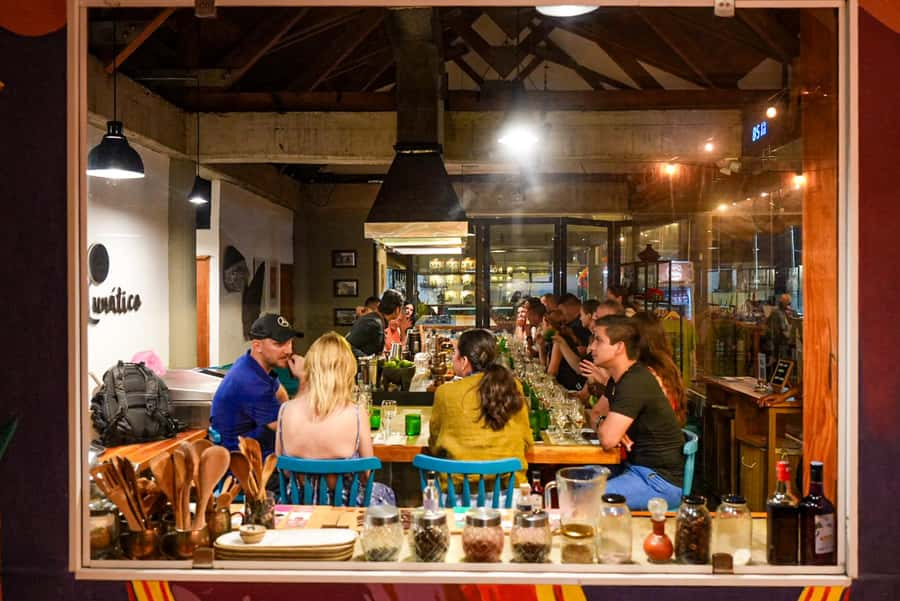
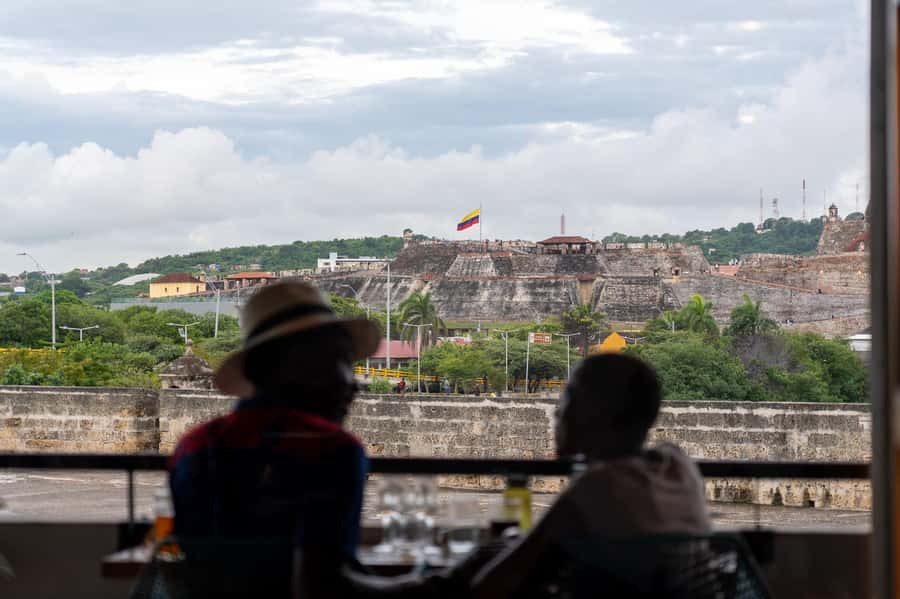
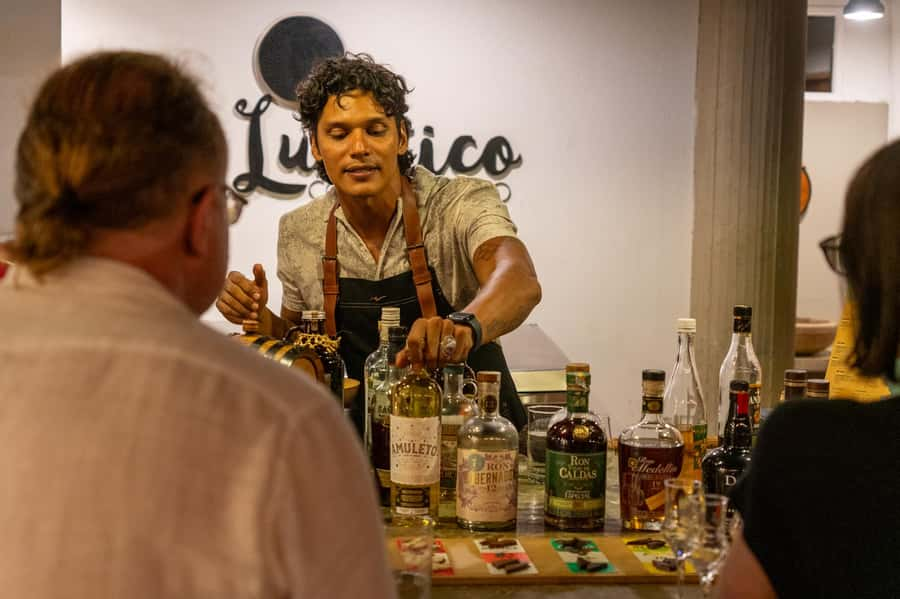
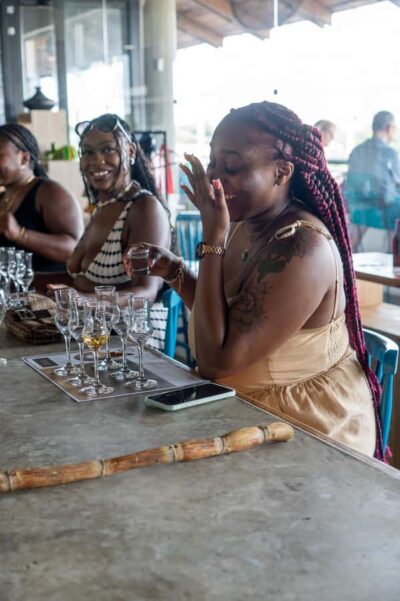
Colombian rum gets the spotlight here, but the real surprise is how much the chocolate changes each sip. At Lunático, you taste spirits from different parts of Colombia, learn what makes them different, and test those differences against chocolates ranging from sweet to bitter. The Castillo San Felipe view adds a fine Cartagena backdrop.
I like the mix of useful instruction and easy conversation. I also like the hands-on finish: after tasting, you make your own rum cocktail instead of simply watching a bartender work. The main thing to consider is the alcohol level. Pours are generous, and several people found it wise to eat before arriving. At $105 per person, this is not a cheap night out, but it offers more than a standard bar tasting.
Key Points
- Eight to 10 Colombian spirits: Expect a broad sample of rums, with some additional local spirits included in certain sessions.
- Chocolate is part of the lesson: Pairings show how different cocoa flavors can alter the way rum tastes.
- A cocktail-making finish: You use what you learned to mix your own drink.
- A small-group feel: Sessions may be intimate, with one reported group of six and another made up of only two people.
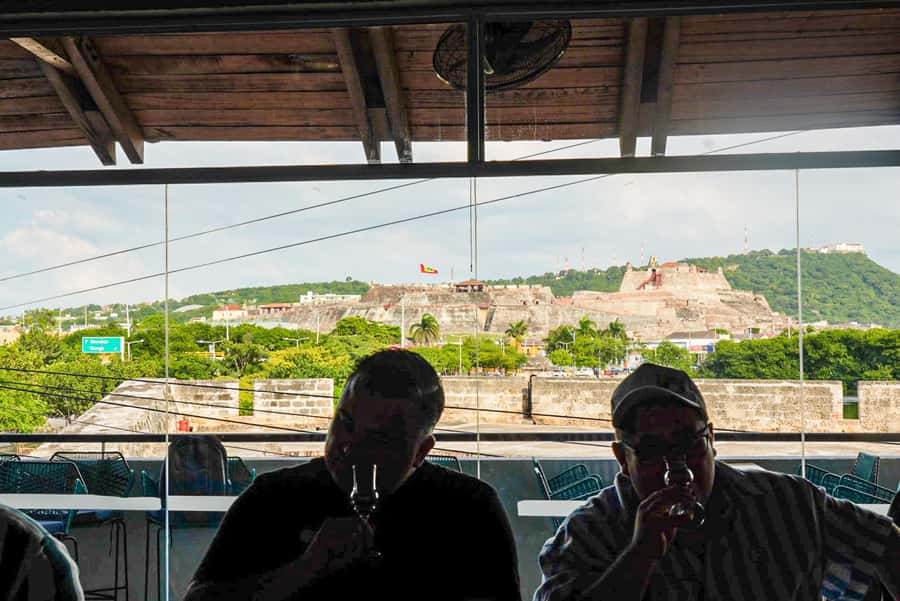
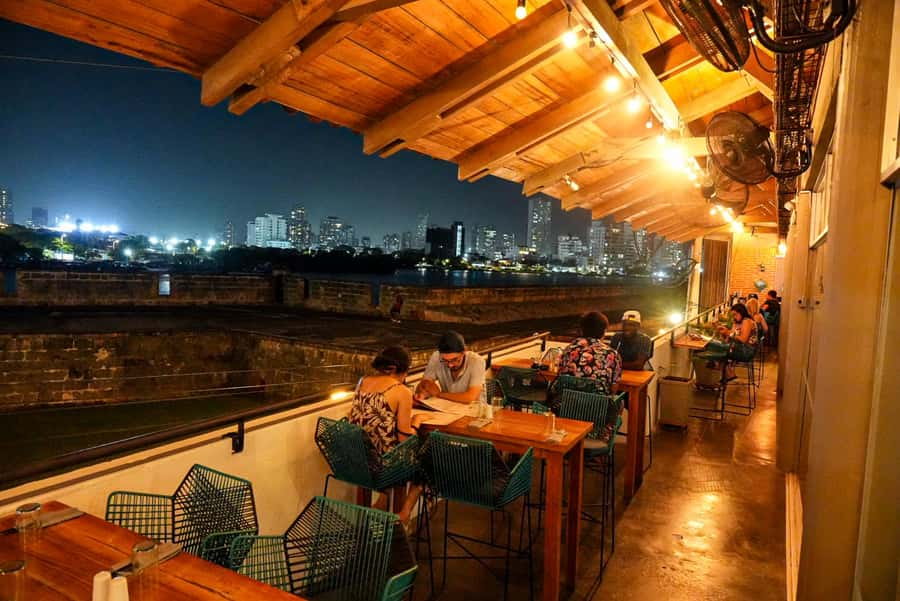
- Two excellent settings: The tasting takes place in the studio or on the terrace at Caffé Lunático, with views toward Castillo San Felipe.
- Eat before you go: The amount of rum can be substantial, even if you are used to tastings.
Why Colombian Rum Deserves Two Hours
Many visitors arrive in Cartagena knowing about aguardiente, but they have a shorter list of Colombian rums in mind. This tasting gives you a useful introduction to the country’s spirits without asking you to visit several distilleries or spend a day outside the city.
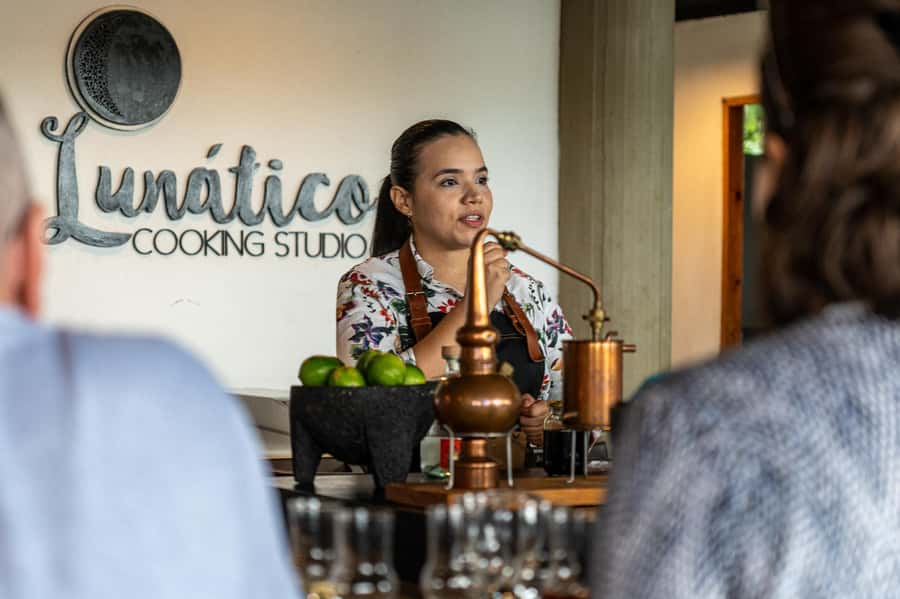
The session was created by Renato Molo, a certified Rummelier® and member of the Royal Rum Society™. Renato’s role is important because the experience is not simply a line of glasses placed in front of you. The hosts explain where the spirits come from, how rum is produced, and how geography and local practice shape the final drink.
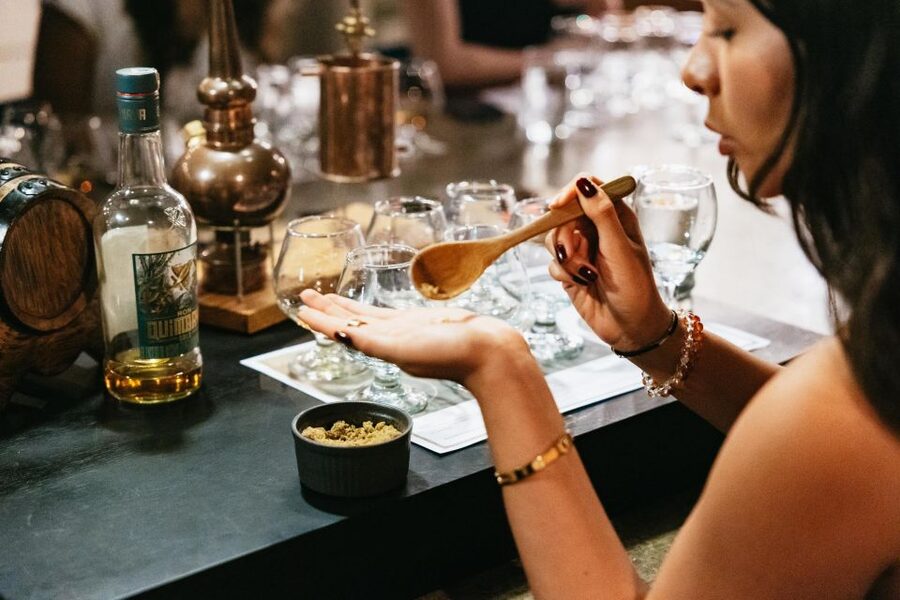
You will taste rum in stages, paying attention to color, aroma, texture, sweetness, spice, wood, and finish. The language is meant to help you notice more, not to turn the evening into a technical exam. If you have never attended a spirit tasting, the host gives you a method you can use later at a bar or shop.
The activity also places Colombian rum in a wider setting. You get a sense of how local bottles fit into the world of rum, while still focusing on the traits that make Colombian examples different. That balance gives the class more purpose than a simple list of brands.
More Rum and Chocolate Tours in Colombia:
- Cartagena: Express Rum and Chocolate Tasting Experience
★ 5.0 · 10 reviews - Cartagena: The Legendary Colombian Rum and Chocolate Tasting
★ 5.0 · 8 reviews - Full-Day Tour: Concord Waterfall, Chocolate Factory, Rum Distillery, Grand Etang
★ 5.0 · 871 reviews
Arriving at Caffé Lunático in Getsemaní
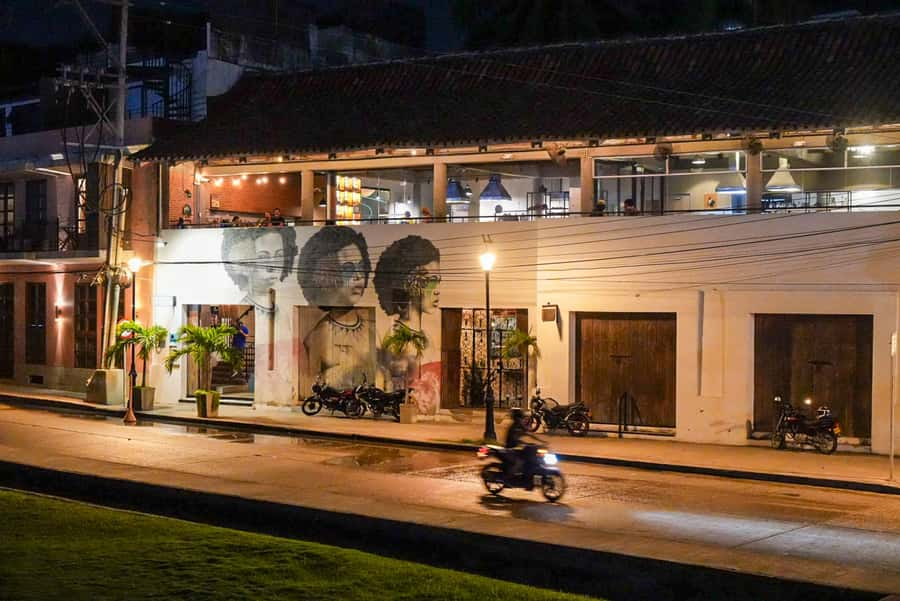
You meet directly at Caffé Lunático, at Avenida del Pedregal 29-225. Look for the large mural of three girls, known as tres guerreras, at the entrance. The studio is on the second floor of the building, and the directions note that you should enter and go up to the first floor.
The wording about floors is slightly confusing, so allow a little extra time when you arrive. You do not need to bring equipment or special supplies. Everything used for the tasting is provided.
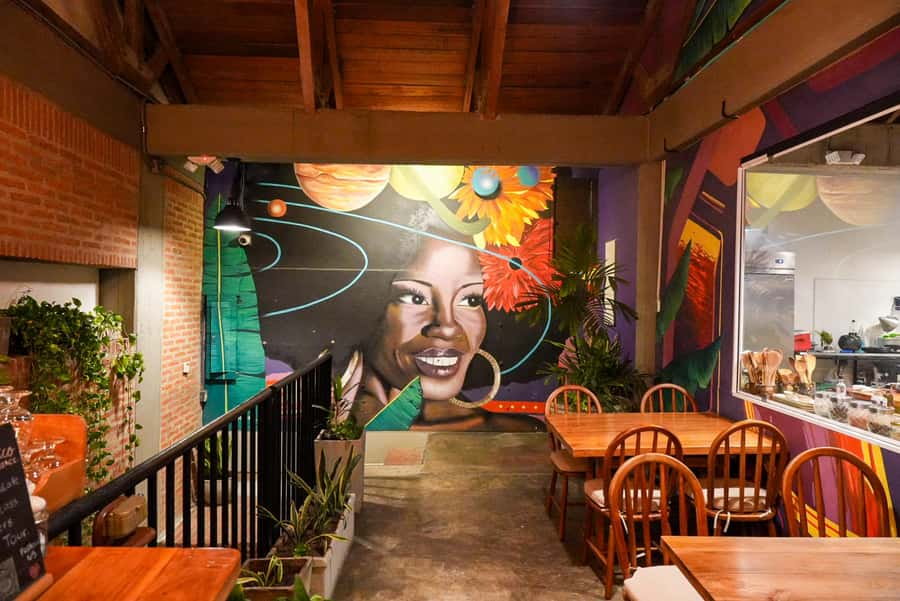
The setting is one of the experience’s strong points. The studio is described as cool, clean, and modern, while the terrace offers views of Castillo San Felipe. The location near Getsemaní makes the tasting easy to fit into an evening in Cartagena. You can also visit the café and restaurant downstairs, either before or after the class.
A few people used the restaurant before the tasting and enjoyed the food. That is practical advice, not just a dining suggestion. Eating beforehand matters because this is a full two-hour session with repeated pours. It also gives you a pleasant way to turn the class into a longer evening without arranging another part of town.
The First Tastes: Rum, Other Spirits, and Place
The opening portion sets up the subject. Your host introduces the history of rum and explains the basic production process, from the raw material through fermentation, distillation, aging, and blending. The exact order and amount of each lesson can vary, but the purpose is clear: understand what you are tasting before judging it.
The tasting may include six principal rums, with additional spirits before or alongside them. Other sessions have reached 10 or 11 rums, and some include several Colombian spirits that are not rum. Because of that range, you should not expect every group to receive exactly the same number of glasses.
That variation is worth noting when you compare this experience with a fixed flight at a bar. You are paying for the teaching, the pairings, and the guided format, not simply a guaranteed count of bottles. The session may be especially useful if you want to understand categories and production rather than chase one famous label.
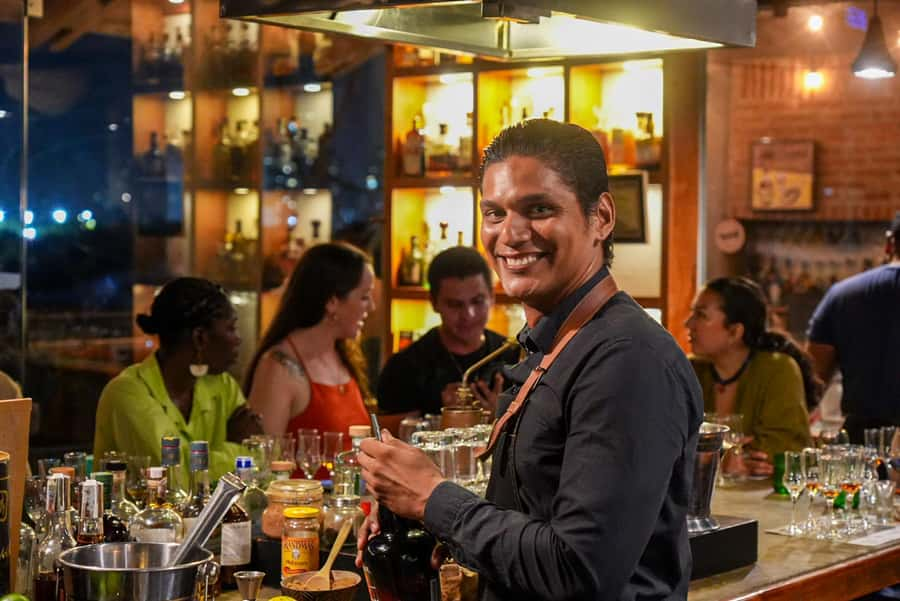
Hosts such as Adrian, Dylan, Luz, and Sofia have led sessions, and the team is trained by Renato. Adrian received particular praise for keeping the group involved while explaining rum-making and Colombian culture. Luz was described as warm and insightful, and Adrian and Dylan were noted for working well together.
The host’s personality matters in a tasting. A good guide keeps the pace moving, answers questions, and notices when a table wants more detail or more conversation. Some sessions have been private or nearly private, while others have been small groups. That makes it easier to ask questions than in a large bus tour.
Chocolate Pairings That Change the Sip
The chocolate is not merely a sweet snack placed beside the rum. It is used as a comparison tool. You taste a spirit, try a piece of chocolate, and return to the glass. The change may bring out more sweetness, bitterness, fruit, spice, or warmth.
Sessions have included around six chocolates, with pairings that range from sweet to bitter. The rum remains the main focus, so you should not book this expecting a chocolate class with a small rum sample. One person felt the chocolate portion was lighter than expected. That is the clearest limitation in the food side of the experience.
Still, the pairing makes the tasting more approachable. Rum can be hard to discuss if you are new to spirits. Chocolate gives you a familiar reference point and helps you notice how your palate shifts. You might find that a rum you did not care for on its own works better with a darker chocolate, or that a sweeter rum becomes too heavy beside a sweet piece.
I like this part because it encourages curiosity without requiring expert vocabulary. The host shows you how to compare, and you form your own opinion. It is also a good feature for couples or friends who have different tastes. You can share impressions without needing to agree on a favorite.
More Chocolate Tastings in Colombia:
- Brussels: Belgian Chocolate Making Workshop with Tastings
★ 4.7 · 1,629 reviews - Bruges: Choco-Story Chocolate Museum Guided Tour w/Tastings
★ 4.2 · 1,379 reviews - Paris French Sweets Tasting Tour with Pastries and Chocolates
★ 4.5 · 947 reviews - Brussels Walking and Tasting Tour (Beers,Chocolates&Fries/Waffle)
★ 5.0 · 929 reviews
Learning How Rum Is Made
The production lesson gives the tasting some backbone. Your host explains the steps used to make rum and discusses different styles and processes. The class also connects the drink to Colombian identity and regional character.
You will hear stories about the rums rather than receiving only tasting notes. That personal and cultural context was a repeated strength of the experience. It helps answer practical questions: Why does one rum taste lighter? What might aging add? Why do two bottles made from similar ingredients taste so different?
The session does not appear to be a distillery tour, so you will not be walking through a working production plant. Instead, you learn through explanation, tasting, and comparison in Cartagena. That makes the activity a strong choice if you want background without leaving the city.
The hosts also introduce you to spirits beyond the core rum selection. This broadens the lesson, though one person felt that three early liquor samples were more than necessary. If you prefer a tightly focused rum class, ask your host how the session is structured that day. If you enjoy discovering local drinks, the extra samples can be a welcome part of the evening.
Making Your Own Cocktail
The final cocktail is the most active part of the class. After learning the basics and tasting several spirits, you use the information to build a drink of your own. The host guides you, but you get to make the final choices and taste the result.
This works well as a finish because it changes the mood from study to play. You are no longer only identifying aromas or comparing finishes. You are applying what you learned in a glass you can enjoy at the end.
The cocktail also gives the evening a practical takeaway. A bottle of rum can seem intimidating if you only drink it in one standard way. After this session, you have a better idea of how a rum might work in a mixed drink, as well as how it tastes neat or paired with food.
The drink is included in the $105 price, along with the guide, rum tasting, and chocolate tasting. Since the amount of alcohol can be generous, treat the cocktail as part of the total rather than as an extra reason to drink quickly.
How Much Value Do You Get for $105?
At $105 per person, this costs more than ordering rum flights at a Cartagena bar. The comparison is not entirely fair, though. A bar flight gives you drinks. This activity gives you a two-hour lesson, a guided tasting, chocolate pairings, a cocktail, and access to a host trained in a specialist approach.
I see the value most clearly if you are interested in rum, food pairing, or Colombian culture. You get a structured introduction that could save you from ordering random bottles and hoping for the best. The small-group format can also make the instruction feel personal.
The value is less clear if you mainly want a relaxed drink with a view. In that case, the price may feel high, especially if you do not care much about tasting technique. The same is true if you prefer chocolate to alcohol. The experience is rum-led, with chocolate supporting the lesson.
The high rating of 4.9 from 121 reviews reflects a very consistent response, but you should still judge the format honestly. This is a substantial alcohol tasting, not a light sampler. Eat first, take your time, and do not plan to drive afterward. Hotel pickup and drop-off are not included, so you make your own way to Avenida del Pedregal.
Who Will Enjoy This Cartagena Tasting?
I would recommend it to first-time rum drinkers who want a clear introduction. You do not need prior tasting experience, and the hosts explain the process in a friendly, interactive way.
It also suits people who already enjoy rum but know little about Colombian bottles. The regional focus gives you a chance to compare spirits that you may not encounter at home. You might even leave with a new favorite style.
Couples, friends, and solo visitors can all fit the format. The social side is part of the appeal, but the group sizes reported have been small enough for personal conversation. One mother and daughter, aged 40 and 66, both enjoyed the session, so the activity is not aimed only at young nightlife crowds.
This is for adults only. Pregnant women and children under 18 are not permitted. The class is offered in English and Spanish, and the quality of the experience depends partly on the host leading your particular session.
Practical Tips Before You Book
Eat a proper meal first. This is the most useful advice from the entire experience, since the pours can add up over two hours.
Arrive with an open mind about the chocolate. It is an important part of the tasting, but the class is primarily about rum. If you want equal time on cocoa origins, production, and confectionery, this may not be the right activity.
Plan your evening around the location. Lunático is close to Getsemaní, and the downstairs bar and restaurant give you an easy option before or after. The Castillo San Felipe view is especially appealing if you want a memorable setting rather than a plain classroom.
Wear whatever is comfortable for a two-hour seated tasting. No special items are required. You may want to take notes if you find production details interesting, since one participant found the material worth recording.
Cancellation is free up to 24 hours before the activity for a full refund. You can also reserve and pay later, which helps if your Cartagena schedule is still shifting.
Should You Book the Lunático Rum Experience?
Book it if you want more than a drink. You will learn how Colombian rum is made, compare spirits from different parts of the country, test rum with several chocolates, and finish by mixing a cocktail. The hosts, especially Adrian, Luz, Renato, and the wider trained team, bring a personal touch that keeps the class from feeling stiff.
Skip it if $105 feels too high for a tasting, if you want a chocolate-first activity, or if you are looking for a quiet evening with only one or two drinks. For everyone else, this is one of the better ways to understand Colombian rum without leaving Cartagena. Eat first, pace yourself, and make room for a lively two hours at Lunático.
FAQ
Where does the rum and chocolate tasting take place?
The meeting point is Caffé Lunático at Avenida del Pedregal 29-225 in Cartagena. The studio is upstairs, near the entrance with the mural of three girls known as tres guerreras.
How long does the experience last?
The tasting lasts two hours.
How much does it cost?
The listed price is $105 per person.
How many rums will I taste?
You can expect about eight to 10 unique Colombian spirits, though some sessions have included six principal rums, while others have included 10 or 11.
Is chocolate included?
Yes. Chocolate tasting is included, with several Colombian chocolates paired with the spirits.
Do I make a cocktail?
Yes. A cocktail is included, and you make it during the final part of the session.
Who leads the tasting?
The experience was created by Renato Molo, a certified Rummelier®. Hosts trained by Renato, including Adrian, Dylan, Luz, and Sofia, lead different sessions.
Is the experience available in English?
Yes. The live guide is available in English or Spanish.
Is hotel transportation included?
No. Hotel pickup and drop-off are not included. You meet directly at Caffé Lunático.
Can children attend?
No. Children under 18 are not permitted, and the activity is also not suitable for pregnant women.
Freshly tempered around Colombia
- Waterfalls, Animal Reserve and Chocolate: Mango Passage★ 5.0 · 2 reviews
- Cocoa Tour – San Rafael Antioquia from Medellín★ 5.0 · 2 reviews
- Medellín: Chocolate Tour & Exfoliation in beautiful river★ 5.0 · 3 reviews
- Chocolate tour near the Medellín★ 5.0 · 13 reviews
- Bean to Bar: Cocoa and Chocolate Workshop★ 5.0 · 5 reviews
- Cartagena: Express Rum and Chocolate Tasting Experience★ 5.0 · 10 reviews
- Cartagena: The Legendary Colombian Rum and Chocolate Tasting★ 5.0 · 8 reviews
- Bogotá: Candelaria Tour with Cacao and Coffee Workshop★ 5.0 · 3 reviews
More Colombia Chocolate Tours to compare.
Coffee & Chocolate Private Tour in Medellin: Genuine Experience
Read our review →
Trekking History and Indigenous Heritage in Minca + Cacao & Coffee + Waterfall
Read our review →
Minca: Full-Day Coffee and Cocoa Tour from Santa Marta
Read our review →
Cartagena: Express Rum and Chocolate Tasting Experience
Read our review →Chocolate lists with this tour