
Review · COLOMBIA
Trekking History and Indigenous Heritage in Minca + Cacao & Coffee + Waterfall
Minca’s best story is told on foot, where old trails, forest life, coffee, cacao, and Indigenous tradition meet. This 4.5-hour walk leads from the village to an Arhuaco family farm, with time to learn how coffee and cacao fit into daily life and Indigenous beliefs.
I like the strong local connection, and I like the way the tour links culture with nature instead of treating them as separate subjects. Guides such as Jorge, Andres, and Santiago bring different personalities to the walk, but all are assigned to explain the area in English or Spanish and answer questions along the way.
The main consideration is the medium difficulty. You need good physical condition, proper walking shoes, sun protection, and enough comfort with uneven trails. The waterfall may be available along the route, but it is not something you should treat as guaranteed.
Key points before you book
- Tayrona heritage trails: The walk follows routes connected with the Indigenous history of the Sierra Nevada region.
- Arhuaco coffee and cacao farm: You visit a family-run farm and hear about cultivation, processing, and traditional uses.
- Guides with local context: Jorge, Andres, and Santiago are among the guides associated with the experience, with English and Spanish available.
- Waterfall stop: Bring swimwear in case conditions and the route allow time for a refreshing natural swim.
- Community benefit: Part of your payment goes directly toward Indigenous community projects.
- Practical half-day format: The tour begins and ends at Minca’s central park and costs $41 per person, with transport and food separate.
Why this Minca walk offers more than a standard hike
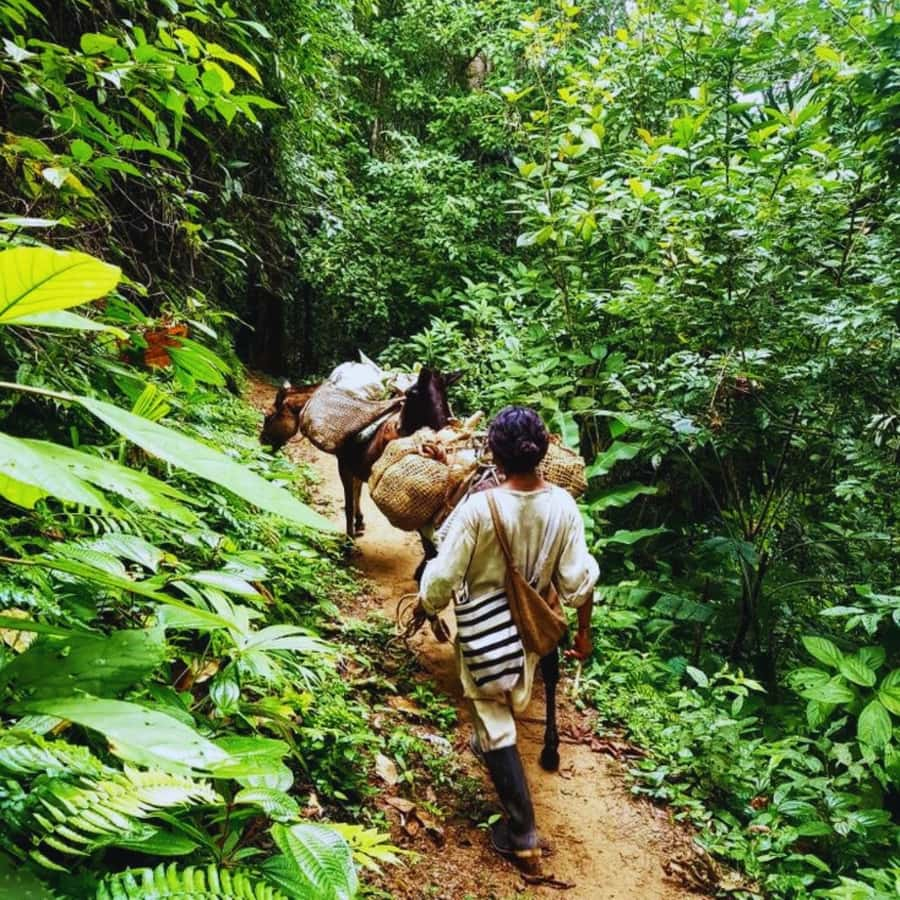
Minca is easy to enjoy as a place of cool mountain air, forest trails, farms, and waterfalls. It is harder to understand without local context. This experience gives you that context by connecting the paths beneath your feet with the Tayrona people and with present-day Indigenous communities.
The Tayrona were the ancestors of several Indigenous groups in the region. The tour discusses the Kogui, Wiwa, Arhuaco, and Kankuamo peoples, all of whom have maintained strong ties to nature and ancestral knowledge despite major social changes.
That history is not presented as a museum lesson. You encounter it while walking through a living environment where native plants, birds, insects, and farming practices remain part of daily life. I like this approach because it gives the scenery a human meaning without turning the walk into a lecture.
You should also keep your expectations realistic. This is not a long expedition into remote mountain country, and the tour does not promise a major archaeological site. Its value comes from the combination of a moderate trek, a family farm, cultural explanation, tasting, and time near water.
More Chocolate and Coffee Tastings in Colombia:
- Coffee & Chocolate Private Tour in Medellin: Genuine Experience
★ 5.0 · 100 reviews - Minca: Full-Day Coffee and Cocoa Tour from Santa Marta
★ 4.5 · 61 reviews - Cacao and Coffee Tour
★ 4.5 · 24 reviews
Meeting at Minca’s central park
The activity begins at Parque de Minca, beside the central chapel. This is a useful meeting point because it keeps the start simple. You do not need to find a distant farm or arrange a complicated transfer before the walk begins.
Transportation is not included. If you are coming from Santa Marta, you will need to arrange your own way to Minca, though the operator can provide contact information for a private driver if you need help. You should allow enough time to reach the village before the appointed start.
The precise starting time depends on availability. The total activity lasts about 4 to 5 hours, with the published duration listed as 4.5 hours. The route finishes back at the same central park meeting point, which makes onward planning easier.
I would avoid scheduling a tight airport transfer or another fixed appointment immediately afterward. Mountain roads, weather, trail conditions, and the pace of the group can affect the timing.
Walking the trails connected to Tayrona heritage
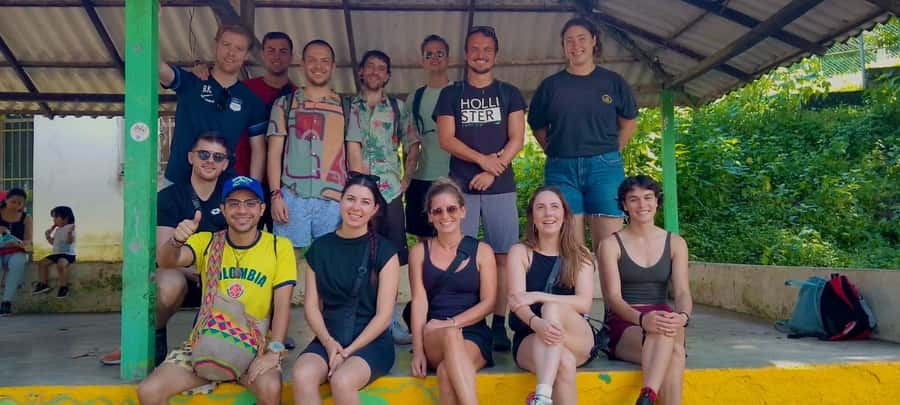
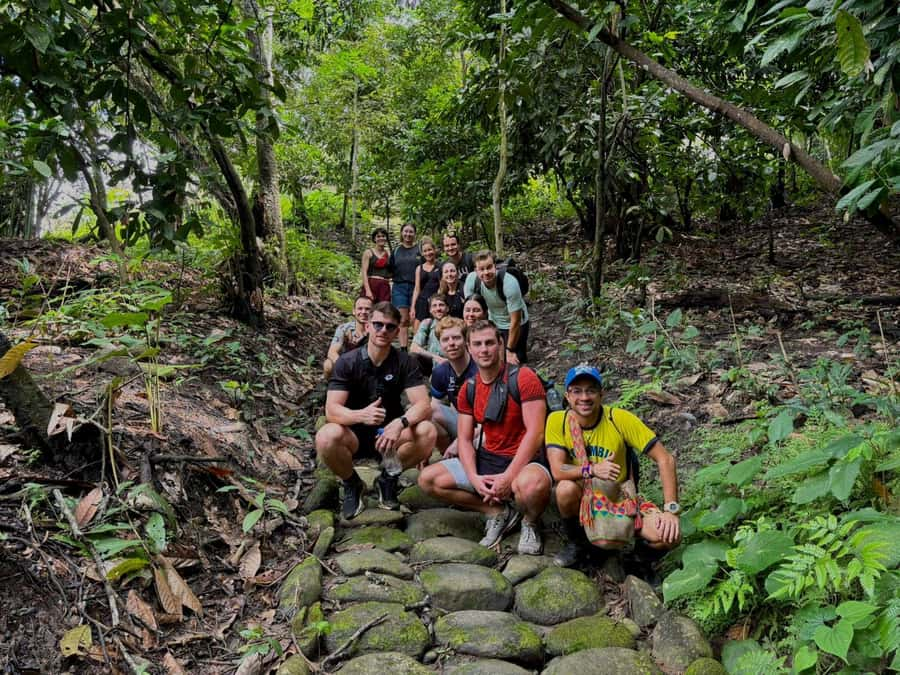
From the park, the route heads along nature trails associated with the legacy of the Tayrona people. Expect a genuine walk rather than a short stroll between photo stops. The listed difficulty is medium, and good physical condition is recommended.
The supplied details do not give an exact distance or elevation gain, so you should not judge the effort by the four-and-a-half-hour duration alone. Uneven ground, heat, humidity, inclines, and wet conditions can make the route feel more demanding than a city walk.
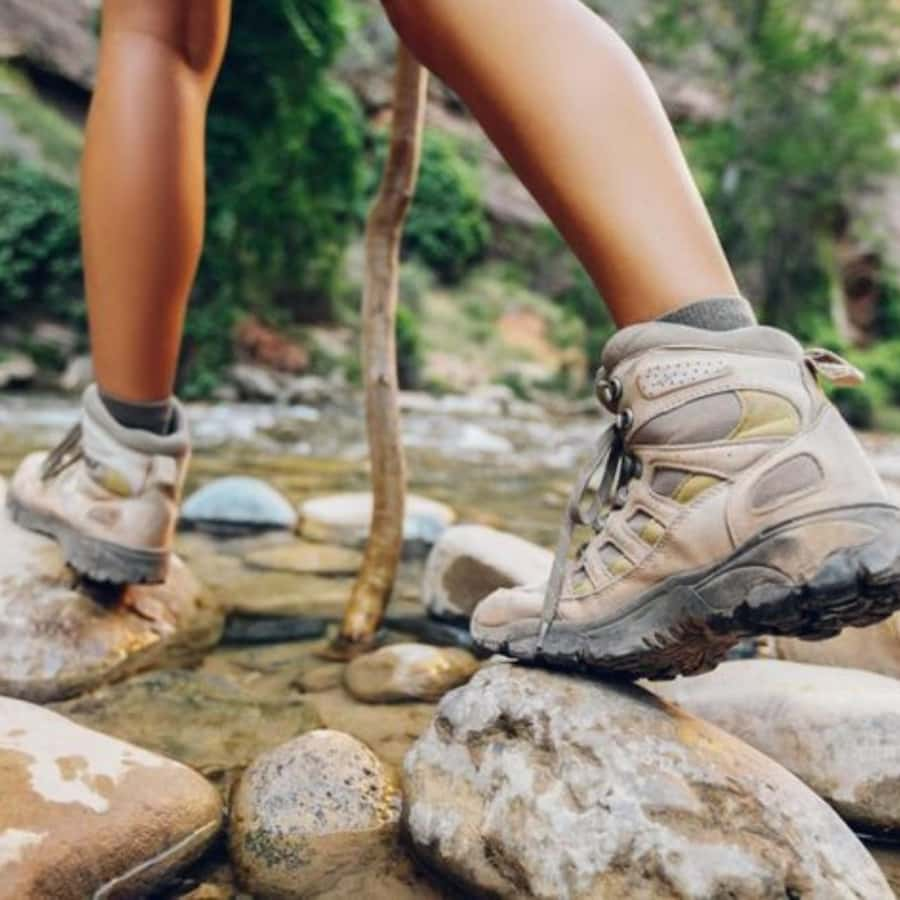
Wear shoes with a firm sole. Hiking shoes are recommended, though comfortable walking shoes may be enough if they offer good grip. Hiking pants or other practical clothing will serve you better than delicate holiday clothes.
Your guide is the key to this section. Jorge, who has led some departures, is described as social and happy to answer questions. He also gives practical suggestions for the wider Santa Marta area, which can be handy if Minca is your first stop.
Andres is another guide associated with the experience. He is known for keeping the information lively while sharing facts about Minca and its surroundings. Santiago is also named as a guide, so the exact personality and rhythm of your outing may vary by departure.
That variation is normal for a local tour. What matters is that the guide can explain the connection between the forest and the people who have lived with it for generations. Ask questions as you go. This is where the experience gains much of its value.
Seeing how nature and tradition meet
The walk is designed to show the relationship between the ecosystem and traditional practices. You may observe native vegetation and a range of species, but the tour does not promise a formal wildlife-spotting session or a particular animal.
That is an important distinction. You are not booking a specialist birding trip. You are walking through a biologically varied area while learning how Indigenous communities understand and use their surroundings.
The tour places special attention on the cultural continuity of the Kogui, Wiwa, Arhuaco, and Kankuamo peoples. It also addresses the social changes these communities have faced. That gives the discussion a present-day focus, rather than presenting Indigenous culture as something frozen in the past.
You should listen carefully and follow your guide’s instructions around the community. Ask before photographing people, homes, work areas, or farm processes. Cultural respect is part of the experience, not an extra courtesy.
Same cocoa, a different bite:
- Cartagena: Boutique Rum and Chocolate Tasting at Lunático
★ 4.9 · 121 reviews - Chocolate tour near Medellin
★ 5.0 · 90 reviews - Cacao Experience Tour
★ 4.8 · 66 reviews - Chocolate tour near the Medellín
★ 5.0 · 13 reviews
Visiting Cabanas Bosque Cacao
The main destination is Cabanas Bosque Cacao, an Indigenous coffee and cacao farm managed by an Arhuaco family. This is the tour’s most distinctive stop because it moves the discussion from general regional history to one family’s relationship with land and agriculture.
You learn about growing and processing both crops. The farm visit also covers the uses of cacao and coffee within the Indigenous worldview, giving you a better sense of why these products are more than items on a breakfast menu.
The exact farm activities can vary with conditions and the family’s schedule. Still, the stated program includes a guided visit, traditional cacao and coffee tasting, and time to talk with members of the Arhuaco community.
One especially useful detail is that the family’s son may explain parts of the farm process in English. That can make the visit easier for English-speaking participants, while the main tour is available in both English and Spanish.
The setting is intended to feel personal rather than industrial. You are not visiting a large commercial plantation with a polished production line. You are meeting a family and hearing how agriculture, identity, and changing social conditions come together in their territory.
That also means you should allow the hosts to set the pace. The most valuable moments may come through conversation rather than a perfectly timed demonstration.
Learning the cacao and coffee process
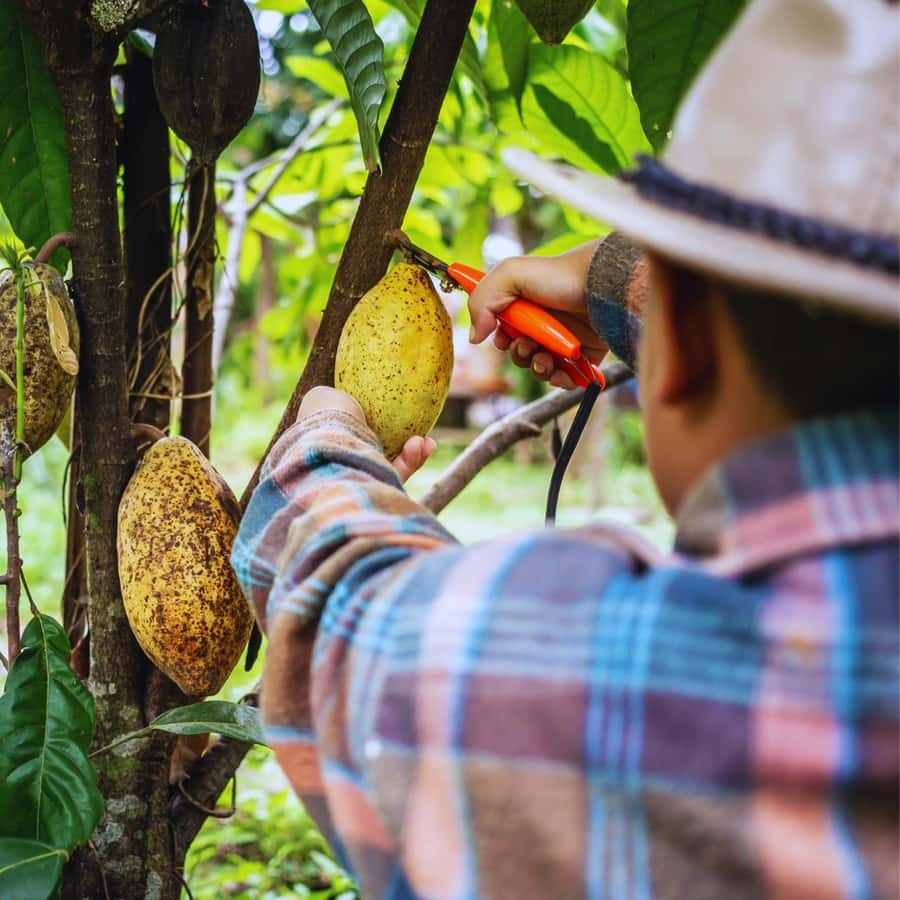
Coffee and cacao are familiar products, but most people encounter them only after many steps have already happened. At the farm, you get a clearer picture of cultivation and transformation, from the relationship with the soil to the finished taste.
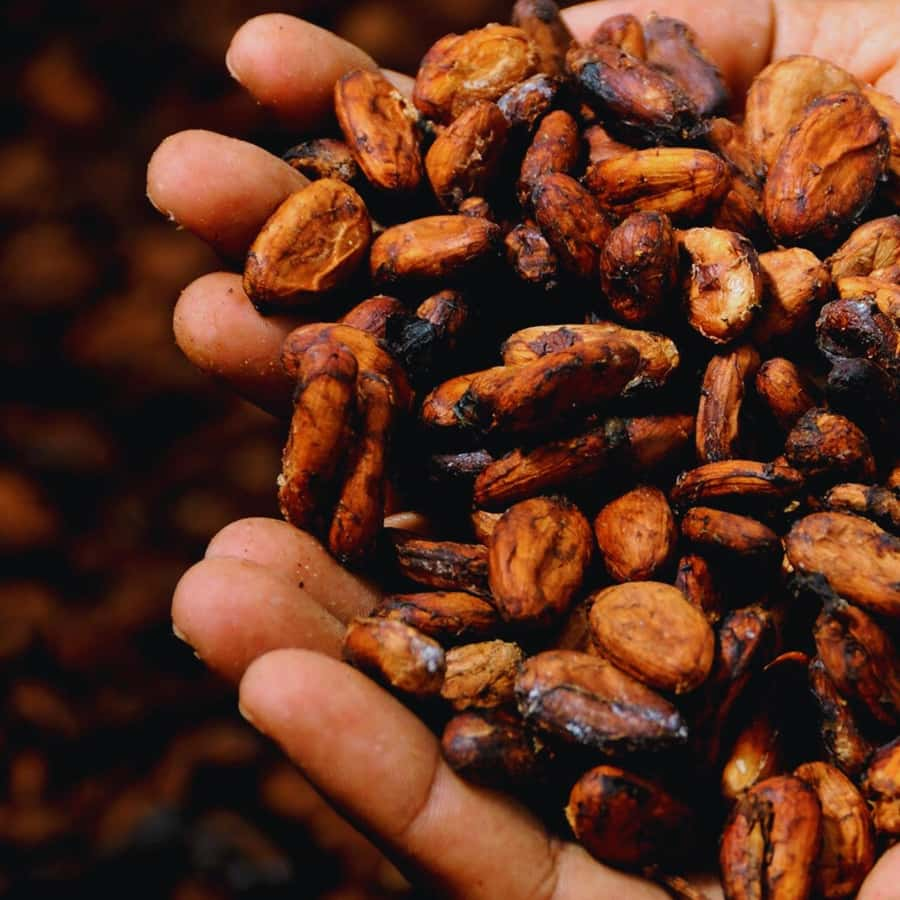
The tasting is included. It is not a full meal, and food and additional drinks are not part of the price, so you should eat beforehand or bring a suitable snack if needed. Do not count on the tasting to replace lunch.
The cultural side is just as important as the agricultural side. The guide and family explain how these products are used and understood within Indigenous traditions. That context helps you see the crops as part of a wider way of life instead of as simple souvenirs.
I also like that the farm visit supports a direct community connection. Each booking contributes to sustainable community projects, and the experience itself creates a reason for visitors to spend time with a local family.
You should not expect a luxury coffee tasting with a long menu or elaborate equipment. The attraction is the setting, the explanation, and the chance to speak with people connected to the work.
Cooling off near the waterfall
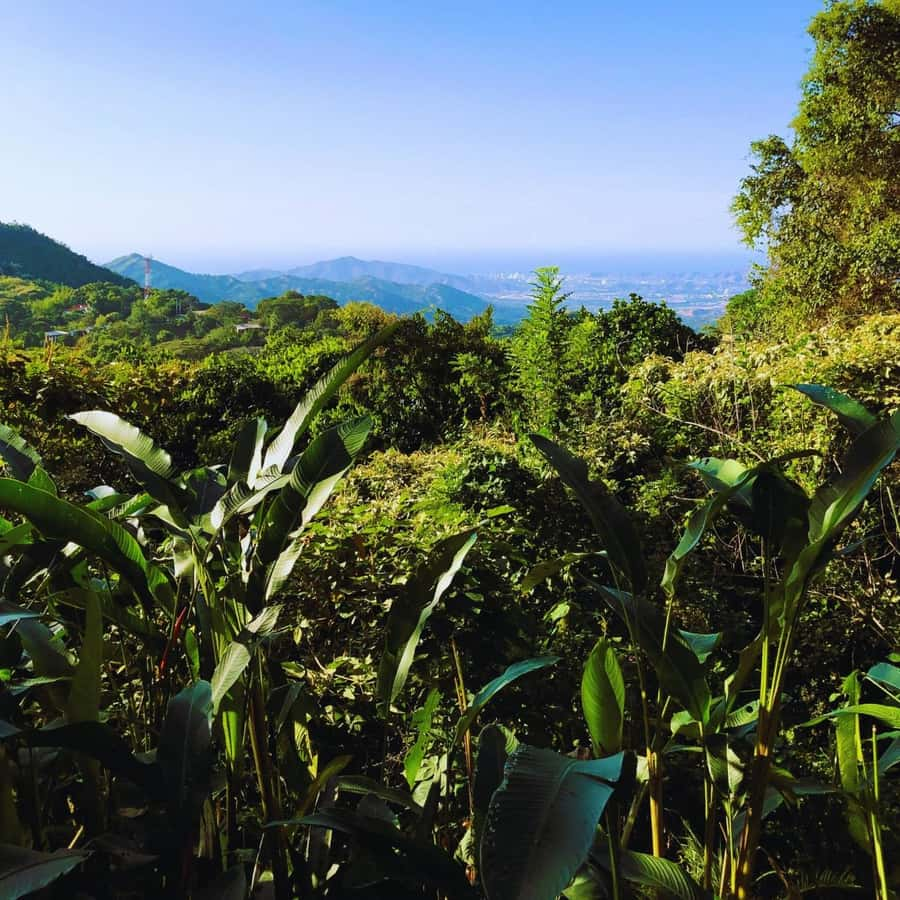
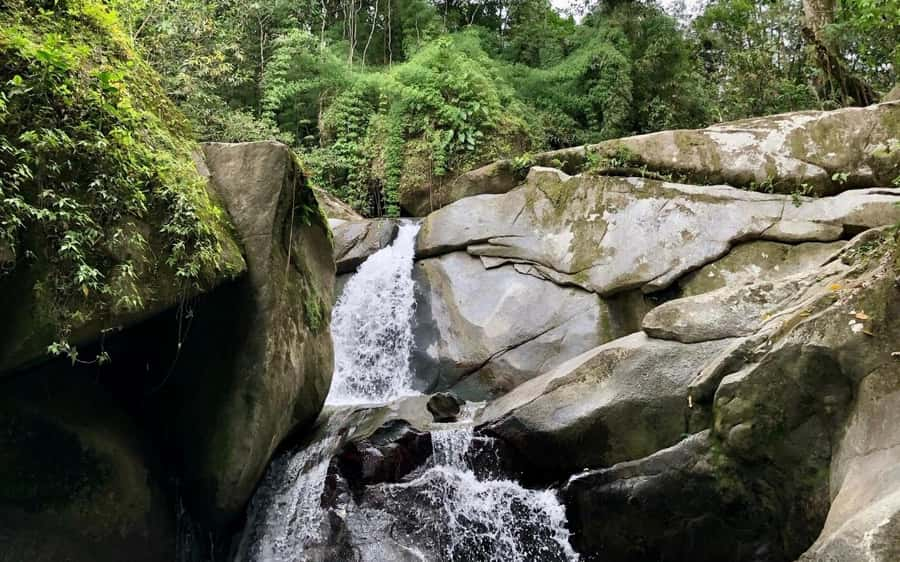
The final part of the outing offers time to relax at a natural waterfall. Depending on the route and conditions, you may encounter a waterfall along the way rather than reaching one as a fixed, guaranteed final stop.
Bring swimwear. If the water and timing permit, you can cool off after the walk. The waterfall also provides a quieter change of pace after the history and farm discussion.
Biodegradable sunscreen and biodegradable insect repellent are specifically recommended. These choices matter around natural water and forest areas. A reusable water bottle is also essential, since beverages are not included.
The waterfall is best viewed as a welcome possibility, not the sole reason to book. If your main goal is a guaranteed swim, confirm current conditions before reserving. If you want a cultural walk that may finish with water and shade, the arrangement makes good sense.
Respect the site. Do not litter, use alcohol or drugs, or bring sharp objects or weapons. Nudity is not allowed, and the community’s instructions should be followed.
What the $41 price really covers
At $41 per person, this is fairly priced for a half-day experience that includes a bilingual local guide, a nature walk, a farm visit, tasting, cultural conversation, waterfall access, assistance insurance, and a contribution to community projects.
The strongest value comes from the range of elements packed into one outing. A simple waterfall hike may cost less, while a specialist cultural visit could cost more. Here, your payment covers both the practical guiding and the local connection at the farm.
The price does not include transport to or from Minca, food, or beverages beyond the included cacao and coffee tasting. Add those costs when planning your day from Santa Marta.
There is also no stated group size, so you should not assume a private tour. If having a small or private group matters to you, ask before booking. The farm conversation and guide access may feel different in a large group.
The free cancellation policy allows a full refund up to 24 hours before the activity. You can also reserve and pay later, which is useful if your route through Colombia is still changing.
Who will enjoy this experience most
I would recommend this tour to adults and children aged 12 or older who want more than a scenic walk. It suits you if you enjoy asking questions, learning about local communities, and accepting that the day may be shaped by weather and trail conditions.
It is a good fit for first-time visitors to Minca who want an introduction to the area. Jorge’s practical suggestions about Santa Marta can be useful at the beginning of a trip, while the cultural and farm elements give you a better sense of place than a quick waterfall visit alone.
It also suits people who care about how tourism money is used. The direct contribution to Indigenous community projects is a meaningful part of the booking, though you should still approach the community with respect rather than expecting a staged performance.
This is not suitable for wheelchair users, children under 12, or people over 95. The medium difficulty also makes it a poor choice if you are not comfortable walking on nature trails.
Rain does not automatically cancel the activity. It runs in normal wet weather and stops only in extreme conditions, so bring clothing that can handle changing conditions.
What to pack for the four-and-a-half-hour outing
Pack light, but do not leave out the basics. You will be more comfortable with:
- Firm walking or hiking shoes
- Comfortable clothing and hiking pants
- Sun hat and sunscreen
- Biodegradable sunscreen and insect repellent
- Reusable water bottle
- Swimwear
- Basic trekking gear
A rain layer may also be sensible because the activity takes place rain or shine, except in extreme conditions. This is a practical suggestion based on the stated weather policy, not a promise that rain gear will be supplied.
Avoid bringing alcohol, drugs, weapons, sharp objects, or anything you might leave behind as litter. The tour is built around a natural setting and a working community, so simple, respectful packing is best.
Should you book the Minca Indigenous heritage trek?
Book it if you want a balanced half-day in Minca that combines Tayrona cultural context, an Arhuaco farm visit, cacao and coffee tasting, and a possible waterfall swim. The high 4.9 rating from 63 bookings reflects the main strengths of the experience: guides who make the information enjoyable, a friendly family setting, and a route that mixes learning with nature.
Choose another activity if you want a guaranteed waterfall excursion, a short and easy walk, a full meal, or a private vehicle from Santa Marta. You should also reconsider if you dislike uneven trails or prefer a tightly timed itinerary.
For most active visitors aged 12 and older, the $41 price is a sensible way to spend half a day in Minca. Bring swimwear, wear proper shoes, and arrive ready to listen. That combination will help you get the most from the walk.
FAQ
Where does the tour begin?
You meet the guide at Minca’s central park, beside the central chapel.
Where does the activity finish?
The tour ends back at Parque de Minca, the same place where it begins.
How long does the experience last?
The activity takes about 4.5 hours, with the total duration described as approximately 4 to 5 hours.
What languages are available?
The tour is available in English and Spanish.
Is transportation from Santa Marta included?
No. Transportation is not included. The operator can provide contact information for a private driver if you need help traveling between Santa Marta and Minca.
Is food included?
No. Food and beverages are not included. A traditional cacao and coffee tasting is included.
Is the waterfall guaranteed?
No. The tour may encounter a waterfall along the route, and the schedule allows time to relax there when conditions permit. Bring swimwear in case swimming is possible.
Is the hike suitable for everyone?
The difficulty is medium, and good physical condition is recommended. The activity is not suitable for children under 12 or wheelchair users.
Can I cancel the booking?
Yes. You can cancel up to 24 hours in advance for a full refund. Reserve now and pay later is also available.
More History Tours in Colombia
- Brussels: Historical Tour with Chocolate & Waffle Tasting
★ 4.8 · 1,206 reviews - Brussels: Historical Walking Tour with Chocolate & Waffle Tasting
★ 5.0 · 1,165 reviews - Best of Bruges: History, Chocolate & Beer Tour
★ 5.0 · 256 reviews - Barcelona & Chocolate Amatller History and Culture + Activity and Tasting
★ 4.9 · 173 reviews
Freshly tempered around Colombia
- Waterfalls, Animal Reserve and Chocolate: Mango Passage★ 5.0 · 2 reviews
- Cocoa Tour – San Rafael Antioquia from Medellín★ 5.0 · 2 reviews
- Medellín: Chocolate Tour & Exfoliation in beautiful river★ 5.0 · 3 reviews
- Chocolate tour near the Medellín★ 5.0 · 13 reviews
- Bean to Bar: Cocoa and Chocolate Workshop★ 5.0 · 5 reviews
- Cartagena: Express Rum and Chocolate Tasting Experience★ 5.0 · 10 reviews
- Cartagena: The Legendary Colombian Rum and Chocolate Tasting★ 5.0 · 8 reviews
- Bogotá: Candelaria Tour with Cacao and Coffee Workshop★ 5.0 · 3 reviews
More Colombia Chocolate Tours to compare.
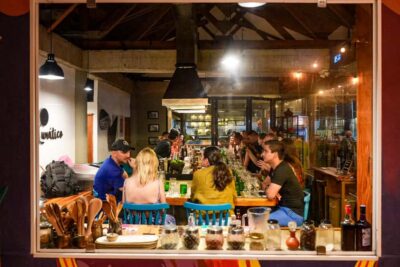
Cartagena: Boutique Rum and Chocolate Tasting at Lunático
Read our review →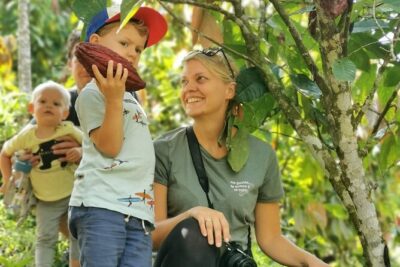
Coffee & Chocolate Private Tour in Medellin: Genuine Experience
Read our review →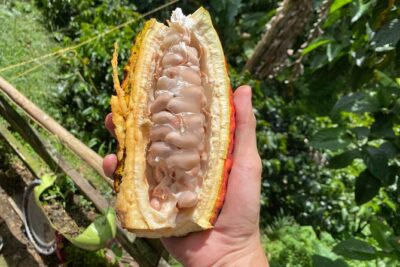
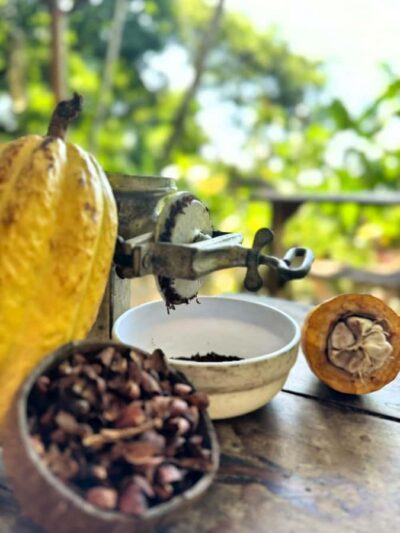
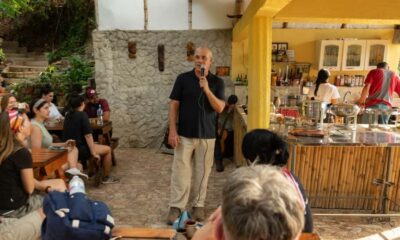
Minca: Full-Day Coffee and Cocoa Tour from Santa Marta
Read our review →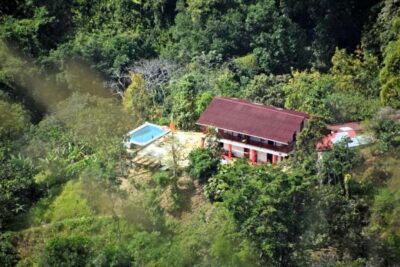
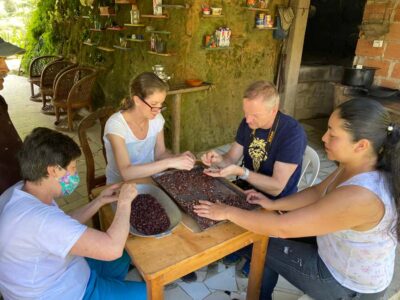
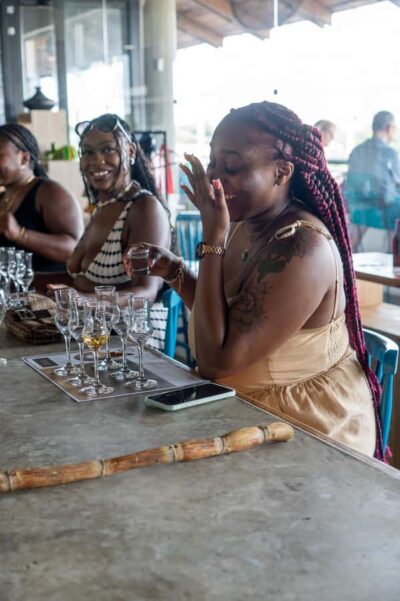
Cartagena: Express Rum and Chocolate Tasting Experience
Read our review →Chocolate lists with this tour