
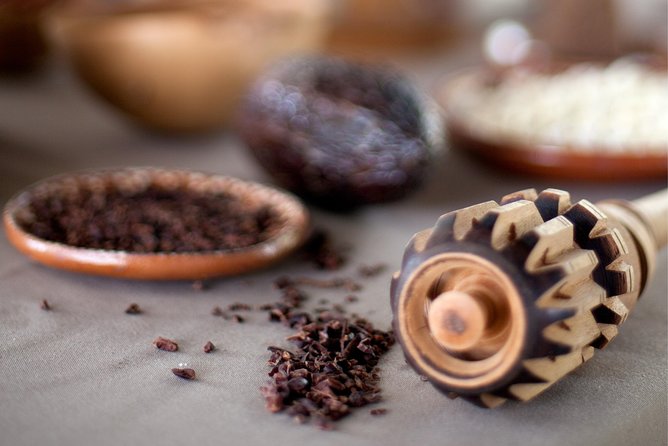
Review · MEXICO
Chocolate Seaside Workshop & Wine Tasting
The most unusual part of this Cozumel outing is that you do not simply taste chocolate. You work through the basic steps associated with ancient Mayan chocolate-making, then test modern pairings with Mexican chocolate and wine. At Stingray Beach, hosts such as Wendy and Lucy explain the process with plenty of history and humor.
I like two things right away: you make chocolate to take with you, and the tasting goes well beyond ordinary milk chocolate. Dark, chile, coconut, almond, white, and other Mexican varieties give you a useful sense of how cocoa changes with ingredients and sweetness. The main drawback is that the beach setting can be more scenic than active, and access to the shoreline may be limited during the workshop.
Key points
- Mayan-style chocolate lesson: Follow the cocoa process from bean to paste and learn how chocolate was used in Yucatán culture.
- Hands-on treat: Make a small amount of chocolate yourself, then take it home or use it for hot cocoa.
- Seven or more samples: Taste Mexican artisanal chocolate in flavors such as dark, milk, white, almond, chile, and coconut.
- Wine pairing: Red and white wine are served between tastings to clear your palate and compare flavors.
- Small, air-conditioned venue: The listed maximum is six people, with past sessions sometimes described as intimate small-group experiences.
- Simple planning: The activity begins and ends at the meeting point, with private transportation not included.
Chocolate Before Wine at Stingray Beach
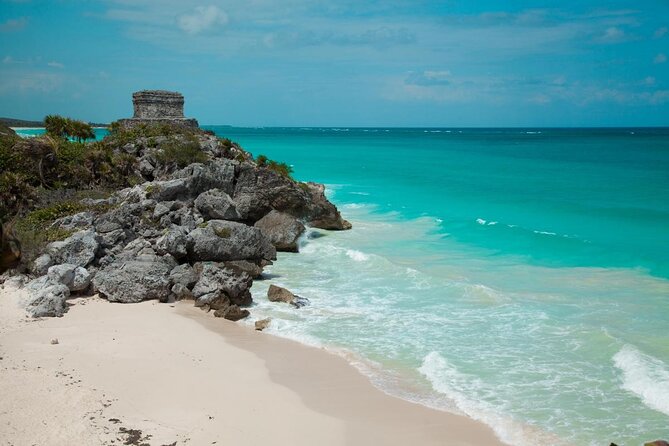
Most Cozumel excursions point you toward the water. This one takes a different route. You still reach Stingray Beach, but the focus is a table, a tray of cocoa ingredients, a line of chocolate samples, and a glass of wine.
That change of pace matters. You can spend a morning or afternoon learning something hands-on without committing to snorkeling, swimming, or a full beach day. I especially like it for a cruise stop when you want an organized activity that fits into a shorter schedule and does not leave you sandy and sunburned.
The workshop lasts about two hours, though one detailed account described a session closer to two and a half hours. Plan a little breathing room around the activity, especially if you need to return to a cruise ship at a set time.
The setting is an air-conditioned building at Stingray Beach with views toward the water. That gives you a welcome break from Cozumel’s heat. Keep your expectations in check, though. The workshop takes place at a beach property, but the activity itself is not presented as a beach-access or swimming excursion. One account found the beach smaller and more restricted than expected, with no permission to walk down near the water during the visit.
More Wine and Chocolate Tours in Mexico:
- Cozumel: Seaside Chocolate Workshop and Wine Tasting
★ 5.0 · 30 reviews - Melbourne: Yarra Valley Wine, Gin, Whisky and Chocolate Tour
★ 5.0 · 3,667 reviews - Epic Yarra Valley Wine Tour + Lunch, Chocolate & Gin/Beer Option
★ 5.0 · 1,819 reviews
The Mayan Cocoa Story Comes First
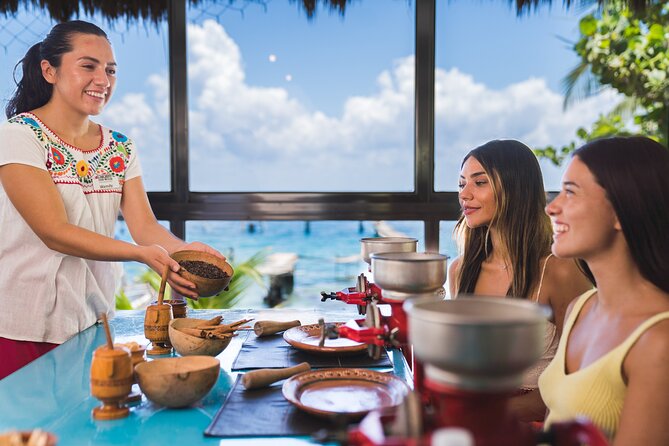
The workshop begins with an explanation of how the Maya discovered and processed cocoa. Rather than treating chocolate as a finished candy, the host walks you through the earlier stages and shows how the beans become a paste.
That is the key educational part of the experience. You see why chocolate was once bitter and earthy, and why modern chocolate tastes so different. The lesson also places cocoa in the context of Yucatán culture, which makes the activity more than a string of samples.
Wendy is the host most often associated with the workshop, and she is described as clear, funny, and enthusiastic. Lucy also leads sessions and brings the same focus to Mayan culture, chocolate-making, and wine pairing. Other hosts named in the tour details include Yani, Yany, Vanessa, and Jasna, so the exact team may depend on the day.
The presentation seems to work best when the host adds personal stories to the history. The idea for this workshop grew from a chocolate-processing presentation and from the discovery that brownie and red wine make a surprisingly good combination. That origin gives the session a personal feel instead of making it sound like a standard tasting script.
You will also hear the lighthearted explanation for why Mayan chocolate did not develop into Swiss-style milk chocolate: the Maya did not have cows. It is a simple joke, but it helps explain how food traditions are shaped by local ingredients.
Making Your Own Small Chocolate Treat
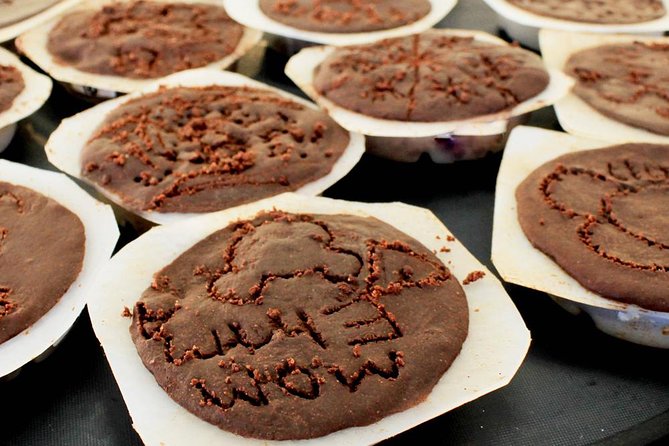
After the explanation, you get to work. The activity gives you ingredients and guides you through preparing a small amount of chocolate. The exact final form may vary, but the practical result is a homemade chocolate treat that you can take with you.
This is where the workshop earns its keep. A lecture about cocoa can be interesting, but handling the ingredients gives you a better sense of the work involved. You notice texture, thickness, and the difference between cocoa in a raw or processed state.
The portions are small, so do not arrive expecting to make a large box of candy. That is not really the point. You are paying for instruction, tasting, and participation, with a modest edible souvenir at the end.
Some sessions have also used the finished chocolate for hot cocoa. That makes the take-home piece more useful than a decorative souvenir, particularly for children or anyone who prefers a warm chocolate drink to a formal tasting.
The process is described as easy to follow. You do not need prior cooking experience. The hosts demonstrate the steps, and you follow along at the table. The activity is also a good fit for a mixed group because the chocolate-making portion does not depend on drinking wine.
Seven or More Mexican Chocolate Samples
Once your own chocolate is underway or cooling, the tasting begins. The menu includes at least seven varieties of Mexican artisanal chocolate, with examples such as dark, milk, white, almond, chile, and coconut.
This variety is more useful than a lineup of nearly identical bars. You can compare sweetness, bitterness, spice, texture, and added ingredients. The chile sample is especially fitting in Mexico, while almond and coconut show how nuts and tropical flavors alter cocoa’s character.
The tasting is not just a sugar stop. You are encouraged to notice how each piece feels and tastes before moving to the next. Dark chocolate may be sharper and less sweet, while milk and white versions will seem softer and richer. Nut and coconut versions add texture, and chile brings heat that lingers after the chocolate is gone.
Because the samples include nuts, this activity is not suitable for anyone with a chocolate or nut allergy. That warning is important. Do not assume you can simply skip one or two samples, since the workshop environment involves chocolate ingredients and shared tasting arrangements.
Bottled water and snacks are included. Water helps, but the wine also plays a role in keeping the tasting from becoming one long blend of sweetness.
More Chocolate Tours around Mexico:
- Finca 18 Puerto Vallarta Tequila Tour + Chocolate Pairing
★ 5.0 · 393 reviews - Bean to Bar Chocolate Workshop in Puerto Vallarta
★ 5.0 · 381 reviews - Chocolate Tour in Vallarta
★ 5.0 · 226 reviews - Chocolate & Margarita Workshop
★ 5.0 · 207 reviews
Red Wine, White Wine, and a Surprising Match
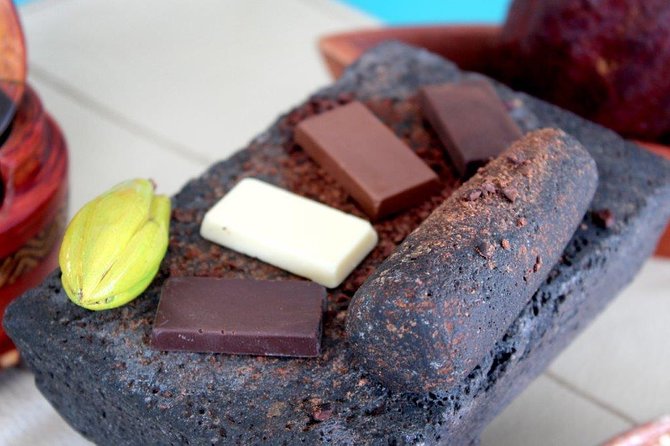
The second half of the experience explores the relationship between chocolate and wine. Red and white wine are served between tastings to cleanse your palate and help you compare the pairings.
The concept may sound odd if you have only had chocolate with coffee or milk. In practice, wine gives you a different way to notice cocoa. A dark chocolate can bring out fruit or spice in red wine, while a sweeter or lighter chocolate may work better with a different pour.
The workshop is not described as an advanced wine course. Think of it as a friendly introduction to tasting combinations. You will learn by trying the chocolate, sipping the wine, and noticing what changes. That makes the activity accessible even if you do not know wine terminology.
The opening drink is a chocolate martini for adults. Participants under 18 receive a cocoa drink instead. Wine and the martini are available only to people 18 and older, so families should understand that the activity has an adult tasting component.
The wine portion appears generous enough to feel like a real part of the workshop, not a token sip. Still, the purpose is comparison rather than heavy drinking. Eat normally before the activity, and remember that you have to arrange your own ride back to the meeting point or port.
An Air-Conditioned Room With a Coastal View
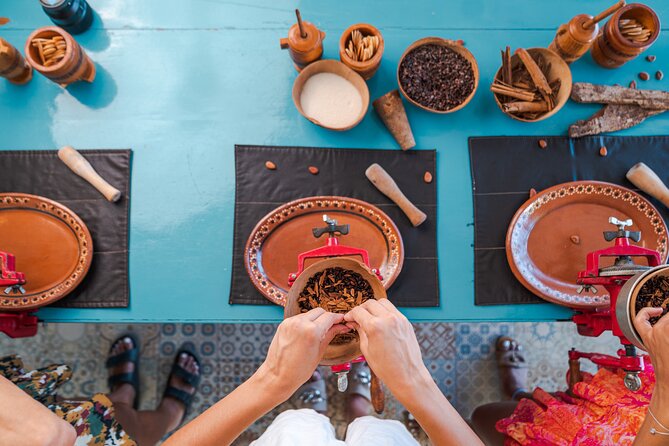
The venue is one of the practical strengths of the experience. The air-conditioned building gives you shade and cool air while keeping the water nearby as a view.
That combination is especially useful in Cozumel, where heat can make outdoor sightseeing tiring. You get a coastal setting without spending two hours exposed to the sun. The view adds atmosphere, even though the workshop is mostly indoors.
The beach itself may not match the scale suggested by promotional photos. It is described as smaller and more consolidated around water activities, and access near the water may not be part of the workshop. I would treat the seaside location as a pleasant backdrop rather than the main attraction.
If you want a day centered on swimming, snorkeling, or lounging beside the sea, choose a different Cozumel activity. If you want a cool, seated experience with a view, this venue makes sense.
Small Groups and Personal Instruction
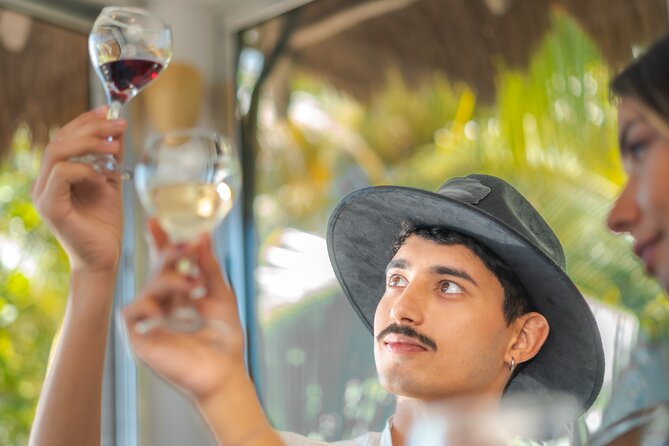
The published maximum is six participants. Several accounts describe groups of five or seven and emphasize the personal feel of the session. Group size can vary, but this is clearly designed to be smaller than a large cruise excursion.
A small group helps during the hands-on portion. You can see the demonstration, ask questions, and get help with the chocolate-making steps. It also gives the host room to adjust the pace for adults, teenagers, and children.
The hosts receive the strongest praise for their presentation style. Wendy is repeatedly described as warm, entertaining, and clear. Lucy is also praised for her energy and explanations. Yani and Yany are mentioned as helpful members of the team, while Vanessa and Jasna have led private arrangements.
The tone is usually personal rather than formal. One account found the instruction informative but less connected on a personal level, so the exact feel may depend on the host and group. If you prefer a quiet tasting with little conversation, the presentation may feel more social than expected.
Families, Couples, and Cruise-Day Planning
The experience works especially well for couples, friends, and families with older children. Teenagers can take part in the chocolate work and sample the nonalcoholic drink, while adults handle the wine tasting.
Children are not allowed to participate in the wine portion. However, a private arrangement has allowed younger children to join the chocolate-making activity while adults tasted wine. In that case, the staff even prepared chocolate milk for a very young child. Do not assume that arrangement is automatic, but it shows that family needs may be accommodated when arranged in advance.
The activity also suits a birthday morning, a low-key group outing, or a break from water sports. It gives everyone a shared task, which is more engaging than sitting through a passive tasting.
Transportation is not included. You start and finish at the meeting point in Cozumel, and taxis can reach the facility from the cruise port. One group received help flagging down a taxi for the return trip. I would still allow extra time and confirm your return plan before the tasting begins, particularly on a cruise day.
The ticket is mobile, and confirmation is provided at booking. The tour is offered in English.
Is the $48.39 Price a Good Value?
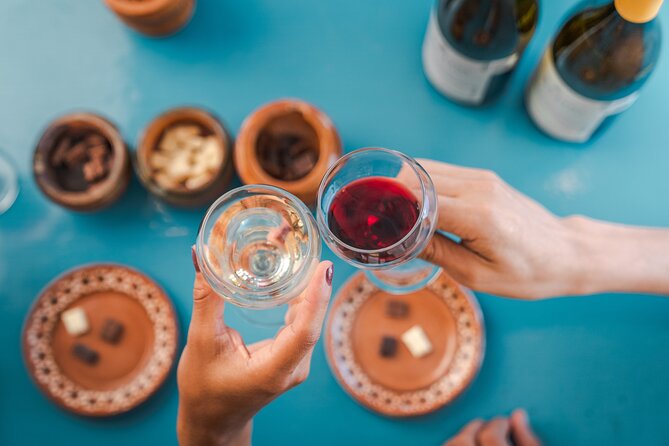
At $48.39 per person, the price is reasonable if you value instruction and participation more than a large meal or a full beach day.
You are paying for a roughly two-hour hosted session, a chocolate-making activity, a chocolate martini or cocoa drink, seven or more chocolate samples, red and white wine for adults, bottled water, snacks, and the finished chocolate. Private transportation is not included, so taxi costs are extra.
The value is strongest for chocolate fans who want context. A simple chocolate tasting could cost less, but it would not include the Mayan processing lesson or the chance to make your own chocolate. The price also compares well with larger cruise excursions if you prefer a small group and an indoor venue.
It is less compelling if you mainly want beach time. The beach access is limited, and the main product is the workshop. You should also account for the fact that the session is not a full lunch. The included snacks support the tasting but do not replace a substantial meal.
Important Booking Details Before You Go
Book at least 24 hours ahead if you want the option of a full refund. Cancellations made less than 24 hours before the start time are not refunded, and changes inside that window are not accepted.
The activity requires good weather and a minimum number of participants. If poor weather or low enrollment causes cancellation, you can choose another date or experience, or receive a full refund.
The workshop is not suitable for anyone with chocolate or nut allergies. Alcohol is served only to people 18 and older. Bring a plan for returning to your hotel or ship, since private transportation is not included.
The activity is often booked well ahead, with the average booking made about 33 days before the date. That is worth noting if you are visiting Cozumel on a cruise and have only one day to fit it in.
Should You Book the Chocolate Seaside Workshop?
I would book this if you want a small, hands-on Cozumel experience with food, local culture, and a little coastal scenery. The best parts are the Mayan cocoa lesson, the chance to make chocolate, the broad Mexican tasting lineup, and the unexpected wine pairing.
It is a particularly good choice for couples, friends, families with older children, and cruise visitors who want a break from water activities. The air-conditioned room is a real advantage in hot weather, and the activity gives you something to talk about long after the final sample.
I would skip it if your main goal is swimming or a broad beach property. Stingray Beach provides the setting, but the chocolate workshop is the attraction. For everyone else, the price buys a focused and unusual two hours, with enough food and instruction to feel like a real experience rather than a quick souvenir stop.
FAQ
Where does the chocolate workshop take place?
The activity takes place at Stingray Beach in Cozumel, Quintana Roo, Mexico.
How long does the experience last?
The tour lasts approximately two hours. One session was described as lasting two and a half hours, so allow some extra time in your schedule.
What chocolate will I taste?
You will taste seven or more varieties of Mexican artisanal chocolate. Examples include dark, milk, white, almond, chile, and coconut.
Do I get to make chocolate?
Yes. You receive ingredients and instructions to make a small amount of chocolate. The chocolate you make can be taken home, and some sessions have also used it for hot cocoa.
What drinks are included?
Adults receive a chocolate martini at the start, followed by red and white wine during the tasting. Participants under 18 receive a cocoa drink instead of alcohol.
Is wine served to children?
No. Alcoholic beverages are served only to people who are 18 or older.
Is transportation included?
No. Private transportation is not included. The activity starts and ends at the meeting point, and taxis can be used to reach the facility from the cruise port.
Can I cancel for a refund?
You can cancel at least 24 hours before the start time for a full refund. Cancellations made less than 24 hours in advance are not refunded. If weather or insufficient enrollment cancels the activity, you will be offered another date or experience, or a full refund.
Freshly tempered around Mexico
- Tulum: Chocolate & Honey Sanctuary Experience with Lunch★ 4.2 · 34 reviews
- Tulum: Chocolate & Honey Sanctuary Experience with Cenote★ 3.5 · 6 reviews
- Cultural Adventure: Artisanal Chocolates, Coffee and Doll Making★ 5.0 · 2 reviews
- Tarot Reading with Coffee & Chocolate or Smoothie★ 5.0 · 17 reviews
- Sayulita Magical Town Tour: Local food, and chocolate.★ 5.0 · 18 reviews
- Chocolate Macarons Workshop in Puerto Vallarta★ 5.0 · 5 reviews
- Private Make Your Own Chocolate Experience in Puerto Vallarta★ 5.0 · 8 reviews
- Amazing Walk through the Zapotec Mountains with Hot Chocolate★ 5.0 · 4 reviews
More Mexico Chocolate Tours to compare.
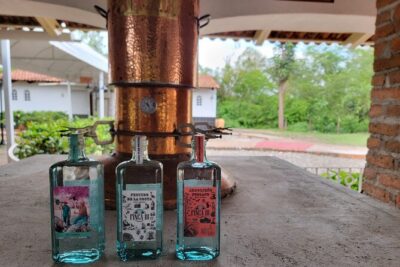
Finca 18 Puerto Vallarta Tequila Tour + Chocolate Pairing
Read our review →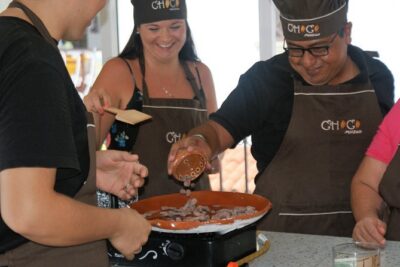
Bean to Bar Chocolate Workshop in Puerto Vallarta
Read our review →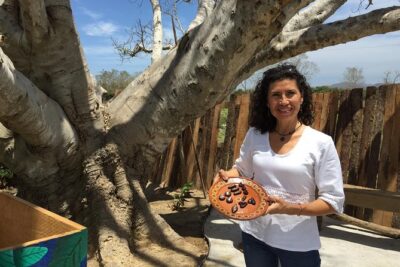
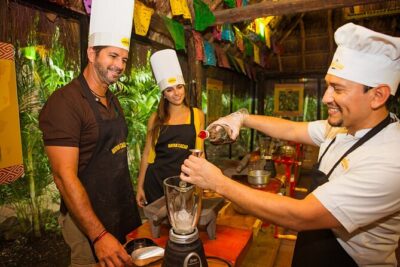
San Jose del Cabo Art Walk, Beer Tasting &Chocolate Demonstration
Read our review →
Chocolate lists with this tour