
Review · MEXICO
Cozumel: Chocolate Workshop at The Mayan Cacao Company
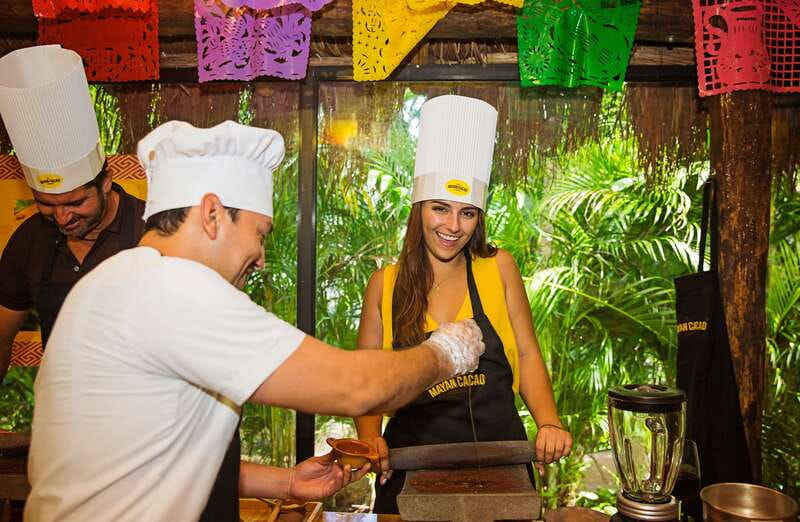
Cacao was far more than a sweet treat to the Maya. At The Mayan Cacao Company in Cozumel, you learn how it served as a sacred food, a marker of status, and part of religious ceremonies before making your own bar with a traditional pre-Hispanic metate.
I like two things here: the workshop turns a history lesson into something you can touch and taste, and the 13-chocolate tasting gives you a broad look at Mexican cacao products. Guides such as Paty and Roberto also make the session feel personal, with plenty of time for questions.
The main drawback is that this is not suitable for people with chocolate or nut allergies. The site is also not wheelchair accessible, and the $40 price does not include transport, food, or drinks beyond the tasting.
Key points to know before you book
- You grind the cacao yourself: Use the same basic type of stone tool used in traditional preparation, rather than simply watching a demonstration.
- The Mayan story comes first: The guide explains cacao’s place in ritual, religion, prestige, and daily social life.
- You make a chocolate bar: Ingredients and tools are included, so you leave with something you prepared yourself.
- Thirteen chocolates are included: The tasting takes place after the workshop in the chocolate boutique.
- Paty and Roberto are frequent guides: Eduardo and Leti have also led engaging sessions, with the teaching adjusted to the group.
- Plan around the practical limits: Bring comfortable clothes and cash, arrive 15 minutes early, and arrange your own way to The Mayan Cacao Company.
Why Mayan cacao makes a better lesson than a standard tasting
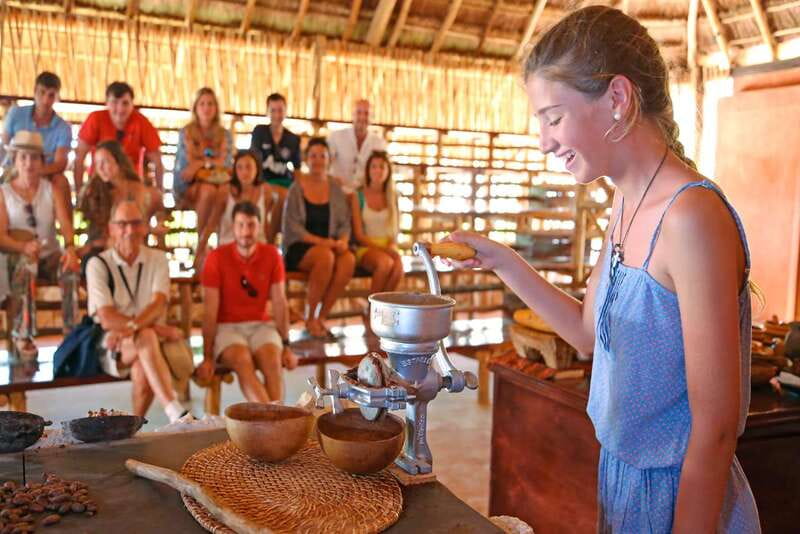
The appeal of this Cozumel activity is that chocolate is used as a doorway into Mayan life. You are not simply handed a sample and told which flavor you are tasting. First, you learn why cacao mattered so much to the people who cultivated and used it.
The introduction covers cacao as a sacred food, a sign of prestige, a social centerpiece, and a cultural symbol. It also explains its role in ceremonies honoring the gods. That gives the tasting more meaning later, because you understand that cacao was tied to power and belief long before it became a modern candy-bar ingredient.
I like this approach because the subject stays focused. The workshop lasts about 90 minutes, so it does not try to become a full Mayan archaeology course. Instead, it gives you a clear piece of cultural context, then lets you work with the ingredient yourself.
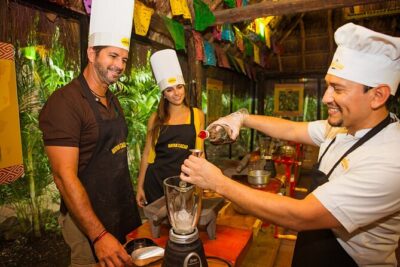
The guide matters a lot here. Paty is noted for taking time with questions and helping participants who need assistance with grinding. Roberto brings a lively, audience-friendly style, and has been praised for keeping the group involved rather than delivering a one-way speech. Eduardo has also worked well with families, explaining the process in a way that children can follow. Leti has made the history engaging for school-age children, too.
The experience is offered in English and Spanish. If you want to ask detailed questions about cacao, Mayan customs, or the preparation method, the interactive format gives you a better chance than a quick museum stop.
More Chocolate Making Workshops in Mexico
- Bean to Bar Chocolate Workshop in Puerto Vallarta
★ 5.0 · 381 reviews - Chocolate Workshop
★ 5.0 · 92 reviews - Make Your Own Chocolate with Oaxacan Tradition Private Class
★ 5.0 · 45 reviews
Entering The Mayan Cacao Company in Cozumel
You meet at The Mayan Cacao Company in Quintana Roo, rather than receiving hotel pickup. That keeps the $40 price fairly direct, but it means you need to arrange your own transportation to the site. Arrive 15 minutes before your scheduled start, since the workshop has a set timetable.
The entrance fee is included. So are the cacao, other ingredients, tools, the guided lesson, and the tasting. Food and drinks are not included, aside from the chocolate samples that form part of the activity.
Wear comfortable clothes. You will be handling ingredients and working with a traditional grinding tool, so this is more hands-on than a seated talk. Bring cash as well, particularly if you plan to buy something in the boutique after the tasting.
The setting is described as attractive by people who enjoyed the activity, but the available information does not promise a particular view or outdoor program. I would book this for the cacao workshop itself, not as a sightseeing tour of Cozumel.
Grinding cacao on a traditional metate
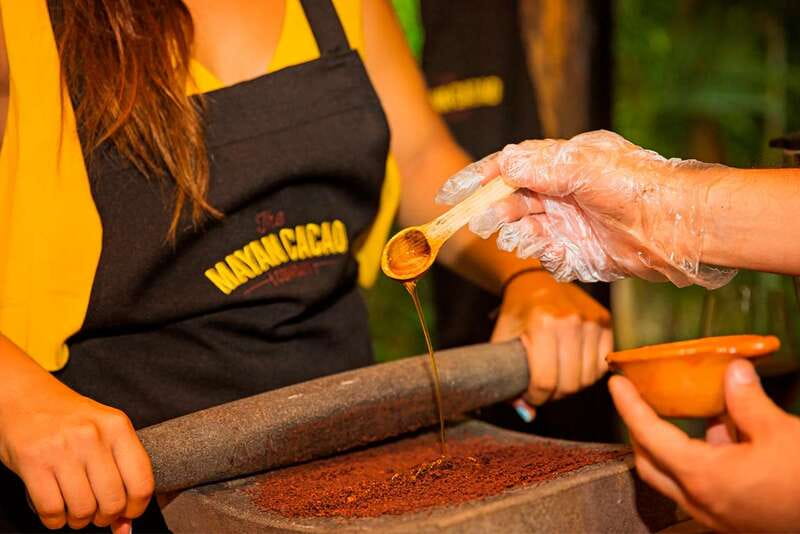
The most memorable part is the practical work. You take cacao seeds like those used in Mayan rituals and ceremonies, place them on a traditional metate, and grind them by hand.
A metate is a pre-Hispanic stone grinding tool. Using one gives you a physical sense of how much labor sits behind a food that now feels effortless to buy. The process is not reduced to watching a guide do everything while you stand back. You get involved, and the guide can step in if the grinding proves awkward.
That assistance can be useful. Grinding on stone takes coordination, and children or anyone unfamiliar with the tool may need a little help. Paty has been especially attentive during this part of the activity, while other guides have kept the work light and social.
After grinding, you mix the cacao with simple ingredients to create your own bar. The available details do not specify every ingredient or the exact shape of the finished bar, so do not expect a formal confectionery class with a printed recipe. Think of it as a short traditional preparation workshop, tied to Mayan food culture.
The result is valuable because it is personal. A purchased chocolate is a souvenir. A bar you grind and mix yourself carries the memory of the tool, the texture, and the story behind it.
Making your own chocolate bar
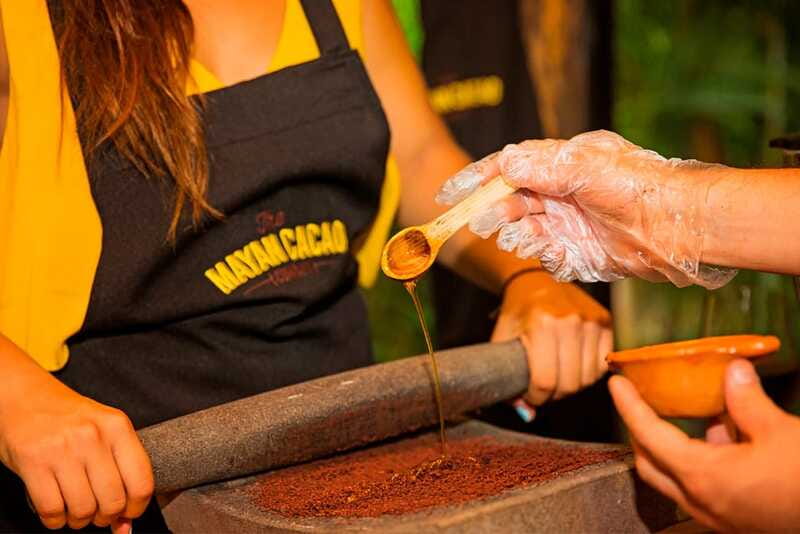
The handmade bar is the clear activity centerpiece, especially for families. Children can take part in the preparation, and the process gives them something concrete to do while the guide explains the cultural material.
That balance is important. A long talk about ancient society can lose younger attention quickly. Here, the lesson is broken up by grinding, mixing, tasting, and handling ingredients. The workshop has worked well for families with young children, including children who were able to make their own chocolate with assistance.
I would still judge this by your child’s interest in food and hands-on activities. The program is not advertised with a specific minimum age, and it is not a dedicated children’s show. A child who enjoys making things should get more from it than one who dislikes unfamiliar textures or structured demonstrations.
Adults get something from the process, too. You see how cacao moves from seed to prepared food, and you gain a better sense of the difference between traditional cacao preparation and the highly processed chocolate sold in supermarkets.
Do not expect to produce a polished professional confection. The point is participation and cultural connection, not technical pastry training.
Same cocoa, a different bite:
- Finca 18 Puerto Vallarta Tequila Tour + Chocolate Pairing
★ 5.0 · 393 reviews - Chocolate Tour in Vallarta
★ 5.0 · 226 reviews - Chocolate & Margarita Workshop
★ 5.0 · 207 reviews - Chocolate and truffles workshop
★ 5.0 · 157 reviews
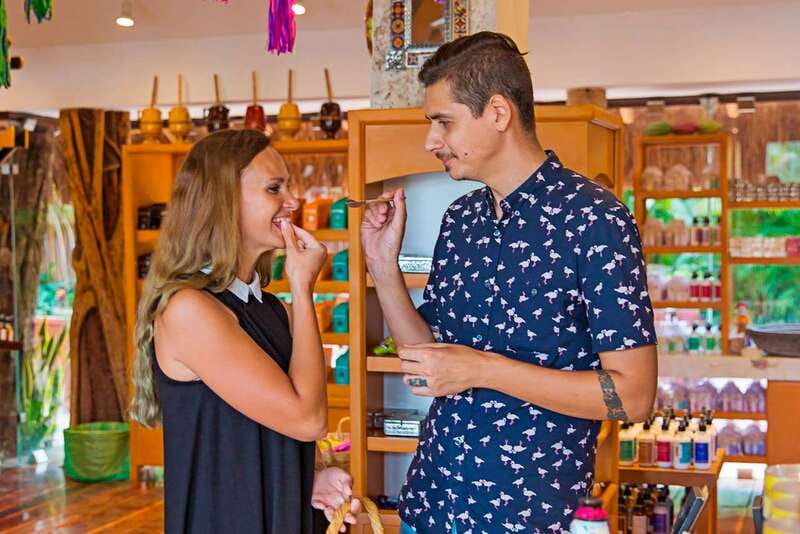
The 13-chocolate tasting in the boutique
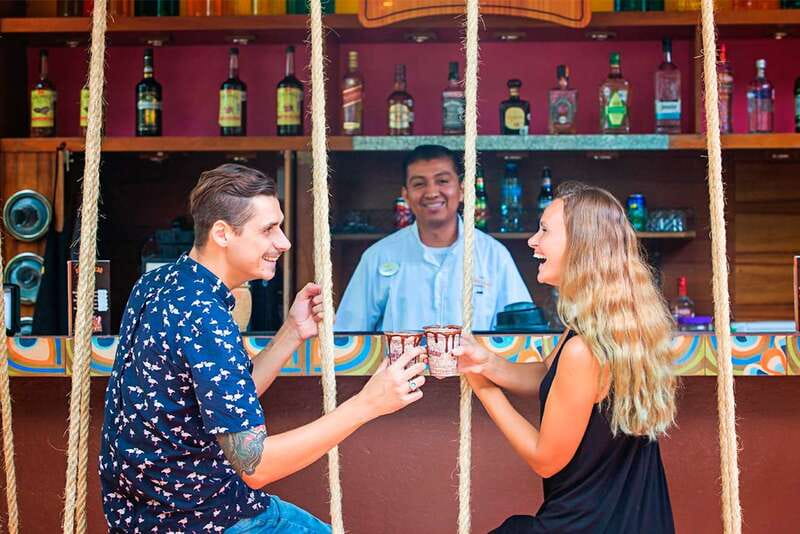
After making your bar, you visit the chocolate boutique and taste 13 artisanal chocolates. This is a generous tasting for a 90-minute activity, and it gives the workshop a satisfying finish.
The tasting lets you compare different chocolate products rather than stopping after one sample. Since the exact flavors are not listed, I would not book this expecting a fixed menu of particular fillings or cacao percentages. The useful promise is variety, not a specific flavor lineup.
The boutique also gives you a chance to browse after the formal activity. Purchases are not included in the $40 price, and the instructions advise bringing cash. If you want to take chocolate home, cash is the safest preparation based on the information provided.
One optional tip comes from the experience itself: try the chocolate smoothie. It is not listed as part of the included workshop, so treat it as an additional purchase rather than part of the package. For anyone who finds very dark or earthy cacao intense, a drink may be an easier extra than another solid sample.
The tasting is also where the value becomes easier to judge. If you enjoy chocolate and want to sample several artisanal products, the combination of 13 tastes and a hands-on bar makes the fee more reasonable. If you mainly want a history talk and do not care about tasting or making chocolate, the price may feel less attractive.
How the guides shape the experience
The guide is central to this activity. The workshop depends on clear explanation, energy, and a willingness to help people at the metate. The named guides associated with the program include Paty, Roberto, Eduardo, and Leti.
Paty is particularly suited to visitors who like to ask questions. She has made time for small groups and helped participants through the grinding process without rushing them. Roberto’s style is more theatrical and playful, with one description comparing him to a Mexican Willy Wonka. That gives you an idea of the lighter tone some sessions may have.
Eduardo has been a good fit for families, explaining the cacao process clearly and helping children feel involved. Leti has also made the subject accessible to children around nine and eleven years old.
Because several guides lead the workshop, your exact style may vary. You might get a warm, conversational lesson, or a more energetic presentation. The common thread is audience participation, rather than a silent demonstration.
This is useful to know if you prefer a quiet, self-guided museum visit. You will be expected to take part, listen, handle the cacao, and taste the products. For most people, that is the reason to choose this activity.
Is $40 a fair price?
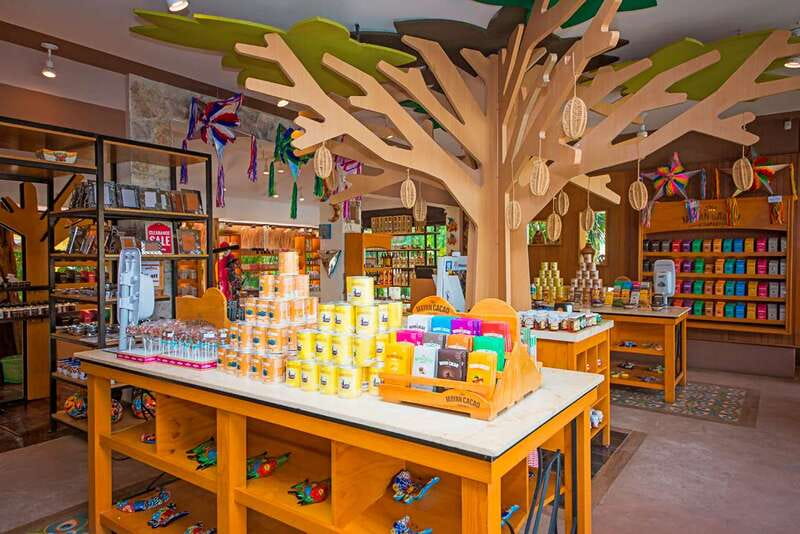
At $40 per person, the price is not the cheapest way to eat chocolate in Cozumel. You can buy sweets for far less. The comparison changes when you count what is included: admission, instruction, all materials, your handmade bar, and 13 artisanal chocolate samples.
The 1.5-hour duration also matters. This is long enough to feel like a proper scheduled activity, but short enough to fit around other Cozumel plans. You can use it as a focused cultural stop rather than giving up a whole day.
I see the best value for three types of people:
- You want a hands-on cultural activity rather than a passive tour.
- You enjoy tasting several chocolate products.
- You are traveling with children who like making and sampling food.
The value is weaker if you are buying it only for a large chocolate souvenir. The handmade bar is part of the experience, not a replacement for a full shopping trip. It is also not a meal, and food or drinks outside the tasting cost extra.
Since transport is not included, add that cost and time when planning your day. The tour makes the most sense when The Mayan Cacao Company fits naturally into your Cozumel route.
Who should book this workshop?
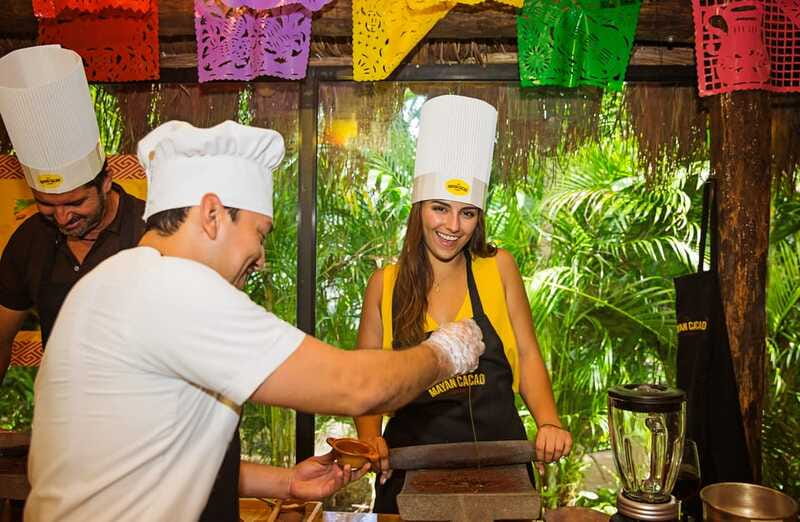
I would recommend it to chocolate fans, families, cruise passengers with a free block of time, and anyone who wants a cultural activity with a clear beginning and end. The English and Spanish instruction makes it accessible to a broad range of visitors, and the hands-on format keeps the material moving.
It is a particularly good choice for people who like to ask questions. Guides such as Paty and Roberto have shown a willingness to follow a group’s interests, including small groups that want extra explanation.
You should think twice if you have a chocolate or nut allergy. The activity is specifically marked as unsuitable for people with food allergies, so do not assume that ingredients can be changed safely. The site is also not wheelchair accessible.
Bring comfortable clothes, cash, and an appetite for samples. Arrive early enough to check in 15 minutes before the start, and plan your own transportation. Those simple steps remove most of the practical hassle.
Should you book the Cozumel chocolate workshop?
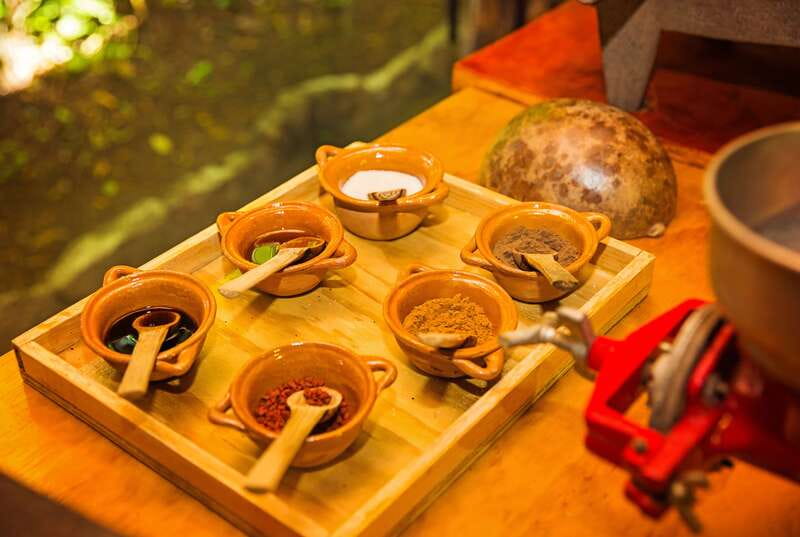
Book it if you want more than a tasting counter. The strongest part is the link between Mayan cacao traditions and your own work at the metate. You hear why cacao mattered, grind it yourself, make a bar, and then sample 13 artisanal chocolates.
The $40 cost is fair for a 90-minute, materials-included activity, especially when children or curious adults will take part fully. I would skip it if you have relevant food allergies, need wheelchair access, or want a full meal and a larger Cozumel sightseeing program.
For everyone else, this is a compact, cheerful way to spend part of a day. The chocolate is the lure, but the hands-on Mayan food lesson is what gives the experience its lasting flavor.
FAQ
Where does the chocolate workshop take place?
The workshop takes place at The Mayan Cacao Company in Cozumel, Quintana Roo.
How long does the activity last?
The workshop lasts 1.5 hours.
How much does the workshop cost?
The price is $40 per person.
Is transportation included?
No. Hotel pickup and drop-off are not included, so you need to arrange your own transportation to The Mayan Cacao Company.
How early should I arrive?
Arrive 15 minutes before the activity starts.
What languages are available?
The workshop is offered in English and Spanish.
What do I make during the workshop?
You make your own handmade chocolate bar using cacao seeds, simple ingredients, and traditional tools.
How many chocolates do I taste?
The experience includes a tasting of 13 artisanal chocolates.
What should I bring?
Bring comfortable clothes and cash.
Is the workshop suitable for people with allergies or wheelchair users?
The workshop is not recommended for people with chocolate or nut allergies, and the tour is not wheelchair accessible.
Freshly tempered around Mexico
- Tulum: Chocolate & Honey Sanctuary Experience with Lunch★ 4.2 · 34 reviews
- Tulum: Chocolate & Honey Sanctuary Experience with Cenote★ 3.5 · 6 reviews
- Cultural Adventure: Artisanal Chocolates, Coffee and Doll Making★ 5.0 · 2 reviews
- Tarot Reading with Coffee & Chocolate or Smoothie★ 5.0 · 17 reviews
- Sayulita Magical Town Tour: Local food, and chocolate.★ 5.0 · 18 reviews
- Chocolate Macarons Workshop in Puerto Vallarta★ 5.0 · 5 reviews
- Private Make Your Own Chocolate Experience in Puerto Vallarta★ 5.0 · 8 reviews
- Amazing Walk through the Zapotec Mountains with Hot Chocolate★ 5.0 · 4 reviews
More Mexico Chocolate Tours to compare.
Finca 18 Puerto Vallarta Tequila Tour + Chocolate Pairing
Read our review →
Bean to Bar Chocolate Workshop in Puerto Vallarta
Read our review →

San Jose del Cabo Art Walk, Beer Tasting &Chocolate Demonstration
Read our review →
Chocolate lists with this tour