
Review · SPAIN
Lanzarote: Vineyard Tour with Wine and Chocolate Tasting
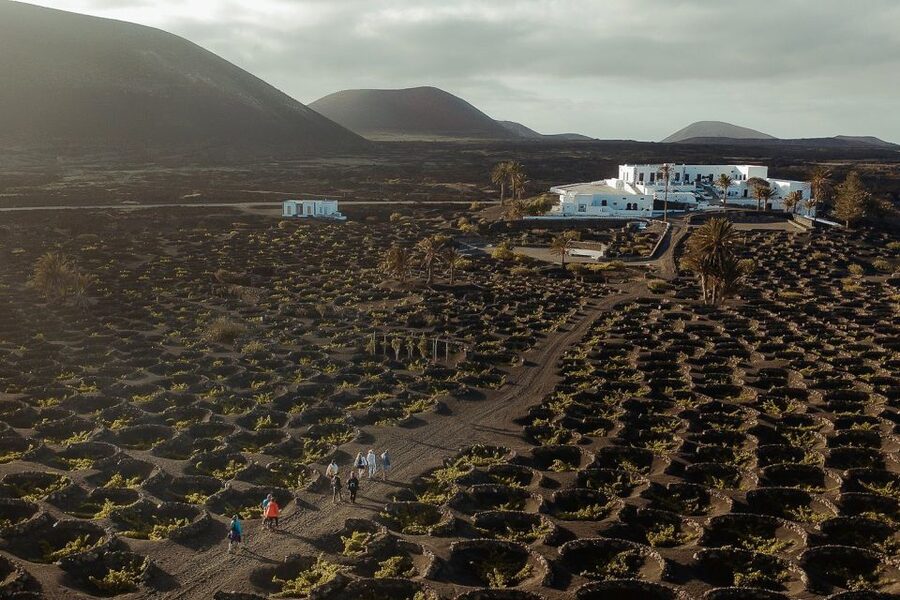
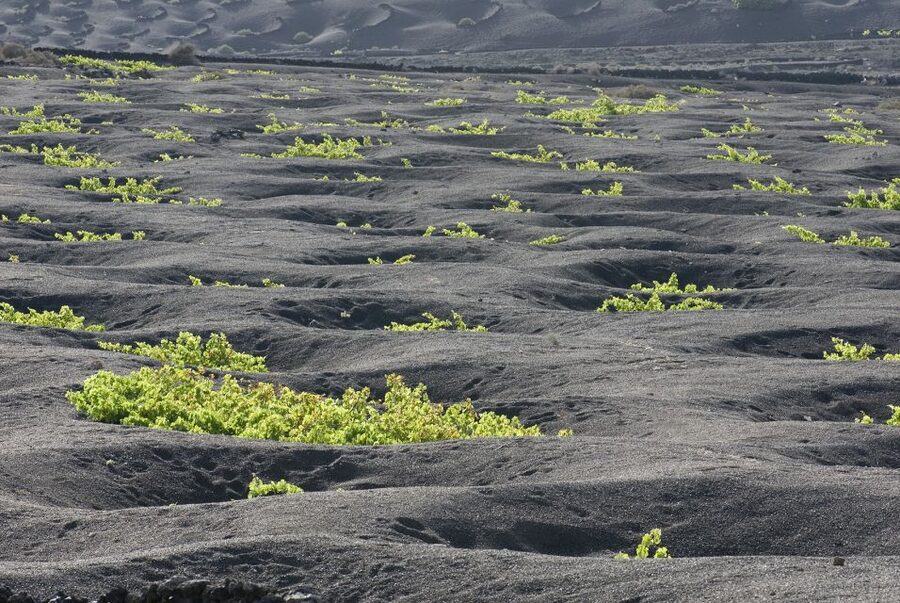
Lanzarote’s vineyards look nothing like a tidy European wine estate. Vines grow in deep hollows cut into black volcanic ash, each protected from the wind by a curved stone wall. At Finca Testeina, you learn why this strange-looking method works, then taste two organic wines with artisan chocolate in a historic farmhouse.
I like the clear link between volcanic soil and local wine, and I like that the visit covers more than tasting. You hear about Timanfaya’s eruptions, Lanzarote’s water culture, and the old Testeina estate, while guides such as Marco and Nieves explain the details in a friendly, relaxed way.
The main drawback is getting there without a car. A taxi from the Puerto del Carmen area may cost about €25 each way, and one pickup after the tour took an hour. The site also has uneven ground and is not suitable for wheelchair users or people with mobility impairments.
Key points at a glance
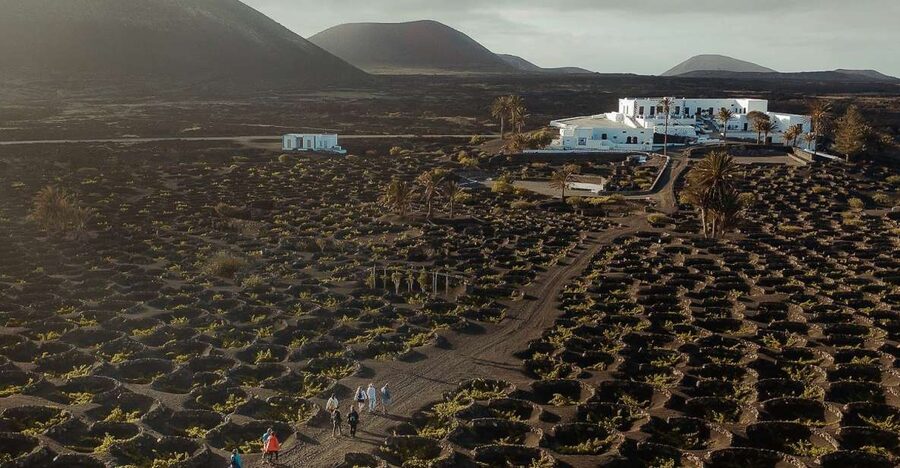
- Volcanic vine growing: See the deep planting hollows and stone windbreaks that protect Lanzarote’s grapes.
- Two local wines: Taste organic red and white wines, including the island’s Malvasía Volcánica and Listán Negro traditions.
- Historic Finca Testeina: Learn about a manor house and farmstead with documented references reaching back to the 16th century.
- Chocolate pairing: Artisan chocolate bonbons accompany the wine, adding a pleasant food angle to the tasting.
- Strong value at $28: The 90-minute visit combines a guided walk, history, two wines, chocolate, and mountain views.
- Plan transport carefully: The vineyard is outside the main resort areas, and taxis may be needed both ways.
Why Lanzarote grows wine in black volcanic ash
The first thing to understand is that Lanzarote’s wine country is shaped by survival. After the eruptions of Timanfaya, layers of volcanic ash covered large areas of the island. Instead of abandoning the land, farmers learned how to use the ash to retain moisture and protect vines from the harsh climate.
At Finca Testeina, you see the result in practical terms. The vines are planted in hollows, often called hoyos, and sheltered by low stone walls. The arrangement looks almost handmade because it is. Each hollow helps the vine reach the soil below while the ash reduces evaporation. The wall blocks the island’s steady wind.
I find this more interesting than a standard walk past rows of vines. You are not simply looking at plants and hearing a few facts about grapes. You are seeing an agricultural system built around very little rain, strong wind, volcanic ground, and limited water.
The guide explains how the method affects the grapes and the finished wine. That makes the tasting more meaningful later. When you hold a glass of local wine, you have already seen the work required to produce it.
More Chocolate Tastings in Spain:
- Lanzarote: Sunset vineyard tour with wine and chocolate tasting
★ 4.8 · 97 reviews - Barcelona: Casa Batlló, La Pedrera, & Chocolate Tasting Tour
★ 5.0 · 6 reviews - Gaudi’s Casa Batlló and La Pedrera with Chocolate Tasting
★ 5.0 · 5 reviews
Walking below the Testeina Volcano
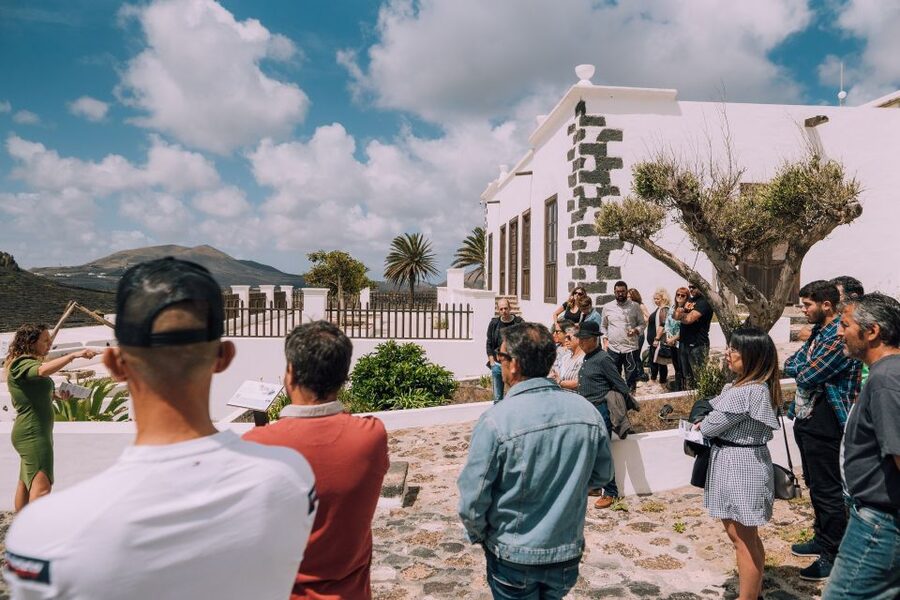
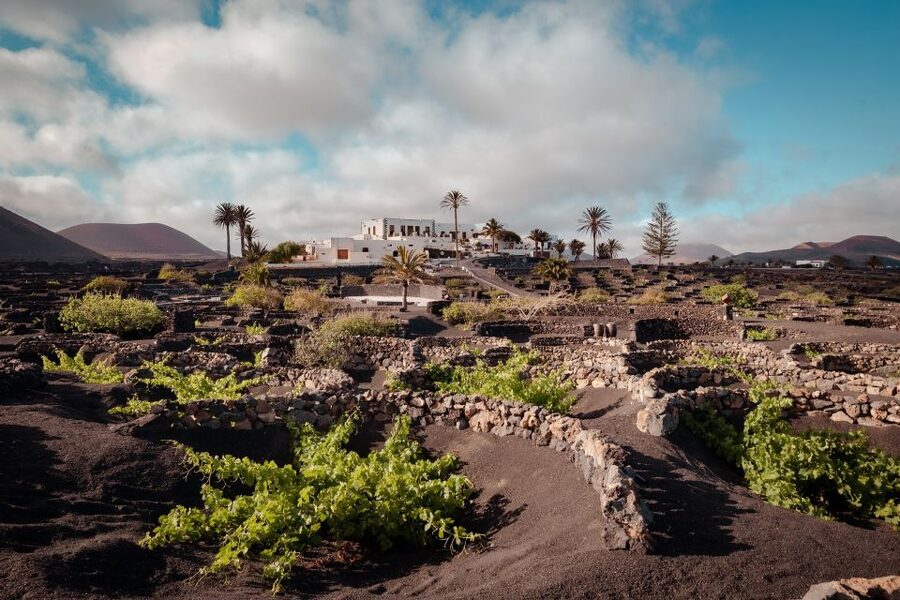
The guided portion lasts about 50 minutes. It is a comfortable stroll through the vineyard at the foot of the Testeina Volcano, with views toward Masdache and Los Volcanes Natural Park.
This is the strongest part of the visit for anyone who wants context. You learn about Lanzarote before and after the Timanfaya eruptions, then see how the volcanic event changed farming, settlement, and local identity. The setting is quiet and open, with the dark ground and distant volcanic cones providing much of the visual drama.
The walk is not a strenuous hike, but comfortable shoes are still important. The ground around a vineyard can be uneven, and the activity specifically advises against attending with mobility limitations. Bring a warm layer too. Lanzarote may feel mild at the coast, but the open vineyard can be cool or windy.
The guide is central to the experience. Marco is often praised for explaining things patiently, answering questions, and making the visit interesting for adults and children. Nieves has also led visits, with the same emphasis on clear explanations. The language options are English and Spanish.
If you have an interest in farming, wine, or geology, prepare a few questions. The tour gives you a useful framework, and the guides are willing to explain how the methods work rather than rushing you from one point to another.
Malvasía Volcánica, Listán Negro, and the taste of place
Two local grape varieties receive special attention: Malvasía Volcánica and Listán Negro. The first is associated with white wine, while the second is used for red wine. You learn how their character differs and how Lanzarote’s growing conditions shape the final taste.
The visit avoids treating wine as a mysterious subject reserved for experts. You get a simple explanation of the process, from the fruit on the vine to the finished bottle. That is useful if you enjoy wine but do not know much about growing or production.
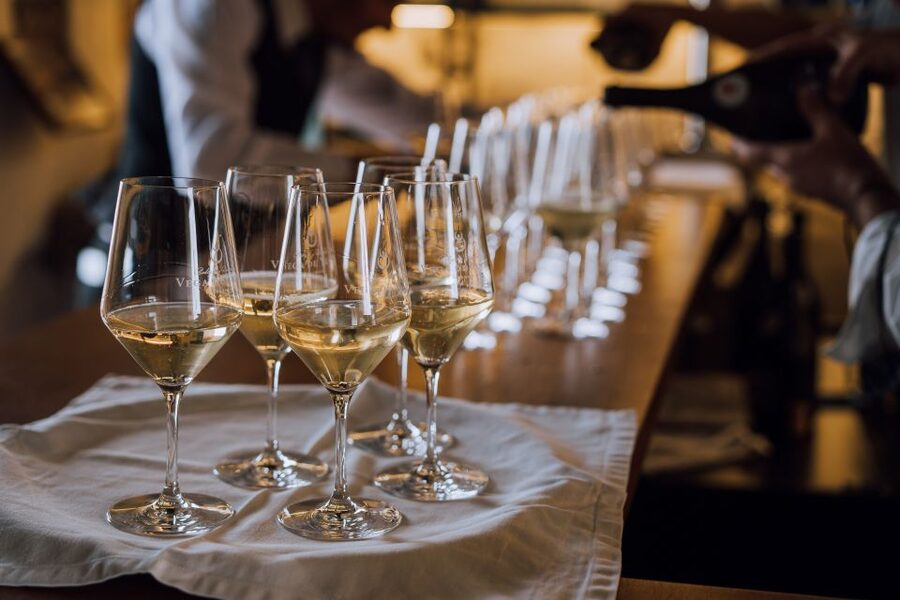
The tasting includes two wines, generally a red and a white, with generous pours according to the experience provided. The organic wines come from Bodegas Vega de Yuco’s Essence of Yaiza range. You are not asked to compare a long flight of wines, so the session stays focused and manageable within the 90-minute schedule.
I like this format for mixed groups. A dedicated wine enthusiast can ask detailed questions, while someone who usually orders by color can still follow the conversation. The red and white pair give you a basic sense of the island’s wine production without turning the visit into a technical class.
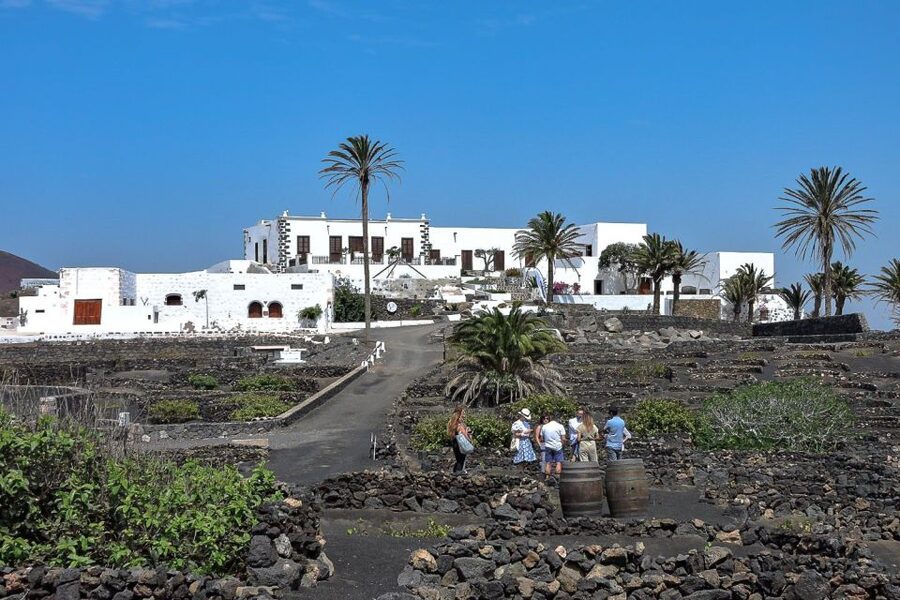
The tasting takes place inside the old house or farmhouse, adding a sense of place that a modern shop would not provide. You also have views back toward the Testeina Volcano and Los Volcanes Natural Park, so the scenery remains part of the experience even after the walk ends.
The old house and Lanzarote’s water culture
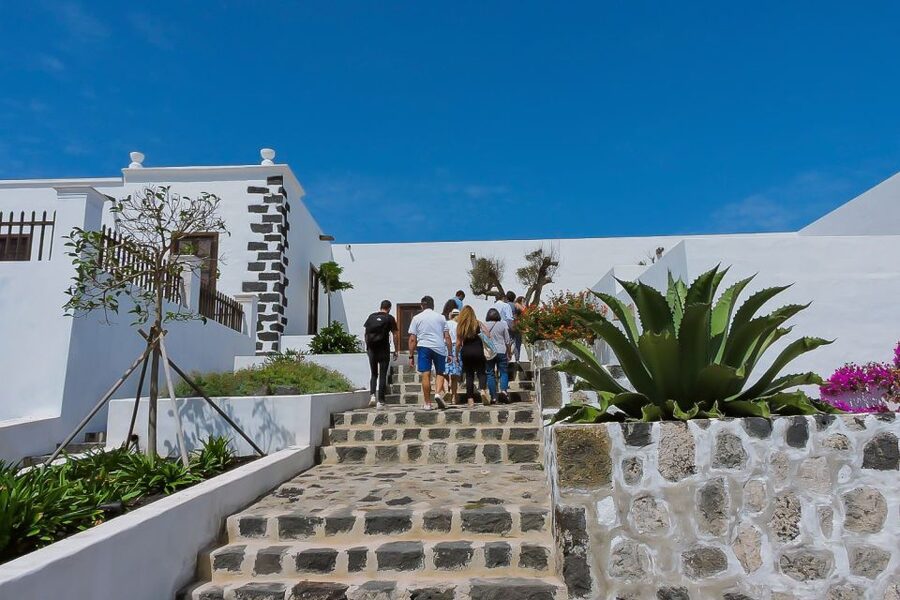
Finca Testeina is not only a vineyard. The manor house and farmhouse have documented references going back to the 16th century. The guide uses the property to explain how people lived and worked here before and after the volcanic eruptions.
The discussion of water culture is especially valuable. Water has always shaped life on Lanzarote, and the island’s farming traditions reflect that scarcity. You learn how local people adapted their homes, fields, and growing methods to make the most of limited moisture.
This section gives the tour more depth than a simple winery visit. The wine becomes part of a bigger story about island life. You see why the vineyard methods are not decorative tricks for visitors, but practical responses to the climate and the ground.
The historic setting is also a welcome change from the resort areas. There is no need for a full-day excursion to get a feel for Lanzarote’s rural character. In roughly an hour and a half, you connect wine, geology, agriculture, and local history.
More Wine and Chocolate Tours in Spain:
- Exclusive Champagne & Chocolate Getaway – with excellent lunch
★ 5.0 · 24 reviews - Melbourne: Yarra Valley Wine, Gin, Whisky and Chocolate Tour
★ 5.0 · 3,667 reviews - Epic Yarra Valley Wine Tour + Lunch, Chocolate & Gin/Beer Option
★ 5.0 · 1,819 reviews - Amazing Yarra Valley Wine Tour + Chocolate, Farm Fresh, Gin
★ 5.0 · 1,566 reviews
Chocolate with the wine
The final 40 minutes focus on tasting. You receive two wines paired with handmade chocolate bonbons. The pairing is a smart choice because it gives the tasting a food element and makes the experience approachable for people who are not serious wine drinkers.
The chocolate is not an afterthought. The pairings are designed to work with the wines, and the combination gives you another way to notice differences between the red and white. Some people may prefer one wine strongly over the other, which is part of the fun. One visitor particularly favored the red, while another preferred the white.
The portions are described as generous, but this is still a tasting rather than a meal. If you arrive hungry, plan to eat beforehand or afterward. One useful point raised about the site is that it does not function as a full restaurant, so do not expect lunch with the wine.
Children can attend, although they will not be drinking wine. Families have taken children along, and juice and chocolate can be provided for younger participants. That makes the visit more flexible than an adults-only tasting, though a quiet wine session can be affected by a restless toddler or a large, noisy group.
If you want a calm, formal tasting, check the group arrangement when booking if that option is available. If you are happy with an informal setting, the family-friendly approach is a plus.
How the 90 minutes unfold
The schedule is compact and easy to understand:
- About 50 minutes are spent walking around Finca Testeina and learning about the vineyard, volcanoes, water, grapes, and estate history.
- About 40 minutes are devoted to two wines and artisan chocolate.
- A short final period allows for photographs and shopping.
That balance works well. The walking section is long enough to explain the unusual vine-growing system, while the tasting is not squeezed into the final few minutes.
The photo stop is worthwhile because the vineyard, Testeina Volcano, Masdache, and Los Volcanes provide a very different setting from Lanzarote’s beaches and resort streets. Shopping is optional, and there is no pressure to buy. Still, you may want a bottle if one of the wines appeals to you. Several visitors have left with wine and chocolate, but the purchase is not treated as part of the tour.
Arrive with enough time to find the entrance. A parking barrier has caused a short backup before an opening time in the past, so do not cut it too fine if you are driving. The information provided does not promise hotel pickup, so treat Finca Testeina as a separate destination rather than assuming transport is included.
Getting to Finca Testeina from the resorts
Transport is the one part that needs more planning. The winery is not in the middle of Puerto del Carmen, Playa Blanca, or Costa Teguise. If you do not have a hire car, you may need a taxi.
From the Puerto del Carmen area, a taxi has cost around €25. The return trip can require patience. One pickup took about an hour in hot conditions, and the guide helped arrange taxis after the activity. I would ask the staff about your return before the tasting ends, especially if you have a flight, dinner reservation, or another timed activity.
Driving gives you more control, but remember that wine tasting and driving are a poor combination. If you are the driver, keep your tasting portions in mind and follow local drink-driving rules. The simplest plan for a full tasting is to use a taxi or arrange a designated driver.
The route and setting are part of the reason to go, but they also mean this is not a spontaneous stop unless you are already exploring the wine region.
Is $28 good value?
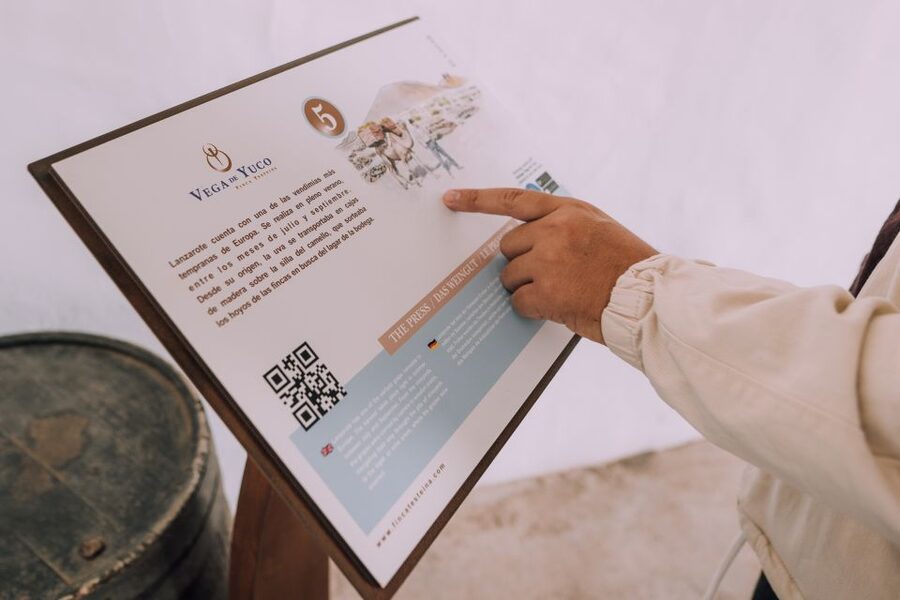
At $28 per person, I consider this strong value. You receive a guided vineyard visit, a look at a historic estate, an explanation of Lanzarote’s volcanic farming methods, two organic wines, and artisan chocolate. Many tastings charge a similar amount for the wine alone, without the geological and cultural context.
The short duration helps the value. You do not need to give up half a day at the beach or spend a full day on a large excursion. The experience fits neatly into a morning or afternoon, especially if you are already visiting the wine-producing area.
The value is best for people who appreciate explanation as much as consumption. If you only want a glass of wine and a snack, a resort bar will be easier. If you want to understand why Lanzarote’s vineyards look so unusual, the Finca Testeina visit offers much more.
Free cancellation up to 24 hours before the start gives you some flexibility, and you can reserve now while paying later. The activity also skips the ticket line, though you should still check the available start time and arrange transport in advance.
Who should book this vineyard visit?

I would recommend it to wine drinkers, food-focused visitors, photographers, and anyone curious about how people farm on a volcanic island. It also suits couples and small groups looking for a quieter activity that does not require a full day.
Families can join, and the guides have been accommodating with children. Just remember that the tasting is still the center of the visit, so very young children may not enjoy every part. The site is not suitable for wheelchair users or people with mobility impairments.
I would be more cautious if you dislike uneven ground, open windy areas, or arranged transport. I would also skip it if your schedule is so tight that a delayed taxi could cause trouble.
Should you book Finca Testeina?
Book this tour if you want a compact, well-priced introduction to Lanzarote’s wine culture, with real information about the island’s volcanoes, water, and farming methods. The guides, especially Marco and Nieves, are a major part of its success, and the combination of red wine, white wine, and handmade chocolate gives the final tasting enough variety.
The experience is not a long winery meal or a luxury estate day. It is a practical 90-minute visit in a remarkable setting. Arrange your taxi before you go, wear good shoes, bring a warm layer, and leave room in your bag for a bottle of wine or a box of chocolates.
FAQ
How long does the Lanzarote vineyard tour last?
The activity lasts about 1.5 hours. Around 50 minutes are used for the guided visit, followed by about 40 minutes of wine tasting, then a short period for photographs and shopping.
Where does the tour take place?
The tour starts and ends at Finca Testeina in Lanzarote, at the foot of the Testeina Volcano and near views of Masdache and Los Volcanes Natural Park.
Which languages are available?
The live tour guide is available in English and Spanish. Guides who lead the experience include Marco and Nieves.
How many wines are included?
The tasting includes two organic wines. The experience generally presents a red and a white, connected with local grapes including Malvasía Volcánica and Listán Negro.
Is chocolate included?
Yes. The wines are paired with artisan chocolate bonbons.
Is the tour suitable for wheelchair users?
No. The activity is not suitable for wheelchair users or people with mobility impairments. Comfortable shoes are recommended, and warm clothing is useful.
Can I cancel the booking?
You can cancel up to 24 hours before the activity for a full refund. The reserve-now, pay-later option lets you hold a place without paying immediately.
Freshly tempered around Spain
- Alicante; Visit the Chocolate Museum and Villajoyosa, a colorful town★ 4.8 · 4 reviews
- Transformative 2-Hour Sound Healing Journey & Cacao Ceremony★ 4.1 · 8 reviews
- Private French Basque Tour: Biarritz, Bayonne & Chocolate★ 5.0 · 8 reviews
- Madrid Segway Tour with Chocolate and Churros★ 4.5 · 16 reviews
- KAICAO bean to bar and design your chocolate experience★ 4.5 · 18 reviews
- Private Cacao Ceremony Combined with Creative Craft Class Ibiza★ 5.0 · 2 reviews
- Exclusive Champagne & Chocolate Getaway – with excellent lunch★ 5.0 · 24 reviews
- Visit with tasting of Vicens nougat and Jolonch chocolates★ 5.0 · 4 reviews
More Spain Chocolate Tours to compare.

Barcelona: Nougat and Chocolate Museum Tour with Tasting
Read our review →
Barcelona & Chocolate Amatller History and Culture + Activity and Tasting
Read our review →
Tapas and history tour ending with churros with chocolate
Read our review →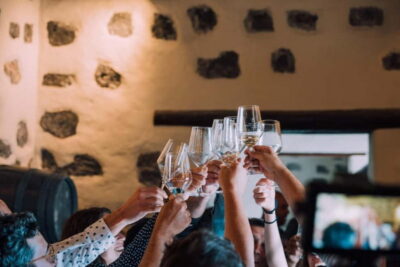
Lanzarote: Sunset vineyard tour with wine and chocolate tasting
Read our review →
Sweet Gaudi: the most delicious visit to Casa Vicens
Read our review →
Family Private Tour: Churros, Hot Chocolate & Games in Barcelona
Read our review →
Semi-Private Tour: Old Town & Chocolate and Churros
Read our review →Chocolate lists with this tour