
Review · MEXICO
Make Oaxacan-style take-home chocolate
Oaxaca’s chocolate story comes alive at a worktable, not behind glass. In this small class, Tomás explains how cacao moved from southern Mexico into the world’s chocolate kitchens, then helps you turn it into something you can eat and carry home. You learn, taste, grind, shape, and make decisions as you go.
I like two things right away: the class keeps its focus on local cacao and Oaxacan traditions, and you make 150 grams of chocolate designed by you. I also like the personal touch. Tomás shares the story of his grandmother’s influence on his chocolate career, giving the lesson a family connection instead of making it feel like a standard cooking demonstration.
The main consideration is the price: at $60.95 per person, this is not a quick tasting. You are paying for about two and a half hours of instruction, equipment, drinks, snacks, and take-home chocolate. That makes the class a better fit for someone who wants an activity, not just a sweet bite.
Key points to know
- Tomás leads a small, hands-on class: The group is capped at six people, so the format is suited to questions and active participation.
- You make 150 grams of chocolate: Your finished chocolate is the main take-home item, designed during the workshop.
- The lesson connects cacao to Oaxaca: You learn about cacao’s origins, processing, flavors, and place in Mexican food culture.
- You can taste more than your own batch: Chocolate snacks and Oaxacan hot chocolate are part of the experience.
- The class begins and ends in central Oaxaca: Meet at TeoLabXicoténcatl 609, Centro, and plan on staying in the same location for the full session.
Why Oaxacan chocolate makes a good class subject
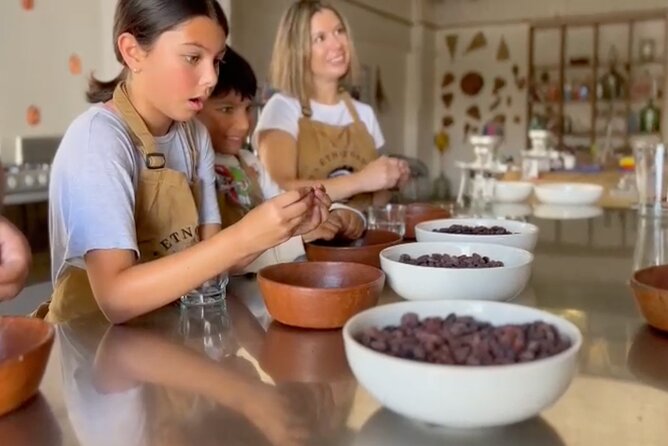
Oaxaca is one of Mexico’s best places to learn about chocolate because cacao is tied to food, drink, tradition, and local identity. The class explains that the cacao story began in southern Mexico, not in Europe or Africa, and follows the changes that turned cacao into the chocolate bars known around the world today.
That context matters. Chocolate can seem simple when you unwrap a bar from a shop. Cacao itself is more complex. The class looks at its history, its processing, and the way flavor develops. You are not only making a sweet; you are learning why Oaxacan chocolate tastes and behaves differently from mass-market chocolate.
The workshop also introduces Criollo cacao, described as a high-quality variety grown in the tropical jungle area near Oaxaca’s Pacific coast. The lesson places that cacao within the wider food culture of the state, where chocolate appears in drinks, cooking, traditional remedies, and other food traditions.
I appreciate that the class treats chocolate as part of daily life rather than as a luxury product cut off from its roots. You get a clearer sense of why Oaxacan hot chocolate is important and why the preparation itself can be as meaningful as the final product.
More Chocolate Tours around Oaxaca:
- Art walk & Cacao delight
★ 5.0 · 111 reviews - Cacao, Chocolate Experience in Oaxaca for Small Groups
★ 5.0 · 92 reviews - Make Your Own Chocolate with Oaxacan Tradition Private Class
★ 5.0 · 45 reviews
Meeting Tomás at TeoLabXicoténcatl 609
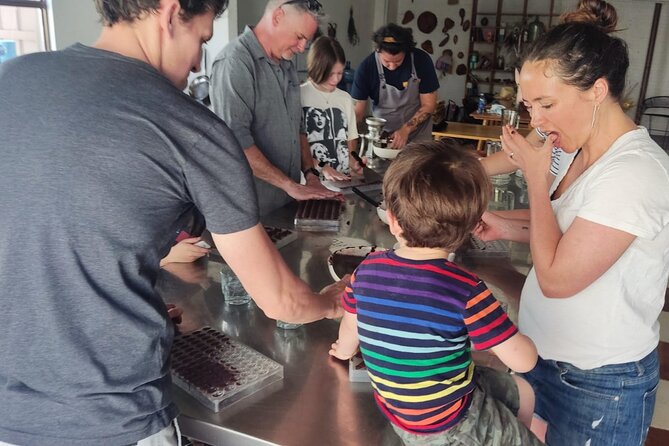
You meet at TeoLabXicoténcatl 609 in Oaxaca City’s Centro district. The activity ends at the same address, so there is no complicated transfer or need to arrange a ride between several stops. The workshop is offered in English, which makes the historical and practical instruction easier to follow if you do not speak Spanish.
The group size is limited to six people. That is a real advantage for a hands-on class. You should have a better chance to ask about cacao, taste ingredients, and get help with the mills, stoves, or molds without waiting behind a large crowd.
Tomás is central to the tone of the class. His personal story about his grandmother and his path into chocolate gives the session a human scale. You are not simply watching a recipe being repeated. You are hearing how a local connection helped shape his work.
The best way to approach the class is to stay curious and ask questions. The practical parts give you something to do, but the conversation gives the activity its local character. If you are interested in food traditions, ask about the cacao itself, the flavor choices, and how chocolate fits into Oaxacan cooking.
The opening lesson: cacao before chocolate
The class begins with the story of cacao and the long process that leads to the finished product. You learn about cacao’s origins in southern Mexico, its wider cultural importance, and the changes that took place over roughly the last 300 years as chocolate developed into the form many people recognize today.
This opening is useful because it gives meaning to the work that follows. Instead of treating chocolate as a ready-made ingredient, you see it as the result of several stages. The class covers the processes surrounding cacao and explains how flavor and texture relate to preparation.
You also learn about the effects associated with chocolate, including energy and feelings of happiness. Some of the language around chocolate’s romantic or aphrodisiac qualities is part of the wider cultural presentation, but the practical value is simpler: you are learning why people have prized cacao for so long and how it became part of social and culinary life.
The historical section is not a separate lecture that leaves you sitting for the whole class. It leads into tasting and preparation. That balance is important. You get enough background to understand what you are doing, but the session remains active.
Mills, stoves, and molds at the worktable
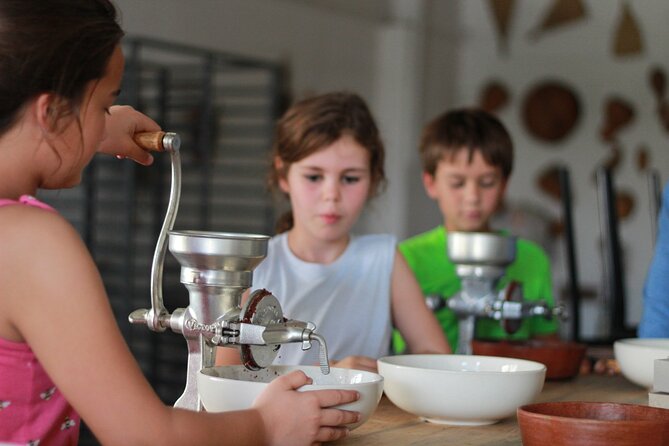
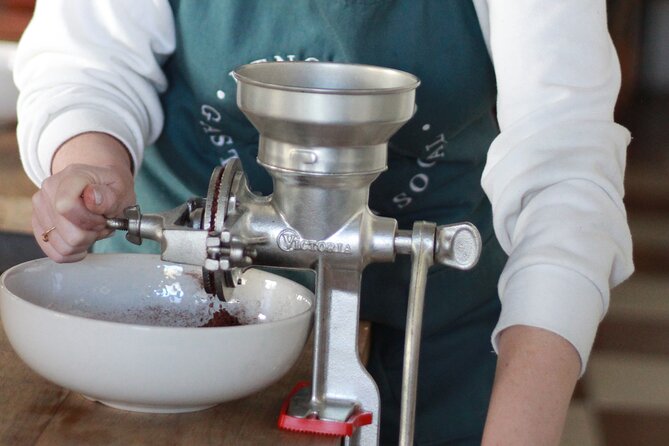
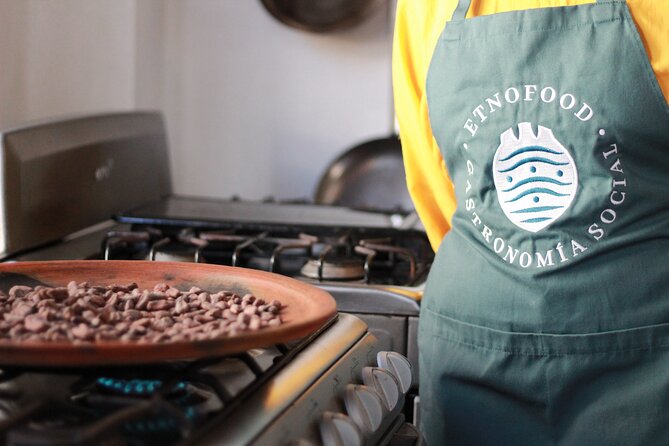
The equipment is provided, including aprons, mills, stoves, and molds. These tools make the class feel like a workshop rather than a demonstration where you watch an instructor do everything.
The exact order of preparation can depend on the class and the choices you make, but the stated aim is to show you how to prepare chocolate at home. You work through the process with guidance, then shape your finished chocolate using the molds. The class also includes hands-on preparation of candies and Oaxacan hot chocolate.
You should expect to handle the ingredients and take part from start to finish. That is one reason the small group matters. You are not simply sampling finished pieces made in advance. You create your own batch and get the chance to see how small choices affect the result.
The equipment is useful beyond the two-and-a-half-hour session. You may not leave with a full professional recipe book or a complete chocolate-making setup, but you do leave with a better idea of the basic process and the tools involved. For a visitor who likes cooking classes, that practical element helps justify the cost.
One small limitation is that the supplied information does not list every ingredient or flavor option. If you have a strong preference, allergy, or dietary concern, ask the provider before booking or at the start of the class. The experience includes chocolate snacks and drinks, but the exact recipes are not specified.
Same cocoa, a different bite:
- Oaxaca: Chocolate and Ancestral Drinks Tour
★ 4.5 · 13 reviews - 1 Hour Oaxacan Chocolate Making Class with Mole-making and Drinks
★ 5.0 · 9 reviews - Cacao day experience from the wood to your cup!
★ 5.0 · 9 reviews - Amazing Walk through the Zapotec Mountains with Hot Chocolate
★ 5.0 · 4 reviews
Designing your 150 grams to take home
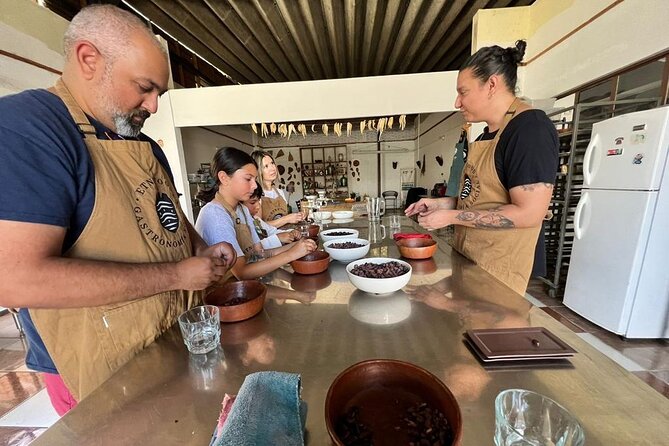
The main finished product is 150 grams of chocolate designed by you. This makes the class more personal than a standard tasting. You get to make choices, then take the result home as a souvenir that reflects the session.
A take-home portion of 150 grams is enough to share a few pieces with family or friends, or to save for yourself. It is also a more useful souvenir than a small packaged sample. You can explain how you made it, where the cacao came from, and what you learned about Oaxacan chocolate.
The class presents chocolate design as a way to express how you feel and how you want others to feel. That idea can sound poetic, but it has a practical side. You are making a food gift, and the gift has a story attached to it.
The molds help turn the finished chocolate into something presentable. You may make candies or shaped pieces, depending on the class process. The result is not meant to compete with a professional chocolatier’s display. Its value is that you made it yourself, with local guidance, during your time in Oaxaca.
Tasting Oaxacan hot chocolate and shop-made sweets
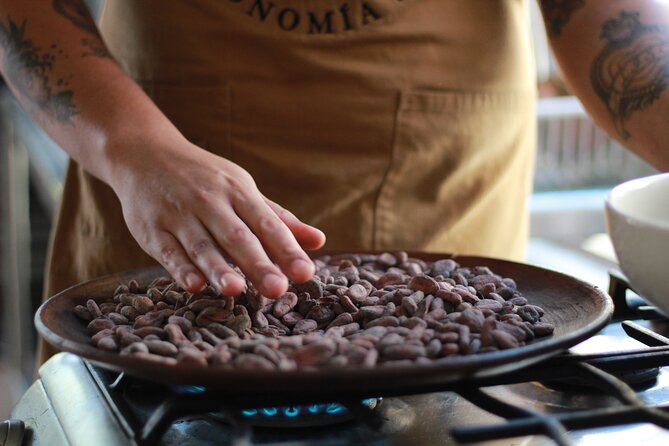
The tasting portion includes chocolate snacks made in the shop. You can also prepare and drink Oaxacan hot chocolate, one of the most appealing parts of the session for anyone interested in regional drinks.
Oaxacan hot chocolate gives you a different way to think about cacao. It is not only a bar or candy. It is also a warm drink with a strong place in local food culture. Making it during the class helps connect the historical talk to something you can taste immediately.
Coffee or tea is available on arrival, and water is provided without relying on plastic bottles. Those are modest details, but they make a two-and-a-half-hour activity more comfortable. You are likely to be tasting several chocolate preparations, so having water nearby is helpful.
The shop-made chocolates also broaden the tasting. You can compare the pieces made during the class with creations prepared by the instructors. Seasonal items may be part of the experience. One especially noted example was a tasting of Día de Muertos creations, though you should not assume those will be offered on every date.
What the two-and-a-half hours feel like
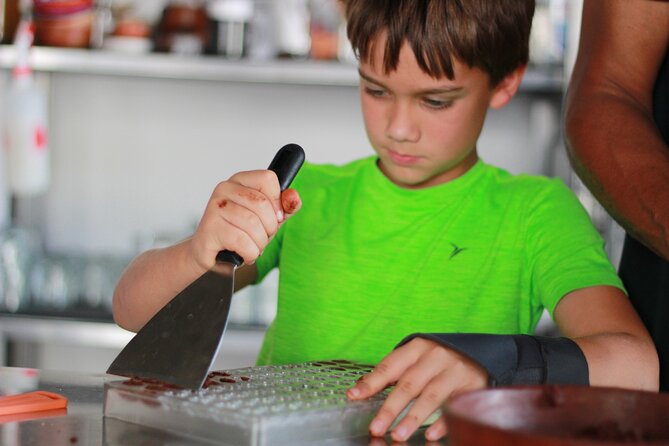
The session is long enough to offer more than a quick introduction, but short enough to fit into a full day in Oaxaca City. You stay at the meeting point rather than moving between several locations, so the time is spent on explanation, tasting, and preparation.
A typical flow includes:
- An introduction to cacao’s origins and place in Mexican culture
- An explanation of cacao processing, flavor, and chocolate’s development
- Tasting shop-made chocolates and learning about Oaxacan hot chocolate
- Hands-on work with the provided mills, stoves, and molds
- Preparing chocolate and candies with guidance from Tomás
- Shaping and packing 150 grams of your own chocolate to take home
The workshop is designed for participation, so it suits you best if you enjoy asking questions and getting your hands busy. It may be less appealing if you prefer a quiet museum-style presentation or want only a short tasting.
The maximum group size of six should help keep the pace flexible. You can ask for clarification, watch a technique again, or talk through your flavor choices. The class is offered in English, and the personal teaching style makes the subject accessible even if you know little about cacao before arriving.
Is $60.95 a fair price?
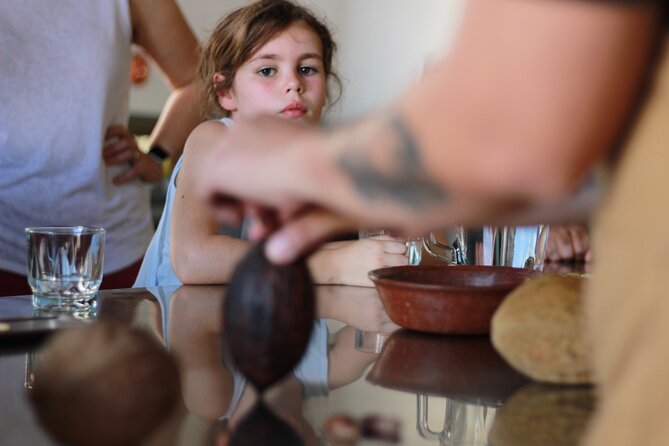
At $60.95 per person, the class is priced above a basic food sample or market visit. The value comes from the combination of instruction, equipment, drinks, snacks, hands-on preparation, and 150 grams of chocolate to take home.
I would judge the price by how much you want to participate. If you mainly want to taste Oaxacan chocolate, you can likely find less expensive ways to do that in Oaxaca City. If you want a guided food activity with a finished product and a small group, the price is more reasonable.
The personal instruction matters here. You are not paying only for ingredients. You are paying for Tomás’s explanation of cacao, his family connection to the craft, access to the workshop tools, and help as you make your own chocolate.
The class also gives you a useful memory to share later. You can bring the chocolate home and tell the story behind it. For couples, food-focused visitors, and families with older children, that added value may make the cost worthwhile.
Who should book this chocolate class?
I would recommend it most strongly to people who enjoy learning through food. You should book if you want to understand Oaxaca beyond its restaurants and markets, and if you like taking part rather than standing back.
It is a good match for:
- Couples looking for a shared activity
- Small groups who enjoy cooking and tasting
- Visitors interested in Mexican food traditions
- Chocolate fans who want to learn about cacao rather than only buy sweets
- People seeking a useful, edible souvenir
- Anyone who values a local guide’s personal stories
The class can also work well for a special occasion because the finished chocolate can be shared with someone at home. The 150-gram portion gives the activity a clear result without turning it into a full-day commitment.
I would think twice if you dislike sweet foods, have a serious food allergy that has not been discussed in advance, or want a large-scale tour with several Oaxaca sights. This is a focused workshop at one location. Its strength is concentration, not variety.
Booking, cancellation, and practical details
The experience is usually booked about 21 days ahead, so reserve early if your Oaxaca dates are fixed. Confirmation arrives when you book, and the activity allows service animals. The meeting point is near public transportation in central Oaxaca.
You can cancel for a full refund up to 24 hours before the local start time. Cancellations or changes made within 24 hours are not refunded or accepted, so check your plans before the cut-off.
Wear something you can work in comfortably. Aprons are supplied, but chocolate work is still a hands-on activity. Arrive ready to participate, taste, and ask questions rather than treating the class as a passive show.
Should you book it?
Book this class if you want a small, personal Oaxaca food experience with a clear take-home result. Tomás’s family story, the lesson on local cacao, the chance to make candies and hot chocolate, and the 150 grams of chocolate give the session more substance than a standard tasting.
Skip it if you are only looking for a quick sample or the lowest-cost way to try chocolate. At $60.95, the value depends on using the full two-and-a-half hours. For a curious eater who wants to understand how Oaxacan chocolate is made and bring part of that experience home, this is a strong choice.
FAQ
Where does the chocolate class take place?
The class meets at TeoLabXicoténcatl 609, Centro, 68000 Oaxaca de Juárez, Oaxaca, Mexico. It ends back at the same meeting point.
How long does the experience last?
The workshop lasts approximately two hours and 30 minutes.
How much chocolate can I take home?
You take home 150 grams of chocolate designed by you during the workshop.
Is the class offered in English?
Yes. The experience is offered in English.
Who leads the workshop?
Tomás leads the workshop. His personal connection to chocolate includes a story about his grandmother and her influence on his career.
What equipment is provided?
Aprons, mills, stoves, and molds are provided for the class.
Are drinks and snacks included?
Yes. Coffee or tea can be requested on arrival, water is available without plastic bottles, and chocolate snacks made in the shop are included.
How many people can join the class?
The activity has a maximum of six travelers.
Freshly tempered around Oaxaca
- Amazing Walk through the Zapotec Mountains with Hot Chocolate★ 5.0 · 4 reviews
- Private Monte Alban VIP : Mezcal and Zapoteco Art★ 5.0 · 3 reviews
- Oaxaca : Visit of Chocolate and Ancestral Drinks★ 5.0 · 2 reviews
- 1 Hour Oaxacan Chocolate Making Class with Mole-making and Drinks★ 5.0 · 9 reviews
- Cacao day experience from the wood to your cup!★ 5.0 · 9 reviews
- Art Workshops and Chocolate Shops Tour★ 5.0 · 3 reviews
- Oaxaca: The Cocoa Experience, from the Grain to Your Cup★ 5.0 · 4 reviews
- Art Workshops and Chocolate Shops Tour in Oaxaca★ 5.0 · 4 reviews
More Mexico Chocolate Tours to compare.
Finca 18 Puerto Vallarta Tequila Tour + Chocolate Pairing
Read our review →
Bean to Bar Chocolate Workshop in Puerto Vallarta
Read our review →

San Jose del Cabo Art Walk, Beer Tasting &Chocolate Demonstration
Read our review →
Chocolate lists with this tour