
Review · MEXICO
Oaxaca: The Cocoa Experience, from the Grain to Your Cup
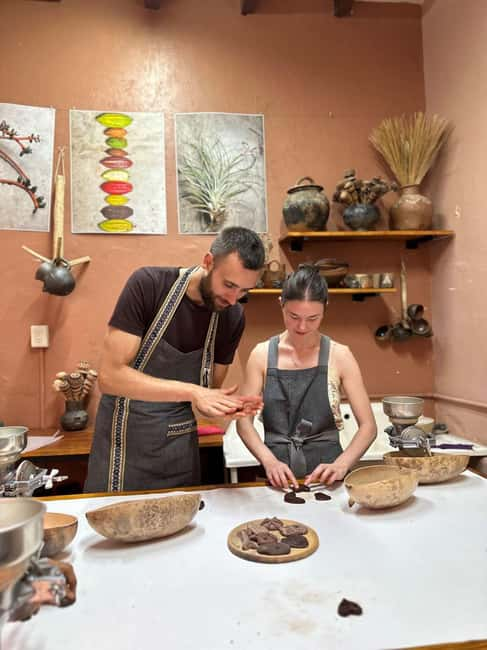
Oaxaca’s chocolate culture makes the most sense when you handle the beans yourself. Here, you roast cacao on a clay comal, peel it by hand, grind it into paste, and turn it into a drink with a wooden molinillo. The process is simple, but it connects food with family customs, local craft, and the old role of chocolate in celebrations.
I like the small group of six, which gives you room to ask questions and work at your own pace. I also like the chance to choose the sugar level and regional ingredients, since your cup is not just a sample handed over by someone else. The main consideration is that this is a hands-on food activity, not a broad Oaxaca sightseeing tour, and it is not suitable for people with food allergies.
Key points at a glance
- Roast cacao on a clay comal: The griddle comes from San Marcos Tlapazola in Oaxaca’s Central Valleys.
- Taste the bean before it becomes chocolate: You learn to notice the different qualities of the cacao itself.
- Make drinking chocolate by hand: Peel and grind the roasted beans, then mix the paste with sugar and regional ingredients.
- Use a traditional molinillo: You learn how this wooden utensil blends and foams the chocolate drink.
- Keep your own chocolate: The experience includes handcrafted chocolate to take home.
- Enjoy a quiet, small-group setting: The group is limited to six people, with instruction in English or Spanish.
From cacao bean to Oaxacan drinking chocolate
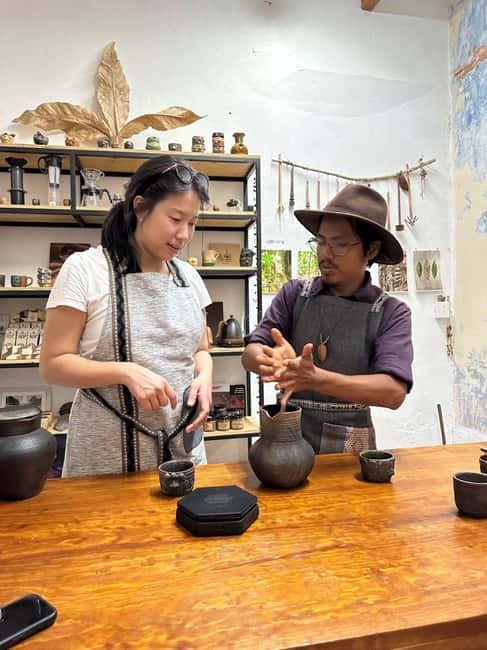
This three-hour experience takes place at 5 de Mayo 210, on the Independencia Route in central Oaxaca de Juárez. You arrange your own way to the meeting point, so allow time to reach the address without expecting transport to be included.
The setting matters here. One of the strongest details is the peaceful, attractive place where the activity takes place. You are not simply standing at a shop counter while someone explains a finished product. You work through the stages that turn a raw cacao bean into a drink, using basic tools that you could find in a local market.
That hands-on approach gives the session a clear purpose. You learn not only what Oaxacan chocolate tastes like, but also why it is made this way. The host explains the difference between cacao, commercial chocolate, and conscious chocolate, including the environmental and social choices involved in producing it.
The experience also gives you useful language for understanding cacao. You learn about the qualities of different seeds and taste them at stages of the process. That makes the lesson more than a history talk. Your senses become part of the class.
More Chocolate Tours around Oaxaca:
- Art walk & Cacao delight
★ 5.0 · 111 reviews - Cacao, Chocolate Experience in Oaxaca for Small Groups
★ 5.0 · 92 reviews - Make Your Own Chocolate with Oaxacan Tradition Private Class
★ 5.0 · 45 reviews
The comal and the first taste of cacao
The first practical stage is roasting the cacao on a clay griddle, or comal. This comal comes from San Marcos Tlapazola, a community in Oaxaca’s Central Valleys known for traditional clay work. It is a small detail, but it brings another local craft into the activity.
Roasting changes the beans in a way you can notice immediately. You handle the cacao, watch it warm on the clay surface, and begin to understand how preparation affects taste. Instead of meeting chocolate only after sugar and other ingredients have been added, you get a clearer sense of the bean itself.
The host also talks about cacao’s place in Oaxacan culture and community life. Chocolate here is not treated only as candy. It has been used as a drink for gatherings and celebrations, and its preparation carries social meaning. That context helps explain why a simple cup can be part of a larger ritual.
You should expect to work with your hands. Comfortable clothing and shoes are sensible, since roasting, peeling, and grinding are active tasks rather than a seated tasting alone. Bring water and a snack if you need them, although a cocoa-based snack is included later.
Peeling and grinding by hand
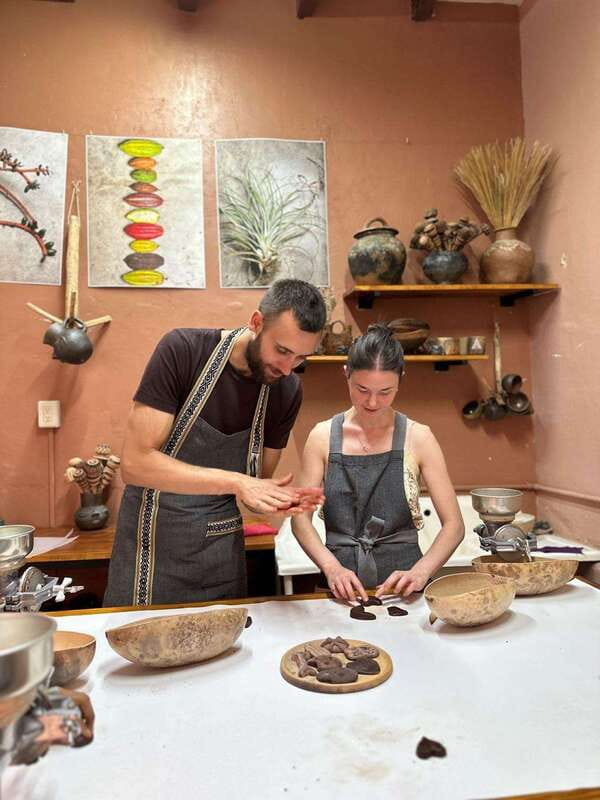
Once the beans are roasted, you peel them by hand. This is a slow but important stage, because it lets you feel the difference between a processed product and the ingredient before it becomes chocolate paste.
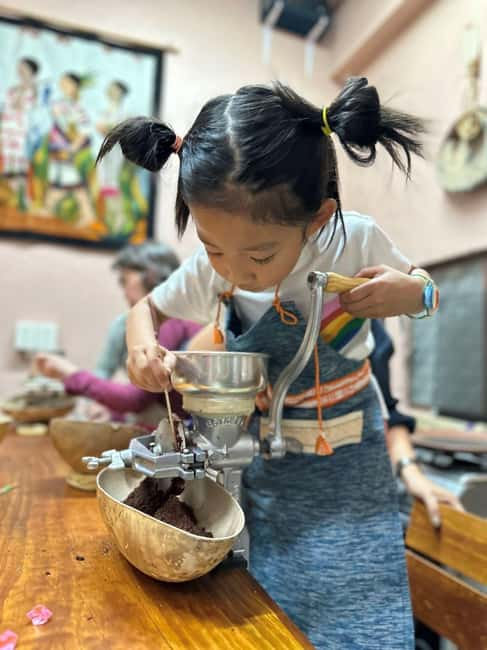
You then grind the cacao. The experience is designed around basic utensils that are easy to obtain in a local market, rather than specialized factory equipment. That makes the method practical and grounded in everyday food traditions.
I find this part especially useful for anyone who has only known chocolate as a finished bar or sweet drink. You see how much work sits behind a traditional preparation. The process also slows the experience down in a good way. You are not rushing from one tasting to the next.
The work can be a drawback if you want a quick demonstration. Three hours is a fair amount of time for roasting, peeling, grinding, mixing, and tasting. If you prefer to watch rather than participate, this may feel more involved than expected. For most people booking a hands-on class, that is the point.
Sugar, regional ingredients, and your own recipe
After grinding, you choose the percentage of sugar for your chocolate. You also mix in different regional ingredients, so the finished paste reflects your preferred balance rather than a fixed recipe.
This is a smart part of the experience because sweetness can easily hide the character of cacao. By deciding how much sugar to use, you can compare a more pronounced cacao taste with a softer, sweeter drink. The class also gives you a better idea of why commercial chocolate can taste so different from traditionally prepared Oaxacan chocolate.
Do not expect a molded chocolate bar as the main result. The focus is drinking chocolate, and one of the included take-home items is your own handcrafted chocolate paste. The second visitor description also makes clear that the chocolate you prepare is for drinking rather than eating as a solid confection.
That distinction is useful when you decide if this suits you. If you want a classic candy-making workshop, this is not the right match. If you want to understand Oaxacan chocolate as a beverage and a cultural practice, the format makes sense.
Same cocoa, a different bite:
- Oaxaca: Chocolate and Ancestral Drinks Tour
★ 4.5 · 13 reviews - 1 Hour Oaxacan Chocolate Making Class with Mole-making and Drinks
★ 5.0 · 9 reviews - Cacao day experience from the wood to your cup!
★ 5.0 · 9 reviews - Make Oaxacan-style take-home chocolate
★ 5.0 · 7 reviews
Learning the molinillo
The final preparation uses a molinillo, the traditional kitchen utensil used to incorporate and blend the chocolate. You learn how to work the tool so the drink becomes properly mixed.
The molinillo is one of the most recognizable pieces of Mexican chocolate preparation, but seeing one in a display case is not the same as using it. Here, you learn its role through practice. The utensil helps bring the chocolate and liquid together, and the motion is part of the preparation ritual.
This closing stage also gives the experience a satisfying finish. The beans have gone from roasted cacao to peeled pieces, then to ground paste, sweetened mixture, and finally a drink. You can follow the whole chain with your own hands.
The drink is served with a snack based on cacao flavors. That pairing gives you one last way to taste the ingredient outside the main beverage. It also means the session ends with something substantial enough to complement the tasting, though you should still bring your own snack if you normally need food between meals.
Why the small group makes a difference
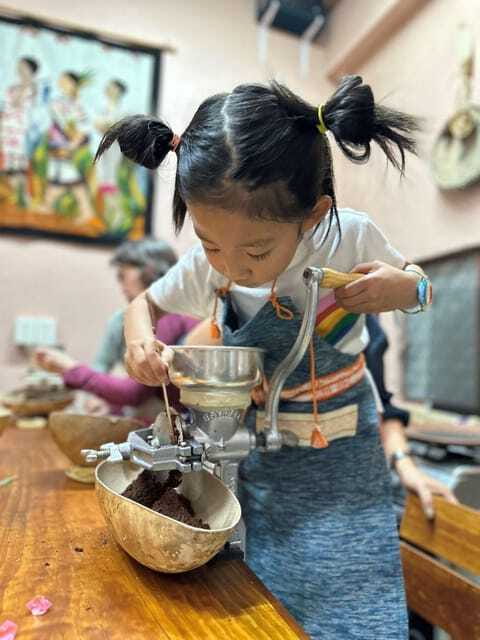
The group is limited to six participants. That is a real advantage for this particular activity, since everyone needs access to the comal, cacao, grinding tools, ingredients, and molinillo.
In a large class, the tactile parts could become a short turn while most people watch. With six people, you should have a better chance to ask about the cacao, compare tastes, and get help with the preparation. The host can also explain the history and community traditions without competing with a crowd.
Instruction is available in English and Spanish. That makes the experience workable for international visitors, though you should choose the language that lets you ask detailed questions about ingredients and technique.
The peaceful setting adds to the appeal. This is a useful break from Oaxaca’s busy streets, with time to focus on one ingredient and the people who prepare it. The activity does not include transport, so the calm atmosphere begins only once you reach the meeting point.
A closer look at the cultural side
The best reason to book this is not simply that you will make a warm chocolate drink. It is that the class places cacao within Oaxacan life.
You learn that chocolate has been connected with celebration and shared occasions. You also hear about the community behind the comal from San Marcos Tlapazola, rather than treating the tool as a generic prop. The activity presents chocolate as a product shaped by local ingredients, handwork, craft, and decisions about responsible production.
The discussion of conscious chocolate is also worth your attention. It focuses on environmental sustainability and social responsibility, so you are encouraged to think about how cacao is grown and made, not only how it tastes. The session does not turn into a full agricultural course, but it adds useful context to the tasting.
One particularly interesting lesson is that cacao categories are not the same thing as cacao species. That distinction can change how you think about labels and flavor descriptions. You also get to taste the native chocolate itself, rather than assuming that all cacao should have the bitter flavor associated with some European chocolate products.
Is $98 a fair price?
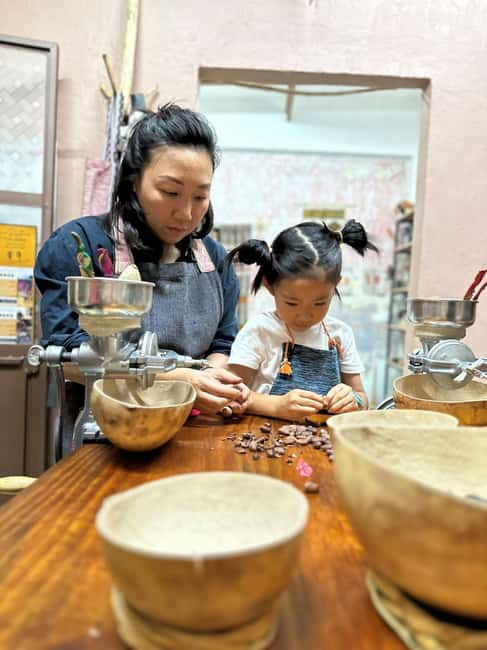
At $98 per person, this is not a cheap snack stop. You are paying for a three-hour, small-group workshop with an instructor, several stages of food preparation, tastings, a cocoa-based snack, and handcrafted chocolate to take home.
The value depends on what you want from a food experience. If you only want to try a cup of Oaxacan hot chocolate, you can spend far less at a café. If you want a guided lesson that explains cacao, lets you roast and grind it, and gives you a direct connection to local preparation, the price is easier to justify.
The group limit is important in this calculation. You are not paying for a large demonstration where your role is mostly to watch. You take part in the labor, make choices about sugar and regional ingredients, and prepare the drink yourself.
I would book it as a special food activity rather than a casual add-on. It works best when you value time with a local ingredient and want to leave with a skill and a handmade product, not just another photograph.
Who should book this experience?
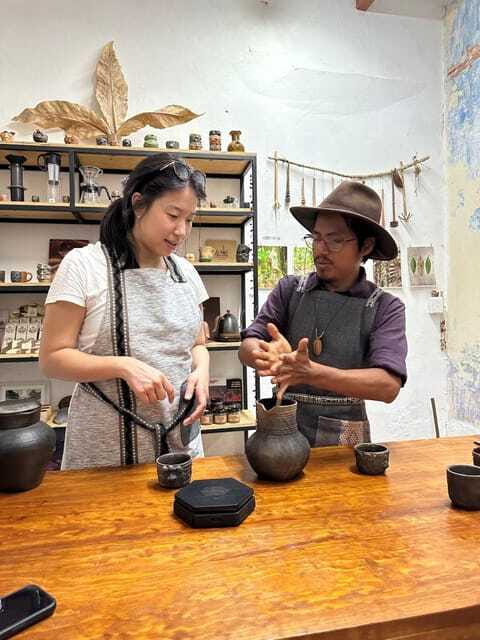
This suits adults and older children who enjoy food traditions, practical workshops, and learning by doing. It is a good choice if you have already seen Oaxaca’s main sights and want a slower activity with a strong local focus.
It also works well for couples, friends, and solo visitors who like small groups. With only six participants, a solo visitor should not feel lost in a crowd, and a couple can work through the recipe together while still meeting other people.
The activity is less suitable if you dislike repetitive handwork or want an activity with several locations. It also may not suit anyone looking for edible chocolate sweets, since the main finished product is a beverage. Children under three cannot take part, and people with food allergies should not book it.
Wear comfortable clothes and shoes. Smoking and pets are not allowed. You should also tell the provider about any dietary concerns before booking, though the stated conditions specifically exclude people with food allergies.
Flexible booking for a short Oaxaca stay
The three-hour length fits neatly into a day in Oaxaca, but you should protect the full time rather than trying to squeeze in another timed activity immediately afterward. The start time varies, so check availability when selecting your date.
You can cancel up to 24 hours before the activity for a full refund. The reserve-now, pay-later option also helps if your Oaxaca plans are still changing. Those terms are useful for a short trip, when weather, day tours, and arrival times can shift.
The meeting point is central Oaxaca de Juárez, at 5 de Mayo 210, RUTA INDEPENDENCIA, Centro, postal code 68000. Transportation is not included, so the cost and time of reaching the venue belong in your day plan.
Final call: book it if cacao is more than a sweet treat
Book this experience if you want to understand how Oaxacan drinking chocolate is made from start to finish. The clay comal, hand peeling, grinding, sugar choices, molinillo, and take-home chocolate create a clear three-hour story, and the small group keeps it personal.
Skip it if you want a fast tasting, a sightseeing tour, or molded chocolate candy. At $98, the price only makes sense when you plan to take part fully. For food-minded visitors who care about local craft and cultural context, this is one of the more focused ways to meet Oaxaca through what is in the cup.
FAQ
Where does the cocoa experience take place?
It takes place at 5 de Mayo 210, RUTA INDEPENDENCIA, Centro, 68000 Oaxaca de Juárez.
How long does the activity last?
The experience lasts three hours. Starting times vary, so check availability for your selected date.
What language is the instruction in?
Instruction is available in English and Spanish.
How many people are in the group?
The activity is limited to six participants.
Is transportation to the venue included?
No. You must arrange and pay for your own transportation to the meeting point.
What will I make during the experience?
You roast, peel, and grind cacao, mix it with sugar and regional ingredients, and prepare a chocolate beverage with a molinillo. You also receive handcrafted chocolate to take home.
Can I cancel or pay later?
You can cancel up to 24 hours in advance for a full refund. You can also reserve your spot and pay later, keeping your travel plans flexible.
Freshly tempered around Oaxaca
- Amazing Walk through the Zapotec Mountains with Hot Chocolate★ 5.0 · 4 reviews
- Private Monte Alban VIP : Mezcal and Zapoteco Art★ 5.0 · 3 reviews
- Make Oaxacan-style take-home chocolate★ 5.0 · 7 reviews
- Oaxaca : Visit of Chocolate and Ancestral Drinks★ 5.0 · 2 reviews
- 1 Hour Oaxacan Chocolate Making Class with Mole-making and Drinks★ 5.0 · 9 reviews
- Art Workshops and Chocolate Shops Tour★ 5.0 · 3 reviews
- Cacao day experience from the wood to your cup!★ 5.0 · 9 reviews
- Art Workshops and Chocolate Shops Tour in Oaxaca★ 5.0 · 4 reviews
More Mexico Chocolate Tours to compare.
Finca 18 Puerto Vallarta Tequila Tour + Chocolate Pairing
Read our review →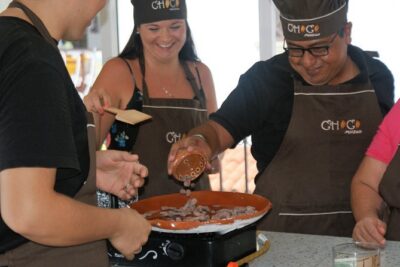
Bean to Bar Chocolate Workshop in Puerto Vallarta
Read our review →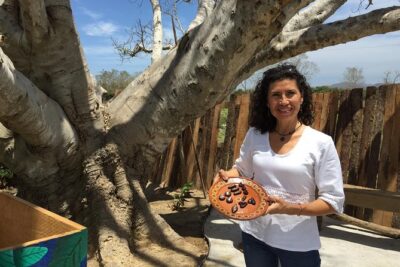
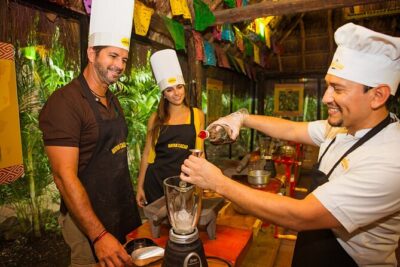


San Jose del Cabo Art Walk, Beer Tasting &Chocolate Demonstration
Read our review →
Chocolate lists with this tour