Review · FRANCE
Paris Pastry Tour – Croissants, Macarons & Iconic French Desserts
Paris saves some of its best eating for small counters and old covered passages. This tour links both, beginning with a flaky pain au chocolat and ending with a macaron at Jeffrey Cagnes Paris 2ème. Along the way, you sample cake, chocolate, crêpe, and cider while walking through three elegant passages most first-time visitors miss.
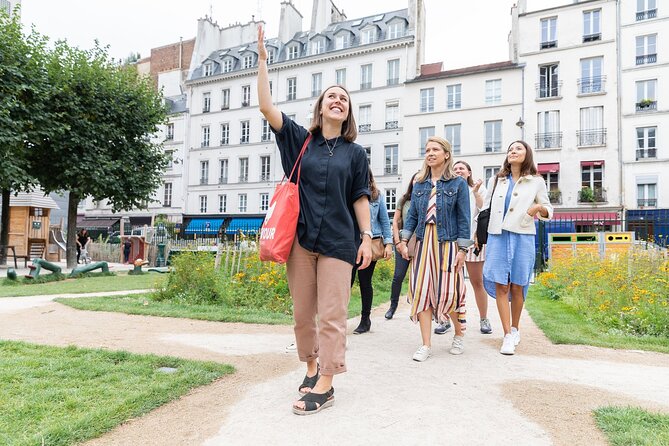
I like the small group of no more than 10, which gives guides such as Alice, Sam, Davide, Vanessa, and Emily room to explain French food and answer questions. I also like the independent stops, especially PLAQ Chocolat and Le Valentin Jouffroy, where the food feels tied to the people making it rather than to a large chain.
The main drawback is the price, $95.58 per person, and the tour is not suitable for vegans, gluten-free diets, or people avoiding tree nuts. The portions can also add up quickly, so arrive hungry rather than treating this as a light morning snack.
Key points to know before you book
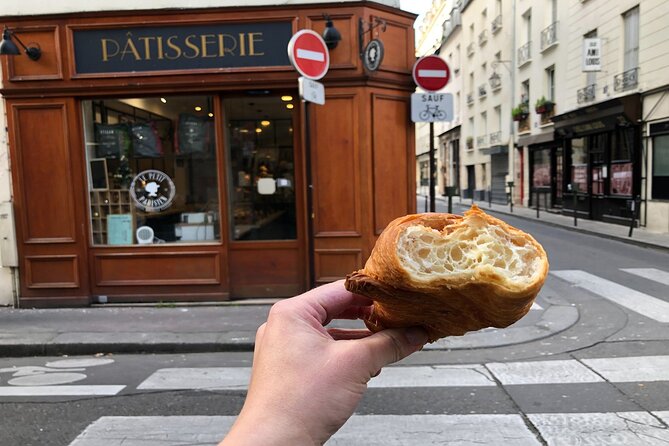
- Six or more substantial tastings: Plan on pain au chocolat, seasonal cake, chocolate, crêpe with cider, and a macaron, with exact items subject to change.
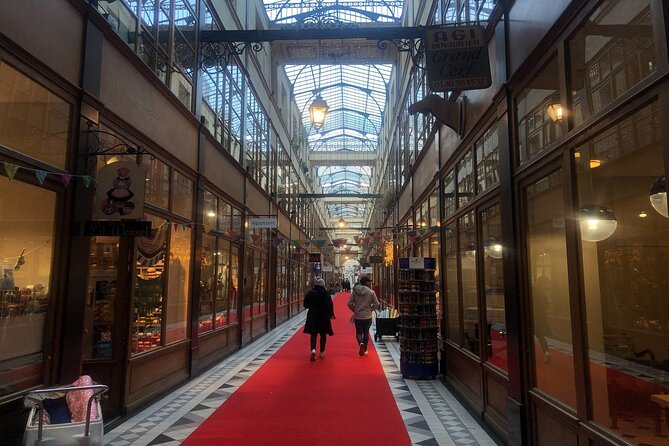
- Three historic covered passages: Passage Jouffroy, Passage Verdeau, and Passage des Panoramas add sightseeing between the food stops.
- A compact central route: The walk covers about 1.7 kilometers, or just under one mile, between the starting point and the endpoint.
- Independent Paris businesses: You visit local bakeries, a family-run tea salon, a bean-to-bar chocolate shop, and a neighborhood crêperie.
- English only: The tour is led in English, with guides who explain food customs, Paris history, and practical restaurant tips.
- Best for flexible eaters: Vegetarians and pescatarians can be accommodated, but serious nut allergies, gluten-free diets, and vegan diets are not a good match.
Why this Paris pastry walk works
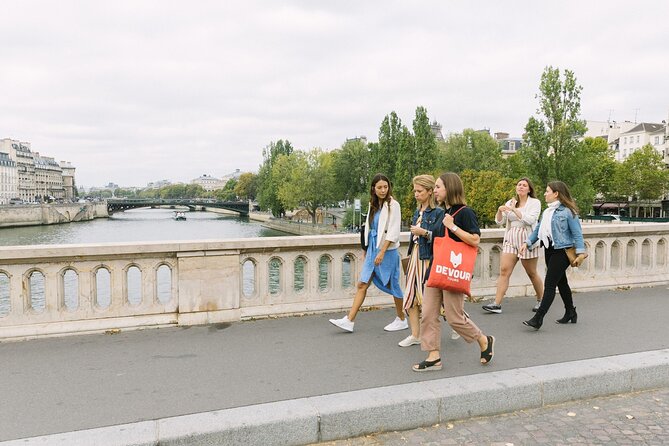
This is not simply a march from one sugar stop to another. The food gives the route its rhythm, but the covered passages and neighborhood streets give you a better sense of central Paris.
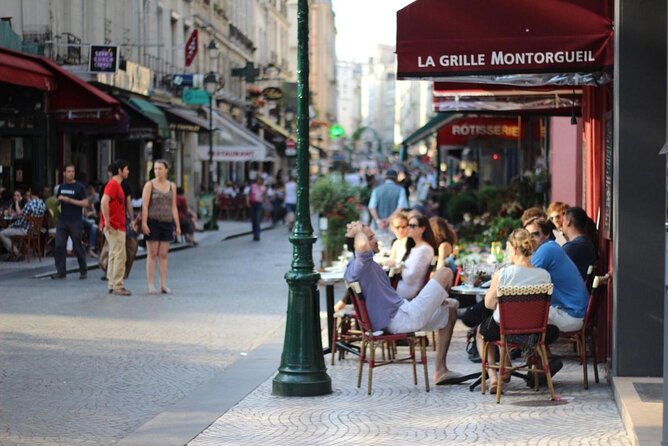
You begin at 34 Rue du Faubourg Montmartre, a convenient point near public transportation. The tour finishes at 3 Rue Bachaumont, so you do not return to the start. That is useful if you plan to continue toward Quartier Montorgueil, the Marais, or another central sight after lunch.
The full experience lasts about two and a half hours. That is long enough for a proper tasting menu without taking over your day. You should still keep your schedule flexible, since pastry shops are working businesses and the walking pace is moderate.
The strongest part is the mix of food and place. You are not only tasting French classics. You are learning where they fit in daily life, how shops operate, and why Parisian eating habits can feel different from what you know at home.
More Pastry and Chocolate Tours in France
- Paris French Sweets Tasting Tour with Pastries and Chocolates
★ 4.5 · 947 reviews - Saint-Germain: Gourmet Chocolate & Pastry Walking Food Tour
★ 4.8 · 495 reviews - Paris Chocolate, Macaron & Pastry Food Tour: 10 Gourmet Tastings
★ 5.0 · 339 reviews
The first bite at Victoire Boulangerie
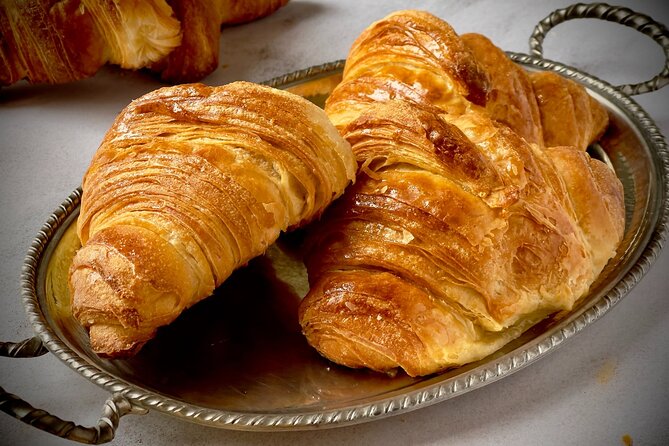
The tour starts at Victoire Boulangerie, an award-winning local bakery. Your first tasting is a pain au chocolat, the classic laminated pastry filled with chocolate.
This is a smart opening stop. You are likely to appreciate the crisp, flaky layers more when you have not already eaten several sweets. The tour description promises a balance of texture and flavor, and the portion is presented as a full pastry rather than a tiny sample.
Some people expect a croissant here, since the tour title highlights croissants. The exact first pastry can vary, and the supplied tasting details point to pain au chocolat at this stop. If a croissant is important to you, ask your guide what is being served on your date.
This bakery visit also sets up one of the tour’s useful themes: French pastry is about technique as much as sweetness. Your guide can explain the difference between laminated dough, chocolate-filled pastry, and other bakery staples while you eat.
Seasonal cake at Le Valentin Jouffroy
A short walk brings you to Le Valentin Jouffroy, a small family-run tea salon inside one of Paris’s covered passages. The business has more than 20 years of history, and its quiet setting makes it feel different from a quick bakery counter.
Here you receive a freshly made seasonal cake. Depending on the day, it might be a fraisier, a Mont Blanc, or another house specialty. A fraisier usually features strawberries and cream, while Mont Blanc is associated with chestnut and a soft, creamy finish. The exact cake is not fixed, which is part of the appeal and also something to remember if you want one particular dessert.
This is a longer stop, about 30 minutes, so you have time to sit, taste, and listen. Guides have used this pause to connect the pastry to Parisian food traditions and local streets.
The setting matters. A covered passage can feel calmer than the broad avenues outside, with glass overhead and old shopfronts lining the walkway. You are getting a small piece of Paris architecture along with the cake.
Three covered passages between dessert stops
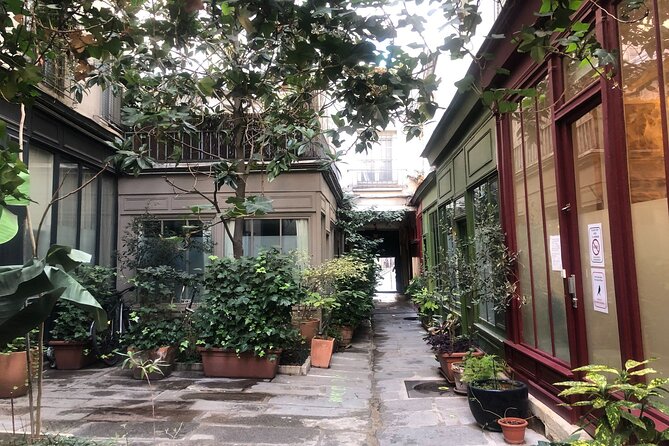
The walking section includes Passage Jouffroy, Passage Verdeau, and Passage des Panoramas. The listed times are short, but the guide provides a historical explanation as you move through them.
Passage Jouffroy is the first passage stop. It is known for its glass roof and old-fashioned character, making it an easy place to pause for photographs. The route then continues to Passage Verdeau, another elegant covered walkway connecting two busy Paris streets.
Passage des Panoramas comes next. It has local shops and a more lived-in feel than a formal monument. These passages are valuable because they break up the tasting schedule and give you a sense of how Paris developed indoor shopping streets before modern shopping centers.
Do not expect a full architectural tour. The passage section is brief, and the food remains the focus. Still, it adds variety and helps the tour avoid feeling like a series of unrelated bakery visits.
Bring comfortable shoes and dress for changing conditions. Much of the route is indoors or under cover, but this remains a walking tour, not a seated food event.
More Pastry and Chocolate Tours in Paris
- Saint-Germain The Original Chocolate Tasting Tour with Pastries and Macaron
★ 4.5 · 215 reviews - Paris: Montmartre Chocolate & Pastries Tour with 8+ Tastings
★ 4.7 · 131 reviews - Croissants and pains au chocolat with a pastry chef in Paris
★ 5.0 · 123 reviews - Paris: Pastries and Chocolate Walking Food Tour
★ 4.8 · 57 reviews
Bean-to-bar chocolate at PLAQ Chocolat
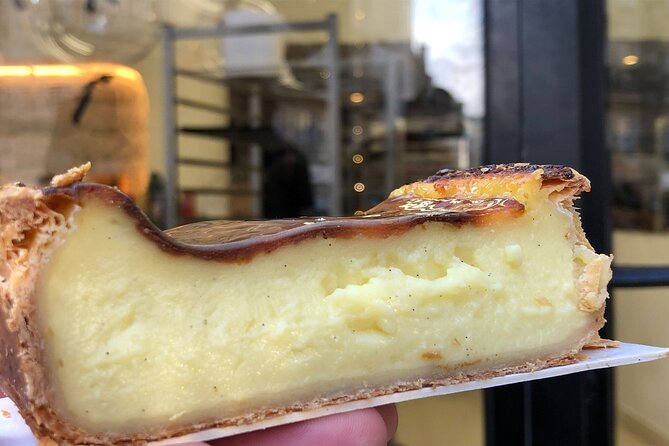
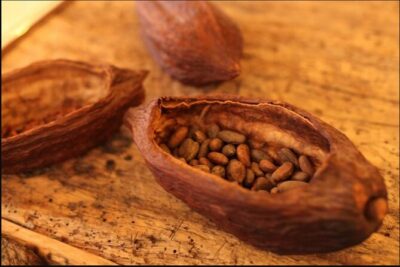
At PLAQ Chocolat, you enter a shop where the smell of chocolate hits first. This is a bean-to-bar business, so the tasting centers on chocolate made by passionate chocolatiers rather than mass-market candy.
Chocolate lovers will likely find this one of the more distinctive stops. You get a chance to notice how cocoa can taste different depending on its origin, roast, and preparation. The tasting is short, about 15 minutes, but it adds a darker note after the pastries and cake.
The chocolate may not please everyone equally. One tasting account described the stop as best suited to people who enjoy dark chocolate. If you prefer very sweet milk chocolate, this could be less exciting than the crêpe or macaron.
Your guide may also explain how chocolate is produced and how to think about flavor. This is one of the places where the guide’s personality makes a real difference. Davide, Sam, Vanessa, Alice, and Emily have all been praised for combining food information with stories about Paris rather than delivering a dry lecture.
Brittany comes to Paris at Le Comptoir du Commerce
The crêperie stop at Le Comptoir du Commerce shifts the meal from pastry toward Brittany. You taste a traditional French crêpe and receive a glass of apple cider.
This is a useful change of pace. After a pain au chocolat, cake, and chocolate, a warm crêpe gives the tour a more filling, savory or balanced middle. The precise filling is not specified, so ask your guide about the day’s preparation if you have strong preferences.
The cider is an important part of the stop. Crêpes and cider are closely linked with Breton dining, and the pairing helps you understand that French food is not limited to baguettes and croissants.
This is also where the tour can become quite filling. Portions have been described as larger than expected, and the experience includes a full pastry, cake, chocolate, crêpe, and macaron. Skip a large breakfast, but do not arrive dehydrated or already stuffed from an early meal.
A final macaron at Jeffrey Cagnes Paris 2ème
The last food stop is Jeffrey Cagnes Paris 2ème, a modern pastry shop known for putting a fresh spin on French classics. You finish with a macaron.
That ending makes sense. The macaron is small, colorful, and polished, giving the tour a neat final note after the heavier cake and crêpe. The shop also shows how French pastry continues to change while keeping familiar forms.
The macaron is not the only sweet associated with this tour. Individual tastings can vary, and some descriptions of the experience include éclairs and additional pastry items. The official stop list names the macaron, so treat the other desserts as possible variations rather than guaranteed items.
By the finish at Rue Bachaumont, you should have a better idea of which Paris specialties you want to seek out again. You will also be in a useful central area for continuing your day on foot.
What the guides add to the food
The food is the reason to book, but the guide is what turns the route into a tour. Alice has been praised for mixing Paris history with the passageways and for making the experience feel relaxed. Sam has been especially well regarded for explaining French pastries, coffee-ordering customs, and smaller local shops.
Davide has a warm, engaging style and has explained how chocolate, baguettes, and champagne are made. Vanessa brings a lively approach and can connect food preparation with French art, history, and restaurant manners. Emily has been described as friendly and easy to talk with.
The guide assignment will not necessarily be one of these people, so you should not book solely for a particular name. Still, the repeated pattern is useful: expect more than a list of dishes. You can ask about how to order coffee, how French restaurant customs work, and why certain foods are made in particular ways.
The English-speaking format is helpful if you want context without translating while you walk. It also makes the tour accessible to families, including older children and teenagers who may enjoy the hands-on tasting more than a standard museum visit.
Price, portions, and who gets good value
At $95.58 per person, this is not a bargain pastry crawl. You are paying for six or more tastings, an English-speaking guide, a small group, and a walking tour through central Paris. The value improves if you count the experience as both a meal and a neighborhood tour.
The portions matter. This is not a few crumbs handed over at each counter. The food can amount to breakfast and lunch for some people, especially when you include the crêpe and cider. If you would otherwise pay for several meals and a separate walking tour, the price becomes easier to justify.
I would book it for a first or second day in Paris if you want help finding local food businesses and learning basic French dining habits. I would be less eager to book it if you already know Paris pastry shops well or if you prefer to choose every dish yourself.
Vegetarians and pescatarians can be accommodated with advance notice. The tour is not recommended for vegans, people requiring gluten-free food, or anyone with a serious nut allergy. Almonds, hazelnuts, and pecans are used, although peanuts are not. Anyone with a serious allergy must sign a waiver at the start, and dietary needs should be sent to the provider after booking.
Mobility arrangements are possible, but you must email the Guest Experience team at booking. You should be able to walk at a moderate pace, and the route covers about 1.7 kilometers.
Should you book the Paris pastry tour?
Book this tour if you want a generous food tasting paired with Paris architecture and local stories. It is especially good for families, first-time visitors, and anyone who wants an easy introduction to croissants, chocolate, crêpes, macarons, and French cake without planning every stop.
Skip it if your diet rules out gluten, dairy, eggs, or tree nuts, or if $95.58 feels too high for a pastry-focused outing. Also skip it if you want a formal cooking class or a deep specialist lesson on French baking.
For most flexible eaters, the strongest case is the balance: independent food shops, three covered passages, a manageable walking distance, and a small group. Arrive hungry, wear sensible shoes, and confirm any dietary needs before the day of the tour.
FAQ
Where does the Paris pastry tour begin?
The tour begins at 34 Rue du Faubourg Montmartre, 75009 Paris, France. The meeting point is near public transportation.
Where does the tour end?
The tour ends at 3 Rue Bachaumont, 75002 Paris, France. Hotel pickup and drop-off are not included.
How long does the tour last?
The tour lasts approximately two hours and 30 minutes.
How much walking is involved?
The tour includes about 1.7 kilometers of walking, or just under one mile. You should be comfortable walking at a moderate pace and wear comfortable shoes.
What food is included?
The listed tastings include pain au chocolat, seasonal cake, chocolate, a traditional crêpe with apple cider, and a macaron. The experience includes six or more tastings, and the exact items can vary.
Is the tour offered in English?
Yes. The tour is conducted in English by a local English-speaking guide.
Can people with dietary restrictions join?
Vegetarians and pescatarians can be accommodated with advance notice. The tour is not suitable for vegans, gluten-free diets, or people with serious nut allergies. Almonds, hazelnuts, and pecans are used, but peanuts are not.
How many people are in the group?
The maximum group size is 10 people. Mobility accommodations may be possible if you contact the Guest Experience team when booking.
Freshly tempered around Paris
- Private Wine and Chocolate Tasting Experience★ 4.4 · 3 reviews
- Paris Sweet & Chocolate Family Treasure Hunt★ 5.0 · 37 reviews
- Molded Bonbons Chocolate making class in Paris (collective)★ 4.5 · 20 reviews
- Private Wine and Chocolate Tasting in Paris★ 4.5 · 4 reviews
- Pure Chocolate Tour in Paris★ 5.0 · 20 reviews
- Expert-Led Sweet Secrets of Paris Pastry & Chocolate Marathon★ 5.0 · 3 reviews
- Paris Small-Group Montmartre Chocolate & Pastry Walking Tour★ 5.0 · 15 reviews
- #1 Montmartre Pastries & Chocolate Food Tour with 6+ Tastings★ 4.5 · 41 reviews
More France Chocolate Tours to compare.
Paris: Entrance Ticket to the Chocolate Museum
Read our review →
Paris French Sweets Tasting Tour with Pastries and Chocolates
Read our review →
A Morning in Paris Food Tour: Croissants, Baguettes & Chocolate
Read our review →
Saint-Germain: Gourmet Chocolate & Pastry Walking Food Tour
Read our review →
Paris: 45-minute Chocolate Making Workshop at Choco-Story
Read our review →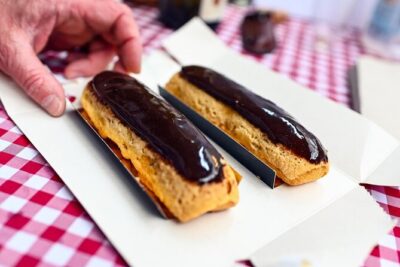
Paris Chocolate, Macaron & Pastry Food Tour: 10 Gourmet Tastings
Read our review →
Passy-Grigny: Chocolate and Champagne Tasting Tour
Read our review →