Review · FRANCE
Passy-Grigny: Chocolate and Champagne Tasting Tour
The best part of this experience is the setting: you leave the grand Champagne houses of Reims and Épernay and visit a working producer in Passy-Grigny, in the Marne Valley. You see how the wine is made, then finish with three Champagnes matched with three chocolates, a clever pairing that gives the tasting more purpose than a simple sip-and-spit stop.
I like the clear production focus and the friendly, personal guiding style reported from guides including Clémentine, Fanny, and Katja. I also like the price, $32 for 90 minutes, which makes this an easy addition to a day in the region. The main drawback is access: Passy-Grigny is difficult to reach without a car, and public transport is limited.
Key points at a glance
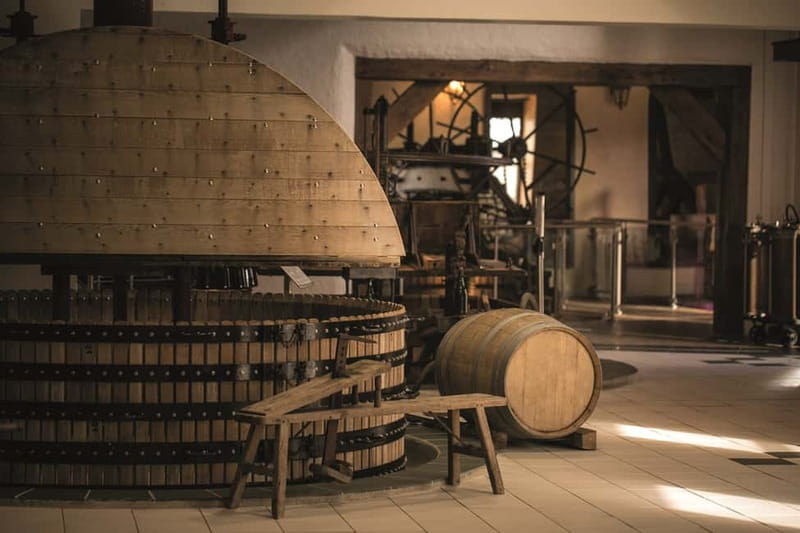
- A working Champagne setting: See the journey from the village’s first press to a modern vat house.
- A useful 75-minute tour: The pace gives you production detail without turning the visit into a long lecture.
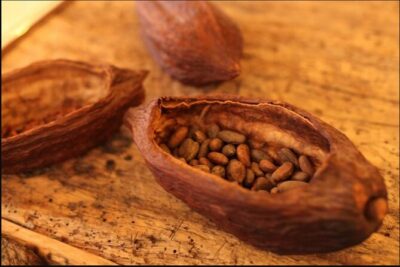
- Three Champagne and chocolate pairings: Each drink is served with a chocolate tasting.
- English or French guiding: The tour is available in both languages, with several guides praised for their warmth and clarity.
- Good for families: A child’s juice is available, and one guide even demonstrated sabrage for young visitors.
- Best reached by car: The village setting is appealing, but public transportation is not readily available.
A Small Champagne House with a Village Story
Champagne Dom Caudron is in Passy-Grigny, a village in the heart of the Marne Valley. This is not a grand urban cellar visit in central Reims. You come to a local Champagne house connected to the growers and vineyards of the village.
The story begins in 1929, when priest Aimé Caudron brought the village winemakers together around a promising idea. That cooperative spirit remains part of the identity of the house, and the tour uses it to explain how local grape growing developed into modern Champagne production.
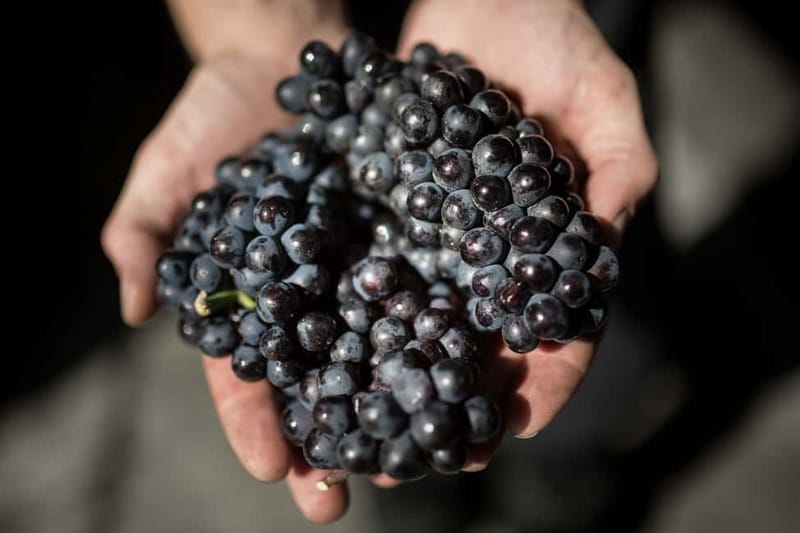
The visit also gives special attention to Meunier, one of the three main grape varieties used in Champagne. The Passy-Grigny area is closely linked with this grape, and the house presents its role in the region rather than treating Champagne as one single, uniform product.
That local focus matters. At a famous Champagne name, you may hear a polished explanation designed for large numbers of visitors. Here, you get a closer look at a producer rooted in one village. I find that useful because it connects the bottle in your glass to the people and equipment behind it.
More Chocolate Tastings in France
- Paris French Sweets Tasting Tour with Pastries and Chocolates
★ 4.5 · 947 reviews - Paris Chocolate, Macaron & Pastry Food Tour: 10 Gourmet Tastings
★ 5.0 · 339 reviews - Paris: Discover Brussels and Bruges & Optional Chocolate Tasting
★ 4.5 · 219 reviews
What the 75-Minute Tour Actually Covers
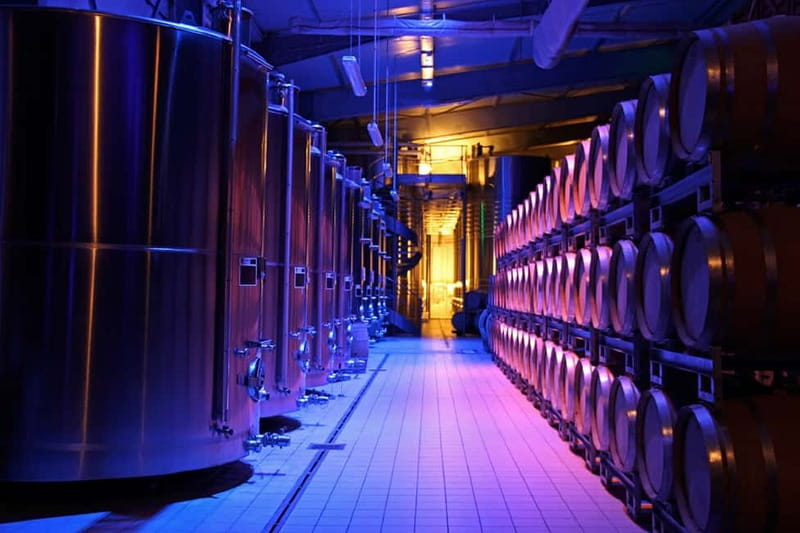
The guided portion lasts about 75 minutes, followed by the tasting. The exact order can vary, but you should expect a walk through the Champagne-making process, supported by explanations from a live guide in English or French.
The tour begins with the producer’s earlier equipment and first press. This gives you a sense of how wine production has changed over time. You then move toward the current modern vat house, where the scale and method of present-day production become clearer.
The focus is practical. You learn how grapes become Champagne, how the wine is handled, and how the production stages fit together. This is a good choice if you want to understand the process instead of simply looking at bottles in a shop.
A short film or video presentation may also form part of the visit. One aspect that could use updating is the film, according to one detailed assessment, but it still helps explain the harvest and production process. I would treat it as a supporting piece rather than the main event. The live guide is where the visit gains its personality.
The guides are one of the strongest parts of the experience. Clémentine has been singled out for her charm and humor, while Fanny and Katja have also led visits praised for their warm, personal service. Names and staff can change, of course, but the pattern is clear: you can expect the explanation to feel conversational rather than cold or mechanical.
The tour works for beginners, but it also leaves room for questions. If you already know the basics of Champagne, ask about Meunier, the cooperative model, or the difference between older and current equipment. If you are new to Champagne, the visual progression from the first press to the modern vat house gives you a useful structure.
The Chocolate Pairing Is the Smart Finish
At the end, you taste three Champagnes paired with three chocolates. This is the feature that makes the experience different from many standard winery visits.
The pairing is not just a sweet extra. Chocolate changes how you notice the Champagne. It can soften acidity, bring out fruit, or make a dry wine feel rounder. You do not need advanced tasting skills to enjoy the comparison. The guide gives you a reason to slow down and notice how the drink and food work together.
The tasting is also well suited to people who are curious about Champagne but do not want a formal, highly technical lesson. You can listen to the explanation, try each pairing, and decide what you like. The format gives you three separate reference points instead of one general impression.
The Champagne itself has drawn particularly strong praise, as have the chocolates. Some visitors have described the pairing as an unexpected surprise, which makes sense: many people arrive expecting a standard wine tasting and discover that chocolate gives the final part a more relaxed, playful feel.
A child can be offered juice instead of Champagne. That makes the visit more practical for families, though the main tasting remains designed for adults. One family also received a sabrage demonstration, opening a bottle with a sword for the children. That is a memorable touch, but you should not assume it is guaranteed on every departure.
Why the Price Works
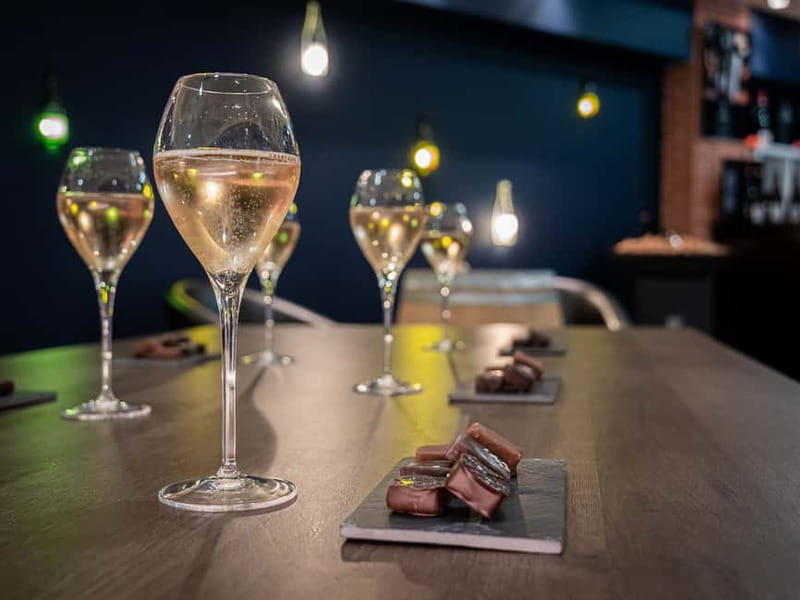
At $32 per person, this is a good-value Champagne visit if you want both education and tasting. You receive a live guided tour, a 75-minute production visit, three Champagne samples, and three chocolates within a 90-minute experience.
The price is especially reasonable compared with the time and money involved in visiting several large Champagne houses. You get a focused introduction without committing half a day to a formal estate visit. The tasting adds real value because it is built into the experience rather than treated as an afterthought.
That said, value depends on your expectations. If you want a long cellar walk, extensive historical displays, or a large selection of wines, this may feel short. One person felt the visit could have lasted longer and included more information. Another noted that it was not the cheapest activity, though still good value overall.
I see the 90-minute duration as a strength for most visitors. It is long enough to explain the process and enjoy the tasting, but short enough to fit around another appointment in Reims or Épernay. If you have only one day in Champagne, this visit will not take over your schedule.
The tour can also be a useful change of pace after visiting a major brand. You get a more local view of production, and the smaller setting may feel more personal. One visitor described it as a welcome alternative to the bigger tours, especially for people spending several days in the region.
More Wine and Chocolate Tours in France
- Libourne: Winery Tour with Wine and Chocolate Tasting
★ 4.9 · 74 reviews - tasting workshop of 6 to 8 wines with charcuterie chocolate cheese
★ 5.0 · 48 reviews - Wine and chocolat tasting at Chablis.
★ 4.9 · 5 reviews - Trio Chocolaté – Tour en français – Champagne Passy-Grigny
★ 5.0 · 5 reviews
Getting to Passy-Grigny
The biggest practical issue is transportation. Passy-Grigny is not as easy to reach as Reims or Épernay, and public transportation is not readily available. You may need a rental car or a taxi service such as Uber or Bolt, depending on availability.
Plan this carefully before booking. Do not assume you can simply step off a train and walk to Champagne Dom Caudron. The meeting point is listed at Champagne Dom Caudron, 10 Rue Jean York, but the exact meeting point can depend on the option you select.
The driving requirement is also part of the appeal. You get away from the main city centers and into a smaller village in the Marne Valley. If you have a car, consider allowing time to see more of the surrounding area rather than making the tour your only stop.
If you are driving, remember that the tasting includes Champagne. Arrange a sober driver, use a taxi, or plan the day so the person driving limits their tasting. The tour is short, but the alcohol still matters.
The venue is wheelchair accessible, which is useful information for visitors who need step-free access. Since the supplied details do not describe every surface or route inside the facility, it is wise to confirm any specific mobility needs when booking.
A Good Choice for Families and First-Time Visitors
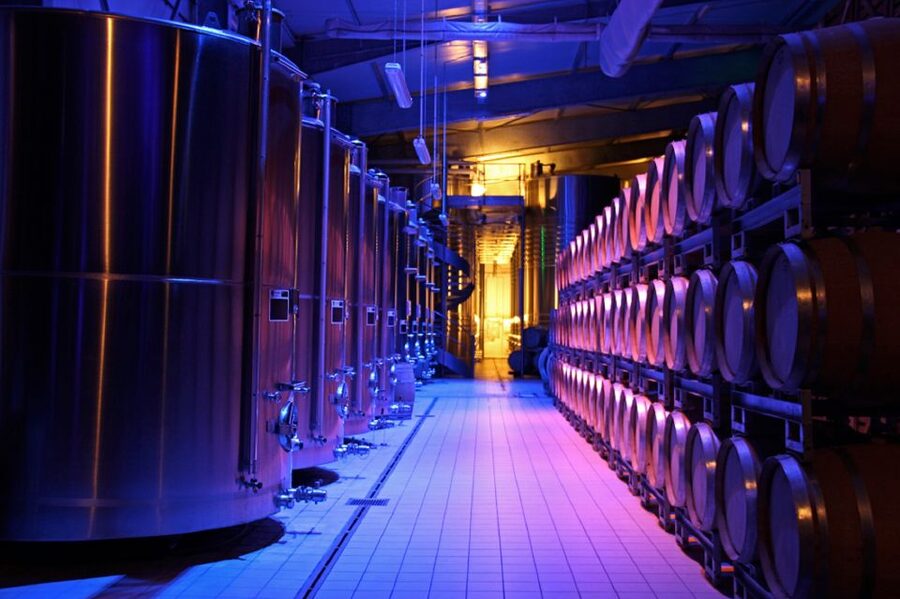
This is one of the more family-friendly Champagne activities because the production tour gives children something to look at and follow. They can see the equipment, learn how the drink is made, and receive juice during the tasting.
The sabrage demonstration mentioned by one family adds extra appeal for children, though it should be viewed as a possible bonus rather than a promised part of the program. The chocolate tasting also gives younger visitors a clear point of interest.
For adults who are new to Champagne, the visit provides a solid foundation. You will leave with a better sense of how the grapes, pressing, production equipment, and finished bottle fit together. The guide can answer questions, and the tasting gives you a simple way to compare three different Champagnes.
It also suits couples and friends who want a lighter activity. You do not need to dress for a formal wine event or prepare for a long technical seminar. The atmosphere has been described as welcoming, and the balance between explanation and tasting appears to be one of its strengths.
I would be less likely to recommend it to someone who has already taken several detailed production tours and wants something new in the technical sense. The information is clear and useful, but the visit is designed as an accessible introduction rather than an advanced master class.
What to Know About the Guides
The guide makes a real difference here. English and French are both available, and English-speaking visitors have found the explanations easy to follow.
Clémentine has been praised for being especially pleasant and engaging. Fanny has been remembered for giving a strong presentation, and Katja has received praise for her service during the tasting. Your guide may be someone else, but these names show the kind of personal contact the experience can offer.
I like tours where you can ask questions instead of simply following a recorded script. This visit allows that. The guides explain the production stages, respond to questions, and help connect the equipment to the finished Champagne.
The main variation is likely to be the balance between film, exhibits, equipment, and live explanation. Some people will appreciate the clear structure. Others may want more time in each area. If you prefer a long historical account, note that the visit focuses more on production than on the broader history of Champagne.
How It Compares with Reims and Épernay Tours
Reims and Épernay are the obvious bases for Champagne visits, with large houses and famous names. Passy-Grigny offers something different rather than trying to compete on scale.
Here, the story begins with a village, local growers, and the practical work of making Champagne. You see a modern production facility, but the setting remains connected to the area around it. That makes the visit feel more grounded in the Marne Valley.
The tasting also helps it stand apart. Three Champagnes with three chocolates is more distinctive than a basic flight of samples. You get a small food pairing lesson as well as a wine tasting.
If this is your first Champagne visit, you could pair it with a major house in Reims or Épernay. The big house can explain brand scale and tradition, while Dom Caudron can show you a smaller, local production story. If you have already seen the famous names, Passy-Grigny may provide the change of rhythm you need.
Booking and Timing Tips
The experience lasts 90 minutes, with a 75-minute guided tour as its main part. Starting times vary, so check availability for your date before building the rest of your day.
Allow extra time for the drive. The tour itself is not long, but the rural location can make the full outing take longer than expected. Arriving early also gives you a calmer start, especially if you are unfamiliar with the village.
You can cancel up to 24 hours in advance for a full refund, and the reserve-now, pay-later option helps if your Champagne plans are still changing. Those policies are useful in a region where weather and transport can affect a day’s schedule.
Book this as a focused visit, not as an all-day estate tour. You will get the most from it if you arrive ready to listen, ask questions, and pay attention to the differences between the three pairings.
Should You Book Champagne Dom Caudron?
I would book this tour if you want a short, affordable introduction to Champagne production and do not mind arranging transport to Passy-Grigny. The $32 price is fair for the guided explanation, three Champagne samples, and three chocolates.
It is especially suitable for families, first-time Champagne visitors, couples, and anyone who has already toured the large houses and wants a smaller village setting. The friendly guides, useful production focus, and unusual pairing make it more memorable than a routine tasting.
Skip it if your priority is a long cellar visit, a major-brand museum, or an advanced technical session. For most people, though, this is a practical way to see another side of the Marne Valley without spending a full day or a large sum.
FAQ
Where does the Champagne and chocolate tour take place?
The experience takes place at Champagne Dom Caudron in Passy-Grigny, in the Grand Est region of France. The listed address is 10 Rue Jean York.
How long does the experience last?
The full experience lasts 90 minutes. The guided production tour takes about 75 minutes, followed by the tasting.
Is the tour available in English?
Yes. The tour is offered in English or French, with a live guide.
What do you taste during the experience?
You taste three different Champagnes paired with three different chocolates.
Is this tour suitable for children?
Yes. Children can join the tour, and juice may be offered instead of Champagne. A sabrage demonstration has also been provided for children on at least one visit, but it is not listed as a guaranteed feature.
Is Champagne Dom Caudron easy to reach by public transportation?
Public transportation is not readily available, so driving is recommended. Taxi services such as Uber or Bolt may also be options.
Is the experience wheelchair accessible?
Yes, the activity is listed as wheelchair accessible.
Can I cancel my booking?
You can cancel up to 24 hours in advance for a full refund. A reserve-now, pay-later option is also available.
Freshly tempered around France
- Private Wine and Chocolate Tasting Experience★ 4.4 · 3 reviews
- Wine and Chocolate experience★ 4.6 · 3 reviews
- Wine and chocolat tasting at Chablis.★ 4.9 · 5 reviews
- Trio Chocolaté – Tour en français – Champagne Passy-Grigny★ 5.0 · 5 reviews
- Paris Sweet & Chocolate Family Treasure Hunt★ 5.0 · 37 reviews
- Molded Bonbons Chocolate making class in Paris (collective)★ 4.5 · 20 reviews
- Pure Chocolate Tour in Paris★ 5.0 · 20 reviews
- Private Wine and Chocolate Tasting in Paris★ 4.5 · 4 reviews
More France Chocolate Tours to compare.
Paris: Entrance Ticket to the Chocolate Museum
Read our review →
Paris French Sweets Tasting Tour with Pastries and Chocolates
Read our review →
A Morning in Paris Food Tour: Croissants, Baguettes & Chocolate
Read our review →
Saint-Germain: Gourmet Chocolate & Pastry Walking Food Tour
Read our review →
Paris: 45-minute Chocolate Making Workshop at Choco-Story
Read our review →
Paris Chocolate, Macaron & Pastry Food Tour: 10 Gourmet Tastings
Read our review →
Paris Pastry Tour – Croissants, Macarons & Iconic French Desserts
Read our review →