
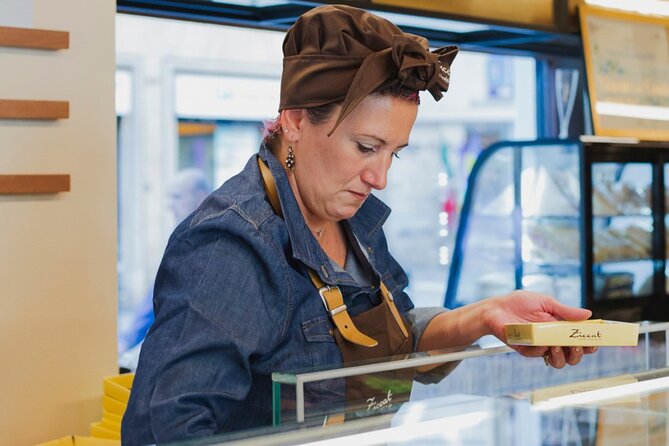
Review · ITALY
The Turin Chocolate Tasting Experience
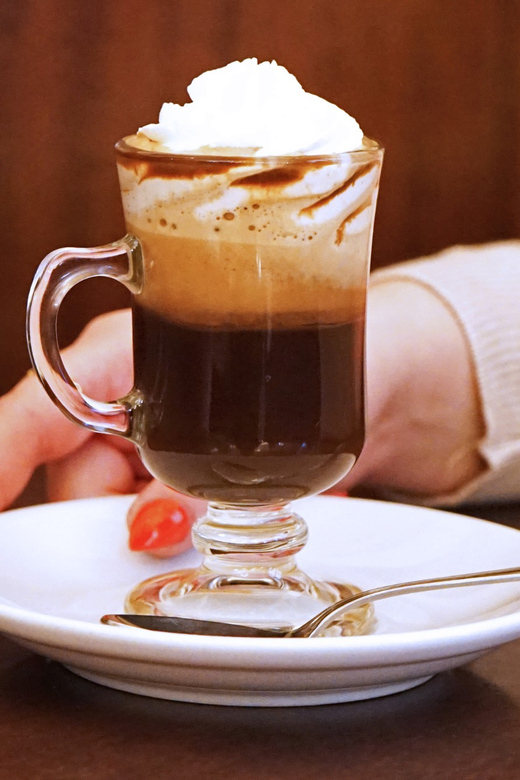
Turin’s best chocolate story begins with a drink, not a candy. At Caffè Elena, you taste bicerin, a layered mix of coffee, chocolate, and milk traditionally served in Turin’s old cafés, then follow a local guide through the city’s chocolate traditions, from hazelnut-rich gianduja to fine dark bars.
I like the balance of local history and serious tasting. You get a look at Turin’s grand squares and porticoes, but the focus stays on flavor, ingredients, and the people who shaped the city’s sweets. I also like the small group, limited to 10, and the pairing of chocolate with Barolo Chinato, a Piedmontese aromatized wine.
The main caution is the hazelnut allergy rule. Hazelnuts are central to gianduja, so this experience is not suitable for anyone allergic or intolerant to them. The walk is also short but partly outdoors, even though Turin’s porticoes offer cover in rainy weather.
Key points to know before booking
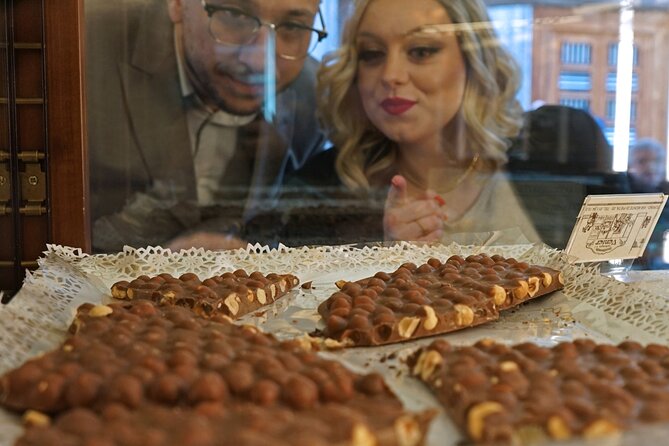
- Bicerin begins the tasting: Start at Caffè Elena with bicerin, Marocchino, or, in some cases, a typical Turin ice cream.
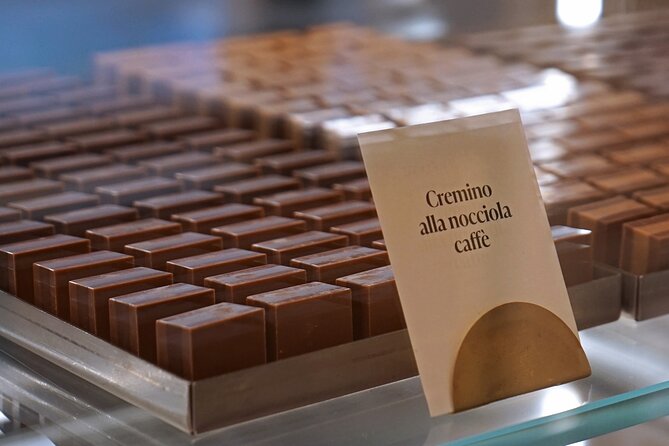
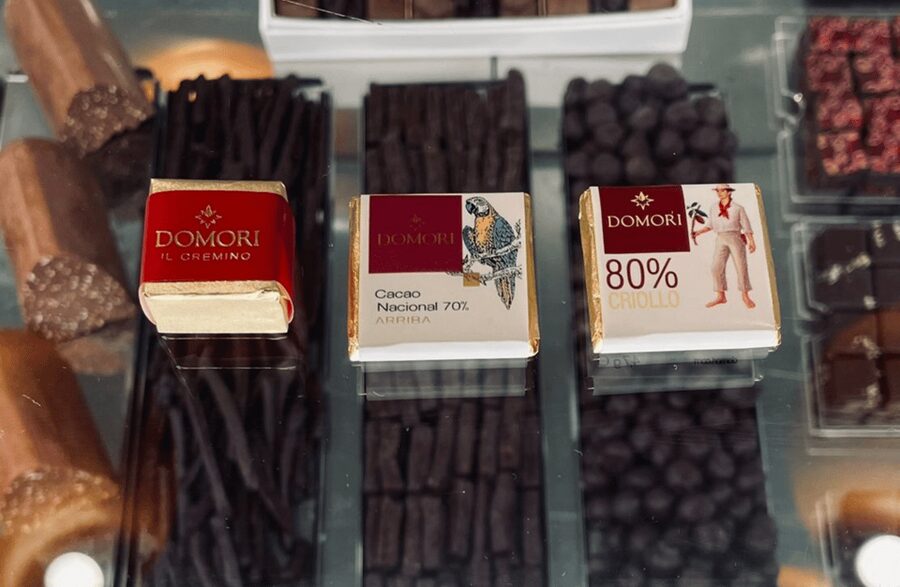
- Gianduja is the local star: Taste giandujotto, cremino, and other chocolates made with finely ground Piedmontese hazelnuts.
- The dark chocolate is more than a sweet snack: The workshop includes organic, bean-to-bar chocolate made from select cocoa.
- Barolo Chinato adds a Piedmont touch: This sweet, aromatized wine is paired with chocolate during the tasting.
- The walk connects food with Turin: See Piazza Vittorio Veneto, the Gran Madre church area, and lesser-known corners between tastings.
- Small groups make questions easy: The tour takes up to 10 people and runs in Italian or English.
Why Turin chocolate deserves its own tour
Turin is one of Italy’s great chocolate cities, and its local specialties are tied closely to the city’s royal past. The House of Savoy and Turin’s noble families helped make chocolate fashionable, especially in the grand cafés around the historic center.
The story becomes especially interesting in the 19th century, when cocoa was costly and hard to obtain. Turin’s confectioners blended chocolate with finely ground local hazelnuts to stretch the cocoa while creating something smooth and distinctive. That mixture became gianduja, the base for the famous giandujotto and many other Piedmontese sweets.
I like this context because it explains the flavor rather than treating chocolate as a simple souvenir. The hazelnut is not just a local extra. It is part of the reason Turin developed its own chocolate identity.
This experience also moves beyond the usual tourist candy stop. You taste traditional gianduja, then compare it with dark chocolate made through a bean-to-bar process. That gives you two useful views of Turin’s chocolate culture: the old city specialty and the modern craft approach.
More Chocolate Tastings in Italy
- The Turin Chocolate & Wine Tasting Experience
★ 4.7 · 87 reviews - Fine Chocolate Tasting in Turin
★ 4.8 · 71 reviews - The Turin Chocolate & Wine Tasting Experience
★ 5.0 · 62 reviews
Caffè Elena and the first cup of bicerin
Meet your guide under the porticoes in front of Caffè Elena at Piazza Vittorio Veneto 5/B. This is a practical meeting point because it sits beside one of Turin’s historic café landmarks and gives you a clear setting for the opening part of the tour.
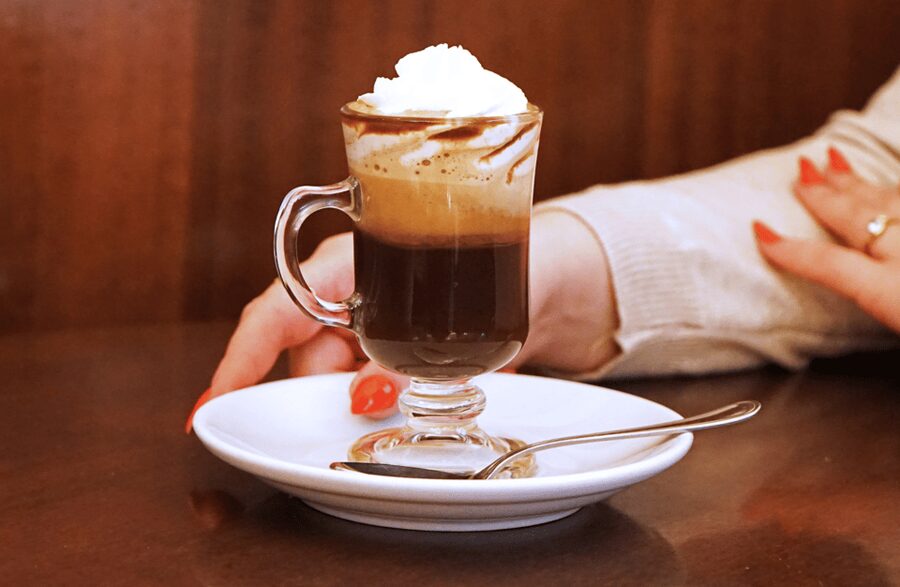
The first tasting lasts about 20 minutes. You receive a cup of bicerin or Marocchino, with a typical Turin ice cream offered as an alternative in some cases.
Bicerin is the drink to pay attention to. It combines coffee, chocolate, and milk in layers, and it has long been associated with Turin’s 19th-century cafés. The traditional way to drink it is part of the pleasure, since mixing the layers can change the balance of bitter coffee, sweet chocolate, and creamy milk.
If you prefer a smaller coffee drink, Marocchino may be offered instead. The exact option can depend on the café and the guide, so listen for the explanation before you begin. Lactose-free alternatives are available if you tell the guide at the start.
This opening stop is more than a quick caffeine break. It places the tasting in the setting where Turin’s chocolate-and-coffee culture developed. The café can also help you understand why these specialties were linked to social life, royal custom, and elegant city routines.
Piazza Vittorio Veneto and the covered walk
After the café, the group walks through central Turin, including Piazza Vittorio Veneto and the area around Chiesa Parrocchiale della Gran Madre di Dio. The sightseeing stops are brief, generally about five minutes each, so do not expect a full architecture tour.
That short format works well for this experience. The city sights provide context and breathing room between tastings without taking over the afternoon. Your guide may point out historic details, local stories, and less obvious places as you move between the café and the final tasting venue.
Turin’s porticoes are especially useful here. They make the tour possible in rainy weather and give you some shade in summer. Still, wear comfortable shoes because the experience includes walking between stops, and bring clothing suited to the day’s weather.
The itinerary includes photo stops and brief pass-bys at several locations, including a less obvious stop along the route. These are not long guided visits, so I would not book this as a substitute for a dedicated Turin city tour. Think of the walk as a chocolate route with city views, not a full historical survey.
The workshop tasting at the final bistrot
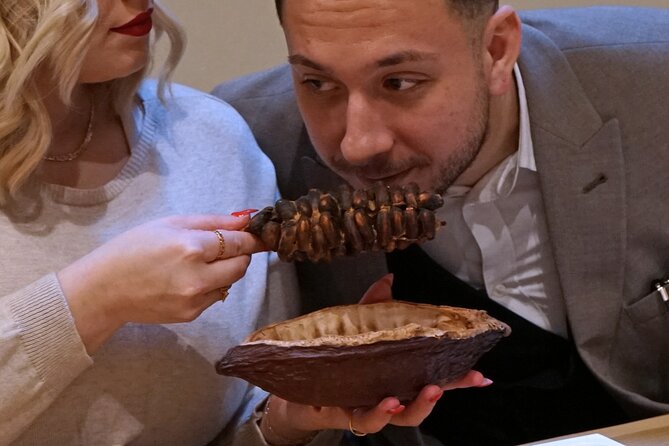
The main tasting takes place at a bistrot in Turin and lasts about 45 minutes. This is where the experience shifts from café tradition to a more focused lesson on cocoa, chocolate making, and flavor.
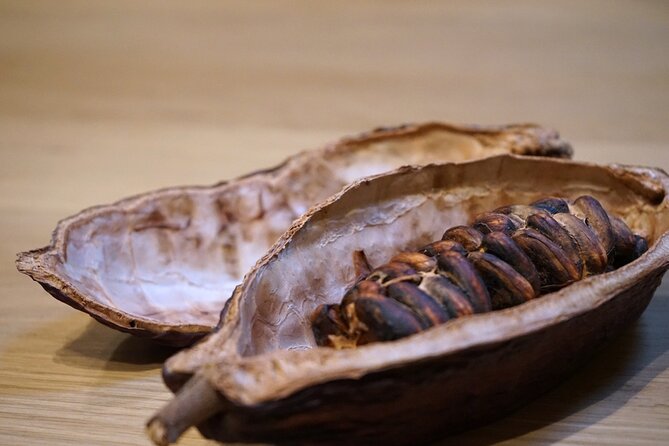
A local food expert explains the bean-to-bar process and the differences between types of cocoa. The dark chocolate selection is made with fine cocoa from a small portion of the world’s overall production, and the products are described as organic and bean to bar.
That detail matters if you usually find chocolate tastings too sweet. Dark chocolate gives you a chance to compare cocoa intensity, texture, and finish without relying only on sugar. You may also learn why origin and processing affect the final taste.
The workshop format gives you room to ask questions. Fabio has been praised for explaining the bean-to-bar process clearly, and Frederick has also led the experience. Guides may vary by date, but the tour is designed around a local food expert rather than a scripted café handoff.
The tasting includes six different chocolates, though the exact selection can vary. One useful feature is that the guide can adjust some of the tasting toward your preferences. If you prefer darker, milkier, more traditional, or more unusual chocolate, explain that early.
Do not expect to leave with a full meal. The amount is intended as a substantial tasting, not lunch or dinner. The advice to arrive hungry and thirsty is sensible, especially because the experience includes both chocolate and wine.
More Chocolate Tastings in Turin:
- The Turin Chocolate Tasting Experience
★ 4.5 · 31 reviews - Fine Chocolate Tasting in Turin
★ 5.0 · 26 reviews - Chocolate Made in Piedmont: Guided Tour with Tastings
★ 4.5 · 10 reviews - Turin Chocolate Tasting Walking Tour
★ 5.0 · 4 reviews
Giandujotto, cremino, and the taste of Piedmont
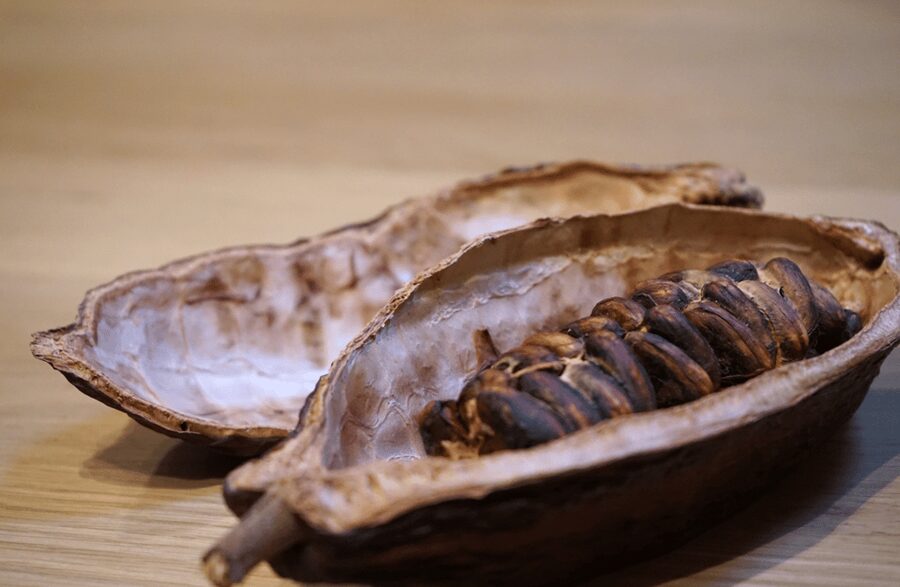
The traditional portion centers on gianduja chocolates. You can expect giandujotto and cremino, along with other forms of this Turin specialty.
Giandujotto is usually shaped like a small boat or pyramid and has a soft, smooth texture. Its flavor comes from blending chocolate with finely ground hazelnuts. Cremino is made in layers, often with different chocolate and hazelnut mixtures, so the texture and sweetness can change from one piece to the next.
This is where Turin differs from a generic chocolate city tour. The tasting is not only about famous brands. It explains how one local ingredient, the Piedmont hazelnut, helped create a whole class of sweets.
A notable stop may be Mamma Mia Chocolate7, a small chocolate boutique associated with Giovanni, whose expertise covers both traditional and international chocolate. The shop setting adds a personal touch, and you may be offered a broad range of samples. It is also the point where your spending willpower may be tested, since the chocolates are available for purchase after tasting.
The guide may compare Turin’s gianduja with bars made elsewhere in the world. That comparison helps you notice the difference between a nut-based local specialty and a dark bar where cocoa takes the lead.
Pairing chocolate with Barolo Chinato
The Barolo Chinato pairing is one of the most distinctive parts of the experience. This is an aromatized wine produced in the Barolo area of Piedmont, and its sweet, spiced character works naturally with chocolate.
You are not simply drinking wine beside a plate of sweets. The guide explains why the pairing works, allowing you to compare the wine’s sweetness and aromatic notes with dark chocolate and gianduja.
For many people, this will be a new Piedmontese taste. Barolo Chinato is less familiar than standard Barolo, and the pairing adds a regional detail that you would not get from a basic chocolate shop visit.
The wine portion also means this is not entirely a children’s activity, although families can join. Children older than 3 who do not want to take part in the chocolate tasting can be booked in the infant slot at no charge, according to the activity rules. Parents should still decide if the wine-and-workshop format suits their children.
What the 1.5-hour format gives you
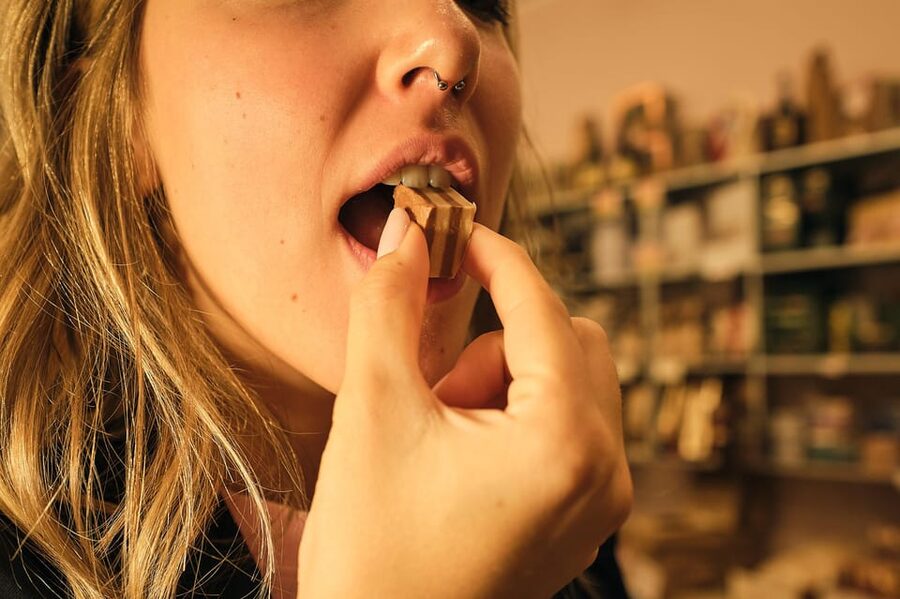
The total experience lasts about 90 minutes. That is enough time for several tastings and a compact city walk, but not enough for a slow, all-day food crawl.
I see the short length as an advantage if you are fitting Turin around museums, a train connection, or an evening meal. The route gives you a focused introduction without using half your day. It also works well early in a Turin visit because you will learn the names of local sweets before you shop on your own.
The tradeoff is pace. The café tasting, city stops, and workshop all need to fit into one and a half hours. If you want long conversations at each sight or plenty of time to linger over every piece of chocolate, this may feel brisk.
The group is limited to 10 participants, which is a good size for a workshop. You can hear the guide, ask questions, and get help identifying the chocolates. One practical note from the experience is that some sessions may combine chocolate and wine participants, so the group can have slightly different interests.
Price and overall value at $51
At $51 per person, this is not the cheapest way to eat chocolate in Turin. You could buy giandujotti and a coffee for far less. The value comes from the combination of tastings, local explanation, a historic café, city stops, and the guided comparison between traditional and bean-to-bar chocolate.
You receive a coffee drink or alternative, six chocolates, gianduja and dark chocolate, and a Barolo Chinato pairing. You also get more than an hour with a food expert in a small group.
I think the price makes the most sense for visitors who would otherwise buy several separate tastings and want help understanding what they are eating. It is less compelling if you only want a box of chocolates or if you already know Turin’s chocolate scene well.
The best value is the information. Once you understand bicerin, gianduja, cremino, and bean-to-bar chocolate, you can make better choices in Turin’s cafés and shops. The tour gives you a framework, not just a sugar rush.
Who will enjoy this experience most
This tour suits couples, friends, and families who want a food-focused introduction to Turin. It also works well for anyone who feels that a standard historic walking tour would be too much, but still wants some city context along the way.
Chocolate fans will get the most from the bean-to-bar section and the chance to compare cocoa styles. Wine drinkers will appreciate the Barolo Chinato pairing, especially if Piedmont’s better-known wines are already on your list.
The tour is also a good choice for a rainy day because much of the walking takes place under Turin’s porticoes. In summer, the workshop venue has air conditioning.
I would skip it if you have a hazelnut allergy or intolerance. Hazelnuts are a core ingredient in the local specialties, and the activity specifically warns that it is unsuitable for people with this problem. Lactose-free alternatives are available, but that does not solve the hazelnut issue.
Should you book the Turin Chocolate Tasting Experience?
Book it if you want Turin explained through its sweets, not just sampled from a shop counter. The bicerin at Caffè Elena, the gianduja tasting, and the Barolo Chinato pairing give the experience a clear local identity.
I especially recommend it for first-time visitors who want a compact introduction to Turin’s food culture. The guides, including Fabio and Frederick on different departures, bring enough city and chocolate knowledge to make the tasting feel like a lesson without turning it into a lecture.
Skip it if you want a full city tour, a large meal, or a long visit at each café. For everyone else, $51 buys a well-focused taste of Turin, with enough explanation to help you explore the city’s chocolate shops on your own.
FAQ
Where does the Turin Chocolate Tasting Experience begin?
Meet the guide under the porticoes in front of Caffè Elena at Piazza Vittorio Veneto 5/B in Turin.
How long does the chocolate tour last?
The experience lasts about 1.5 hours, including the café tasting, short sightseeing stops, walking, and the workshop tasting.
What drinks and chocolates are included?
You receive one cup of bicerin or Marocchino, or alternatively a typical Turin ice cream. The tasting includes six different chocolates, including gianduja, giandujotto, cremino, and dark bean-to-bar chocolate, plus a Barolo Chinato pairing.
Is the tour available in English?
Yes. The tour is offered in Italian and English.
How many people can join the tour?
The group is limited to 10 participants.
Can I join if I need lactose-free options?
Yes. Lactose-free alternatives are available. Tell the guide at the beginning of the experience.
Is the tour suitable for someone with a hazelnut allergy?
No. The activity is not suitable for people who are allergic or intolerant to hazelnuts, which are central to Turin’s gianduja chocolates.
Freshly tempered around Turin
- Willy Wonka in Turin – A chocolate adventure★ 3.7 · 6 reviews
- Turin’s Sweet Delights: A Chocolate Walking Tour★ 4.9 · 26 reviews
- Turin: 45-Minute Chocolate Workshop at Choco-Story★ 4.7 · 25 reviews
- Fine Chocolate Tasting in Turin★ 5.0 · 26 reviews
- Turin Chocolate Tasting Walking Tour★ 5.0 · 4 reviews
- Guided Tour of the Chocolate Factory: Tasting Included★ 4.5 · 3 reviews
- Chocolate Made in Piedmont: Guided Tour with Tastings★ 4.5 · 10 reviews
- The Turin Chocolate Tasting Experience★ 4.5 · 31 reviews
More Italy Chocolate Tours to compare.
Turin: Visit to the Chocolate and Gianduja Museum, Choco-Story Torino
Read our review →
Pizza Cooking Class with Tiramisù and Wine Tasting in Milan
Read our review →
Turin Sweet & Chocolate Walking Food Tour by Do Eat Better
Read our review →
Chocolate & Sweets of Turin: La Dolce Vita Torino | Semi-Private
Read our review →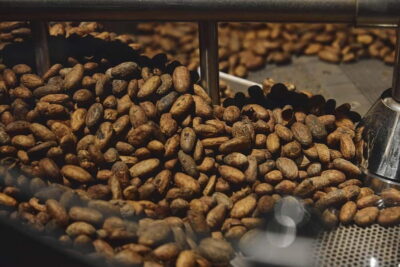
Milan: Enrico Rizzi Chocolate Factory Tour with Tasting
Read our review →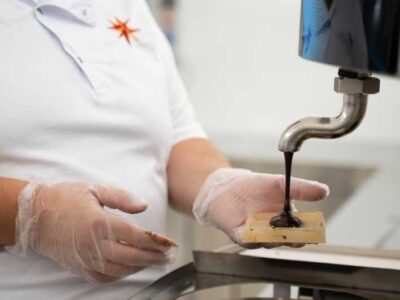
Chocolatier for a day: raw bean to bar chocolate in Modica
Read our review →Chocolate lists with this tour