
Review · ITALY
Chocolatier for a day: raw bean to bar chocolate in Modica
Modica’s chocolate tradition becomes much more interesting when you stop buying finished bars and start with the raw cacao bean. In this three-hour workshop, you select beans, roast them, grind them with traditional stone equipment, taste the changes, and make a bar of your own.
I like two things especially: the process is genuinely hands-on, and Giuseppe and Vincenzo bring real warmth to the teaching. You also get to taste cacao at each stage, which makes the final chocolate easier to understand, not just easier to eat. The main consideration is language: instruction is in Italian, and a foreign-language interpreter is not included.
Key points
- From bean to bar: Follow cacao through selection, roasting, grinding, refining, molding, and packaging.
- Guided by Giuseppe and Vincenzo: Expect personal instruction from two local chocolatiers who are especially welcoming with families.
- Taste as you work: Sample cacao and chocolate at several stages, so you can track how roasting and grinding change the flavor.
- Make your own recipe: Choose ingredients for your chocolate bar instead of simply receiving a prepared souvenir.
- Small group setting: The workshop is limited to 10 people, giving you room to handle the equipment and ask questions.
- Useful planning detail: The activity lasts three hours, costs $94 per person, and includes equipment, ingredients, protective clothing, and final packaging.
Starting with cacao instead of a chocolate wrapper
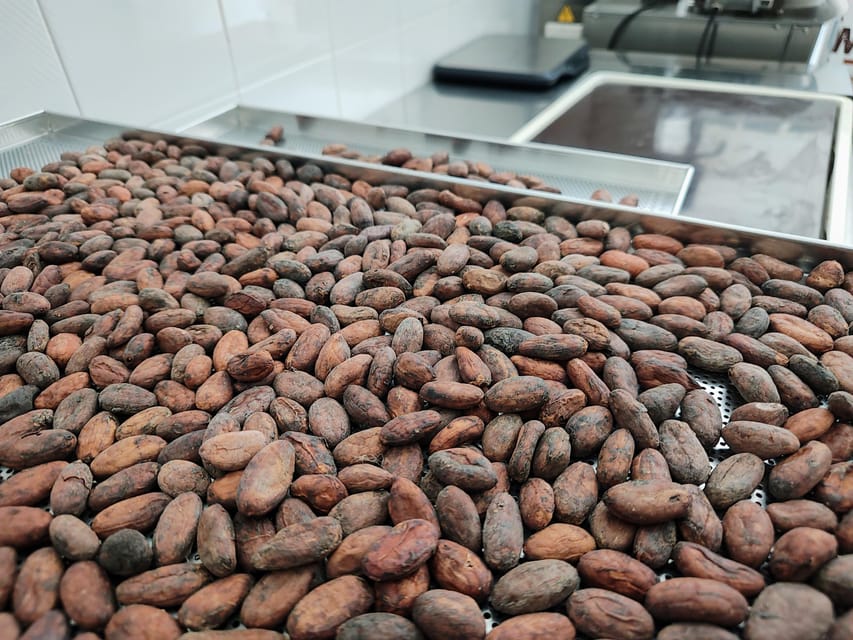
Most chocolate tastings begin with a finished product. This one begins with beans. That simple change gives the experience a clear purpose: you are not only sampling Modica chocolate, you are learning how raw cacao becomes something smooth, fragrant, and ready to eat.
The session starts with an introduction to cacao origins and varieties. You then select the beans used in the workshop. This early step matters because it puts the raw material in your hands before any sugar, flavoring, or finishing work changes it.
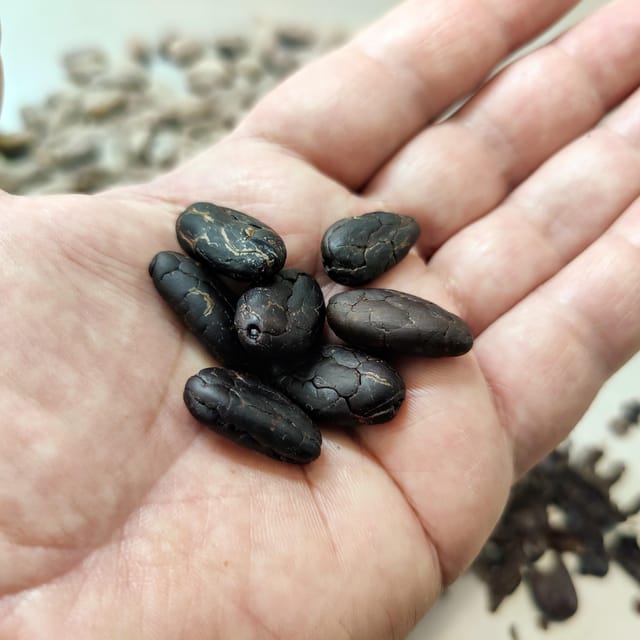
You will notice aromas before the chocolate tastes familiar. Raw beans can seem quite different from the sweet bars you know, and the workshop gives you a chance to make that comparison for yourself. For chocolate lovers, this is the part that turns a treat into a craft lesson.
The instructor is Italian-speaking, so you should be comfortable following instruction in Italian or arrange your own language support. A foreign-language interpreter is not included. One previous booking did include an interpreter, but that should not be assumed as part of the standard experience.
More Bean-to-Bar Chocolate Tours in Italy:
- 1.5h Belgian Chocolate Workshop in Brussels (bean to bar)
★ 4.5 · 462 reviews - Bean to Bar Chocolate Workshop in Puerto Vallarta
★ 5.0 · 381 reviews - Bean to Bar Chocolate Workshop in Barcelona
★ 5.0 · 172 reviews
Roasting the beans and following the aroma
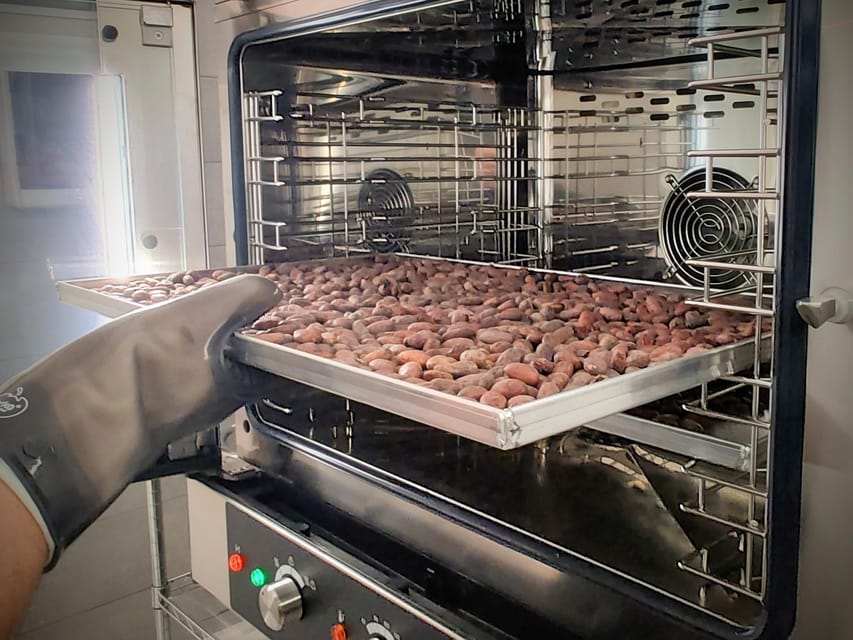
Roasting is the first point where the cacao begins to develop the smells and flavors associated with chocolate. You take part in this stage rather than watching a demonstration from behind a counter.
The practical value is easy to understand. You can smell the beans as they change, then taste the cacao again and compare it with the raw version. The workshop uses this step to show why temperature and handling matter in chocolate making.
You are also working in a real artisan laboratory, not a sightseeing set built only for visitors. Protective gowns, caps, and gloves are provided, along with the equipment and raw materials needed for the session. Bring a hair tie, since it is required for the food-preparation setting.
This is a tidy, structured activity, but it is still a working session. You should expect to handle ingredients and equipment, follow directions, and take part rather than simply sit through a talk. Food is not allowed in the lab, and pets are not permitted.
Grinding cacao with traditional stone equipment
After roasting, the beans are ground and refined. The workshop uses traditional stone grinding to show how the roasted cacao slowly becomes cacao mass.
This is one of the most useful parts of the experience because it makes texture visible. A chocolate bar looks finished and uniform, but the material behind it begins as something much rougher. Grinding changes the feel and releases more aroma, giving you a direct sense of the work behind an artisan product.
You will taste cacao along the way. These tastings are not separate from the lesson. They help you notice the move from bean to ground cacao and then toward chocolate that can be molded into a bar.
The word traditional is important here. Modica is known for its distinctive chocolate style, and the workshop introduces you to that local cold-processing tradition. The process is not treated as a vague regional label. You get to see and taste how the method differs as the chocolate develops.
The grinding and refining stages may be less instantly exciting than choosing toppings or molding the final bar. Still, they are the parts that give the activity substance. If you want only a quick tasting, this workshop may feel longer than necessary. If you want to understand the craft, the slower pace is a benefit.
Tasting cacao at every stage
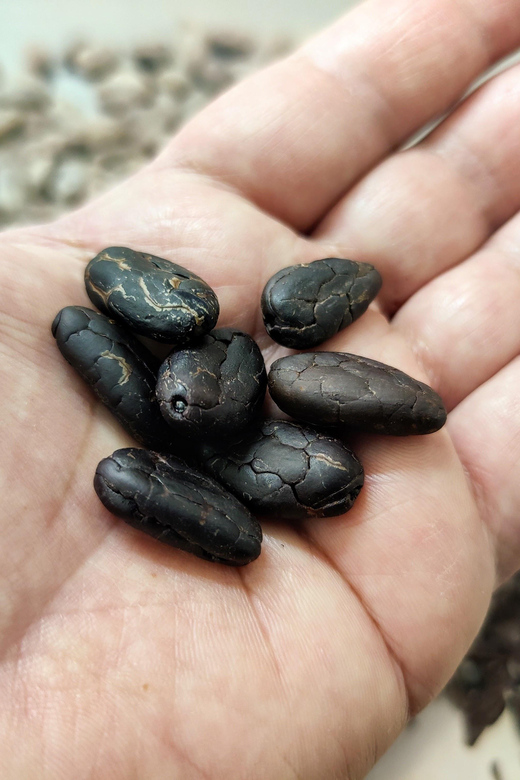
The tasting element gives the three-hour session a strong rhythm. You are not asked to remember a long technical explanation without evidence. You taste the ingredients as they change.
You might begin with cacao in a form that feels unfamiliar, then notice the effect of roasting, grinding, and refining. By the time you create your own bar, you have a better idea of what each stage contributes.
I like this approach because it respects your senses. Chocolate is not only about sweetness. Aroma, texture, bitterness, and the way the cacao changes during production all become part of the lesson.
The tasting also helps families and children stay involved. A six-year-old participant was reported to be engaged with the touching, mixing, and molding, and the hands-on structure suited him well. That does not guarantee every child will enjoy a three-hour food workshop, but it shows why this activity can work for families with curious children.
You should tell the provider about allergies or food intolerances before the session. The ingredients can be adapted, according to the activity information, but it is better to raise the issue in advance rather than at the worktable.
More Chocolate Making Workshops in Italy:
- Turin: 45-Minute Chocolate Workshop at Choco-Story
★ 4.7 · 25 reviews - Become a chocolatier for a day, in Modica raw chocolate
★ 5.0 · 8 reviews - Artisan Chocolate Making Class in Perugia
★ 3.0 · 3 reviews - Vienna: Chocolate Workshop in Chocolate Museum w/ Tasting
★ 4.5 · 1,802 reviews
Choosing ingredients for your own Modica bar
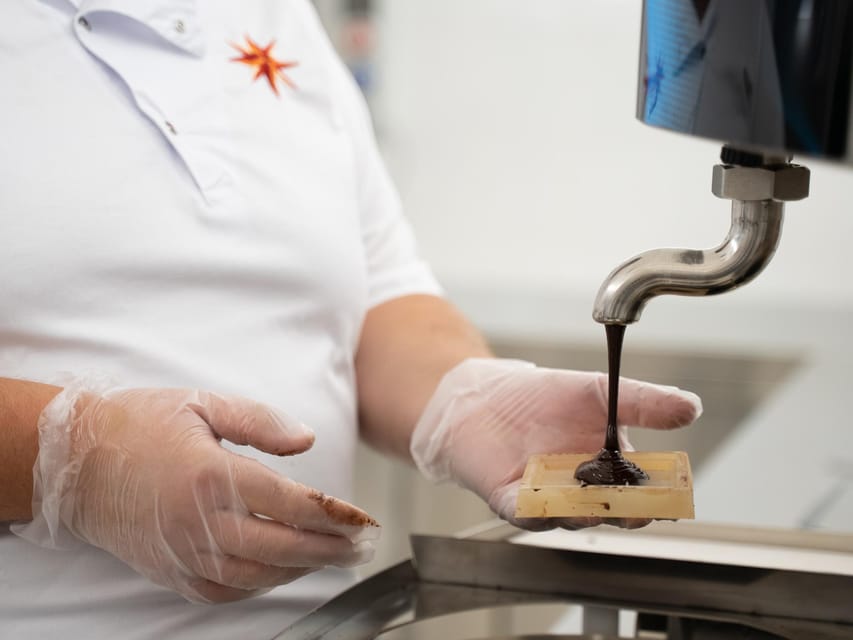
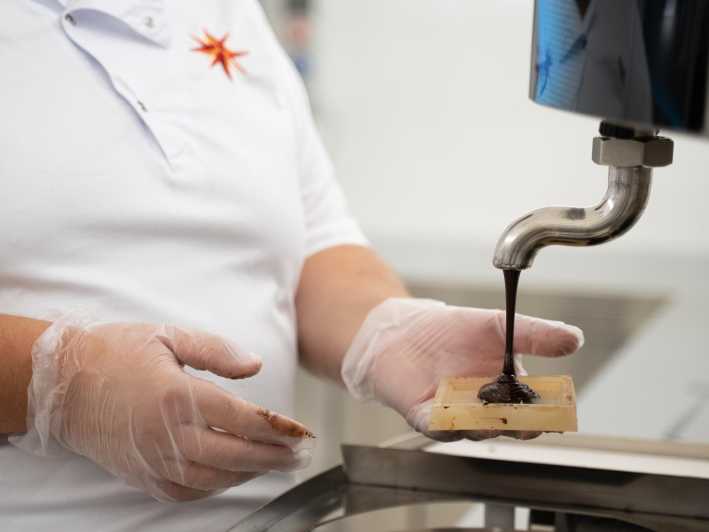
The final production stage is the most personal. You choose the ingredients for your own bean-to-bar chocolate, then create the bar with guidance from the master chocolatier.
This is more satisfying than receiving an identical souvenir. Your finished bar reflects the choices you make during the session, and you can package it yourself before taking it home. The packaging is included, so you leave with a finished keepsake rather than a loose piece of chocolate.
The workshop describes the final product as a raw chocolate bar, but the experience itself includes roasted cacao, grinding, refining, and bar creation. The important point is that you take part in the full process rather than decorating a ready-made bar.
The instructors help keep this stage manageable. Giuseppe is described as especially strong on the technical explanations, while Vincenzo brings a friendly, welcoming style that works well with children. Their roles may vary during the session, but together they offer both process instruction and a relaxed human touch.
You should not expect an industrial production line or a large selection of professional machinery. That is part of the appeal. The focus is on small-scale chocolate making, personal choices, and the connection between ingredient and finished bar.
A small group in an artisan laboratory
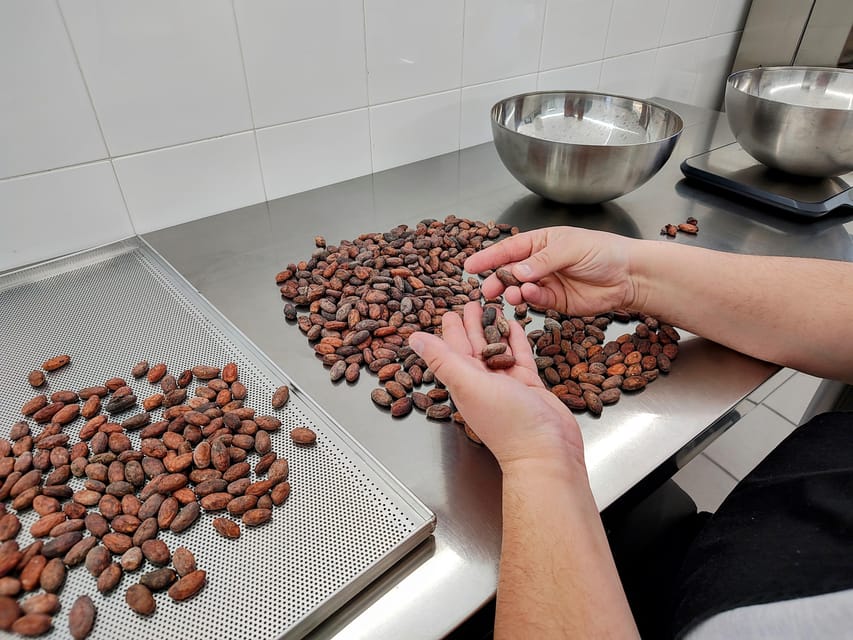
The group is limited to 10 participants. That number matters in a workshop where everyone needs time with the ingredients and equipment.
A group of 10 is not private, but it is small enough for a guide to watch what you are doing and answer questions. The experience is also suitable for a smaller family or group of friends, as shown by a booking with six people who enjoyed a morning session together.
The laboratory is described as clean and easy to find. Transfers to and from the lab are not included, so you are responsible for getting there. Check the exact meeting details when booking, especially if you are arranging your day around other visits in Modica.
The setting is wheelchair accessible. That is useful to know before you commit, though you should still share any specific access needs in advance if you require more detailed arrangements.
The workshop is taught in Italian. This is the clearest practical limitation. If you understand Italian, the format should be straightforward. If you do not, you may need a private interpreter or a companion who can translate. The activity provider does not include a foreign-language interpreter in the price.
Is $94 a fair price for three hours?
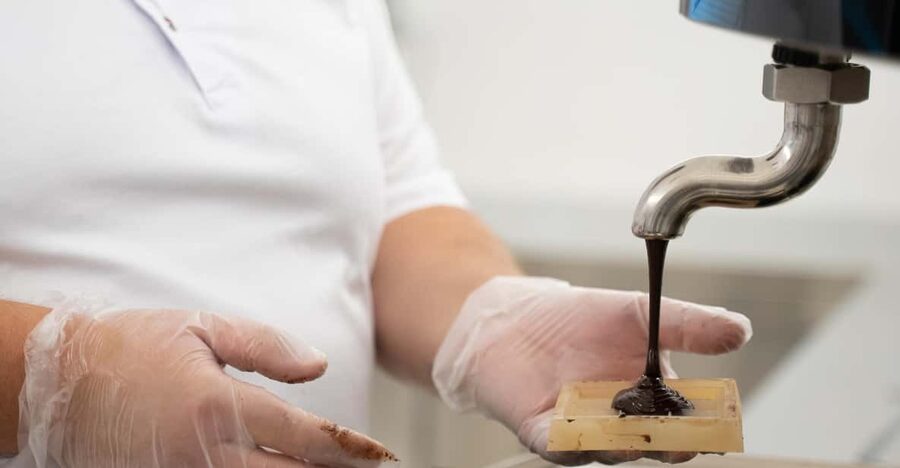
At $94 per person, this is not a bargain chocolate tasting. You are paying for a three-hour lesson, hands-on access to equipment, raw materials, protective clothing, tastings, instruction, your own chocolate bar, and packaging.
I think the price makes sense if you value participation. You are not simply paying for a box of Modica chocolate. You are paying for the chance to handle cacao from the first stage, taste it repeatedly, and leave with something you helped produce.
The value is also stronger for couples, families, and small groups who want an activity with a clear beginning and ending. The workshop fills a good part of a morning or afternoon without taking the whole day. It gives you a souvenir, but the process is the real purchase.
The price is harder to justify if you already know the chocolate-making process or mainly want to sample local bars. In that case, buying chocolate in Modica may be cheaper and quicker. This activity is best for people who want the story and the work behind the bar.
The reserve-now-and-pay-later option gives you some flexibility, and cancellation is free up to 24 hours before the activity for a full refund. Those policies do not change the cost, but they reduce some booking risk when your Sicilian plans are still moving around.
Who will get the most from this workshop?
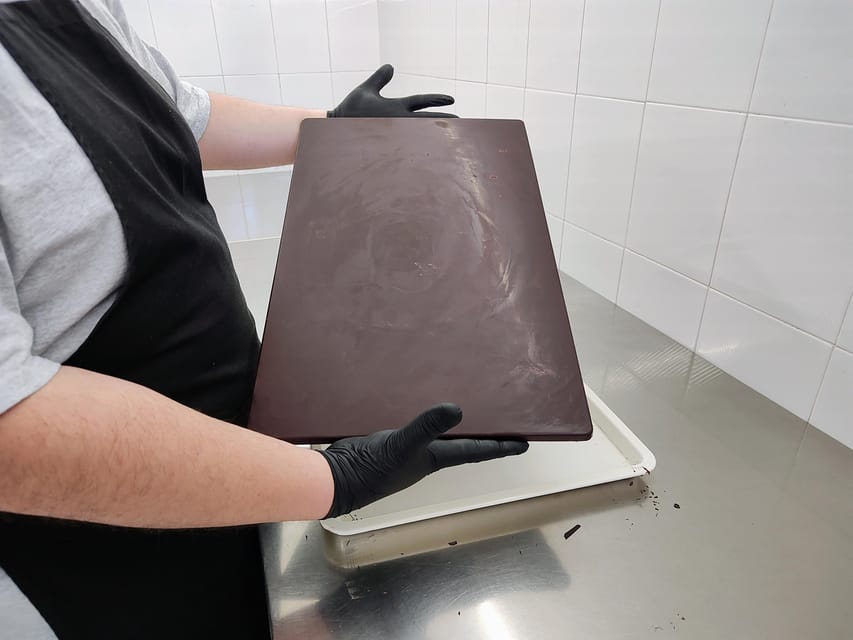
This is a strong choice for chocolate enthusiasts, families, and curious food lovers. It also suits anyone who prefers meeting local makers to moving from one monument to the next.
Children can enjoy the tactile parts, especially mixing and molding. The six-year-old who took part remained engaged throughout the activity, and Vincenzo’s friendly manner was particularly helpful with younger participants. Still, you know your child best. Three hours in a food laboratory requires some patience, and the instruction is in Italian.
Couples may like the balance between learning and making something together. A group of friends can compare ingredient choices and finished bars. Solo participants can also fit into the small group, though the social feel will depend on the people booked for that session.
The experience is less suitable for anyone who wants a polished English-language tour. Since the instructor speaks Italian and an interpreter is not included, language needs careful thought before booking.
What to bring and what to arrange
The required item is simple: bring a hair tie. Gowns, caps, gloves, equipment, ingredients, and packaging are provided.
Tell the provider about allergies or intolerances before you arrive so the workshop can be adapted. Do not bring food into the laboratory, and leave pets elsewhere.
You also need to arrange your own transportation. Transfers are not included, although the laboratory has been described as easy to find. Allow enough time to arrive without rushing, since the activity is built around a fixed three-hour session.
If you need language help, arrange it before the day of the workshop. Do not count on an interpreter being available unless that has been confirmed separately.
The best reason to book it
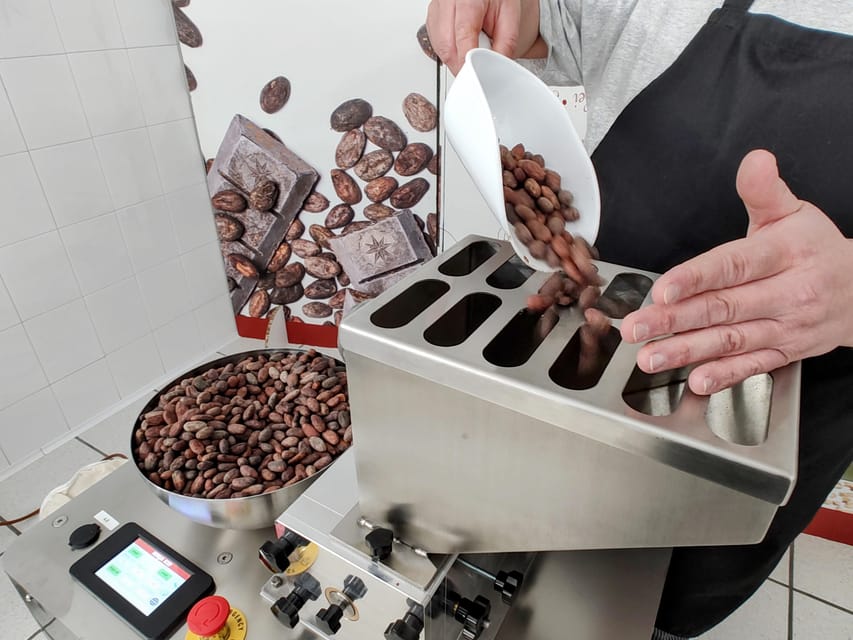
I would book this for the chance to understand Modica chocolate through your hands and taste buds, not just through a shop display. The bean selection, roasting, stone grinding, repeated tastings, and final molding create a complete story.
The warmth of Giuseppe and Vincenzo is another strong reason. Their teaching style combines technical explanation with a welcoming approach, and the format works especially well when a child or first-time chocolate maker wants to take part.
The decision comes down to language and interest. Book it if you want a hands-on artisan lesson, have three hours available, and can manage Italian instruction. Skip it if you want a short tasting, need guaranteed instruction in another language, or would rather spend your money on finished chocolate.
For the right person, this is a memorable way to experience Modica. You leave with a bar you made yourself, but more importantly, you understand what had to happen before that bar could exist.
FAQ
How long does the chocolatier workshop last?
The experience lasts three hours.
How much does the activity cost?
The price is $94 per person.
Where does the chocolate-making experience take place?
It takes place in an artisan laboratory in Modica, Sicily.
Is the workshop taught in English?
The instructor language is Italian. A foreign-language interpreter is not included.
Is the activity suitable for wheelchair users?
Yes. The activity is listed as wheelchair accessible.
What is included in the price?
The price includes equipment and raw materials, a disposable gown, cap and gloves, an introduction to cacao origins and varieties, bean selection, roasting, grinding, refining, guided tastings, creation of your own chocolate bar, final packaging, and guidance from the master chocolatier.
Can I cancel the booking?
Yes. You can cancel up to 24 hours in advance for a full refund. You can also reserve now and pay later.
Freshly tempered around Italy
- Willy Wonka in Turin – A chocolate adventure★ 3.7 · 6 reviews
- Venchi Pantheon: Chocolate Tasting Experience in Rome★ 5.0 · 2 reviews
- Venchi Duomo: Chocolate Tasting Experience in Florence★ 4.3 · 4 reviews
- Turin: 45-Minute Chocolate Workshop at Choco-Story★ 4.7 · 25 reviews
- Turin’s Sweet Delights: A Chocolate Walking Tour★ 4.9 · 26 reviews
- Venchi Rialto: Chocolate Tasting Experience in Venice★ 5.0 · 5 reviews
- Guided tour of the Artisan Chocolate Factory in Tuscany★ 4.5 · 13 reviews
- Fine Chocolate Tasting in Turin★ 5.0 · 26 reviews
More Italy Chocolate Tours to compare.
Turin: Visit to the Chocolate and Gianduja Museum, Choco-Story Torino
Read our review →
Pizza Cooking Class with Tiramisù and Wine Tasting in Milan
Read our review →
Turin Sweet & Chocolate Walking Food Tour by Do Eat Better
Read our review →
Chocolate & Sweets of Turin: La Dolce Vita Torino | Semi-Private
Read our review →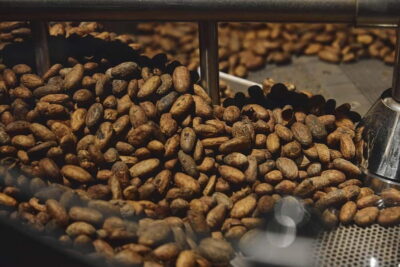
Milan: Enrico Rizzi Chocolate Factory Tour with Tasting
Read our review →
Turin’s Sweet Delights: A Chocolate Walking Tour
Read our review →Chocolate lists with this tour