
Review · FRANCE
Become a Chocolate Master! Chocolate Bar Workshop in Paris
Chocolate making gets wonderfully hands-on at Rrraw Cacao. In about two hours, you’ll move from the story of the cacao tree to melted chocolate, marble-slab tempering, filled molds, and your own finished bars. The tasting reaches beyond candy: raw beans, roasted beans, bars, and truffles all show how much the same ingredient can change.
I like the small maximum of seven people, since it gives you room to ask questions and get help at the worktable. I also like the mix of craft and context, including fair trade, bean harvesting, and the sometimes misunderstood health claims around chocolate, topics Sébastien explains with unusual care.
The main point to consider is the flavor. The workshop leans toward dark chocolate, so anyone expecting sweet milk chocolate may find the tasting more intense. You can choose morning or afternoon, but confirmation is subject to availability.
Key points at a glance
- Make four bars by hand: A past session included four bars per person, finished with tasty toppings.
- Taste cacao in several forms: Compare raw beans, roasted beans, chocolate bars, and truffles.
- Learn from Hugo or Sébastien: Both are praised for clear English, humor, and practical instruction.
- Small group format: The class is capped at seven people, useful when you need help with tempering or molds.
- Central Paris meeting point: Begin and end at 8 Rue de Mulhouse in the 2nd arrondissement.
- Two-hour chocolate lesson: Morning and afternoon start times let you fit it around sightseeing.
From cacao tree to Paris chocolate bar
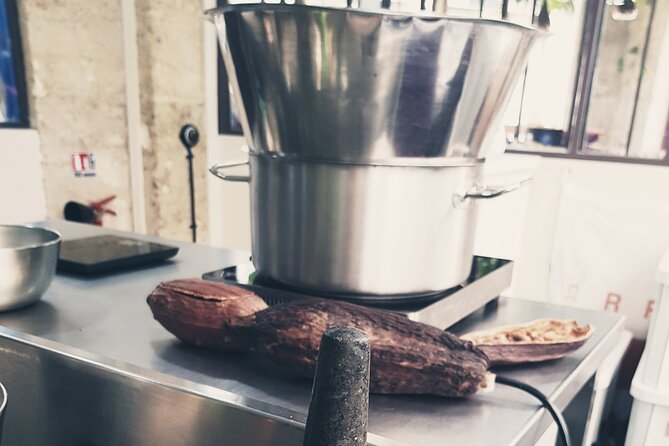
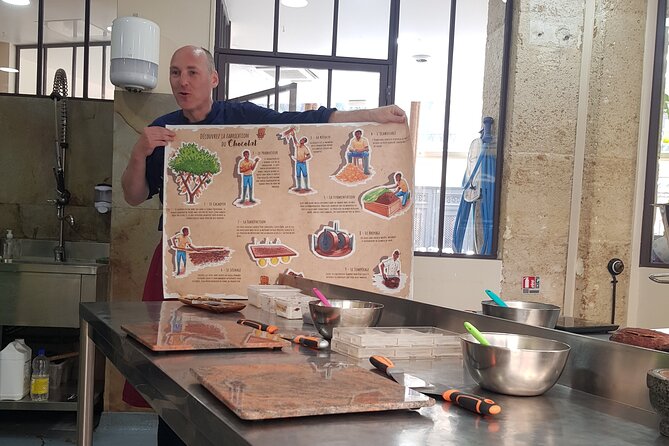
The workshop begins with the ingredient itself: cacao from Theobroma cacao, the tree behind every chocolate bar. Rather than treating chocolate as a finished sweet, the class lays out the stages between harvest and the piece you eat.
That basic chain matters. You’ll hear about bean harvesting and the way growers handle cacao, along with fair trade concerns in the industry. Sébastien also discusses the truth and myths surrounding chocolate’s supposed wellness benefits. It is a useful reset if you have picked up strong claims about chocolate being healthy without knowing what sits behind them.
This opening section gives the rest of the class some purpose. When you later taste a raw bean or work with melted chocolate, you understand that flavor and texture come from a long process, not just a recipe. I like that the workshop connects a Paris treat with the farmers, beans, and methods behind it.
The tone appears to be lively rather than academic. Hugo is described as informative and funny, and he speaks English very well. Sébastien, the owner and lead chocolatier, brings the class back to the source of the ingredient and the wider chocolate trade.
More Chocolate Tours around Paris:
- Paris: Entrance Ticket to the Chocolate Museum
★ 4.1 · 1,105 reviews - Paris French Sweets Tasting Tour with Pastries and Chocolates
★ 4.5 · 947 reviews - Paris: Brussels and Bruges Tour & Optional Chocolate Tasting
★ 4.6 · 643 reviews
A tasting lesson with raw beans and truffles
The tasting is one of the most useful parts of the experience. You’ll sample cacao in different forms: raw beans, roasted beans, chocolate bars, and truffles. This lets you compare the ingredient before and after roasting, then see how processing and preparation change its character.
Do not expect every sample to taste like a sweet confection. Raw cacao can be a different experience from a finished bar, and the class has a clear dark-chocolate focus. That is a strength if you want to understand cacao, but it is worth knowing before you book for a child or companion who prefers very sweet chocolate.
I would pay attention to the order of the tasting. Sampling the beans before the bars gives you a better sense of what roasting and processing contribute. It also makes the later hands-on work more interesting, since you have already tasted the material in several stages.
The truffles add another point of comparison. They show how chocolate changes when prepared as a soft confection rather than poured into a simple bar mold. You do not just eat samples for pleasure; you use them to notice texture, bitterness, roast character, and sweetness.
Melting chocolate, then tempering it on marble
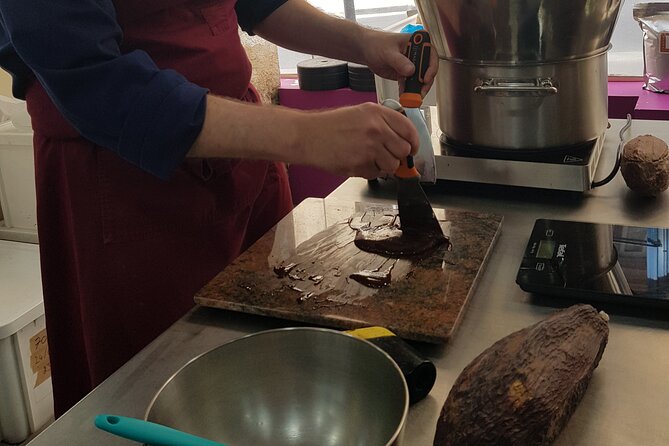
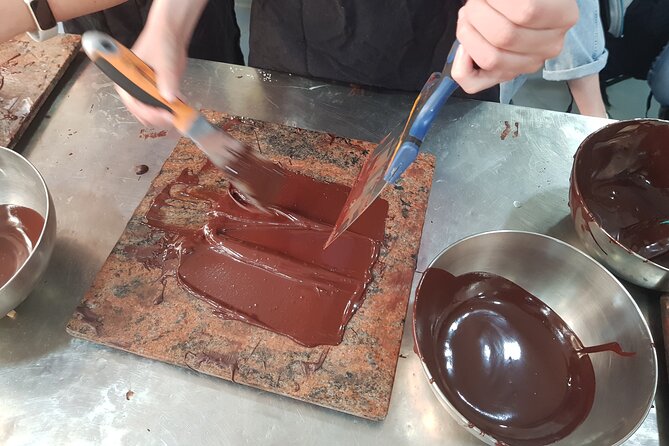
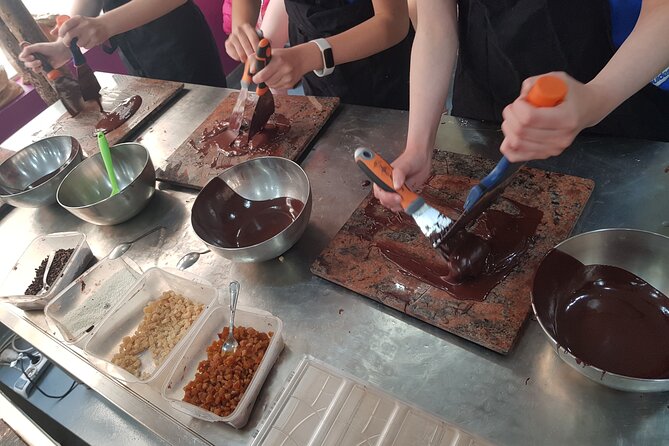
After the introduction and tasting, you begin the practical work. You’ll melt the chocolate, then temper it on a marble surface. Tempering is the technical step that helps chocolate set with the right finish and texture, so this is where the workshop moves beyond decorating a ready-made sweet.
The marble work gives you a clear task to watch and repeat. You may need to pay close attention to the instructor’s guidance, especially if this is your first attempt. That is where the seven-person limit earns its keep. A large class could leave you waiting for help, while this format should give you a better chance to ask about texture, temperature, or timing.
The class supplies the raw materials and instruction, so you do not need to arrive with equipment or ingredients. That makes the price easier to judge: you are paying for a guided lesson, supplies, tastings, and a finished edible project, not simply admission to a shop.
I would not book this expecting a fully polished professional technique after one session. Two hours is enough to understand the process and make your own bars, but not enough to turn you into a chocolatier. The value is in learning the method, trying it yourself, and leaving with something you made.
Filling molds and adding your own toppings
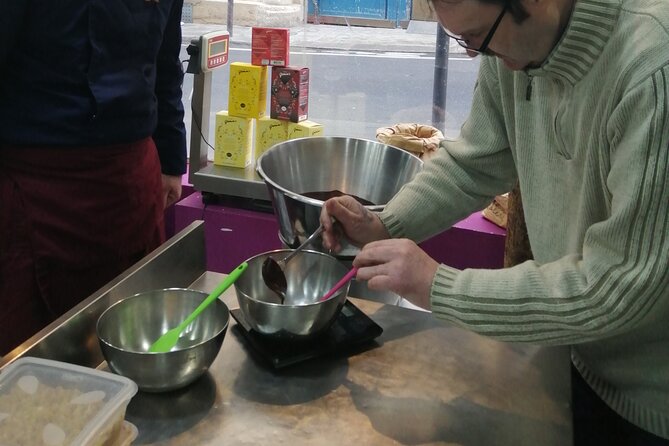
Once the chocolate is ready, you fill the molds and decorate your bars. A past family session produced four bars per person with toppings, which gives you a useful idea of the output. The exact finished bars and toppings may depend on what is available during your class, but the focus is clearly on making, not just watching.
This is likely the most appealing part for children and first-time makers. The work has a visible result, and the bars provide a souvenir you can eat later. For adults, the hands-on stage keeps the lesson from becoming a lecture about cacao production.
You should also expect some mess and a little waiting while chocolate is handled and prepared. That is part of the craft. If you want a quick pastry stop, this is the wrong format. If you like learning by doing, the slower pace is useful.
The class can work well for families. Children aged 9, 10, 11, and 12 were specifically included in successful sessions, with the adults learning alongside them. Younger children may need close help, and the supplied information does not give a minimum age, so check before booking if that affects your plans.
Same cocoa, a different bite:
- A Morning in Paris Food Tour: Croissants, Baguettes & Chocolate
★ 5.0 · 556 reviews - Saint-Germain: Gourmet Chocolate & Pastry Walking Food Tour
★ 4.8 · 495 reviews - Paris: 45-minute Chocolate Making Workshop at Choco-Story
★ 4.4 · 444 reviews - Paris Chocolate, Macaron & Pastry Food Tour: 10 Gourmet Tastings
★ 5.0 · 339 reviews
What the small group changes
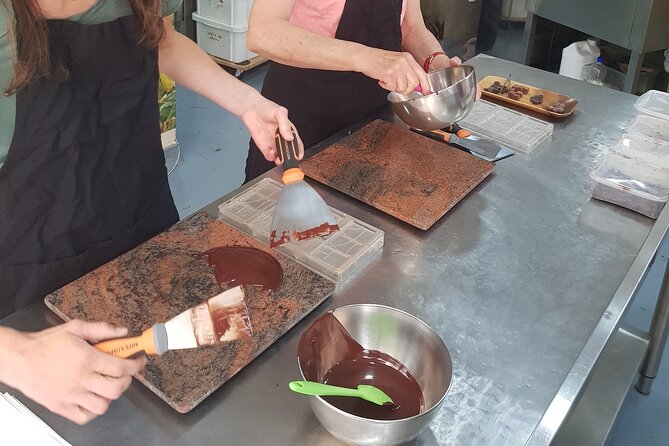
The maximum of seven people is a real practical advantage. You are not being funneled through a large demonstration with no chance to speak. You can ask why the chocolate is behaving a certain way, get help with the molds, and spend more time discussing the beans or fair trade.
A small group also changes the mood. One past session was private because only one family had booked, creating plenty of space for questions. You may share the class with other people, but the cap keeps it personal even when it is not exclusive.
The guide matters here. Hugo is praised for being both funny and informative, while Sébastien is identified as the owner and lead chocolatier. Their roles suggest that the class combines teaching with a direct connection to the people running Rrraw Cacao.
The English-language offering is helpful for international visitors. You will not need to rely on a translated handout for technical steps such as melting, tempering, and filling molds. Still, chocolate vocabulary can be specific, so ask questions as you go rather than trying to follow silently.
Meeting at 8 Rue de Mulhouse
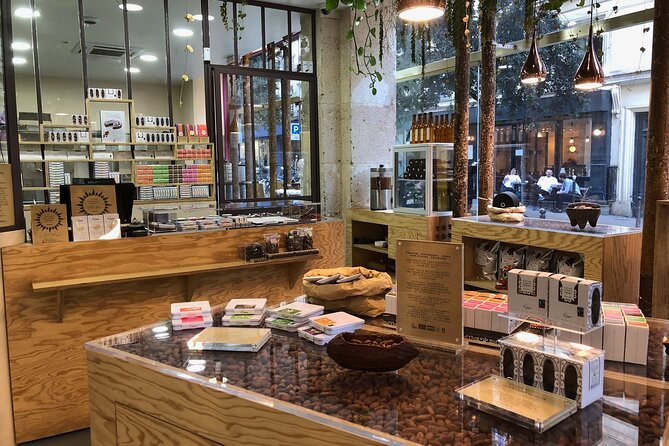
The workshop begins and ends at 8 Rue de Mulhouse, 75002 Paris. This puts the experience in central Paris, and the location is near public transportation, which makes it practical to fit into a day of sightseeing.
Because the activity lasts about two hours and returns to the same meeting point, you can plan around it without arranging a separate pickup. Choose a morning session if you want to start your day with chocolate and keep the afternoon open. An afternoon session can work well after a morning museum or neighborhood walk.
Allow enough time to reach the address. The meeting point is specific, but the supplied details do not identify a particular metro stop or give directions from your hotel. Use the address when planning your route and arrive with time to spare, especially if you have a family or a fixed afternoon booking.
The activity ends back where it starts. That is a small but useful detail in Paris, where a workshop that ends across town can complicate the rest of your day.
Is the $117.16 price good value?
At $117.16 per person, this is not an inexpensive chocolate purchase. You could buy several bars in Paris for less. The fair comparison is a guided two-hour class with tastings, ingredients, instruction, equipment, and handmade chocolate to take with you.
I see the strongest value for people who want an activity, not just a souvenir. You are learning how cacao moves from bean to bar, tasting several forms of it, practicing tempering, and making your own bars. The small group also means more direct help than you normally get in a large food demonstration.
The value is less convincing if you only want to eat chocolate or if you dislike dark flavors. The workshop is educational and practical, and its focus is not a parade of sugary treats. You should also factor in the time: two hours is a meaningful part of a Paris day, so book it because you want the lesson.
For a family, the cost can make sense as a shared activity that suits adults and older children. Everyone can take part, ask questions, and make something. For a solo visitor, couple, or small group of friends, it offers a more memorable use of two hours than simply shopping for a bar.
Who should book this workshop?
I would recommend it to chocolate fans who want to know how chocolate is made, families with school-age children, and curious food lovers who enjoy learning through tasting. It is also a good choice if you want an English-language activity with a small group and a finished product to bring home.
The class may suit you especially well if you are interested in fair trade and the lives of cacao growers. That subject is not an afterthought here. It is part of the teaching, along with bean harvesting and the claims made about chocolate and wellness.
I would think twice if your main goal is a sweet, milk-chocolate treat. The focus is largely dark chocolate, and the tasting includes raw and roasted beans. That can be fascinating, but it is not the soft, sugary experience everyone wants.
You should also be comfortable with a hands-on class. You will melt chocolate, temper it on marble, fill molds, and decorate bars. The instructor supplies guidance, but you are expected to take part.
Booking, timing, and cancellation
The workshop is offered in the morning or afternoon and lasts approximately two hours. A mobile ticket is provided, and confirmation arrives within 48 hours of booking if space is available.
The group maximum is seven people. Since the class can fill, book ahead if you need a particular time. If you are organizing a family visit, check the booking details for the children in your party before paying, since no minimum age is provided here.
Free cancellation is available if you cancel at least 24 hours before the start time. Cancellations made less than 24 hours before the experience are not refunded, and changes inside that window are not accepted. Cutoff times follow local Paris time.
Should you book it?
Book this workshop if you want to make chocolate rather than simply buy it. The strongest reasons are the small English-language class, the bean-to-bar explanation, and the chance to taste cacao raw, roasted, as bars, and as truffles before making your own.
I would give it a pass if you want only sweet milk chocolate, have very little time, or prefer a quick food stop with no instruction. For everyone else, the combination of fair trade discussion, clear practical steps, and handmade bars makes the $117.16 cost reasonable for a two-hour Paris activity. Choose your time carefully, arrive at 8 Rue de Mulhouse ready to work, and expect dark chocolate to lead the way.
FAQ
Where does the chocolate workshop take place?
The workshop starts and ends at 8 Rue de Mulhouse, 75002 Paris, France.
How long does the experience last?
The activity lasts approximately two hours.
Is the workshop offered in English?
Yes. The experience is offered in English. Hugo is described as speaking English very well, and the class may also be led by Sébastien.
How many people can join the class?
The maximum group size is seven people.
What will I learn during the workshop?
You will learn about the history of chocolate, the steps from the Theobroma cacao tree to a chocolate bar, melting, tempering chocolate on marble, and filling molds.
What kinds of chocolate will I taste?
The tasting includes raw cacao beans, roasted cacao beans, chocolate bars, and truffles.
Can I cancel for a full refund?
Yes, if you cancel at least 24 hours before the experience start time. Cancellations made less than 24 hours before the start time are not refunded.
Freshly tempered around Paris
- Private Wine and Chocolate Tasting Experience★ 4.4 · 3 reviews
- Paris Sweet & Chocolate Family Treasure Hunt★ 5.0 · 37 reviews
- Molded Bonbons Chocolate making class in Paris (collective)★ 4.5 · 20 reviews
- Private Wine and Chocolate Tasting in Paris★ 4.5 · 4 reviews
- Pure Chocolate Tour in Paris★ 5.0 · 20 reviews
- Expert-Led Sweet Secrets of Paris Pastry & Chocolate Marathon★ 5.0 · 3 reviews
- Paris Small-Group Montmartre Chocolate & Pastry Walking Tour★ 5.0 · 15 reviews
- #1 Paris Chocolate and Pastry Food Tasting Tour★ 4.5 · 15 reviews
More France Chocolate Tours to compare.
Paris: Entrance Ticket to the Chocolate Museum
Read our review →
Paris French Sweets Tasting Tour with Pastries and Chocolates
Read our review →
A Morning in Paris Food Tour: Croissants, Baguettes & Chocolate
Read our review →
Saint-Germain: Gourmet Chocolate & Pastry Walking Food Tour
Read our review →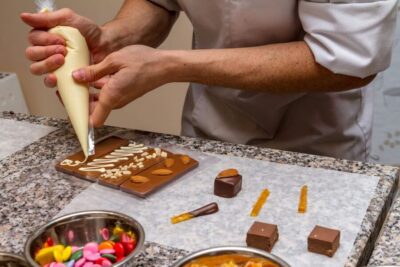
Paris: 45-minute Chocolate Making Workshop at Choco-Story
Read our review →
Paris Chocolate, Macaron & Pastry Food Tour: 10 Gourmet Tastings
Read our review →
Passy-Grigny: Chocolate and Champagne Tasting Tour
Read our review →
Paris Pastry Tour – Croissants, Macarons & Iconic French Desserts
Read our review →Chocolate lists with this tour