
Review · ITALY
Chocolate Made in Piedmont: Guided Tour with Tastings
The best part of this Turin experience is seeing chocolate made in front of you, not just admiring finished bars in a shop. You follow cocoa from plantation to factory, watch the production process, then taste the results with a master chocolatier explaining what you are eating. I like the working factory setting and the small private-group format, which make this more personal than a standard museum stop.
The main caution is the language and pace. The technical talk about machines and production can lose younger children, especially when mixed-age groups include teenagers and adults. The one-hour length is easy to fit into a Turin day, but the value depends on how much you enjoy process, not only sweets.
Key points before you book
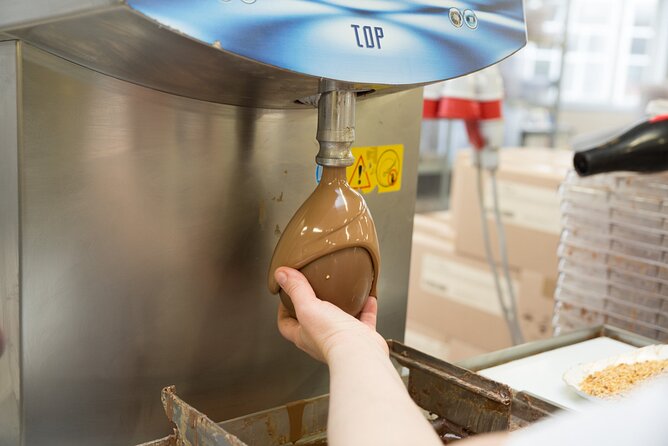
- Watch chocolate being produced: The visit takes you into the working plant, where you can see equipment, production lines, and chocolatiers at work.
- Start with cocoa origins: The guide explains where cocoa comes from and how beans travel from plantations to the factory.
- Finish with a guided tasting: You taste chocolate while learning to notice its flavors and small differences.
- Plan for technical explanations: The tour is educational, and some of the machinery talk may be slow for very young children.
- Meet on Via Poliziano: The tour begins and ends at Via Poliziano 54 in Turin, near public transportation.
- Allow about one hour: It is a compact activity that fits neatly between Turin sights, meals, or shopping.
From cocoa plantation to Turin production room
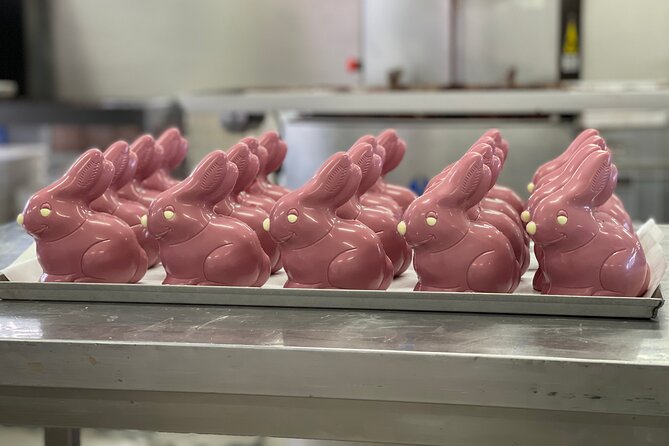
Chocolate usually reaches you in a polished wrapper, with little hint of the work behind it. This visit pulls back that wrapper. You begin with cocoa itself, learning about its origins, different growing areas, and the long route from plantation to factory.
That opening matters because it gives the rest of the visit a clear purpose. Instead of watching machines with no context, you understand that the finished tablet begins with a raw ingredient whose character depends on origin and selection. The guide also explains how the factory chooses its raw materials, tying quality to decisions made before production starts.
I would pay close attention during this first section. It is the part that makes the factory visit more than a quick look at confectionery equipment. You may already know that chocolate starts with cocoa beans, but hearing about the route and selection process helps you notice what the factory is trying to control.
The information is presented by a master chocolatier, although no guide name is provided in the booking details. That means the tone may vary with the person leading your session, but the stated focus is clear: cocoa, sourcing, and the steps needed to turn a raw material into chocolate.
More Chocolate Tastings in Italy
- The Turin Chocolate & Wine Tasting Experience
★ 4.7 · 87 reviews - The Turin Chocolate Tasting Experience
★ 4.7 · 83 reviews - Fine Chocolate Tasting in Turin
★ 4.8 · 71 reviews
Seeing the factory at work
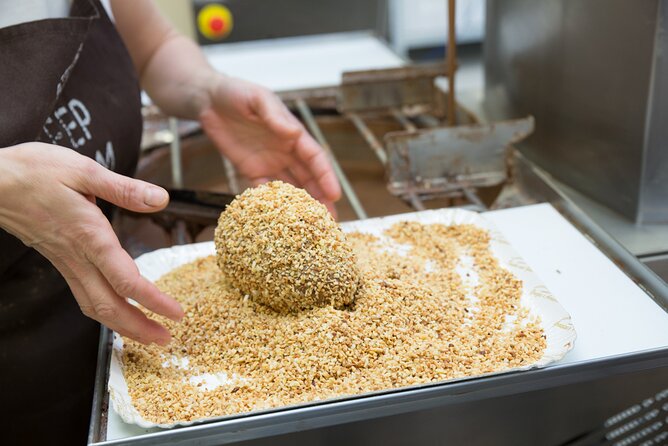
The tour then moves into the production area. You can watch the chocolatiers and the machinery used to make the products, rather than seeing only a display of finished goods. This is the heart of the visit, and it is likely to be most interesting for anyone who enjoys understanding how everyday food is made.
The experience combines handwork with precise machinery. That contrast gives you a useful view of modern chocolate production. The staff explain how the equipment supports the process, while the chocolatiers bring the craft element into the room.
Do not expect a large theme park attraction or a long, theatrical show. This is a guided factory visit lasting about an hour. Its appeal comes from being close to a real production setting and seeing the process as it happens.
That distinction matters when you decide if it is right for you. If you want a quick, tasty look behind the scenes, the format works well. If you expect extensive historical displays, elaborate demonstrations, or a full half-day program, you may find it limited.
Children can enjoy this section, especially the sight of melted chocolate, the smell of chocolate, and the moving lines that produce tablets. Still, the explanations focus partly on machinery and production methods. Very young children may watch happily for a while and then lose interest, particularly if the group has been formed around an adult audience.
For families, I would think about the age and attention span of your children. Older children who ask how food is made may get a lot from it. Children around preschool age may prefer the tasting and visual parts, while the technical explanations may pass over their heads.
A tasting that explains what you eat
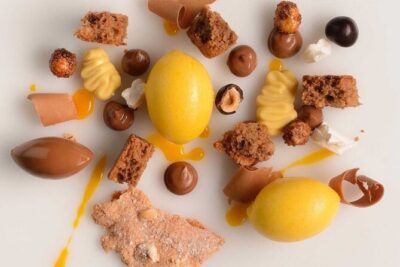
The final part is a guided tasting. This is not simply a handful of sweets passed around without comment. The master chocolatier explains the flavors and encourages you to notice the qualities of the chocolate as you taste it.
That small teaching element improves the finish. You can compare what you see in the factory with what arrives on your tongue. The visit begins with raw cocoa and production, then ends with the finished product, so the tasting completes the basic story.
Several parts of the tasting are especially useful. You may notice differences in aroma, texture, sweetness, and finish. The supplied information does not list the exact chocolates served, so do not book expecting a fixed menu or a named collection of products.
The tasting also appears to include chocolate to take away. That gives the short visit a practical souvenir, though the exact amount and selection are not specified. If you are buying gifts in Turin, you may want to check what is included before you plan to rely on this as your chocolate shopping stop.
For me, the tasting is most valuable when you listen to the explanations instead of treating it as a free sample. The factory gives you the setting, but the guide helps connect the flavor to the production choices discussed earlier.
Why the one-hour format works
A one-hour visit is long enough to cover cocoa origins, factory production, and tasting without taking over your day. You can place it between other Turin plans more easily than a longer food workshop or cooking class.
The short format also has a drawback. Each subject receives limited time. The cocoa introduction cannot become a detailed lesson on farming, and the plant tour cannot explain every machine or stage at length. You get an organized introduction rather than a full professional course.
I would see this as a focused Turin activity, not the main event of an entire day. It can add variety after museums or historic streets, especially if you want something connected to Piedmont food traditions. The start and finish at the same address make the timing simple.
The meeting point is Via Poliziano 54, 10153 Torino. The location is near public transportation, and the activity returns to that same point. The details supplied do not name a specific tram or bus route, so check your route on the day rather than assuming the nearest stop.
More Chocolate Tastings in Turin:
- The Turin Chocolate & Wine Tasting Experience
★ 5.0 · 62 reviews - The Turin Chocolate Tasting Experience
★ 4.5 · 31 reviews - Fine Chocolate Tasting in Turin
★ 5.0 · 26 reviews - Turin Chocolate Tasting Walking Tour
★ 5.0 · 4 reviews
Group size and the private-tour promise
The booking information describes this as a private activity, with only your group participating. That is a useful feature if you want to ask questions or keep the visit centered on your own party.
At the same time, the experience is described as a free-form tour, and the group makeup may not always match your expectations. A family with small children could find itself listening alongside older teenagers and adults. The guide then has to balance technical information with general interest.
That mixed audience explains the main criticism of the format. The machine explanations may interest adults and older teenagers but feel too dry for four-, six-, or seven-year-olds. The staff response indicates that young children can still watch the chocolate, smell it, and follow the moving production lines, but that does not replace age-appropriate storytelling.
I would book confidently for adults, couples, food-minded visitors, and families with children who can stay engaged with a guided explanation. I would be more cautious for a group made up mainly of toddlers or preschoolers. The sweets may hold attention briefly, but the educational side is not designed only for small children.
Is the advertised $0 price good value?
The supplied price is listed as $0.00. If that is the price shown when you book, the value is obviously strong: you receive a guided factory visit, production viewing, and tasting without an entry charge.
Still, check the final booking screen carefully. A zero price can sometimes reflect a special offer, a booking condition, or incomplete pricing information, and the supplied details do not explain why the amount is free. I would not build a budget around it until the confirmation shows the same total.
The experience has also drawn criticism over price, with one assessment calling it too expensive for what it offered. That concern is worth taking seriously even when the current displayed amount is zero. One hour is a short visit, and the attraction is built around explanation, machinery, and tasting rather than a large collection of exhibits or a long hands-on workshop.
Value here depends on your priorities. If you want behind-the-scenes access and a guide explaining production, the format can feel worthwhile. If you mainly want a generous quantity of chocolate, a long activity, or entertainment for very young children, the experience may not meet your expectations.
The final tasting and any take-home sweets are part of the value, but the exact quantity is not provided. Treat the tasting as a guided sample, not as a replacement for a full meal or a dedicated chocolate-shopping trip.
Practical details that affect your visit
You receive confirmation at booking, and the experience uses a mobile ticket. Keep the confirmation easy to access on your phone when you arrive at Via Poliziano 54.
The activity is near public transportation, and it ends where it begins. That makes it easy to combine with other Turin plans, since you do not need to arrange a separate return transfer from the factory.
Most people can participate. The supplied details do not provide a full accessibility description, so you should contact the provider directly if your group needs specific access arrangements or equipment information.
A green pass is listed as mandatory. Because entry rules can change, check the current requirement before you go, especially if your booking is some time away.
Free cancellation is available when you cancel at least 24 hours before the local start time. Cancellation inside that 24-hour window is not refunded, and changes made during that period are not accepted. The tour also requires a minimum number of participants, so if the provider cancels for that reason, you are offered another date or activity, or a full refund.
What makes this a Piedmont experience
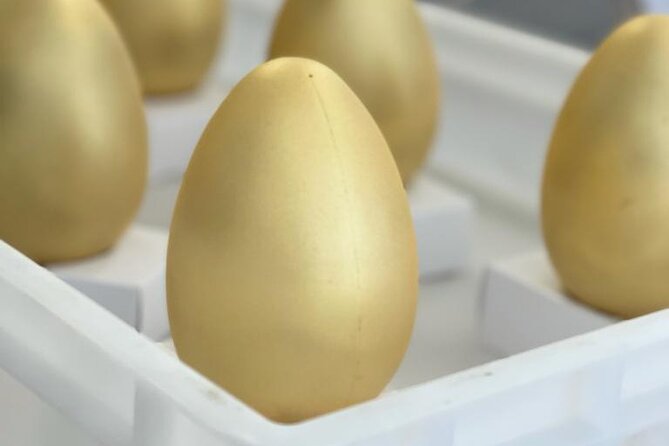
Turin has a strong food identity, and chocolate is one of the most appealing ways to meet it. This factory visit gives you a direct connection to the regional craft without requiring a full day outside the city.
The value is not just in eating chocolate. You learn how cocoa reaches Piedmont, how raw materials are selected, and how production combines human skill with machinery. That connection between agriculture, manufacturing, and food culture gives the activity more substance than a simple shop tasting.
You also get to see a side of Turin that is easy to miss. Historic cafés and elegant confectionery counters show the finished tradition. A working plant shows the labor and equipment behind it. You need both views to understand why the product feels connected to the city.
The visit does not promise a broad survey of Piedmontese cuisine. Its subject is chocolate, and it stays focused. That narrow focus is a strength if you already love chocolate and a limitation if you want a general food tour.
Who should book this chocolate factory visit?
I would recommend it to adults who enjoy food production, couples looking for a short Turin activity, and families with older children. It is also a good choice for anyone who prefers a real working setting to a polished attraction.
You should book if you want to:
- See chocolate production from close range
- Learn how cocoa moves from plantation to factory
- Ask questions during a private group visit
- Taste chocolate with guidance from a master chocolatier
- Fit a food activity into a one-hour gap
I would hesitate if your group includes very young children who need constant action. I would also hesitate if your main goal is a long tasting, a hands-on chocolate-making class, or a detailed museum-style history of chocolate. Those are not promised here.
My final take on the Via Poliziano visit
This is a compact, focused way to see chocolate beyond the shop counter. I like the clear path from cocoa origins to production and tasting, and I like that you return to the same Turin meeting point after about an hour.
The strongest parts are the working plant, the explanations from a master chocolatier, and the final tasting. The weak spot is the mixed audience problem: technical explanations can be useful for adults but dull for very young children.
Book it if you value process, food craft, and a close look at how chocolate is made. For a family with small children, ask yourself if the moving machinery and tasting will hold attention long enough. If the displayed $0 price remains valid at checkout, the risk is low. If a fee applies, compare it carefully with your expectations for a one-hour factory visit.
FAQ
Where does the chocolate factory tour begin?
It begins at Via Poliziano 54, 10153 Torino, Italy.
Where does the activity end?
The activity ends back at the meeting point on Via Poliziano.
How long does the tour last?
The tour lasts approximately one hour.
Is the experience private?
Yes. Only your group participates in the private activity.
What does the tour include?
The visit covers cocoa origins, the route from plantation to factory, raw-material selection, a tour of the production plant, and a guided chocolate tasting.
Is the tour suitable for children?
Most people can participate, but the experience is not designed only for children. Very young children may find the technical explanations about machinery and production less engaging.
Can I cancel for a full refund?
Yes, if you cancel at least 24 hours before the experience start time. Cancellations made within 24 hours are not refunded, and changes during that period are not accepted.
Freshly tempered around Turin
- Willy Wonka in Turin – A chocolate adventure★ 3.7 · 6 reviews
- Turin: 45-Minute Chocolate Workshop at Choco-Story★ 4.7 · 25 reviews
- Turin’s Sweet Delights: A Chocolate Walking Tour★ 4.9 · 26 reviews
- Fine Chocolate Tasting in Turin★ 5.0 · 26 reviews
- Turin Chocolate Tasting Walking Tour★ 5.0 · 4 reviews
- Guided Tour of the Chocolate Factory: Tasting Included★ 4.5 · 3 reviews
- The Turin Chocolate Tasting Experience★ 4.5 · 31 reviews
- CioccolaTOur, discover the sweet side of Turin tasting the most famous chocolate★ 4.5 · 3 reviews
More Italy Chocolate Tours to compare.
Turin: Visit to the Chocolate and Gianduja Museum, Choco-Story Torino
Read our review →
Pizza Cooking Class with Tiramisù and Wine Tasting in Milan
Read our review →

Turin Sweet & Chocolate Walking Food Tour by Do Eat Better
Read our review →
Chocolate & Sweets of Turin: La Dolce Vita Torino | Semi-Private
Read our review →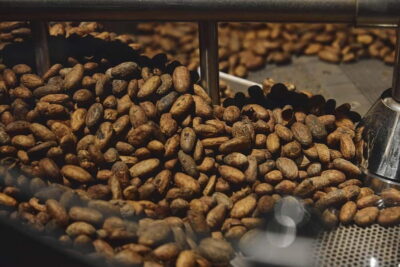
Milan: Enrico Rizzi Chocolate Factory Tour with Tasting
Read our review →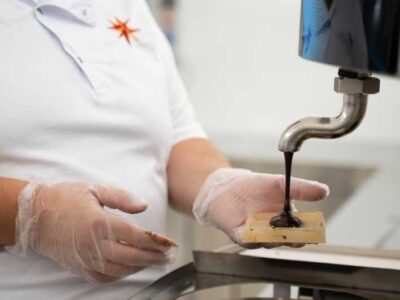
Chocolatier for a day: raw bean to bar chocolate in Modica
Read our review →Chocolate lists with this tour