
Review · SPAIN
Ancestral Cocoa Tasting in Ronda – Tree to Cup Experience
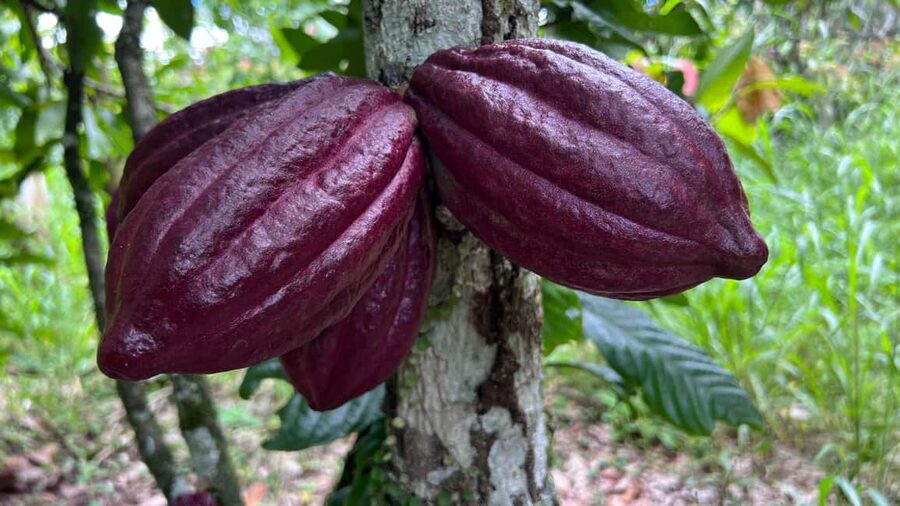
The most unusual part of this Ronda experience is that you taste ceremonial cocoa, not ordinary hot chocolate. Agostina, founder of Sumay Cacao, shows you how fresh cocoa fruit becomes a drink through fermentation, gentle roasting, grinding, and careful preparation. You try three pure cocoa drinks from Peru and Ecuador, each with its own character.
I like the small, cozy setting near La Alameda Park, and I like the clear explanation of cocoa versus industrial chocolate. The only drawback is that this is a one-hour tasting, not a meal or a hands-on workshop, so chocolate fans wanting to make their own bars should book a different activity.
Key points to know before you book
- Three cocoa origins in one sitting: Taste ceremonial drinks made with cocoa from Peru and Ecuador, including softer, fruitier, and more intense styles.
- A tree-to-cup lesson: Follow the process from fresh fruit and fermentation to roasting, grinding, and drinking.
- Agostina leads the session: The founder of Sumay Cacao brings personal enthusiasm and clear explanations to the tasting.
- A useful Ronda location: Sumay Cacao is on Calle Pozo 9, close to La Alameda Park and La Merced Church.
- A small extra to take home: The session includes a surprise drink, but not cocoa products or chocolate bars.
- Best for curious visitors age 12 and up: It suits people interested in food, culture, and traditional methods more than young children.
Starting at Sumay Cacao near La Alameda Park
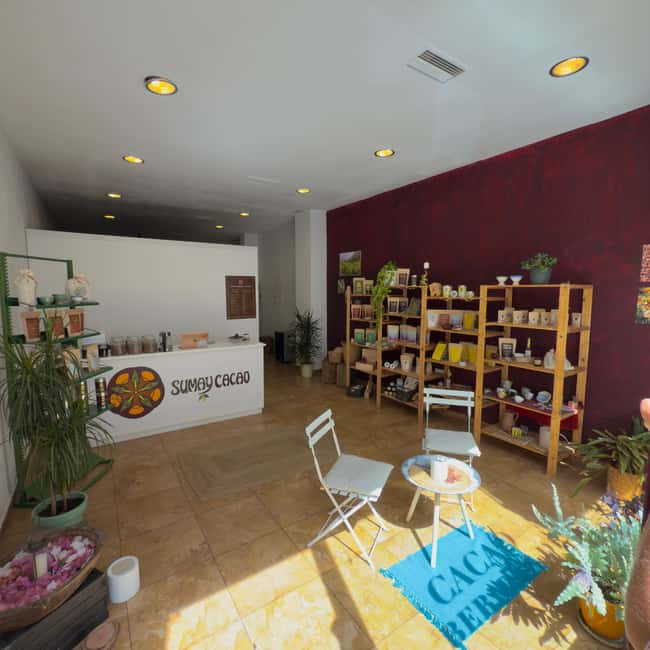
You meet at Sumay Cacao, Calle Pozo 9, Bajo, in central Ronda. The shop is only a few meters from La Merced Church and close to La Alameda Park, so it is easy to pair with a walk through this part of town. You should arrive five to ten minutes early. The activity takes place indoors, which makes it a useful choice if the weather turns poor or you simply need a quiet break from sightseeing.
The room is described as intimate and filled with the smell of freshly ground cocoa. That detail matters. This is not a large visitor center with a long line of people moving past display cases. It is a focused session in a cocoa shop, where the aroma and the drink itself do much of the teaching.
You meet Agostina, the founder of Sumay Cacao, who leads the activity in Spanish or English. Her role is central to the experience. The session works best when you are ready to ask questions and pay attention, since the value comes from her explanations as much as from the drinks.
More Chocolate Tours around Spain:
- Lanzarote: Vineyard Tour with Wine and Chocolate Tasting
★ 4.7 · 383 reviews - Barcelona: Nougat and Chocolate Museum Tour with Tasting
★ 4.5 · 232 reviews - Barcelona & Chocolate Amatller History and Culture + Activity and Tasting
★ 4.9 · 173 reviews
From fresh cocoa fruit to the first drink
The tasting begins with the raw material: cocoa fruit and its seeds. Agostina explains how the fruit changes before it becomes anything you would recognize as cocoa or chocolate. You learn about fermentation, a stage that helps shape the final flavor, and then move through roasting and grinding.
This order gives the tasting a useful logic. You are not simply handed three warm drinks and asked to compare them. You first learn what has happened to the cocoa before it reaches your cup. That helps you understand why one sample may taste fruity, another more powerful, and another smoother.
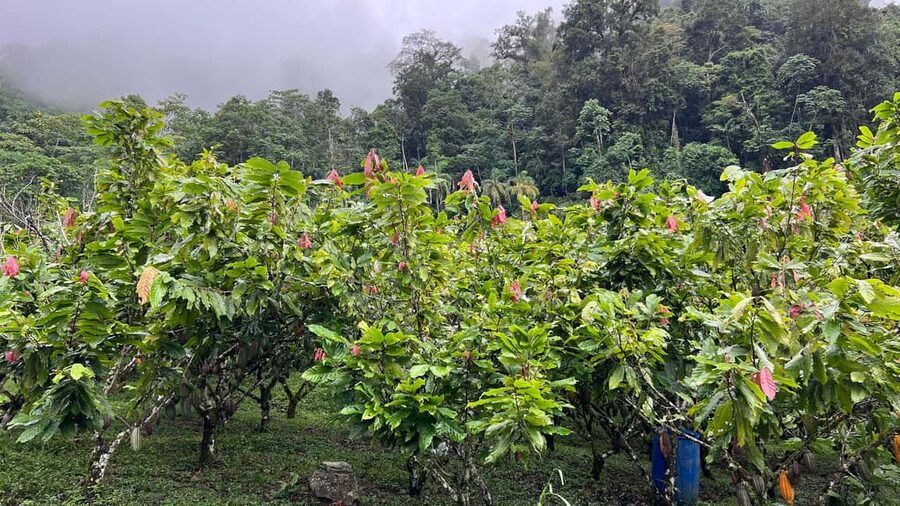
The process is described as artisanal and gentle. The emphasis is on respecting the ingredients and the people who grow and prepare them. The cocoa comes from Peru and Ecuador, is grown sustainably, and is made with respect for producing communities. You get a small lesson in agriculture, food preparation, and cultural tradition at the same time.
There is no hands-on workshop included. You watch, listen, taste, and ask questions. If you want to roast or grind cocoa yourself, note that this is a separate activity. For many people, the one-hour format will feel pleasantly manageable. You learn enough to make the tasting meaningful without giving up half a day in Ronda.
Three ceremonial cocoas from Peru and Ecuador
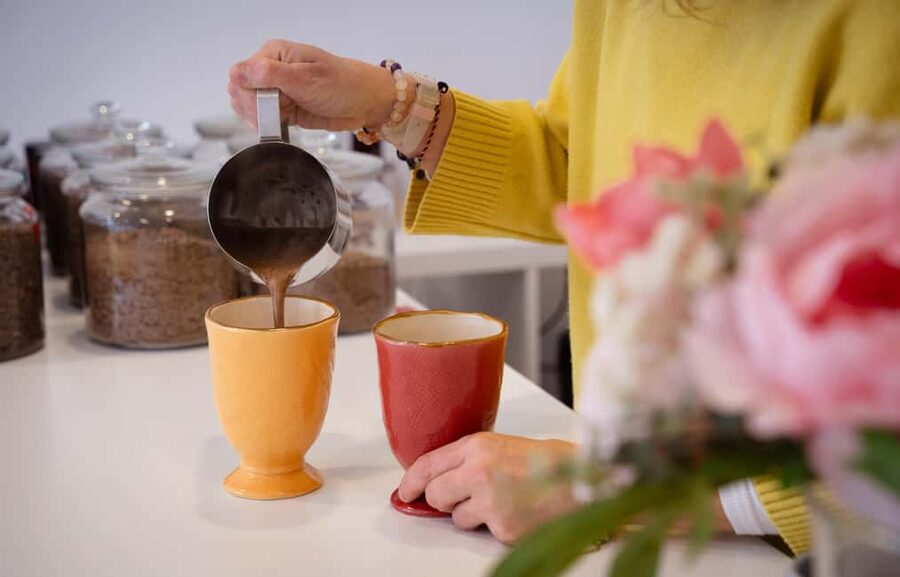
The core of the session is the tasting of three ceremonial cocoa drinks. Each one offers a different profile, with the samples described as more fruity, more intense, or softer. I like this approach because it turns cocoa into something you can compare, not just something sweet to drink.
The term ceremonial is important here. These are not standard supermarket cocoa powders mixed into a sugary beverage. The experience presents cocoa in a more traditional form, with attention to its natural flavor and use as a drink. That means you should expect a fuller and more direct cocoa taste than you might find in a typical café hot chocolate.
The three samples also give you a sense of how origin affects flavor. Cocoa from Peru and Ecuador can show different qualities, and comparing them side by side is more useful than tasting one cup on its own. You may notice fruitier notes in one drink, a deeper intensity in another, and a gentler finish in the third.
Water is available throughout the experience. That is a practical touch, since tasting several cocoa drinks can leave your mouth coated with flavor. It also helps you reset your palate between samples.
The session includes a special surprise drink as a gift to take home. This is a pleasant extra, but be clear about what it means: you receive a drink, not a package of cocoa beans, chocolate bars, or other products to carry away. The activity is about tasting and learning rather than shopping.
Understanding cocoa, cacao, and chocolate
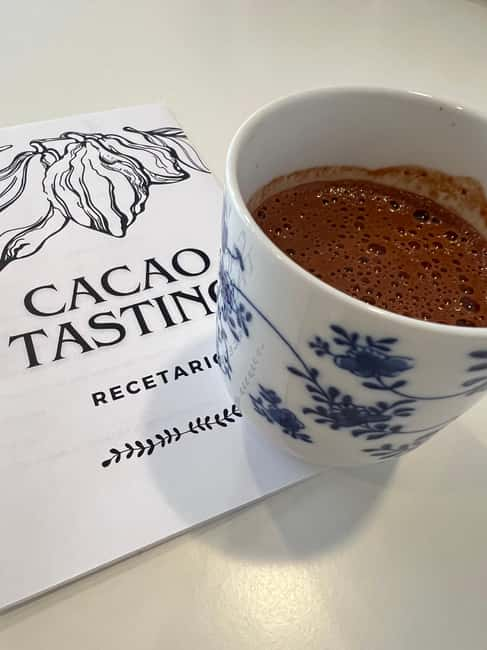
One of the most useful parts of the experience is the explanation of the difference between pure cocoa and industrial chocolate. The two are often treated as the same thing, but they are not. Industrial chocolate usually includes added ingredients and follows a more standardized production method. Ceremonial cocoa places more attention on the original ingredient and the way it is prepared for drinking.
Agostina also explains how to enjoy cocoa at home. You learn practical ideas for preparing the drink and for appreciating its flavor without treating it like a heavily sweetened dessert. This makes the session more useful after your return home. You do not need to remember every technical detail to take away a clearer sense of what you are buying and drinking.
The experience also covers cocoa’s natural effects. Cocoa contains theobromine, a natural stimulant. The session presents it as a source of steady energy, mental clarity, and well-being, but you should still pay attention to how your body reacts. If you are sensitive to stimulants, this is worth considering before booking.
This is also why the tasting is recommended for people age 12 and up. It is not designed as a children’s chocolate treat. The subject matter, the stronger flavor, and the presence of theobromine all point toward older children and adults.
Same cocoa, a different bite:
- Bean to Bar Chocolate Workshop in Barcelona
★ 5.0 · 172 reviews - Tapas and history tour ending with churros with chocolate
★ 5.0 · 119 reviews - Lanzarote: Sunset vineyard tour with wine and chocolate tasting
★ 4.8 · 97 reviews - Sweet Gaudi: the most delicious visit to Casa Vicens
★ 4.5 · 94 reviews
Why the one-hour format works in Ronda
Ronda rewards a flexible sightseeing plan. You may spend the morning near the Puente Nuevo, walk through the old quarter, and then want an indoor activity that does not take up the whole afternoon. This cocoa tasting fits that gap well.
At $29 per person, the price is reasonable if you value a guided food experience rather than simply a drink. You receive three cocoa tastings, a surprise drink, a step-by-step explanation, water, and personal guidance from the person who founded the business. The price is less compelling if you only want a quick cup of hot chocolate or expect a full meal.
I would think of the cost as paying for access to several samples and for the explanation behind them. The comparison between three cocoa styles is hard to recreate in a café, especially when you add the discussion of cultivation, fermentation, roasting, and grinding.
The one-hour length also keeps the commitment low. You can fit it between other plans without needing transportation or a long transfer. There is no pickup service, but that is not much of a problem here because the meeting point is in town and close to recognizable landmarks.
What makes Agostina’s guidance important
The guide is not an anonymous presenter reading a script. Agostina is the founder of Sumay Cacao, and the activity is built around her personal connection to cocoa. She explains the journey from growth to production and brings the separate stages together in a way that makes sense during the tasting.
Her outgoing, communicative style is one reason the experience feels personal rather than formal. You will get the most from it if you enjoy asking about flavor, farming, preparation, and the cultural role of cocoa. The session has a conversational side, so it should suit you if you prefer meeting a local specialist over sitting through a large group presentation.
The experience has received two five-star ratings, with particular praise for Agostina’s passion, friendliness, and ability to explain cocoa’s path from the plant to the finished drink. Those qualities matter here because the tasting itself is simple. The guide provides the context that turns three cups into a worthwhile activity.
Practical details that can affect your choice
The tasting is available in Spanish and English. Some content may be shown in its original language, so you can ask for clarification if a term or explanation is not clear.
The shop is wheelchair accessible. Quiet pets that do not bark are welcome, which may help if you are exploring Ronda with a calm companion animal. Food allergies should be mentioned in advance.
Do not book this expecting lunch. The activity is a ceremonial cocoa tasting, and food or additional drinks outside the included samples are not provided. You also do not receive cocoa or chocolate products to take away apart from the surprise drink included in the session.
The cancellation policy is flexible: you can cancel up to 24 hours before the start for a full refund. You can also reserve now and pay later, which helps if your Andalusia schedule is still shifting.
Who will enjoy this cocoa experience most
I would recommend it to you if you like local food traditions, small businesses, and unusual tastings. It is especially suitable for chocolate lovers who want to understand what lies behind the familiar word cocoa.
It also works for couples, solo visitors, and friends looking for a calm activity in Ronda. The setting is intimate, the duration is short, and the session does not require special equipment or physical effort.
You may want to skip it if you are looking for a large meal, a chocolate-making class, or a long cultural tour. It is also not suitable for children under 12. And if you dislike strong cocoa flavors or need to avoid natural stimulants, you should ask about the drinks before booking.
Should you book the Ronda cocoa tasting?
Book this experience if you want something more distinctive than a standard chocolate stop. The best reasons are the three-way comparison, the tree-to-cup explanation, and Agostina’s personal guidance at Sumay Cacao.
At $29, it offers good value for a focused one-hour activity, especially when you are already near La Alameda Park or La Merced Church. Go in expecting pure, ceremonial cocoa rather than sweet hot chocolate, and you will have a better time. If that sounds appealing, this is an easy addition to a Ronda day.
FAQ
Where does the Ancestral Cocoa Tasting take place?
It takes place at Sumay Cacao, Calle Pozo 9, Bajo, 29400 Ronda, Málaga. The shop is close to La Alameda Park and a few meters from La Merced Church.
How long does the cocoa tasting last?
The experience lasts about one hour.
What drinks are included?
You taste three ceremonial cocoa drinks from Peru and Ecuador. A special surprise drink is also included as a gift to take home.
Is this a chocolate-making workshop?
No. The session explains the stages from cocoa fruit to drink, but it does not include hands-on work. A hands-on workshop is a different activity.
Is the experience available in English?
Yes. You can take part in English or Spanish. Some content may be shown in its original language.
Is the tasting suitable for children?
It is recommended for people age 12 and up. Children under 12 are not suitable for this activity.
Is the activity a full meal?
No. It is a ceremonial cocoa tasting, not a meal. Food and drinks outside the included tasting are not provided.
Can I cancel or pay later?
You can cancel up to 24 hours in advance for a full refund. You can also reserve your place and pay later.
Freshly tempered around Spain
- Alicante; Visit the Chocolate Museum and Villajoyosa, a colorful town★ 4.8 · 4 reviews
- Transformative 2-Hour Sound Healing Journey & Cacao Ceremony★ 4.1 · 8 reviews
- Private French Basque Tour: Biarritz, Bayonne & Chocolate★ 5.0 · 8 reviews
- Madrid Segway Tour with Chocolate and Churros★ 4.5 · 16 reviews
- KAICAO bean to bar and design your chocolate experience★ 4.5 · 18 reviews
- Private Cacao Ceremony Combined with Creative Craft Class Ibiza★ 5.0 · 2 reviews
- Exclusive Champagne & Chocolate Getaway – with excellent lunch★ 5.0 · 24 reviews
- Visit with tasting of Vicens nougat and Jolonch chocolates★ 5.0 · 4 reviews
More Spain Chocolate Tours to compare.
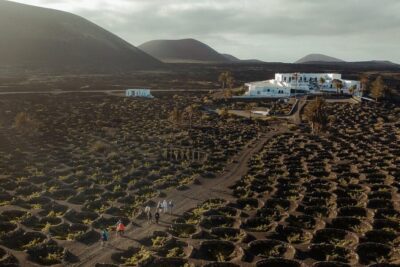
Lanzarote: Vineyard Tour with Wine and Chocolate Tasting
Read our review →
Barcelona: Nougat and Chocolate Museum Tour with Tasting
Read our review →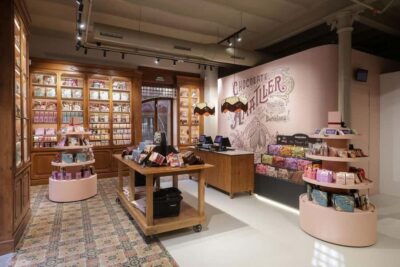
Barcelona & Chocolate Amatller History and Culture + Activity and Tasting
Read our review →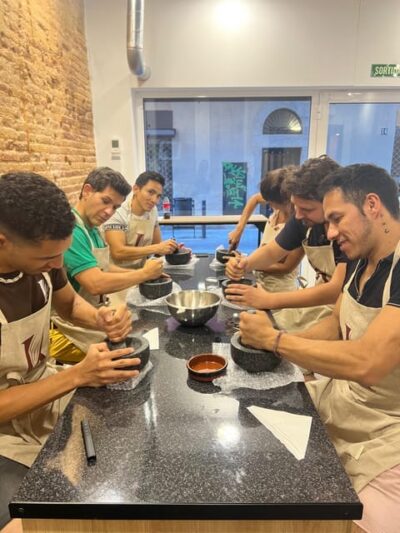
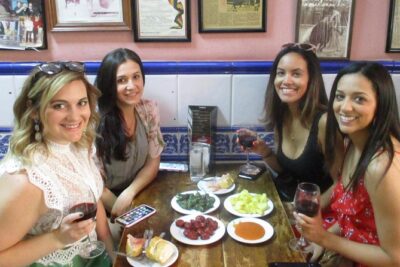
Tapas and history tour ending with churros with chocolate
Read our review →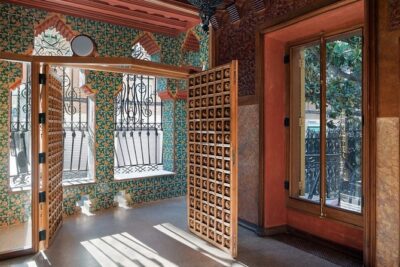
Sweet Gaudi: the most delicious visit to Casa Vicens
Read our review →
Family Private Tour: Churros, Hot Chocolate & Games in Barcelona
Read our review →
Semi-Private Tour: Old Town & Chocolate and Churros
Read our review →Chocolate lists with this tour