
Review · CHOCOLATE MAKING WORKSHOPS
Cusco: Bean to bar chocolate workshop
Cusco’s chocolate workshop gets you past the finished candy bar and into the work behind it. In two hours, you roast cacao beans, peel away the husks, grind the nibs on a metate with a mano, and refine the paste before molding your own organic chocolates. I like the hands-on work and the chance to taste hot chocolate in both Maya and conquistador styles. The only drawback is that the class is short, so expect an introduction rather than a full course in chocolate making.
I especially like that you do not simply watch a demonstration. You handle the cacao at several stages, then choose ingredients for your own chocolate bar. The workshop also gives you a small edible souvenir from Peru, though last-minute bookings need extra care because you should confirm availability with the provider first.
Key points to know before you book
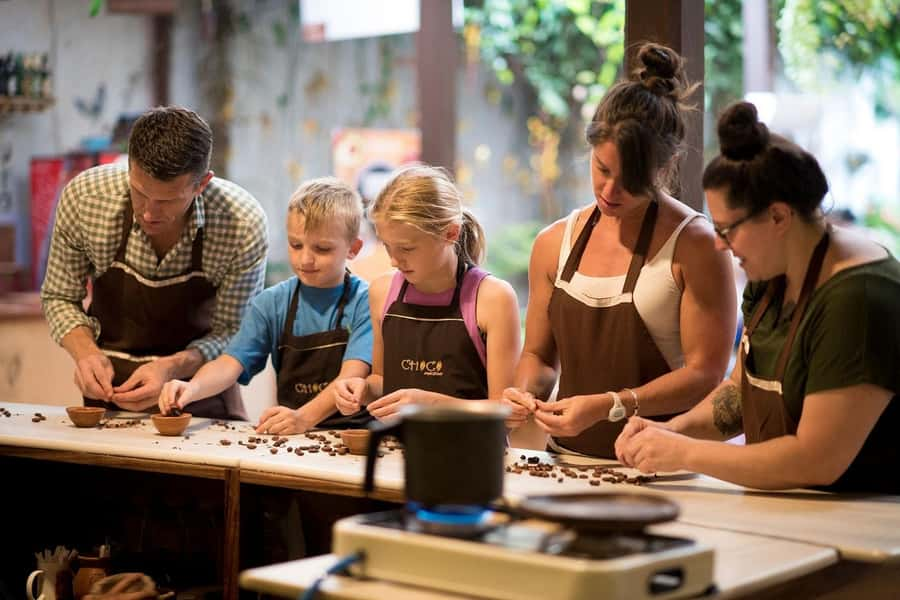
- Four traditional cacao steps: Roast the beans, remove the husks, grind the nibs on a metate, and refine the paste in a melangeur.
- Your own custom chocolate: Mold an organic chocolate bar and add ingredients to suit your taste.
- Two styles of hot chocolate: Try drinks associated with Maya and conquistador traditions.
- A compact two-hour activity: This fits neatly into a free morning or afternoon in Cusco.
- English and Spanish instruction: Choose the language that works best when booking.
- A practical souvenir: Take your handmade chocolates with you, unless you finish them during the class.
Why this Cusco chocolate class is worth your time
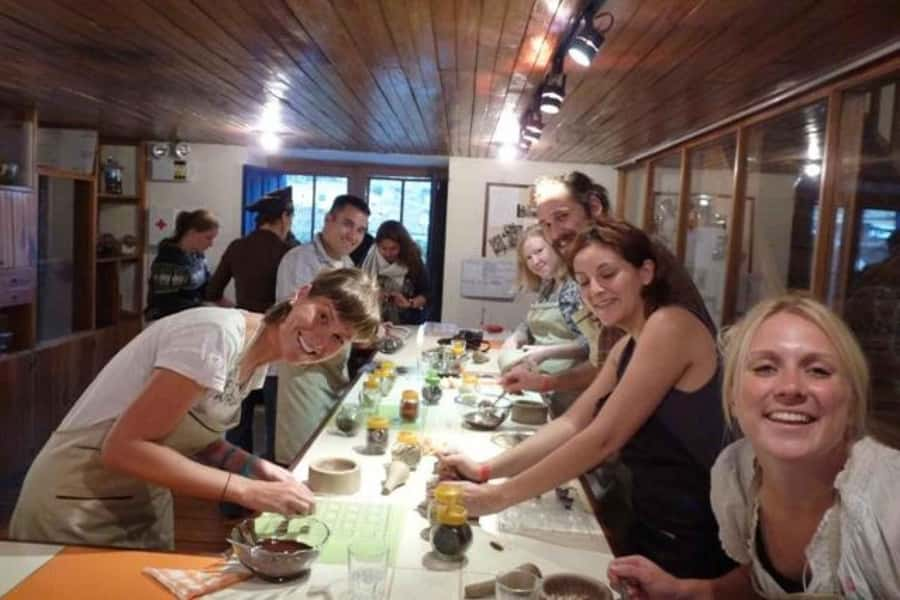
Cusco is known for its connection to cacao from Peru, and this workshop gives you a useful way to understand that connection. You are not just sampling a packaged product in a shop. You are following the bean through several physical changes and seeing how heat, crushing, grinding, and refining turn a hard seed into a smooth chocolate paste.
That difference matters. A chocolate tasting can tell you what a finished bar tastes like. This class shows you why it tastes that way. The aroma changes during roasting, the husk separates from the nib, and the coarse pieces gradually become a paste. You get a better sense of the labor involved before sugar, flavorings, and other ingredients enter the picture.
I also like the scale of the activity. At two hours, it is long enough to provide real participation but short enough to fit around Cusco sightseeing. You can place it between visits to the city’s churches, markets, and museums without giving up a full day.
The experience is a good match for couples, families, friends, and solo visitors who want something more active than shopping. It also gives you a break from Cusco’s many high-altitude outings. There is no mountain trek or long vehicle ride here, just a focused food experience in the city.
More Bean-to-Bar Chocolate Tours in the world:
- 1.5h Belgian Chocolate Workshop in Brussels (bean to bar)
★ 4.5 · 462 reviews - Bean to Bar Chocolate Workshop in Puerto Vallarta
★ 5.0 · 381 reviews - Bean to Bar Chocolate Workshop in Barcelona
★ 5.0 · 172 reviews
From cacao bean to chocolate paste
The workshop follows a clear sequence. You start by learning about cacao and its transformation into chocolate, along with some background on the bean and its importance in Peru. The museum and workshop setting help connect the food in front of you with the plant it comes from.
The first practical step is roasting the cacao beans. Roasting brings out aroma and changes the flavor of the beans. It is also a useful reminder that chocolate is not simply a sweet ingredient waiting inside a pod. It needs careful preparation before you can work with it.
Next, you remove the cacao husk. This separates the outer shell from the cacao nibs inside. The work is simple, but it gives you a better feel for the bean itself. You can see the difference between the dry outer covering and the part that will become chocolate.
The third step is especially distinctive. You grind the cacao nibs on a metate with a mano, using the same basic method associated with the Aztecs. This is slower and more physical than pressing a button on a modern blender, which is exactly why it is useful. You begin to understand how cacao was processed before industrial machines made chocolate production faster.
Finally, the cacao paste is refined in a melangeur. This machine helps smooth the paste and gives you a clearer idea of the transition from crushed nibs to something you recognize as chocolate. The workshop does not leave the process as a lecture. You take part in the sequence and then use the results in drinks and molded chocolate.
Hot chocolate with Maya and conquistador traditions
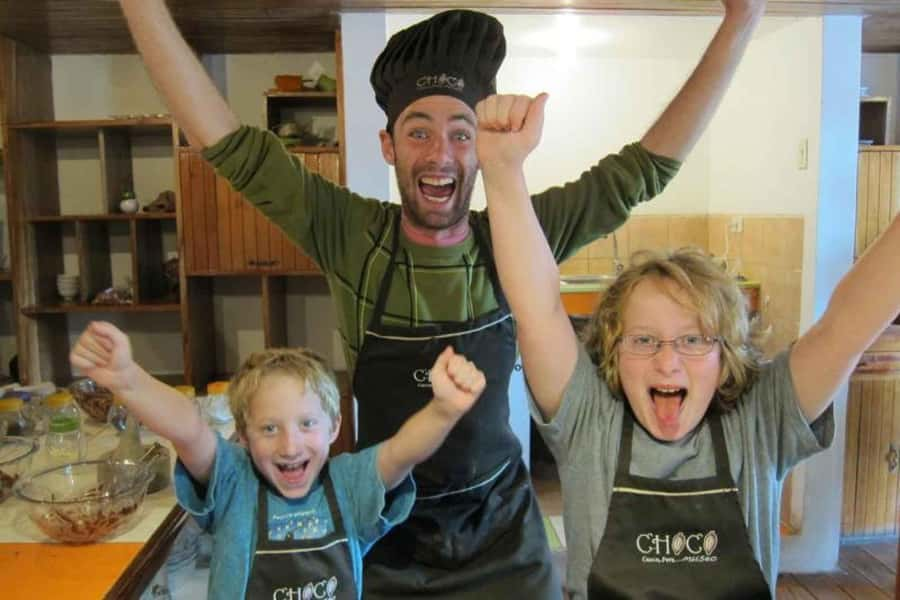
The drink portion adds flavor to the lesson. You try hot chocolates connected with Maya and conquistador traditions, giving you a chance to compare styles rather than treating hot chocolate as one fixed recipe.
The Maya drink is presented as part of the older cacao tradition, while the conquistador version reflects a later style. The important point is not just the names. The tasting lets you consider how the preparation and flavor of chocolate changed over time.
This is one of the best parts for anyone who thinks of chocolate only as a sweet dessert. Cacao can be earthy, bitter, roasted, smooth, or sweet depending on how it is prepared. The drinks give you an immediate way to notice those differences.
The hands-on work also makes the tasting more satisfying. You have just roasted, peeled, and ground cacao yourself, so the hot chocolate is linked to the process rather than served as an unrelated refreshment. A recent class participant specifically valued making roasted, peeled, and ground chocolate paste before preparing hot chocolate, and that is the kind of detail that makes this activity more than a standard tasting.
Making a chocolate bar that is yours
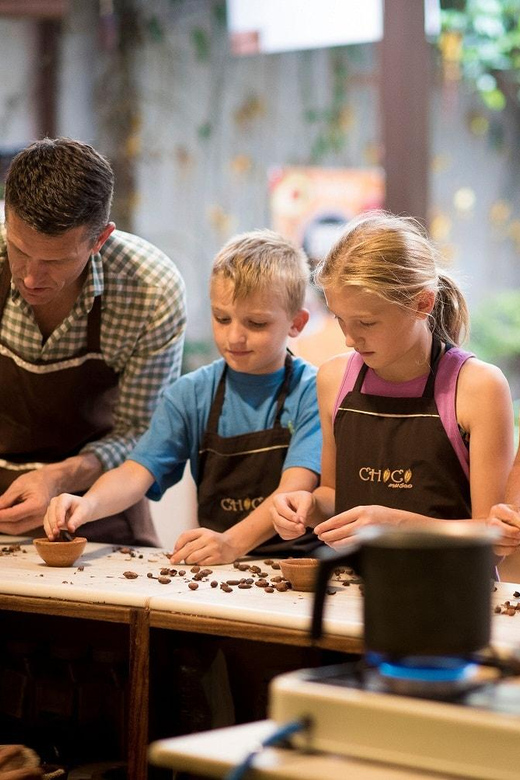
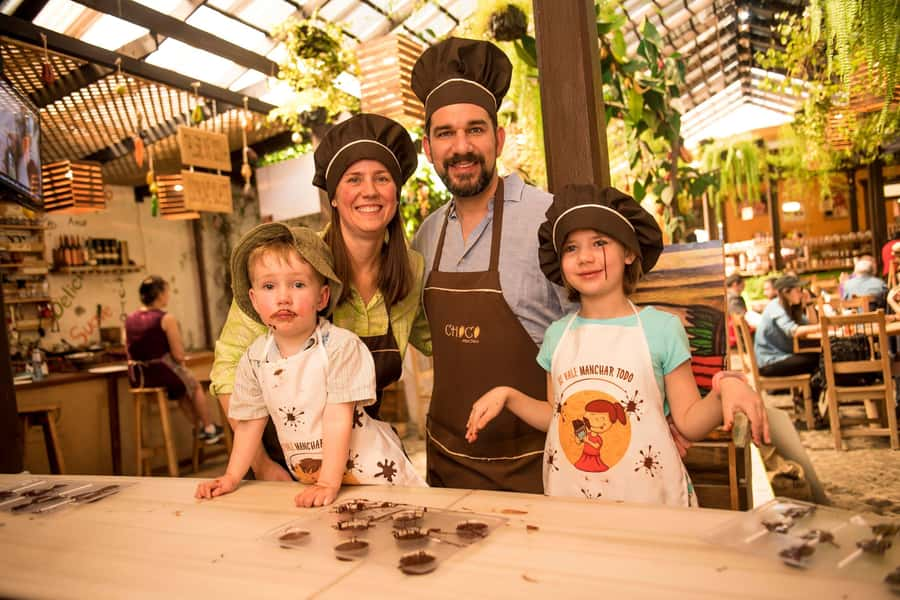
After working through the bean-to-paste process, you create your own chocolate bar. You choose the ingredients, so the finished result can reflect your own taste.
This part is likely to be the most appealing for children and anyone who enjoys food crafts. You are not expected to produce a professional confection. The point is to make a personal bar while using what you have learned about the chocolate base.
The activity also has a nice practical payoff. You can take your handmade chocolates with you at the end. That gives you a small souvenir tied to an experience, not just a product bought from a shelf.
There is one obvious danger: the chocolates may not survive until your suitcase. The activity allows you to eat them, too, so you can decide if they are gifts for friends and family or an immediate treat for yourself.
Because the class lasts only two hours, do not expect a large box of chocolate or a long series of advanced recipes. This is a compact workshop centered on the basic cacao process, hot chocolate, and one custom bar. Its value comes from participation and context rather than quantity.
More Chocolate Making Workshops in the world:
- Vienna: Chocolate Workshop in Chocolate Museum w/ Tasting
★ 4.5 · 1,802 reviews - Brussels: Belgian Chocolate Making Workshop with Tastings
★ 4.7 · 1,629 reviews - Brussels: 2.5-Hour Belgian Chocolate Making Workshop
★ 4.8 · 933 reviews - Belgian Chocolate Workshop in Bruges
★ 5.0 · 660 reviews
What the guide adds to the experience
The workshop includes a live guide in English or Spanish. That matters because the process has several unfamiliar terms and tools, including cacao nibs, a metate, a mano, and a melangeur.
A guide can explain what you are seeing as the bean changes form, then help connect each step to the final drink and bar. If you are booking for a mixed-language group, check that everyone is comfortable with the selected language.
No guide names are provided for this experience, so you should not expect to request a particular instructor. The important choice is language. The English and Spanish options make the class useful for both international visitors and Spanish-speaking participants.
The class is interactive, but it is still structured. You move from the history and museum material to the four cacao processes, then to hot chocolate and molding. That clear order helps you follow the lesson even if you know little about chocolate before arriving.
Timing your two hours in Cusco
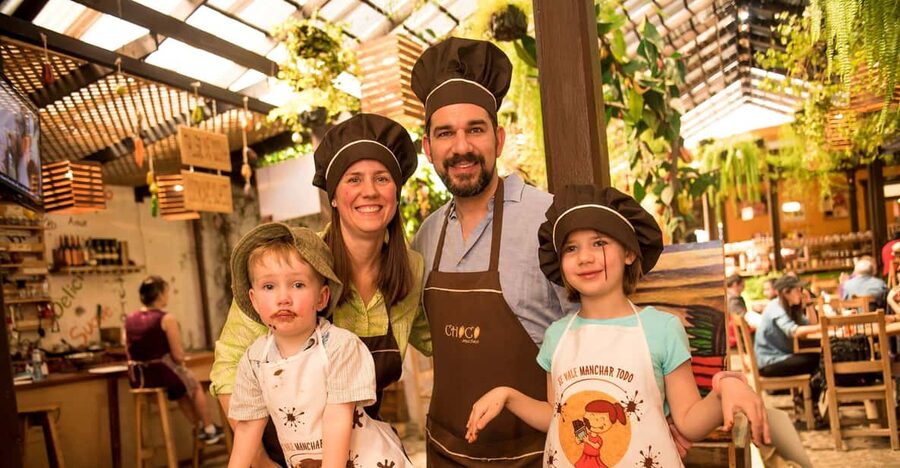
Two hours is a sensible length for this activity. A shorter visit might feel rushed once you account for roasting, peeling, grinding, refining, tasting, and molding. A much longer class could become repetitive for people who simply want a taste of cacao production.
You should check the available starting times before booking. The class can work well after breakfast, before an evening meal, or as a lower-key activity between more demanding sightseeing days.
Cusco’s altitude makes this timing especially useful. The workshop gives you an indoor activity that does not ask for strenuous walking or a long ascent. It can be a smart choice for your first day if you prefer to begin with something gentle, though the supplied information does not promise any special altitude-focused programming.
The activity is also easy to pair with other Cusco plans because it does not take a full day. Avoid booking it so tightly against another appointment that a delayed start would cause trouble. The provider asks you to enter your phone number with the correct country code and have WhatsApp, which is important for communication about your reservation.
For last-minute plans, check availability with the provider by email before booking. That extra step is worth taking if you are already in Cusco and want to join the next available class.
Who will get the most from this chocolate workshop
I would recommend this experience to you if you enjoy learning by doing. The strongest part is not a long presentation about cacao. It is the chance to roast, peel, grind, refine, drink, and mold.
Families may appreciate the mix of simple physical tasks and an edible result. Children can see a bean become a drink and a bar, though the provided information does not specify age limits, so check before booking with young children.
It also suits food-focused visitors who want a closer look at a Peruvian ingredient. You leave with a better understanding of cacao production and a personal chocolate souvenir, rather than only a menu item or a packaged bar.
Couples and friends can enjoy the custom ingredient choices because each person can make something slightly different. Solo visitors also have a natural activity to focus on, with the guide providing the structure.
I would be more cautious if you want a long museum visit, an advanced confectionery course, or a broad tasting menu. The two-hour format is built around a basic bean-to-bar introduction. It is hands-on, but it is not designed as professional training.
Value, flexibility, and booking details
The exact price is not provided here, so I cannot make a fair claim about whether it is cheap or expensive. I would judge the value by what is included: a guided workshop, the museum and chocolate-making setting, practical work with cacao, hot chocolate preparation, and handmade chocolate to take away.
That combination gives the activity more value than a simple tasting. You are paying for instruction and participation, not just samples. If the price is close to what you would spend on a standard food tour, this class may appeal more to you if you prefer making something yourself.
Free cancellation is available up to 24 hours before the start time for a full refund. You can also reserve now and pay later, which helps if your Cusco schedule may change. Still, last-minute bookings should be confirmed by email with the provider first.
The experience is operated by Uyuni Experience EIRL. English and Spanish are available, and the duration is two hours. Because no transport details are provided, you should not assume hotel pickup or drop-off. Check the meeting instructions when you reserve.
Should you book the Cusco bean-to-bar workshop?
Book it if you want a short, useful, and tasty activity that explains cacao through direct participation. I particularly like the four-stage process, the metate grinding, and the fact that you make both hot chocolate and a bar to take with you.
Skip it if you are looking for a full-day food tour, a detailed professional chocolate course, or a large tasting session. This is an introductory workshop, but it gives you enough time to understand the basic transformation from bean to chocolate and to make the lesson personal.
For most visitors, the best reason to book is simple: you leave with a stronger sense of how Peruvian cacao becomes chocolate, plus something you made yourself. That is a useful memory from Cusco, and one that may taste better than the usual souvenir.
FAQ
How long does the Cusco chocolate workshop last?
The workshop lasts two hours.
Which languages are available?
The live guide can lead the activity in English or Spanish.
What will I learn during the class?
You will learn about cacao and its transformation into chocolate, including roasting the beans, removing the husks, grinding cacao nibs on a metate with a mano, and refining the cacao paste in a melangeur.
Will I make my own chocolate?
Yes. You will make your own organic chocolates and mold a chocolate bar with ingredients you choose.
Can I take the handmade chocolates home?
Yes. You can take home the chocolates you make, unless you eat them during or after the workshop.
Will I try hot chocolate?
Yes. The experience includes hot chocolate drinks associated with Maya and conquistador traditions.
What should I do for a last-minute reservation?
Check availability with the provider by email before booking. You should also enter your phone number with the correct country code and have WhatsApp available.
Freshly tempered around the world
- Zurich Open-top Tour and Chocolate and Cheese Countryside★ 3.5 · 11 reviews
- Zurich: Chocolate Tasting and Walking Tour with a Local★ 4.2 · 13 reviews
- Lindt Chocolate Museum with Cruise Transfer from Zurich★ 4.6 · 7 reviews
- Zagreb: Lake Bled and Ljubljana Day Tour with Chocolate Gift★ 5.0 · 26 reviews
- York: Introduction to Chocolate Making Experience★ 4.9 · 10 reviews
- Zaandijk-Near Zaanse Schans Chocolate making demo & tasting★ 4.8 · 13 reviews
- Private Wine and Chocolate Tasting Experience★ 4.4 · 3 reviews
- Yarra Valley: Wine and Chocolate tasting tour.★ 5.0 · 5 reviews
More Chocolate Making Workshops to compare.
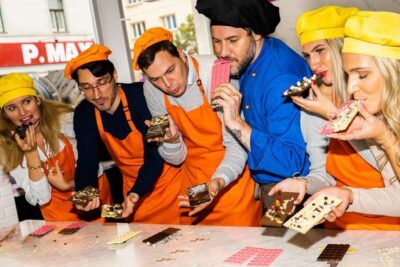
Vienna: Chocolate Workshop in Chocolate Museum w/ Tasting
Read our review →
Brussels: Belgian Chocolate Making Workshop with Tastings
Read our review →
Brussels: 2.5-Hour Belgian Chocolate Making Workshop
Read our review →
Bruges: Belgian Praline and Mendiants Chocolate Workshop
Read our review →
1.5h Belgian Chocolate Workshop in Brussels (bean to bar)
Read our review →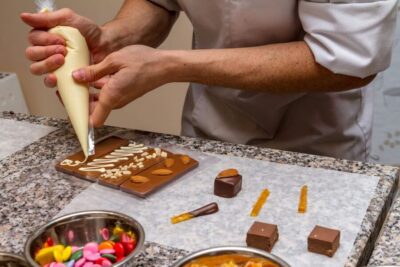
Paris: 45-minute Chocolate Making Workshop at Choco-Story
Read our review →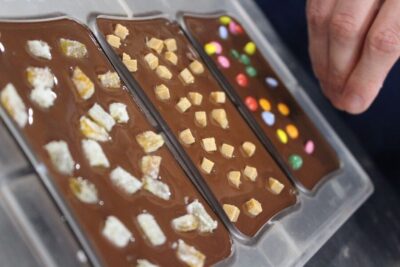
York: Chocolate Bar Making Workshop at York Cocoa Works
Read our review →Chocolate lists with this tour