
Review · SPAIN
KAIACAO Bean to Bar and Design your own chocolate experience
The most interesting part of KAICAO is that you do not simply watch chocolate being made. You handle cacao beans, help roast and winnow them, then make a 75% dark chocolate bar with your choice of toppings. I like the hands-on work and the fact that every product here is sweetened with dates rather than refined sugar. I also like the small group size, capped at seven, which should make it easier to follow the guide and ask questions.
The main consideration is the flavor. This is serious dark chocolate, not a candy-making class. The products use high cacao percentages and dates, so the finished chocolate is less sweet than the bars many children expect. The experience is in English and is not recommended for children under 15, although the formal age information says children under 8 are not suitable.
Key points at a glance
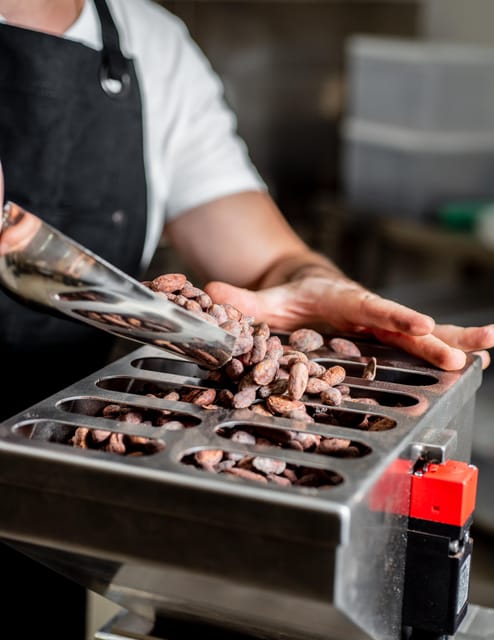
- Work with real cacao beans: Sort, roast, and winnow beans as part of the bean-to-bar process.
- Make a bar to take home: Design a 75% dark chocolate bar with assorted toppings.
- Taste date-sweetened products: The lab’s chocolate is made with fine aroma cacao and dates.
- Try ceremonial cacao: A welcoming cacao drink is included before or during the visit.
- Small English group: The group is limited to seven participants and led in English.
- Plan for a grown-up palate: High cacao percentages and date sweetness make this better for older teens and adults.
From cacao farm to Madrid chocolate lab
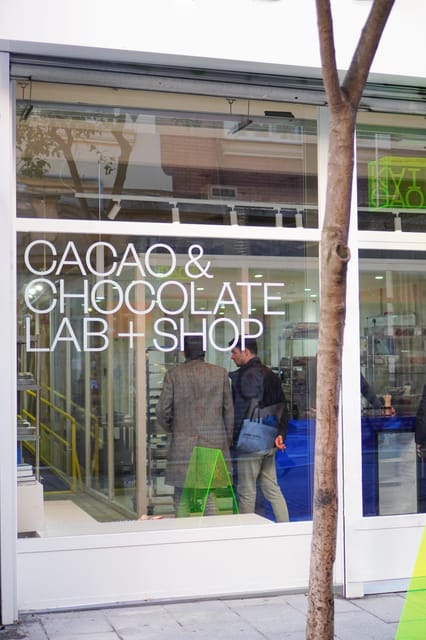
KAICAO gives you a compact lesson in how chocolate is made, starting well before the bar reaches the wrapper. The visit takes place in the company’s cacao lab in the heart of Madrid, where a white facade and KAICAO sign mark the meeting point.
The first part explains the cacao process on the farm. You learn how the raw bean begins its journey before it reaches a chocolate maker. That context matters because bean-to-bar chocolate is not just a marketing phrase here. The goal is to show you the chain from cacao bean to finished product, including the work that changes a plain bean into something you can eat.
The tour then moves through the lab and the production process. You are not being rushed through a large factory with crowds moving around you. With a maximum of seven people, the setting should feel more like a small workshop. That is useful when the guide is explaining unfamiliar steps or when you want to see what is happening at close range.
The entire experience lasts about 90 minutes. The factory visit itself is listed as 60 minutes, with the remaining time used for the drink, tasting, and chocolate-making activities. That is enough time for a clear introduction, but it is not a full professional chocolate course. You will get a practical overview rather than a long technical apprenticeship.
More Bean-to-Bar Chocolate Tours in Spain:
- Bean to Bar Chocolate Workshop in Barcelona
★ 5.0 · 172 reviews - KAICAO bean to bar and design your chocolate experience
★ 4.5 · 18 reviews - 1.5h Belgian Chocolate Workshop in Brussels (bean to bar)
★ 4.5 · 462 reviews
Sorting, roasting, and winnowing the beans
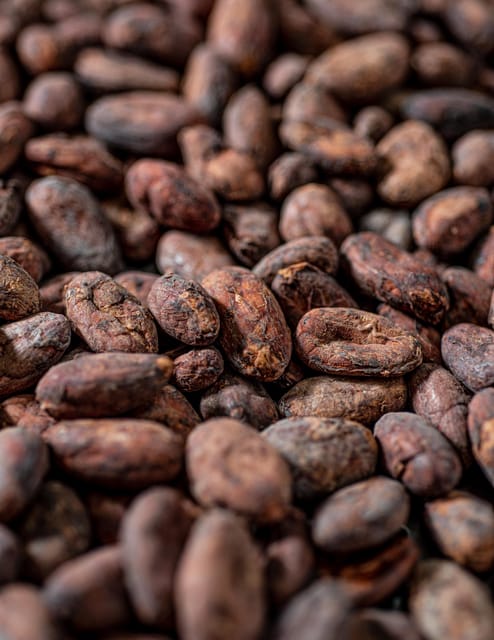
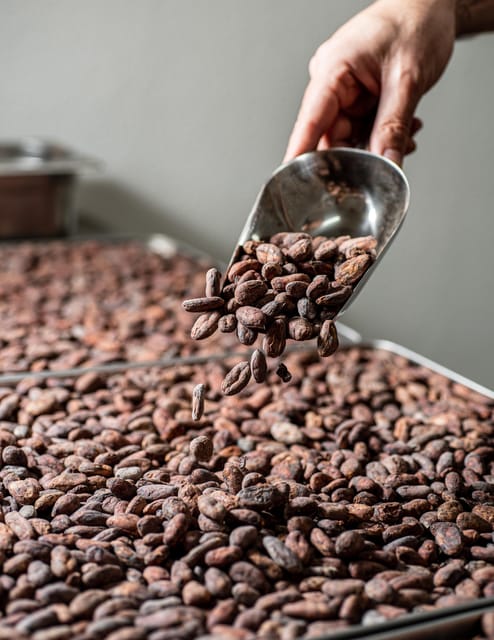
The hands-on portion begins with cacao beans. You sort them, roast them, and winnow them. These are simple words on paper, but they are the steps that help you understand why bean-to-bar chocolate takes work.
Sorting gives you a closer look at the raw material. You are dealing with beans before they become smooth, familiar chocolate. Roasting then develops the flavors, while winnowing removes the husk from the roasted bean. The process helps explain why chocolate has more than one taste note and why the maker pays attention to every stage.
I like this part because it gives the visit some substance. A standard tasting can tell you that one chocolate is bitter, fruity, or earthy, but handling the beans gives you a better sense of how the product is made. You can connect the physical steps with the final taste later in the visit.
The work is also a good reason to book this instead of simply buying a bar from a Madrid shop. You are seeing the production area and participating in the preparation. The tradeoff is that the experience may appeal less to someone who wants a quick sugar fix or a polished demonstration with no participation.
Making your own 75% dark chocolate bar
The centerpiece is your own chocolate bar. KAICAO uses a 75% dark chocolate base, and you choose from a variety of toppings before taking the finished bar home.
This is a smart souvenir because it is tied to the activity. You do not leave with a generic factory product picked from a shelf. You leave with a bar you helped design, and it gives you something tangible to remember the visit by. The exact topping choices are not specified, so you should expect variety without planning around a particular ingredient.
The 75% percentage is important. Dark chocolate at that level has a stronger cacao flavor and less sweetness than milk chocolate. KAICAO sweetens its products with dates, which gives the bars a different character from chocolate made with ordinary sugar. If you prefer very sweet chocolate, you may find the taste firm or intense. If you enjoy dark chocolate, the high cacao percentage is likely to be one of the better parts of the experience.
The bar-making portion also gives the activity a clear payoff. The farm explanation and lab work are interesting, but the personal bar is what turns the visit into something you actively take part in. You should allow enough room in your bag for it, although no specific packaging or storage instructions are provided.
A ceremonial cacao drink and a full tasting
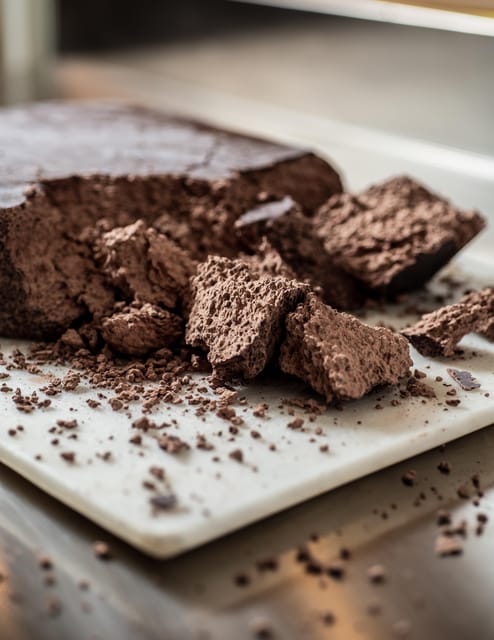
A ceremonial cacao drink is included as a welcome. It is not the same as a typical sweet hot chocolate. The wording and the rest of the product range suggest a drink built around cacao’s natural flavor rather than a dessert loaded with sugar.
You will also taste all the products made in the lab. This is where the earlier explanation becomes useful. After seeing beans sorted, roasted, and winnowed, you can compare the finished products and notice how the same base ingredient can produce different results.
The tasting was one of the strongest parts of the experience according to the available feedback. One English-language comment described the visit as very informative, with a lot of good chocolate to try, and praised the guide’s friendly manner. Another short comment called the meeting very pleasant. The overall rating is 4.5 from six reviews, so the sample is small, but the praise points in the same direction: the information, quantity of chocolate, and warm guide interaction are the main strengths.
Do not read a lot of chocolate as a promise of unlimited sweets. It means the tasting is a meaningful part of the visit rather than an afterthought. Because the products are date-sweetened and made with high cacao percentages, you may find the tasting more like a comparison of dark chocolate products than a dessert buffet.
More Chocolate Tours around Spain:
- Lanzarote: Vineyard Tour with Wine and Chocolate Tasting
★ 4.7 · 383 reviews - Barcelona: Nougat and Chocolate Museum Tour with Tasting
★ 4.5 · 232 reviews - Barcelona & Chocolate Amatller History and Culture + Activity and Tasting
★ 4.9 · 173 reviews - Tapas and history tour ending with churros with chocolate
★ 5.0 · 119 reviews
What the $53 price gets you
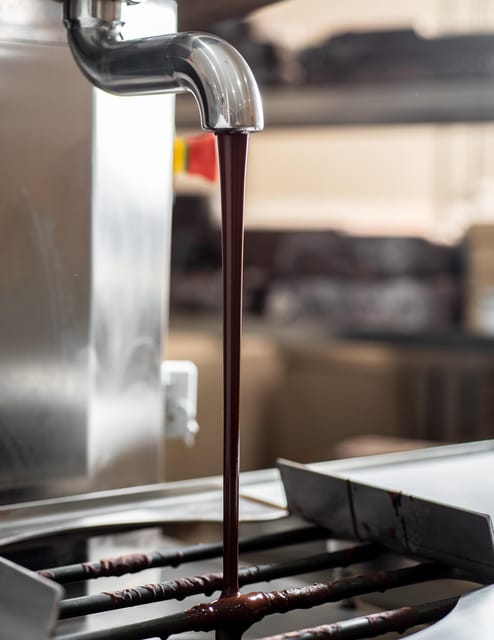
At $53 per person, KAICAO is priced above a quick food tasting and below a long culinary workshop. The value rests on the combination of several parts: a factory visit, a guided explanation of cacao farming and chocolate production, hands-on bean preparation, a ceremonial cacao drink, a tasting, and a bar to take home.
I think the price works best for someone who wants an activity with a clear subject and a personal result. You are paying for access to the lab and for instruction, not just for the amount of chocolate you eat. The small group limit also matters. A group of seven gives the guide a reasonable chance to explain the equipment and watch participants work.
The value is weaker if you mainly want a sweet snack or a family activity for young children. The date-sweetened products and dark chocolate base are more specialized, and the official guidance does not recommend the experience for children under 15. The information also says children under 8 are not suitable, so families should treat the older recommendation as the safer planning guide.
The activity is wheelchair accessible, which is useful for visitors who need an accessible experience in Madrid. No further details are provided about the physical layout, so you may want to confirm any specific access needs before booking.
Why the small group and English format matter
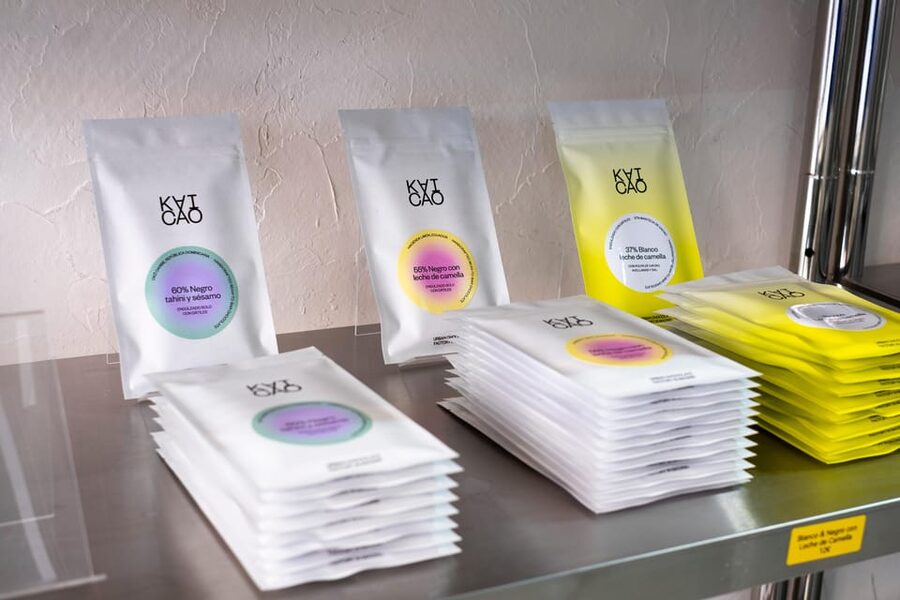
The experience is conducted in English. That makes it a practical choice if you want a food activity without worrying about a language barrier, but it also means you should not book it expecting a Spanish-language presentation.
A maximum of seven participants is a real advantage in a lab setting. Cacao beans are small, and the steps can be easy to miss if you are standing far from the work area. A small group should make it easier for you to see the process and take a turn with the activities.
The tour’s tone appears friendly and personal. The available feedback specifically praises the guide for being kind and pleasant, while also calling the visit informative. No guide name is provided, so you should not expect a named specialist to be part of the booking promise. The quality of the visit will depend on the guide leading your particular session, but the format supports direct questions and conversation.
Who will enjoy this chocolate experience
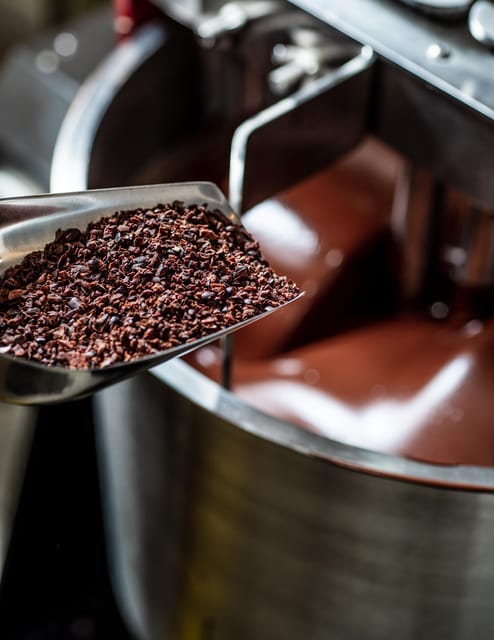
I would choose KAICAO for adults, older teenagers, chocolate fans, and curious food-minded visitors who want to understand what they are tasting. It also suits a couple or a small group looking for an indoor activity in central Madrid that takes less than two hours.
It is especially good for you if you enjoy:
- Dark chocolate rather than very sweet milk chocolate
- Food production and small-scale making
- Tasting several products side by side
- Hands-on activities with a take-home result
- Small groups and English instruction
I would hesitate to book it for young children, even though the formal restriction only excludes children under 8. The stronger guidance says it is not recommended under 15, and the products are high in cacao and sweetened with dates. A child expecting chocolate candy may not find the flavors familiar or sweet enough.
It may also be a poor fit if you want a broad Madrid food tour. KAICAO focuses closely on cacao and chocolate, with no indication that the visit includes other Spanish foods, neighborhood history, or a wider city walk.
Timing and practical planning
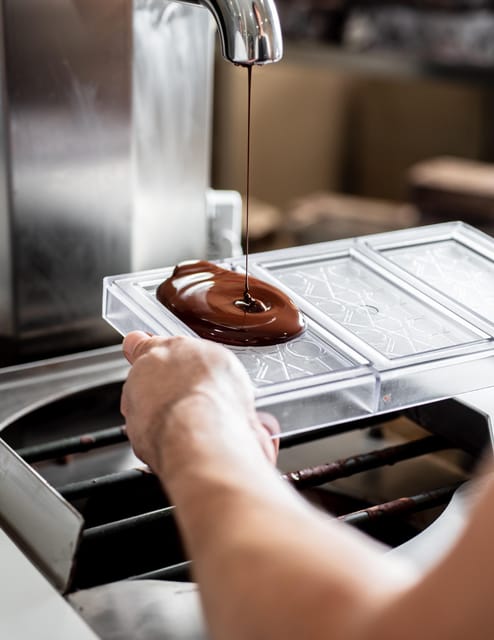
The activity lasts 1.5 hours, so it fits neatly into a Madrid day. You can place it between sightseeing plans without giving up half a day. Still, I would avoid booking it immediately before a time-sensitive reservation because the experience includes several stages and hands-on work.
The meeting point is the KAICAO cacao lab. Look for the KAICAO sign and white facade. Since the location is described as being in the heart of Madrid, it should be convenient for a central itinerary, but no exact street address or transport directions are provided here.
You can cancel up to 24 hours before the activity for a full refund, and you can reserve without paying immediately. Those terms help if your Madrid schedule is still shifting. Check the available starting times before building the rest of your day around it.
Wear something you do not mind using during a chocolate-making session. The supplied information does not list a dress code or protective equipment, so do not assume that every activity is entirely hands-off. You will be sorting, roasting, and winnowing beans, then working with chocolate and toppings.
The main strengths and limits
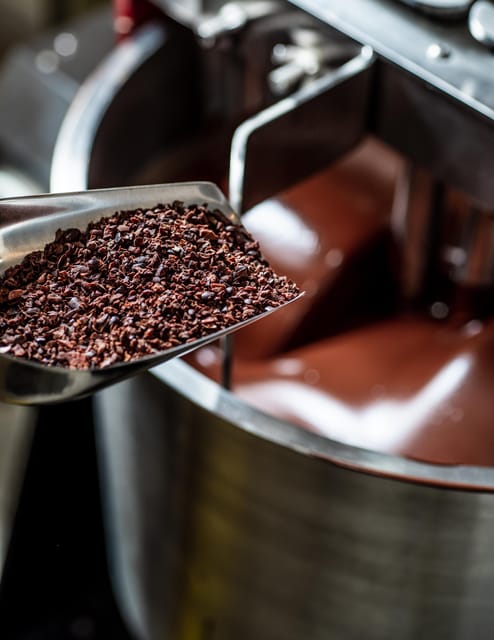
The strongest feature is the way KAICAO connects explanation with action. You learn about cacao farms, see the bean-to-bar process, work with the beans, taste the finished products, and make a bar of your own. Each section supports the next instead of feeling like separate activities.
The second strength is the tasting. The high cacao percentages and date sweetening give the products a clear identity, and the tasting lets you decide whether that style suits your palate. The friendly guide and informative presentation also help keep the visit approachable.
The main limit is that the experience has a narrow flavor profile. Everything is built around dark, date-sweetened chocolate, so you should not expect milk chocolate, sugary confections, or a kid-focused workshop. The short duration also means the farm and production explanations will be introductory rather than highly technical.
For a small group experience, the price is reasonable if you value participation and the take-home bar. For someone who only wants to sample chocolate, buying a bar in Madrid will cost less and take less time. KAICAO makes sense when the process matters as much as the product.
Should you book KAICAO?
Book this experience if you want a hands-on chocolate lesson, not just a tasting. The bean sorting, roasting, and winnowing give the visit real content, while the custom 75% bar gives you a memorable result to take home.
I would recommend it most strongly to adults and older teens who enjoy dark chocolate and food-making activities. Think twice if you prefer very sweet chocolate, are traveling with young children, or want a broad introduction to Madrid cuisine. For the right palate, KAICAO offers a friendly, focused, and nicely sized workshop in the center of the city.
FAQ
Where does the KAICAO chocolate experience take place?
It takes place at the KAICAO cacao lab in the heart of Madrid. Look for a white facade and a sign saying KAICAO.
How long does the experience last?
The full experience lasts 1.5 hours, or 90 minutes. The factory visit itself is listed as 60 minutes.
What language is the tour conducted in?
The tour is conducted in English.
How many people are in each group?
The experience is limited to seven participants.
What chocolate-making activities are included?
You will sort cacao beans, roast them, and winnow them as part of the bean-to-bar process.
Can I make my own chocolate bar?
Yes. You will design a 75% dark chocolate bar with a variety of toppings and take it home.
Is a tasting included?
Yes. The experience includes a chocolate tasting and a glass of ceremonial cacao.
Is the experience suitable for children?
Children under 8 are not suitable for the activity, and it is not recommended for children under 15. The chocolate products have high cacao percentages and are sweetened with dates.
Freshly tempered around Spain
- Alicante; Visit the Chocolate Museum and Villajoyosa, a colorful town★ 4.8 · 4 reviews
- Transformative 2-Hour Sound Healing Journey & Cacao Ceremony★ 4.1 · 8 reviews
- Private French Basque Tour: Biarritz, Bayonne & Chocolate★ 5.0 · 8 reviews
- Madrid Segway Tour with Chocolate and Churros★ 4.5 · 16 reviews
- KAICAO bean to bar and design your chocolate experience★ 4.5 · 18 reviews
- Private Cacao Ceremony Combined with Creative Craft Class Ibiza★ 5.0 · 2 reviews
- Exclusive Champagne & Chocolate Getaway – with excellent lunch★ 5.0 · 24 reviews
- Visit with tasting of Vicens nougat and Jolonch chocolates★ 5.0 · 4 reviews
More Spain Chocolate Tours to compare.
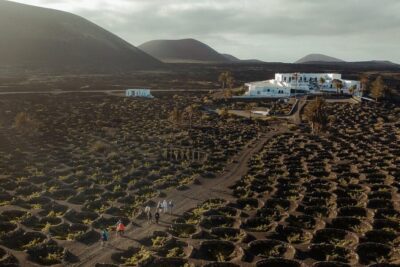
Lanzarote: Vineyard Tour with Wine and Chocolate Tasting
Read our review →
Barcelona: Nougat and Chocolate Museum Tour with Tasting
Read our review →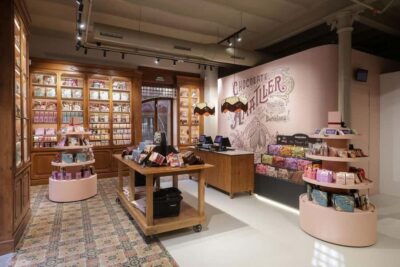
Barcelona & Chocolate Amatller History and Culture + Activity and Tasting
Read our review →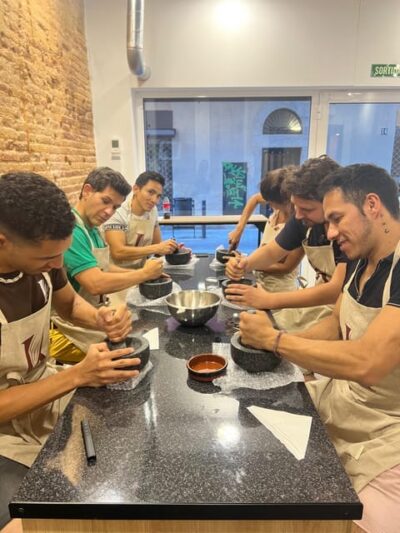
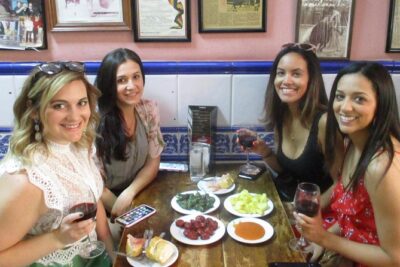
Tapas and history tour ending with churros with chocolate
Read our review →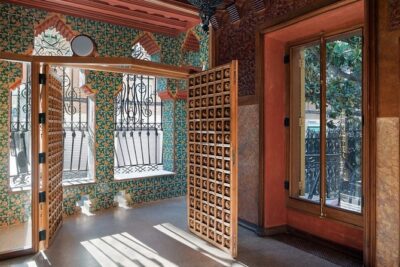
Sweet Gaudi: the most delicious visit to Casa Vicens
Read our review →
Family Private Tour: Churros, Hot Chocolate & Games in Barcelona
Read our review →
Semi-Private Tour: Old Town & Chocolate and Churros
Read our review →Chocolate lists with this tour