
Review · MEXICO
Puerto Vallarta: Bean to Bar Chocolate Workshop
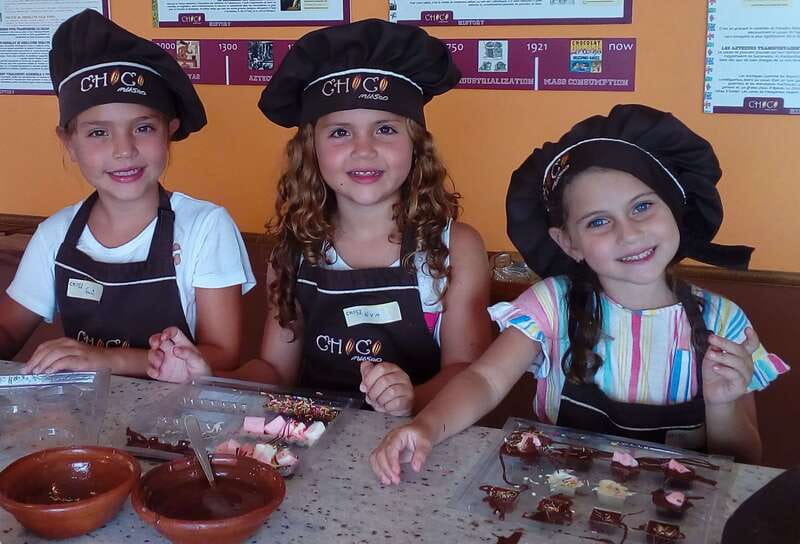
Chocolate here is treated as food, culture, and craft, not just a sweet snack. At ChocoMuseo Puerto Vallarta, you roast and grind cacao beans, learn how chocolate developed in Mexico, prepare three traditional drinks, and mold your own treats to take home.
I like the hands-on work and the small group, limited to eight people. I also like the chance to taste drinks beyond standard hot chocolate, including chocolate tea and a masa-based drink with an unusual texture.
The main consideration is time. Two hours moves quickly, and this is a workshop rather than a full meal or a broad tour of Puerto Vallarta. Transportation is not included, and the activity is not suitable for wheelchair users.
Key points to know before booking
- You make the chocolate yourself: Roast and grind cacao beans, then prepare molded chocolates with your choice of dark or milk chocolate and extra toppings.
- Three traditional drinks are part of the class: You prepare and taste drinks connected to Mexican chocolate traditions, including chocolate tea.
- The class stays small: The group is limited to eight participants, which gives you more room to ask questions and follow each step.
- Guides bring personality to the lesson: Rodrigo, Zoar, Martin, and Rod are among the instructors praised for clear explanations, humor, and interaction.
- You leave with your own creations: Ingredients, tools, toppings, an apron, and a hat are provided during the workshop.
- Dietary needs can be accommodated: The activity can be adapted for vegan, vegetarian, gluten-free, and lactose-free diets.
Starting with cacao, not candy
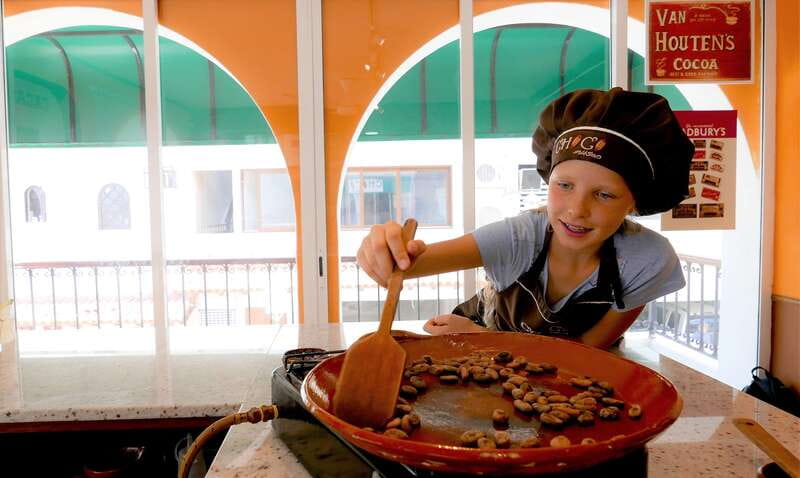
The best part of this Puerto Vallarta experience is that it begins before chocolate looks or tastes like the finished product. You start with cacao beans and follow their path through roasting, grinding, mixing, and molding.
That gives the class a useful purpose. You are not simply sampling sweets behind a counter. You are learning why the bean matters, how texture changes during preparation, and how chocolate became part of Mexican food traditions.
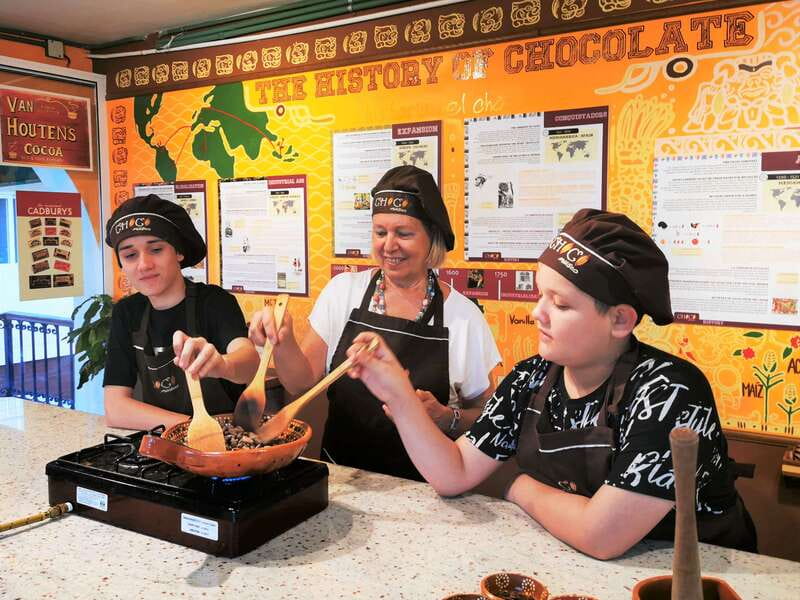
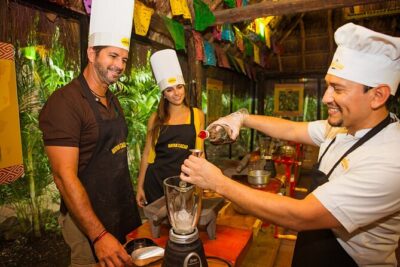
The workshop includes a guided visit through a chocolate museum. This section supplies the cultural setting for the practical work. You learn about the development of chocolate and its place in ancient civilizations before putting on an apron and hat for the kitchen-style portion.
I like this order. The museum material gives you a reason to care about the bean before you handle it. It also helps younger participants understand that chocolate has a long story in Mexico, rather than being only a modern dessert.
The English-language instruction is useful for visitors who want more than a demonstration. Guides including Rodrigo, Zoar, Martin, and Rod have led sessions, and the teaching style appears to be friendly and interactive. Still, guide assignments can change, so book this for the activity itself rather than one specific person.
More Chocolate Making Workshops in Mexico
- Bean to Bar Chocolate Workshop in Puerto Vallarta
★ 5.0 · 381 reviews - Chocolate Workshop
★ 5.0 · 92 reviews - Make Your Own Chocolate with Oaxacan Tradition Private Class
★ 5.0 · 45 reviews
Roasting and grinding the beans
The central work begins with cacao beans. You roast them, then grind them as the guide explains how the bean changes along the way.
This is the point where the workshop feels most different from a chocolate tasting. Your hands are involved, and you can see that a finished chocolate bar is the result of several stages. The process also makes a good comparison with packaged chocolate, which hides nearly all of the work that comes first.
The group size matters here. With no more than eight participants, you should have a better chance to see the demonstrations and ask questions without getting lost in a crowd. That matters in a practical class, since the timing of each step affects the final texture and shape.
You will wear an apron and hat for the duration of the workshop. Comfortable shoes and comfortable clothes are the sensible choice. Chocolate work can be hands-on, so this is not the time for your best vacation outfit.
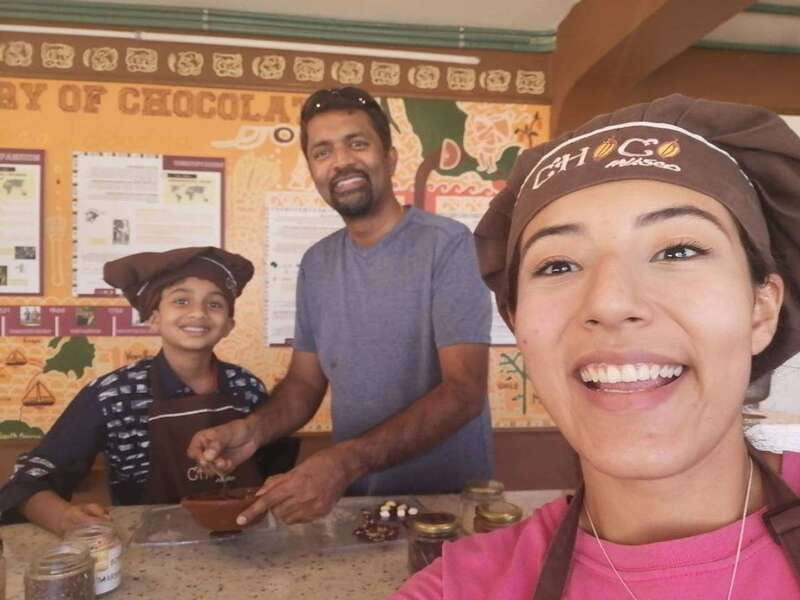
The class is suitable for a wide age range. A group can include children, adults, and older family members, but children need to be mature enough to follow directions. The work is engaging because it offers a task at each stage, not just a long talk.
Three drinks that show another side of chocolate
The drink portion adds variety and connects the lesson to everyday food traditions. You prepare three traditional chocolate drinks rather than tasting the same sweet beverage three times.
Chocolate tea is one of the more unusual options and has been singled out as especially enjoyable. The drinks let you compare different textures and flavors, and they show that cacao is not limited to solid chocolate.
One drink includes masa. You might find the texture unusual if you expect a smooth drink, but that is also what makes it useful as a cultural food lesson. It gives you a chance to try something outside the familiar European-style hot chocolate pattern.
The drinks are prepared during the class, and the ingredients are included. The activity does not include additional food or drinks beyond what is part of the workshop, so do not treat it as lunch or a full snack stop. If you need a substantial meal, plan that separately before or after the two-hour session.
I like this part because it keeps the workshop from becoming repetitive. Roasting and molding cover the craft side, while the drinks show how chocolate can fit into a broader Mexican food tradition.
Making a personal batch to take home
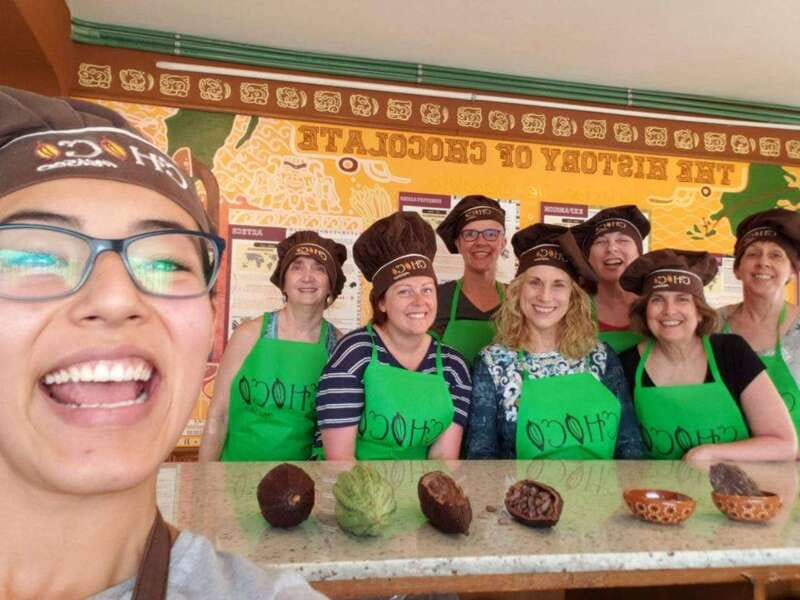
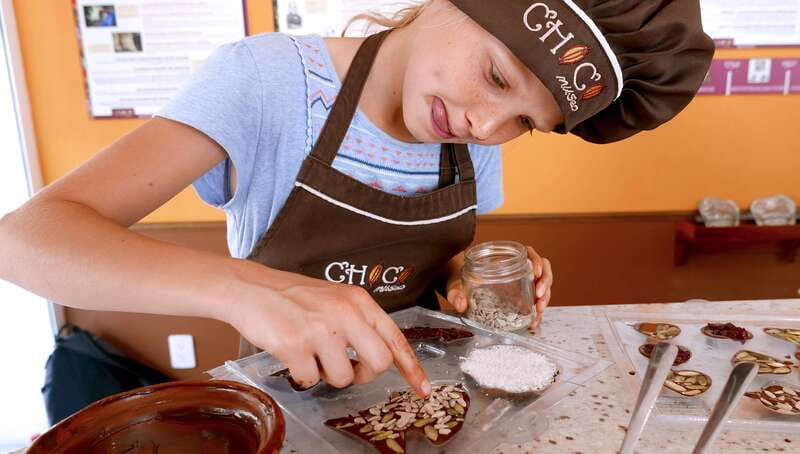
After working with cacao, you make your own chocolate creations. You can choose dark or milk chocolate, then add toppings and other ingredients from the supplied selection.
This is where the class becomes personal. Instead of receiving a standard souvenir, you create molded pieces with your own combination of additions. The supplied materials and toppings are included in the price, and the chocolate you make is yours to take with you.
The quantity is described as generous enough to make the take-home portion feel worthwhile. You should still remember that homemade chocolate may need sensible handling after class, especially in Puerto Vallarta’s warm climate. The information provided does not specify packaging or storage instructions, so ask the instructor how to carry it if you have a long day ahead.
The finished chocolates also give children a clear reward for paying attention during the earlier explanations. Adults may enjoy the same thing for a different reason: you get a small edible reminder of the process rather than a factory-made souvenir.
A shop is located downstairs, so you may find additional chocolate products after the workshop. That is optional, not part of the class price. One useful item to watch for is the chocolate-covered orange peel, which has been singled out as a good purchase.
More Bean-to-Bar Chocolate Tours in Mexico:
- Artisanal Chocolate Bean to Bar Workshop in Cancún
★ 5.0 · 4 reviews - 1.5h Belgian Chocolate Workshop in Brussels (bean to bar)
★ 4.5 · 462 reviews - Bean to Bar Chocolate Workshop in Barcelona
★ 5.0 · 172 reviews - Project Chocolat Bean to Bar Experience from Hotel Chocolat
★ 4.5 · 107 reviews
A two-hour pace with plenty to do
Two hours is a good length for this format. It is long enough to cover the museum, cacao background, bean preparation, drinks, and molded chocolates without turning into an all-day commitment.
The pace will likely feel active. You move from explanation to demonstration to participation, so there is little reason to sit quietly for long periods. The trade-off is that the class cannot explore every detail of cacao production or Mexican chocolate in depth.
I would allow a little extra time around the scheduled start. The meeting point instructions ask you to arrive on time, and late arrival could mean missing the opening explanation or an early preparation step. The exact starting times vary, so check availability when choosing your date.
No transportation is included. You need to make your own way to the meeting point in Jalisco, and the provided information does not give a pickup service. That makes this easiest for people already planning to spend time in Puerto Vallarta and able to reach the workshop independently.
The small-group format is a good fit for couples, families, and curious solo visitors. It is also a sensible rainy-day activity, although the available information does not promise a particular indoor schedule beyond the workshop itself.
What the $62 price really covers
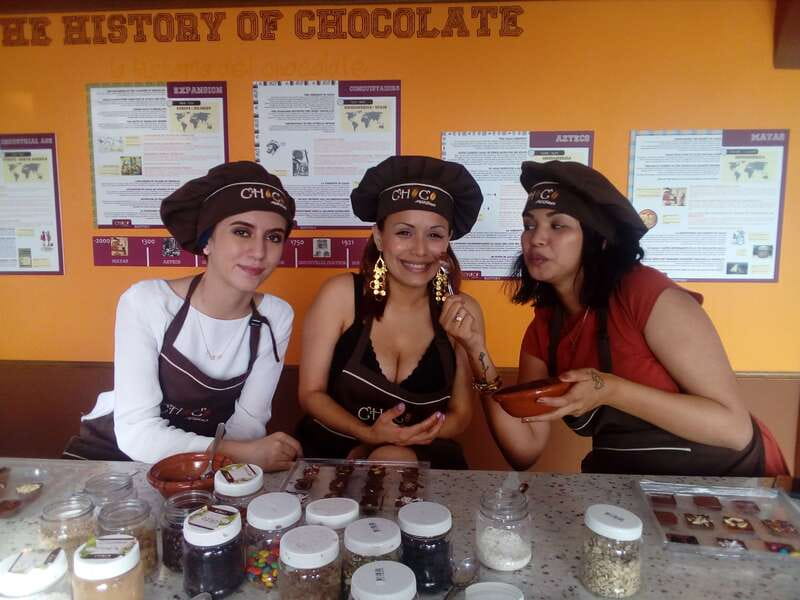
At $62 per person, this is not priced like a quick museum entry or a simple chocolate tasting. You are paying for a guided cultural lesson, instruction from a cacao and chocolate expert, three prepared drinks, the ingredients and tools, toppings, protective clothing, and the chocolate you make.
That package gives the price reasonable value if you enjoy participating. The take-home chocolate helps, but the stronger value is the process. You spend two hours learning and making something, rather than paying mainly for a short sample.
The price may feel less attractive if you mainly want to eat chocolate or buy sweets. In that case, a shop visit would be quicker and less expensive. This workshop earns its cost through the guided work, the history lesson, and the chance to ask questions in a small class.
The included drinks also matter. They add several tastes to the experience and make the workshop feel broader than a single recipe lesson. Just remember that outside food and drinks are not included.
Free cancellation is available up to 24 hours before the activity for a full refund. You can also reserve now and pay later, which helps if your Puerto Vallarta plans are still shifting.
Dietary needs and practical comfort
The class can be prepared for vegan, vegetarian, gluten-free, and lactose-free diets. Tell the provider about your needs when booking or before the workshop so the ingredients can be handled properly.
The available information does not describe every ingredient in each drink or topping. If you have a serious allergy, ask for a clear ingredient check before participating rather than relying on a general dietary label.
Wear comfortable clothing and shoes. You will roast, grind, prepare drinks, and mold chocolate, so freedom of movement matters more than dressing up.
Accessibility is the main limitation. The activity is not suitable for wheelchair users. If mobility access is important for you, confirm the physical setup directly before booking, since no further accessibility details are provided.
Who will enjoy this Puerto Vallarta workshop
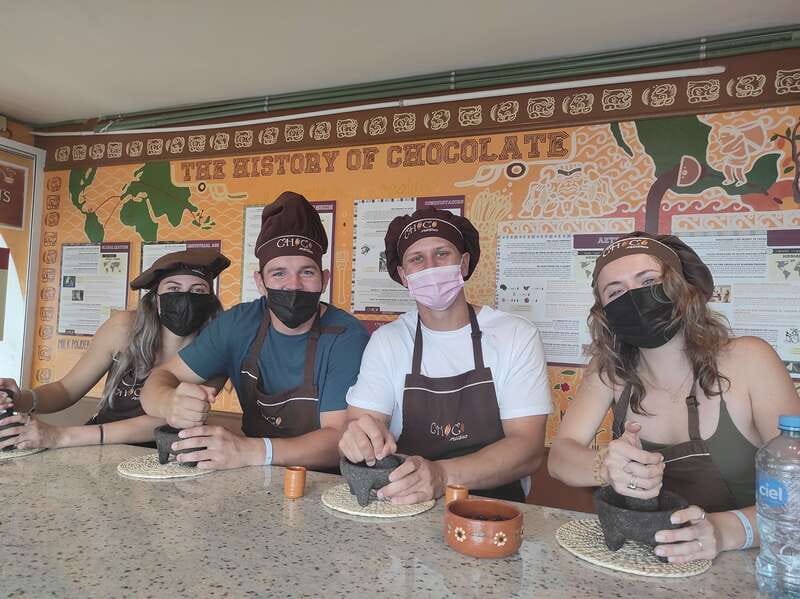
I would recommend this for people who like food experiences with a cultural side. You get a better sense of Mexican chocolate when you learn how cacao is prepared and how it appears in drinks, not just when you taste a finished confection.
Families can also find a lot to like here. The work gives children something concrete to do, and the guides are used to keeping mixed-age groups involved. Children should be old enough to follow instructions and participate safely.
It suits chocolate fans, but you do not need expert taste buds. The class explains the process in plain terms, and the hands-on steps make the subject easy to follow.
It is less suitable for anyone seeking a quiet, formal museum visit. The workshop involves participation, conversation, and food preparation. It is also not the right pick if you need a full meal, hotel transportation, or wheelchair access.
The group limit of eight is one of the strongest practical reasons to book. A small class gives you a better chance to work directly with the ingredients and receive help when you need it. One supplied comment referred to a group of 10, but the current activity details specify a maximum of eight, so use eight as the planning figure.
Should you book it?
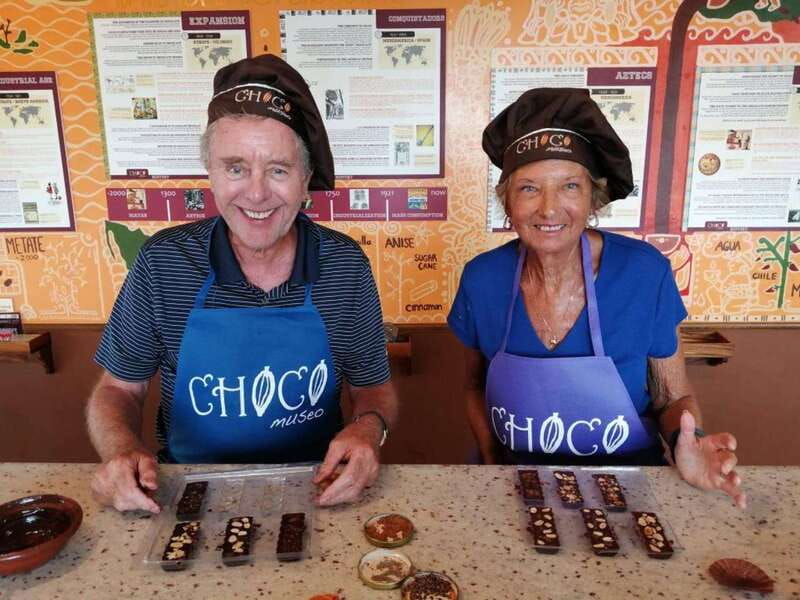
Book this workshop if you want to understand chocolate from the bean forward, try three traditional drinks, and take home something you made yourself. The combination of museum context, roasting and grinding, and personal toppings gives the two hours real substance.
I would be more cautious if you only want a quick tasting, need transportation, or use a wheelchair. For everyone else, the $62 price is fair for a small, guided class that includes materials, drinks, instruction, and finished chocolate. Arrive on time, wear comfortable clothes, and leave room in your day for a stop at the shop afterward.
FAQ
How long does the Puerto Vallarta chocolate workshop last?
The workshop lasts two hours.
How much does the activity cost?
The price is $62 per person.
What language is the workshop conducted in?
The instructor and activity language are English.
How many people can join the group?
The group is limited to eight participants.
What will I make during the workshop?
You will roast and grind cacao beans, prepare three traditional chocolate drinks, and make molded chocolate creations with ingredients and toppings to take home.
Are the drinks included?
Yes. Three traditional drinks that you prepare during the workshop are included.
Can the activity accommodate dietary restrictions?
Yes. The activity can be adapted for vegan, vegetarian, gluten-free, and lactose-free diets.
Is transportation included, and is the activity wheelchair accessible?
Transportation is not included, and the activity is not suitable for wheelchair users.
Freshly tempered around Mexico
- Tulum: Chocolate & Honey Sanctuary Experience with Lunch★ 4.2 · 34 reviews
- Tulum: Chocolate & Honey Sanctuary Experience with Cenote★ 3.5 · 6 reviews
- Cultural Adventure: Artisanal Chocolates, Coffee and Doll Making★ 5.0 · 2 reviews
- Tarot Reading with Coffee & Chocolate or Smoothie★ 5.0 · 17 reviews
- Sayulita Magical Town Tour: Local food, and chocolate.★ 5.0 · 18 reviews
- Private Make Your Own Chocolate Experience in Puerto Vallarta★ 5.0 · 8 reviews
- Chocolate Macarons Workshop in Puerto Vallarta★ 5.0 · 5 reviews
- Amazing Walk through the Zapotec Mountains with Hot Chocolate★ 5.0 · 4 reviews
More Mexico Chocolate Tours to compare.
Finca 18 Puerto Vallarta Tequila Tour + Chocolate Pairing
Read our review →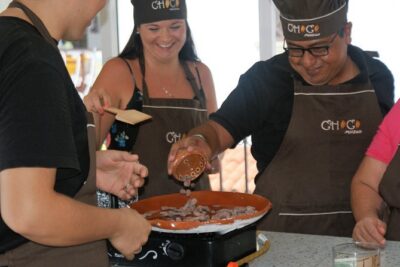
Bean to Bar Chocolate Workshop in Puerto Vallarta
Read our review →

San Jose del Cabo Art Walk, Beer Tasting &Chocolate Demonstration
Read our review →
Chocolate lists with this tour