
Review · SPAIN
Chocolate Factory and Guadalest Castle
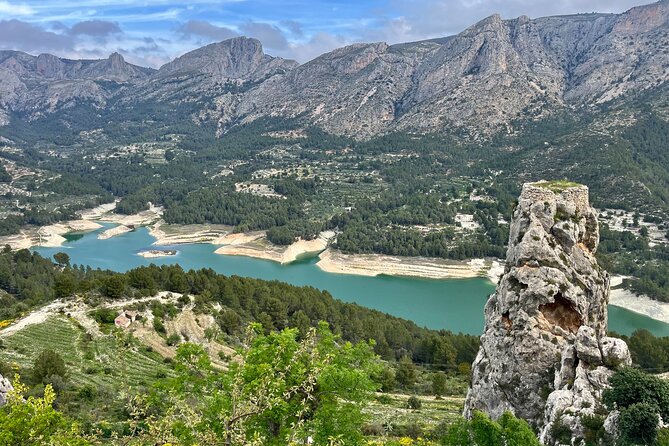
Guadalest is the star here: a tiny mountain town crowned by an 11th-century Moorish fortress, with a rock-cut entrance and broad views over the reservoir. Add a chocolate factory, a tasting, and pickup from Alicante, and you get a compact outing that reaches well beyond the city.
I like the small maximum group of eight, which gives your guide room to answer questions and help with uneven walking. I also like the contrast between the sweet, hands-on Valor visit and the stone lanes, old houses, and high lookouts of Guadalest. The main consideration is time: five hours is enough for an introduction, but not enough to explore every museum or linger over lunch.
Key points at a glance
- A chocolate stop with a tasting: Learn how Valor makes its chocolate and sample the finished product during a 50-minute visit.
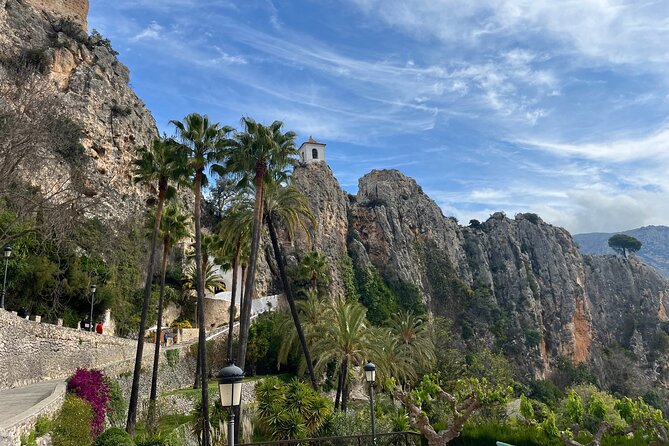
- A Moorish fortress in the mountains: Enter Castillo de San José through a tunnel carved into the rock and see its surviving walls and towers.
- A compact eight-person group: The small vehicle makes this more personal than a large coach outing.
- A guide can shape the day: Grigor, also referred to as Grigori, is praised for clear English, energy, and careful attention to the group.
- Views are the main reward: Guadalest offers wide sights of the reservoir and the Marina Baixa mountains.
- Some extras cost more: Lunch, alcoholic drinks, gratuities, and entry to Guadalest’s separate museums are not included.
From Alicante to the smell of chocolate
This tour works because the two stops feel genuinely different. At the Valor Chocolate Museum, you begin with food and craft. At Guadalest, you shift to stone, history, mountain air, and long views. You do not spend the whole morning looking at similar buildings or listening to the same sort of explanation.
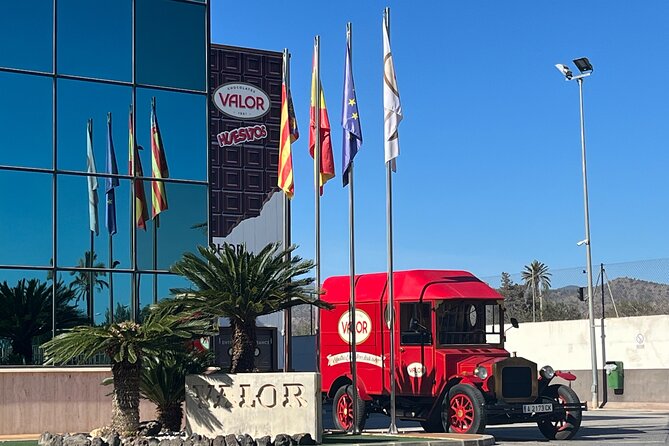
The chocolate visit lasts about 50 minutes, including admission and a tasting. You can expect an introduction to Valor’s artisanal process, with an explanation of how chocolate moves from raw ingredients to finished sweets. The most memorable part may be simple: the smell of chocolate in the factory.
I would not book this stop as a full chocolate-making workshop. The supplied details describe a visit, an explanation of the process, and a tasting, not a hands-on class. If you are passionate about chocolate, it gives useful background and a pleasant sample. If you are less interested in food production, the stop is still short enough that it does not take over the day.
The tasting also gives you a small look at a familiar Spanish food tradition. Valor is a local name, and the visit provides a sense of place rather than dropping you into a generic sweets shop. Keep your expectations sensible, though. This is an introduction to the factory and its craft, not a long culinary session.
More Chocolate Factory Tours in Spain:
- Alicante: Guadalest Castle and Chocolate Factory
★ 4.9 · 26 reviews - Lindt Home of Chocolate Museum Entry Ticket
★ 4.7 · 9,329 reviews - Zurich: City Tour, Cruise, and Lindt Home of Chocolate Visit
★ 4.5 · 4,624 reviews
Entering Guadalest through the rock
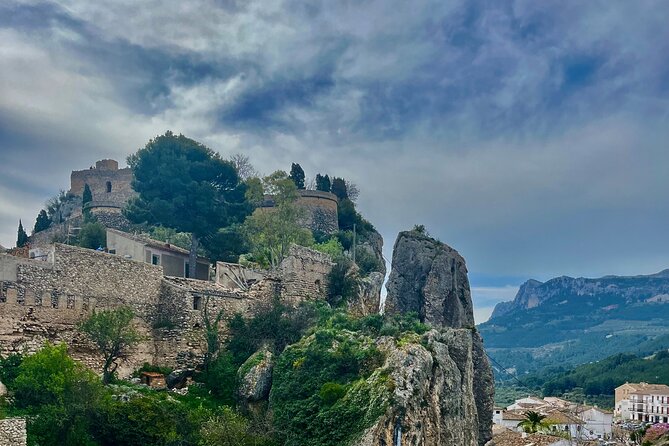
After the factory, the tour moves to El Castell de Guadalest, the small historic town often called simply Guadalest. The main attraction is Castillo de San José, a fortress built by the Moors in the 11th century.
The approach is part of the fun. You enter the castle area through a tunnel carved into the rock, an unusual arrival that immediately tells you this is not a polished palace with wide ceremonial halls. The fortress is a mountain stronghold, and what remains includes ruins of walls and towers rather than a completely furnished castle.
That distinction matters. You come here for the setting, the surviving stonework, and the views, not for intact royal rooms. I find ruined fortresses more rewarding when the guide explains how the site fit into the surrounding terrain. A guide such as Grigor can add that context while you look at the masonry and the defensive position.
The castle visit is included in the tour’s admission arrangements, but the separate museums in Guadalest are not. You should budget both time and money if you want to enter them. With only about 90 minutes allocated to Guadalest, you may need to choose between museum interiors, the fortress, the old town, and the viewpoints.
Cobblestones, balconies, and high viewpoints
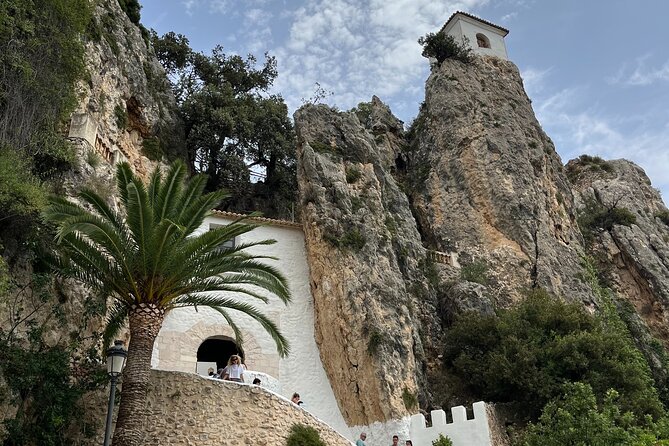
Guadalest’s old town is compact and made for a slow walk. Cobblestone streets pass historic houses, flower-filled balconies, and small plazas. You will find souvenir shops and local food stores along the way, including products such as nougat, cured meats, and liqueurs.
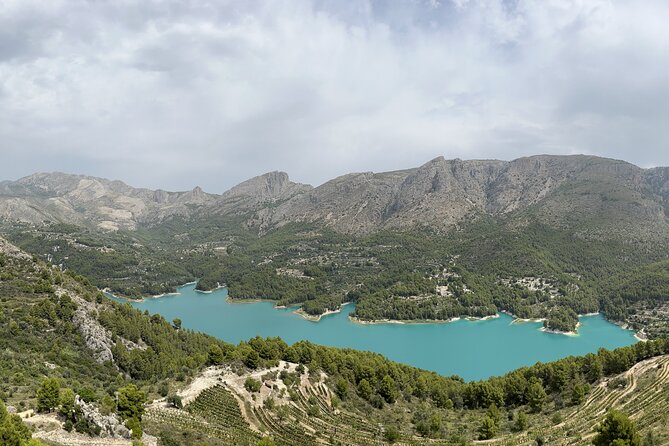
The village is scenic, but it is not just a photo backdrop. Its appeal comes from how the buildings, rock, and valley fit together. From the miradores, you can look across the Guadalest reservoir toward the Marina Baixa mountains. These are the views that give the outing its strongest sense of place.
Bring a phone or camera, but do not spend the entire stop looking at a screen. The best part of Guadalest is the change in scale: a narrow lane can open onto a broad view of water and mountains. Your guide may point out the best places to pause, and the small group format makes it easier to stop without holding up a large procession.
The old town does require walking on cobblestones. The tour information says most people can participate, but it does not promise a fully step-free route. If you have mobility concerns, ask the operator about the exact walking conditions before booking. The fortress and old town are historic places, so surfaces and access points may be uneven.
Choosing among Guadalest’s unusual museums
Guadalest has more museums than you might expect for a small mountain town. They are optional and cost extra, so I would choose one rather than trying to force all of them into a short visit.
The Orduña House Museum occupies a 17th-century manor house. Inside, you can see historic furniture and documents, giving you a more domestic look at the area than the fortress provides. It is the best choice if you want old interiors, family history, and a sense of how local wealth once looked.
The Miniatures Museum takes a more curious turn. Its collection includes tiny objects, including a depiction of The Last Supper on a grain of rice. This is the sort of stop that suits you if you enjoy precise, unexpected collections more than conventional historical displays.
The Instruments of Torture Museum offers a darker subject. It presents historical torture artifacts, so it may not suit young children or anyone who prefers lighter sightseeing. The museum list is useful because it lets you match your extra spending to your interests rather than paying for attractions you do not want.
Since none of these museums is included, do not assume the tour price covers every door in town. The castle experience and the main tour fees are covered, while the museum entrances are separate.
More Chocolate Tours around Spain:
- Lanzarote: Vineyard Tour with Wine and Chocolate Tasting
★ 4.7 · 383 reviews - Barcelona: Nougat and Chocolate Museum Tour with Tasting
★ 4.5 · 232 reviews - Barcelona & Chocolate Amatller History and Culture + Activity and Tasting
★ 4.9 · 173 reviews - Bean to Bar Chocolate Workshop in Barcelona
★ 5.0 · 172 reviews
What the five-hour schedule really gives you

A five-hour tour is a useful middle ground. You get transport, two major stops, a tasting, and time for views without committing a whole day. It also makes the trip practical if you are staying in Alicante and want to see a mountain town without planning regional buses or arranging a car.
The schedule is fairly focused. The chocolate visit takes 50 minutes, and Guadalest receives about 90 minutes. The remaining time covers pickup, driving, and the transitions between stops. That leaves enough for a first look, but not for a leisurely meal, extensive shopping, and every museum.
This is why I would treat the outing as an introduction to Guadalest. You can walk the lanes, visit the castle, take photographs, and perhaps enter one extra museum. You should not expect several unhurried hours in town.
Lunch is not included. You may find local places to eat in Guadalest, but the stated tour timing does not promise a dedicated restaurant stop. If lunch matters to you, bring a snack or ask the operator how the day is arranged. Alcoholic drinks are also excluded.
Bottled water is included, as are fees and taxes. Those inclusions make the price easier to understand, especially if you value having pickup arranged and do not want to manage the route yourself.
Is $94.82 a fair price?
At $94.82 per person, this is not the cheapest way to see Guadalest. You are paying for more than entry tickets. The price also covers pickup, a vehicle, an English-speaking guide, the chocolate visit and tasting, bottled water, and the convenience of linking two distant-feeling stops in one morning or afternoon.
The small group limit of eight improves the value. A large coach can offer a lower per-person price, but it may give you less time with the guide and less flexibility at stops. Here, the driver-guide can keep an eye on the group, explain what you are seeing, and respond to individual questions.
The experience can be especially good value if you are visiting Alicante without a rental car. Guadalest is the kind of place that takes more effort to reach independently than its size suggests. Paying for transport and a guide may be worth it for a half-day outing.
The value is weaker if you mainly want a long lunch, extensive shopping, or a detailed museum visit. The schedule is too short for all of those. You are paying for a tidy combination of transport, scenery, history, and chocolate, not a full-day cultural program.
The guide can make the difference
The most praised part of this experience is the guide service, especially the work of Grigor, also called Grigori in one account. He is described as friendly, energetic, attentive, and clear in English. One particularly useful detail is his care with older members of the group.
That matters on a five-hour outing. Good guiding is not just a stream of dates and names. It also means keeping the pace manageable, making sure people know where to meet, and helping the group use limited time well.
Grigor has also shown flexibility when circumstances allow. On one outing, a request to stop at a supermarket before returning to the ship was handled with a split arrangement, allowing one couple to shop while the other couple was taken back first. You should not assume every special request can be accommodated, but the example suggests it is worth asking politely.
There is one important point to confirm before you go. One booking was understood as a private tour, but the actual experience was a small-group tour. The listed maximum is eight people. If privacy matters to you, contact Explora Alicante Tours before the day and confirm exactly what you have booked.
Pickup details include the vehicle model and license plate before arrival. Keep that information handy, especially if you are meeting near a busy hotel, port, or street where several vehicles may be waiting.
Who will enjoy this Alicante outing?
I would recommend it most strongly if you want to see something outside Alicante but do not want to spend a full day arranging transport. It suits couples, families with older children, and small groups who like a mix of food, history, photographs, and light walking.
It is also a good match for anyone who prefers a guide to explain the setting. The castle ruins are more meaningful when you understand their Moorish origins and defensive purpose. The chocolate factory is more than a tasting when you learn how the product is made.
You may want a different outing if you dislike cobblestones, have difficulty with uneven historic sites, or need a fully accessible route. The available information says most people can take part, but it does not give detailed accessibility information.
The tour also suits a port stop or a tight city break, provided your pickup and return times fit your plans. If you are catching a ship or another timed connection, allow a generous buffer. The tour is approximately five hours, and road conditions or pickup delays can affect the exact return time.
Practical details before you book
The experience is offered in English and uses a mobile ticket. Confirmation is provided at booking, and free cancellation is available until 24 hours before the start time. Changes or cancellations inside that window are not accepted for a refund.
The tour is often booked well ahead, with an average advance booking time of 55 days. You do not necessarily need to plan that far ahead, but it is a useful signal if your Alicante dates are fixed or you want a particular departure.
Wear shoes suitable for cobbled streets and historic stone surfaces. Bring water beyond the included bottle if you tend to drink often, and leave room in your budget for a museum, a snack, or local products such as nougat and cured meats.
I would also decide in advance how you want to use the 90 minutes in Guadalest. A simple plan might be the castle plus viewpoints. Another could be the old town plus the Miniatures Museum. Trying to fit in every museum will make the visit feel rushed.
Should you book the Chocolate Factory and Guadalest Castle tour?
Book it if you want an efficient half-day from Alicante with strong scenery, a local chocolate stop, and personal guiding. The combination is varied, the group is limited to eight, and the views from Guadalest give the outing its real payoff.
Before booking, confirm whether your reservation is private or shared, especially if that distinction matters to you. Also remember that lunch and the smaller museums are extra, and the time in Guadalest is limited.
For a first visit to the area, I think the $94.82 price is reasonable when pickup and guiding are important to you. If you prefer to move slowly, spend hours in museums, or eat a long lunch in the village, arrange a longer independent visit instead.
FAQ
How long does the tour last?
The experience lasts approximately five hours, including the visit to the Valor Chocolate Museum and time in Guadalest.
Is pickup available?
Yes. Pickup is offered, and you will receive the vehicle model and license plate before it arrives.
Is the tour conducted in English?
Yes. The experience is offered in English.
How many people can join the tour?
The maximum group size is eight people.
Are the Guadalest museums included?
No. Entry to Guadalest’s separate museums is not included. The Orduña House Museum, Miniatures Museum, and Instruments of Torture Museum require additional payment if you choose to visit them.
What is included in the price?
The price includes all fees and taxes, bottled water, the chocolate factory visit and tasting, and the included admission connected with the itinerary. Lunch, alcoholic drinks, tips, and the separate Guadalest museums are not included.
Freshly tempered around Spain
- Alicante; Visit the Chocolate Museum and Villajoyosa, a colorful town★ 4.8 · 4 reviews
- Transformative 2-Hour Sound Healing Journey & Cacao Ceremony★ 4.1 · 8 reviews
- Private French Basque Tour: Biarritz, Bayonne & Chocolate★ 5.0 · 8 reviews
- Madrid Segway Tour with Chocolate and Churros★ 4.5 · 16 reviews
- KAICAO bean to bar and design your chocolate experience★ 4.5 · 18 reviews
- Private Cacao Ceremony Combined with Creative Craft Class Ibiza★ 5.0 · 2 reviews
- Exclusive Champagne & Chocolate Getaway – with excellent lunch★ 5.0 · 24 reviews
- Visit with tasting of Vicens nougat and Jolonch chocolates★ 5.0 · 4 reviews
More Spain Chocolate Tours to compare.
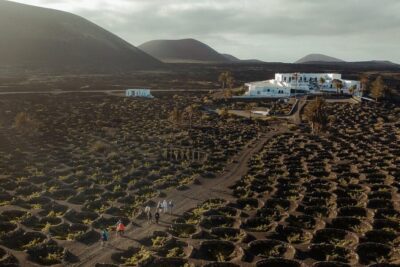
Lanzarote: Vineyard Tour with Wine and Chocolate Tasting
Read our review →
Barcelona: Nougat and Chocolate Museum Tour with Tasting
Read our review →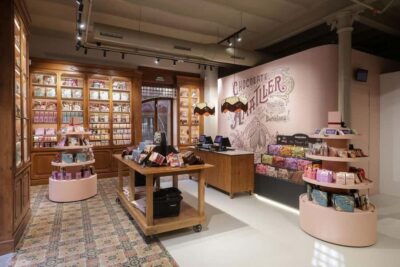
Barcelona & Chocolate Amatller History and Culture + Activity and Tasting
Read our review →
Tapas and history tour ending with churros with chocolate
Read our review →
Sweet Gaudi: the most delicious visit to Casa Vicens
Read our review →
Family Private Tour: Churros, Hot Chocolate & Games in Barcelona
Read our review →
Semi-Private Tour: Old Town & Chocolate and Churros
Read our review →Chocolate lists with this tour