
Review · COSTA RICA
Puerto Viejo hands on chocolate making class. From bean to bar, get chocolatey!
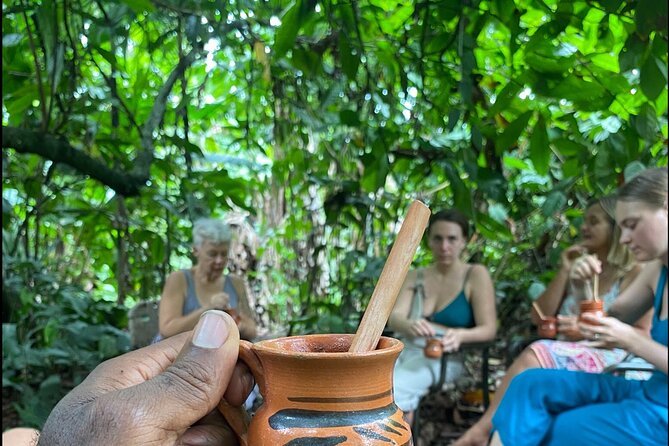
The most interesting part of this Puerto Viejo experience is that chocolate begins with the cacao tree, not a glossy bar in a shop. Ansel introduces you to the plant, its uses, and its place in Costa Rican life before showing how beans become chocolate at Talamanca Chocolate.
I love two things here: you make a chocolate bar yourself, and you get to taste cacao at several stages instead of simply hearing a talk. I also like the small-group setting, capped at 18 people, which gives the class a personal feel.
The main consideration is the balance between talking and hands-on work. Most of the practical portion receives warm praise, but one unhappy participant found the early explanation too long and expected more making sooner. This is best for people who enjoy learning as much as eating.
Key points to know before booking
- You begin beneath a cacao tree, learning about its history, culture, and medicinal uses.
- You follow the bean-to-bar process, including fermentation, roasting, grinding, and chocolate making.
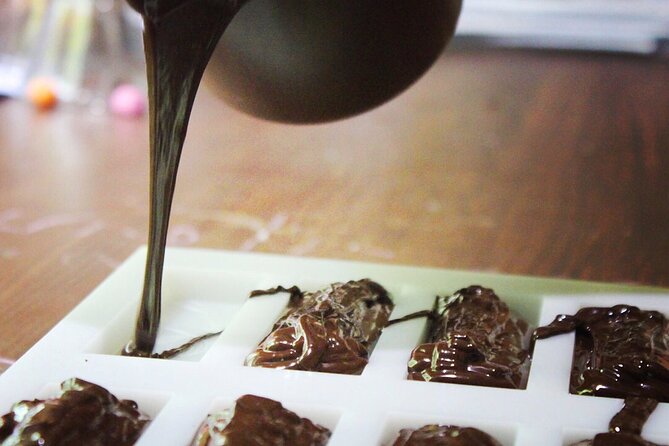
- You make chocolate to take home, along with roasted beans and fine chocolate.
- Ansel leads with warmth and humor, but her detailed explanations can make the class last longer than the advertised time.
- The experience costs $47.37 per person and takes about 2 hours 15 minutes, though some sessions last three hours or more.
- This is dark-chocolate country, not a milk-chocolate workshop, and the setting is a working outdoor farm area with animals.
Starting with the cacao tree at 10:00 a.m.
The class begins at 10:00 a.m. at M64V+GM6 in Puerto Viejo de Talamanca, in Limón Province. The activity ends at the same place, so you do not need to arrange a second pickup point or worry about finding your way back after eating a mountain of chocolate.
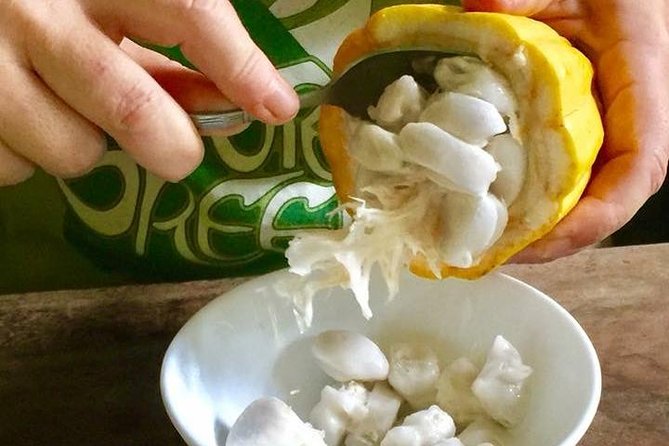
The first stop is the cacao tree. This matters because supermarket chocolate hides nearly everything about its source. Here, you see the plant connected to the finished food and learn how cacao has been used and understood over time.
Ansel places chocolate in a wider setting. Her presentation covers the history of cacao, its connection to local culture, medicinal uses, and the changes that turned cacao from a traditional food into the commercial chocolate most people buy today.
This opening section is one of the class’s strengths, especially if you want more than a quick tasting. It also explains why the tour can run longer than the stated 2 hours 15 minutes. Some groups stay for three hours or even about 3.5 hours because questions and conversation keep going.
I suggest leaving your schedule loose afterward. If you have a bus, reservation, or tightly timed afternoon activity, the class may feel less convenient. If you enjoy a slow, thoughtful lesson, the extra time can be part of the appeal.
More Bean-to-Bar Chocolate Tours in the world:
- 1.5h Belgian Chocolate Workshop in Brussels (bean to bar)
★ 4.5 · 462 reviews - Bean to Bar Chocolate Workshop in Puerto Vallarta
★ 5.0 · 381 reviews - Bean to Bar Chocolate Workshop in Barcelona
★ 5.0 · 172 reviews
From harvested seed to chocolate bar
After the tree introduction, you return to the chocolate-making facility and begin following cacao through its major stages. The process includes fermentation, roasting, grinding, and the steps that turn a seed into a bar.
The value here is seeing cause and effect. Cacao beans do not taste like finished chocolate when they come straight from the pod. Fermentation and roasting change their flavor, while grinding alters both texture and aroma. The class lets you try cacao at different stages, so you can understand the process through taste as well as explanation.
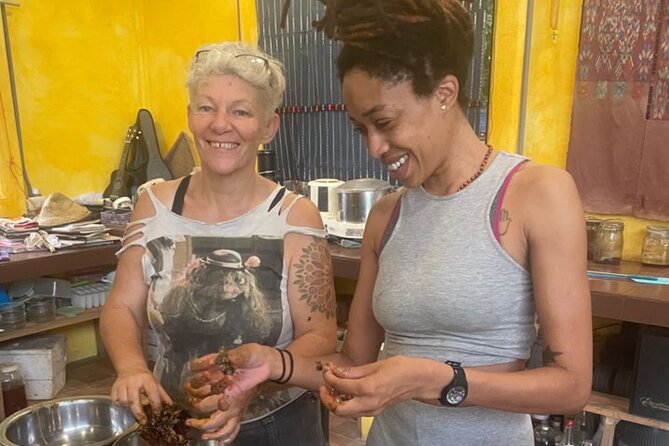
You may handle and crack open cacao beans, work with roasted beans, and see how the material changes as it moves toward chocolate. The precise order and length of each activity can depend on the group, but the stated goal is to make a bar using beans from the farm and to follow the same general method used at the facility.
That hands-on element is important. This is not only a demonstration where you watch someone else do the work. You take part in the making, and you leave with chocolate you prepared yourself.
Still, set your expectations correctly. The experience contains a substantial teaching segment. Most people appreciate Ansel’s detailed approach, but one person felt the talk lasted too long before the practical work began. If you want a fast class with constant activity, this may feel slow at first.
Tastings from raw bean to finished treat
Chocolate tasting here goes beyond sampling one square at the end. You can try cacao in several forms and learn how each stage differs.
The class includes roasted beans, cacao, chocolate, truffles, bars, and traditional hot chocolate. The precise selection may vary, but the experience is built around tasting along the way. That gives you a useful reference point when you later buy chocolate in Costa Rica or try making it at home.
A key detail: the finished product is dark chocolate. There is no milk-chocolate option described for this class. If you prefer sweet, creamy chocolate, ask yourself if you will enjoy a more intense cacao flavor before booking.
Some people specifically praise the flavor and the chance to eat and keep what they make. Another person found the beans unsuitable for eating and disliked the bitter hot chocolate. That difference likely reflects personal taste, but it is still useful advice: this is a cacao education first, and a candy-making session second.
The bitter notes are part of the lesson. Cacao in its less processed forms does not taste like a supermarket chocolate bar. You learn why sugar, milk, roasting, grinding, and other choices matter. If you approach the tasting as a comparison of stages rather than a search for constant sweetness, you will get more from it.
Making a bar you can take home
The class reaches its most satisfying point when you make your own chocolate bar. You work through the process with guidance, then take the finished result home along with roasted beans and fine chocolate.
This is where the $47.37 price makes sense. You are paying for instruction, tasting, ingredients, and a take-home product, not only for a short farm visit. The practical lesson also gives you a skill you can try again later.
Several people leave feeling confident enough to make chocolate on their own. That is a real benefit for families and curious cooks. Children can see that food production involves patience and several stages, while adults get a clearer understanding of what the word chocolate actually covers.
The activity is not described as a formal professional cooking course, so you should not expect advanced equipment training or a technical recipe book. It is a guided introduction, with enough practical work to make the process memorable.
The small group helps here. The maximum is 18 people, and many sessions feel intimate and relaxed. A smaller class makes it easier to ask questions and get help with the making. On a full session of 18, the amount of individual attention may depend on how active the group is.
More Chocolate Making Workshops in the world:
- Vienna: Chocolate Workshop in Chocolate Museum w/ Tasting
★ 4.5 · 1,802 reviews - Brussels: Belgian Chocolate Making Workshop with Tastings
★ 4.7 · 1,629 reviews - Brussels: 2.5-Hour Belgian Chocolate Making Workshop
★ 4.8 · 933 reviews - Belgian Chocolate Workshop in Bruges
★ 5.0 · 660 reviews
Ansel’s teaching style and the farm setting
Ansel is central to the experience. She teaches with clear enthusiasm for cacao and connects chocolate to Costa Rican culture, nature, agriculture, and global trade. Her warmth is one reason this class works well for people who enjoy conversation and storytelling.
She also brings humor and personal passion to the subject. That can make a complicated process easier to remember. You are not simply memorizing terms such as fermentation and roasting. You are hearing why each step matters and how cacao changed as its uses developed.
The setting is informal and close to farm life. Dogs, cats, fowl, and other animals may be around the property. Some people find that charming and part of the local character. If you are uneasy around animals, or if you expect a polished indoor kitchen, this may not be your ideal setting.
One participant raised concerns about flies, animals near the work area, and cleanliness. That is the most serious practical criticism to consider. The experience takes place in an outdoor farm environment, not a sterile commercial cooking studio. Anyone with high sanitation expectations should think carefully before booking.
Service animals are allowed. The location is near public transportation, and one person found it easy to reach on foot from Puerto Viejo without a scooter or bicycle. Exact walking conditions and route details are not provided, so confirm your own route before setting out.
Who will enjoy the 2-hour-15-minute class
This class suits you if you like learning how food is made and want a personal activity in Puerto Viejo. It works especially well for:
- Families looking for an educational activity that still includes plenty of tasting
- Couples or friends who enjoy making something together
- Solo visitors who like asking questions and learning from a local specialist
- Chocolate fans who want to understand cacao instead of only buying it
- People interested in agriculture, culture, food history, and ethical questions around cacao production
It may not suit you if you want a short, polished tasting with little explanation. It may also disappoint you if your idea of chocolate means only sweet milk chocolate.
The class is suitable for adults and children, but the material is detailed. Younger children may enjoy cracking beans, tasting, and shaping chocolate more than the long explanation about cacao’s past and present. Families should judge their children’s patience before booking.
The activity requires good weather. If bad weather forces a cancellation, you can receive a different date or a full refund. A minimum number of people is also required, and if that minimum is not met, you will be offered another date or experience, or a full refund.
Is $47.37 good value?
For Puerto Viejo, $47.37 is a fair price if you want a full educational activity rather than a brief sample. You receive a guided introduction to the cacao tree, an explanation of processing, several tastings, hands-on chocolate making, and products to take home.
The value improves if you would otherwise buy a separate chocolate tasting and a farm visit. This combines those elements in one morning. It also gives you a skill you can repeat at home, even if your first homemade bar is not perfect.
The price feels less worthwhile if you mainly want a large quantity of finished chocolate or a quick dessert workshop. The class spends real time on history, culture, and the stages of production. You are paying for context and instruction as much as for the sweets.
Book at least a little ahead if you can. The experience is booked, on average, 15 days in advance, which suggests that last-minute availability may be limited. Confirmation arrives when you book, and free cancellation is available up to 24 hours before the start time. Cancellations or changes inside that 24-hour window are not refunded or accepted.
What makes this class different from a standard tasting
A standard tasting asks you to compare finished products. This class asks you to understand the raw material and participate in the transformation.
That difference matters. You learn why roasted beans taste different from raw cacao, why fermentation affects the final result, and how processing choices shape the bar in your hand. You also gain a better sense of the labor behind a product that is usually sold far from the farm.
The discussion can include the effects of globalization on cacao-growing communities, land, animals, and people near the equator. That gives the class a serious side without removing its pleasure. You can eat chocolate and still think about how it reached you.
The experience also offers a more personal connection than a factory-style tour. Talamanca Chocolate is presented as a working chocolate facility linked to its own farm beans. You are not just watching an industrial production line. You are learning how this particular maker approaches the work.
Should you book Talamanca Chocolate?
Book this class if you want a friendly, educational morning that combines a farm setting, tasting, and real participation. Ansel’s enthusiasm is a major part of the experience, and the chance to make a bar from cacao through to chocolate gives the activity a clear purpose.
I would recommend it most strongly to curious adults, families with patient children, and anyone who wants to understand cacao beyond the wrapper. Allow extra time, expect dark chocolate, and be comfortable with animals and an informal outdoor work area.
Skip it if you want a short, highly polished class, dislike long explanations, or need a strictly controlled kitchen environment. For everyone else, $47.37 buys more than a sugar fix. It gives you a better understanding of where chocolate begins and a small piece of your own work to take home.
FAQ
Where does the chocolate-making class take place?
The class takes place at M64V+GM6 in Puerto Viejo de Talamanca, Limón Province, Costa Rica. It ends back at the same meeting point.
What time does the class start?
The scheduled start time is 10:00 a.m.
How long does the experience last?
The listed duration is about 2 hours 15 minutes. Some sessions can last three hours or longer, depending on the amount of discussion and questions.
How much does the class cost?
The listed price is $47.37 per person.
What will I learn during the class?
You will learn about the cacao tree, its history, culture, and medicinal uses. The class also covers fermentation and the process of turning cacao seeds into chocolate.
Do I get to make chocolate myself?
Yes. You make a chocolate bar using beans from the farm and follow the production process used at the facility.
What do I take home?
You leave with roasted beans and fine chocolate, including the chocolate you make during the class.
Is milk chocolate available?
The experience focuses on dark chocolate. One description specifically notes that there is no milk chocolate.
Can I cancel for a full refund?
Yes, if you cancel at least 24 hours before the experience starts. Cancellations or changes made less than 24 hours before the start time are not accepted for a refund. The activity may also be rescheduled or refunded if bad weather or insufficient bookings cause cancellation.
Freshly tempered around the world
- Zurich Open-top Tour and Chocolate and Cheese Countryside★ 3.5 · 11 reviews
- Zurich: Chocolate Tasting and Walking Tour with a Local★ 4.2 · 13 reviews
- Lindt Chocolate Museum with Cruise Transfer from Zurich★ 4.6 · 7 reviews
- Zagreb: Lake Bled and Ljubljana Day Tour with Chocolate Gift★ 5.0 · 26 reviews
- York: Introduction to Chocolate Making Experience★ 4.9 · 10 reviews
- Zaandijk-Near Zaanse Schans Chocolate making demo & tasting★ 4.8 · 13 reviews
- Private Wine and Chocolate Tasting Experience★ 4.4 · 3 reviews
- Yarra Valley: Wine and Chocolate tasting tour.★ 5.0 · 5 reviews
More Costa Rica Chocolate Tours to compare.
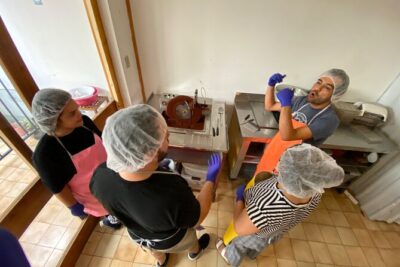
Chocolate Making and Tasting at a Local Factory in San José
Read our review →
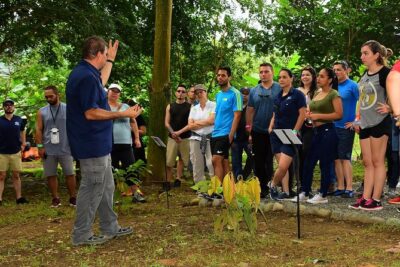
Chocolate Experience in Jaco Beach and Los Suenos
Read our review →
Coffee & Chocolate Tour+Sloths Park & Llanos de Cortez Waterfall
Read our review →
Chocolate Experience by Bribri Indigenous Culture
Read our review →
Sloths in the Rain Forest and Safari by the River
Read our review →
Ocean View Canopy Zip line + Chocolate Experience
Read our review →Chocolate lists with this tour