
Review · GERMANY
Cologne: Chocolate Museum Entrance Ticket
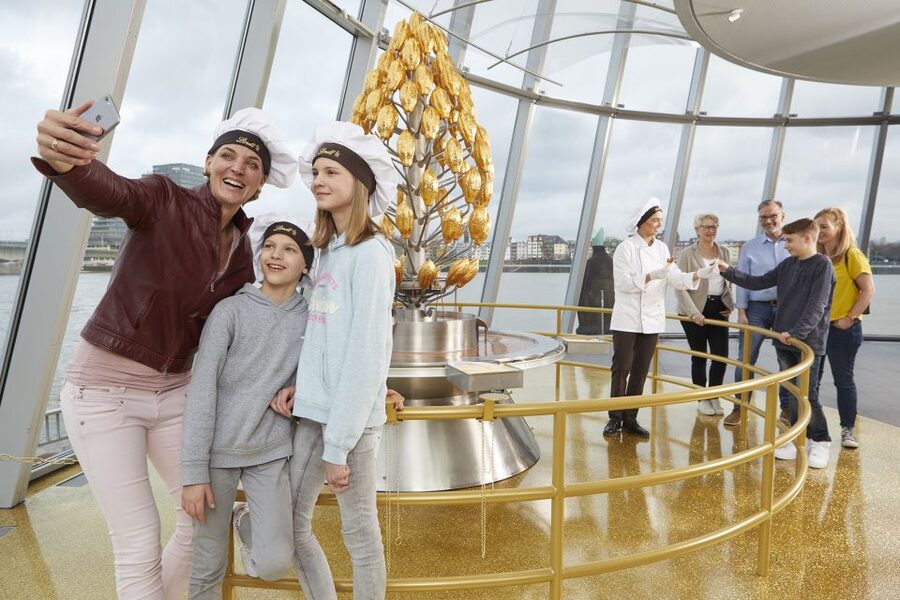
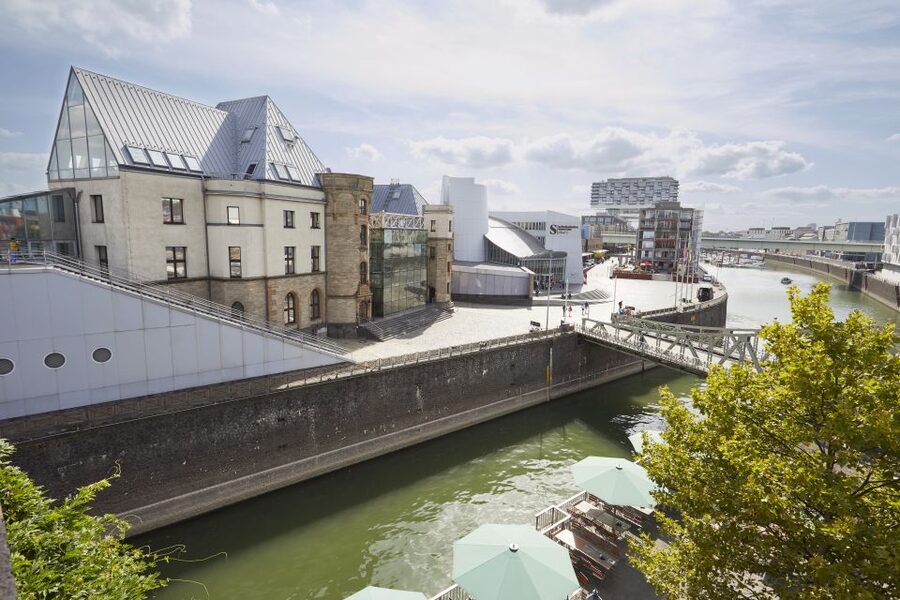
Cologne’s Chocolate Museum turns a sweet tooth into a full afternoon lesson. You move from cocoa trees and Central American culture to roaring factory machines, then finish at a 3-meter-high fountain where warm chocolate is served on wafers. I like the clear cocoa-to-praline route and the fact that the exhibits work for both curious adults and children. I also like the riverside setting, which makes this an easy stop during a walk through Cologne.
The main drawback is that your $19 ticket covers entry, not a guided tour or every extra activity. The museum can also feel warm around the production areas, and several people found the toilet facilities limited. Go early if you want a calmer visit, especially on a weekend.
Key points at a glance
- Chocolate from tree to factory: Follow cocoa through farming, trade, processing, molding, and finished sweets.
- A real 3-meter chocolate fountain: About 200 kilograms of chocolate bubble up for tasting.
- Samples along the route: Expect several small chocolate treats, with tasting encouraged.
- Worth about one to two and a half hours: Your pace depends on how much you read and interact with the displays.
- Good for families: Children, teenagers, couples, and adults traveling alone all have plenty to see.
- Riverside cafe and shop: Finish with cake, waffles, fondue, coffee, hot chocolate, or gifts.
Start with 5,000 years of cocoa culture
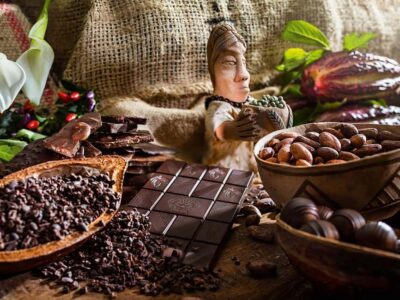
The museum opens with the long story of chocolate, not just a display of modern sweets. You learn how cocoa was grown, handled, traded, and used by pre-Columbian cultures in Central America.
This part gives the rest of the visit some useful context. Before you watch chocolate flow through pipes and machines, you see that cocoa has a social and cultural history reaching back thousands of years. The displays explain how the bean became a product known around the world.
The museum also includes natural history information about the cocoa plant. A walk-in tropical house gives you a close look at the sort of setting where cocoa grows, including a real cocoa tree. It is a small section, but it helps children connect the finished chocolate bar with an actual plant.
I would not rush this early section. The factory is the obvious crowd-pleaser, but the historical displays explain why chocolate production changed so dramatically during industrialisation.
More Chocolate Museums in the world:
- Lindt Home of Chocolate Museum Entry Ticket
★ 4.7 · 9,329 reviews - Choco-Story Brussels: Chocolate Museum Entrance with Tasting
★ 4.3 · 4,883 reviews - Vienna: Chocolate Workshop in Chocolate Museum w/ Tasting
★ 4.5 · 1,802 reviews
See pre-Columbian objects and Baroque craftsmanship
The historical route includes exhibits from the pre-Columbian cultures of Central America. These displays help explain cocoa’s early importance before European mass production changed the product.
You then reach a notable collection of porcelain and silver from the Baroque period. It is an unexpected change of subject, but it shows how chocolate was served and enjoyed in a more formal age. The contrast between ceremonial tableware and modern factory equipment keeps the museum from feeling like one long advertisement for sweets.
There are also old machines from the industrial era. They are useful for showing how chocolate shifted from a hand-made luxury into something produced on a much larger scale. If you enjoy design, engineering, or food history, this is one of the more rewarding parts of the route.
Watch the glass factory at work
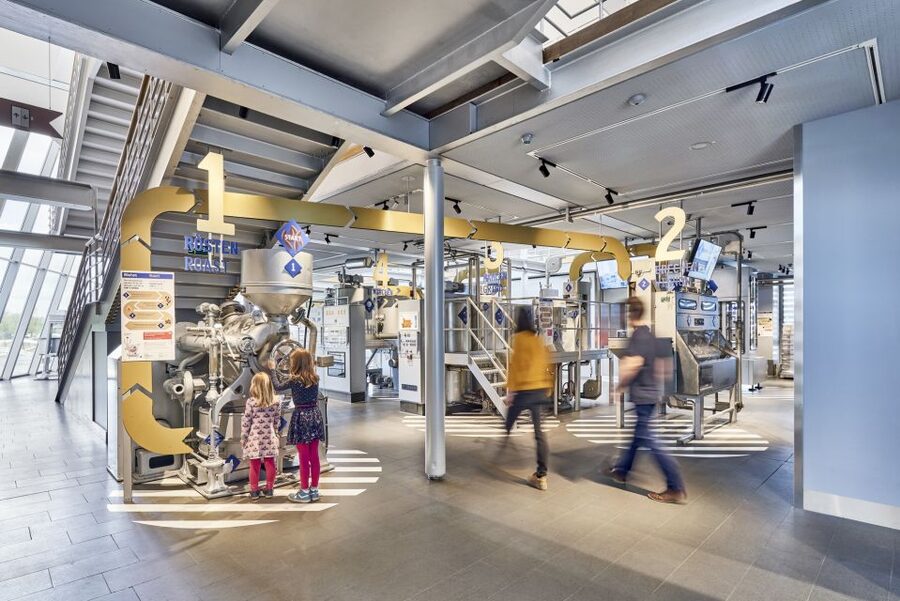
The glass chocolate factory is the museum’s main event. From behind the glass, you can watch the production process rather than simply reading about it.
The route shows the stages from cocoa bean to finished product, including roasting, processing, mixing, molding, and the creation of pralines. The exact pace of production may vary, but the working machines make the process easy to follow. You see the difference between raw ingredients and the smooth, polished chocolate that reaches the shop.
I especially like this kind of museum display because it answers practical questions. What happens to cocoa after it arrives? How are ingredients combined? How does liquid chocolate become a bar or filled sweet? The machinery gives you the answers in a way that diagrams alone cannot.
The production area is also useful for families. Children do not need to read every panel to understand what is happening. Moving belts, pipes, molds, and the smell of chocolate provide enough action to hold their attention.
One practical point: the production facilities close about 30 minutes before the museum itself. Do not arrive near closing and expect to see the whole factory route. Last entry to the museum is one hour before closing.
Meet the chocolate atelier
The chocolate atelier shows the hand-made side of the craft. Here you can see chocolate being shaped and finished individually, rather than only produced by large machines.
This section works well after the factory because you can compare the two methods. Industrial production is about speed and consistency. The atelier shows the small-scale skill behind individual chocolates and decorative pieces.
A custom chocolate bar may also be available for an extra charge. This is one of the most appealing add-ons for children and teenagers, and it gives you a personal souvenir instead of another standard item from the shop. The supplied ticket does not include this activity, so ask about the current price and availability when you arrive.
More Attraction Tickets in the world:
- Paris: Entrance Ticket to the Chocolate Museum
★ 4.1 · 1,105 reviews - Zurich Sights: Cruise, Lindt Chocolate and optional FIFA Ticket
★ 4.0 · 1,028 reviews - Princeville Botanical Gardens Tour and Chocolate Tasting Ticket
★ 5.0 · 774 reviews - Dresden: Guided Walking Tour and Chocolate Museum Ticket
★ 4.5 · 479 reviews
Save room for the 200-kilogram fountain
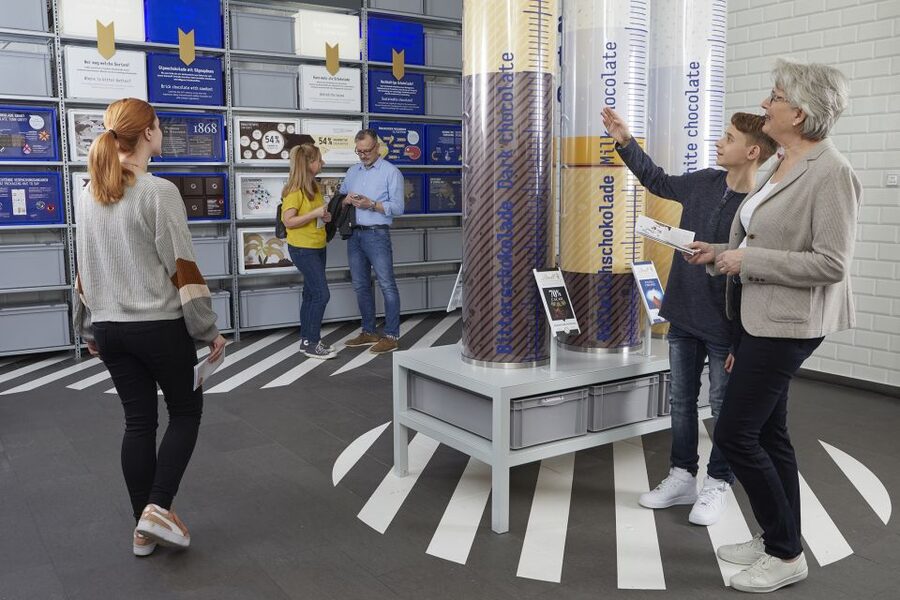
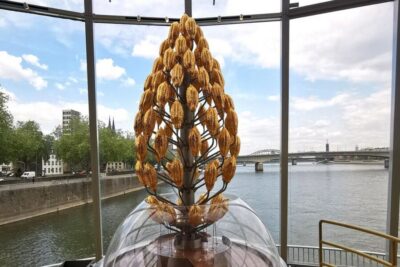
The chocolate fountain is hard to miss. At 3 meters high, it is a theatrical centerpiece, with roughly 200 kilograms of chocolate bubbling continuously.
Tasting is actively encouraged here. You receive a wafer dipped into the fountain, and additional small samples are offered at points along the route. The exact number can vary, but several people received around six pieces during a visit.
This is not a sit-down tasting class. It is a quick, cheerful sample built into the museum route. Still, it changes the feel of the visit. You are not only looking at chocolate behind glass. You get to taste it while learning how it is made.
If you are traveling with children, this is likely to be their favorite stop. Adults may appreciate the museum’s historical material more, but almost everyone finds a reason to pause at the fountain.
Plan one hour, or stay for an afternoon
A quick visit takes about one to one and a half hours. That is enough time to follow the main route, see the production line, read selected displays, and collect some samples.
Give yourself two to two and a half hours if you enjoy museums, want to read most of the information, or plan to use the cafe. The route includes history, natural science, culture, machinery, and food, so your pace makes a real difference.
I would allow extra time if you are visiting with children. They may want to stop at each interactive section, watch the machines more than once, or create a custom bar. The museum is not a quick photo stop unless you choose to make it one.
Going near opening time is a sensible strategy. The museum can become busier soon after opening, particularly on weekends. An early arrival also gives you a better chance of watching the production areas without a large crowd pressed against the glass.
The cafe is part of the plan
The cafe is more than a place to buy a drink while someone else shops. It is a useful finish to the visit, with food, coffee, hot chocolate, chocolate cake, waffles, souffles, and fondue among the choices mentioned by people who ate there.
Portions can be generous. A waffle may be large enough that ordering one alongside a fondue becomes too much, especially after several tastings. Chocolate cake is another popular choice, and the cafe is described as reasonably priced compared with many museum cafes.
Service is reported as friendly, but busy periods may slow things down. If you want a proper break, budget time for it rather than trying to squeeze in a quick coffee before closing.
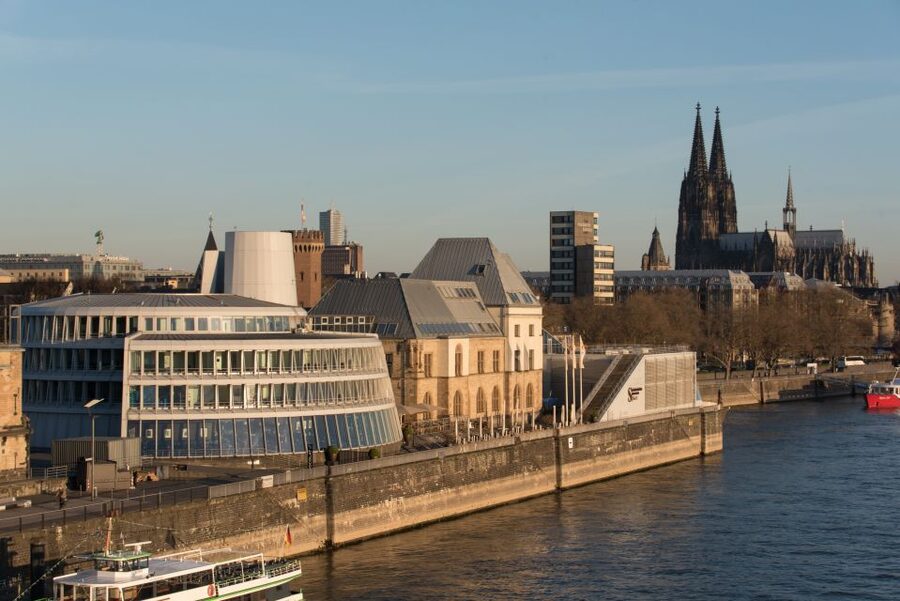
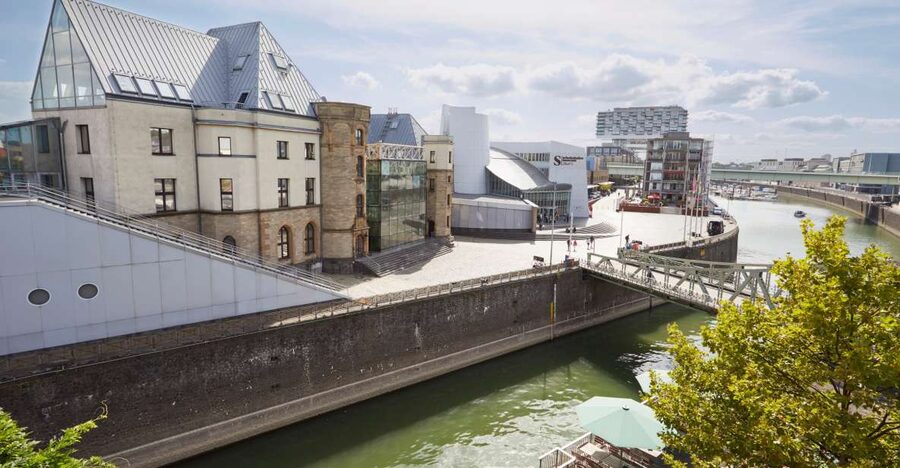
The riverside setting adds to the appeal. The museum sits on the Rhine, making it easy to combine with a walk through Cologne. That location gives the visit a little breathing room after the enclosed displays and warm production areas.
The shop has good gifts, but compare prices
The museum shop offers plenty of chocolate for the trip home. It is a practical place to buy gifts because you can find items connected directly to the museum and the Lindt production theme.
The choice can be wide enough to make deciding difficult. That is good news if you need presents, but less useful if you are trying to leave quickly. Prices in the Lindt shop may be higher than what you pay at home, so do not assume every item is a bargain.
I would treat the shop as a place for attractive, easy-to-pack gifts rather than a discount outlet. If you want something distinctive, a custom bar from the atelier may be more memorable than a standard box.
What the $19 ticket really covers
At $19 per person, the ticket offers solid value if you spend at least 90 minutes inside. You receive museum admission and an information booklet, with the historical displays, factory viewing areas, fountain, and built-in tastings included.
The samples help the price feel fair, but the main value is the range of material. This is not only a chocolate tasting room. You are paying for a museum covering cocoa, culture, trade, production, industrial machinery, and hand-made chocolate.
A guided tour is not included. One visitor received access to a chocolate tasting demonstration after asking at the main counter, but you should not count on that being part of the standard ticket. If you want a guide-led experience, ask about available options before assuming one is scheduled.
The ticket is valid for one day, and you can cancel up to 24 hours ahead for a full refund. A reserve-now, pay-later option is also available. At the entrance, go directly to the museum and scan your mobile ticket. The skip-the-ticket-line feature can save time at the ticket counter, although it does not mean you will walk straight through every busy entrance queue.
Accessibility and family planning
The museum is wheelchair accessible, and it also works with pushchairs. That makes it a practical choice for a mixed-age family group.
Children under 12 must be accompanied by a paying adult. The displays suit a broad age range, but the experience is not designed only for small children. Teenagers often get more from the machinery, tasting, and custom chocolate option than from a simple candy-themed attraction.
The museum can be warm, particularly around the working production displays. On hot days, you may prefer a shorter visit or a cafe break. There is also a limited number of toilets, so plan accordingly before settling into a long afternoon.
Who will enjoy this most?
I would recommend the museum to families, chocolate fans, food-history enthusiasts, and anyone looking for an indoor activity in Cologne. It is also a good rainy-day choice because the route combines visual displays with smells, samples, and moving machinery.
You do not need a specialist interest in chocolate. The story is easy to follow, and you can choose how deeply to read. Couples and solo visitors can move at their own speed, while children have enough hands-on and visual material to stay involved.
The experience may disappoint you if you want a formal guided tour included in the ticket, a quiet tasting session, or a bargain shop. It is a busy public museum with a popular cafe, not an intimate workshop. The best approach is to treat the tasting as part of a wider museum visit.
Should you book the Cologne Chocolate Museum?
Book it if you want an activity that mixes food, history, machinery, and family appeal. The working factory, fountain, and regular samples give the visit energy, while the cocoa displays and historic objects add substance.
Arrive early, allow two hours if you want the cafe, and keep extra money for a custom bar or dessert. I would skip it only if you have little interest in food production or already have a packed schedule of Cologne museums. For most visitors, $19 buys a satisfying stop with enough variety to justify the time.
FAQ
How long is the Chocolate Museum visit?
A quick visit takes around one to one and a half hours. If you read more of the displays, stop to watch the machines, use the cafe, or visit the shop, you may spend about two and a half hours.
What is included in the ticket?
The ticket includes admission to the Chocolate Museum and an information booklet. Chocolate tastings along the route are part of the experience.
Is a guided tour included?
No. The standard ticket is for entry and does not include a guided tour. Ask at the main counter about any tasting demonstrations or tour options available during your visit.
Can I taste chocolate inside the museum?
Yes. Tasting is encouraged, and the route includes samples. The 3-meter-high fountain contains about 200 kilograms of chocolate and is used for wafer tastings.
Is the museum suitable for children?
Yes. Children and teenagers can watch the production line, learn about cocoa, sample chocolate, and possibly create a custom bar for an extra charge. Children under 12 must be accompanied by a paying adult.
Is the museum wheelchair accessible?
Yes. The museum is wheelchair accessible, and pushchairs can also be used.
When do the production facilities close?
The production facilities close about 30 minutes before the museum closes. Last entry to the museum is one hour before closing.
Can I cancel my booking?
Yes. You can cancel up to 24 hours in advance for a full refund. A reserve-now, pay-later option is also available.
Freshly tempered around the world
- Zurich Open-top Tour and Chocolate and Cheese Countryside★ 3.5 · 11 reviews
- Zurich: Chocolate Tasting and Walking Tour with a Local★ 4.2 · 13 reviews
- Lindt Chocolate Museum with Cruise Transfer from Zurich★ 4.6 · 7 reviews
- Zagreb: Lake Bled and Ljubljana Day Tour with Chocolate Gift★ 5.0 · 26 reviews
- York: Introduction to Chocolate Making Experience★ 4.9 · 10 reviews
- Zaandijk-Near Zaanse Schans Chocolate making demo & tasting★ 4.8 · 13 reviews
- Yarra Valley: Wine and Chocolate tasting tour.★ 5.0 · 5 reviews
- Private Wine and Chocolate Tasting Experience★ 4.4 · 3 reviews
More Germany Chocolate Tours to compare.
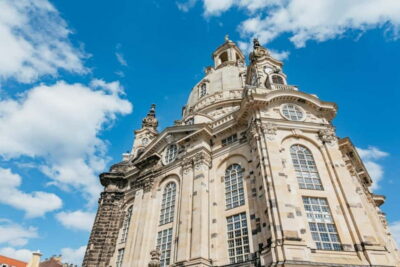
Dresden: Guided Walking Tour and Chocolate Museum Ticket
Read our review →
Düsseldorf: Chocolatier Workshop & Chocolate Tasting
Read our review →
Skip-the-Line Chocolate Museum & Old Town Guided Tour
Read our review →
Explore the Säntis Panorama (2502 m) and Appenzell incl. Swiss Chocolatier
Read our review →Chocolate lists with this tour