

Review · CHOCOLATE MAKING WORKSHOPS
Make your own Bean to Bar Chocolate Factory Tour
Chocolate has a longer journey than most sweets, and this hands-on Falmouth workshop follows it from cacao pod to finished bar. You’ll hear how Jamaican cocoa was used by the island’s Indigenous Taíno people, see the raw fruit and beans up close, roast cocoa in industrial machines, and make your own chocolate instead of simply watching a demonstration.
I like two things right away. First, Nick connects food with Jamaican history and his own family’s cocoa-growing background, giving the lesson a sense of place. Second, the practical kitchen lesson is unusually useful: you’ll learn to temper chocolate at home with a bowl, spatula, and hair dryer. The main consideration is that the chocolate is dark and fully vegan, so milk-chocolate fans should expect a different flavor.
Key points at a glance
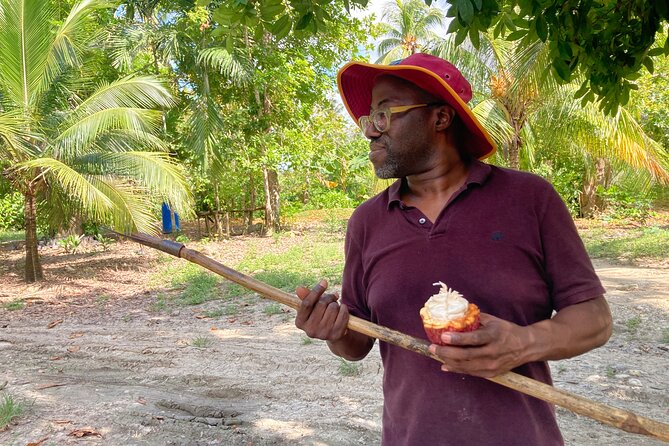
- A true bean-to-bar lesson: Follow cacao from fresh pod and fermented bean to nibs, roasted cocoa, and finished chocolate.
- Hosted by Nick and Marta: Nick brings experience as a former BBC correspondent and chocolate maker, while both hosts lead the tasting and making session.
- A hands-on Jamaican recipe: Make traditional Jamaican spiced chocolate with a twist, then create custom inclusion bars.
- Useful home technique: Learn a simple way to temper chocolate without professional equipment, using a hair dryer.
- Small group setting: The experience accepts a maximum of 12 people, which suits questions and personal instruction.
- Easy for a Falmouth port visit: Meet at 23 Harbour Lane at 9:00 am, with the activity lasting about 90 minutes and returning to the same point.
Why this Falmouth chocolate lesson feels different
Many chocolate classes begin with a bowl of melted chocolate and end with decorations on top. This one starts earlier. You’ll look at the cacao pod, learn how the beans are fermented on the farm, and see how the dried material becomes nibs before it reaches the stage you recognize as chocolate.
That wider view is the reason I would choose this experience over a basic confectionery class. You are not only making a sweet. You are learning how farming, processing, Jamaican food traditions, and modern craft production fit together.
The setting also matters. The factory is on the edge of the Caribbean Sea in Historic Port of Falmouth, an area that is often easiest to reach for people arriving by cruise ship. The meeting point is 23 Harbour Lane, and the class ends there, so you do not need to arrange a second pickup point.
Nick’s personal path adds another layer. He was a BBC correspondent before becoming a chocolate maker, and he uses that background to explain the subject as a story rather than a list of technical steps. His family has grown cocoa in the area for generations, so the Jamaican connection is central to the lesson.
More Bean-to-Bar Chocolate Tours in the world:
- 1.5h Belgian Chocolate Workshop in Brussels (bean to bar)
★ 4.5 · 462 reviews - Bean to Bar Chocolate Workshop in Puerto Vallarta
★ 5.0 · 381 reviews - Bean to Bar Chocolate Workshop in Barcelona
★ 5.0 · 172 reviews
Starting with Jamaica, cacao, and the Taíno
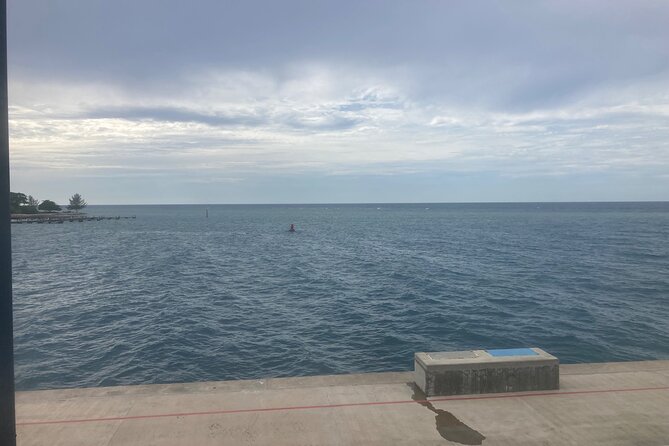
The session begins at 9:00 am and includes a brief account of Jamaica and the early use of chocolate. The discussion reaches back to the Indigenous Taíno people and then connects cacao with the island today.
This opening is valuable because chocolate can seem like a finished product with no visible link to agriculture. Seeing the earlier stages helps you understand why fermentation, roasting, and grinding affect the final taste. It also gives the tasting a local frame instead of treating Jamaica as just a backdrop.
You’ll hear how Nick moved from journalism into chocolate making, then get to know the people in your group before the practical work begins. That short introduction is useful in a class capped at 12 people. It keeps the session personal without making it feel like a private lesson.
Do not expect a long formal lecture. The experience lasts about an hour and a half, so the historical section is designed to set up the making and tasting. If you want a full account of Jamaica’s cocoa trade, farming economy, or colonial past, this is not that kind of tour. Its history is brief and tied directly to chocolate.
Seeing the cacao pod before tasting the bar
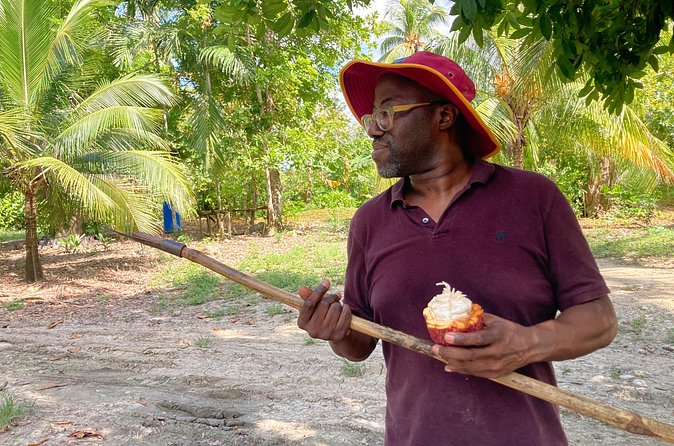
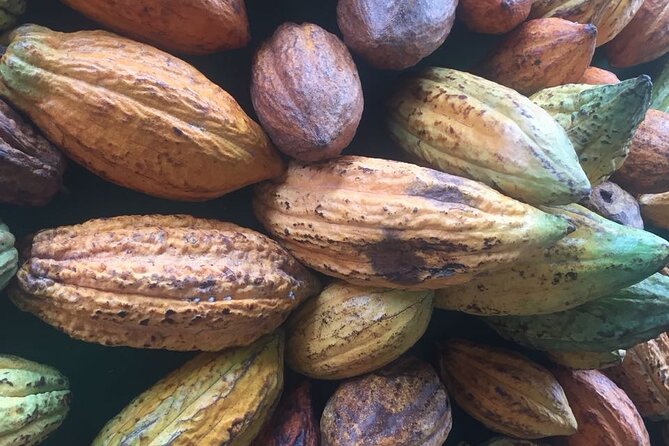
One of the most worthwhile moments is the close look at the cacao pod. You’ll see the fruit itself, inspect what is inside, and learn how the beans are handled on the farm.
That step gives you a useful visual reference. A finished chocolate bar hides nearly everything about its origin. The pod makes the process easier to picture, especially when Nick explains how the beans are fermented before they become nibs.
Fermentation is a key part of the story. It happens on the farm, before roasting, and helps shape the flavors that later appear in the chocolate. You do not need prior food knowledge to follow the explanation, and the physical pod makes the process less abstract.
The class then moves through the processing stages. You’ll learn about nibs, which are the pieces produced after the cocoa beans are processed, and how they lead toward the chocolate you eventually handle. The value here is not just information. It gives you a better sense of why handmade chocolate can taste different from a mass-produced bar.
Roasting cocoa in the factory machines
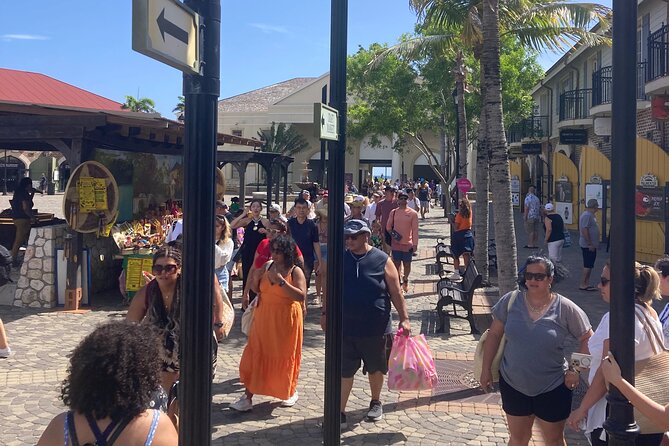
The workshop includes roasting cocoa in large industrial machines. This is where the class shifts from farm story to working production space.
Roasting is one of the moments that makes the factory setting worthwhile. You are not only hearing about a technique in theory. You get to see the scale of the equipment and take part in a stage that affects the aroma and flavor of the beans.
The machines also help explain why making chocolate at home is not identical to making it in a factory. The tour does not suggest that you need industrial equipment in your kitchen. Instead, the large roasters provide context before Nick shows you a simpler home method for handling chocolate.
This part should appeal to anyone interested in cooking processes, not only dedicated chocolate fans. It connects a familiar food with the machinery and preparation behind it. At the same time, the equipment may be more interesting than visually dramatic, since the tour is short and the focus remains on instruction rather than a long factory walk.
More Chocolate Making Workshops in the world:
- Vienna: Chocolate Workshop in Chocolate Museum w/ Tasting
★ 4.5 · 1,802 reviews - Brussels: Belgian Chocolate Making Workshop with Tastings
★ 4.7 · 1,629 reviews - Brussels: 2.5-Hour Belgian Chocolate Making Workshop
★ 4.8 · 933 reviews - Belgian Chocolate Workshop in Bruges
★ 5.0 · 660 reviews
Making Jamaican spiced chocolate
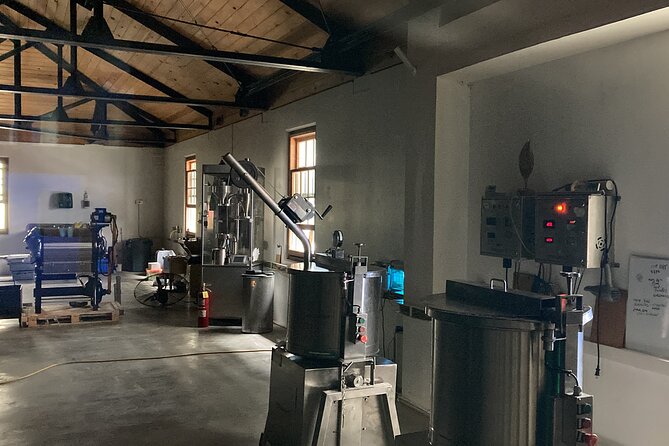
After the introduction and roasting, you’ll make a traditional Jamaican spiced chocolate with a twist. This is the point where the local setting becomes something you can taste.
The recipe matters because it avoids turning the class into a generic chocolate-making exercise. You are working with a Jamaican flavor idea rather than simply pouring chocolate into a mold. The exact twist is not specified in the available details, so you should expect the recipe to be explained during the class rather than arrive with a fixed list of ingredients in advance.
The chocolate is all vegan and dark. That is an important booking detail, not a footnote. If you usually choose milk chocolate, the flavor may seem stronger, less creamy, or more bitter than you expect. The description presents the dark chocolate as a fresh way to experience the subject, but you should book with the right taste preference in mind.
For people who already enjoy dark chocolate, this is likely one of the best parts of the workshop. For children or adults who prefer very sweet milk chocolate, the tasting could be less immediately comfortable. The class does not promise a separate milk-chocolate option.
Tempering chocolate with a hair dryer
The most practical lesson is the hand-tempering demonstration. Nick shows you how to temper chocolate at a kitchen table with only a bowl, a spatula, and a hair dryer.
That is a clever takeaway because it turns a professional-sounding technique into something you can try at home. Tempering helps give chocolate a smooth finish and a pleasant snap, and the lesson focuses on making the process approachable rather than requiring specialist equipment.
You’ll want to pay close attention here. The method depends on handling the chocolate carefully, and the hair dryer is used as a simple heat source. The point is not to recreate a factory. It is to show you a workable kitchen hack using objects you may already own.
This detail also adds value to the $75 price. You are not leaving with only a tasting memory or a small souvenir. You are gaining a method that could be repeated later, though the available information does not specify how much chocolate you take home or the exact size of the finished bars.
Designing your own inclusion bars
The final making stage is the creation of custom inclusion chocolate bars. An inclusion is an ingredient added into the chocolate, giving you a chance to shape the bar rather than follow only the house recipe.
This is where the experience becomes personal. You have already learned about the pod, fermentation, roasting, and tempering. Now you use that knowledge to produce something with your own choices.
The details do not list the available inclusions, so you should not assume a particular fruit, spice, nut, or topping. Nick and Marta will guide the process, and the finished bars are described as bespoke, meaning they are made to your specifications during the class.
The wording also suggests that you get to see the bars revealed at the end. That gives the workshop a clear finish: you begin with raw cacao and leave having made a chocolate product yourself.
Because the total session is only about 90 minutes, this will be a compact introduction rather than a slow, professional confectionery course. You will get a taste of several stages, not a full apprenticeship in chocolate production. That is a fair trade for visitors with a limited port-day schedule.
What the $75 price buys you
At $75 per person, this is not the cheapest food activity in Jamaica. The value depends on whether you want more than a tasting.
You are paying for a small-group class, a local story, access to factory equipment, instruction in a home tempering method, a spiced chocolate activity, and a custom-bar session. The maximum group size of 12 should give the lesson a more personal feel than a large cruise excursion, although the exact group size on your date may be smaller or close to the limit.
I think the price makes the most sense for people who value participation. If you only want to sample Jamaican chocolate, you could find a less expensive way to do that. If you enjoy cooking, food history, and taking a practical skill home, the fee covers more than a simple tasting.
The short duration also helps cruise passengers. You have a defined 90-minute activity at one meeting point rather than a full-day commitment. Still, allow extra time around the class for getting to Harbour Lane and returning to your ship or next stop. The experience itself ends where it begins, but no transfer time is included in the stated duration.
Timing, group size, and Falmouth planning
The start time is 9:00 am. That early hour can be useful if you are visiting Falmouth for the day and want to keep the afternoon open. It may be less appealing if you prefer a slow morning, so check how the start time fits your arrival schedule.
One practical warning concerns time zones. A cruise passenger once arrived an hour early because ship time differed from island time and was still accommodated. I would not rely on that flexibility. Confirm local Jamaica time before setting out, especially if you are coming from a ship that displays its own onboard time.
The activity is near public transportation, and the meeting point is fixed at 23 Harbour Lane. No hotel pickup is listed. You should plan to reach the address independently and keep the location details available on your phone since the ticket is mobile.
The group limit of 12 is a strong point for a workshop. Chocolate making involves handling ingredients, listening to demonstrations, and asking questions. A smaller group makes it easier to see what is happening than a crowded presentation.
Who should book this experience
I would recommend it to you if you like food with a story, want to make something with your hands, or are curious about Jamaican ingredients beyond the usual rum and coffee conversation. It also suits cruise passengers who can reach Falmouth independently and want a local activity that fits into a short port visit.
Families may enjoy the visual stages, especially the pod, roasting equipment, and custom bars. The dark-chocolate focus is the main qualification. Children or adults who strongly prefer milk chocolate may not enjoy every tasting step as much.
It is also a good match for home cooks. The tempering technique is the most transferable part of the class, and the emphasis on a bowl, spatula, and hair dryer keeps it grounded in ordinary kitchen equipment.
I would look elsewhere if you want a long farm visit, a broad Jamaican food tour, or a factory tour focused mainly on machines. This is a focused chocolate lesson with history, tasting, and making packed into 90 minutes.
Should you book the Falmouth Chocolate Factory?
Book it if you want to understand how cacao becomes chocolate and then put that process into practice. Nick’s family connection to cocoa, his unusual move from BBC correspondent to chocolate maker, and Marta’s role in the hosting give the class a personal frame. The Taíno connection, fresh pod, factory roasting, Jamaican spice, home tempering trick, and custom bars make it more substantial than a quick sweet treat.
Think twice if you dislike dark chocolate or want a long, relaxed visit. The session moves through several stages in a short time, and the $75 cost is best justified by the hands-on instruction.
For a Falmouth port day, this is a strong choice for curious eaters and practical cooks. You leave with a better understanding of Jamaican cacao and, more importantly, a method you can try again after the vacation.
FAQ
Where does the chocolate experience begin?
It begins at 23 Harbour Lane in Falmouth, Jamaica.
What time does the activity start?
The activity starts at 9:00 am local time.
How long does the experience last?
It lasts approximately 1 hour and 30 minutes.
Where does the activity end?
It ends back at the meeting point at 23 Harbour Lane.
How many people can join?
The maximum group size is 12 people.
Is the chocolate vegan?
Yes. The experience uses dark chocolate and is fully vegan.
What will I learn about Jamaican cacao?
You’ll learn about the history and use of chocolate in Jamaica, including its connection to the Taíno people, and how cacao pods, fermented beans, nibs, roasting, and finished chocolate relate to one another.
Will I make my own chocolate?
Yes. You’ll make Jamaican spiced chocolate with a twist and create custom inclusion chocolate bars.
Can I cancel for a refund?
Yes. You can cancel at least 24 hours before the start time for a full refund. Cancellations or changes made less than 24 hours before the start time are not accepted for a refund.
More Chocolate Factory Tours in the world
- Lindt Home of Chocolate Museum Entry Ticket
★ 4.7 · 9,329 reviews - Zurich: City Tour, Cruise, and Lindt Home of Chocolate Visit
★ 4.5 · 4,624 reviews - Zurich Sights: Cruise, Lindt Chocolate and optional FIFA Ticket
★ 4.0 · 1,028 reviews - Full-Day Tour: Concord Waterfall, Chocolate Factory, Rum Distillery, Grand Etang
★ 5.0 · 871 reviews
Freshly tempered around the world
- Zurich Open-top Tour and Chocolate and Cheese Countryside★ 3.5 · 11 reviews
- Lindt Chocolate Museum with Cruise Transfer from Zurich★ 4.6 · 7 reviews
- Zurich: Chocolate Tasting and Walking Tour with a Local★ 4.2 · 13 reviews
- Zagreb: Lake Bled and Ljubljana Day Tour with Chocolate Gift★ 5.0 · 26 reviews
- York: Introduction to Chocolate Making Experience★ 4.9 · 10 reviews
- Zaandijk-Near Zaanse Schans Chocolate making demo & tasting★ 4.8 · 13 reviews
- Private Wine and Chocolate Tasting Experience★ 4.4 · 3 reviews
- Yarra Valley: Wine and Chocolate tasting tour.★ 5.0 · 5 reviews
More Chocolate Making Workshops to compare.
Vienna: Chocolate Workshop in Chocolate Museum w/ Tasting
Read our review →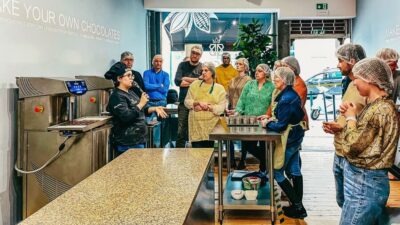
Brussels: Belgian Chocolate Making Workshop with Tastings
Read our review →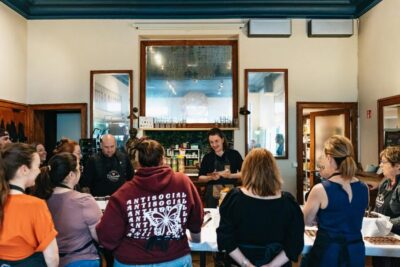
Brussels: 2.5-Hour Belgian Chocolate Making Workshop
Read our review →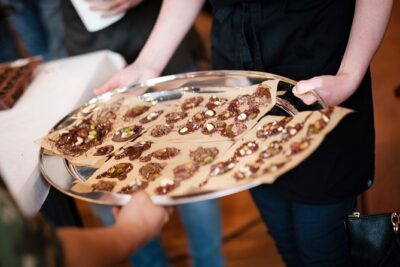
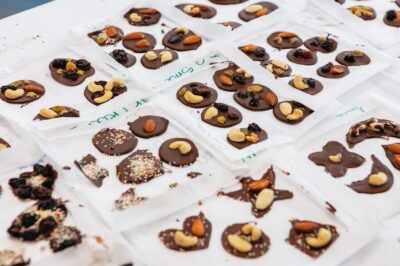
Bruges: Belgian Praline and Mendiants Chocolate Workshop
Read our review →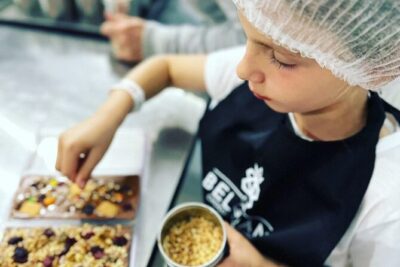
1.5h Belgian Chocolate Workshop in Brussels (bean to bar)
Read our review →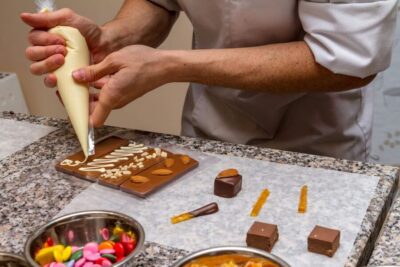
Paris: 45-minute Chocolate Making Workshop at Choco-Story
Read our review →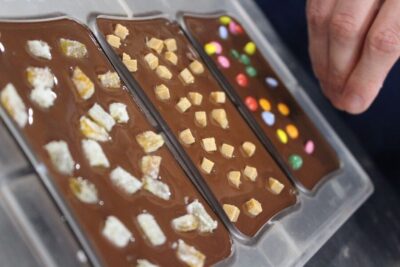
York: Chocolate Bar Making Workshop at York Cocoa Works
Read our review →Chocolate lists with this tour