Review · FRANCE
Paris: Choux Pastry and Chocolate Éclair Making Class
The real lesson here is not simply how to make a chocolate éclair. It is learning the small pastry decisions that make choux work: how to handle the dough, fill a piping bag, and judge the texture of crème pâtissière and Chantilly. You leave with practical recipes, a box of pastries, and enough confidence to try again at home.
I especially like the small groups of three to eight, which give the chef time to correct your piping and answer questions. I also like the convivial tea break, where a French host shares playful stories about pâtisserie and culture instead of treating the class like a silent kitchen drill. The main consideration is the price: at $151 per person, this is a splurge, and children under 12 cannot enter the kitchen.
Key points to know before booking
- You make the foundations yourself: Learn pâte à choux, crème pâtissière, Chantilly, and basic piping rather than simply decorating ready-made pastries.
- The class is near Notre-Dame: Le Foodist is at 59 rue Cardinal Lemoine in the Latin Quarter, making it easy to pair with sightseeing nearby.
- Expect personal instruction: Groups are limited to eight, and past classes have included hands-on guidance from chefs such as Stéphane and Florence.
- The menu goes beyond one éclair: You prepare chocolate éclairs, cream puffs, and other choux shapes, with some savory pastry work included.
- Tea is part of the experience: Coffee, tea, or organic fruit juice accompanies French pastry stories and your finished work.
- You take food home: Your pastries are packed in a box, and recipes are provided in English in both printed and electronic form.
Why choux pastry is a useful Paris cooking lesson
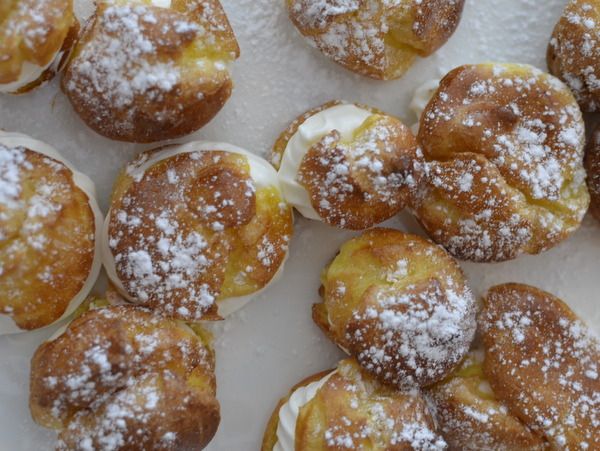
Choux pastry is a smart choice for a short class because it teaches several core pastry skills at once. You work with a cooked dough, learn how texture affects the final result, and practice piping before filling and finishing the pastries.
The dough, called pâte à choux, is used for éclairs, cream puffs, profiteroles, and other French pastries. It looks simple on paper, but small errors in moisture, mixing, or piping can affect how it rises. That makes it more useful than a class focused only on adding chocolate decorations.
You also make crème pâtissière and Chantilly. Crème pâtissière is the thick custard used to fill many French pastries, while Chantilly supplies a lighter, softly whipped contrast. Learning both gives you a base for future desserts, not just the treats made during this one afternoon.
I like this approach because you gain a repeatable kitchen skill. You are not just watching a pastry chef create something beautiful. You are handling the ingredients, following the stages, and learning why each step matters.
More Pastry and Chocolate Tours in France
- Paris French Sweets Tasting Tour with Pastries and Chocolates
★ 4.5 · 947 reviews - Saint-Germain: Gourmet Chocolate & Pastry Walking Food Tour
★ 4.8 · 495 reviews - Paris Chocolate, Macaron & Pastry Food Tour: 10 Gourmet Tastings
★ 5.0 · 339 reviews
Starting at Le Foodist in the Latin Quarter
The class meets at Le Foodist, 59 rue Cardinal Lemoine, 75005 Paris. The venue is in the Latin Quarter, only a short walk from Notre-Dame de Paris, so the location fits neatly into a day of exploring the Île de la Cité and nearby Left Bank streets.
You begin with a welcome refreshment and introductions. This matters more than it may sound. Baking requires shared equipment and a bit of kitchen space, so knowing the people around you helps the session feel relaxed from the start.
The group size is limited to eight, with some sessions operating with as few as three people. That is a good balance. You still have the social feel of a class, but you are less likely to disappear behind a crowd or wait too long for help with a piping bag.
The instruction is in English. Chefs who have led sessions include Stéphane, Florence, Anne, and others from the Le Foodist team. Stéphane has been praised for clear, energetic instruction and individual attention, while Florence has taught mixed groups that included serious home cooks, teenagers, and first-time bakers.
Two hours of hands-on pastry work
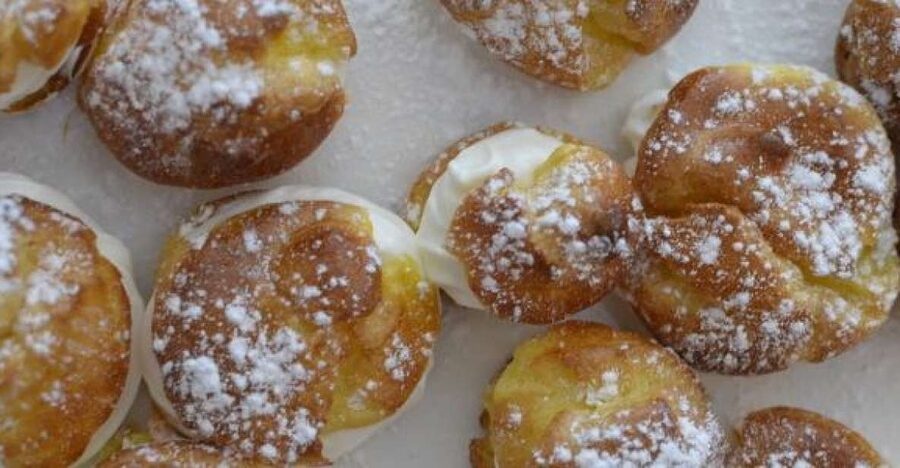
The main kitchen portion lasts about two hours within the three-hour experience. You work through pâte à choux, crème pâtissière, and Chantilly before using them in finished pastries.
Expect to roll up your sleeves rather than sit back and watch. The class is designed around hands-on instruction, with the chef explaining each stage and giving you a chance to apply it. If you have never made choux pastry, the method may feel unfamiliar at first, but the small group makes it easier to ask for help.
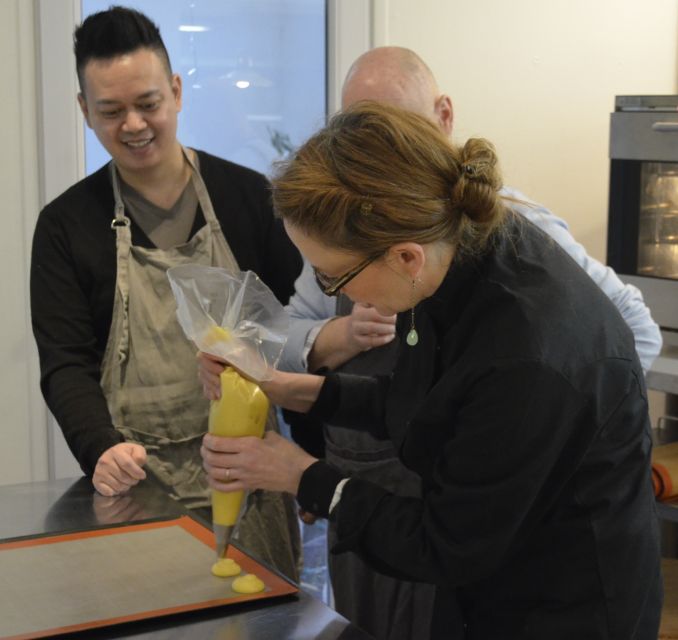
The piping stage is one of the most useful parts. You learn how to control the bag and form consistent shapes. This is not just a cosmetic skill. Even piping helps pastries bake more evenly and makes filling and decorating easier.
You then apply the technique to chocolate éclairs and cream puffs. The éclairs give you a long, narrow shape to pipe, while the puffs require a different approach. Working with both helps you understand how the same dough can become different pastries.
The class may also include other choux variations and some savory delicacies. One especially memorable shape mentioned by a past participant was the traditional swan, an old-fashioned choux design that requires more shaping than a standard puff. The exact selection can vary, but you should expect more than one pastry form.
Making crème pâtissière and Chantilly from scratch
The filling work gives the class its practical value. A good éclair depends on more than the shell. The custard must be smooth and firm enough to fill the pastry, while Chantilly needs the right texture to stay light without becoming loose.
The chef explains the method as you work, including the reasons behind the steps. That kind of explanation is helpful at home because it gives you something to watch for beyond simply following a recipe.
You receive the recipes in English in two formats, a printed copy and an electronic copy. The hard copy is handy during the class, while the electronic version makes it easier to save the instructions for later. Since the recipes cover the main components, you can use them to repeat the work after returning home.
This is also where the class may suit both beginners and experienced cooks. A first-time baker gets a guided introduction, while a more serious home cook can focus on texture, technique, and the small corrections that make pastry more reliable.
More Pastry and Chocolate Tours in Paris
- Paris Pastry Tour – Croissants, Macarons & Iconic French Desserts
★ 5.0 · 232 reviews - Saint-Germain The Original Chocolate Tasting Tour with Pastries and Macaron
★ 4.5 · 215 reviews - Paris: Montmartre Chocolate & Pastries Tour with 8+ Tastings
★ 4.7 · 131 reviews - Croissants and pains au chocolat with a pastry chef in Paris
★ 5.0 · 123 reviews
Piping chocolate éclairs and cream puffs
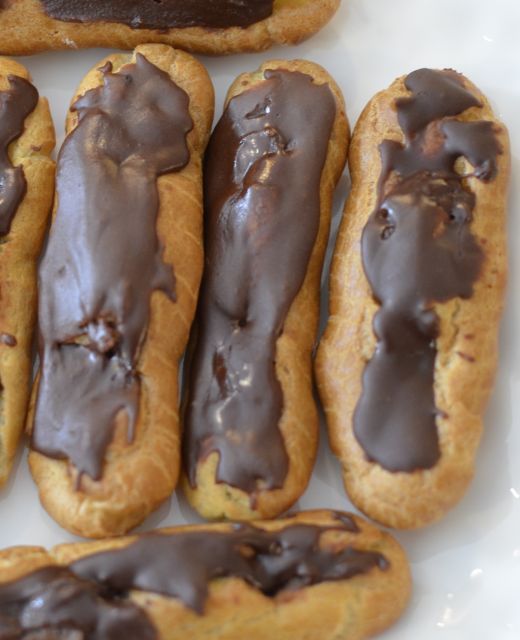
Piping is often the point where a pastry class becomes genuinely useful. It is easy to understand the idea of an éclair, but harder to produce evenly shaped shells without guidance.
You practice the motion under instruction, then use the dough for your own pastries. The chef can help you adjust pressure, angle, and spacing. In a group of eight or fewer, you have a fair chance of receiving direct feedback instead of trying to copy a demonstration from across a large room.
The finished éclairs and puffs are not merely practice pieces. They are served later with tea, coffee, or organic fruit juice, and the remaining pastries go home with you. That makes the work feel purposeful, even if your first shapes are not perfectly uniform.
Do not expect a professional pastry school session. You have only about two hours of kitchen work, and the class also includes social time and storytelling. The goal is a friendly, practical introduction to French pastry, not mastery of every éclair technique in one afternoon.
Tea, French stories, and a welcome change of pace
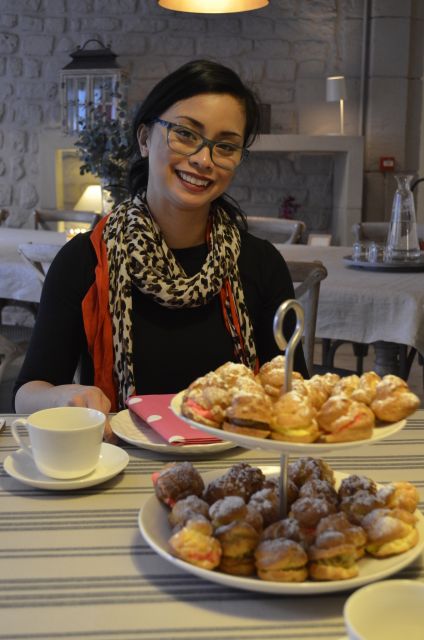
After the baking work, the class shifts into a tea-time gathering. You can enjoy the pastries with tea, coffee, or organic fruit juice while the French host shares stories about culture and pâtisserie.
The tone is meant to be playful. The host has been described as a convivial Frenchman who tells tongue-in-cheek stories, and past instructors such as Anne have been praised for wit and warmth. This makes the class feel tied to French food culture rather than just being a technical workshop.
I like this pause because pastry is traditionally social. You have made food together, then sit down to taste it. It gives the experience a clear finish and lets you compare results with the rest of the group without turning the afternoon into a competition.
The storytelling may be less important to you if you want nonstop kitchen time. In that case, remember that the class is a cultural experience as well as a baking lesson. The tea portion is part of the design, not filler.
What you take home
You leave with a box of your own pastries. The amount is not specified, so you should not book this expecting a fixed number of éclairs or puffs. Still, the takeaway is a useful part of the value, especially if you are sharing the treats with friends or family.
You can also keep them for yourself over the next couple of days. Since the pastries are made during the class, the box gives you a second chance to taste the results later and think about what you would change when baking at home.
The recipe package may be the more lasting souvenir. A box of éclairs disappears quickly. An English recipe set, paired with the memory of making the dough and fillings, gives you a way to repeat the experience in your own kitchen.
Is $151 a fair price?
At $151 per person, this is not a bargain cooking demonstration. You are paying for a three-hour experience, a small group, an English-speaking pastry chef, use of the equipment and apron, the recipes, refreshments, tea-time storytelling, and the pastries you make.
The price makes the most sense if you want active instruction. A casual visitor looking only for a taste of French dessert can buy an éclair at a pâtisserie for much less. This class is for learning how the pastry is made and spending an afternoon doing it yourself.
The small group improves the value. A class capped at eight gives the instructor more room to help with piping and dough texture. It also works well for a pair of friends, a parent and older teenager, or a solo participant who wants a social activity. One participant specifically found it enjoyable with a friend, but the format also works if you arrive alone.
I would be more hesitant if you are already an advanced pastry cook and want highly technical instruction. The class is broad and friendly, with time devoted to stories and tea. Its strength is accessibility and atmosphere, not an intensive professional curriculum.
Who will enjoy this class most
This experience is a good fit for:
- First-time bakers who want clear, guided instruction
- Home cooks who want dependable choux, custard, and Chantilly recipes
- Couples, friends, and parent-child pairs
- Solo visitors who enjoy small-group activities
- Anyone interested in French food culture as well as technique
- Visitors staying near the Latin Quarter or Notre-Dame
Children under 12 cannot enter the kitchen and cannot participate. Participants aged 12 to 16 must be accompanied by a participating adult, so this is not a drop-off activity. Unaccompanied minors are not allowed.
The class may also suit a mixed-ability group. Past sessions have included teenagers, experienced adult cooks, and people baking for the first time. The instructor adjusts through explanation and individual help, though the experience still requires you to work in a shared kitchen setting.
Planning the three-hour experience
Allow the full three hours rather than treating this as a quick stop between major sights. The session includes a welcome drink, about two hours of kitchen work, and time to enjoy the finished pastries with tea, coffee, or juice.
Because the meeting point is close to Notre-Dame, you can pair it with sightseeing in central Paris. Still, arrive with enough time to find 59 rue Cardinal Lemoine and settle in. The exact starting time depends on availability when you book.
The activity offers free cancellation up to 24 hours before the start time, and you can reserve now and pay later. Those terms are useful if your Paris schedule is still changing, but you should still check the selected date and start time before committing.
Wear something suitable for kitchen work. An apron and cooking equipment are provided, but you will be handling dough, fillings, and chocolate, so practical clothing is the sensible choice.
Final verdict: book it if you want to bake, not just eat
I would book this class if you want a hands-on Paris activity with a strong food focus. The small group, English instruction, personal help with piping, and recipes in two formats give it real practical value. The tea stories and takeaway box add warmth without replacing the kitchen work.
I would skip it if your main goal is a quick pastry tasting or if $151 feels too high for a single afternoon. You can find excellent éclairs elsewhere in Paris for less money, but you will not get the skill, instruction, and memory of making them yourself.
For most curious home bakers, this is a well-balanced choice. You learn the building blocks of several French pastries, eat what you make, and leave with enough material to try again at home.
FAQ
Where does the choux pastry class take place?
The class takes place at Le Foodist, 59 rue Cardinal Lemoine, 75005 Paris, in the Latin Quarter. The venue is a short distance from Notre-Dame de Paris.
How long does the experience last?
The full experience lasts three hours. About two hours are devoted to hands-on pastry work, with time also set aside for a welcome refreshment and tea-time stories.
What pastries do you make?
You make pâte à choux, chocolate éclairs, and cream puffs. The class can also include other choux shapes and some savory delicacies.
Is the class taught in English?
Yes. The listed instruction language is English, and the recipes are provided in English in both printed and electronic formats.
Can children participate?
Children under 12 cannot enter the kitchen and cannot participate. Participants aged 12 to 16 must be accompanied by a participating adult. Unaccompanied minors are not allowed.
What is included in the price?
The $151 price includes the hands-on class, cooking equipment, an apron, English recipes in printed and electronic formats, tea-time stories, refreshments, and a box of pastries you make during the class.
More Chocolate Making Workshops in Paris
- Paris: 45-minute Chocolate Making Workshop at Choco-Story
★ 4.4 · 444 reviews - Paris : 45 min Chocolate Workshop at Choco-Story Paris
★ 4.0 · 51 reviews - Praliné Rocher Chocolate making class in Paris (collective)
★ 5.0 · 23 reviews - Molded Bonbons Chocolate making class in Paris (collective)
★ 4.5 · 20 reviews
Freshly tempered around Paris
- Private Wine and Chocolate Tasting Experience★ 4.4 · 3 reviews
- Paris Sweet & Chocolate Family Treasure Hunt★ 5.0 · 37 reviews
- Molded Bonbons Chocolate making class in Paris (collective)★ 4.5 · 20 reviews
- Private Wine and Chocolate Tasting in Paris★ 4.5 · 4 reviews
- Pure Chocolate Tour in Paris★ 5.0 · 20 reviews
- Expert-Led Sweet Secrets of Paris Pastry & Chocolate Marathon★ 5.0 · 3 reviews
- Paris Small-Group Montmartre Chocolate & Pastry Walking Tour★ 5.0 · 15 reviews
- Private Dark Chocolate Tasting Tour in Paris★ 5.0 · 4 reviews
More France Chocolate Tours to compare.
Paris: Entrance Ticket to the Chocolate Museum
Read our review →
Paris French Sweets Tasting Tour with Pastries and Chocolates
Read our review →
A Morning in Paris Food Tour: Croissants, Baguettes & Chocolate
Read our review →
Saint-Germain: Gourmet Chocolate & Pastry Walking Food Tour
Read our review →
Paris: 45-minute Chocolate Making Workshop at Choco-Story
Read our review →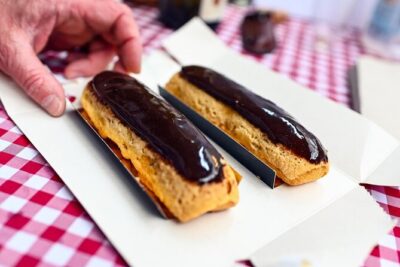
Paris Chocolate, Macaron & Pastry Food Tour: 10 Gourmet Tastings
Read our review →
Passy-Grigny: Chocolate and Champagne Tasting Tour
Read our review →