
Review · PORTUGAL
Porto: Cálem Cellar with Chocolate, Cheese, and Wine Tasting
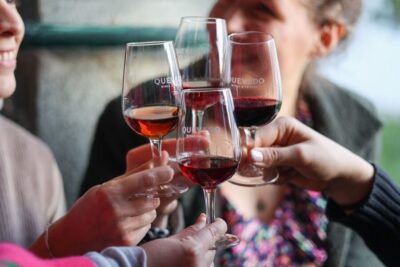
Port becomes much easier to understand when you taste it beside food. At Cálem, you walk through an active cellar, learn how the Douro region shapes the wine, then compare three very different Ports with cheese and chocolate. The tasting is the star, especially if you are new to Port.
I like the clear progression from production to tasting, and I like that the food pairings help you notice fruit, wood, caramel, and sweetness instead of simply drinking three samples. The guides can add real character too. Matthew, Anna, and Anastasia have all been praised for lively, clear presentations. The main drawback is group size: at busy times, the guide can be hard to hear, and the cellar talk may feel brisk.
Key points to know before you book
- Three distinct Ports: Taste Cálem Late Bottle Vintage, Cálem Vintage, and 20-year-old Tawny.
- Food pairing included: Try goat cheese from Trás-os-Montes, São Jorge cheese, chocolate tartlets, crackers, and jam.
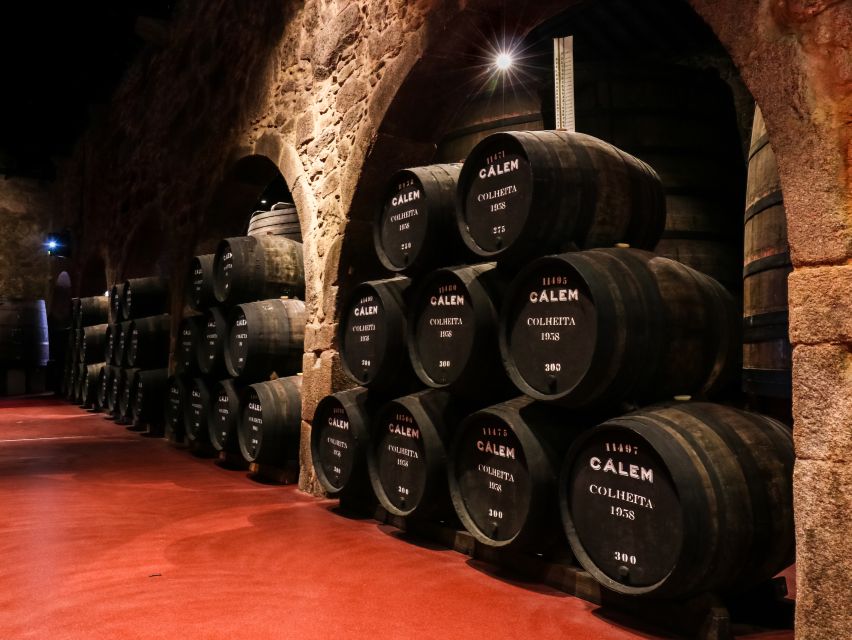
- Active cellar visit: See the barrels and learn how Port matures away from light and heat.
- Interactive museum: Use the museum visit to get a simple introduction before the cellar explanation.
- One-hour format: A good fit for a short Porto schedule, though some visits run longer.
- Languages and access: Tours are offered in English, French, Portuguese, and Spanish, with wheelchair access listed, but the activity is also marked unsuitable for people with mobility impairments.
Why this Cálem visit works for Port beginners
Port can seem like one broad category until you taste several styles side by side. This experience gives you that comparison in a tidy format, without requiring a full day in the Douro Valley or a long formal wine course.
You start with the story of Cálem and the Douro Demarcated Region. The guide explains where Port comes from and how it is produced. That context matters because Port is not simply a sweet red wine poured after dinner. The wine’s style depends on how it is aged, and the three samples show that difference clearly.
I like this approach because you learn just enough before tasting. You are not asked to memorize technical terms first. You see the cellar, hear the basic production story, and then use the glass and the food to make sense of it.
The experience has earned a very high overall rating, with 4.6 out of 5 from 310 ratings. The strongest praise focuses on the same points: the explanation of Port production, the quality of the tasting, and the pleasure of matching wine with cheese and chocolate.
More Chocolate and Cheese Tours in the world:
- Zurich Food Tour with 10 Local Delicacies, Cheeses & Chocolates
★ 5.0 · 307 reviews - Gruyères Tour from Geneva With Train, Chocolate and Cheese
★ 4.5 · 258 reviews - From Zurich: Chocolate and Cheese Tour in Appenzell
★ 4.2 · 224 reviews
Inside the active Cálem cellar
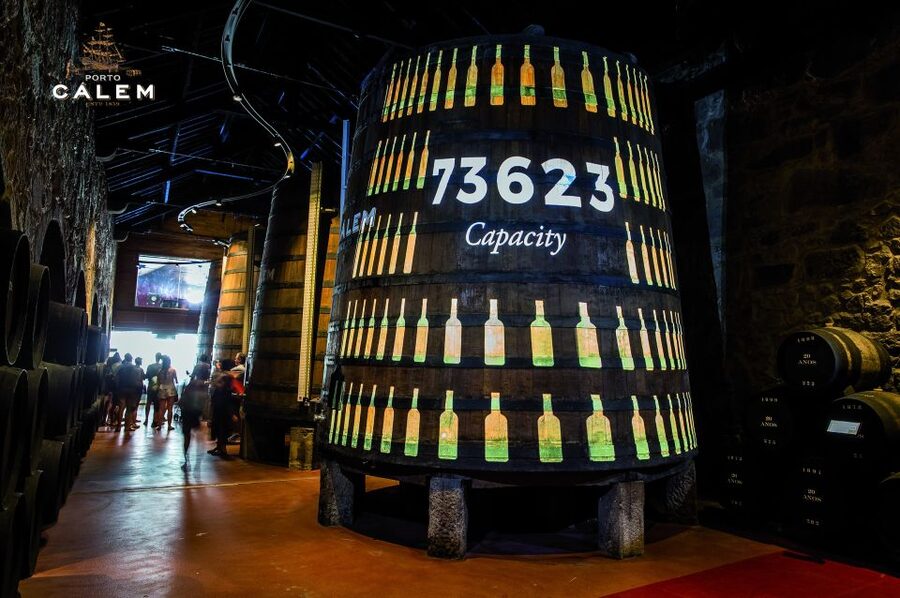
The cellar is not just a display room built for photographs. It remains active and visitable, with barrels where the Port matures. The guide explains why the wine is stored away from strong light and heat, and how those conditions affect its development.
This is the part that gives the tasting some purpose. You learn about the place where the wine changes before you taste the finished styles. The cellar setting also helps explain why Port has such a strong connection with Vila Nova de Gaia, across the river from Porto’s historic center, even though the grapes come from the Douro region.
Expect a guided walk rather than a long technical seminar. The standard experience is sold as one hour, and the cellar portion can feel compact. Some visitors spend roughly 30 to 45 minutes on the visit and museum before moving to the tasting. At quieter times, the whole appointment may stretch to around two hours, but you should not count on that if you have another booking afterward.
The chief practical issue is sound. Several tour groups may be in nearby parts of the cellar at once. A large group can make it difficult to see the guide or catch every sentence, particularly if the guide speaks quickly. Stand near the front when possible, and do not hesitate to ask for a point to be repeated.
The Cálem Interactive Museum
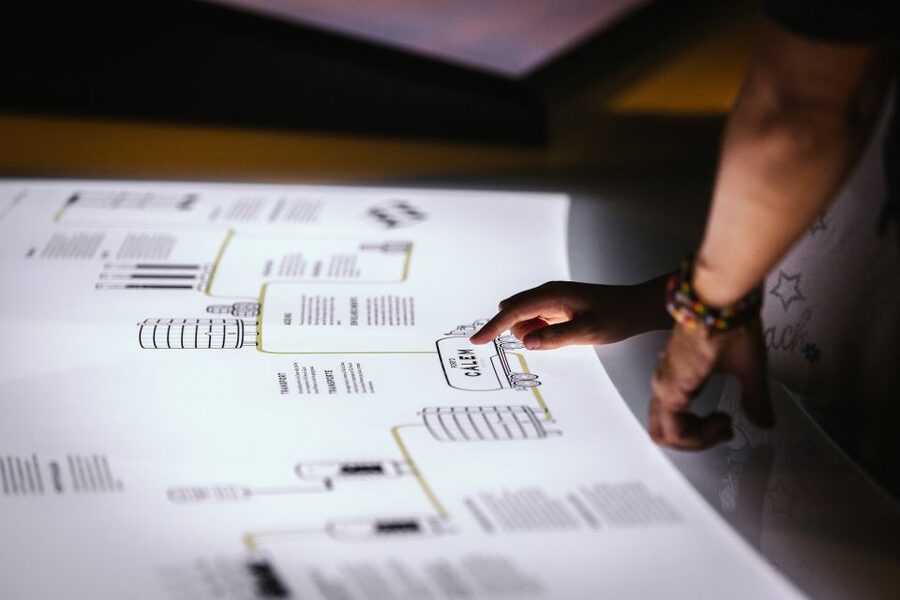
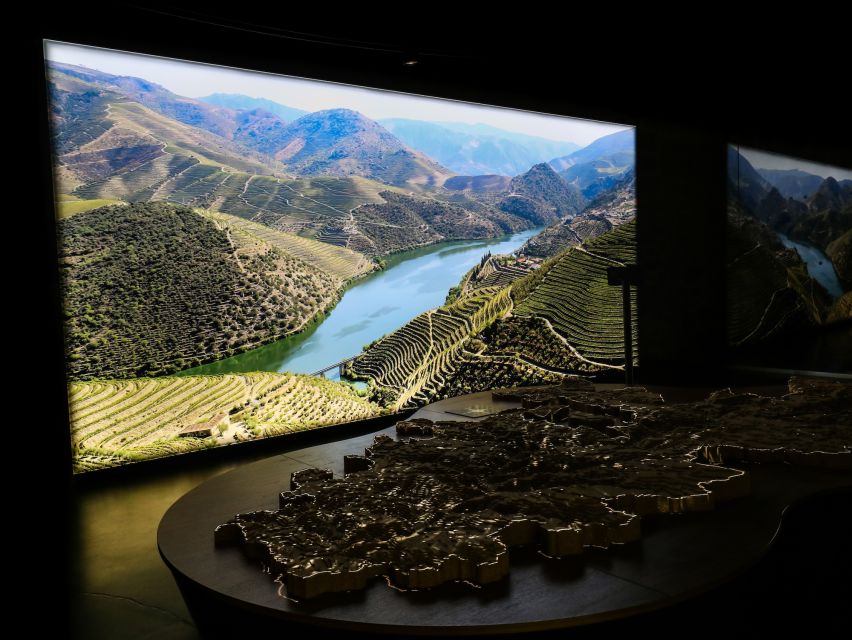
The museum adds visual material to the cellar tour and helps break up the spoken explanation. A typical visit allows about 15 minutes for this section, enough to follow the basic path from grapes in the Douro to Port in the bottle.
I would not book this experience mainly for the museum. Its real value is that it gives first-time Port drinkers a quick framework. You can then listen to the cellar explanation with a better sense of what you are looking at.
The interactive elements also make this a reasonable choice for mixed groups. One person may care about wine production, while another prefers visual displays and the final food. The museum gives both of you something to follow before the tasting begins.
Still, this is an introduction, not an in-depth study of Douro viticulture. If you already know the difference between the major Port categories, the museum and cellar talk may feel familiar. The attraction is better suited to curious beginners than serious Port collectors.
Three wines, three different lessons
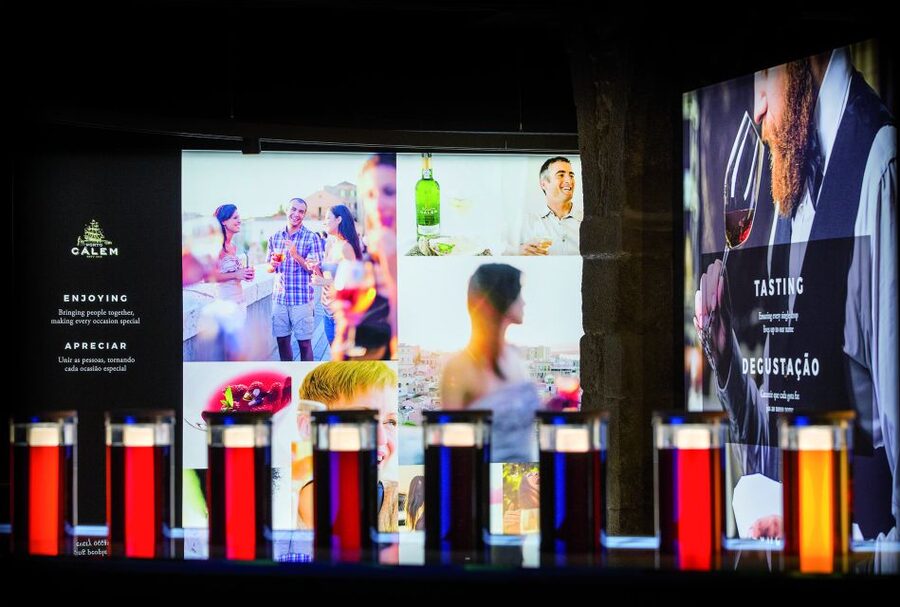
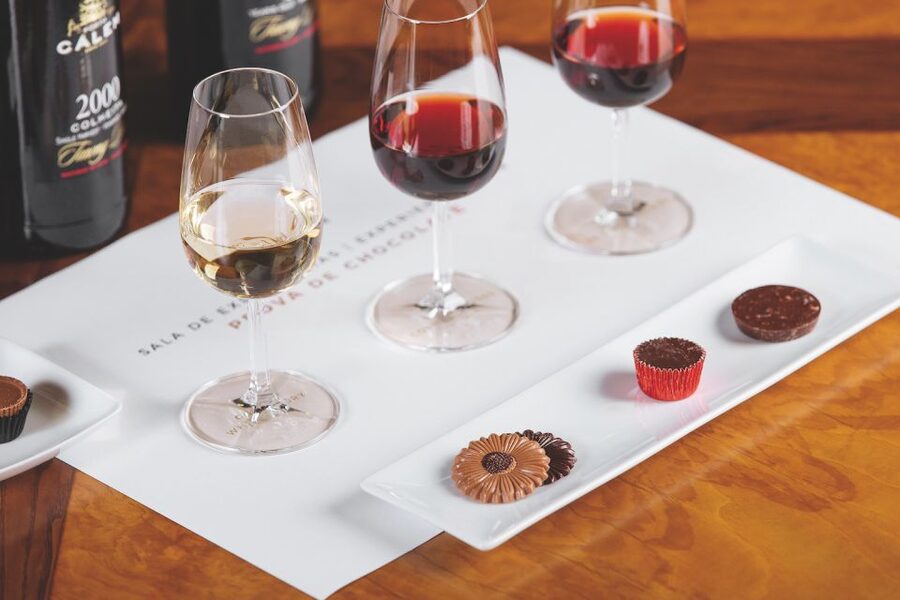
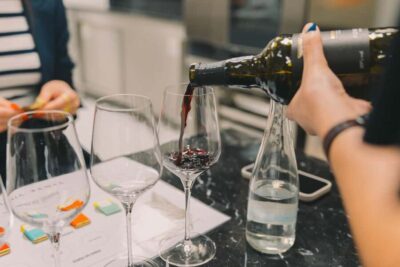
The tasting includes Cálem Late Bottle Vintage, Cálem Vintage, and Cálem 20-year-old Tawny. That selection gives you a useful contrast between styles, age, and character.
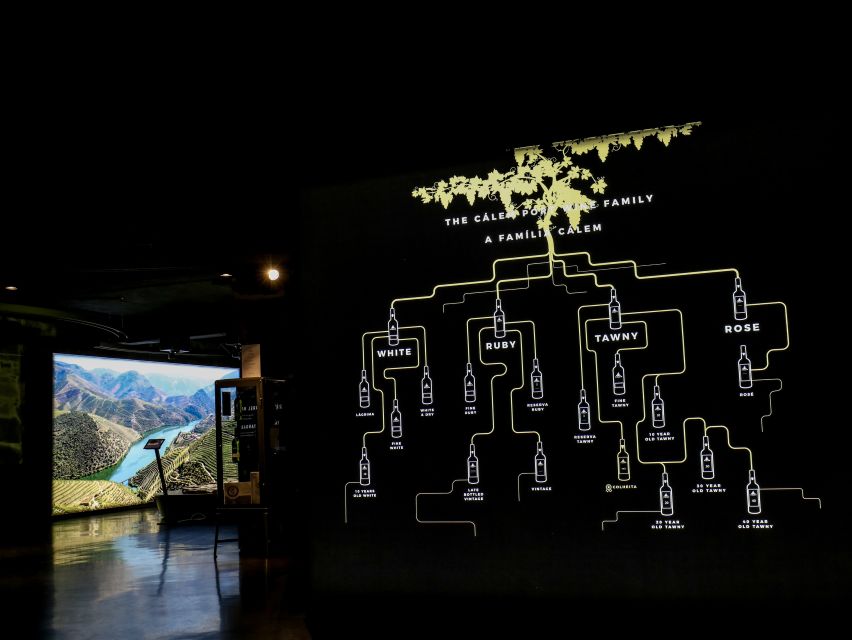
Late Bottle Vintage, often shortened to LBV, provides a fruit-forward point of comparison. Cálem Vintage gives you another style to place beside it. The 20-year-old Tawny shifts the focus toward the qualities that develop with longer aging, including the woody and caramel notes discussed during the tasting.
The order matters. You are guided through the wines in a way that lets you compare them rather than treat each one as an isolated sample. A good guide will explain what to look for and which food works best with each glass.
The portions are tasting measures, not full glasses. That is appropriate for a one-hour introduction, but keep it in mind if you are expecting a long drinking session. The value here is comparison and instruction, not quantity.
I especially like that the tasting includes styles that many first-time visitors might otherwise confuse. A sweet red Port served at the end of a meal is only one small part of the category. After this visit, you should have a clearer idea of why a Tawny tastes different from a Vintage or LBV.
More Wine and Chocolate Tours in the world:
- Melbourne: Yarra Valley Wine, Gin, Whisky and Chocolate Tour
★ 5.0 · 3,667 reviews - Epic Yarra Valley Wine Tour + Lunch, Chocolate & Gin/Beer Option
★ 5.0 · 1,819 reviews - Amazing Yarra Valley Wine Tour + Chocolate, Farm Fresh, Gin
★ 5.0 · 1,566 reviews - Melbourne: Yarra Valley Wine, Gin, Whisky and Chocolate Tour
★ 4.9 · 1,209 reviews
Cheese, chocolate, crackers, and jam
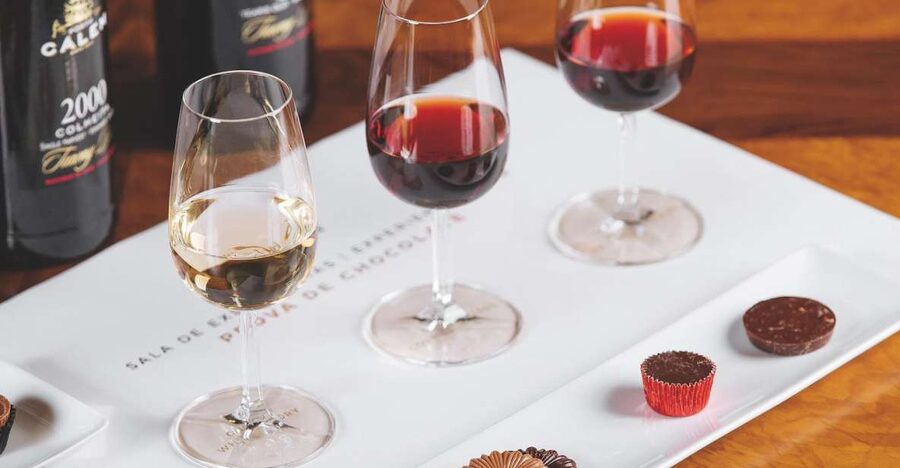
The food is more than decoration. You are served goat cheese from Trás-os-Montes, São Jorge cheese from the Azores, black and milk chocolate tartlets, crackers, and jam.
The two cheeses offer a useful contrast. The goat cheese brings a stronger, more distinct flavor, while São Jorge cheese gives you a different texture and salt profile. The chocolate pairings help show why Port works so well at the end of a meal, but they also underline the wine’s sweetness.
You may be guided to match particular foods with particular Ports. That is where the tasting becomes more memorable. Instead of simply hearing that one wine is fruity and another is woody, you can test the pairing yourself.
The included food makes the $53 price easier to justify. You are paying for the cellar entrance, the guided explanation, the museum, three Port samples, and a prepared tasting plate. It is not the cheapest way to taste Port in Porto, but it is a fair price if you want structure and instruction rather than a quick pour at a bar.
The portions are still a light tasting, not a meal. If you are hungry, eat beforehand or plan lunch afterward. The cheese, chocolate, crackers, and jam add substance, but they do not turn the visit into a full food tour.
The guides make a real difference
The experience depends heavily on the person leading your group. Matthew has been singled out for an informative and entertaining presentation. Anna has been praised for keeping the pace relaxed, and Anastasia received strong marks for a professional presentation.
That does not mean every departure will feel the same. Some groups have found the cellar talk engaging and funny, while others have found the guide difficult to hear or too fast. One complaint described a large group where questions were hard to fit in. Another noted that the tasting instructions at the end became confusing.
This is common in a busy working cellar, but it affects the value. If you want a quiet, personal tasting with extended conversation, this may not be the right format. If you are happy with a shared group visit and a clear introduction, the experience should suit you well.
The tasting staff may be separate from the cellar guide. That can work smoothly, but it can also make the handoff feel less personal. Pay attention to where your group is directed after the cellar visit so you do not lose time or end up in the wrong tasting area.
How long should you allow?
The listed duration is one hour. That makes it easy to fit between other Porto plans, especially if you want a compact wine experience rather than a full afternoon.
In practice, allow extra time if your schedule is tight. Some visits have lasted close to two hours, with a slower pace and an unhurried tasting. Others have felt more compressed, particularly when the group was large or the guide had to keep several appointments moving.
I would leave at least 30 minutes of breathing room after the scheduled finish. That protects you from missing a train, restaurant reservation, or another timed activity.
The pace can also depend on the number of people in your group. A smaller group makes it easier to hear the guide and ask questions. A larger group may give the visit a more organized, public-tour feel, with less individual attention.
Who should book this experience?
This is a strong choice for a first visit to Porto, especially if you want to understand Port rather than simply sample it. It also suits couples and families with an adult tasting interest, since the cheese and chocolate give non-drinkers something to enjoy, though the activity itself centers on wine.
It is useful for anyone who has tasted Port but cannot yet tell a Tawny from a Vintage. The three-wine comparison gives you a practical starting point without demanding specialist knowledge.
I would be more cautious if you have mobility limitations. The activity information lists the cellar as wheelchair accessible, but it also says the experience is not suitable for people with mobility impairments. That conflict is important. Confirm the specific departure and route before booking rather than assuming every area will work for you.
People with food allergies should also check the ingredients carefully. The listed allergens include milk, dried fruits, soy, nuts, and eggs. The cheese, chocolate, crackers, and jam are part of the experience, so this is not a minor detail.
Is $53 good value?
At $53 per person, this is a midrange Porto tasting. You can find cheaper ways to try a glass of Port, but those usually do not include a cellar visit, museum access, a guided production explanation, and several food pairings.
The price makes the most sense if you value context. You are paying to understand what you are drinking, not just to drink it. The three styles give you a useful comparison, and the cheese and chocolate help you remember the differences.
The value drops if you want an advanced Port lesson or a very intimate setting. The tour is designed for a broad audience, and the cellar explanation may cover familiar ground for anyone already well versed in Port. Large groups can also reduce the personal feel.
For most first-time visitors, I consider the cost reasonable, particularly if you want a short, organized activity in Vila Nova de Gaia. The free cancellation policy up to 24 hours before the experience and the reserve-now, pay-later option also make it easier to fit into a changing Porto schedule.
Should you book the Cálem tasting?
Book it if you want a practical introduction to Port with a clear tasting structure. The active cellar, interactive museum, three different wines, and generous range of cheese and chocolate make this more useful than a simple tasting flight.
Go in expecting a shared tour, not a private wine lesson. Arrive ready to stand, stay near the guide, and allow extra time beyond the advertised hour. If you do that, the experience offers a pleasant balance of place, explanation, and food.
I would choose this Cálem visit for a first Port experience, a rainy afternoon, or a mixed group that wants both culture and tasting. I would skip it only if you already know Port well, need a guaranteed small group, or have mobility or allergy concerns that have not been confirmed in advance.
FAQ
Where does the Cálem Port tasting take place?
The experience takes place at Cálem Cellars in the Norte Region of Portugal, in the Porto area. The exact meeting point can vary according to the option booked.
How long does the experience last?
The stated duration is one hour. Some visits may take longer, with one reported experience lasting about two hours.
Which Port wines are included?
The tasting includes Cálem Late Bottle Vintage, Cálem Vintage, and Cálem 20-year-old Tawny.
What food is served with the Port?
The pairing includes goat cheese from Trás-os-Montes, São Jorge cheese from the Azores, black and milk chocolate tartlets, crackers, and jam.
Which languages are available?
The live guide may conduct the experience in English, French, Portuguese, or Spanish.
Is the Cálem cellar wheelchair accessible?
The activity information lists it as wheelchair accessible, but it also says it is not suitable for people with mobility impairments. Confirm the exact route and option before booking.
What allergens are listed?
The listed allergens are milk, dried fruits, soy, nuts, and eggs.
Can I cancel the booking?
You can cancel up to 24 hours in advance for a full refund. A reserve-now, pay-later option is also available.
Freshly tempered around the world
- Zurich Open-top Tour and Chocolate and Cheese Countryside★ 3.5 · 11 reviews
- Zurich: Chocolate Tasting and Walking Tour with a Local★ 4.2 · 13 reviews
- Lindt Chocolate Museum with Cruise Transfer from Zurich★ 4.6 · 7 reviews
- Zagreb: Lake Bled and Ljubljana Day Tour with Chocolate Gift★ 5.0 · 26 reviews
- Zaandijk-Near Zaanse Schans Chocolate making demo & tasting★ 4.8 · 13 reviews
- York: Introduction to Chocolate Making Experience★ 4.9 · 10 reviews
- Private Wine and Chocolate Tasting Experience★ 4.4 · 3 reviews
- Yarra Valley: Wine and Chocolate tasting tour.★ 5.0 · 5 reviews
More Portugal Chocolate Tours to compare.

Porto: Chocolate Museum – Unwrap the Secrets of Chocolate
Read our review →
Tavira Tuk Tuk Tour – Chocolate Tour – Tavira City & Chocolate
Read our review →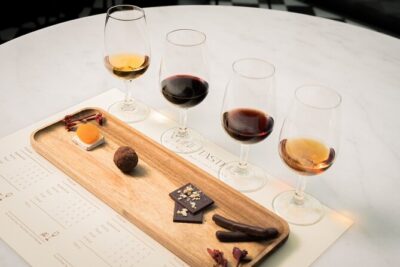
Porto Best of the Best Port Tasting with Artisan Chocolates
Read our review →
Porto: Chocolate Museum – Chocolate’s Delicious Journey + Tasting
Read our review →
Chocolate lists with this tour