Review · MEXICO
Make Your Own Chocolate with Oaxacan Tradition Private Class
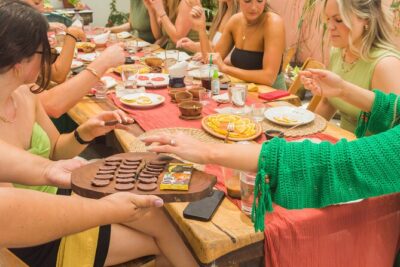
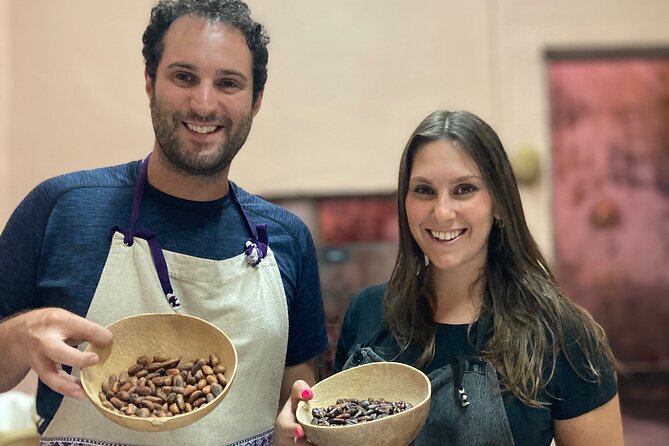
The best part of this Oaxaca chocolate class is that you do not simply taste a finished product. You roast cacao on a clay comal, peel it by hand, grind it, and decide how sweet and how boldly flavored your own chocolate will be. The final drink comes with a cocoa toast, and you keep the chocolate you made.
I like the small maximum of four people, which gives the session a personal feel. I also like the connection to local craft: the comal comes from San Marcos Tlapazola, and the class explains cacao through Oaxacan foodways rather than treating chocolate as a generic dessert. The main consideration is time. It is advertised at about two and a half hours, but the hands-on work and tasting can stretch closer to three.
Key points to know before booking
- Roast cacao on a clay comal: The comal comes from San Marcos Tlapazola in Oaxaca’s Central Valleys.
- Make a custom chocolate blend: You choose the sugar percentage and mix in regional ingredients.
- Learn the difference between cacao and chocolate: The opening lesson covers seed qualities, commercial chocolate, and conscious chocolate.
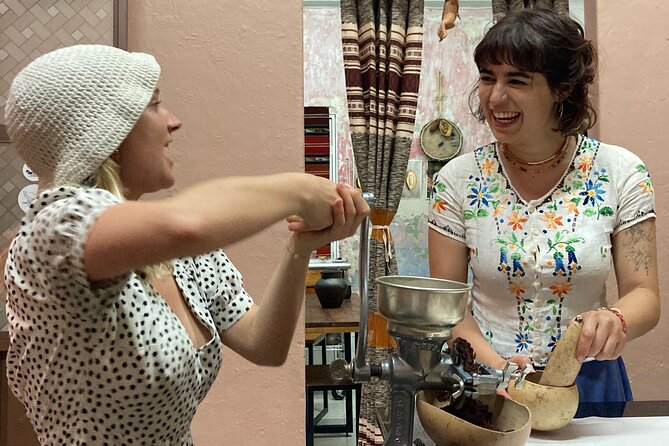
- Prepare a traditional drink: You use a grinder to blend your finished chocolate into a drink.
- Take home what you make: Your own handmade chocolate becomes an edible souvenir.
- Small-group setting: The class has a maximum of four people and is offered in English.
Starting with cacao, not candy
This class begins with a useful correction to the way many people think about chocolate. Cacao is the seed and raw material. Chocolate is the result of transforming it with roasting, grinding, sugar, and other ingredients.
That distinction matters because the session is not just a sweet tasting. You begin by looking at different cacao seeds and considering their organoleptic qualities, meaning their smell, flavor, texture, and other sensory traits. The introduction also covers the difference between cacao, commercial chocolate, and what the class describes as conscious chocolate.
I like this opening because it gives the rest of the activity a purpose. Once you know what to look for, roasting and grinding feel less like a craft demonstration and more like a way to understand how flavor changes. You can pay attention to the seed before it becomes the familiar hot drink.
The class also connects cacao to community life in Oaxaca. That cultural setting is important. Chocolate here is not presented as an imported luxury or a modern food trend. It is tied to local preparation, traditional tools, and shared knowledge passed through food.
The teaching style appears suited to a wide range of ages. Children as young as four have taken part with patient instruction, and older children around 11 to 13 have enjoyed the hands-on work. Adults with previous chocolate knowledge can also get something from the tasting and comparison.
More Chocolate Making Workshops in Mexico
- 1 Hour Oaxacan Chocolate Making Class with Mole-making and Drinks
★ 5.0 · 9 reviews - Bean to Bar Chocolate Workshop in Puerto Vallarta
★ 5.0 · 381 reviews - Chocolate Workshop
★ 5.0 · 92 reviews
Roasting cacao on the San Marcos Tlapazola comal
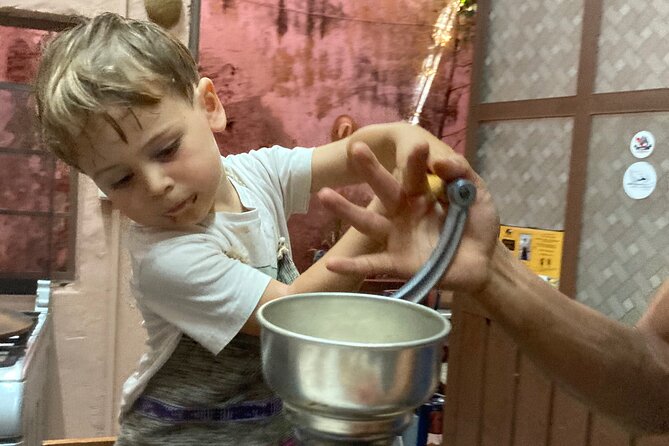
The first major task is roasting the cacao on a clay comal. This is one of the most appealing parts of the experience because you are working with a real traditional kitchen tool, not a polished machine hidden behind a counter.
The comal comes from San Marcos Tlapazola in the Central Valleys of Oaxaca. That detail adds a direct link between the class and the region’s pottery traditions. You are not only hearing about local culture. You are using an object made by a local community as part of the chocolate-making process.
Roasting is also where cacao starts to change in a clear, physical way. The seeds move from a raw ingredient toward something fragrant and ready to grind. I would pay close attention here, since this is the point when the process begins to resemble the smell most people associate with chocolate.
The class is practical rather than passive. You are expected to handle the ingredients and take part in the work. That makes it a good choice if you prefer a food activity where you produce something instead of simply watching someone else cook.
One small caution: the information provided does not give exact cooking temperatures or a detailed roasting schedule. The focus is on the traditional process and sensory learning, not on a technical pastry course. If you want professional chocolate-making theory or a recipe designed for a commercial kitchen, this may feel too informal.
Peeling the beans by hand
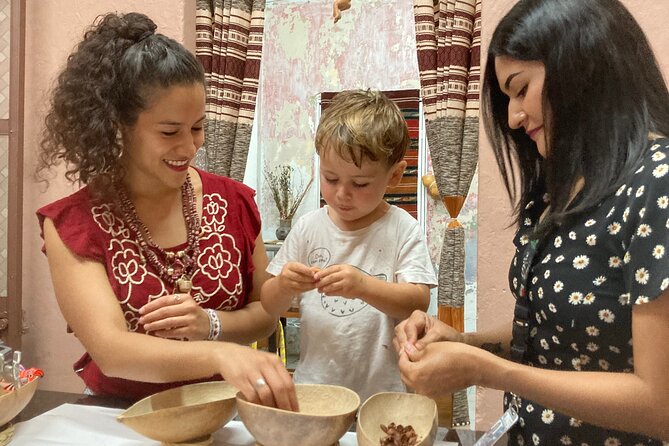
After roasting, you peel the cacao with your hands. This simple task gives you a better sense of how much work sits behind a cup of chocolate.
The peeling also carries a cultural purpose. As you remove the outer material, the guide explains part of the history and cultural role of cacao in the local community. The work is repetitive, but that is part of its value. You are slowing down and handling the ingredient in the same spirit as a traditional kitchen process.
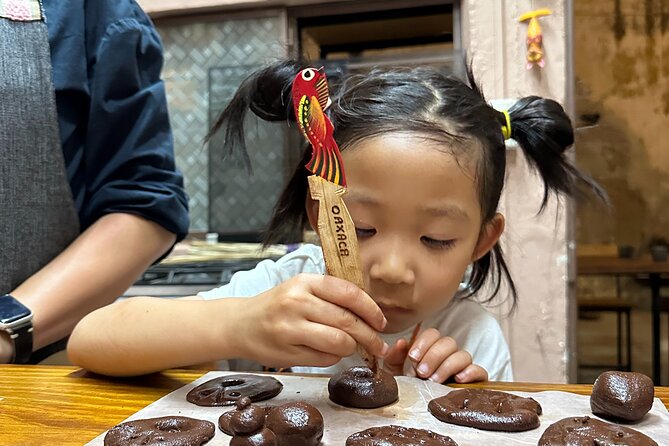
For families, this is likely one of the easiest sections for children to understand. A child can see the change from seed to usable cacao without needing advanced cooking skills. The class has been praised for patient teaching with young participants, including a four-year-old and children aged eight, 11, 12, and 13.
You should expect to use your hands, so this is not a polished, hands-off tasting. That is precisely the point, but people who prefer a tidy demonstration may find the process less comfortable. The hands-on contact is what makes the finished drink feel personal.
Grinding and choosing your chocolate style
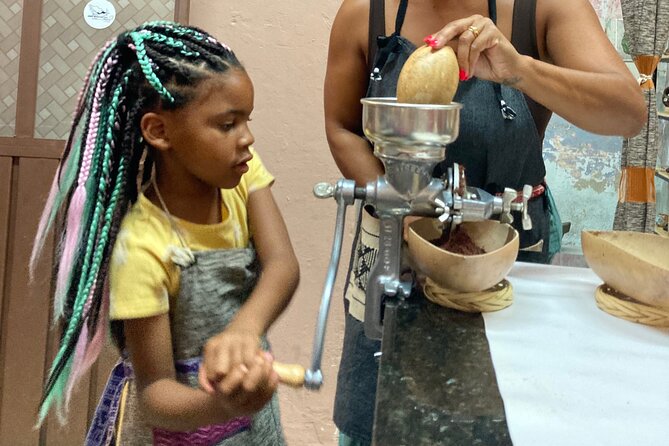
Once the cacao is prepared, you transform it into chocolate in an artisanal way. This is where you decide how your finished blend will taste.
You choose the percentage of sugar and combine the chocolate with different ingredients from the region. That gives you more control than a standard tasting menu. A sweeter mixture may suit a familiar hot chocolate style, while a lower-sugar blend lets the cacao speak more clearly.
The class can also produce more adventurous combinations. One participant created a custom blend of chocolate and chili, which gives you an idea of how the regional ingredients can change the final result. The exact ingredient choices are not specified in the available information, so you should think of this as a guided selection rather than a fixed menu.
Grinding takes effort. One person described it as a bit of a workout, and that is useful to know. The class uses traditional methods rather than simply pressing a button on an electric appliance. You will have a more direct feel for the labor involved in turning roasted cacao into a smooth mixture.
I like this stage because it combines taste with decision-making. You are not told that one version is correct. You choose the balance that suits you, then get to see how that choice affects the drink.
There is also a practical reward. You take your own chocolate with you at the end, including the remainder of what you ground. It is a far more meaningful souvenir than a packaged bar because you made the blend yourself.
More Chocolate Making Workshops in Oaxaca:
- Vienna: Chocolate Workshop in Chocolate Museum w/ Tasting
★ 4.5 · 1,802 reviews - Brussels: Belgian Chocolate Making Workshop with Tastings
★ 4.7 · 1,629 reviews - Brussels: 2.5-Hour Belgian Chocolate Making Workshop
★ 4.8 · 933 reviews - Belgian Chocolate Workshop in Bruges
★ 5.0 · 660 reviews
Making the drink with a traditional grinder
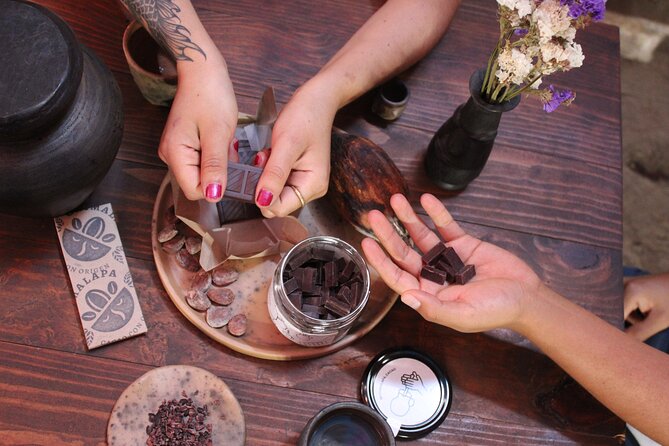
The final preparation uses a grinder, a traditional kitchen utensil that helps incorporate and integrate the chocolate into the drink. This is the step that turns your handmade mixture into something you can enjoy immediately.
The class does not end when the chocolate is ground. You learn how to prepare the drink, so you can understand the full chain from seed to cup. That makes the experience feel complete: introduction, roasting, peeling, grinding, flavoring, and serving.
The time spent at this stage may be longer than you expect. A two-and-a-half-hour estimate is a useful planning guide, but one session took about three hours, with roughly an hour of instruction, an hour of tasting, and an hour focused on preparing the chocolate drink. Your exact pace may depend on the group and how much discussion you have.
The finished drink is served with a cocoa toast. The sample menu lists this as the dessert, so do not expect a large meal. This is a light sweet bite designed to complement the cacao drink, not a substitute for lunch or dinner.
If you have a strong sweet tooth, remember that your chosen sugar percentage affects the result. The freedom to customize is a strength, but it also means your drink may be less sweet or more intense than commercial hot chocolate.
Why the four-person limit matters
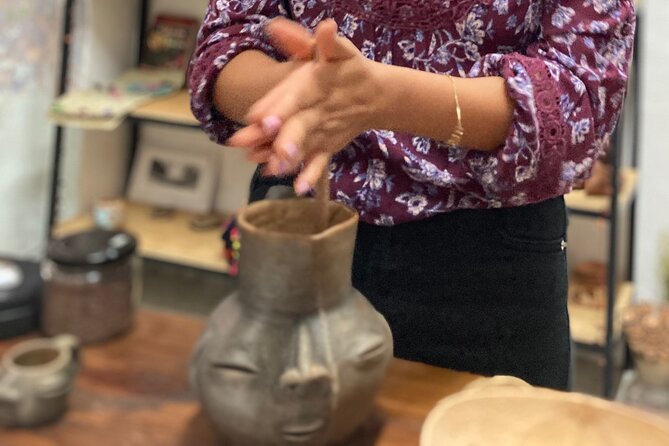
With a maximum of four participants, this is much closer to a private lesson than a large public workshop. You can ask questions, work directly with the ingredients, and receive help without waiting behind a crowd.
The small size also suits families and couples. A family can work at a shared pace, while a pair of friends can compare different sugar levels or ingredient combinations. Solo participants are not lost in the room, either. The format gives you room to ask basic questions without feeling rushed.
The provider is Chimalapa Cacao, and the class is offered in English. Named instructors connected with past sessions include Fernanda, Lupita, Diego, and Ruth. The experience may not always be led by the same person, but the teaching style described across the sessions is patient, friendly, and detailed.
That range of instructors is worth keeping in mind if you are booking around a particular guide. The supplied information does not promise a specific instructor, so treat the names as examples rather than a guarantee.
Price, timing, and location in Oaxaca City
The price is $98.57 per person. That is not a bargain if you are only looking for a cup of hot chocolate, but the value improves when you count what is included: a guided lesson, ingredient tasting, traditional preparation, your custom chocolate, and the drink you prepare at the end.
You are paying for time with a small group and for an activity that teaches a process. The take-home chocolate adds another practical benefit. I would compare this with the price of a standard food tour, but remember that this class focuses on one ingredient rather than a full meal or several stops around the city.
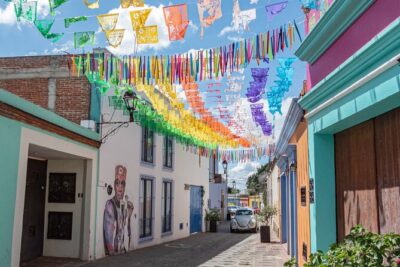
The meeting point is 5 de Mayo 210, on Ruta Independencia in central Oaxaca City. The activity ends back at the same meeting point. It is near public transportation, which helps if you are staying elsewhere in the city.
The listed duration is approximately two hours and 30 minutes. I would leave a little extra room in your schedule because the work can take about three hours, especially if the group spends time tasting, asking questions, and preparing the drink at a relaxed pace.
The experience is usually booked about 16 days ahead. That does not guarantee that every date sells out, but it is a useful planning signal. If this is important to your Oaxaca schedule, booking before you arrive is sensible.
Free cancellation is available up to 24 hours before the start time for a full refund. Changes or cancellations within 24 hours are not accepted for a refund. The cut-off uses Oaxaca local time.
Who will enjoy this chocolate class most
I would choose this for you if you want a food activity with cultural context and real participation. It works especially well for:
- Families who want a hands-on activity for children
- Couples looking for a shared project rather than a standard tasting
- Friends who enjoy comparing flavors and making custom blends
- Solo visitors who like small classes and direct instruction
- Chocolate fans who want to understand the ingredient before it becomes a drink
It is also a good fit if you want an edible souvenir that reflects your own choices. Your chocolate will not be identical to someone else’s, since you select the sugar level and regional ingredients.
You may want to skip it if your schedule is very tight, if you want a large meal, or if you prefer a quick demonstration with no manual work. Peeling and grinding take time, and the session asks you to participate. That effort is the attraction, but it is not for everyone.
Service animals are allowed, and the meeting point is near public transportation. The available details do not provide specific information about wheelchair access, allergies, or dietary substitutions, so ask the provider directly if those issues matter to you.
Should you book Make Your Own Chocolate with Oaxacan Tradition?
Yes, if you want to understand Oaxacan chocolate through your hands, not just your taste buds. The combination of a San Marcos Tlapazola comal, hand-peeling, traditional grinding, custom sugar levels, and a drink prepared from your own work gives the class a clear sense of place.
The strongest reason to book is the balance of learning and making. You hear about cacao’s cultural role, then immediately put that lesson into practice. The small group limit and the chance to take home your chocolate make the $98.57 price easier to justify.
Give yourself close to three hours, arrive ready to work with your hands, and do not expect a full meal. For families, couples, friends, and solo visitors who enjoy food with a story, this is one of the more useful ways to spend part of an Oaxaca afternoon or evening.
FAQ
Where does the chocolate class meet?
The class starts at 5 de Mayo 210 on Ruta Independencia in Centro, Oaxaca de Juárez. The activity ends back at the same meeting point.
How long does the experience last?
The stated duration is approximately two hours and 30 minutes. You should allow closer to three hours, since the roasting, tasting, grinding, and drink preparation can take extra time.
How many people can join the class?
The activity has a maximum of four participants.
Is the class offered in English?
Yes, the experience is offered in English.
What do I make during the class?
You roast and peel cacao, grind it into chocolate, choose the sugar percentage and regional ingredients, and prepare a traditional chocolate drink with a grinder. You take your handmade chocolate with you.
What is included with the drink?
The closing tasting includes a cocoa toast. The available menu information lists this as the dessert.
Can I cancel for a full refund?
Yes. You can cancel at least 24 hours before the experience start time for a full refund. Cancellations or changes made within 24 hours are not accepted for a refund.
More Private Chocolate Tours in Oaxaca
- Private Monte Alban VIP : Mezcal and Zapoteco Art
★ 5.0 · 3 reviews - Puerto Plata Private City Tour with Mount Isabel & Rum &Chocolate
★ 4.5 · 123 reviews - Customizable Roatán Private Tour: Rum, Chocolate & Island Culture
★ 5.0 · 115 reviews - Coffee & Chocolate Private Tour in Medellin: Genuine Experience
★ 5.0 · 100 reviews
Freshly tempered around Oaxaca
- Amazing Walk through the Zapotec Mountains with Hot Chocolate★ 5.0 · 4 reviews
- Private Monte Alban VIP : Mezcal and Zapoteco Art★ 5.0 · 3 reviews
- Make Oaxacan-style take-home chocolate★ 5.0 · 7 reviews
- Oaxaca : Visit of Chocolate and Ancestral Drinks★ 5.0 · 2 reviews
- 1 Hour Oaxacan Chocolate Making Class with Mole-making and Drinks★ 5.0 · 9 reviews
- Cacao day experience from the wood to your cup!★ 5.0 · 9 reviews
- Art Workshops and Chocolate Shops Tour★ 5.0 · 3 reviews
- Oaxaca: The Cocoa Experience, from the Grain to Your Cup★ 5.0 · 4 reviews
More Mexico Chocolate Tours to compare.
Finca 18 Puerto Vallarta Tequila Tour + Chocolate Pairing
Read our review →
Bean to Bar Chocolate Workshop in Puerto Vallarta
Read our review →

San Jose del Cabo Art Walk, Beer Tasting &Chocolate Demonstration
Read our review →