
Review · FRANCE
Colmar: Chocolate Museum Entrance Ticket
Colmar’s Chocolate Museum turns cocoa’s long journey into a playful series of rooms. You begin in a tropical forest, meet a cocoa-eating monkey, then move through an Aztec temple, a Spanish ship, European courts, and the factories that helped make Alsace a major chocolate-producing region. It is part museum, part film set, and part tasting stop.
I like the 30 interactive experiences, which give children and adults something to do instead of simply reading panels. I also like the steady stream of chocolate samples, plus the virtual demonstration by three master chocolatiers. The main drawback is that this is not a live guided tour, so you’ll rely on the audio guide app and recorded presentations.
Key points to know before you go
- A 5,000-year story: Cocoa’s path is presented from early cultivation and legend through European trade, court culture, medicine, and modern production.
- A room-by-room journey: Tropical forest scenes, an Aztec temple, a moving Spanish ship, and European court displays give the visit a theatrical feel.
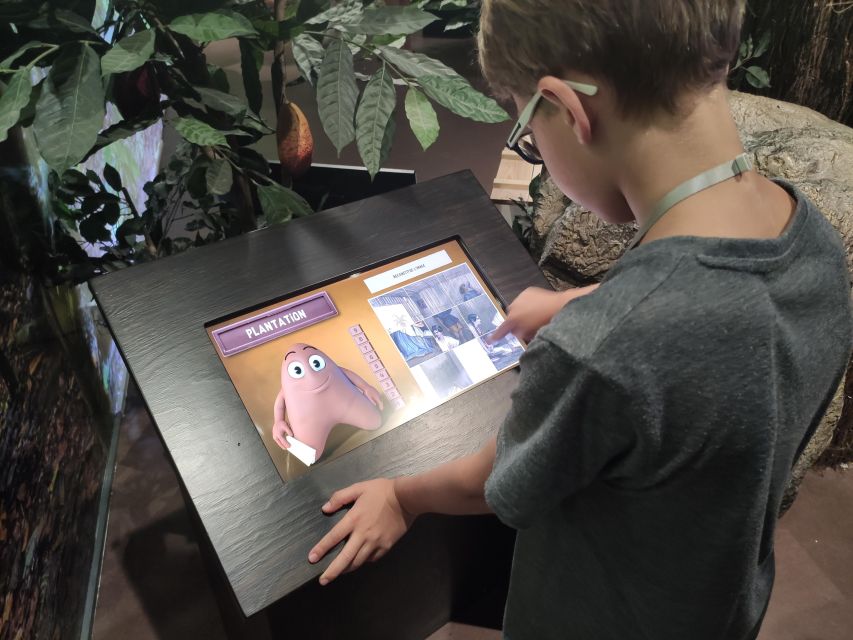
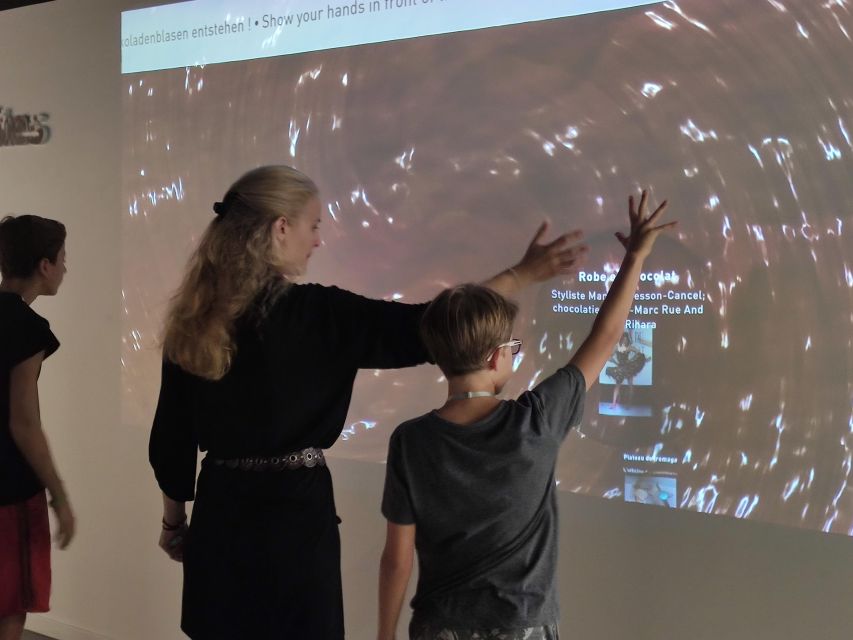
- Thirty ways to take part: Films, 3D projections, interactive displays, tastings, and virtual demonstrations keep the pace varied.
- Three chocolatiers on screen: A virtual presentation explains recipes and techniques used to make finished chocolate.
- Good value at $14: The ticket includes entry, samples, the virtual demonstration, and the audio guide app.
- Easy for mixed-age groups: The museum offers several languages and is wheelchair accessible, though anyone seeking a personal guide should note that none is included.
Starting in the cocoa forest
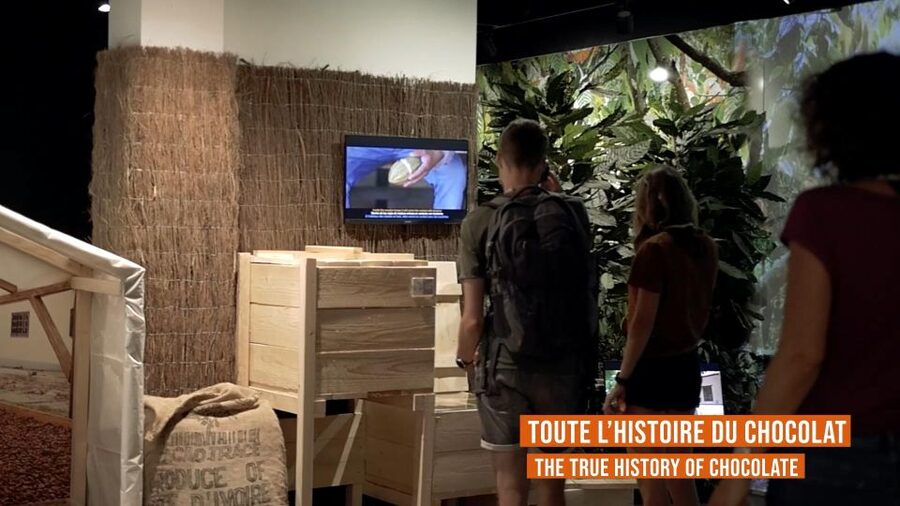
The museum opens far from a European chocolate shop. You enter a tropical forest setting and learn how cocoa trees are harvested, with a small monkey eating cocoa pods as part of the scene. It is a simple way to begin, because chocolate starts with a fruit, not a wrapped bar.
This first section gives you the basic vocabulary of cocoa production before the museum moves into history. You can expect an atmospheric presentation rather than a working plantation visit. The setting helps younger visitors understand where cocoa comes from, while adults get a useful reminder that the finished sweet has a long chain of work behind it.
The use of sound, film, and projected images keeps this part active. If you prefer museums with original objects and long, quiet explanations, the theatrical approach may feel light. If you are visiting with children, it should help hold their attention at the start.
More Chocolate Museums in France
- Paris: Entrance Ticket to the Chocolate Museum
★ 4.1 · 1,105 reviews - Paris: 45-minute Chocolate Making Workshop at Choco-Story
★ 4.4 · 444 reviews - Choco-Story Paris – The Chocolate Museum
★ 4.0 · 183 reviews
Meeting Quetzalcoatl in the Aztec temple
The next room shifts from farming to belief. An Aztec temple introduces Quetzalcoatl, the serpent god associated in legend with bringing cocoa to earth. This gives the story a human side: cocoa was not merely a crop, but something linked with ritual, status, and belief.
The museum presents the legend as legend, which matters. You are not simply given a timeline of dates and trade routes. You also see how different cultures understood cocoa before it became a European confection.
The temple setting is one of the more memorable parts of the visit because it changes the mood completely from the forest. Expect a short, visual lesson rather than a specialist lecture. The combination of projections and themed surroundings is useful if your group has different interests, since you can take in the story through images as well as text.
Crossing the Atlantic on a 16th-century ship
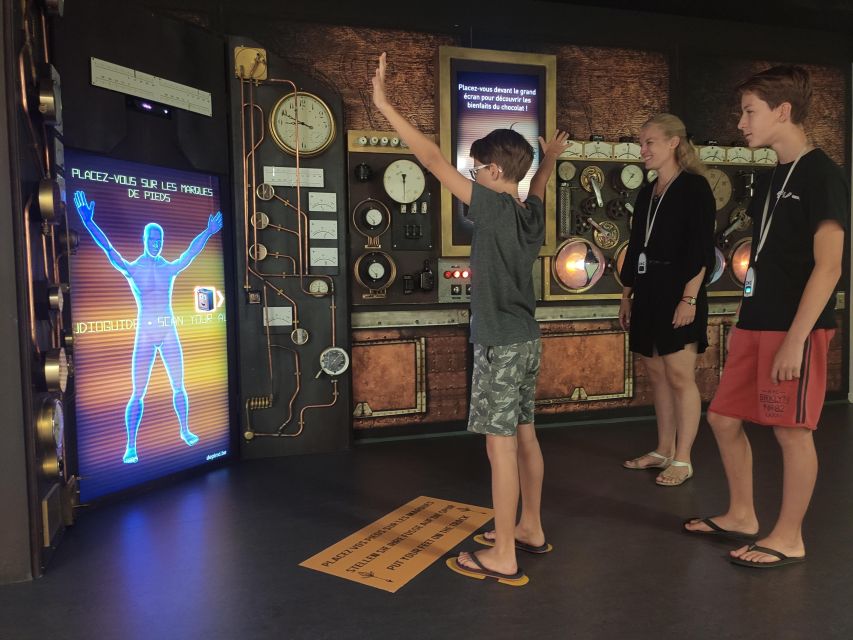
From the Aztec world, the journey moves to the 16th century and a Spanish ship. The floor creaks, lamps sway, and windows show the sea, creating the feeling of being aboard a vessel carrying cocoa toward Europe.
This section explains a major change in cocoa’s story: the move from the Americas into European culture. The ship scene gives an otherwise abstract subject a physical shape. Instead of simply hearing that cocoa crossed the Atlantic, you get a setting that suggests the dangers, distance, and importance of the voyage.
The presentation is intentionally theatrical. It does not replace a detailed history book, and you should not expect a full account of every trade route or political event. But it works well as a clear link between the early history of cocoa and the European chocolate culture that follows.
European courts, expensive cups, and old flavors
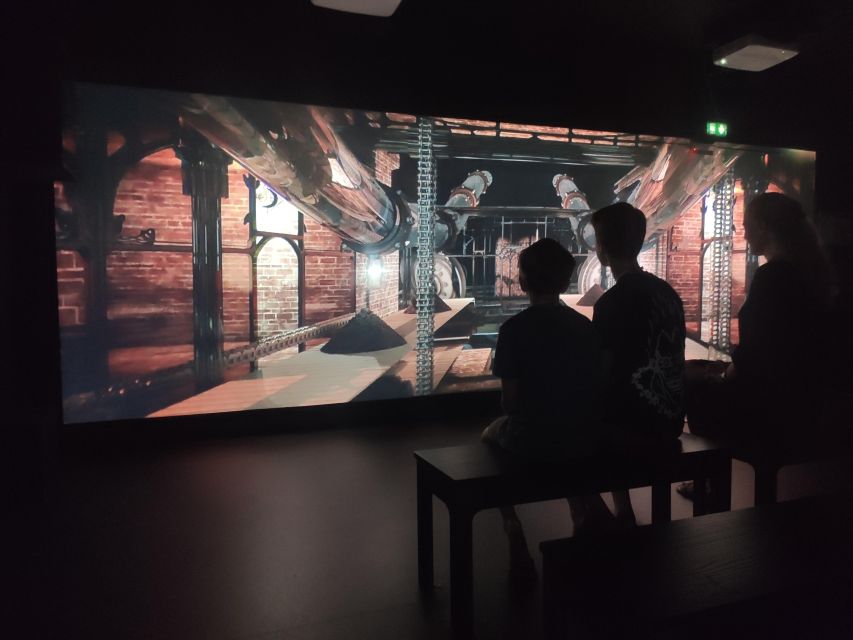
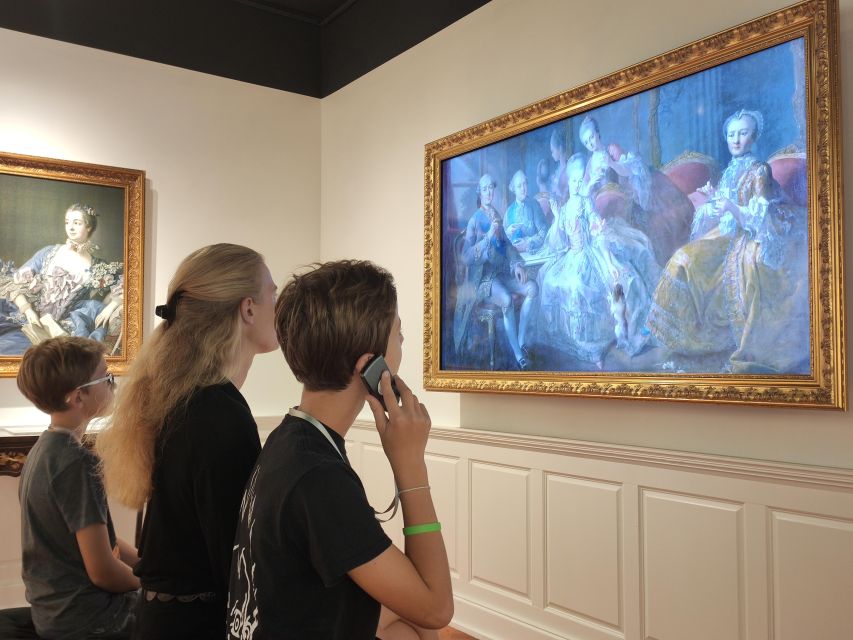
A century later, chocolate entered Europe’s royal courts. The museum follows that change through luxurious equipment once used to drink cocoa. This is where the drink becomes a symbol of wealth and refinement, rather than only an unfamiliar spice from overseas.
Pay attention to the serving objects and the way chocolate was consumed. The museum also lets you try original flavors associated with the period. That tasting is especially useful because modern chocolate has trained our palates toward sugar and familiar textures. Older preparations can seem quite different.
I like this part because it connects objects with behavior. A cup or serving vessel tells you something about who could afford chocolate, how it was presented, and why it became fashionable. The drawback is that a short museum visit can only sketch the social history. If you want a detailed study of European court life, this will be an introduction rather than the final word.
Still, the tasting adds something a display case cannot. You are not just told that early chocolate had different flavors. You get a direct comparison with the chocolate you already know.
Same cocoa, a different bite:
- Paris French Sweets Tasting Tour with Pastries and Chocolates
★ 4.5 · 947 reviews - A Morning in Paris Food Tour: Croissants, Baguettes & Chocolate
★ 5.0 · 556 reviews - Saint-Germain: Gourmet Chocolate & Pastry Walking Food Tour
★ 4.8 · 495 reviews - Paris Chocolate, Macaron & Pastry Food Tour: 10 Gourmet Tastings
★ 5.0 · 339 reviews
Chocolate as medicine, pleasure, and questionable cure
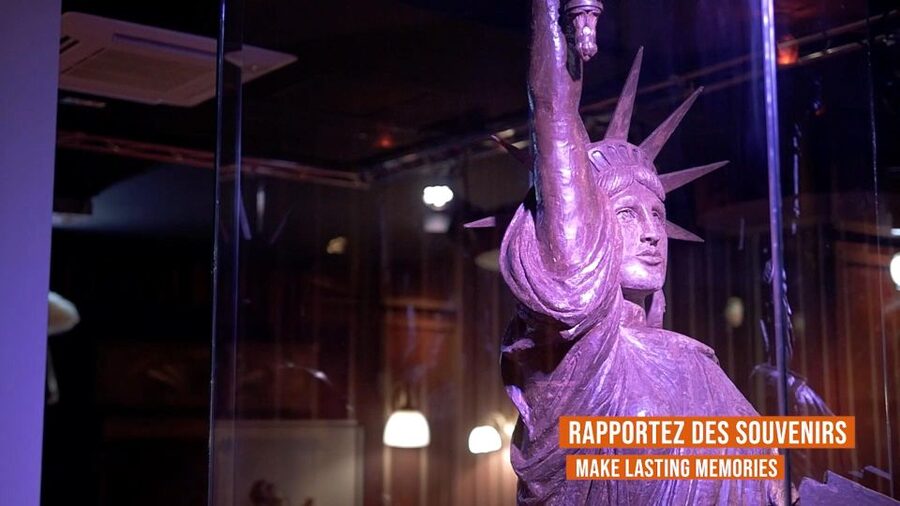
The museum then looks at cocoa as a medicine. You’ll encounter beliefs about its supposed benefits, along with the truths behind some of those claims. This is a useful pause in the story because chocolate has long been sold as both a treat and a remedy.
The presentation helps separate historical belief from modern understanding. People once attributed many benefits to cocoa, and those ideas affected how it was prepared, prescribed, and valued. The section also explains why chocolate could be considered appropriate for the sick, the wealthy, or both.
Do not expect medical advice or a scientific laboratory lesson. The value here is historical context. It shows how people have used claims about food and health to give familiar products extra appeal, a habit that has not disappeared.
For many families, this will be one of the easier sections to discuss together. Children can ask whether chocolate really works as medicine, while adults can connect the old claims with modern advertising.
The second floor and Alsace’s chocolate industry
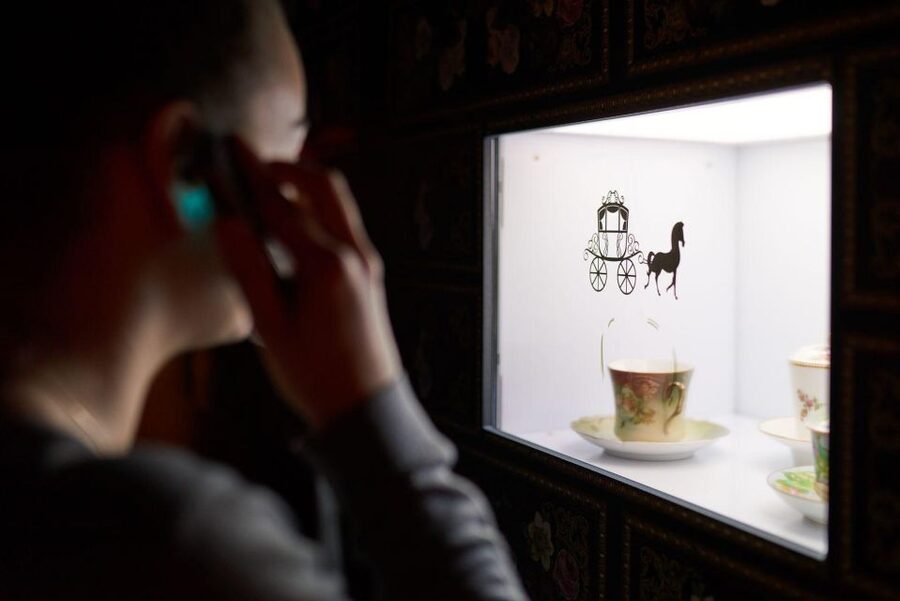
The upper floor shifts toward industrialization and the chocolatiers who helped make Alsace France’s largest chocolate-producing region. This part brings the story closer to the region around Colmar and explains how chocolate changed from a luxury drink into a modern manufactured product.
That regional focus is important. The museum is not only telling a global story and placing it in a series of colorful rooms. It also explains why chocolate belongs in this part of France. You get a sense of the local industry and the people behind it.
Industrialization usually means less theater and more information, but the museum continues to use different formats. Depending on your pace, this may be the point where you want to slow down and read more carefully. The early rooms are built to create surprise, while this section provides the economic and manufacturing background that makes the whole story feel more complete.
It is also a good place to think about the difference between handmade chocolate and factory production. The museum does not ask you to choose one over the other. Instead, it shows how technology changed the scale and availability of chocolate.
Three chocolatiers in a virtual demonstration
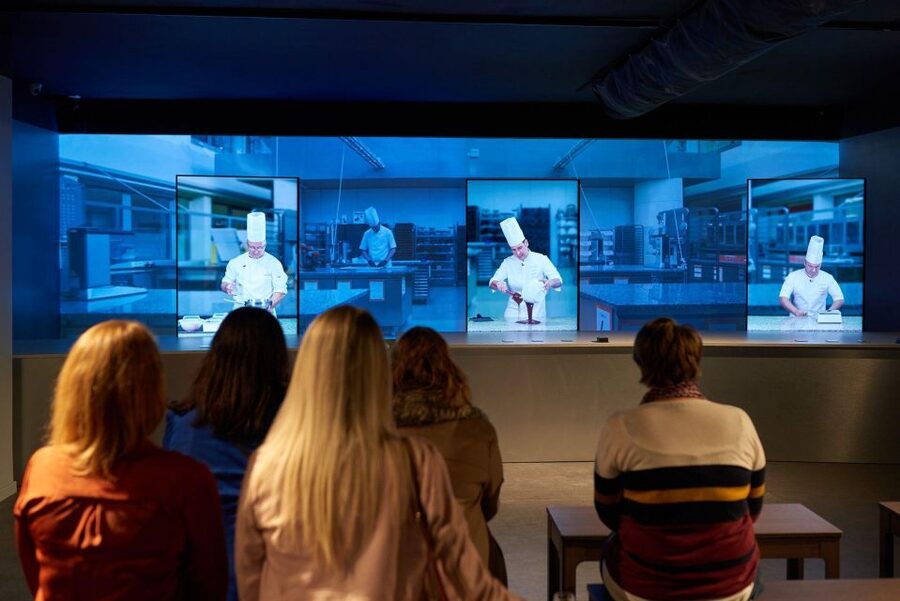
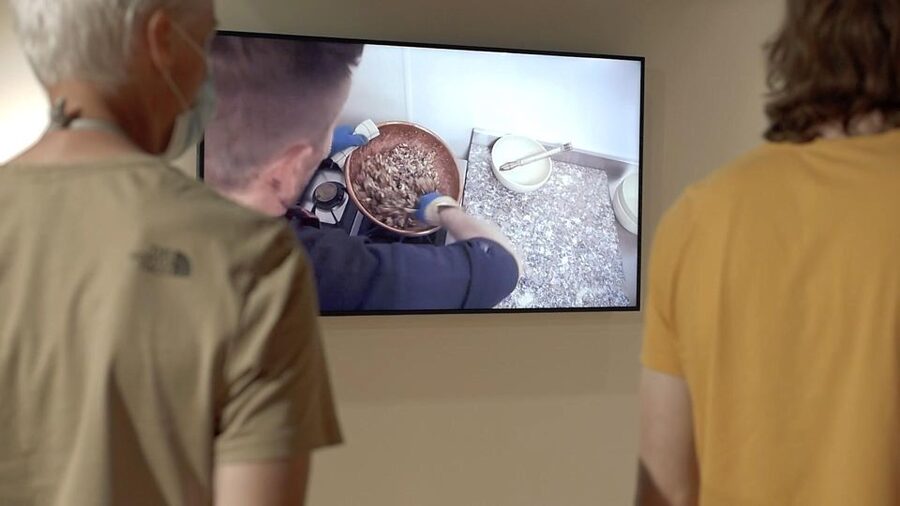
One of the strongest parts of the visit is the virtual demonstration featuring three master chocolatiers. They present recipes and explain some of the tricks used to make chocolate properly.
Because the presentation is virtual, you will not be standing beside a live chocolatier. That is the main limitation. Still, the format allows the museum to show several specialists and keep the focus on technique. You can expect a clear demonstration rather than a hands-on workshop where you make your own confection.
This section is valuable for anyone who wonders why professional chocolate looks and feels different from a basic homemade version. The recipes and methods give you a better sense of the care involved in creating finished chocolates.
The demonstration also breaks up the historical sections. After learning about cocoa’s origins, trade, courtly use, and industrial growth, you see how the ingredient becomes a finished product. That practical link gives the tour a satisfying shape.
Tasting your way through the museum
Chocolate samples are included in the ticket, and tasting is spread through the visit rather than saved for a single final stop. This makes each stage more memorable. You can connect the history with flavor, including the older styles presented in the European court section.
The samples add real value to a $14 ticket. A standard museum admission may give you displays and films, but here you also get to test what you are learning. The tastings are not a replacement for a full chocolate workshop, yet they make the experience feel more complete.
I suggest taking your time with the samples instead of treating them as a quick snack. Notice how the flavors compare and think about how ingredients and preparation have changed over time. The tour is at its best when you combine the information with the tasting, rather than rushing from one treat to the next.
One practical point: the chocolate is central to the visit, so this is not the right choice for someone who dislikes sweets or wants a food-free museum. The experience is designed around looking, listening, tasting, and comparing.
How the audio guide affects the visit
There is no live guide included. Instead, you use an audio guide app, available in Chinese, English, French, German, Dutch, and Spanish. The host or greeter information also lists Chinese, English, French, German, Spanish, and Dutch.
This language range makes the museum easier to use for an international group. You can follow the story in a familiar language without needing to join a fixed-language tour. It also lets you move through the museum at your own speed.
The tradeoff is personal contact. A live guide could answer questions, adjust the explanation for children, or add local stories. Here, the experience is more independent. If you like choosing your own pace, that is a benefit. If you want conversation and expert commentary in the room, it may feel less satisfying.
The audio guide works best when you give yourself time to listen before moving on. With films, projections, interactive displays, and tastings all competing for your attention, rushing can mean missing the useful explanations.
Is $14 good value for a full day?
At $14 per person, the ticket is reasonably priced for what it includes: museum admission, chocolate samples, the virtual demonstration, and the audio guide. The stated validity is one day, so you have flexibility rather than being tied to a short timed slot.
The value is strongest for families and mixed-age groups. One person can focus on history, another on the displays, and children can take part in the interactive features. The variety also helps justify the price for anyone who normally tires of traditional museums.
The ticket is less compelling if you only want a serious historical collection or a live chocolate-making class. The museum favors presentation and participation over a quiet, object-heavy display. You are paying for a complete themed experience, not simply access to cases of chocolate tools.
A current rating of 4.5 from 187 ratings fits that balance. The high score reflects an experience that is easy to follow, varied, and enjoyable for different ages. One specific practical criticism concerns the hot chocolate at the end, which could be improved. That detail is worth noting if you are expecting a polished final drink as the grand finish.
Who will enjoy Choco-Story Colmar most?
I would recommend this museum to families, couples, chocolate fans, and anyone looking for an indoor activity in Colmar. The different formats make it suitable for a group in which not everyone has the same attention span.
It is also a good pick for people who enjoy learning through scenes and demonstrations. You do not need prior knowledge of cocoa. The route explains the main ideas in order, from the forest to the factory, so you can follow the story without preparation.
The museum may be less suitable for you if you want a live guide, a long technical lesson, or a workshop where you personally temper and shape chocolate. None of those are included. The virtual demonstration shows professional methods, but you watch rather than take over the work.
The museum is wheelchair accessible, which makes it a practical option for more groups. Since it is valid for one day, you can also fit it into a broader Colmar plan without worrying about a very short admission window.
What to know before booking
Book this experience when you want more than a tasting and less than a full culinary class. You’ll see the story of cocoa presented through themed rooms, films, 3D projections, an audio guide, samples, and a virtual demonstration.
The cancellation policy allows a full refund when you cancel at least 24 hours in advance, and you can reserve now and pay later. Check the available starting times before booking, since the ticket is valid for one day but the exact entry schedule is not fixed in the information provided.
The most important choice is your preferred style. For independent exploring and a lively sequence of scenes, this is a strong fit. For a personal guide, ask questions, and hands-on chocolate making, choose a different activity.
Should you book the Colmar Chocolate Museum?
Book it if you want a family-friendly museum with plenty of variety, regular tastings, and a clear story that runs from cocoa trees to Alsace’s chocolate industry. At $14, the included samples and virtual demonstration give you solid value, especially when several age groups are visiting together.
Skip it if you are looking for a live chocolatier, a formal academic history, or a workshop where you make chocolate yourself. For most visitors who enjoy sweets and interactive museums, the mix of Aztec legend, shipboard drama, old flavors, industrial history, and modern demonstrations makes this a worthwhile Colmar stop.
FAQ
How long is the Chocolate Museum ticket valid?
The ticket is valid for one day. Check availability for the starting times offered when you book.
How much does admission cost?
The listed price is $14 per person.
Are chocolate samples included?
Yes. Chocolate samples are included with the entrance ticket.
Is a virtual demonstration included?
Yes. The visit includes a virtual demonstration featuring three master chocolatiers, who present recipes and chocolate-making techniques.
Is there a live guide?
No live guide is included. The museum provides an audio guide app instead.
Which languages are available for the audio guide?
The audio guide is available in Chinese, English, French, German, Dutch, and Spanish.
Is the museum wheelchair accessible?
Yes. The activity is listed as wheelchair accessible.
Can I cancel for a full refund?
Yes. You can cancel up to 24 hours in advance for a full refund.
Freshly tempered around France
- Private Wine and Chocolate Tasting Experience★ 4.4 · 3 reviews
- Wine and Chocolate experience★ 4.6 · 3 reviews
- Wine and chocolat tasting at Chablis.★ 4.9 · 5 reviews
- Trio Chocolaté – Tour en français – Champagne Passy-Grigny★ 5.0 · 5 reviews
- Paris Sweet & Chocolate Family Treasure Hunt★ 5.0 · 37 reviews
- Molded Bonbons Chocolate making class in Paris (collective)★ 4.5 · 20 reviews
- Private Wine and Chocolate Tasting in Paris★ 4.5 · 4 reviews
- Pure Chocolate Tour in Paris★ 5.0 · 20 reviews
More France Chocolate Tours to compare.
Paris: Entrance Ticket to the Chocolate Museum
Read our review →
Paris French Sweets Tasting Tour with Pastries and Chocolates
Read our review →
A Morning in Paris Food Tour: Croissants, Baguettes & Chocolate
Read our review →
Saint-Germain: Gourmet Chocolate & Pastry Walking Food Tour
Read our review →
Paris: 45-minute Chocolate Making Workshop at Choco-Story
Read our review →
Paris Chocolate, Macaron & Pastry Food Tour: 10 Gourmet Tastings
Read our review →
Passy-Grigny: Chocolate and Champagne Tasting Tour
Read our review →
Paris Pastry Tour – Croissants, Macarons & Iconic French Desserts
Read our review →Chocolate lists with this tour