
Review · FRANCE
Colmar: Chocolate creation workshop at Choco-Story
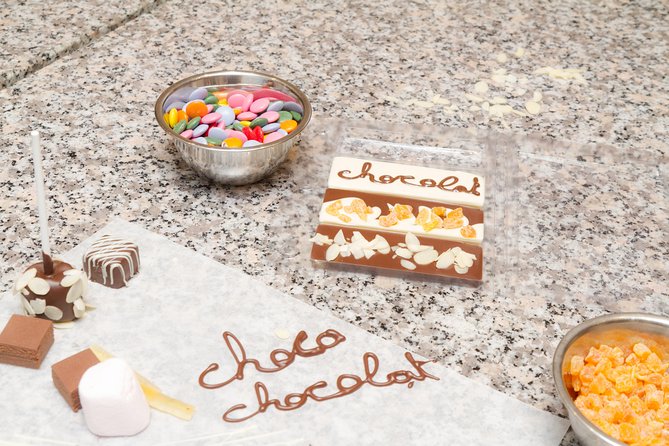
The best part of this Colmar outing is that you do not just look at chocolate behind glass. You make your own batch, coating marshmallows, candied orange strips, and praline squares before decorating small chocolate bars. The work is simple enough for children, but it still gives adults a pleasant change from sightseeing.
I like the generous edible result, about 250 to 300 grams to take home, and the museum access included in the price. You also get unlimited tastings, digital quizzes, a costume photobooth, and a look at 500 kilograms of chocolate sculptures. The main consideration is that this is a playful decorating class, not a serious lesson in tempering chocolate or making pralines from raw ingredients.
Key points to know
- The workshop lasts about 45 minutes: You coat marshmallows, orangettes, and praline squares, then make four small chocolate bars.
- You choose your chocolate: Milk, dark, and white chocolate are available, with toppings for decoration.
- The museum visit takes about 90 minutes: An audio guide leads you through 500 collector’s items, tastings, quizzes, and chocolate sculptures.
- Children must be at least 7: Children aged 7 to 10 must attend with a paying adult who also participates.
- You take home a substantial edible souvenir: Expect roughly 250 to 300 grams of finished chocolate.
- Plan your arrival carefully: You must arrive 15 minutes early, and late arrivals are not accepted.
Making chocolate in the heart of Colmar
Choco-Story sits at 12 Place de la Cathédrale, a very central address in Colmar. That makes it easy to add to a day of walking around the old town, though you should still allow time to arrive early rather than cutting it close.
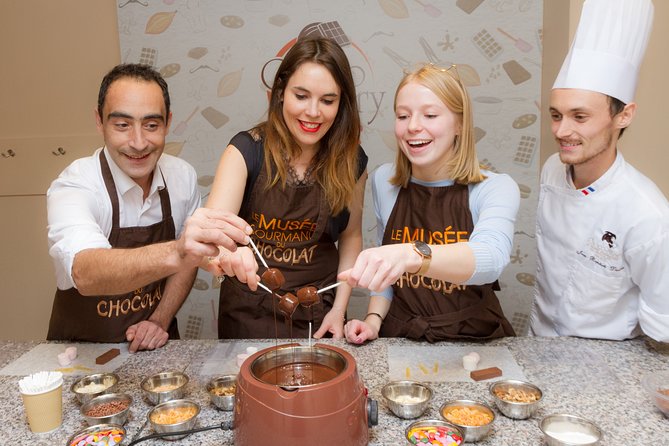
The central activity is a hands-on session with a chocolatier. You are not making chocolate from cacao beans, and you are not spending hours learning professional tempering methods. Instead, you work with prepared chocolate and use dipping and decorating techniques. That may sound modest, but it keeps the class moving and makes it friendly for families and first-time participants.
The workshop lasts about 45 minutes. In that time, you coat three kinds of treats: marshmallows, orangettes, and praline squares. Orangettes are strips of candied orange covered in chocolate, so this gives you a nice mix of soft, crunchy, sweet, and citrusy textures.
You can use milk, dark, or white chocolate. Toppings are available for the bars, giving you room to make the finished pieces look different from one another. The chocolatier demonstrates the techniques and offers practical pointers, including ways to make your pralines look and taste better.
More Chocolate Museums in France
- Paris: Entrance Ticket to the Chocolate Museum
★ 4.1 · 1,105 reviews - Paris: 45-minute Chocolate Making Workshop at Choco-Story
★ 4.4 · 444 reviews - Colmar: Chocolate Museum Entrance Ticket
★ 4.5 · 187 reviews
What you actually make during the 45-minute class
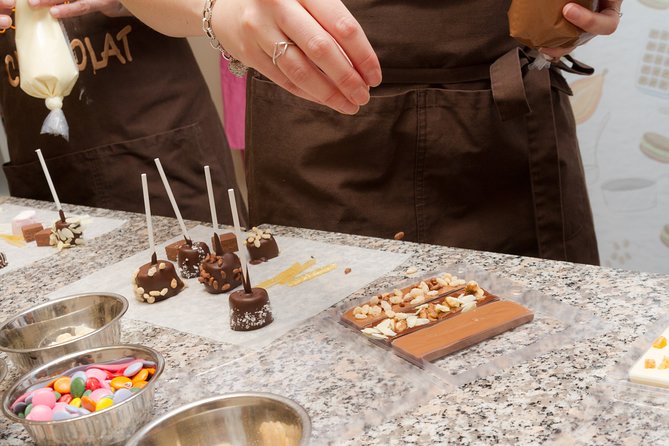
The workshop is best understood as chocolate finishing rather than full chocolate production. You take prepared ingredients and coat them, then fill a mold to produce four small bars. This distinction matters if you are hoping to learn the craft at a professional level.
You begin with the dipping work. The portions described for one session include three marshmallows, three strips of candied fruit, and four chocolate squares. You can coat them in your chosen chocolate and add toppings. The chocolatier shows you how to dip and handle the pieces without turning the whole table into a sticky brown accident.
Next comes the bar-making stage. You use a mold and select from the same chocolate choices. The bars are small, but the finished bag gives you enough to share, snack on later, or carry back to your hotel.
I like this format because it offers quick results. You do not need prior cooking skills, and a child can see a finished product appear within minutes. The tradeoff is that the class offers only a light introduction to chocolate technique. If your goal is to learn tempering, ganache, or the chemistry of cacao, this will feel basic.
The chocolatier may use spare time to show more about how molded candies are made. Still, the heart of the session is dipping and decorating. Think of it as a creative confectionery workshop, not a pastry-school lesson.
A good choice for families with children
The age rules are clear. Children under 7 cannot enter the workshop. Children from 7 through 10 must be accompanied by a participating paying adult, so this is not a drop-off activity.
That arrangement makes sense. The work involves melted chocolate, molds, toppings, and some careful handling. Younger children can take part, but they need an adult beside them rather than simply watching from the edge.
A 7-year-old can enjoy this, especially with an adult helping with the dipping and explaining the steps. The activity also gives children a concrete souvenir rather than only a museum memory. The playful features in the museum, including quizzes and the photobooth, add more for families after the class.
Adults without children can enjoy it too. A couple can make the workshop a short food activity between sightseeing stops. But the museum’s presentation and digital games are aimed in part at children around 10 years old, so adults seeking a serious chocolate seminar may find the tone too light.
The 90-minute Choco-Story museum visit
The workshop includes entry to the museum, with about 90 minutes for the visit. You can tour the museum before or after the chocolate-making session, which helps if you have a fixed schedule in Colmar.
An audio guide leads you through the displays. The route covers 500 collector’s items and includes educational material about chocolate. You can use the guide to move at your own pace rather than relying on a live group explanation.
The museum also includes digital quizzes. These are useful for families because they turn the visit into a small challenge instead of a long line of display cases. Adults may prefer to listen to the highlights and move on, especially after completing the hands-on workshop.
One of the more memorable sights is the collection of chocolate sculptures, totaling about 500 kilograms. The Statue of Liberty is among the large creations. This is the sort of display that gives children a clear visual memory, even if they do not absorb every detail from the audio guide.
A virtual presentation on a giant screen features three master chocolatiers. It adds a look at the professional side of chocolate production, though it is a screen presentation rather than a live demonstration.
Same cocoa, a different bite:
- Paris French Sweets Tasting Tour with Pastries and Chocolates
★ 4.5 · 947 reviews - A Morning in Paris Food Tour: Croissants, Baguettes & Chocolate
★ 5.0 · 556 reviews - Saint-Germain: Gourmet Chocolate & Pastry Walking Food Tour
★ 4.8 · 495 reviews - Paris Chocolate, Macaron & Pastry Food Tour: 10 Gourmet Tastings
★ 5.0 · 339 reviews
Tastings, quizzes, and a slightly silly photo stop
Unlimited tastings are included during the museum visit. This is one of the strongest parts of the admission value because you can compare different types of chocolate instead of judging everything from one sample.
The tastings also help explain why milk, dark, and white chocolate feel so different in the workshop. You may find that the chocolate you prefer for eating is not the one you prefer for coating or decorating.
The photobooth comes with costumes. It is clearly designed for a bit of fun rather than serious museum study, but it gives families and friends a simple way to record the visit. If you dislike staged photo stops, you can skip it without missing the main content.
The museum mixes education with entertainment throughout. I see that as a strength for families and a possible weakness for adults who want a focused lesson about cacao production. The program does not pretend to be a quiet specialist museum. It is built to keep a broad age range interested.
How much chocolate do you take home?
The promised amount is about 250 to 300 grams of chocolate. That is a useful souvenir, not just a single truffle in a paper bag. Your collection includes the coated marshmallows, orangettes, praline squares, and the small bars you decorate.
The exact appearance will depend on how neatly you work and how many toppings you use. That is part of the charm. A child’s bars may look uneven, while an adult’s may be only slightly less uneven. The chocolatier provides guidance, but you are making personal creations rather than factory-perfect sweets.
Bring a container or bag only if you prefer extra protection, since the activity itself provides a bag of chocolate to take away. The information supplied does not specify storage conditions, so ask the staff if you are visiting on a warm day or carrying the chocolate for several hours.
Price and value at $53.92
At $53.92 per person, the price covers both the workshop and museum admission. The value depends on how much you want from each part.
For a family, the price buys a structured activity, a museum visit, tastings, and a sizeable edible souvenir. That can compare well with paying separately for a short class and a museum ticket, although the supplied information does not give separate admission prices.
For adults, the value is strongest if you enjoy making food and do not mind a basic level of instruction. You are paying for the social activity, the chocolate you produce, and the museum extras. If you want advanced confectionery skills, the price may feel high for a 45-minute decorating session.
The museum helps fill out the visit. Without it, the workshop would be a short activity. With the 90-minute audio-guided route, tastings, quizzes, sculptures, and virtual demonstrations, the full visit lasts about two and a half hours.
The experience is recommended by 95 percent of customers and holds a 4.7 rating from 39 reviews. Those figures fit the activity’s strengths: friendly staff, clear demonstrations, a generous chocolate haul, and a format that works especially well for families.
Timing, meeting point, and group size
The meeting point is Choco-Story Colmar, 12 Place de la Cathédrale, 68000 Colmar. The activity ends at the same place, so you do not need to arrange transport between the workshop and museum.
The venue is near public transportation. Since it is in central Colmar, it fits naturally into a walking day, but the required arrival time is important. You must arrive 15 minutes before the workshop begins. Late arrivals are not accepted, and no refund is given for arriving late.
The maximum group size is 15 people. That is small enough for the chocolatier to demonstrate the steps and offer help at the worktable. It also means you should not treat the start time casually. A late arrival would disrupt a short class, and the rules are firm.
The activity is offered in English. That is useful if you want explanations of the chocolate choices and techniques without relying only on gestures or translation.
What this workshop does well, and where it falls short
The staff receive the strongest praise for being friendly and helpful. That matters in a hands-on class, since a small correction can make the difference between a tidy chocolate bar and a lumpy one.
The chocolatier also adds practical advice about making pralines and working with different chocolate types. You will not leave with professional confectionery training, but you should understand more about the basic differences between milk, dark, and white chocolate.
The main weakness is the limited depth of the workshop. You coat prepared items and fill molds. You do not make chocolate from the beginning, and the session is too short for a full technical course.
The museum can feel young in tone. The quizzes, costume photos, and giant sculptures are well suited to children, while an adult focused on chocolate production may move through the route quickly. The unlimited tastings help balance that limitation.
Who should book this Colmar activity?
I would choose this for families with children aged 7 and up, couples looking for a relaxed food activity, and anyone who wants an edible souvenir from Alsace. It also works well on a rainy day, since the museum and workshop are indoors, though the supplied information does not describe the building beyond its location and facilities.
You should book it if you like guided activities with a clear result. You will make something, learn a few chocolate basics, sample different types, and leave with a bag of sweets.
I would think twice if you want a serious pastry lesson. The class does not cover enough technical ground for that. I would also skip it if you dislike child-focused museum features, since the quizzes, photobooth, and large sculptures are part of the appeal.
Book ahead if your Colmar schedule is tight. The activity is booked an average of eight days in advance, and the group is capped at 15 people. Because the booking cannot be refunded or changed, choose your date carefully before paying.
FAQ
How long does the complete activity last?
The complete visit lasts about two hours and 30 minutes. The chocolate workshop takes about 45 minutes, and the museum visit takes about 90 minutes.
What will I make in the workshop?
You will coat marshmallows, orangettes, and praline squares with chocolate. You will also use a mold to make four small decorated chocolate bars.
Can I choose between milk, dark, and white chocolate?
Yes. The workshop provides milk, dark, and white chocolate choices for coating and making the bars.
How much chocolate can I take home?
You take home approximately 250 to 300 grams of the chocolate you make during the workshop.
What age must children be to attend?
Children must be at least 7 years old. Children from 7 to 10 must be accompanied by a participating paying adult. Anyone under 7 will be denied access.
Is museum admission included?
Yes. The workshop includes museum entry, an audio-guided route, unlimited tastings, quizzes, a photobooth, a virtual demonstration, and chocolate sculptures.
Where does the activity start and finish?
It starts at Choco-Story Colmar, 12 Place de la Cathédrale, 68000 Colmar, France. It also ends back at the same meeting point.
Freshly tempered around France
- Private Wine and Chocolate Tasting Experience★ 4.4 · 3 reviews
- Wine and Chocolate experience★ 4.6 · 3 reviews
- Wine and chocolat tasting at Chablis.★ 4.9 · 5 reviews
- Trio Chocolaté – Tour en français – Champagne Passy-Grigny★ 5.0 · 5 reviews
- Paris Sweet & Chocolate Family Treasure Hunt★ 5.0 · 37 reviews
- Molded Bonbons Chocolate making class in Paris (collective)★ 4.5 · 20 reviews
- Private Wine and Chocolate Tasting in Paris★ 4.5 · 4 reviews
- Pure Chocolate Tour in Paris★ 5.0 · 20 reviews
More France Chocolate Tours to compare.
Paris: Entrance Ticket to the Chocolate Museum
Read our review →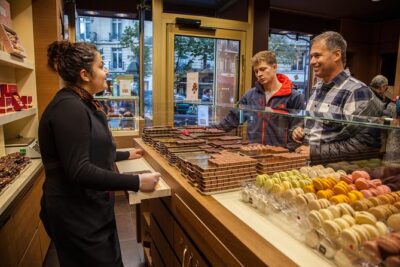
Paris French Sweets Tasting Tour with Pastries and Chocolates
Read our review →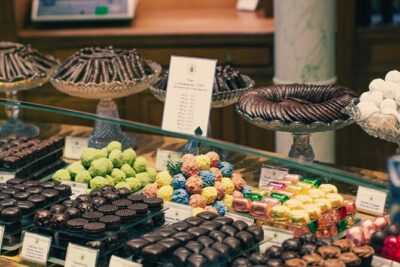
A Morning in Paris Food Tour: Croissants, Baguettes & Chocolate
Read our review →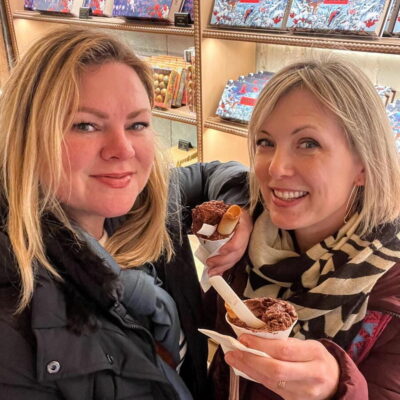
Saint-Germain: Gourmet Chocolate & Pastry Walking Food Tour
Read our review →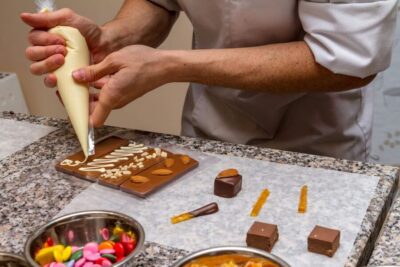
Paris: 45-minute Chocolate Making Workshop at Choco-Story
Read our review →
Paris Chocolate, Macaron & Pastry Food Tour: 10 Gourmet Tastings
Read our review →
Passy-Grigny: Chocolate and Champagne Tasting Tour
Read our review →
Paris Pastry Tour – Croissants, Macarons & Iconic French Desserts
Read our review →Chocolate lists with this tour