
Review · FRANCE
Visit of Choco-story COLMAR, the Chocolate Museum.
Chocolate’s long journey from cocoa bean to candy bar is the star here. At Choco-Story COLMAR, you move from a rainforest scene and an Aztec temple to a rolling Spanish ship, royal courts, factory production, and a cabaret filled with chocolate sculptures. It is part museum, part family attraction, and part playful theater.
I like the hands-on games and moving displays, which keep the story from feeling like a row of glass cases. I also like the clear route through time, plus the chance to taste chocolate along the way. The main drawback is that the visit lasts only about 90 minutes, so serious chocolate fans may want more detail than the presentation provides.
- Aztec legend sets the story in motion: Meet Quetzalcoatl, the feathered serpent god linked to cocoa’s arrival on earth.
- A Spanish ship becomes a moving history lesson: Creaking floors, swinging lamps, and shipboard views make the 16th-century section lively.
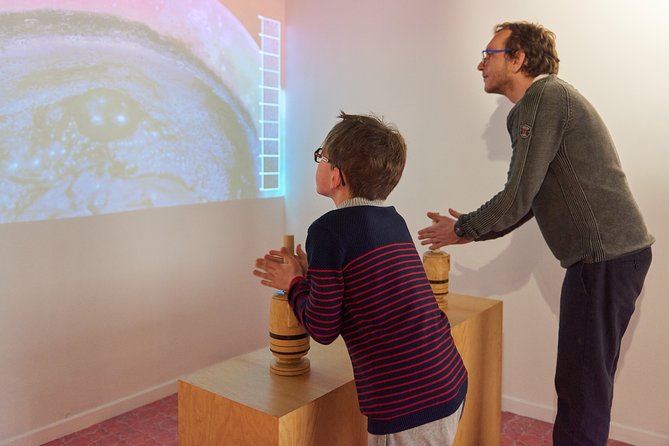
- Interactive games suit children and adults: Animated panels, photo opportunities, and the choco scanner add play to the historical material.
- A 250-kilogram Statue of Liberty steals the industrial show: The second floor turns chocolate into large-scale sculpture.
- Tastings are included: You sample chocolate during the visit, while a hot chocolate drink costs extra.
- The museum is easy to fit into a Colmar day: It begins and ends at 12 Place de la Cathédrale and takes roughly an hour and a half.
From Cocoa Forest to Aztec Temple
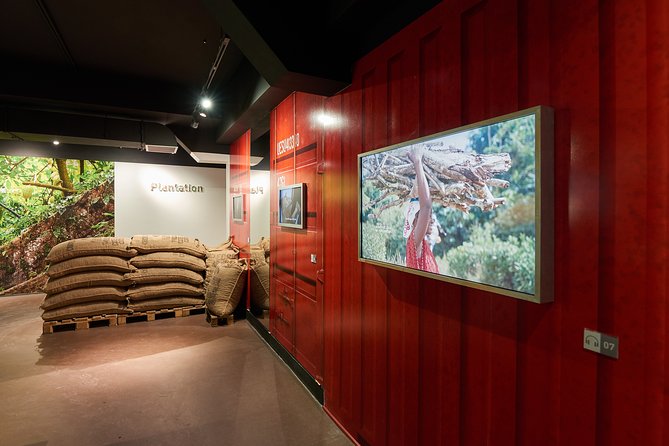
The visit opens far from the neat chocolate shops of central Colmar. You begin in a tropical forest setting, where an animated panel follows a small monkey tasting cocoa beans. It is a simple start, but a useful one. Before chocolate became a European luxury or a factory product, it began as the fruit of a tree in the Americas.
The next scene introduces the Aztecs and Quetzalcoatl, the feathered serpent god associated with bringing cocoa to humanity. This part gives the tour a clear cultural starting point rather than treating chocolate as a modern French invention. You get a sense of how cocoa was tied to ceremony, legend, and power before its arrival in Europe.
The museum uses short scenes and interactive elements instead of asking you to read long blocks of text. That choice works well if you are visiting with children, or if you want an entertaining break from Colmar’s churches, canals, and painted houses. You will not get a university lecture on Mesoamerican agriculture, but you will come away with the basic story and a stronger sense of where chocolate began.
A 16th-Century Spanish Ship at Sea
The journey then shifts to the 16th century. You enter a Spanish ship, with creaking ground, moving hurricane lamps, and windows that show the sea. These effects give the transition a physical feel. Rather than simply explaining that cocoa crossed the Atlantic, the museum puts you inside the voyage.
This is one of the more memorable sections because the room itself becomes part of the explanation. You can understand the dangers and uncertainty of transporting a new food across the ocean more easily when the floor moves and the lamps sway around you.
The display also helps explain why European chocolate developed into something different from its earlier forms. Cocoa had to travel, be prepared in new ways, and eventually find a place among European elites. The museum keeps the history moving, so you are not stuck in one period for too long.
If you prefer quiet museums with carefully labeled objects, the theatrical effects may feel a little much. If you like a museum that gives you something to see, hear, and do, this section should work better.
More Chocolate Museums in France
- Paris: Entrance Ticket to the Chocolate Museum
★ 4.1 · 1,105 reviews - Paris: 45-minute Chocolate Making Workshop at Choco-Story
★ 4.4 · 444 reviews - Colmar: Chocolate Museum Entrance Ticket
★ 4.5 · 187 reviews
European Courts and Chocolate Royalty
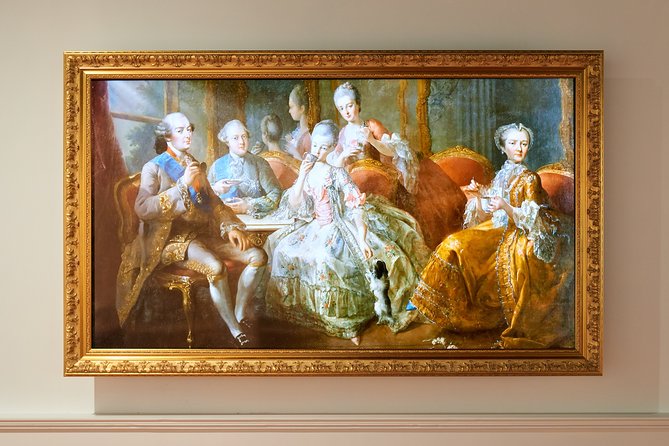
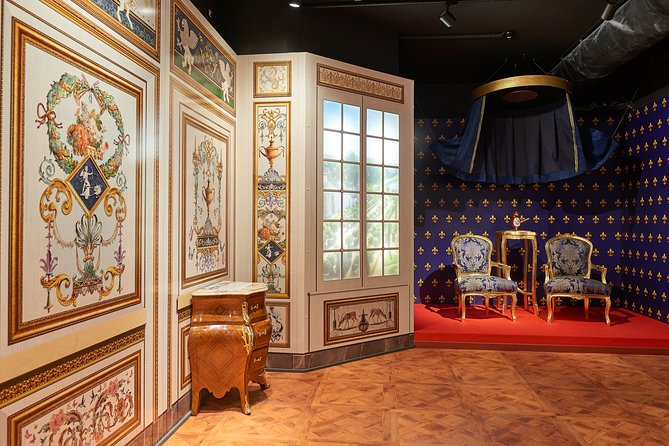
After the sea voyage, chocolate enters European courts. The setting shifts from exploration to status, fashion, and ceremony. You can sit for a photograph in royal armchairs, which is a small touch, but it gives the section a playful purpose.
This part shows how chocolate changed from an unfamiliar American product into a drink and delicacy associated with wealth. The royal setting helps you connect chocolate with court life, where new foods could signal influence and refinement.
The photo stop is especially useful for families. It breaks up the historical sequence and gives children something active to do. Adults can enjoy it as a lighthearted pause, though you should not expect an elaborate costume experience or a long portrait session. It is a quick interactive moment within the wider route.
The museum’s strength here is its pacing. Each major period gets a recognizable setting, so the timeline stays easy to follow even if you know little about cocoa beforehand.
The Choco Scanner and Playful Learning
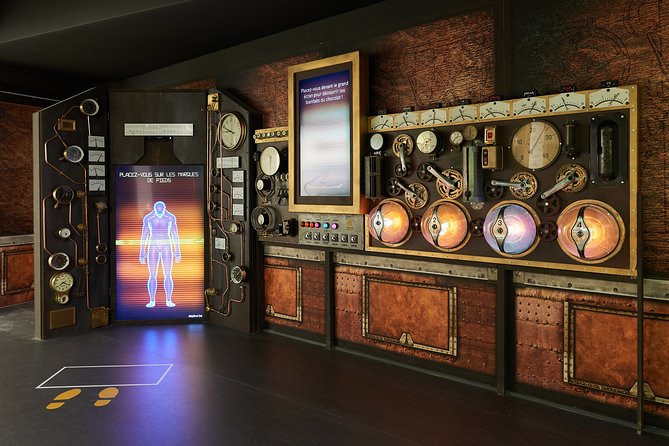
One of the more unusual stations is the choco scanner. It tracks body movements and presents the supposed benefits of the cocoa tree’s fruit. The display turns a health and food lesson into a physical game.
This is the kind of feature that helps explain why the museum works for different ages. Children can focus on movement and play, while adults can pick up information about cocoa in a less formal way. It also prevents the visit from becoming a straight walk through historical rooms.
You should keep your expectations realistic. The scanner is an interactive attraction, not a medical consultation or a detailed nutrition class. Its value is in making the subject memorable and giving you another way to engage with cocoa beyond reading and tasting.
The spontaneous games placed around the route add to this feeling. You may find yourself waiting to see what the next station asks you to do. That element of surprise is one reason the visit can feel more active than a standard museum tour.
Industrial Chocolate on the Second Floor
The second floor turns toward industrialization, where chocolate production becomes larger, faster, and more organized. This is an important change in the story. Cocoa is no longer mainly linked with temples, ships, and courts. It becomes a product made for a wider public.
The industrial section gives the visit a modern direction, though the available information does not list every machine or production demonstration. You should expect an explanatory museum display rather than a full working factory tour.
The change of focus is useful because it shows how chocolate became part of everyday life. The earlier rooms explain how cocoa reached Europe and gained prestige. The industrial rooms help explain how it reached ordinary households.
For many people, this will be the practical heart of the story. You can connect the finished sweets you know with the systems needed to process, shape, and distribute them. The museum does not appear to spend the entire visit on technical manufacturing, so those looking for a detailed production course may find this section fairly light.
Same cocoa, a different bite:
- Paris French Sweets Tasting Tour with Pastries and Chocolates
★ 4.5 · 947 reviews - A Morning in Paris Food Tour: Croissants, Baguettes & Chocolate
★ 5.0 · 556 reviews - Saint-Germain: Gourmet Chocolate & Pastry Walking Food Tour
★ 4.8 · 495 reviews - Paris Chocolate, Macaron & Pastry Food Tour: 10 Gourmet Tastings
★ 5.0 · 339 reviews
A Cabaret Filled With Chocolate Sculpture
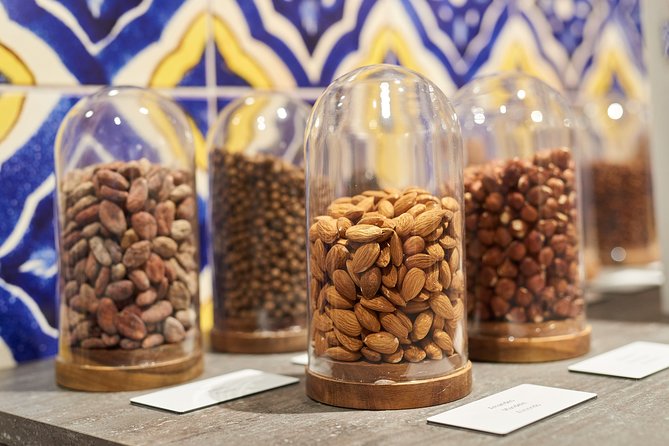
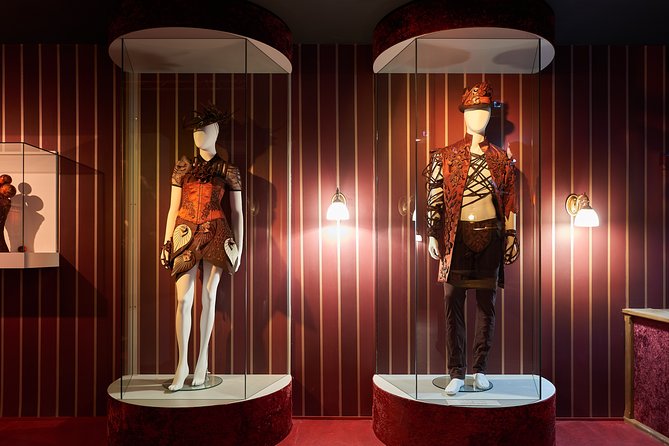
The industrial floor also includes a cabaret show featuring a 250-kilogram Statue of Liberty made from chocolate. The sculpture lights up the room along with other chocolate creations.
This is pure spectacle, but it is not pointless. Large chocolate figures show what the material can do when it is treated as a sculpting medium rather than only an ingredient. The Statue of Liberty also brings a familiar object into the chocolate story, making the scale easy to grasp.
You will probably spend more time looking than studying here. The display is designed to surprise, amuse, and create a strong visual finish to the industrial section. It is a good place for photographs, though the amount of time you spend will depend on how closely you want to examine the sculptures.
The cabaret format also adds variety. After history, travel scenes, and interactive games, the museum gives you a showpiece. This helps the 90-minute route maintain its rhythm.
Recipes From Three Master Chocolatiers
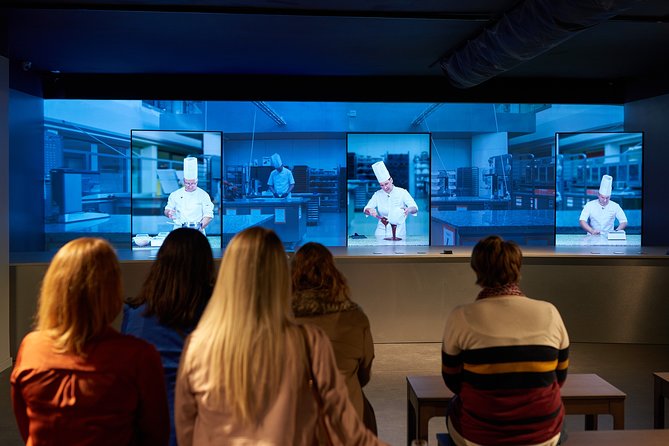
A giant screen presents recipes from three master chocolatiers. This section shifts the emphasis from chocolate’s past to what professionals do with it today.
The recipes give you a look at technique and presentation, though the supplied information does not name the chocolatiers or list the recipes. You should treat this as a visual cooking feature rather than a hands-on class. You watch the process rather than making the dishes yourself.
I like this stop because it connects the museum’s history to the chocolate you can buy and eat now. Cocoa’s journey ends not only in mass-produced bars, but also in carefully prepared desserts and specialty work.
If you are hoping to leave with a full set of recipes or a lesson from a live chef, you may find the screen presentation limited. Still, it adds a useful modern note and keeps the final part of the route tied to real chocolate-making.
Tastings, With Hot Chocolate Extra
Chocolate tasting is included in the visit. That matters when you compare the price with a standard museum admission, since you are not simply paying to look at displays. The tasting gives the history a direct, edible ending.
The exact tasting selection is not specified, so you should not book expecting a particular number or type of samples. What you can count on is the chance to taste chocolate as part of the experience.
A hot chocolate drink is not included. If you want one, plan to pay extra. This is a small point, but it can affect the final cost, especially for a family ordering several drinks.
The tasting also makes the visit more appealing to people who are less interested in historical detail. You can enjoy the exhibits at your own pace, take part in the games, and still have a clear reward at the end.
How the Audio Guide Shapes the Visit
A six-language audio guide accompanies the route. It lets you take in the displays at your own speed rather than relying on a live guide moving the entire group together.
That matters because the museum includes several interactive points. You may want to pause at the Spanish ship, take a photo in the royal chairs, or repeat a game with children. An audio guide gives you some control over that timing.
No guide names are provided, and this is not described as a live guided tour. The audio format is better for independent visitors who like to linger in certain rooms or move quickly through others.
You should still allow about 90 minutes. The visit is compact enough to fit into a day of sightseeing, but the interactive stations can tempt you to slow down. If you rush, you may miss the small games that make the experience more than a basic timeline.
Price, Timing, and Practical Value
At about $18.02 per person, the museum sits in the range of a paid cultural attraction rather than a quick shop visit. The value depends on what you want from your time in Colmar.
I think the price makes reasonable sense if you enjoy a mix of history, theater, games, and food. You receive an audio guide, interactive displays, chocolate tasting, films, 3D projections, and access to the full historical route. The 90-minute length also makes it easier to fit between other activities.
The value is less clear if you want a highly technical explanation of farming, fermentation, roasting, or factory machinery. The experience appears designed for broad appeal, not specialist study. You get a lively overview with memorable scenes, rather than a detailed course in chocolate production.
The visit is near public transportation, and it starts and ends at 12 Place de la Cathédrale in Colmar. That central meeting point makes it simple to pair with other sightseeing in the city. The maximum group size is 200, so the overall attraction can be busy, even though the route is self-paced.
Confirmation is provided at booking. The booking is non-refundable and cannot be changed, so choose your date carefully. That policy is worth noting before you pay, especially if your Colmar schedule is still uncertain.
Who Will Enjoy Choco-Story COLMAR Most
Families are the clearest match. The moving scenes, games, body scanner, photo opportunity, and tastings give children several ways to stay involved. The historical story is short enough to follow without requiring long periods of quiet attention.
Chocolate fans will also find plenty to like. You can see how cocoa moved across continents, entered European courts, became industrial, and reached modern confectionery. The giant sculptures and recipes add variety beyond the usual chocolate-shop visit.
It also suits a rainy afternoon or a break from outdoor sightseeing. Because the visit lasts around an hour and a half, you do not need to surrender a full day. You can use it as a focused indoor stop in the middle of a Colmar itinerary.
I would be more cautious if you dislike theatrical displays, want a silent museum, or are seeking a serious account of chocolate agriculture and production. The museum favors movement, visual effects, and entertainment. That is part of its appeal, but it also sets a limit on the depth of the history.
Should You Book This Chocolate Museum?
Book it if you want an entertaining, family-friendly introduction to chocolate with enough history to give the subject context. The Aztec temple, Spanish ship, royal chairs, choco scanner, giant sculptures, and tastings create a varied visit that is easy to fit into Colmar.
Skip it if you want a long, technical factory tour or a quiet collection of historic chocolate objects. You will get a broad story, playful displays, and modern presentation rather than exhaustive detail.
For most people with 90 minutes to spare and a real interest in chocolate, the combination of interactive exhibits and tasting makes the $18.02 price fair. Just remember that hot chocolate costs extra and the booking cannot be refunded or changed.
FAQ
Where does the Choco-Story COLMAR visit start?
The experience starts at 12 Place de la Cathédrale, 68000 Colmar, France.
Where does the visit end?
The activity ends back at the meeting point.
How long does the chocolate museum visit take?
The visit lasts approximately 1 hour and 30 minutes.
How much does the experience cost?
The listed price is about $18.02 per person.
Is a chocolate tasting included?
Yes. Chocolate tasting is included in the experience.
Is a hot chocolate drink included?
No. A hot chocolate drink is not included in the price.
Is the audio guide available in several languages?
Yes. An audio guide is included in six languages.
Freshly tempered around France
- Private Wine and Chocolate Tasting Experience★ 4.4 · 3 reviews
- Wine and Chocolate experience★ 4.6 · 3 reviews
- Wine and chocolat tasting at Chablis.★ 4.9 · 5 reviews
- Trio Chocolaté – Tour en français – Champagne Passy-Grigny★ 5.0 · 5 reviews
- Paris Sweet & Chocolate Family Treasure Hunt★ 5.0 · 37 reviews
- Molded Bonbons Chocolate making class in Paris (collective)★ 4.5 · 20 reviews
- Private Wine and Chocolate Tasting in Paris★ 4.5 · 4 reviews
- Pure Chocolate Tour in Paris★ 5.0 · 20 reviews
More France Chocolate Tours to compare.
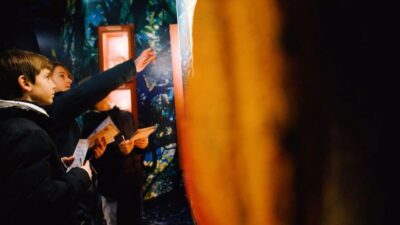
Paris: Entrance Ticket to the Chocolate Museum
Read our review →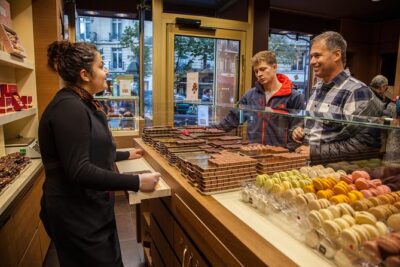
Paris French Sweets Tasting Tour with Pastries and Chocolates
Read our review →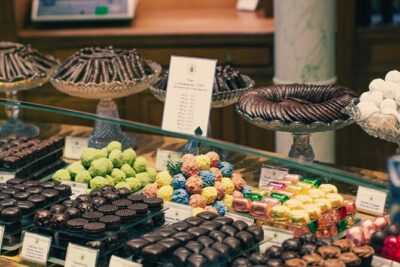
A Morning in Paris Food Tour: Croissants, Baguettes & Chocolate
Read our review →
Saint-Germain: Gourmet Chocolate & Pastry Walking Food Tour
Read our review →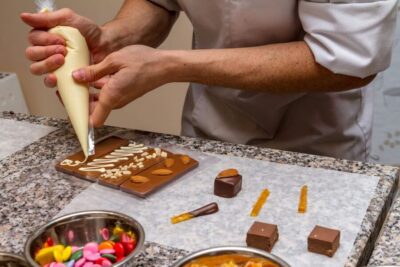
Paris: 45-minute Chocolate Making Workshop at Choco-Story
Read our review →
Paris Chocolate, Macaron & Pastry Food Tour: 10 Gourmet Tastings
Read our review →
Passy-Grigny: Chocolate and Champagne Tasting Tour
Read our review →
Paris Pastry Tour – Croissants, Macarons & Iconic French Desserts
Read our review →Chocolate lists with this tour