
Review · CHOCOLATE MUSEUMS
Zagreb: Chocolate Museum Entry Ticket
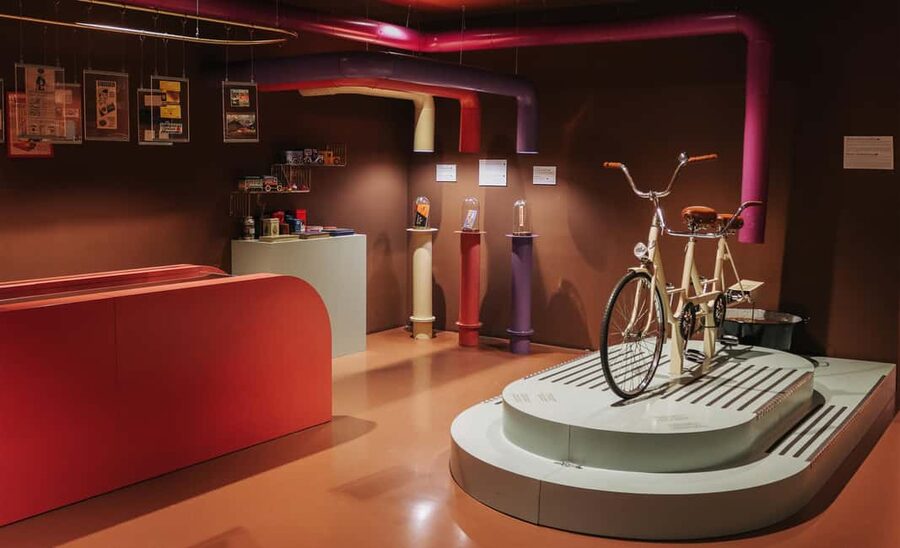
Chocolate here is more than a sweet snack. At Chocolate Museum Zagreb, cocoa beans become a thread connecting ancient South and Mesoamerican traditions, European courts, and the modern chocolate factory. You can grind beans with a metate, sample nine different chocolates, and move through rooms designed as a rainforest, baroque royal court, and Willy Wonka-style factory.
I especially like the nine-piece tasting box, since it turns the visit into something you can taste rather than simply read about. I also like the interactive cocoa-grinding activity and the chance to buy Croatian artisan chocolates in the city’s only chocolate boutique. The main drawback is scale: at $16 per person and roughly 45 to 60 minutes, this is a compact attraction, not a full-day museum.
Key points
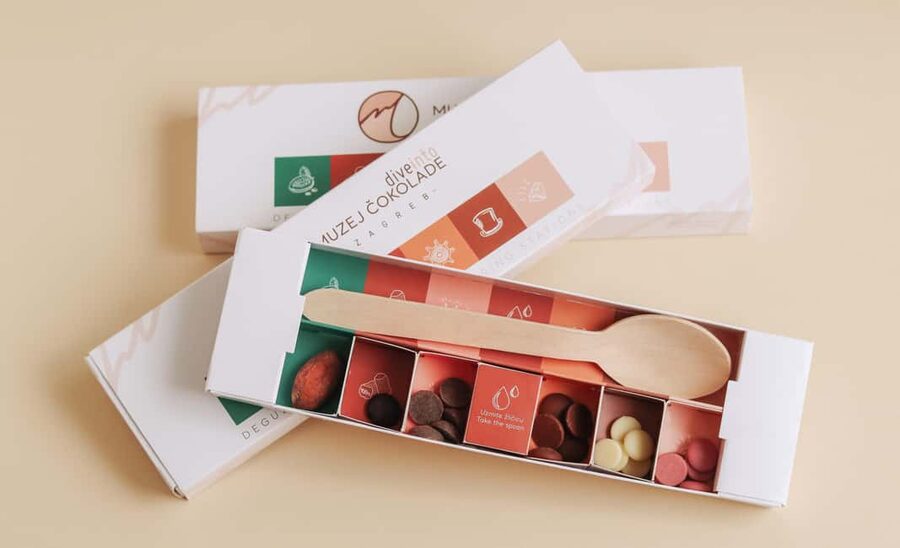
- Nine chocolate samples included: The tasting box gives you a clear reason to slow down and compare flavors.
- Ancient cocoa techniques: Grind cocoa beans with a metate or prepare a foamy Maya-style chocolate drink.
- Three playful settings: Take photos in a mystical rainforest, baroque royal court, or magical chocolate factory.
- English-friendly visit: Exhibits are presented in Croatian and English, with guided tours available separately in Croatian, English, and German.
- Central Zagreb setting: The entrance is in the glass-fronted building at the atrium of Gundulićeva 26.
- Boutique access without admission: You can shop for Croatian artisan chocolates and pralines even if you skip the museum ticket.
Entering the Chocolate Museum at Gundulićeva 26
The museum is in central Zagreb County, at the glass-fronted building in the atrium of Gundulićeva 26. Look for the modern glass facade rather than expecting a grand old museum entrance. That practical detail matters in a city where small attractions can hide behind courtyards or inside mixed-use buildings.
Your visit is flexible within the ticket’s one-day validity. Check the available starting times when booking, and remember that the last admission is one hour before closing. Since the museum usually takes 45 minutes to an hour, arriving too close to closing could leave you rushing past the displays.
The museum is wheelchair accessible. The exhibits are in Croatian and English, so an English-speaking visitor can follow the material without arranging a guide. Guided tours in Croatian, English, and German are available at specific times, but they are not part of standard admission and need to be arranged directly with Chocolate Museum Zagreb.
More Chocolate Museums in the world:
- Lindt Home of Chocolate Museum Entry Ticket
★ 4.7 · 9,329 reviews - Choco-Story Brussels: Chocolate Museum Entrance with Tasting
★ 4.3 · 4,883 reviews - Cologne: Chocolate Museum Entrance Ticket
★ 4.4 · 2,790 reviews
From ancient cocoa beans to European chocolate
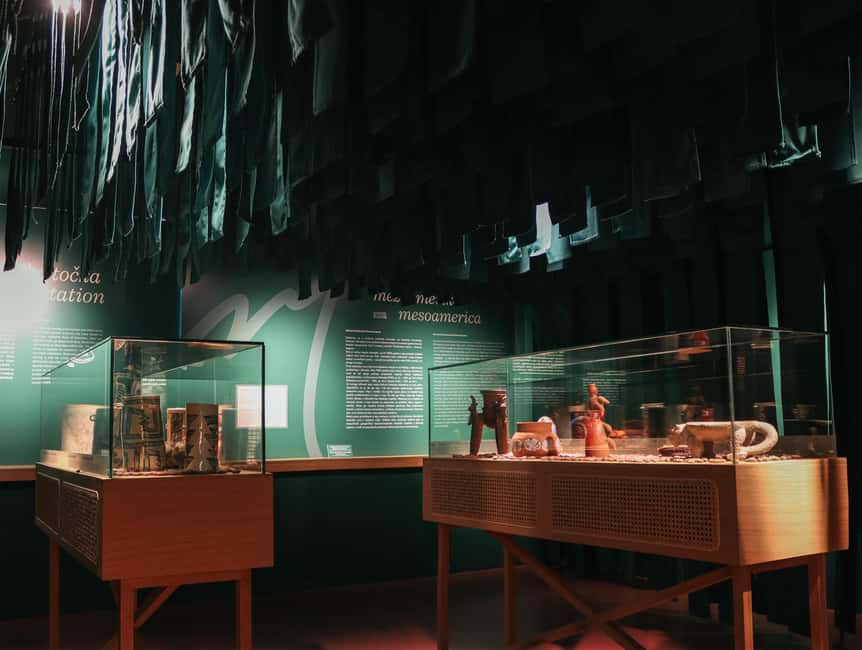
The first major strength is the story itself. Chocolate did not begin as the familiar bar in a bright wrapper. The museum traces cocoa back to Indigenous peoples of South and Mesoamerica, giving you a useful base for understanding why cocoa was important long before European confectioners turned it into a mass-market treat.
This early part should appeal to you if you like food museums that explain customs and production, not just display finished products. The focus is on how cocoa was used, prepared, and transformed over time. You get a better sense of the work behind the final taste in your sample box.
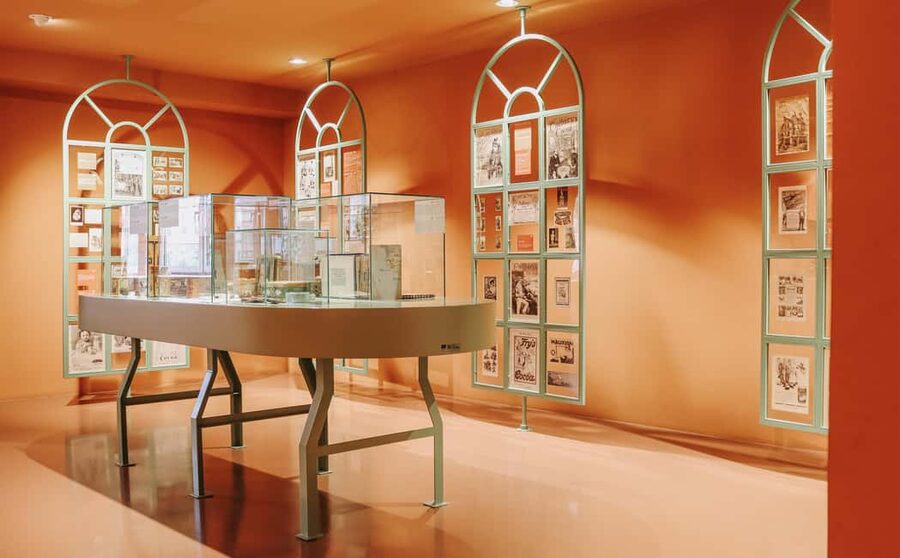
The displays also move through later settings, including a baroque royal court. That change in atmosphere helps show how chocolate shifted from an old American ingredient into a European luxury associated with ceremony and status. It is not simply a list of dates and names. The themed rooms give the subject a visual setting.
The material is presented in Croatian and English, which keeps the visit accessible to international visitors. You should still expect to read at your own pace rather than receive a full spoken explanation with the basic ticket. If you prefer a guided format, arrange an English, German, or Croatian tour in advance through the museum.
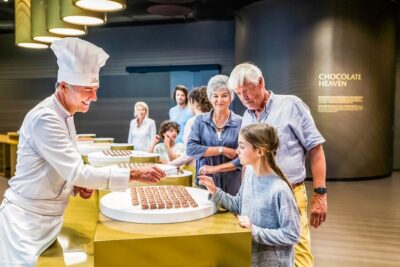
The nine-piece tasting is the heart of the visit
The admission includes a box with nine types of chocolate. This is the part that gives the museum its strongest value, since you are not only learning about cocoa but also comparing different tastes as the story progresses.
Take your time with the samples instead of eating the whole box quickly. The tasting can help you notice how chocolate changes from one piece to the next, even if the available information does not specify a detailed pairing menu or a particular order for tasting.
The sampling is also a practical reason to visit with family or friends. Each person can discuss which piece they prefer, and the experience works well for a casual date because the tasting gives you something to talk about. One visitor described enjoying the different chocolate flavors and cocoa beans while also learning a great deal about the subject.
The box does not turn the museum into a specialist chocolate course. You should not expect a long professional tasting session with extensive instruction. Instead, it is a pleasant, built-in part of a short museum visit, and the nine samples make the $16 admission easier to justify.
Grind cocoa like the Aztecs
The museum includes hands-on displays, including a chance to grind cocoa beans using a metate, a stone tool associated with Aztec preparation. This is a small activity, but it changes the pace. After reading about cocoa, you get to handle one of the tools connected with its traditional preparation.
You may also make a foamy chocolate drink in the style associated with the Maya. These activities give children a clear reason to pay attention, while adults get a better sense of how much effort sits behind a polished chocolate bar.
I like this part because it avoids making the visit entirely visual. You are asked to do something, not just look at objects behind glass. Still, the museum is not an extended workshop, and the basic ticket does not promise a cooking class or a take-home chocolate-making session.
The hands-on features are best seen as short demonstrations or interactive moments within the larger route. If you are visiting with children, they may be the detail that keeps the museum lively. If you are visiting alone, they still add texture to the historical material.
More Attraction Tickets in the world:
- Paris: Entrance Ticket to the Chocolate Museum
★ 4.1 · 1,105 reviews - Zurich Sights: Cruise, Lindt Chocolate and optional FIFA Ticket
★ 4.0 · 1,028 reviews - Princeville Botanical Gardens Tour and Chocolate Tasting Ticket
★ 5.0 · 774 reviews - Dresden: Guided Walking Tour and Chocolate Museum Ticket
★ 4.5 · 479 reviews
Three photo settings, from rainforest to chocolate factory
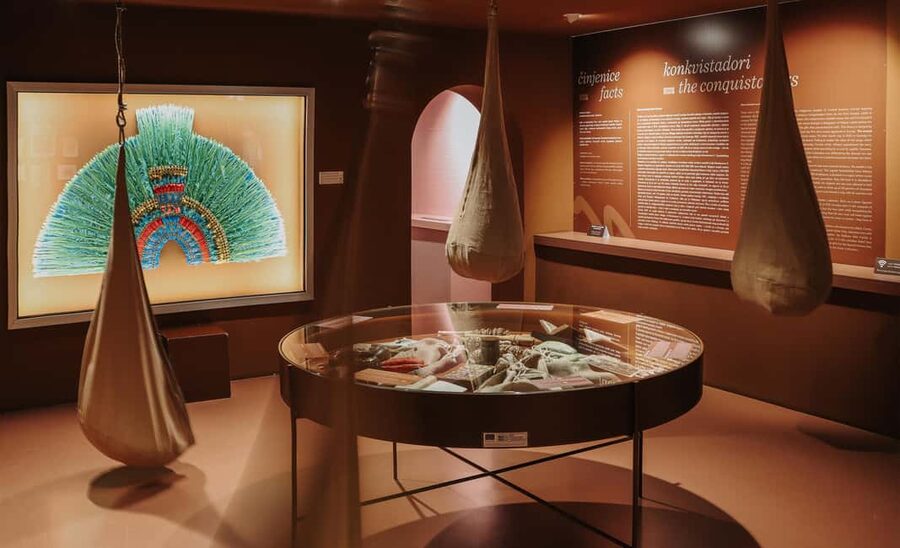
The museum is designed with photographs in mind. You can take a selfie in a mystical rainforest, a baroque royal court, or a magical chocolate factory inspired by the world of Willy Wonka.
These rooms are not interchangeable decorations. Each one matches a different stage or mood in the museum’s story. The rainforest setting connects with cocoa’s origins, the royal court suggests chocolate as a luxury, and the factory brings the subject into a more playful modern world.
If you use social media, you will find plenty of obvious photo stops. If you do not, the settings still break up the reading and make the route feel less formal. This is one reason the museum suits a group of friends or a romantic outing as well as a family visit.
The attraction does lean toward entertainment. One rating described the rooms as carefully designed to draw you into a fantastic journey, while another found the visit pleasant but felt the contents were not substantial enough for the price. That difference is useful to keep in mind. You will appreciate the museum most if you want a short, playful cultural stop rather than a large collection of important objects.
What you actually see in 45 to 60 minutes
A normal visit takes about 45 minutes to an hour, depending on how much you read and how long you spend with the interactive displays. That makes it easy to fit between Zagreb’s larger sights, a coffee break, or an evening meal.
A brisk visit might follow this pattern:
- Begin with the origins of cocoa among Indigenous peoples of South and Mesoamerica.
- Read about changing methods of chocolate preparation and production.
- Try the cocoa-grinding activity and the foamy drink demonstration.
- Continue through the royal court setting and later chocolate displays.
- Visit the magical factory-style room and take photographs.
- Taste the nine chocolates from the sample box.
- Finish at the boutique, if you want to buy Croatian sweets.
The precise order may vary, and the museum does not promise a fixed guided route with the standard ticket. The important point is that the visit is self-paced. You can spend more time on the objects and stories that interest you, or move quickly through the displays if you mainly came for the tasting and photographs.
That flexibility is useful on a busy Zagreb day. It is also the reason you should not book this as your only planned activity. The visit is short enough to combine with other city sights, and one rating made clear that some people may find the content too limited for the cost if they expect a large museum.
Is $16 a fair price?
At $16 per person, the ticket is not a bargain in the same way as a free city gallery or a quick shop visit. You are paying for the exhibition, interactive features, themed photo settings, and nine chocolate samples.
The price becomes easier to accept if you take part in the activities and spend close to an hour inside. It also makes sense if you enjoy food-focused museums, want a rainy-day plan, or are looking for something that works for several age groups. The ticket gives you more than a chocolate purchase, and the tasting is included rather than added at the door.
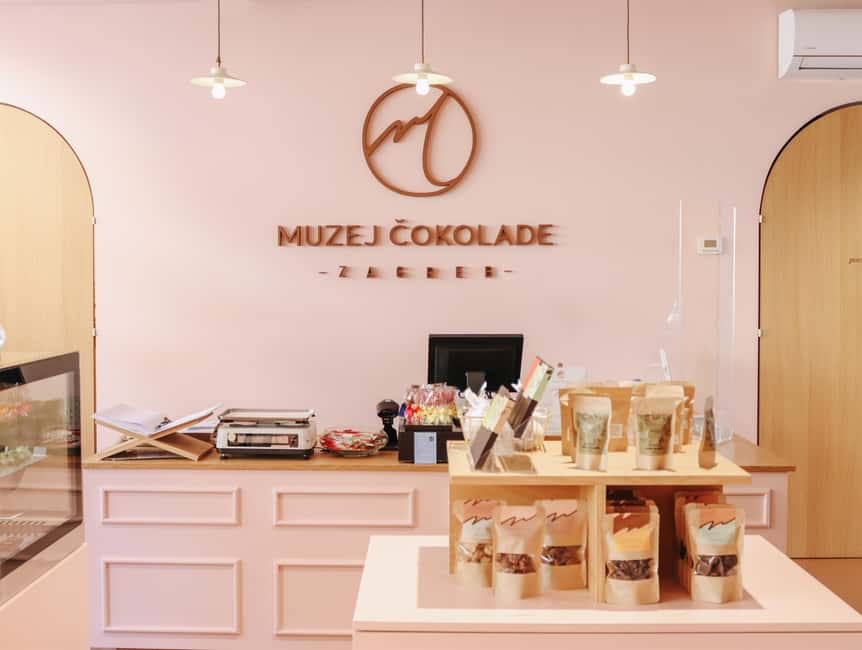
The value is less convincing if you only want to buy Croatian chocolate. The Chocolate Boutique is open to people without museum admission, so you can browse local artisan chocolates and pralines without paying the entry fee. That is a useful distinction: visit the museum for the story, activities, and tasting; visit the boutique alone for souvenirs.
I would think of the ticket as a compact experience rather than a major museum pass. At 45 to 60 minutes, it can be worthwhile as one stop in a full Zagreb itinerary, but it may disappoint you if you expect several hours of exhibits or a large historical collection.
The boutique is worth separating from the museum visit
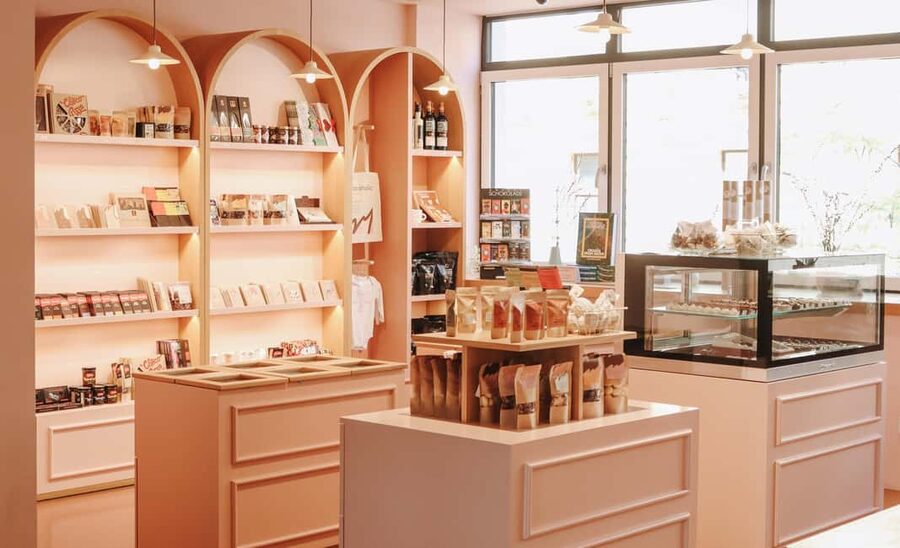
The Chocolate Boutique offers a wide selection of local Croatian artisan chocolates and pralines. Since it can be entered without museum admission, it is useful even if your schedule or budget does not allow the full experience.
This is also the natural place to choose a souvenir with a local connection. Instead of buying a generic chocolate bar at the airport, you can look for Croatian craft products after learning how cocoa became a finished sweet.
The available information does not identify particular makers, prices, or packaging sizes, so I would not promise a specific product. You can, however, count on the boutique being focused on local artisan and craft chocolate, not just standard supermarket brands.
If you have already taken the tasting, the shop gives you a chance to return to the flavors you liked. If you skipped admission, it still gives you a small taste of the museum’s theme without committing to the full $16 ticket.
Who will enjoy this Zagreb stop most?
Families get a good mix here: short reading sections, hands-on cocoa activities, bright themed rooms, and sweets at the end. The visit is long enough to feel like an outing but short enough that younger children are less likely to lose patience.
Friends can make the tasting and selfie rooms part of the fun. The museum is also suited to a date, since the route offers easy conversation and does not require several hours of quiet gallery time.
Food lovers will get the most from the historic and production sections. You will appreciate the visit more if you are curious about where chocolate came from and how it was prepared before modern factories made it familiar.
I would be more cautious if you want a serious museum collection, a long guided lecture, or a detailed technical study of chocolate production. The basic ticket is self-guided, and the whole route usually fits into an hour. The 4.5 rating from 72 ratings suggests strong overall appeal, but the range of individual scores also shows that expectations matter.
Practical tips before you go
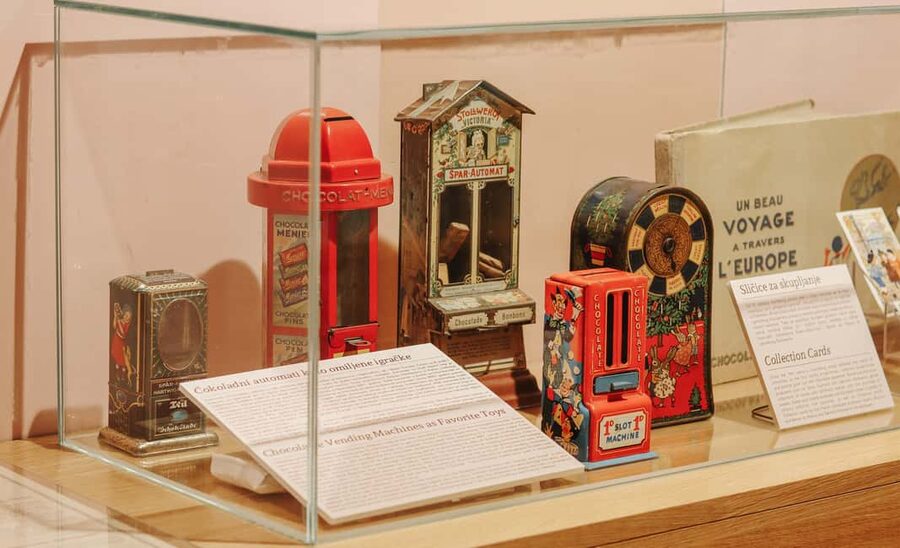
Plan for at least 45 minutes, and give yourself an hour if you want to read the English text, try the interactive features, take photographs, and enjoy all nine samples. Arriving with less than an hour before closing is risky because final admission ends one hour before the museum closes.
If you want a spoken explanation, do not assume it is included. Guided tours in English, German, and Croatian require separate arrangement at specific times. The exhibits themselves are bilingual in Croatian and English, so most visitors can manage the self-guided format.
Keep the boutique in mind when planning your timing. It is accessible without admission, so you can return for chocolates even if you decide that the museum is not the right fit for your schedule.
The flexible booking terms also help if your Zagreb plans are still shifting. You can cancel up to 24 hours in advance for a full refund, and the reserve-now, pay-later option lets you hold a place without paying immediately.
Should you book the Chocolate Museum Zagreb?
Book it if you want a short, hands-on food attraction with nine tastings, playful photo rooms, and a clear story about cocoa from ancient South and Mesoamerica to modern chocolate. It is especially well suited to families, couples, groups of friends, and anyone looking for an indoor Zagreb activity that does not take half a day.
Skip the admission and visit only the boutique if your main goal is buying Croatian artisan chocolates. Also think twice about the full ticket if you expect a large museum, extensive collections, or several hours of serious study.
For most visitors, the best approach is to place it between larger Zagreb sights and judge it as a one-hour experience. At that scale, the tasting, interactive cocoa work, and themed rooms give the $16 price a reasonable chance of feeling worthwhile.
FAQ
Where is Chocolate Museum Zagreb located?
The entrance is at the glass-fronted building in the atrium of Gundulićeva 26 in Zagreb County, Croatia.
How long does a visit take?
Most visits take between 45 minutes and one hour, depending on how much you read and how long you use the interactive displays.
Are chocolate tastings included?
Yes. Admission includes a sample box with nine different types of chocolate.
Are guided tours included with the admission ticket?
No. Guided tours in Croatian, English, and German are available at specific times but must be arranged separately with Chocolate Museum Zagreb.
Are the exhibits available in English?
Yes. All exhibits are presented in Croatian and English.
Can I visit the Chocolate Boutique without buying a museum ticket?
Yes. The boutique is accessible without museum admission and sells Croatian artisan chocolates, pralines, and other craft chocolate products.
Freshly tempered around the world
- Zurich Open-top Tour and Chocolate and Cheese Countryside★ 3.5 · 11 reviews
- Zurich: Chocolate Tasting and Walking Tour with a Local★ 4.2 · 13 reviews
- Lindt Chocolate Museum with Cruise Transfer from Zurich★ 4.6 · 7 reviews
- Zagreb: Lake Bled and Ljubljana Day Tour with Chocolate Gift★ 5.0 · 26 reviews
- York: Introduction to Chocolate Making Experience★ 4.9 · 10 reviews
- Zaandijk-Near Zaanse Schans Chocolate making demo & tasting★ 4.8 · 13 reviews
- Private Wine and Chocolate Tasting Experience★ 4.4 · 3 reviews
- Yarra Valley: Wine and Chocolate tasting tour.★ 5.0 · 5 reviews
More Chocolate Museums to compare.
Choco-Story Brussels: Chocolate Museum Entrance with Tasting
Read our review →

Vienna: Chocolate Workshop in Chocolate Museum w/ Tasting
Read our review →
Brussels: Chocolate Museum Visit with Workshop
Read our review →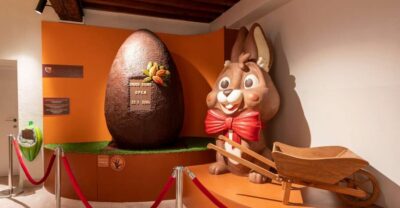
Bruges: Choco-Story Chocolate Museum Guided Tour w/Tastings
Read our review →
Paris: Entrance Ticket to the Chocolate Museum
Read our review →
Chocolate lists with this tour