
Review · COLOMBIA
Bean to Bar: Cocoa and Chocolate Workshop
The most interesting part of this 105-minute class is that you do not simply taste chocolate. You see how cacao is roasted, separated, blended, and turned into something you can make yourself. The workshop takes place inside a working chocolaterie near Arsenal Street, with machinery, ingredients, and finished sweets close at hand.
I like the hands-on making and the chance to compare white, milk, dark, pure cocoa, and blended chocolates. I also like the local angle: the class explains Colombian cacao varieties and why different beans matter at a national level. The main consideration is that anyone with food allergies should skip it, and on a Sunday there may be no staff actively producing chocolate in the work area.
Key points
- Cacao from bean to bar: See roasting and separation before working with finished chocolate.
- Several chocolate percentages: Taste white chocolate at 40 percent, milk at 46 percent, dark at 80 percent, pure cocoa at 100 percent, and blended versions.
- Private instruction: Your group receives a private class in English or Spanish.
- Choose your creation: Make bonbons, truffles, or chocolate bars with guidance from an artisan.
- Useful rainy-day plan: The workshop is indoors and offers a good change from Cartagena’s heat or wet weather.
- Easy central meeting point: Look for the pink, two-story building with wooden barrels near the start of Arsenal Street.
A chocolate workshop near Arsenal Street
This experience begins at the start of Arsenal Street in Cartagena, around the corner from the convention center. Look for a two-story pink building with wooden barrels outside. The barrels advertise free hugs, which makes the meeting point easier to spot than a small sign would be.
Once you arrive, the host takes you to the exact room where the workshop happens. That small bit of help matters in a busy part of town, especially if you are trying to find a local business rather than a large museum or hotel.
The class lasts 105 minutes. That is long enough to cover the cocoa process, taste several kinds of chocolate, and make your own sweets without turning the session into an all-day commitment. I would plan it for an afternoon when you want a break from Cartagena’s streets, heat, or rain.
The group is private, and instruction is offered in English or Spanish. A private class usually makes it easier to ask questions and work at your own pace, though your booking still depends on the exact group size available at your chosen time.
More Bean-to-Bar Chocolate Tours in Colombia:
- 1.5h Belgian Chocolate Workshop in Brussels (bean to bar)
★ 4.5 · 462 reviews - Bean to Bar Chocolate Workshop in Puerto Vallarta
★ 5.0 · 381 reviews - Bean to Bar Chocolate Workshop in Barcelona
★ 5.0 · 172 reviews
Inside the chocolaterie
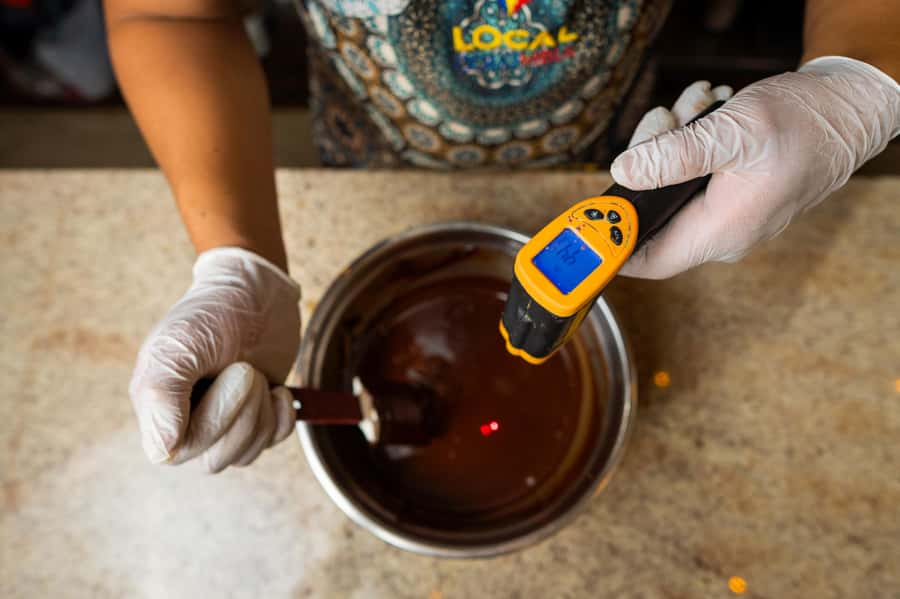
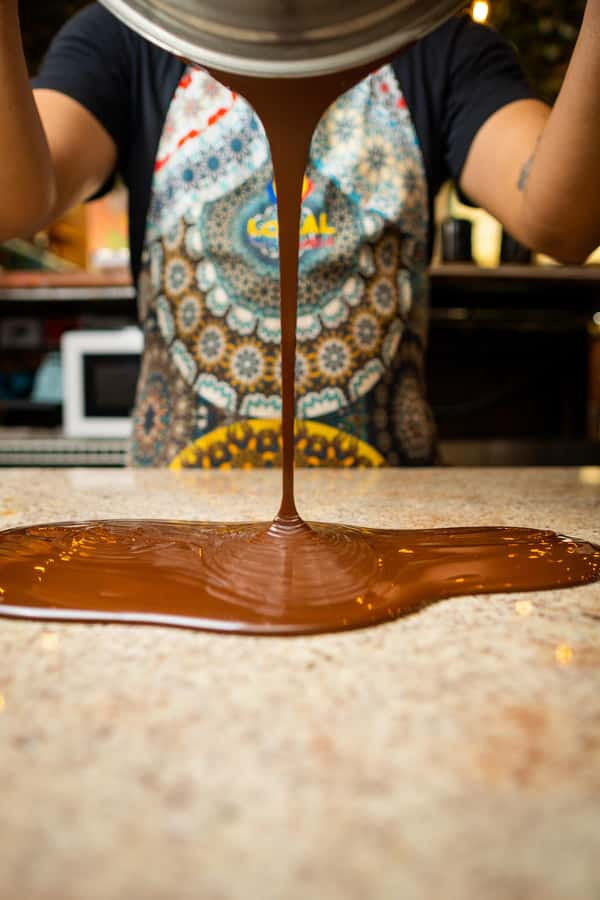
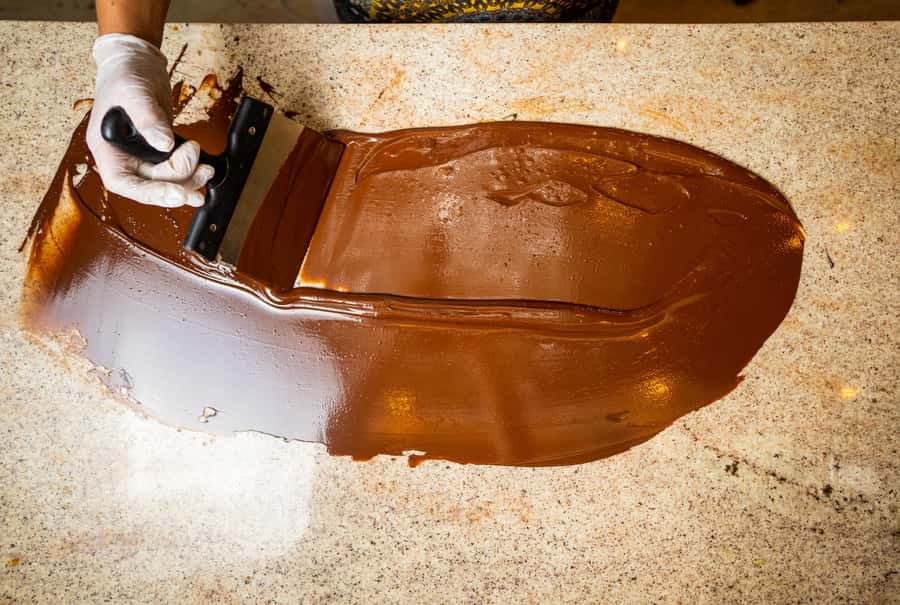
The workshop starts with an introduction to the chocolaterie itself. You see the machinery used in chocolate production and get a sense of how much care sits behind a finished bar or bonbon.
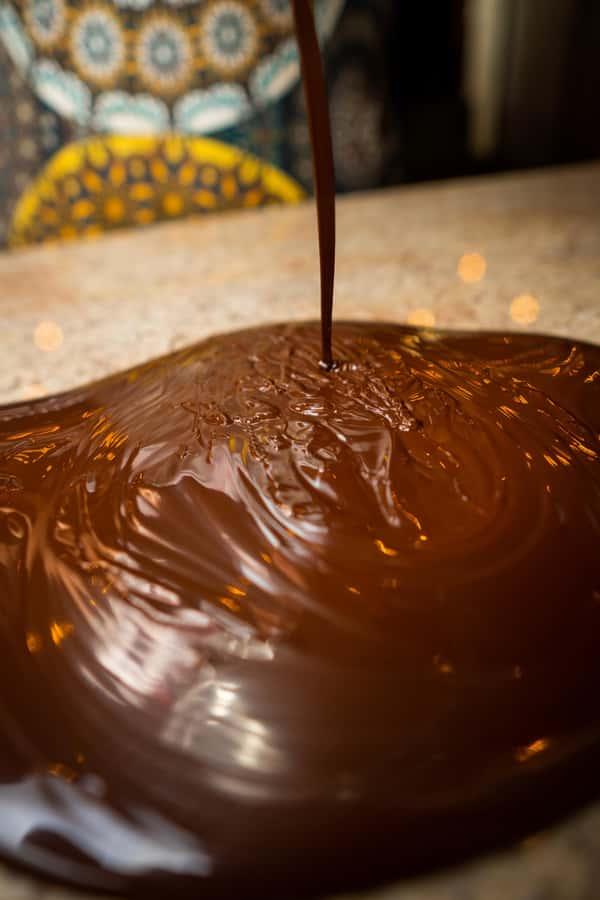
This is not just a demonstration of polished sweets. The point is to show the stages that are easy to overlook when you buy chocolate in a shop. Cocoa must be handled carefully before it becomes smooth, fragrant, and workable. The machines help with that process, but the class also highlights the judgment and precision of the people using them.
Your guide explains what happens to the cocoa beans during roasting and separation. These steps give the class a useful structure. You begin with a raw agricultural product, then follow its changes until it becomes chocolate that can be molded or mixed.
If you are curious about food production, this part may be the most valuable section. It connects the final taste to the earlier work. The smell of chocolate, the sound of the equipment, and the sight of the production area make the process easier to understand than a simple tasting would.
One practical detail: a Sunday visit may feel quieter. A private class held on a Sunday had access to the local production area, but no one was actively working there at the time. That does not remove the value of the explanation, though it does mean you should not expect a full working floor at every hour.
Why Colombian cacao matters
The class places cocoa in a Colombian setting rather than treating it as a generic ingredient. You learn why different cacao varieties matter at a national level and how the character of the bean influences the final chocolate.
The experience does not provide a full farm visit or a long agricultural tour, so keep your expectations in the right place. You are learning about origins and processing inside a chocolaterie. For a short city activity, that is a useful amount of context.
The tasting also gives you a practical way to notice differences. The workshop includes white chocolate at 40 percent, milk chocolate at 46 percent, dark chocolate at 80 percent, pure cocoa at 100 percent, and blends of these types.
Those numbers can sound technical until you taste them side by side. The 100 percent cocoa is the boldest option, while the milk and white chocolates offer more sweetness and a softer profile. The 80 percent dark chocolate lets you compare a strong cocoa flavor with the sweeter styles.
I like this part because it gives you a vocabulary for chocolate. You do not need to be an expert. You simply pay attention to the differences in sweetness, bitterness, texture, and intensity, then use those observations while making your own creation.
From tasting to making your own chocolate
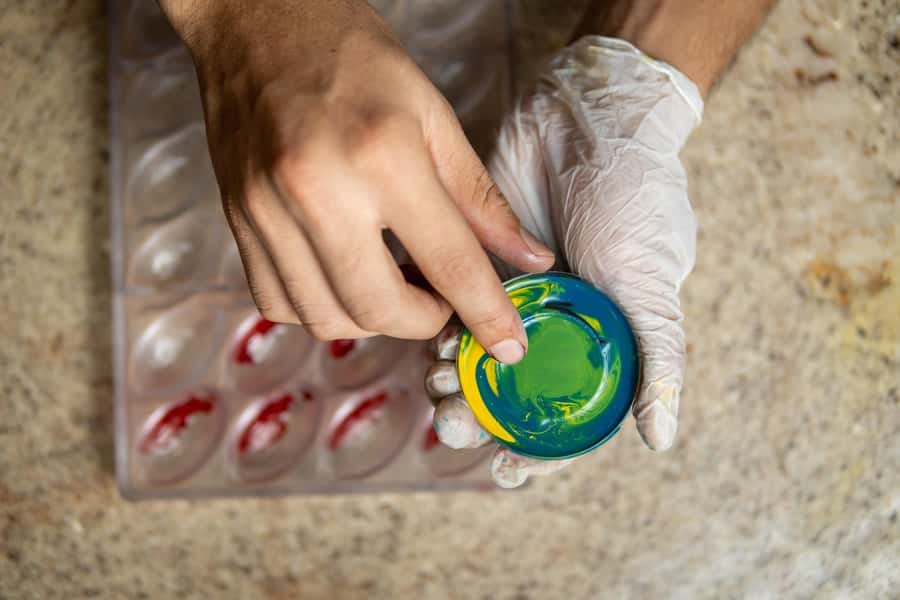
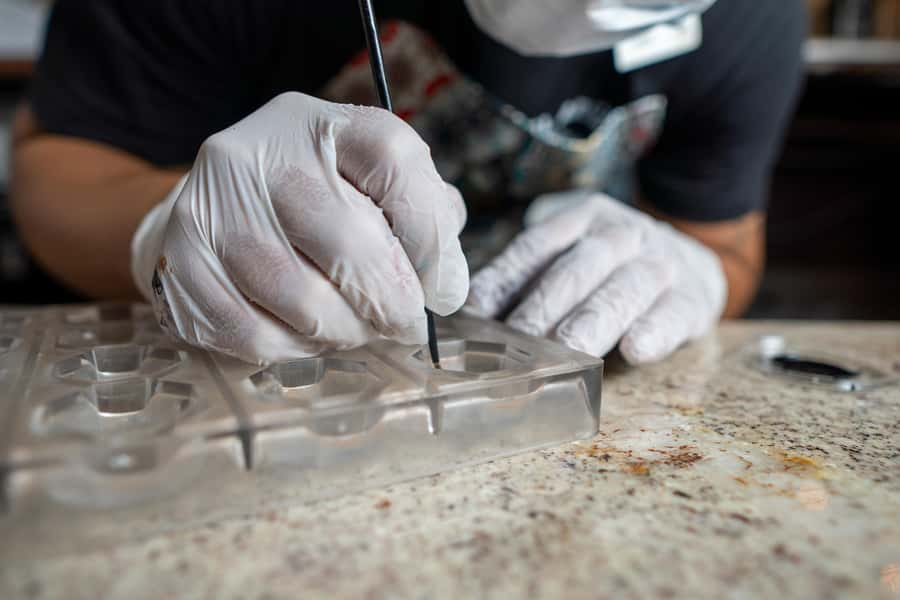
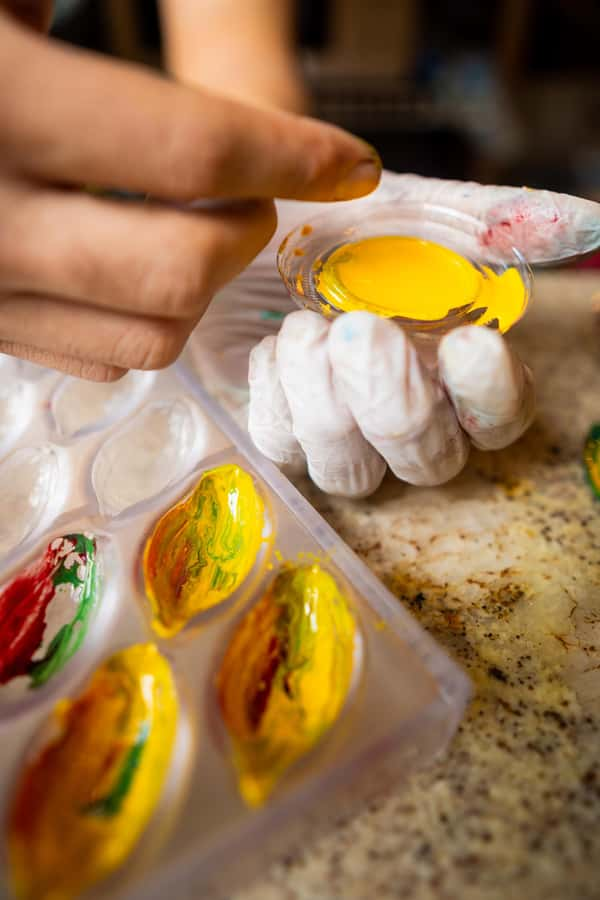
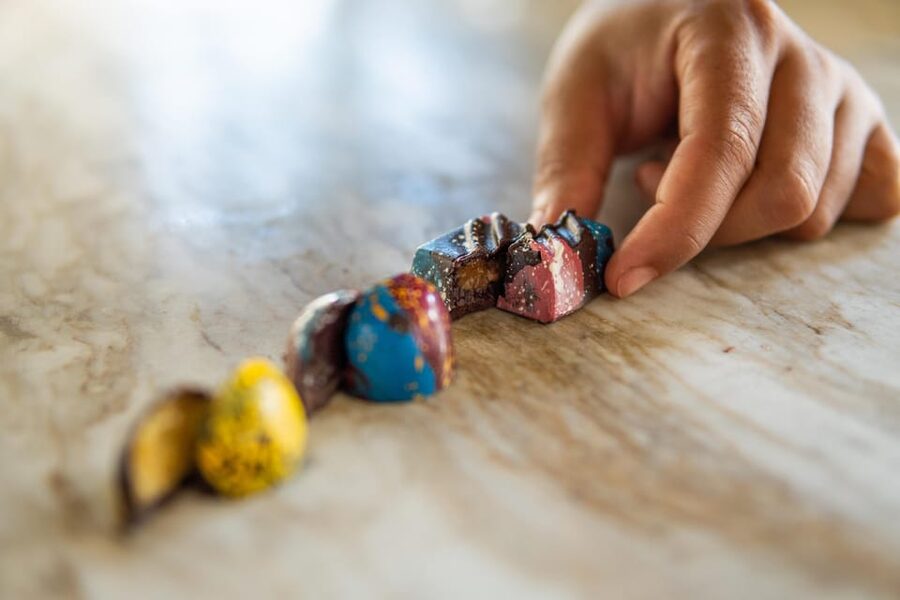
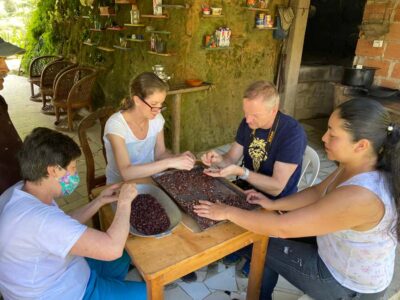
After the introduction and tasting, you take on the role of chocolatier. With guidance from the instructor, you can make bonbons, truffles, or chocolate bars.
The exact choice gives the workshop a creative edge. You are not only following a fixed demonstration. You can decide what kind of finished sweet best suits your interest, then work with the materials and techniques available during the session.
Bonbons are a good choice if you like small, finished pieces. Truffles appeal to anyone who enjoys a softer, fuller chocolate treat. Bars are more familiar and may be the simplest format if you want to focus on shaping and decoration.
The class is designed for beginners, so you do not need prior pastry experience. At the same time, someone who already enjoys chocolate-making can still use the session to test ideas and ask more detailed questions.
Expect a little mess. Comfortable clothing that can handle stains is recommended, and that advice is worth taking seriously. Chocolate is pleasant to work with, but it is not especially forgiving on light clothing.
The hands-on section is also where a good instructor matters. Alejandra, also called Ale, received especially strong praise for her energy, passion, and ability to answer questions. A guide who can explain both the basic steps and the reasons behind them makes the class more useful than a simple recipe lesson.
More Chocolate Making Workshops in Colombia:
- Vienna: Chocolate Workshop in Chocolate Museum w/ Tasting
★ 4.5 · 1,802 reviews - Brussels: Belgian Chocolate Making Workshop with Tastings
★ 4.7 · 1,629 reviews - Brussels: 2.5-Hour Belgian Chocolate Making Workshop
★ 4.8 · 933 reviews - Belgian Chocolate Workshop in Bruges
★ 5.0 · 660 reviews
The value of an enthusiastic guide
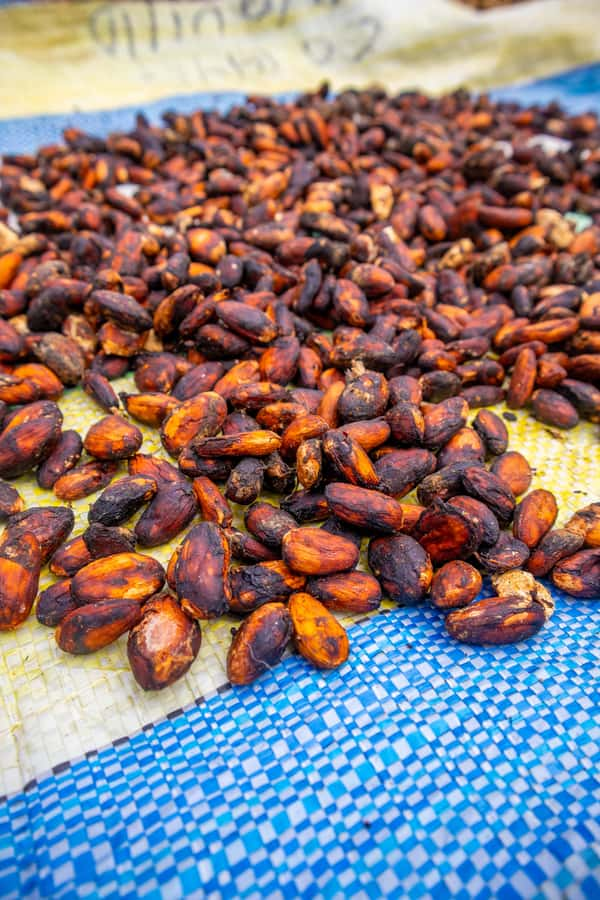
A food workshop can be fun even with a basic explanation, but a passionate guide changes the pace and depth of the experience. Alejandra is known for explaining the bean, harvest, ecology, and chocolate-making process with energy.
Those subjects give you more than a list of steps. The bean and harvest connect the finished product to agriculture. Ecology adds a reminder that cacao is part of a wider natural system. The hands-on work then brings those ideas back to your own table.
You should also be able to ask questions throughout the class. That matters because chocolate raises practical questions quickly. Why use one percentage instead of another? What changes during roasting? Why does a blend taste different from a single style? The instructor can address those details as they arise.
Instruction is available in English and Spanish. If you are booking in English, the available language makes the class accessible without requiring a translation service or a bilingual companion.
A good indoor break in Cartagena
Cartagena’s outdoor sights deserve most of your attention, but the weather does not always cooperate. Heat and rain can make a short indoor activity very welcome.
This workshop works well as a rainy-day plan because the main experience takes place inside. You can still do something local and active instead of spending the afternoon waiting for better weather in your hotel.
It also suits a day when you need a slower pace. The class does not require transportation between several stops. You meet near Arsenal Street, enter the chocolaterie, and spend the session in one place.
I would not book it as a replacement for visiting a cocoa-growing region. The supplied details do not include a farm visit, field work, or transport outside Cartagena. What you get is a city-based production lesson with tasting and chocolate making.
That distinction helps you decide. If you want to understand the craft and make sweets yourself, the workshop offers plenty. If you want to see cacao trees and meet growers, you need a different type of excursion.
Is $101 per person a fair price?
At $101 per person, this is not a cheap tasting. The value comes from the complete format: a private 105-minute class, an introduction to production machinery, an explanation of cacao processing, multiple chocolate samples, and time to make your own sweets.
A quick shop tasting would cost less, but it would not give you the same access or instruction. You are paying for an activity as well as for the chocolate itself.
The private format is important when considering the price. You are not simply standing in a large group while an instructor gives the same speech to everyone. Your group has room to ask questions and work directly with the materials.
The experience is also a reasonable choice for a special occasion, a couples activity, or a family outing with older children who can take part in the making. The food allergy restriction means it is not suitable for everyone, and the cost may feel high if you are mainly interested in eating chocolate rather than learning the process.
I would see it as good value for someone who enjoys food, craft, and local production. I would be more hesitant if your schedule is already packed with paid activities or if you want a broad tour of Cartagena rather than a focused workshop.
Who should book this class?
This is a strong fit for chocolate fans, curious cooks, and anyone looking for an indoor activity with a local connection. You will get the most from it if you enjoy asking questions and trying the process yourself.
It also suits people who want a small, focused experience rather than a large sightseeing tour. The private group format keeps the attention on your group, and the English or Spanish instruction makes the class straightforward to follow.
Families should consider the age and interests of their children before booking. The activity involves food preparation and chocolate handling, but no specific child age range is provided, so you should confirm suitability when arranging it.
I would also recommend it for a repeat visitor to Cartagena who has already seen the major sights. A chocolate class offers a different view of the city, one based on local ingredients and skilled production rather than monuments.
People with food allergies should not book. The activity specifically excludes them, and the chocolate tasting and making are central to the experience.
Practical details before you go
Wear comfortable clothes that can handle chocolate stains. Darker or casual clothing is the sensible choice, especially if you plan to work closely with the chocolate.
Give the provider an email address and a phone number with the area code. You receive a confirmation email and a calendar invitation, which can help you keep the appointment straight during a busy trip.
The meeting point is near the beginning of Arsenal Street, around the corner and across from the convention center. Find the pink two-story building with wooden barrels outside, then let the host direct you to the workshop room.
You can cancel up to 24 hours before the activity for a full refund. You can also reserve now and pay later, which is useful if you are still arranging the rest of your Cartagena schedule.
Starting times vary, so check availability for the date you want. Since the activity lasts 105 minutes, leave enough time around it for getting to the meeting point and continuing with your day.
Should you book the Bean to Bar workshop?
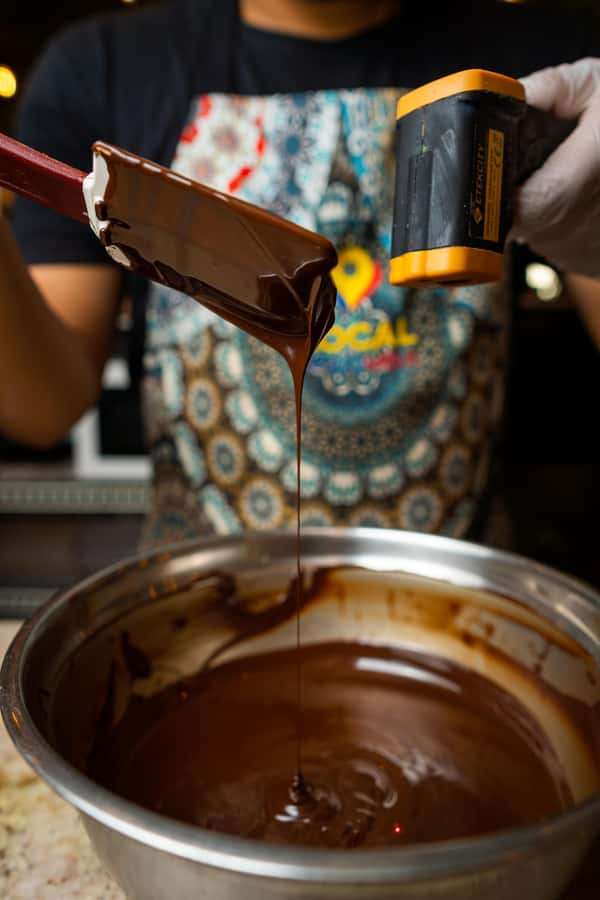
Book it if you want more than a chocolate sample. The class combines Colombian cacao context, tasting across several percentages, access to a chocolaterie, and a chance to make bonbons, truffles, or bars yourself.
The strongest reasons to go are the private format, the hands-on work, and the quality of the instruction, especially if Alejandra is leading your session. It is also one of the better choices for a wet or overly hot afternoon.
Skip it if you have food allergies, dislike kitchen-style activities, or are hoping for a farm visit. The workshop is focused on production and making chocolate in the city.
For most chocolate lovers, $101 is justified by the amount of guided time and the personal activity. Just wear clothes you can stain, arrive at the pink building near Arsenal Street, and expect a focused lesson rather than a general Cartagena tour.
FAQ
Where does the chocolate workshop meet?
The meeting point is at the beginning of Arsenal Street, around the corner and across from the convention center. Look for a two-story pink building with wooden barrels outside promoting free hugs.
How long does the activity last?
The workshop lasts 105 minutes.
What languages are available?
Instruction is available in English and Spanish.
Is this a private activity?
Yes. The experience is offered as a private group.
What kinds of chocolate will I taste?
The included chocolate selection can include white chocolate at 40 percent, milk chocolate at 46 percent, dark chocolate at 80 percent, pure cocoa at 100 percent, and blends of these types.
What can I make during the class?
With guidance from the artisans, you can make bonbons, truffles, or chocolate bars.
Can I cancel for a refund?
You can cancel up to 24 hours in advance for a full refund. A reserve-now, pay-later option is also available.
Freshly tempered around Colombia
- Waterfalls, Animal Reserve and Chocolate: Mango Passage★ 5.0 · 2 reviews
- Cocoa Tour – San Rafael Antioquia from Medellín★ 5.0 · 2 reviews
- Medellín: Chocolate Tour & Exfoliation in beautiful river★ 5.0 · 3 reviews
- Chocolate tour near the Medellín★ 5.0 · 13 reviews
- Cartagena: Express Rum and Chocolate Tasting Experience★ 5.0 · 10 reviews
- Cartagena: The Legendary Colombian Rum and Chocolate Tasting★ 5.0 · 8 reviews
- Bogotá: Candelaria Tour with Cacao and Coffee Workshop★ 5.0 · 3 reviews
- Cacao and Coffee Tour★ 4.5 · 24 reviews
More Colombia Chocolate Tours to compare.
Cartagena: Boutique Rum and Chocolate Tasting at Lunático
Read our review →
Coffee & Chocolate Private Tour in Medellin: Genuine Experience
Read our review →
Trekking History and Indigenous Heritage in Minca + Cacao & Coffee + Waterfall
Read our review →
Minca: Full-Day Coffee and Cocoa Tour from Santa Marta
Read our review →
Chocolate lists with this tour